You’ve probably felt it before you even heard it: that low, warm vibration settling across your lap as your cat curls into you. It’s intimate in a way that’s hard to fully explain, a kind of physical reassurance that passes between species without a single word. Most people take the purr at face value, reading it simply as a sign that everything’s fine. The reality is considerably more interesting.
Your cat’s purr isn’t just one thing. It’s a layered, surprisingly intelligent form of communication that shifts depending on what your cat needs, how it feels, and yes, sometimes what it wants you to do about it. Once you understand the mechanics, the context, and the subtle variations, you stop being a passive recipient of that sound and start being someone who genuinely listens.
The Mechanics Behind the Sound You Love
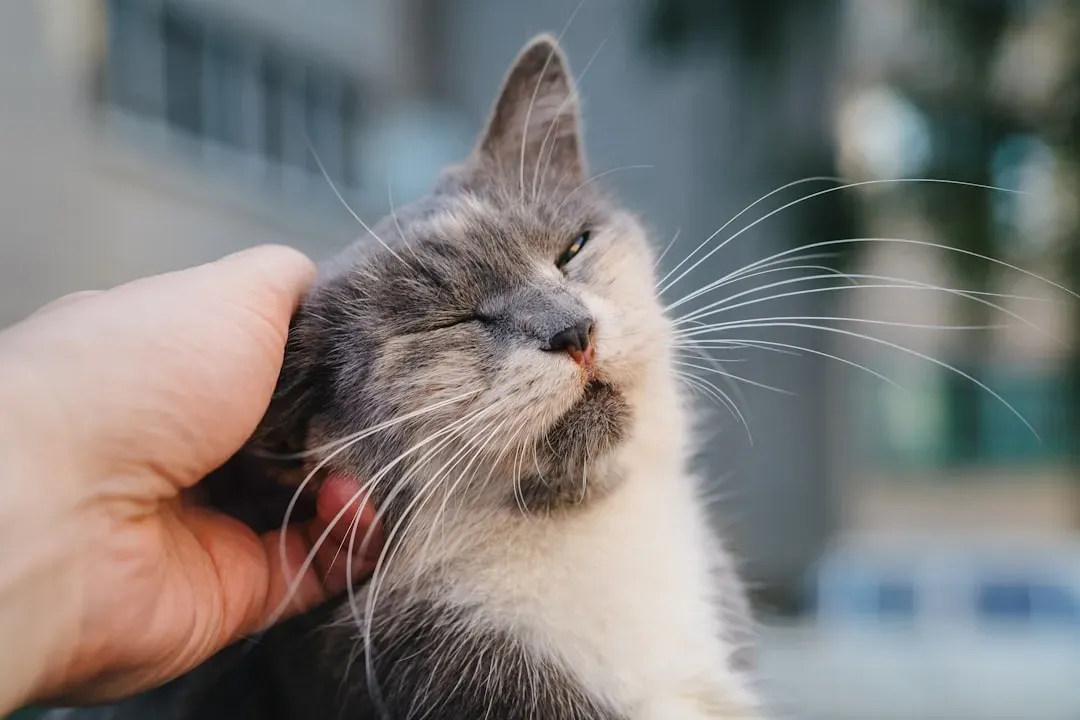
A neural oscillator in your cat’s central nervous system sends signals to the laryngeal muscles, causing them to vibrate at a frequency of 25 to 150 Hertz. As your cat breathes, air passing over these vibrating muscles creates that characteristic purring sound. This efficient, low-energy mechanism allows a cat to purr for extended periods without significant effort.
Uniquely, cats can purr on both the inhale and the exhale, creating a continuous sound. That’s part of what makes it feel so seamless, so unbroken. Scientists have identified a neural oscillator that activates the biological process behind purring, but it’s not entirely clear what triggers it, or whether there’s more than one trigger, since observational studies suggest cats can purr for several different reasons.
Not Just Happiness: What Your Cat Is Actually Communicating
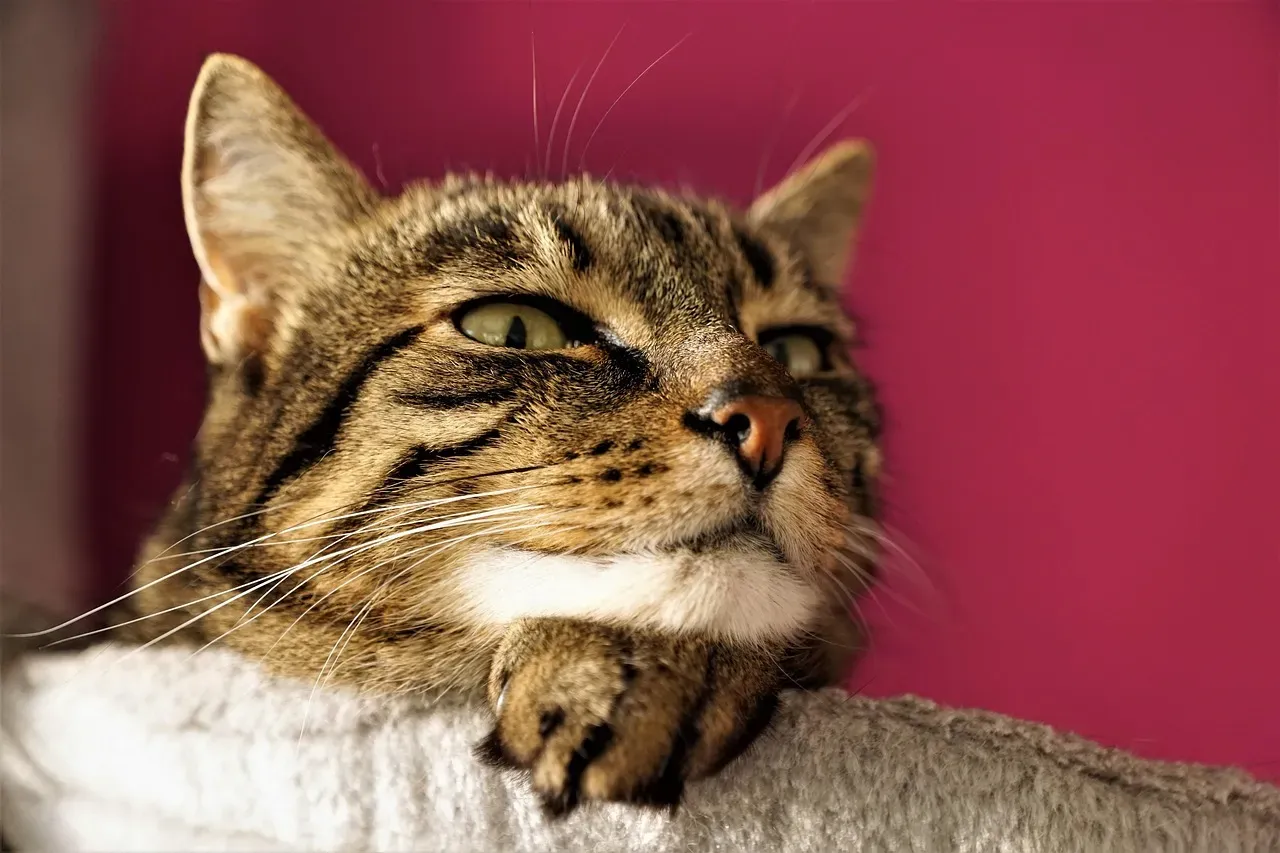
Cats purr for multiple reasons, including contentment, pain relief, self-healing, anxiety, and communication with humans or kittens. Purring is not exclusively a happiness signal. It is a multi-purpose physiological and communicative tool. That’s worth sitting with for a moment, because it fundamentally changes how you interpret the sound.
The biggest myth about cats is that a purr equals a smile. In reality, a purr is more like a human laugh: we laugh when we’re happy, but we also laugh nervously when we’re uncomfortable or trying to diffuse tension. Purring is a physiological mechanism used for communication, self-regulation, and healing. Reading the purr correctly means reading the whole cat, not just the sound.
Reading the Contentment Purr: What It Looks Like When Your Cat Is Truly at Ease
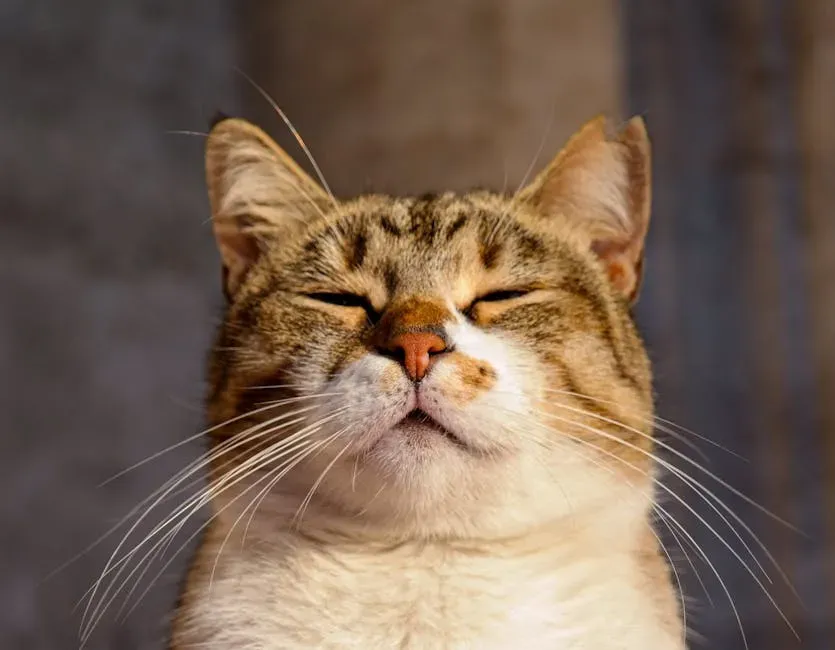
One of the most well-known reasons cats purr is to express contentment and comfort. When your cat curls up on your lap, closes their eyes, and begins to purr, they are clearly indicating that they feel safe, happy, and relaxed. This is the purr most people recognize intuitively, and your instinct is correct when you see it paired with the right body language.
A contentment purr is accompanied by a relaxed posture, slow blinks, often called “cat kisses,” and perhaps kneading with the paws. If your cat blinks slowly at you, it means they trust and love you. You can blink slowly back to show them that you love them too. That quiet back-and-forth is one of the most genuine exchanges you can have with a cat.
The Solicitation Purr: When Your Cat Is Working You
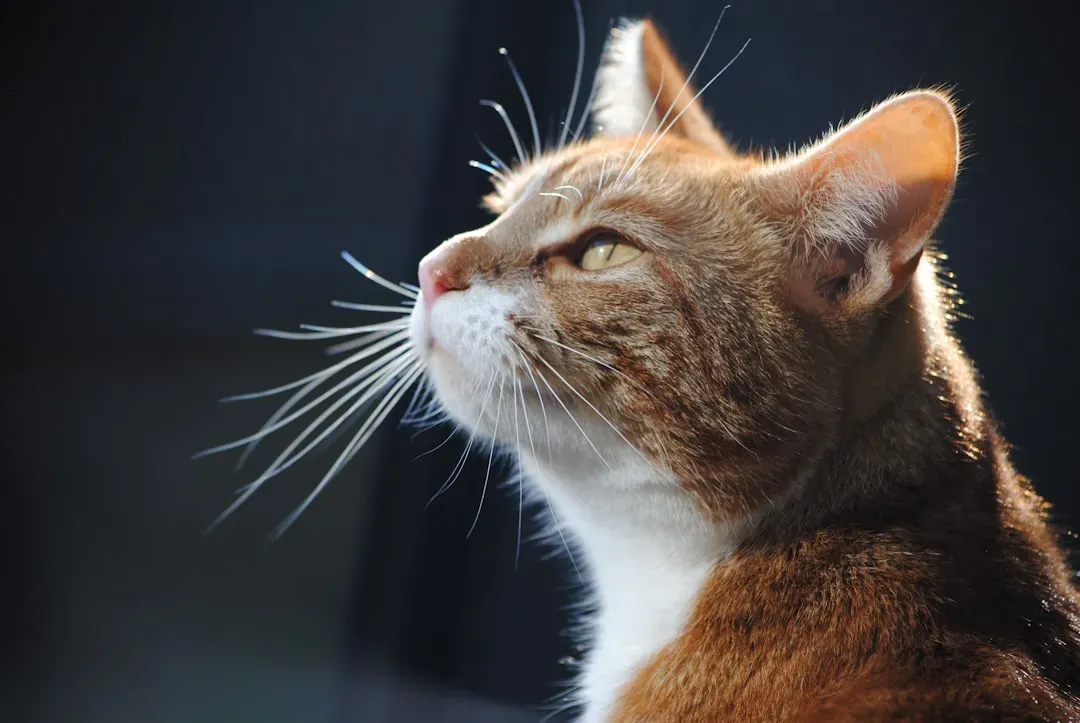
Despite widespread interest in inter-specific communication, few studies have examined the abilities of companion animals to communicate with humans in their natural environment, the human home. Domestic cats make subtle use of purring to solicit food from their human hosts, apparently exploiting sensory biases that humans have for providing care. Dr. Karen McComb at the University of Sussex was the researcher who documented this phenomenon properly.
On the surface, the solicitation purrs are based on the same low-pitched sounds that contented cats make, but embedded within them is a high-pitched signal that sounds like a cry or a meow. It’s this hidden signal that makes the purr of a hungry cat so irresistible to humans. Previous studies found similarities between a domestic cat’s cry and the cry of a human baby, a sound that humans are highly sensitive to. Sensitivity to this type of purring may even be innate in humans, drawing from a primal drive to respond to crying babies.
The Self-Soothing Purr: When Your Cat Is Scared or in Pain
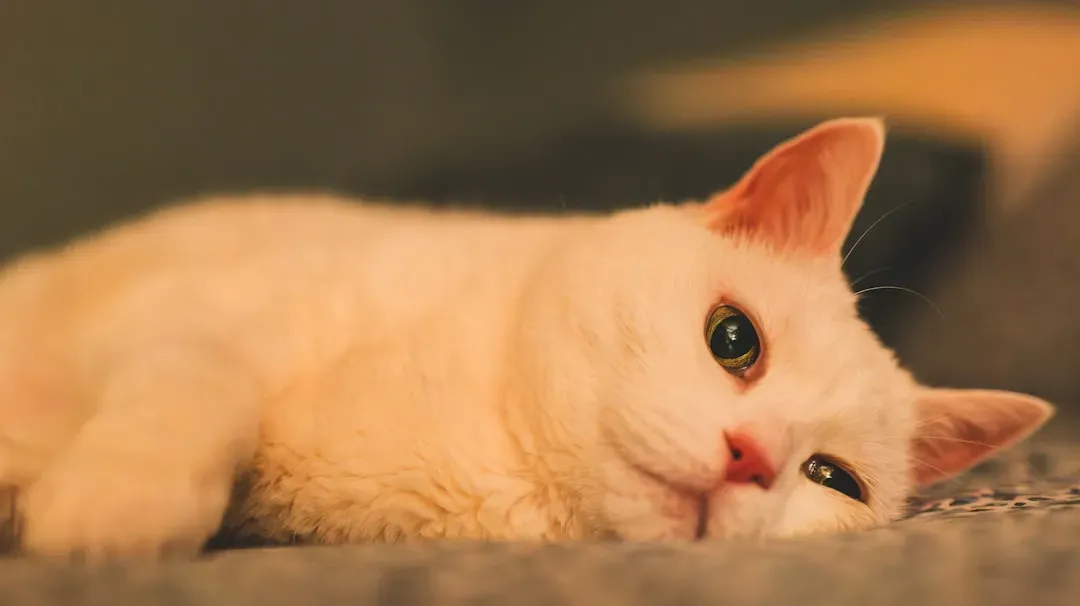
Cats also purr during stressful or painful situations. A cat visiting the veterinarian, giving birth, or recovering from an injury may purr intensely. In these cases, purring is believed to serve as a self-soothing mechanism, helping the cat regulate stress and possibly reduce discomfort. This dual function makes purring unique among animal vocalizations.
A pain or distress purr may occur with a tense, hunched posture, flattened ears, or hiding. The purr is a self-soothing attempt, not a sign that they are “fine.” If your cat is purring but their ears are pulled back and their body is tense, that’s your cue to look more carefully, not settle back into assuming all is well. Cats may purr due to pain or illness, and an increase in meowing or yowling may signal emotional or physical distress. If you see these changes alongside other shifts in normal behavior, such as hiding or decreased energy, take them to the vet.
Kittens and Mothers: Where the Language Begins
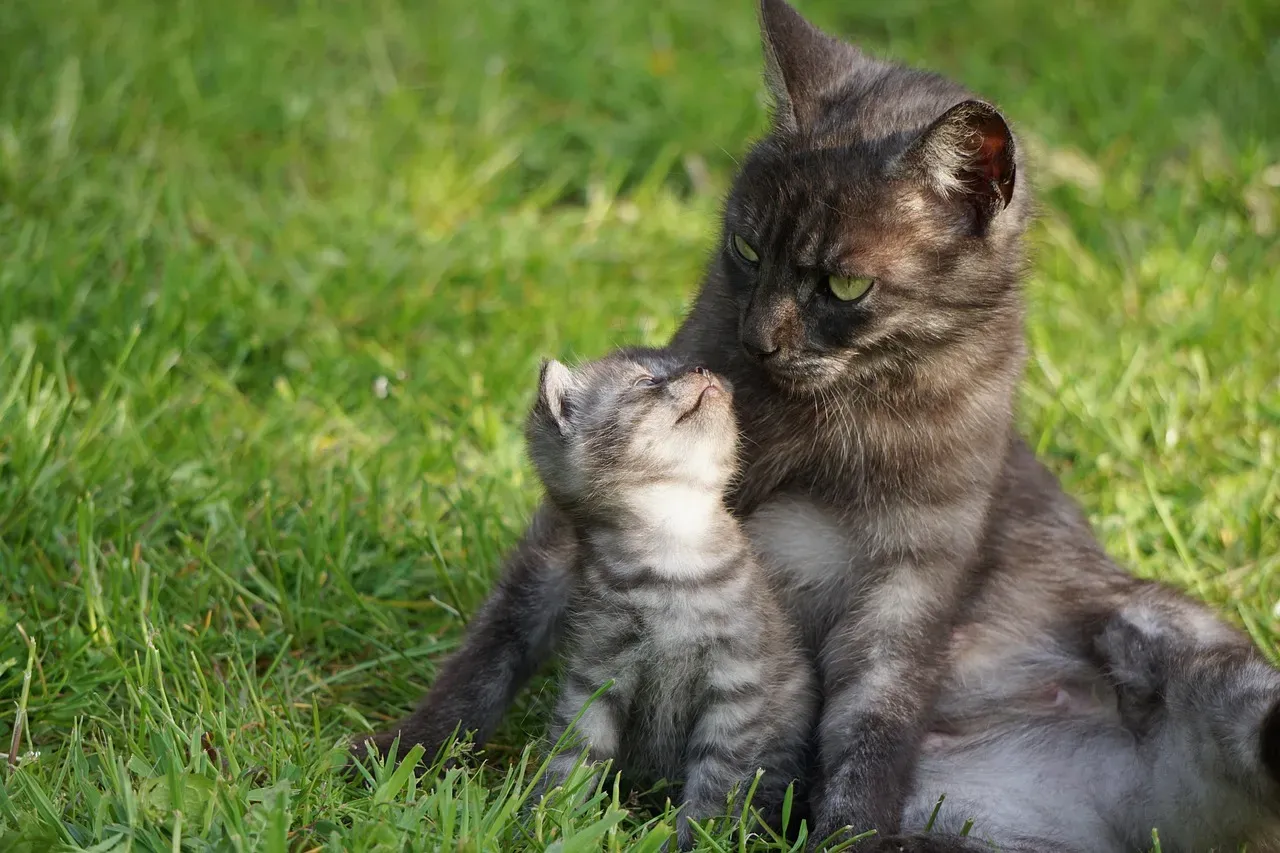
Cats learn to purr from a young age and the mechanism is vital to their survival. A kitten’s natural instinct to purr starts from as early as two days old. This helps them communicate with their mother and between littermates. A mother cat communicates with her newborn babies through the purring vibrations to let them know that she’s there, since the babies are born without sight or hearing.
Kittens begin purring within days of birth, and this behavior helps them bond with their mother while nursing. The soft vibrations allow kittens to signal that they are safe, content, and thriving without needing to meow, which could attract predators in the wild. Purring while kneading may be a residual behavior from kittenhood, as kittens tend to knead and purr while nursing. For adult cats, this may be a behavior pattern they perform when in a positive emotional state.
The Therapeutic Frequency: Why the Purr Might Actually Heal You Both
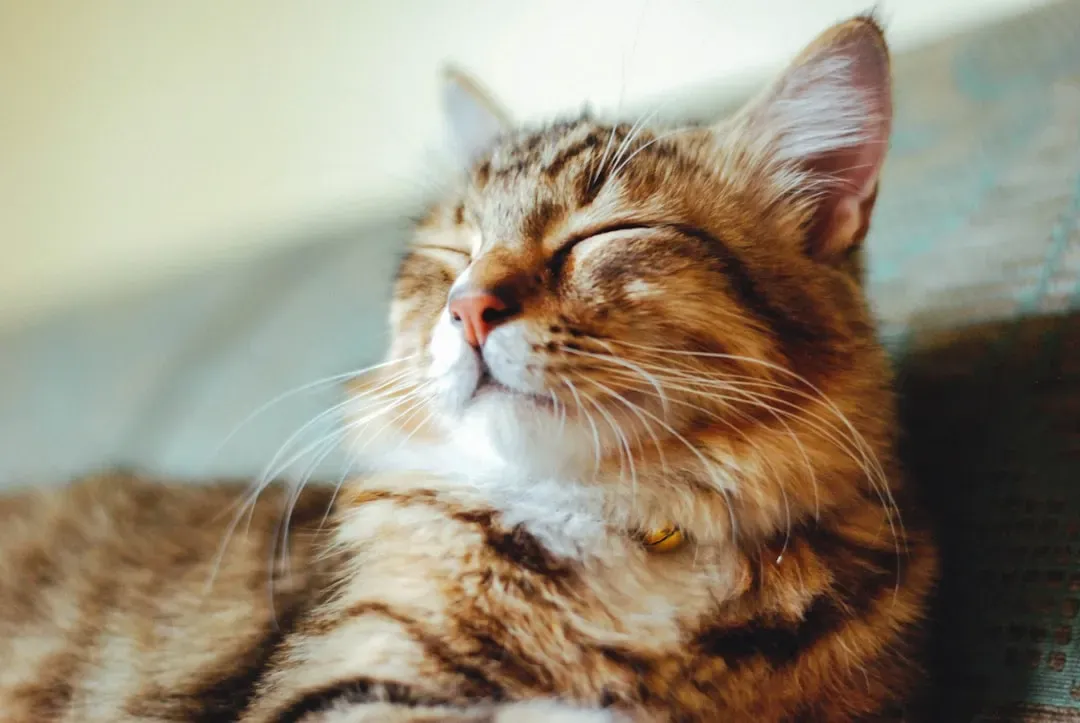
The vibrations produced during purring occur at a frequency of 25 to 150 Hertz, which has been shown to promote healing and tissue regeneration and is known to positively affect bone density and tendon and muscle repair. That’s not a spiritual claim; it’s a measurable physical reality that researchers have been examining carefully for years.
Cat purring stimulates the production of endorphins, which are natural chemicals that promote feelings of happiness and well-being. When you interact with a purring cat, your body releases serotonin, a neurotransmitter associated with mood regulation. This physiological response can help lower cortisol levels, the primary hormone associated with stress. You and your cat are essentially co-regulating each other, which is something worth appreciating the next time you reach for them after a long day.
Purring and Your Heart: A Connection Worth Understanding
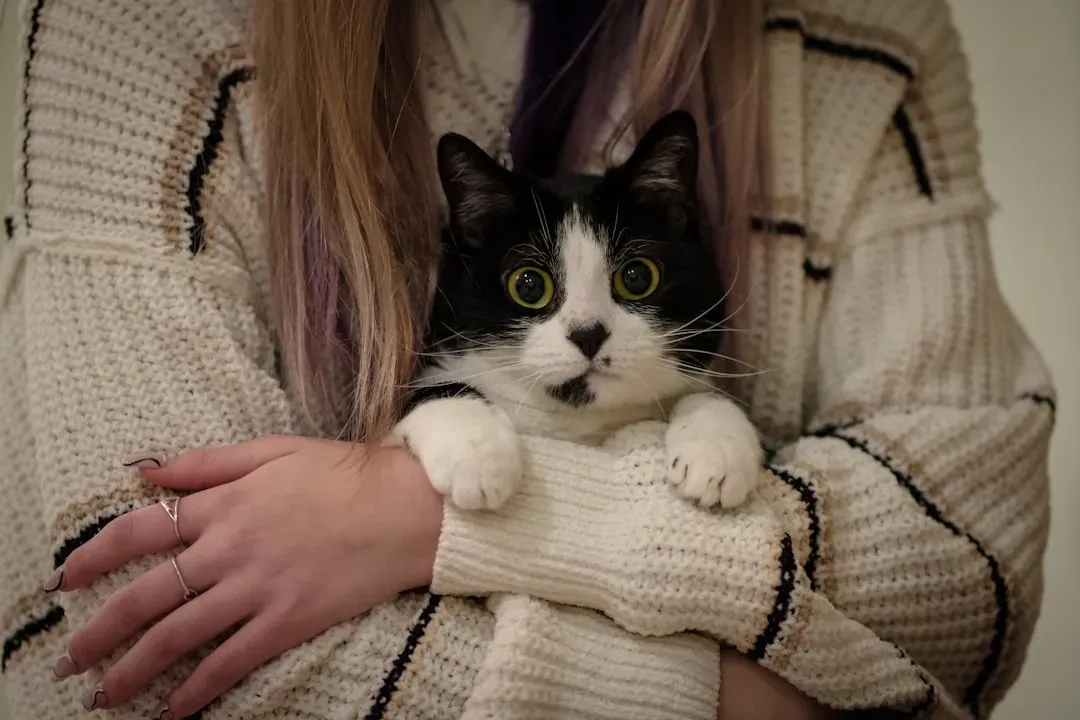
One study found that cat ownership is associated with a reduced risk of heart attacks and strokes. The low-frequency vibrations of a cat’s purring are often used in sound therapy, a form of vibrational healing that applies specific frequencies to the body. These vibrations can help reduce inflammation, improve circulation, and stimulate the healing of damaged tissues, and have also been shown to promote the regeneration of bone cells and increase bone density.
The repetitive sound of a cat’s purring has a calming, meditative quality that can reduce anxiety and promote mindfulness. Petting a cat or simply spending time with them often triggers the body’s relaxation response, helping people feel more grounded and at ease. Some cat owners even report a reduction in symptoms of depression, highlighting the emotional benefits of these feline companions. It’s worth noting that while this evidence is encouraging, more rigorous clinical research is still ongoing. The current findings are promising, not conclusive.
Becoming Fluent: How to Actually Read Your Cat’s Purr
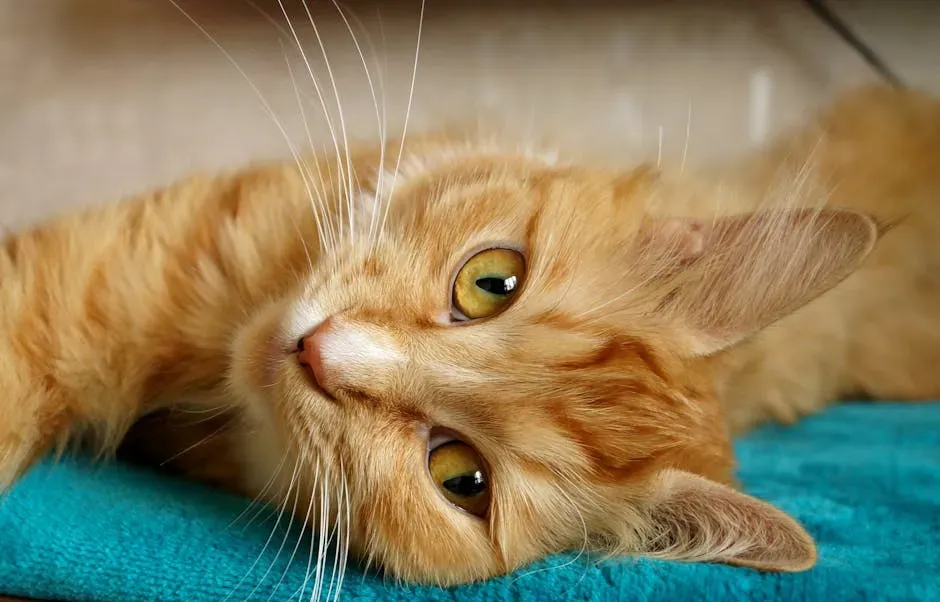
The key to understanding your cat’s purr is to stop thinking of it as a single emotion and start viewing it as a versatile communication tool. To decode its meaning, you must become a student of context. A solicitation purr is often louder, more insistent, and paired with behaviors like rubbing against you or leading you toward the food bowl. Once you know what to look for, the differences become genuinely clear.
When a cat is purring, look at their body language and the situation to determine why. A purring cat that approaches you with their tail held up may be greeting you and soliciting attention. If the cat is crouched down with their ears pulled slightly to the side while purring, they may not be feeling well. When a cat purrs while you pet them, it’s an indication that they like that interaction. Learning to read these signals takes a little time, but it genuinely deepens your relationship with your cat in a way that’s hard to put into words.
Conclusion
Your cat has been talking to you this whole time. The purr isn’t background noise; it’s a living vocabulary of need, comfort, trust, and sometimes a remarkably well-disguised request for dinner. The more closely you pay attention to posture, context, and the subtle shifts in tone and rhythm, the more you realize how much is being communicated in that steady, rhythmic hum.
There’s something quietly meaningful about a relationship where you put in the effort to truly understand the other party, especially one who can’t use your words to explain themselves. Your cat has evolved to communicate with you specifically. Learning to listen back is, in its own small way, one of the more rewarding things you can do as a pet owner.
Kristina is a young writer from India. An arts graduate and an avid content creator, Kristina is passionate about animals and wildlife. She enjoys exploring topics related to pet care, animal behavior, conservation, and nature, combining thorough research with engaging storytelling.