Your cat is talking to you right now. Maybe not in words you can look up in a dictionary, but in a rich, layered system of sound that researchers have spent decades trying to fully decode. The vocal repertoire of the cat is wide, and up to 21 different vocalizations have been described in the literature. That’s a lot of nuance packed into a creature that many people write off as aloof and indifferent.
Cats lack the facial expressiveness of dogs, they’re generally quieter, and their behaviors can be harder to interpret. You can better understand your feline friend by paying attention to their vocalizations, body postures, and daily routines. The nine sounds below are the most common ones you’ll hear at home, and knowing what’s behind each of them can genuinely change how you relate to your cat.
1. The Meow: Your Cat’s All-Purpose Message to You
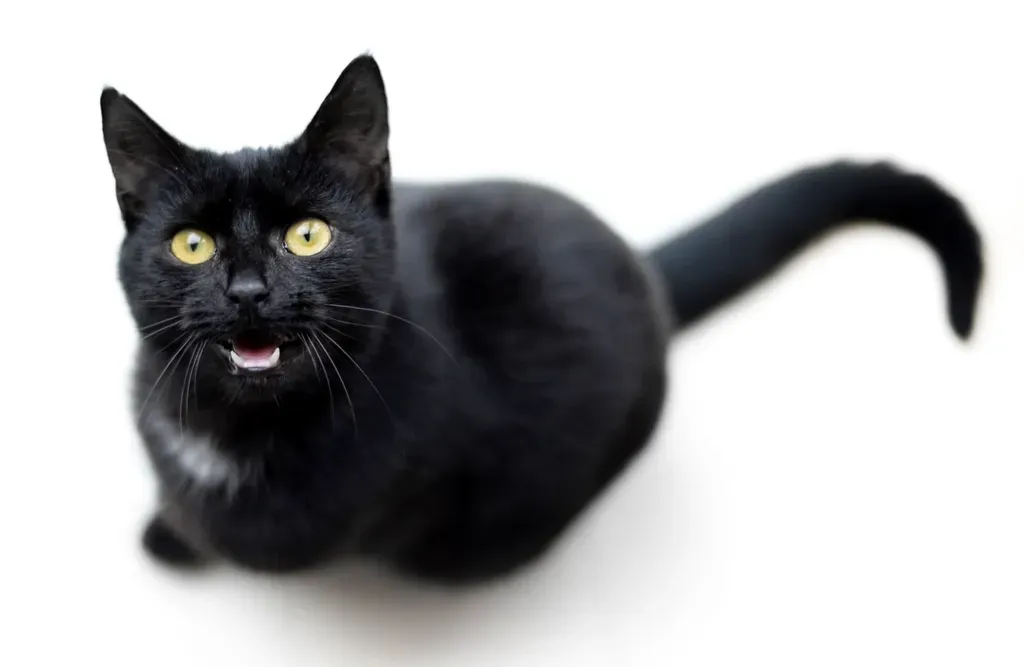
Meowing is synonymous with cats and is a distinctive, commonly heard high-pitched call. Kittens meow to attract their mothers, but in adult cats, the meow is almost exclusively used to communicate with humans. It’s a fascinating quirk of domestication. Your cat has essentially developed a special vocalization just for you.
The meow can include a mew, squeak, moan, and combination of sounds. It can mean anything from a friendly greeting to an angry demand to sorrow to a polite request, and everything in between. Pay attention to the pitch and length when your cat meows. Rapid-fire meows signal urgency and a demand for attention, while a longer, more plaintive meow can indicate worry, annoyance, or objection to something.
2. The Purr: Contentment, Comfort, and Sometimes Concern
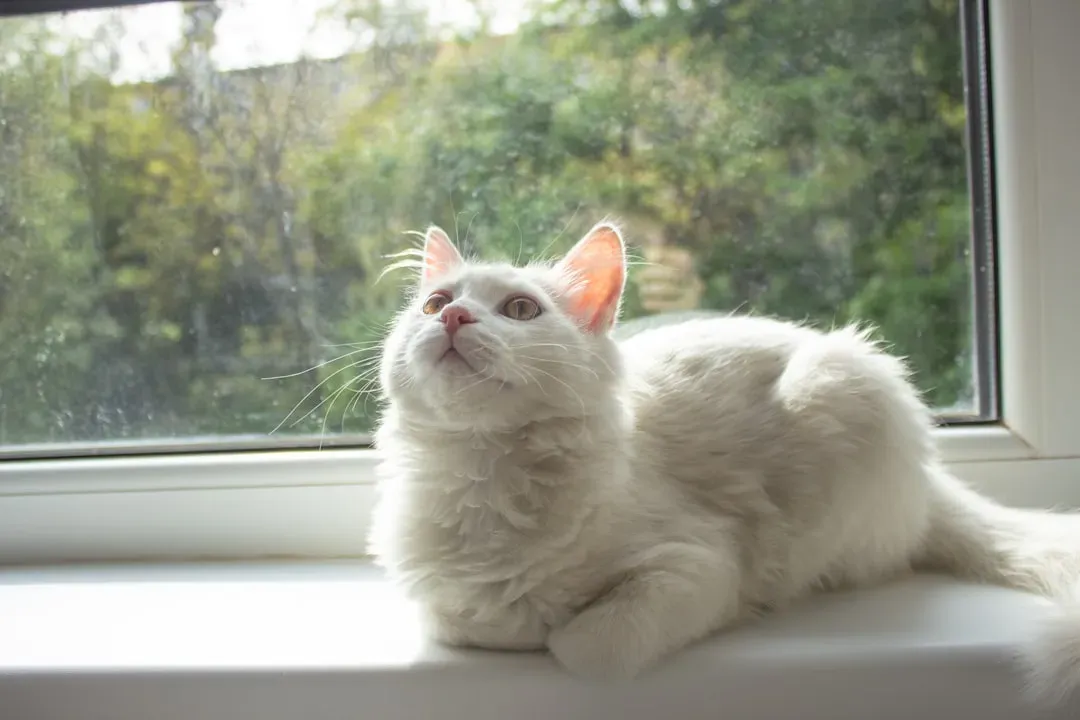
Quite possibly one of the most relaxing sounds you’ll ever hear, the purr is a low, continuous, rhythmic sound that slightly resembles a rumble. Some purrs can be barely perceptible, while others you can practically feel across the room. The purr usually occurs when cats are happy and relaxed and can be a sign of contentment.
There’s more to it than simple happiness, though. Purrs don’t always communicate contentment. Cats also use purring as a self-soothing method if they’re experiencing pain, illness, anxiety, or fear. Like all feline communication, purring must be evaluated in context with your cat’s body language. If your cat’s ears are back, their pupils are dilated, they’re tense or hunched up, or they’re acting differently than normal, then purring may indicate that they are uncomfortable or unhappy.
3. The Trill: A Warm and Friendly Greeting
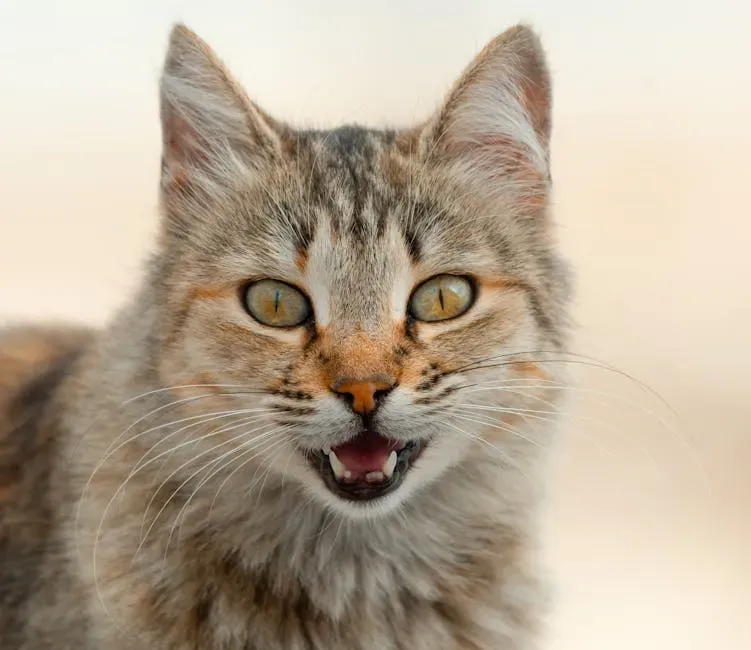
A trill is produced with a soft voice and sounds like a purr but with a higher pitch. Cats may trill to greet and thank their human family members for something, such as a snack or a pet. It is one of the most common amicable sounds a cat makes. Think of it as your cat’s version of a cheerful hello when you walk through the door.
The trill is part of your cat’s greeting repertoire, often sounding like a “brrrr,” sometimes with an inflection at the end like a question. Mother cats use it with their kittens, while friendly adult cats may trill upon meeting. You might hear it when you approach your cat, as it’s often related to contact. The mouth stays closed during a trill. If your cat greets you this way, consider it a genuine compliment.
4. The Chirp: Hunting Instincts at the Window
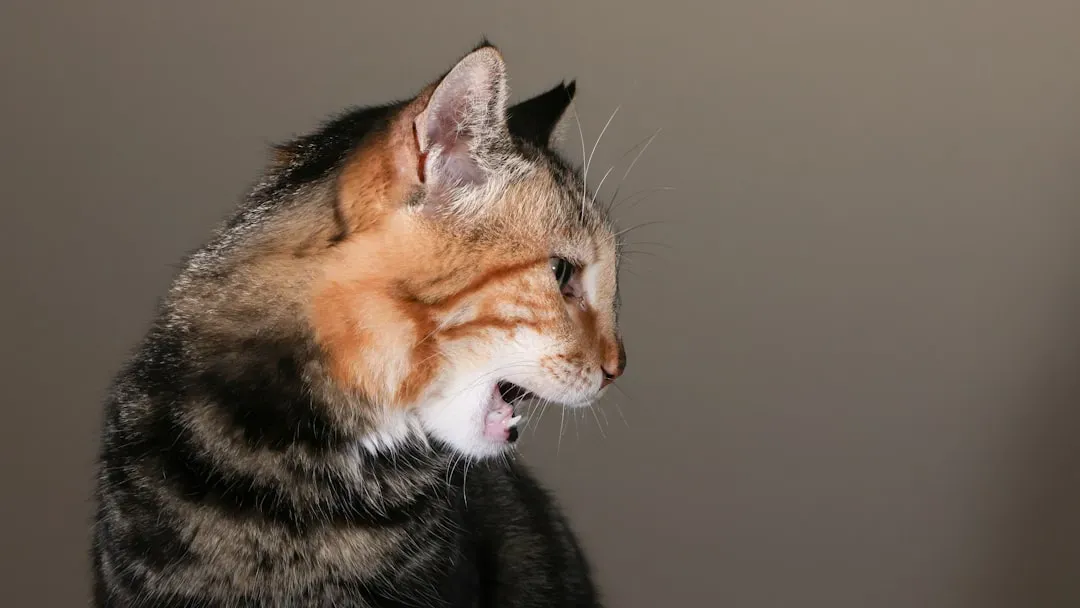
A chirp is a short, high-pitched call that sounds similar to a bird. A sequence of chirps is called chirrups. A chirp is initially uttered by the mother cat as a contact call to her kittens, but adult cats may chirp to get attention and inform other cats or people of their location. One of the most common reasons a cat chirps is when they see potential prey they cannot access, such as while watching squirrels or birds outside the window.
Some suggest the chirp is meant to lure prey in or make the cat seem like less of a threat when stalking, while others believe it may be a way to release pent-up energy from seeing prey and not being able to hunt it. There’s no reason to think it’s a negative experience for your cat as long as they aren’t showing other signs of stress. So if you catch your cat perched at the window making strange little bird-like sounds, they’re just channeling their inner hunter.
5. The Chatter: Jaw-Clicking Frustration
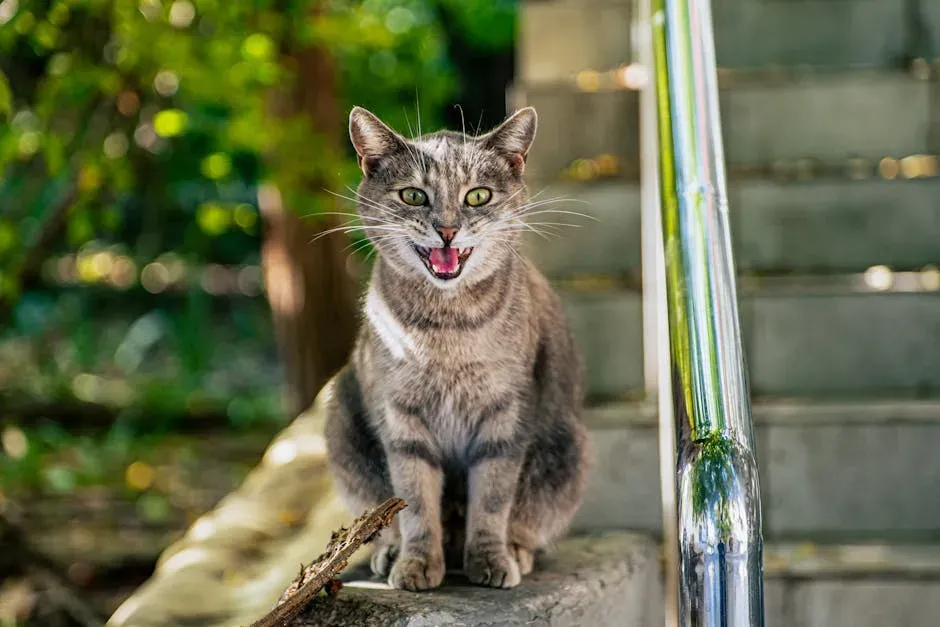
Chattering, also called twittering, is a low smacking sound produced by a rhythmic clashing of the jaws. It is usually voiceless, produced without using the vocal cords. Along with chirping, chattering may occur when a cat spots prey that’s out of their reach. It’s one of those sounds that’s instantly recognizable once you’ve heard it, yet strangely difficult to describe.
Chattering, chittering, or twittering are the noises your cat makes when they’re sitting in the window watching birds or squirrels. It usually translates to excitement, or they may be contemplating snack time. Some scientists, having conducted research in the wild, believe that chattering may even be a hunting tactic. Whether it’s frustration or excitement, you can be fairly sure something outside has your cat’s full attention.
6. The Growl: Back Off. Right Now.
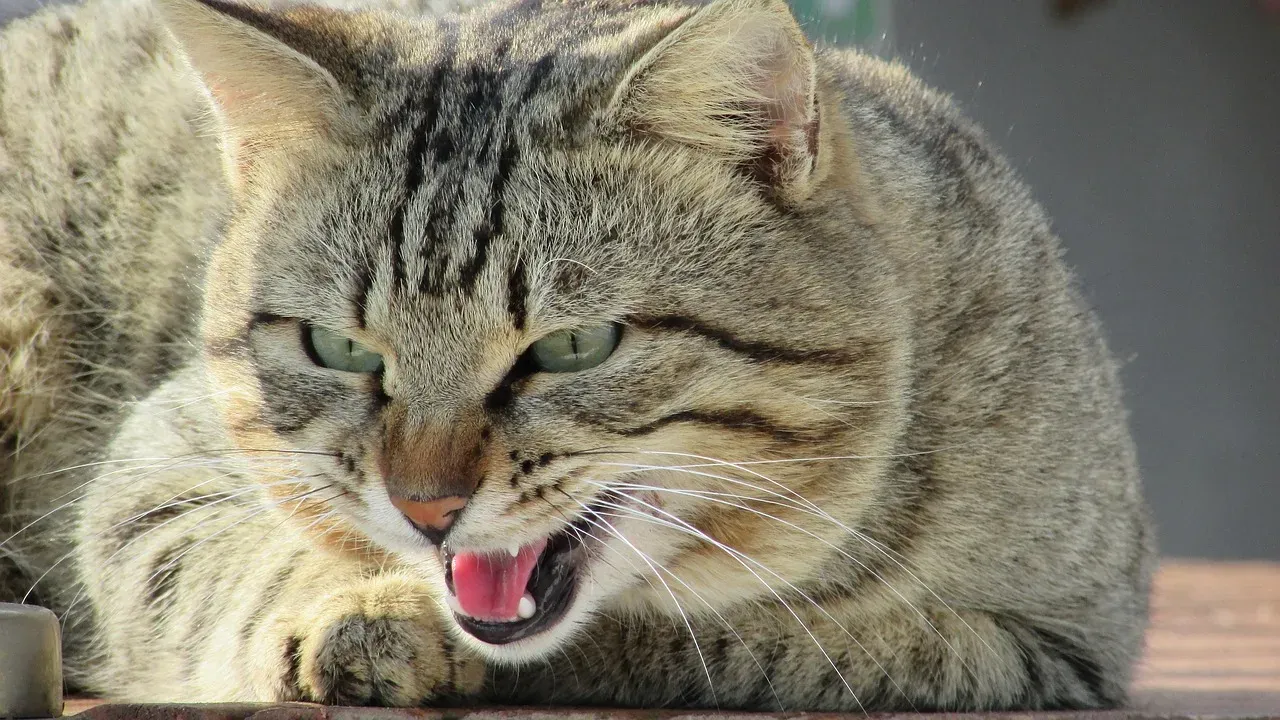
A growl is a low, rumbling sound used to warn or scare off a threat. It can be directed toward humans or other cats or animals. Growling is an indication that a cat feels threatened, frightened, or is about to become aggressive. This sound often increases as the cat’s fear grows. When you hear this, take it seriously.
Growling is a warning noise that can be directed toward other cats and animals, as well as humans. A growling cat is annoyed, frightened, or angry. Some cats use growling to show possession of a favored item, like a food bowl, if another cat dares to come near it. The growl is a clear sign that the cat wants whoever is triggering them to back off. Pushing past a growling cat rarely ends well for either of you.
7. The Hiss: Fear in Its Purest Form
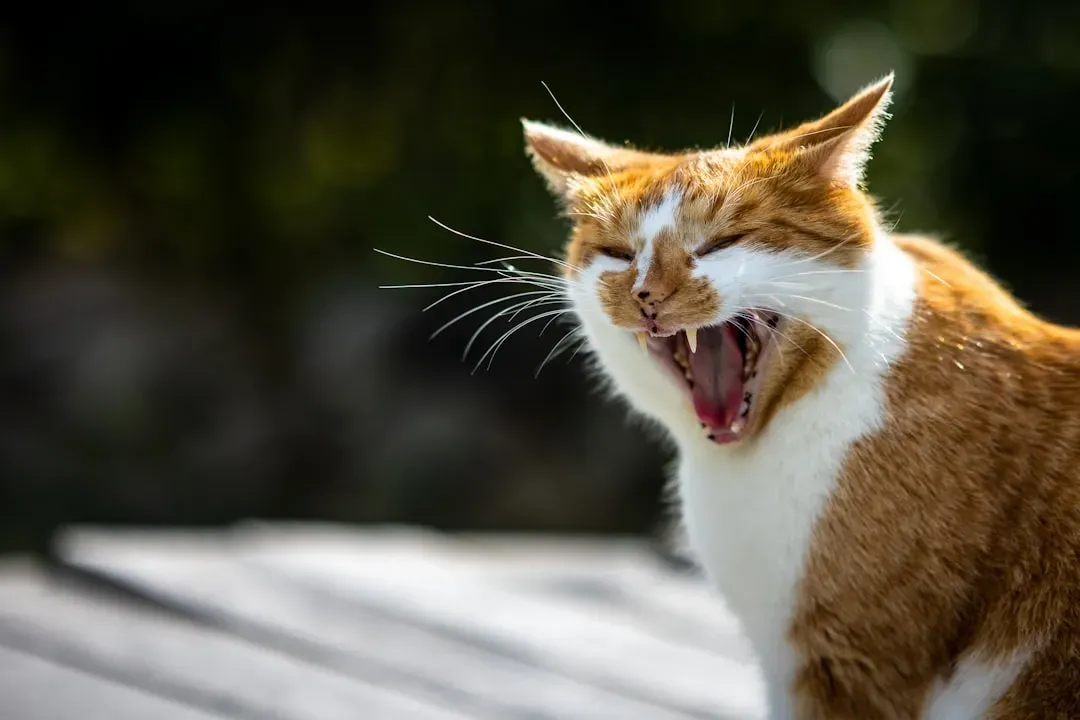
Hissing can seem aggressive, but it’s actually a fear-based response. This sometimes involuntary reaction is used when a cat is surprised by a perceived threat or enemy, whether it’s the neighborhood stray cat or the veterinarian. A hissing cat is feeling vulnerable, insecure, or threatened. It’s your cat’s way of drawing a hard line before things escalate further.
The defensive hiss is an involuntary response where the mouth is open and teeth are exposed. Cats tend to use it before an aggressive encounter in hopes of ending things before they progress to something more dangerous. You’ll see cats hiss when they feel cornered or trapped. Hissing can be used to tell humans “no!” – if you reach out to pet a fearful cat, they may hiss as a first warning before they swat.
8. The Yowl: Loud, Insistent, and Hard to Ignore
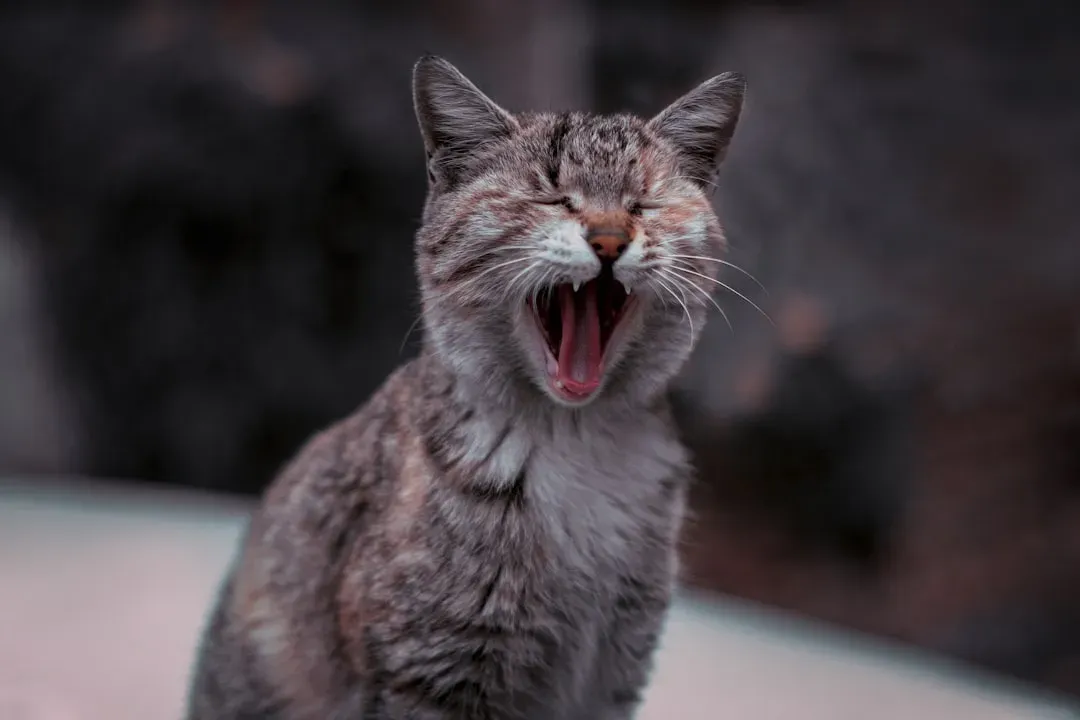
The yowl is like a long, violent meow that is loud and high-pitched. It’s like an intensified growl, signaling that the cat is getting more and more upset. Growls often turn into yowls if the situation intensifies. If you’ve been kept awake by a cat yowling at two in the morning, you already know just how insistent this sound can be.
Yowling may imply pain, illness, or convey a feline’s reproductive status during mating season. A long series of yowls, particularly at night, might indicate a health issue or cognitive distress, such as that of an older individual who becomes confused about where they are. You should pay attention to yowls, especially if they develop out of nowhere, as they can indicate physical or cognitive issues with your cat.
9. The Caterwaul: A Sound You Won’t Forget
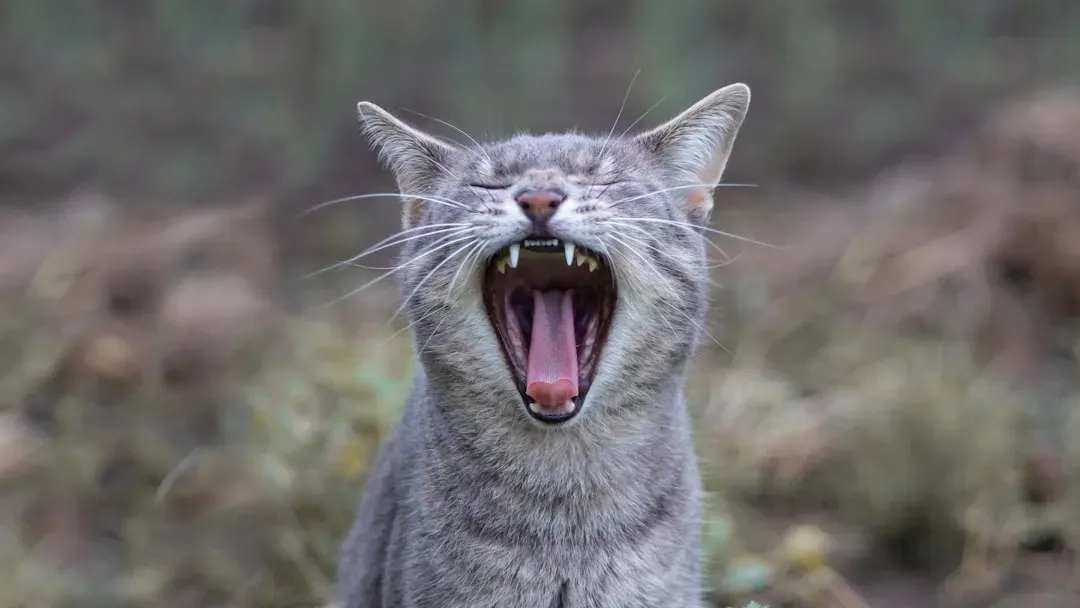
The caterwaul is most commonly made by cats that haven’t been spayed or neutered. When in heat, cats will caterwaul to attract the attention of the opposite sex. This very noisy cat sound is the main way that your pet will let others know that it’s time to mate. It’s louder, more prolonged, and far more dramatic than a standard yowl.
You’ll hear a lot more caterwauling if your cat hasn’t been spayed or neutered. Female cats yowl when they’re in heat to attract a mate, and unneutered males yowl to announce their search for a female cat. A yowl or howl like this tells you your cat is in some kind of distress. Find your cat if they’re making this noise. Spaying or neutering typically resolves the behavior entirely.
When Sound Becomes a Warning Sign
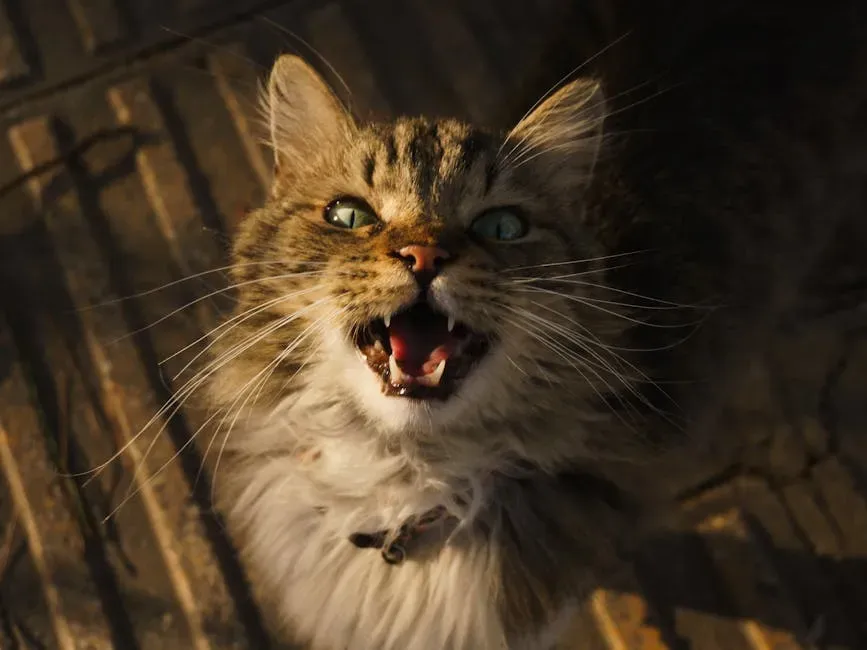
A general rule of thumb is that any change in your cat’s vocalization, whether in frequency, intensity, duration, or pitch, warrants a visit to the veterinarian to evaluate for pain, illness, or anxiety. For some cats, medications to reduce anxiety or pain may be necessary to address the root cause of the vocalization. Cats are remarkably good at masking discomfort, which makes vocal changes one of the more reliable signals something is off.
Any sustained change is worth investigating: new yowling, crying from the litter box, sudden hissing or growling without a clear trigger, or a vocal cat going quiet. These changes often connect to pain, illness, or anxiety. In time, you may become so attuned to your cat’s personality and habits that you’re able to detect subtle changes in their mood and even recognize health problems before physical signs of illness appear.
Conclusion
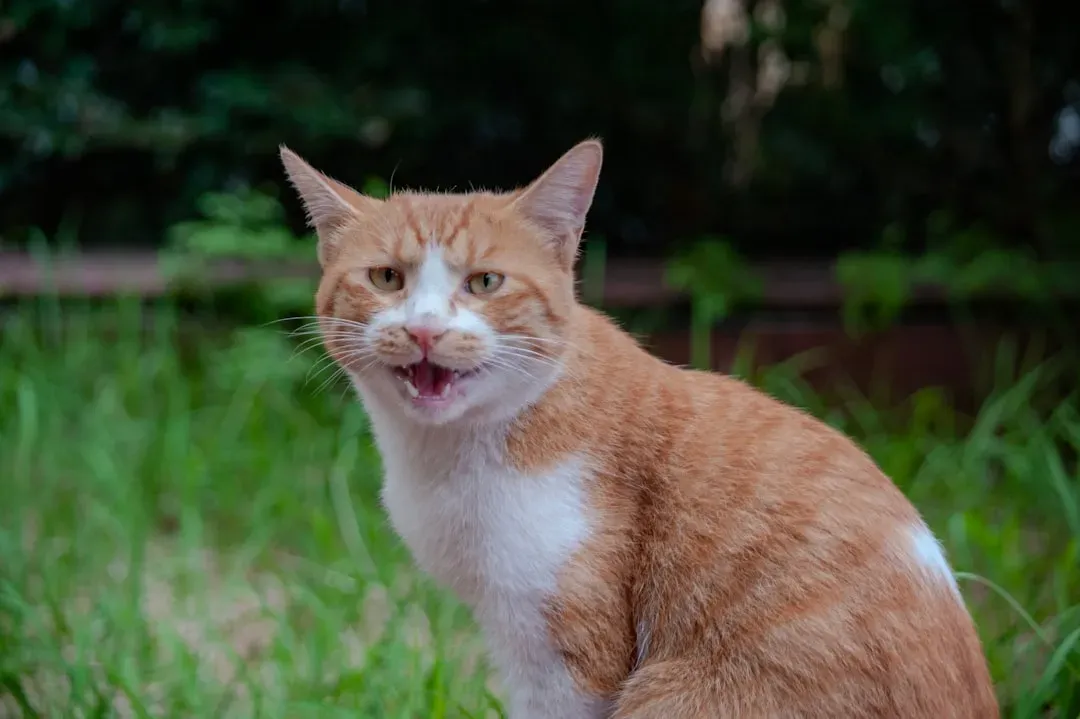
Cats are far more expressive than their reputation suggests. Each meow, chirp, trill, and growl carries real information, and once you start listening closely, the patterns become surprisingly clear. You don’t need to be an animal behaviorist to understand your feline friend. You just need to pay attention.
The relationship between you and your cat is, at its core, a communication project that’s been evolving for thousands of years. Domestication has shaped these sounds significantly, and adult cats rarely meow to each other in the wild but meow constantly at humans. That tells you something: your cat has developed a language specifically for you. The more fluent you become in that language, the richer and more rewarding your bond with your cat will be.