You probably didn’t adopt your cat because you were hoping to lower your blood pressure or strengthen your immune system. You did it because they’re wonderful, strange, and somehow irresistible. But here’s the thing science has been quietly confirming for decades: comes with a genuinely impressive list of health perks, many of which have nothing to do with companionship alone.
Research into the human-animal bond has grown considerably, and the evidence points in a surprisingly consistent direction. Your cat may be doing more for your body and mind than you ever imagined.
Your Heart Gets a Real, Measurable Boost

One of the most striking findings in cat ownership research concerns the heart. Cat ownership can reduce the risk of cardiovascular disease and improve heart health. That’s not a small claim, and it’s supported by more than one study tracking thousands of participants over many years.
Studies have found that owning a cat can lower your stress levels, which in turn has a knock-on effect on your risk of cardiovascular disease, with cat owners potentially lowering their risk of various heart diseases, including stroke, by around 30 percent. The connection between stress reduction and heart health is well established in medicine, and your cat may be quietly contributing to that every single evening.
Your Stress Levels Drop, Often Within Minutes
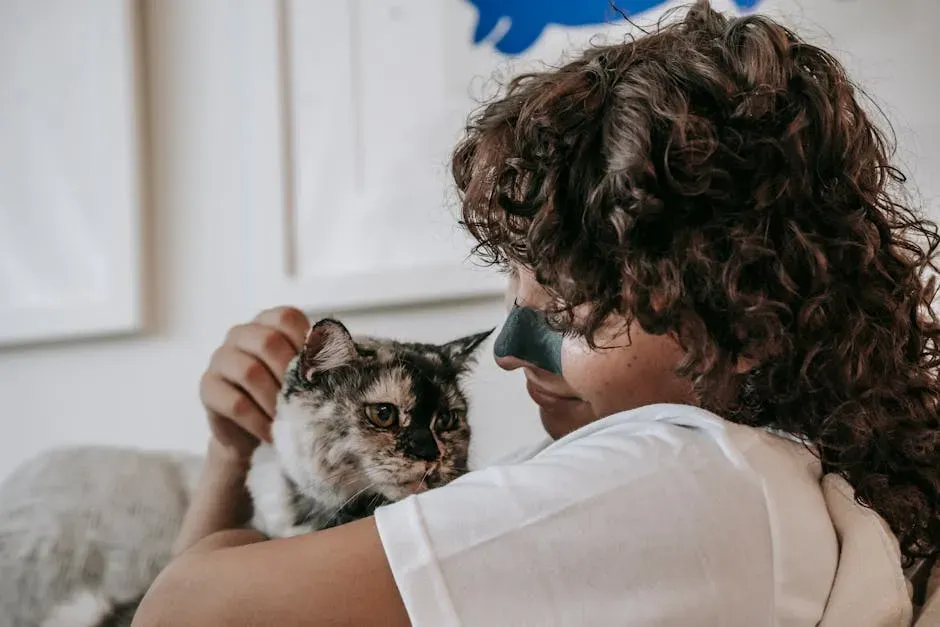
Interacting with animals has been shown to decrease levels of cortisol, a stress-related hormone, and lower blood pressure. Cortisol, when chronically elevated, creates a cascade of problems throughout the body, from disrupted sleep to weakened immunity. Simply being near your cat can start to pull those levels down.
Petting cats can reduce stress. In a study, college students who spent as little as 10 minutes per day petting a cat experienced decreased levels of cortisol, the hormone associated with stress. Ten minutes. That’s shorter than most commutes, and the payoff is measurable in your bloodstream.
Your Resting Heart Rate and Blood Pressure May Already Be Lower

In a study where researchers visited 120 married couples in their homes to observe how they would respond to stress, people were hooked up to heart rate and blood pressure monitors and performed a series of daunting tasks involving math problems and sticking their hands in ice water. Before the stressful tasks even began, the cat owners had a lower resting heart rate and blood pressure than people who didn’t own any pets. That’s a baseline advantage that carries through the day.
Even spending just 10 minutes interacting with a cat can reduce heart rate and blood pressure, and this positive effect increases if you’ve owned your cat for more than two years. The longer the relationship, the deeper the benefit appears to run. That’s a compelling reason to think of cat ownership as a long-term health investment.
Your Brain Stays Sharper as You Age
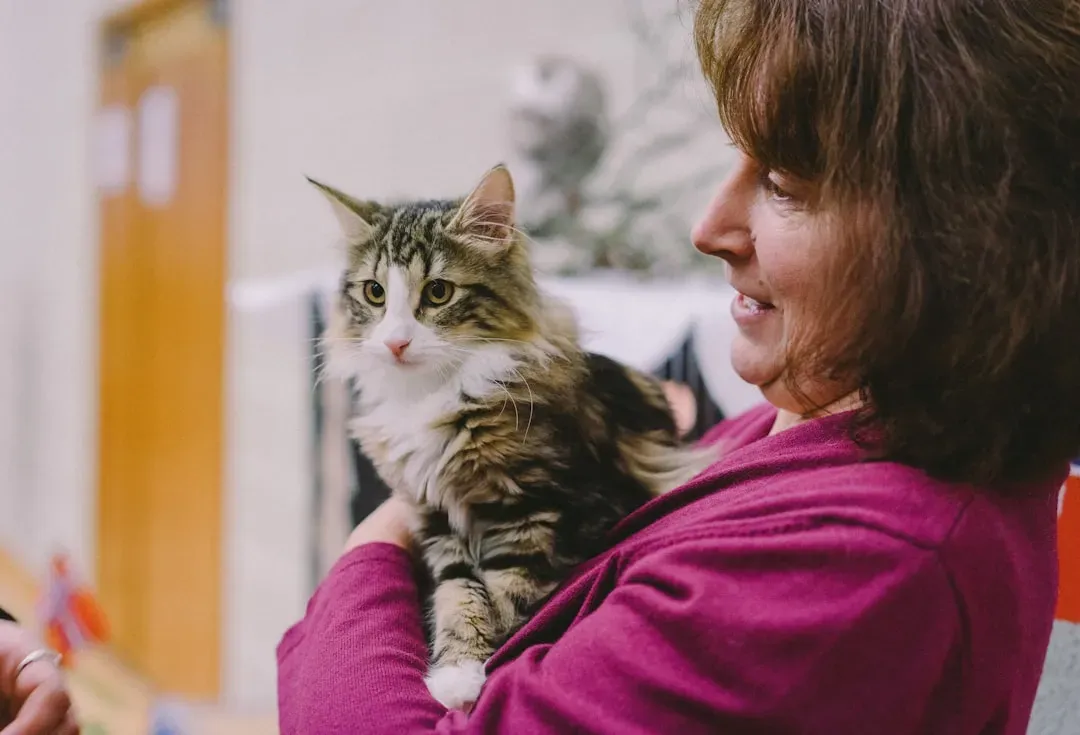
Owning a dog or cat might help keep your brain sharp as you age, according to a study published in Scientific Reports. Researchers examined 18 years’ worth of data from 16,582 people aged 50 and older and assessed the link between pet ownership and cognitive decline. The scale of this study makes its conclusions particularly hard to dismiss.
Cat owners specifically experienced a slower decline in verbal fluency, the ability to easily and rapidly produce words. Verbal fluency is one of the early cognitive functions that can weaken with age, so this is a meaningful finding. Keeping your mind engaged through the daily rhythms of cat care, conversation, and interaction may offer a quiet form of mental exercise.
A Cat’s Purr May Actually Support Physical Healing
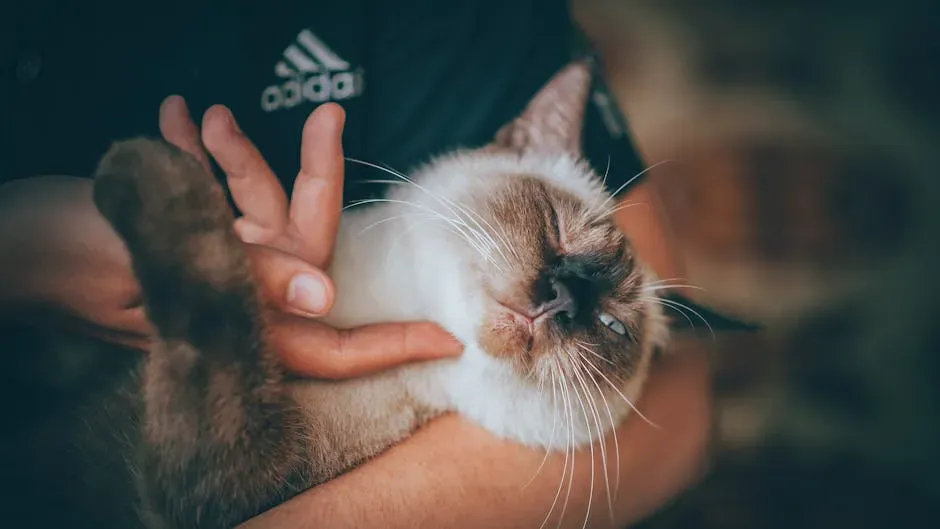
When a cat purrs, it creates a consistent, patterned frequency between 25 and 150 Hertz. According to Dr. Leslie Lyons, director of the Feline Genetics and Comparative Medicine Laboratory at the University of Missouri College of Veterinary Medicine, purring at a low frequency of 25 to 50 Hz could stimulate muscles and even promote bone healing. This is the same frequency range used in clinical vibrational therapy.
According to studies, a frequency of 25 to 50 hertz can improve bone density, build bone strength, support wound and fracture healing, and stimulate bone fracture repair. It can also provide pain relief and help manage breathlessness and inflammation. While the research is still developing, the overlap between therapeutic vibration frequencies and a cat’s purr is genuinely interesting science, not just folklore.
Your Mood Gets a Chemical Lift Every Time You Pet Your Cat
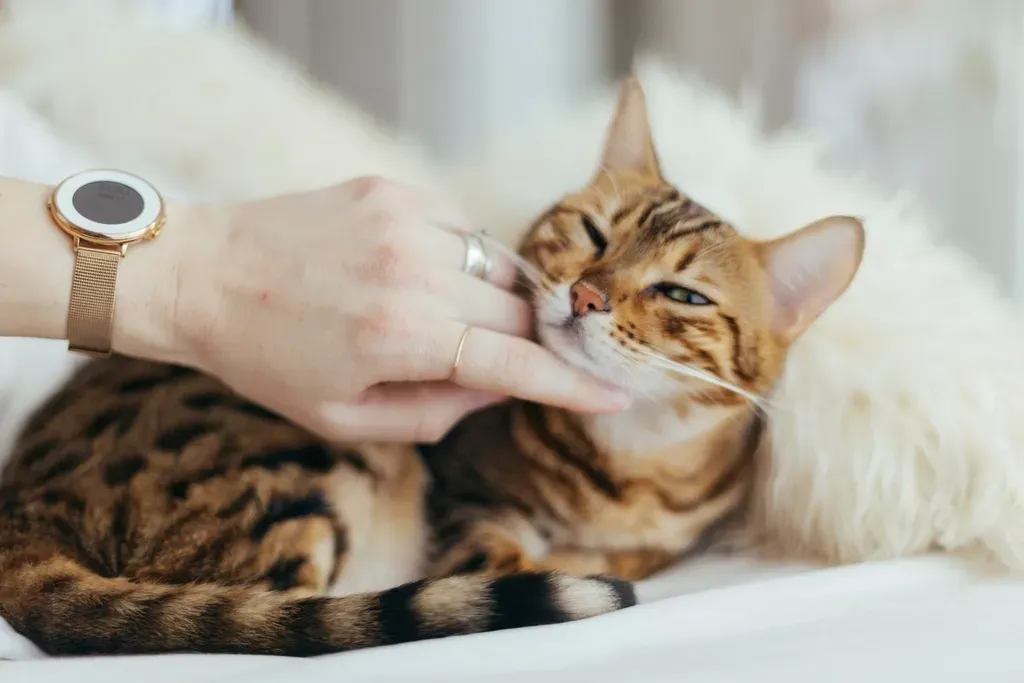
Petting a cat releases feel-good hormones like oxytocin, serotonin, and dopamine. These organic neurotransmitters enhance mood, provide tranquility, and create sensations of connection and wellness. Simultaneously, interacting with cats has been shown to reduce cortisol, the hormone associated with stress. That’s a beneficial hormonal shift happening in your body during what feels like a perfectly ordinary moment on the sofa.
Research has revealed that oxytocin levels increase in both pets and human beings when they interact with each other. Known as one of the happy hormones along with dopamine and serotonin, oxytocin can increase happiness and life satisfaction while reducing stress and depression. The bond you feel with your cat isn’t imagined; it’s biochemically real.
You Sleep Better When Your Cat Is Nearby
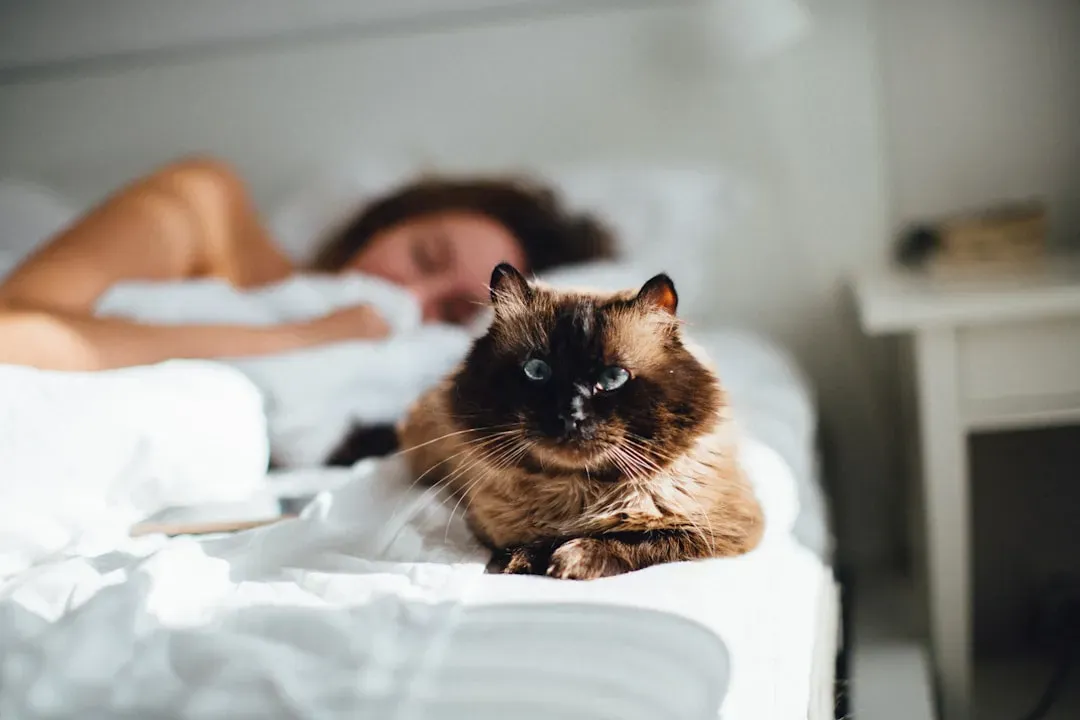
Cat ownership has been shown to boost the quality of sleep. Participants in a pet owner study who had their cats sleeping in the same room slept more and were more apt to fall asleep faster, awakening fewer times at night. Increased sleep leads to better mental health, creating a self-sustaining cycle of well-being. Poor sleep is one of the most widespread health problems in modern life, and the solution may be purring quietly at the foot of your bed.
Several studies in the UK found that people, especially women, prefer sleeping with their cats and report sleeping better with a cat than with a human partner. One study at the Mayo Clinic Center for Sleep Medicine found that roughly two in five people in a study indicated they slept better because of their pet, versus only about one in five who said their sleep was disturbed by their pet. The math tends to favor the cat.
Loneliness Has Less Room to Take Hold
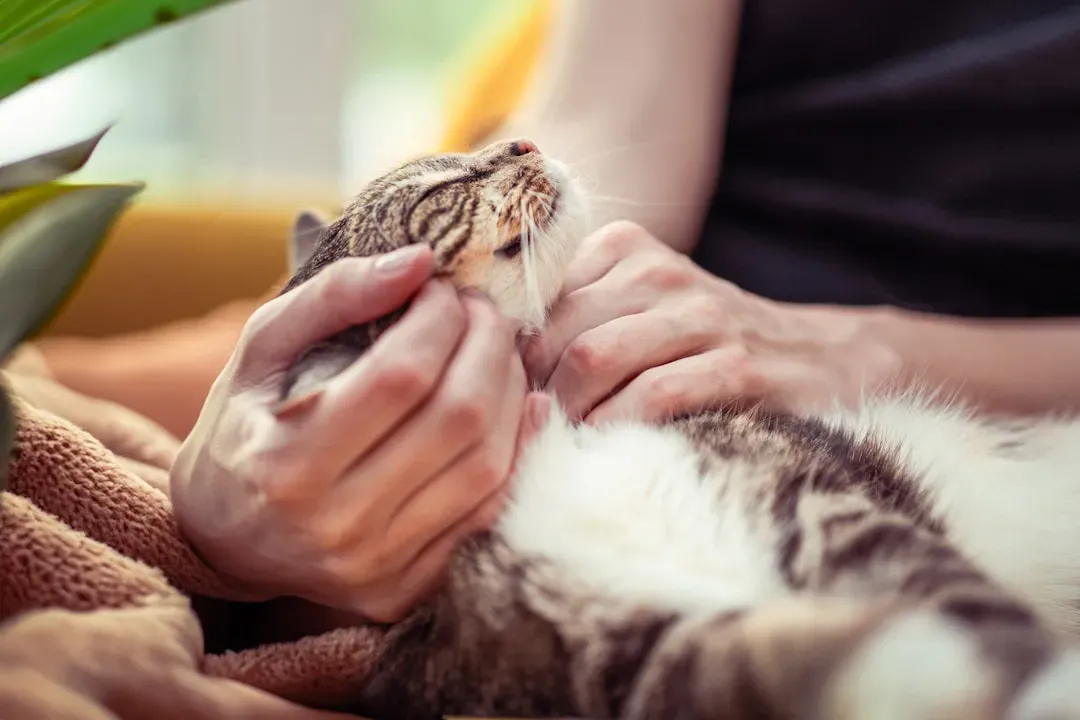
Cat ownership can alleviate social isolation and loneliness. Loneliness is not just an emotional experience. People experiencing loneliness or social isolation are more likely to develop heart disease, dementia, and depression. Having a living creature to come home to shifts something fundamental in how you experience your own space.
In a study of 1,800 Dutch cat owners, half said their cat was family. One in three viewed their cat as a child or best friend and found them loyal, supportive, and empathetic. Another study developed a family bondedness scale and found cats were just as important a part of families as dogs. That sense of belonging and mutual connection has real consequences for your long-term health.
Your Mental Health Gets Consistent, Low-Key Support
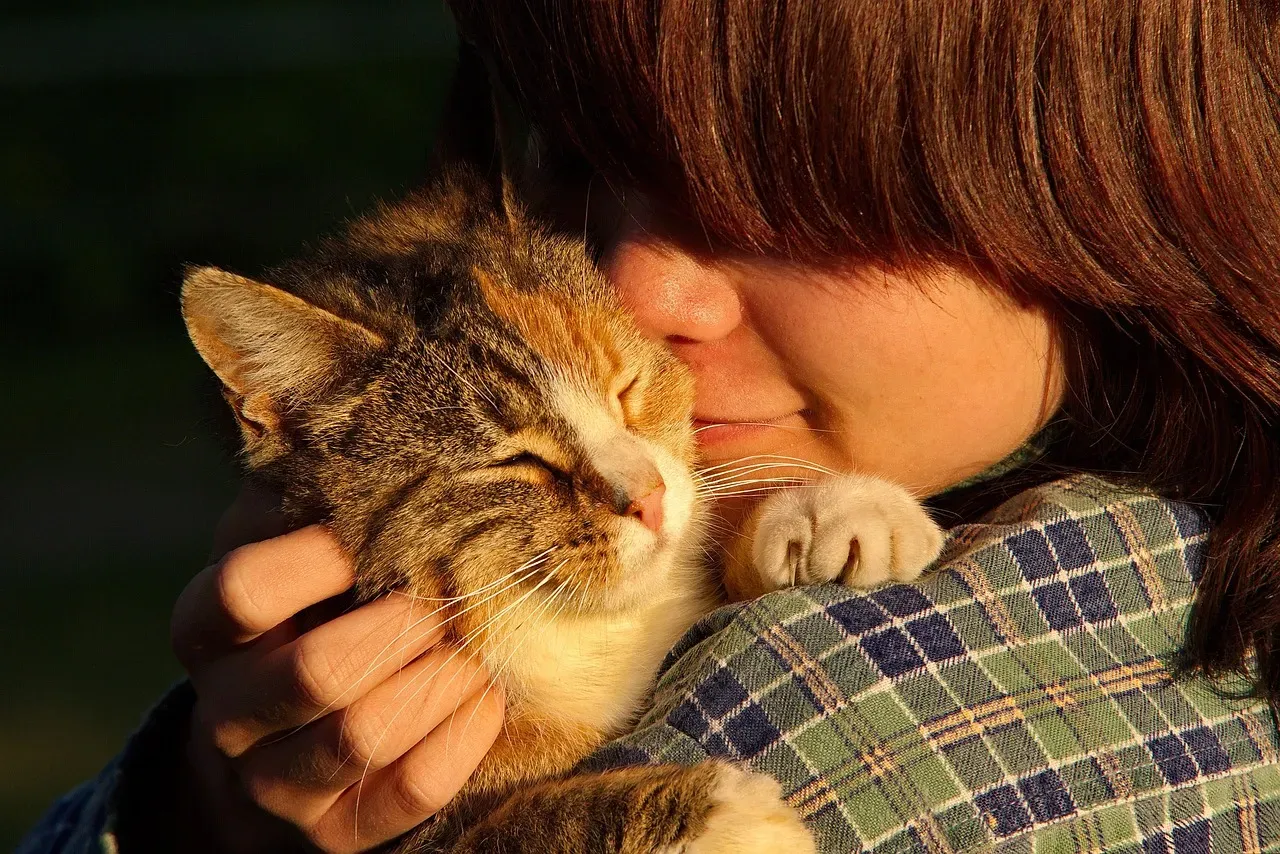
In response to an American Psychiatric Association poll of 2,200 adults, the vast majority of pet owners said their pets have a mostly positive impact on their mental health. Among the benefits cited, nearly seven in ten said their pets help reduce stress and anxiety, and the same proportion said their pets provide unconditional love and support. Those numbers held steady across both dog and cat owners.
According to the APA, cat owners were more likely than dog owners to say their pets offer companionship, provide a calming presence, and help reduce stress and anxiety. Though more objective studies are needed, we already know that cats can improve depression and provide social support, which can impact immune response and motivation to make positive health changes. That’s a meaningful combination of effects from an animal that largely just wants to sit near you.
Early Cat Exposure May Protect Children From Developing Allergies
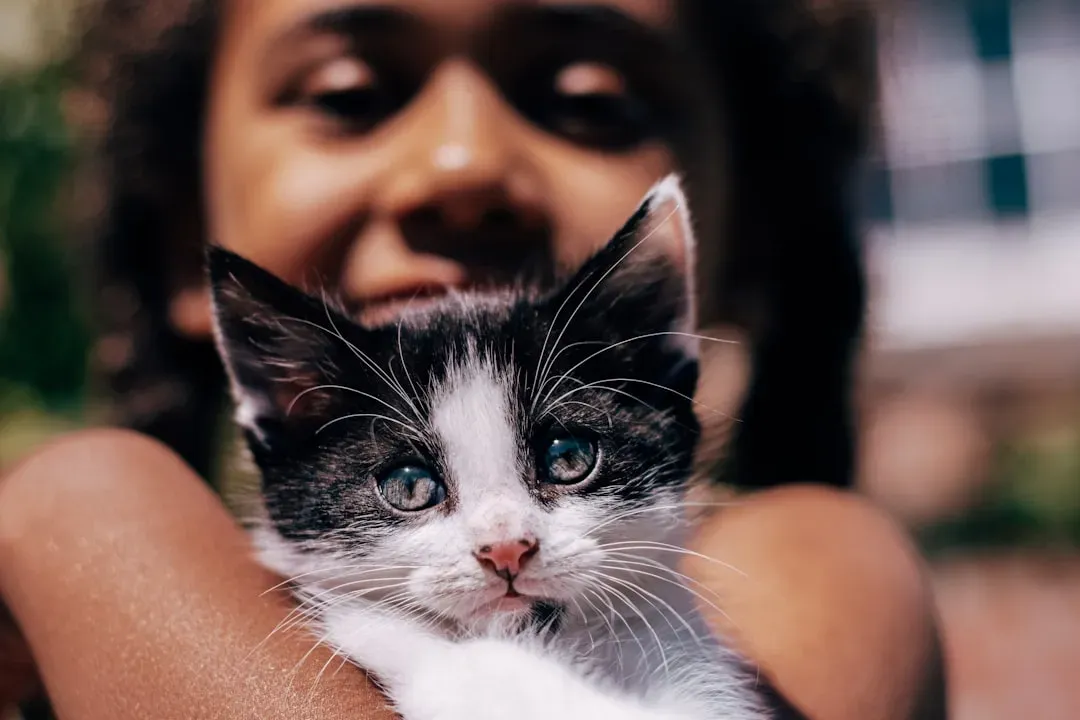
In a study of lifetime dog and cat exposure and sensitization, teenagers who lived with a cat during the first year of their life had a significantly lower risk of cat allergy than their peers. Overall, teens with an indoor cat in the first year of life had a decreased risk of being sensitized to cats. Exposure to cats and dogs at an early age has been shown to strengthen children’s immune systems and help shield against asthma and eczema later in life.
Pet exposure during the first year of life was associated with a lower prevalence of allergic rhinitis and asthma in school children. Newborns who live in a home with cats or dogs appear to be less likely to develop food allergies, according to the findings of a large study. If you have a young child in the house, the family cat may actually be building protective layers in that child’s developing immune system.
Children With Autism May Experience Meaningful Benefits
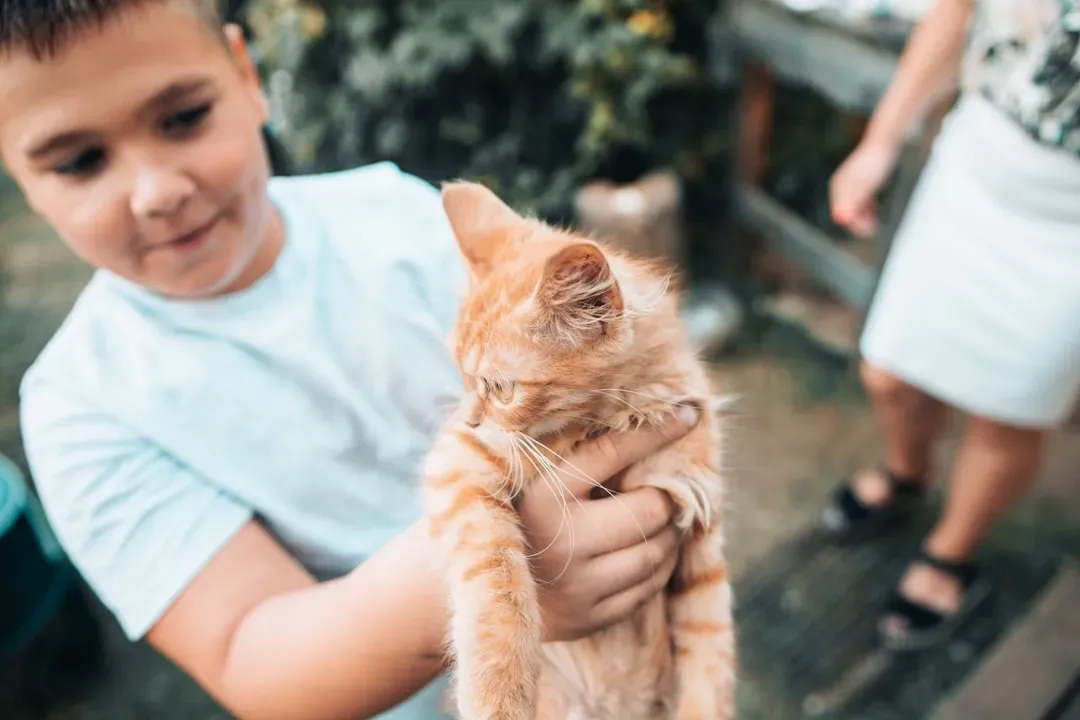
Research shows that children on the autism spectrum benefit from the consistent companionship and routine cats provide. Cats’ soft fur, gentle purring, and rhythmic movements offer sensory stimulation that soothes children with autism. Studies suggest that these experiences can reduce anxiety and improve emotional regulation. For families navigating the challenges of autism spectrum disorder, that can be a significant everyday difference.
The Human Animal Bond Research Institute announced results of a study demonstrating that children with autism spectrum disorder may experience increases in empathy and decreases in problem behaviors after adoption of a shelter cat into their families. In children, a pet cat can help those with autism and their families. Cats offer a uniquely quiet and non-demanding form of connection, which seems to suit many children on the spectrum particularly well.
You Gain a Sense of Purpose That Supports Your Overall Health
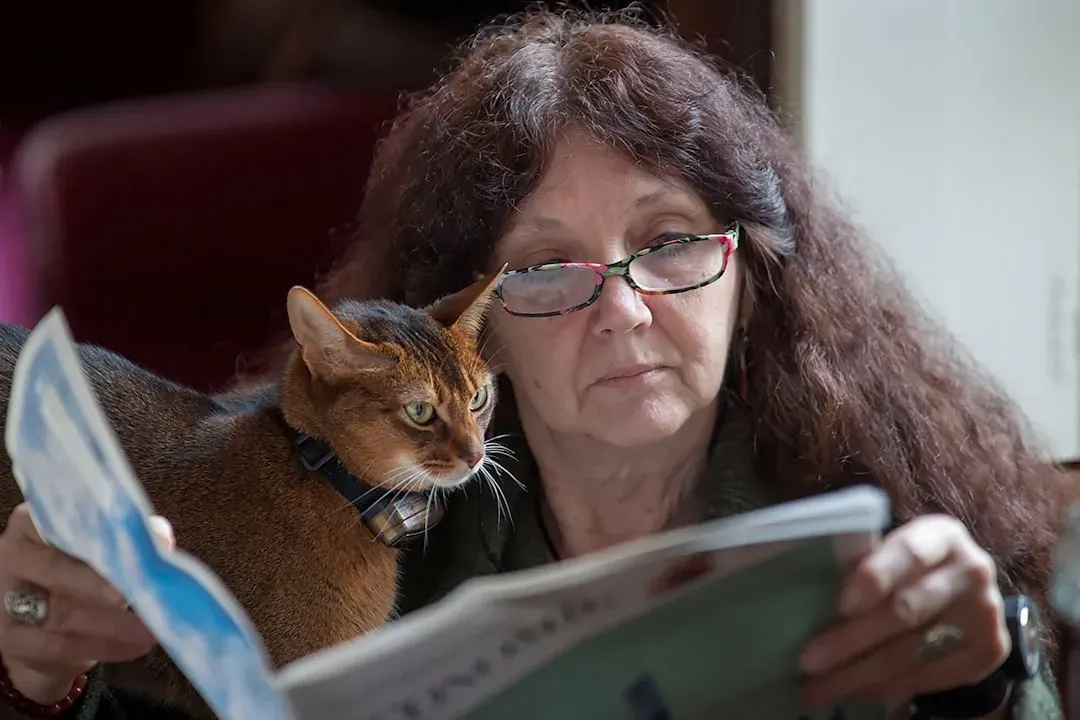
Pet ownership has been claimed to have mental health benefits including a sense of purpose and meaning to life, as well as management of emotions and an increased ability to cope with difficult life situations. Having something that needs you, even gently, creates a daily structure that can be surprisingly powerful in maintaining psychological stability.
Nurturing, a common expression of love and affection, is important for humans. Studies show when people are no longer able to care for or nurture others, rates of depression go up and overall health declines. Cats are an outlet for people’s need to nurture another being. For older adults in particular, having a pet to care for adds a sense of purpose, especially when health is in decline. The simple act of filling a food bowl or brushing a coat carries more weight than it might appear.
A Quiet Conclusion Worth Sitting With

None of this means a cat is a prescription, and researchers are consistently careful to note that more rigorous studies are still needed across many of these areas. What the evidence does suggest, though, is that the relationship between humans and cats is far more than decorative. Living with a cat can have a profound, and sometimes surprising, effect on your physical and mental health.
Your cat probably doesn’t know it’s lowering your cortisol or nudging your verbal fluency in the right direction. It’s just doing what cats do, occupying its favorite spot, watching the window, and occasionally deciding your lap is exactly where it needs to be. The health benefits, it turns out, come along for the ride.
Kristina is a young writer from India. An arts graduate and an avid content creator, Kristina is passionate about animals and wildlife. She enjoys exploring topics related to pet care, animal behavior, conservation, and nature, combining thorough research with engaging storytelling.