There’s a particular moment most cat owners know well. You’re sitting quietly, and your cat is across the room, eyes half-closed, watching you with a kind of unhurried attention that feels almost deliberate. No sound, no movement. Just a shared, wordless understanding. It sounds like projection, yet the science and observation of cat behavior suggest there’s something genuinely happening in that exchange.
Cat nonverbal communication encompasses all the ways cats express their emotions, needs, and intentions without making vocal sounds. Unlike humans, who rely heavily on words, cats communicate primarily through body language, facial expressions, tail movements, and ear positions. This silent language system is incredibly sophisticated and allows them to convey everything from affection to discomfort with remarkable precision. Certain breeds have taken this quiet eloquence to an art form, developing especially intuitive, almost effortless channels of nonverbal connection with the people they live with. Here are six of them.
1. The Ragdoll: Your Soft, Devoted Shadow
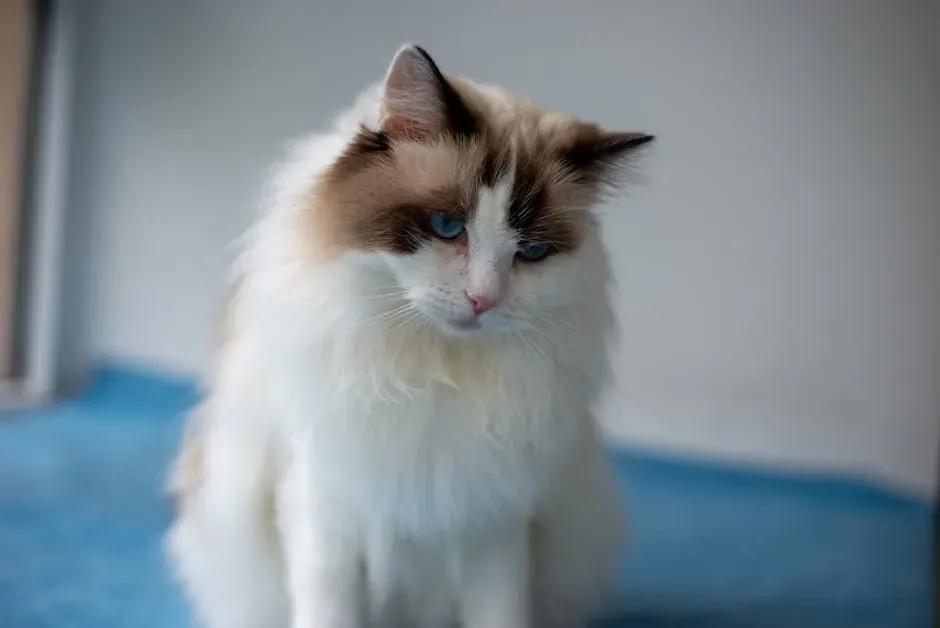
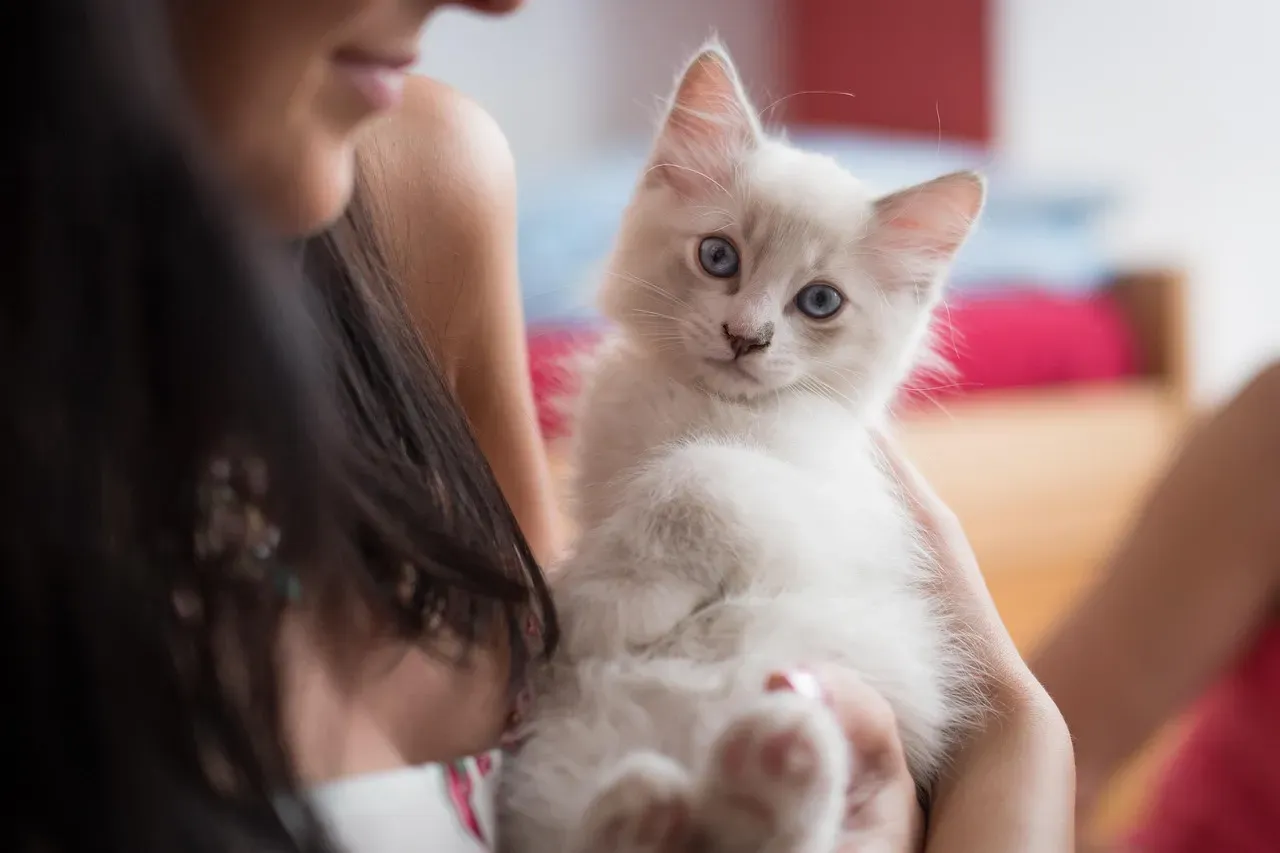
If you’ve ever wanted a cat that truly leans into your presence rather than simply tolerating it, the Ragdoll is the breed most likely to deliver that experience. Graceful and gentle, the Ragdoll is a true lap cat in every sense. Their name comes from the way they go limp in your arms when picked up, a sign of their deep trust and comfort, and with a sweet disposition and affectionate nature, they often seek out their humans for cuddles and company.
They’re not particularly vocal, but their expressive eyes and constant presence speak volumes. Whether lounging beside you or flopping into your lap, they’re always looking for closeness. That physical nearness is how a Ragdoll converses. You won’t need to decode dramatic signals. Ragdolls are known for their striking blue eyes and plush, soft coats, giving them an angelic appearance, and these affectionate cats are often referred to as puppy-like because of their tendency to follow their owners around the house. Their calm demeanor and gentle nature make them excellent companions for families and individuals alike.
2. The Maine Coon: The Gentle Giant Who Speaks in Gestures
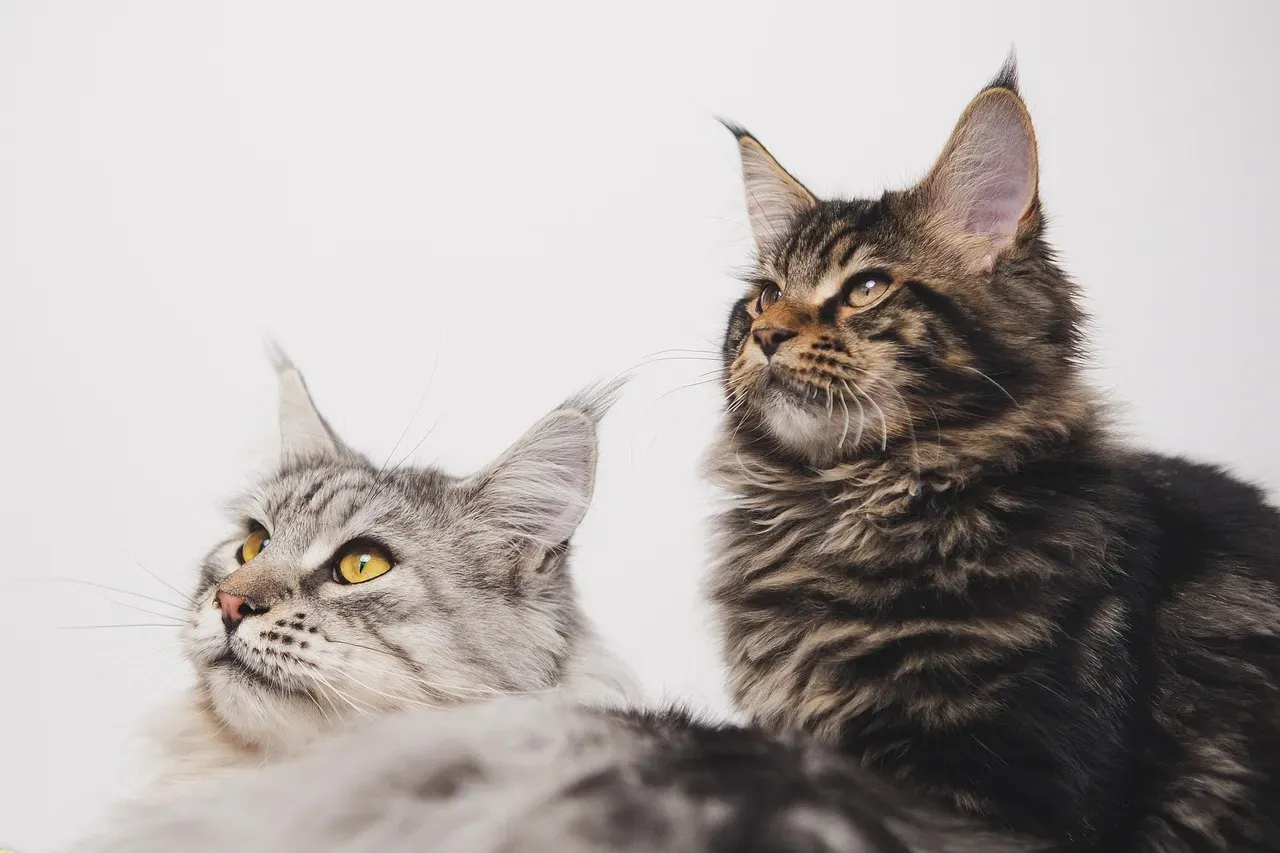
The Maine Coon tends to communicate the way a quiet but attentive friend might. They don’t demand your attention loudly. Instead, they position themselves near you and check in with their eyes. Despite their impressive size, Maine Coons are incredibly gentle and people-oriented. Nicknamed “gentle giants,” they’re known for their sweet temperaments and dog-like loyalty. They often trail behind their favorite humans, wanting to be near but not necessarily in your lap, and with a chirp-like voice and playful demeanor, they make their affection known in subtle but endearing ways.
Maine Coons are gentle giants that may use more physical signals like nudging or pawing to initiate connection, which is their version of tapping you on the shoulder. Confident cats that love attention, Maine Coons are remarkably comfortable being handled. Their calm, laid-back nature allows them to enjoy petting, cuddling, and close contact without becoming overstimulated or defensive. They are social without being demanding, often greeting owners at the door and following them from room to room. It’s an understated companionship, and honestly, it’s one of the most comfortable kinds.
3. The Scottish Fold: The Quiet Emotional Observer

The Scottish Fold’s folded ears and wide, rounded eyes give it a face that appears permanently thoughtful, and in many ways, that appearance matches its temperament. The Scottish Fold fits comfortably in the “quiet” category, and these cats do vocalize, but their voices are soft and infrequent, making them ideal for owners who appreciate subtle communication. They tend to watch, absorb, and respond through proximity and posture rather than noise.
The Scottish Fold falls under the group of “emotionally intelligent” felines, and it is extraordinarily perceptive and sensitive to human feelings. The breed continually observes human behavior to get a more excellent grasp of its surroundings. What this means for you, practically, is that your Scottish Fold often knows your mood before you’ve fully registered it yourself. Scottish Folds are famous for their unique folded ears. They’re sweet-natured and love to cuddle, aligning well with the friendly traits of affectionate breeds. Their playful behavior keeps them lively companions.
4. The Birman: Devotion Without a Sound
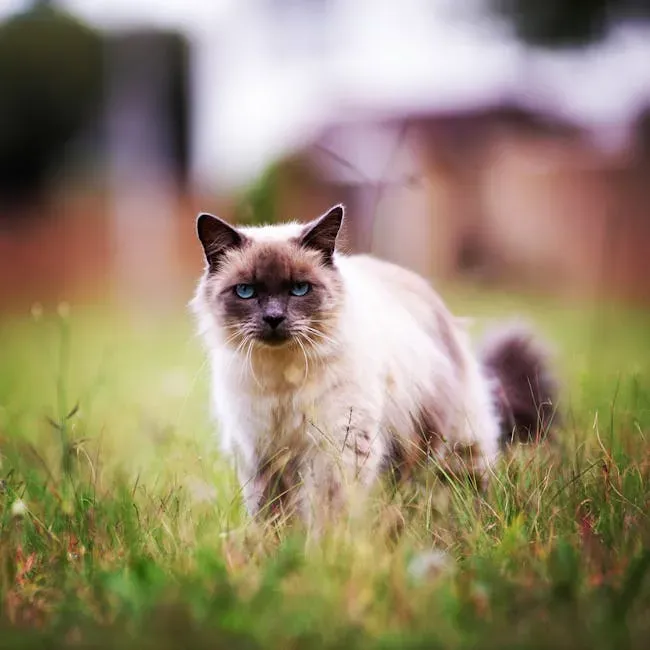
The Birman is one of those cats that practices presence as a form of communication. They’re rarely loud. They simply show up, curl nearby, and stay. When it comes to quiet companionship, the Birman stands out as a naturally low-vocal breed that prefers gentle communication over loud meowing, often relying on soft sounds and expressive body language to get their point across. You learn to read the Birman not through what they say, but where they choose to sit.
The Birman, also known as the Sacred Cat of Burma, is admired for its deep blue eyes, silky cream coat, and calm elegance. This people-focused breed is intelligent, social, and naturally drawn to close human companionship. Tolerant, trusting, and cuddly, Birmans are comfortable with being picked up and handled, and they often seek out laps and arms on their own, settling in calmly and responding with gentle purring rather than resistance. For anyone who finds loud, demanding pets exhausting, the Birman is a deeply restful kind of company.
5. The Abyssinian: Alert, Watchful, and Always Tuned In
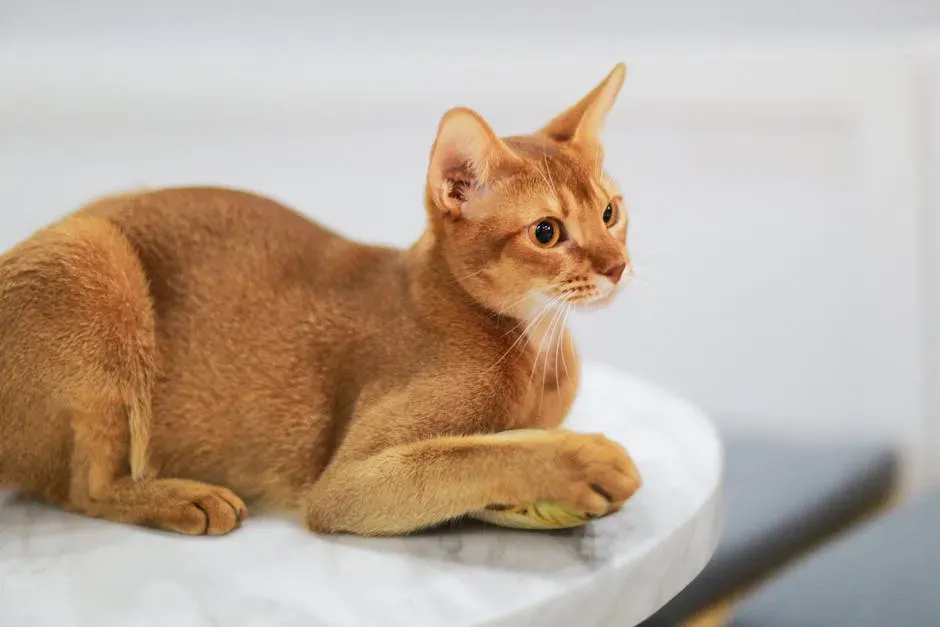
The Abyssinian’s approach to silent conversation is a little different from the breeds above. Rather than sitting still and cuddling, they engage you through active, focused attention. They want to know what you’re doing, where you’re going, and what’s in your hands. Always on the move, Abyssinians are intelligent cats that love to explore, but always with you. Their curiosity drives them to be part of whatever you’re doing. Whether you’re unboxing groceries or typing on a keyboard, they want in, and they may not be the cuddliest breed, but their constant companionship is their way of showing affection.
The Abyssinian is probably the smartest cat breed. Abyssinians can learn tricks and are very responsive to training. That intelligence feeds directly into how they interact with you. They respond to your mood, your movements, and your energy with a kind of quick, perceptive attentiveness that can feel startlingly human. This breed is highly intelligent, often learning tricks or engaging in interactive play, and Abyssinians are social creatures, forming strong bonds with their families while entertaining with their acrobatics. With an Abyssinian around, you’re never quite alone in the room.
6. The Russian Blue: The Master of the Knowing Glance
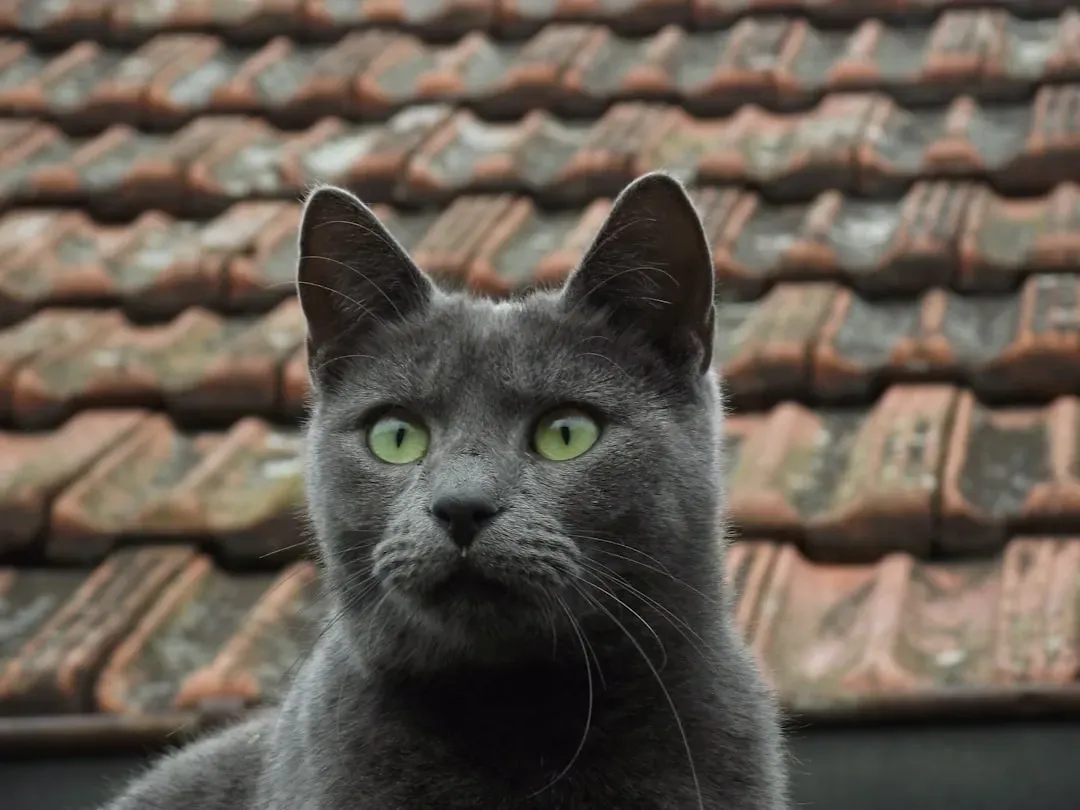
If any cat breed could be said to communicate through pure, measured eye contact, it’s the Russian Blue. Elegant and reserved, the Russian Blue is a cat of quiet dignity and sophistication. Its shimmering silver-blue coat catches the light beautifully, while its emerald green eyes seem to hold a world of secrets. These cats are known for their gentle and shy nature, often forming deep bonds with their chosen human companions.
Russian Blues are known for their loyalty, forming deep bonds with their families while maintaining an independent streak. They’re not the type to demand constant attention, but they’ll happily curl up beside you when the mood strikes. Their version of a silent conversation is precisely that: a long, calm gaze that says everything without a single syllable. Quiet and reserved, the Russian Blue prefers a calm and serene environment, yet despite their gentle disposition, they are playful and enjoy interactive play sessions. When a Russian Blue chooses to hold your gaze across a quiet room, you tend to feel it. That’s not nothing.
Understanding the Language Beneath the Language
What makes all six of these breeds remarkable isn’t simply that they’re quiet. It’s that they’ve developed especially effective, nuanced channels of nonverbal contact with humans, the kind that reward attentive owners. Research shows that cats developed their vocal meowing primarily to communicate with humans, but among themselves, they rely almost exclusively on non-verbal cues. This means that understanding your cat’s body language is essential for building a strong, trusting relationship with your feline companion.
Slow blinking is one of the most reliable affection signals cats exhibit. When cats look directly at you and slowly close and open their eyes, the message translates roughly to “I love and trust you.” You can communicate back using the same language, and looking at your cat and slowly blinking sends a message of affection and peaceful intentions. Many cats will respond with slow blinks in return, creating a kind of conversation through eye contact.
Cats have earned a reputation for being hard to read, but it’s not their fault. They just communicate differently than humans. With their posture, tails, ears, eyes, whiskers, and vocalizations, they’ll tell you whether they’re comfortable or not. The key is simply learning to pay attention on their terms rather than expecting them to operate on yours.
Conclusion
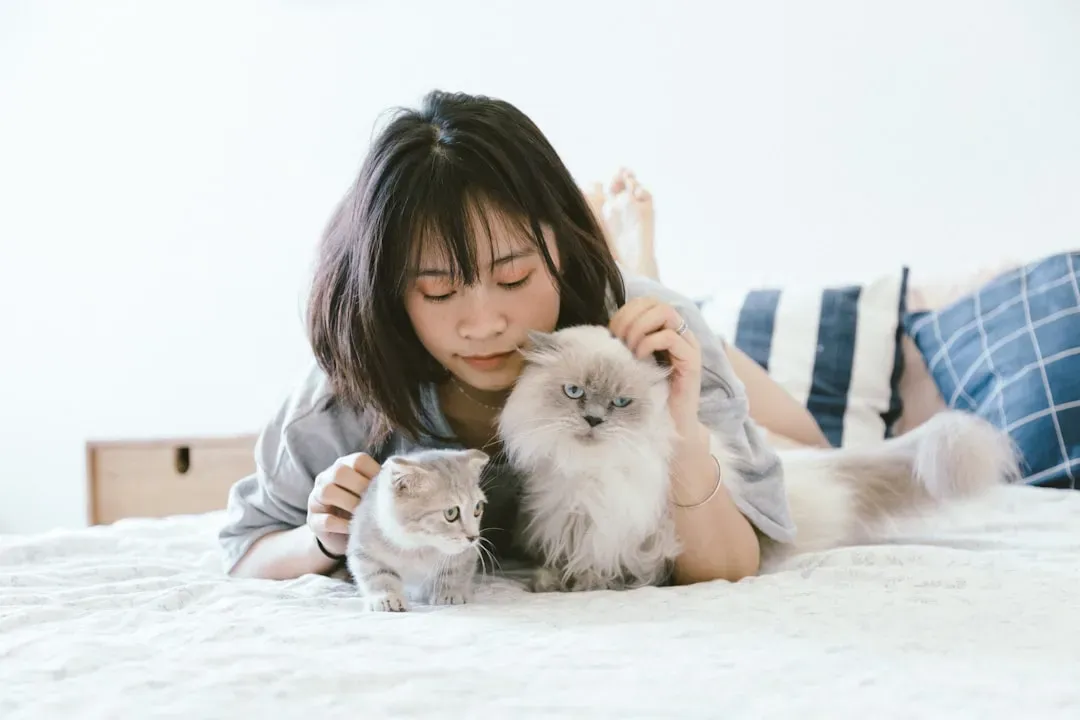
The six breeds featured here all share something that goes beyond temperament or training. They’ve become skilled at reading you, your stillness, your movements, your moods, and responding to all of it without ever having to say a word. That’s a kind of intimacy that’s easy to underestimate, especially if you grew up thinking that the depth of a pet relationship was measured in tail wags and barks.
In many ways, how cats behave toward us is not much different from the way they communicate with each other: nonverbally. With the right breed and a little patience in learning to listen differently, what you gain is a relationship that runs deeper than most people expect from a cat. Sometimes the most meaningful conversations are the ones that happen in complete silence.
Kristina is a young writer from India. An arts graduate and an avid content creator, Kristina is passionate about animals and wildlife. She enjoys exploring topics related to pet care, animal behavior, conservation, and nature, combining thorough research with engaging storytelling.