You’ve probably lived with a cat long enough to feel like you know them inside and out. You’ve studied their moods, learned their routines, and developed a whole silent language with each other. Still, cats have a way of holding something back, of operating on a frequency just slightly outside your full understanding.
The truth is, much of what makes cats so captivating goes far deeper than quirky behavior and adorable videos. Their biology, senses, and social intelligence are genuinely remarkable, and science keeps peeling back new layers. Here are twelve facts that might quietly shift the way you see your feline companion.
Your Cat’s Purr May Actually Be a Healing Tool
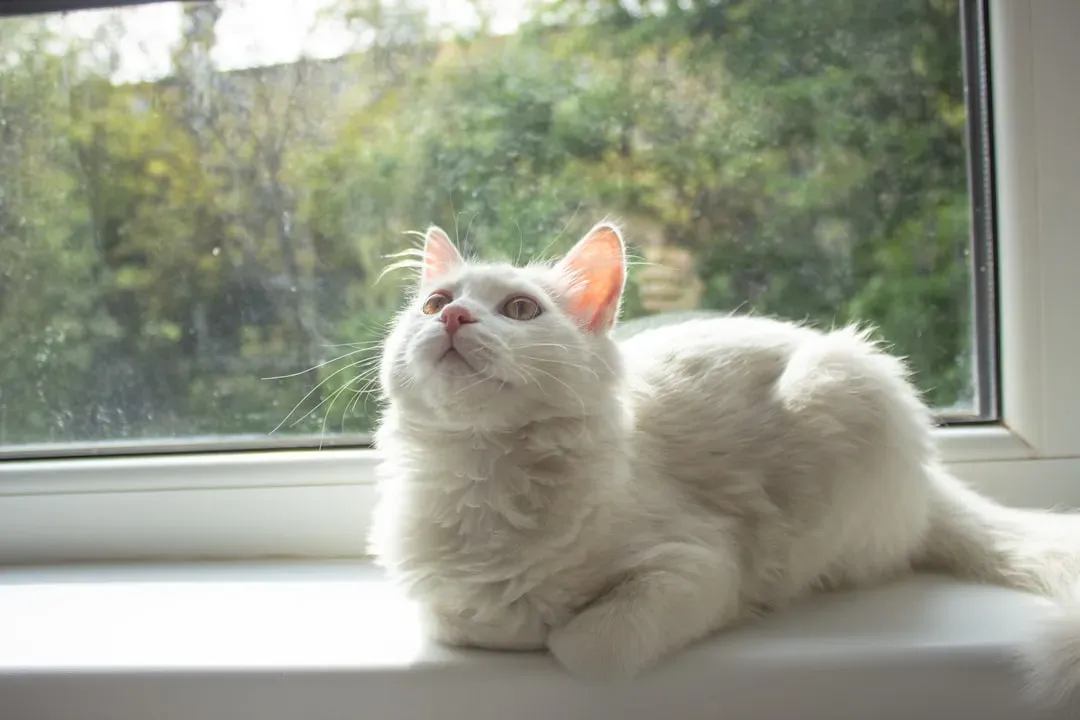
You probably assume your cat purrs because they’re happy, and often that’s true. However, the reality behind this sound is more complex and more impressive than simple contentment. The vibrational frequencies of a cat’s purr can be used to promote healing and bone growth while reducing pain.
Cats’ purring may be a self-soothing behavior, since they make this noise when they’re ill or distressed, as well as when they’re happy. So when your cat curls up on your lap and starts that familiar rumble, they may be doing something far more purposeful than you ever realized. It’s worth paying attention to when and how intensely your cat purrs, since shifts in that pattern can sometimes signal something worth a vet visit.
Cats Developed Meowing Exclusively to Talk to You
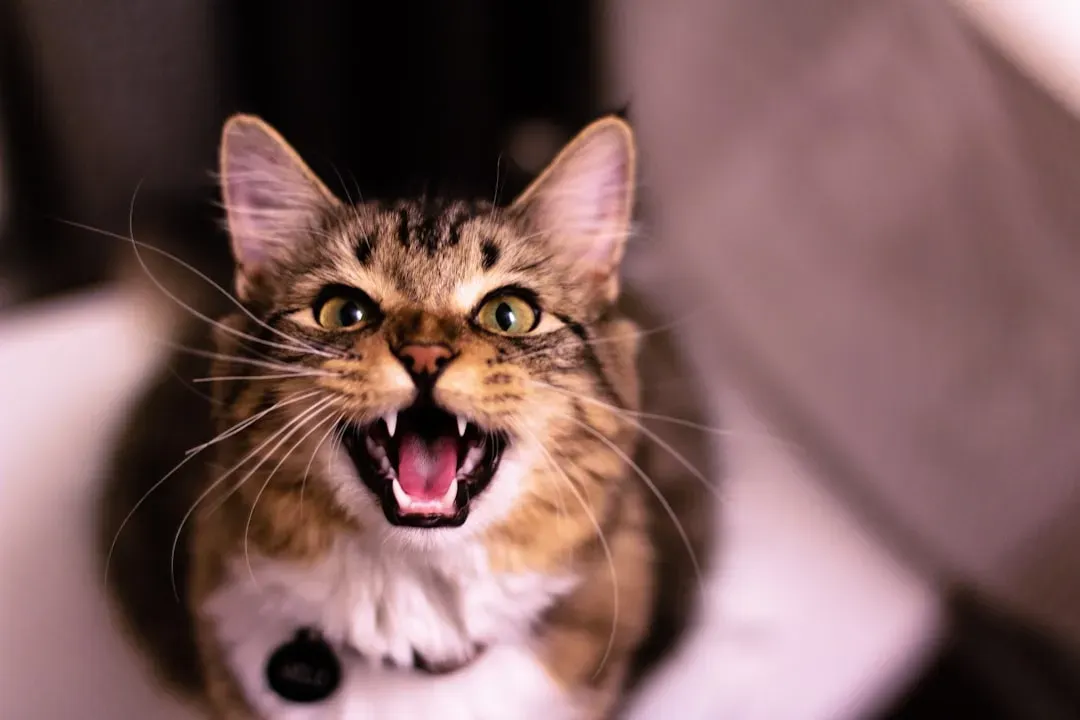
If you were looking for strange cat facts, you might find it odd that cats only meow at humans. Cats communicate with each other in many ways, but adult cats don’t meow at other cats. Instead, this behavior is reserved for humans because it’s their way of getting your attention.
Kittens meow to their mothers, but as they grow and learn that meowing gets attention from people, they adapt the behavior primarily to humans. In other words, your cat has developed a personalized communication system aimed directly at you. Cats have a unique “vocabulary” with their owner, and each cat has a different set of vocalizations, purrs, and behaviors. You’re not just a caretaker in their eyes. You’re genuinely their primary communication partner.
Your Cat Shares Nearly All Its DNA With Tigers
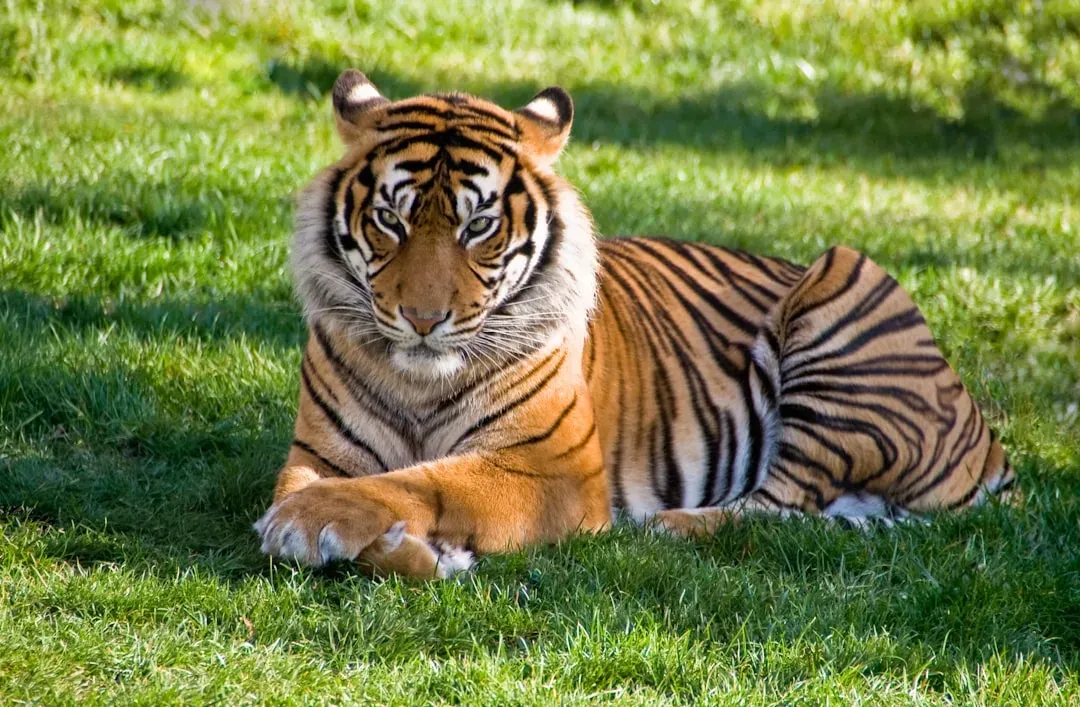
A study discovered that our little house cats share 95.6% of their genetic makeup with tigers. They also share a lot of the same behaviors such as scent and urine marking, prey stalking, and pouncing. That’s not a distant, symbolic resemblance. That’s a genuinely close genetic kinship that quietly explains a lot about your cat’s instincts.
The domesticated house cat has very little genetic difference from its wild ancestors, with only about 10 genes separating them from wildcats. When you watch your cat crouch low before leaping onto a toy, or stalk silently across the room, you’re witnessing behaviors coded deep in their genome, behaviors that are barely distinguishable from those of the world’s most powerful predators.
Cats Walk Like Camels and Giraffes – and Almost Nothing Else Does
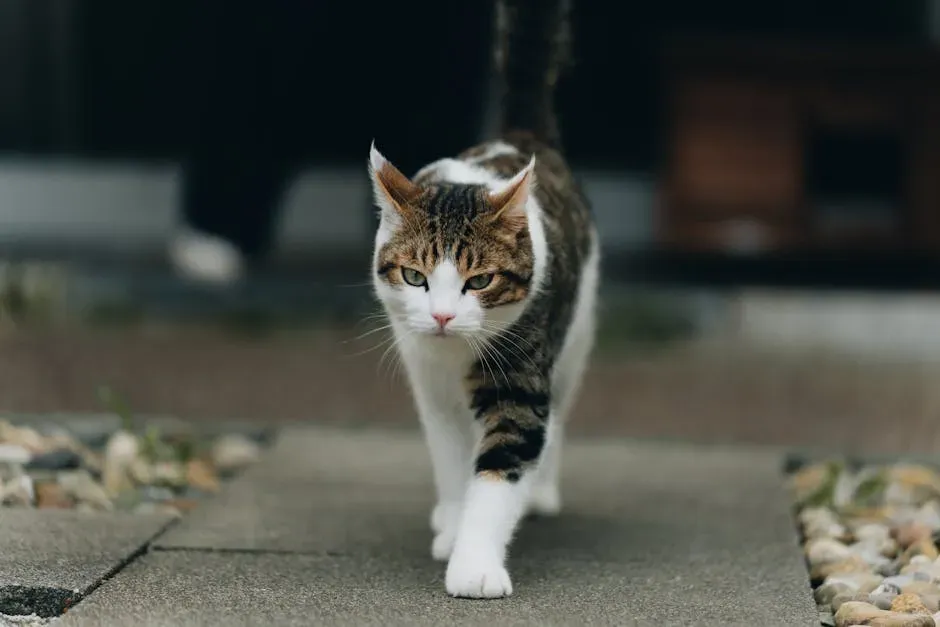
Have you ever noticed that cats walk like camels and giraffes? Their walking sequence is both right feet first, followed by both left feet, so they move half of their body forward at once. Camels and giraffes are the only other animals to walk this way. This gait is called “pacing,” and it gives cats an unusually smooth, fluid stride.
That elegance isn’t accidental. This walking pattern supports their role as silent hunters, allowing them to move with maximum balance and minimal noise. Cats make very little noise when they walk around. This is because their soft paw pads allow them to sneak up on prey without making noise. Every step your cat takes is, in a sense, a perfectly engineered predatory move.
Your Cat Has a Hidden Third Eyelid
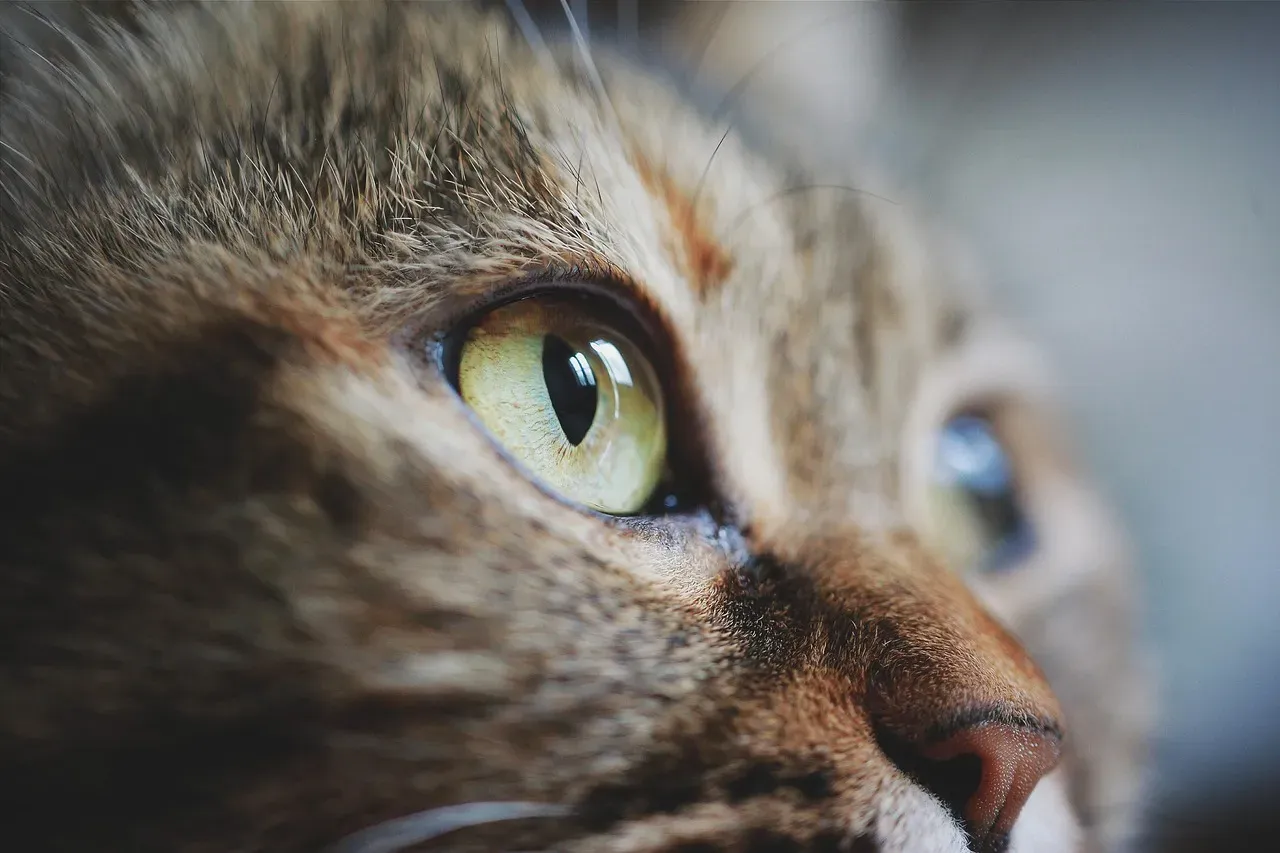
Cats have three eyelids: two outer ones and one inner one. This last one, also known as the third eyelid or “haw,” plays an important role in maintaining the health of their eye surface. You might have caught a glimpse of it when your cat is drowsy or unwell, a pale, filmy membrane sliding across the corner of the eye.
It is so important that among mammals and birds, the norm is having three eyelids and not two – we are the odd one out. So while it might look unusual when you spot it, your cat’s eye anatomy is actually closer to the biological standard than your own. It’s one of those small details that quietly reframes who the “normal” one really is.
Cats Can’t Taste Sweetness at All
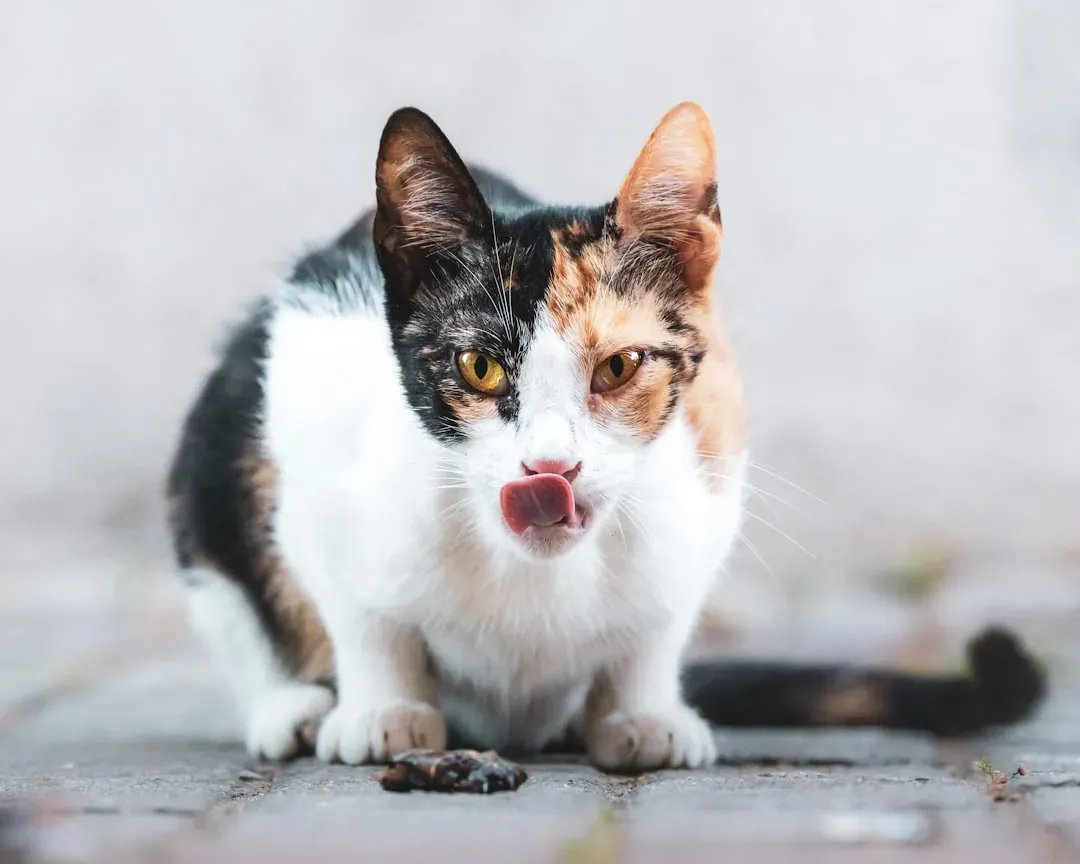
Cats lack the specific brain enzyme that allows a sense of sweetness to register. This is likely an evolutionary advantage as most sweet foods contain little nutritional value for felines. Cats can’t taste sweetness due to a mutation in a key taste receptor gene. This makes them unique among mammals in a genuinely striking way.
Cats have fewer taste buds than humans, with about 473 compared to our 9,000. However, their sense of smell is much better than ours. Your cat isn’t being picky when they ignore sugary treats. Their biology simply doesn’t register sweetness as a flavor at all. They’ve traded taste range for an olfactory system that more than compensates.
Your Cat’s Whiskers Are Doing a Lot More Than You Think
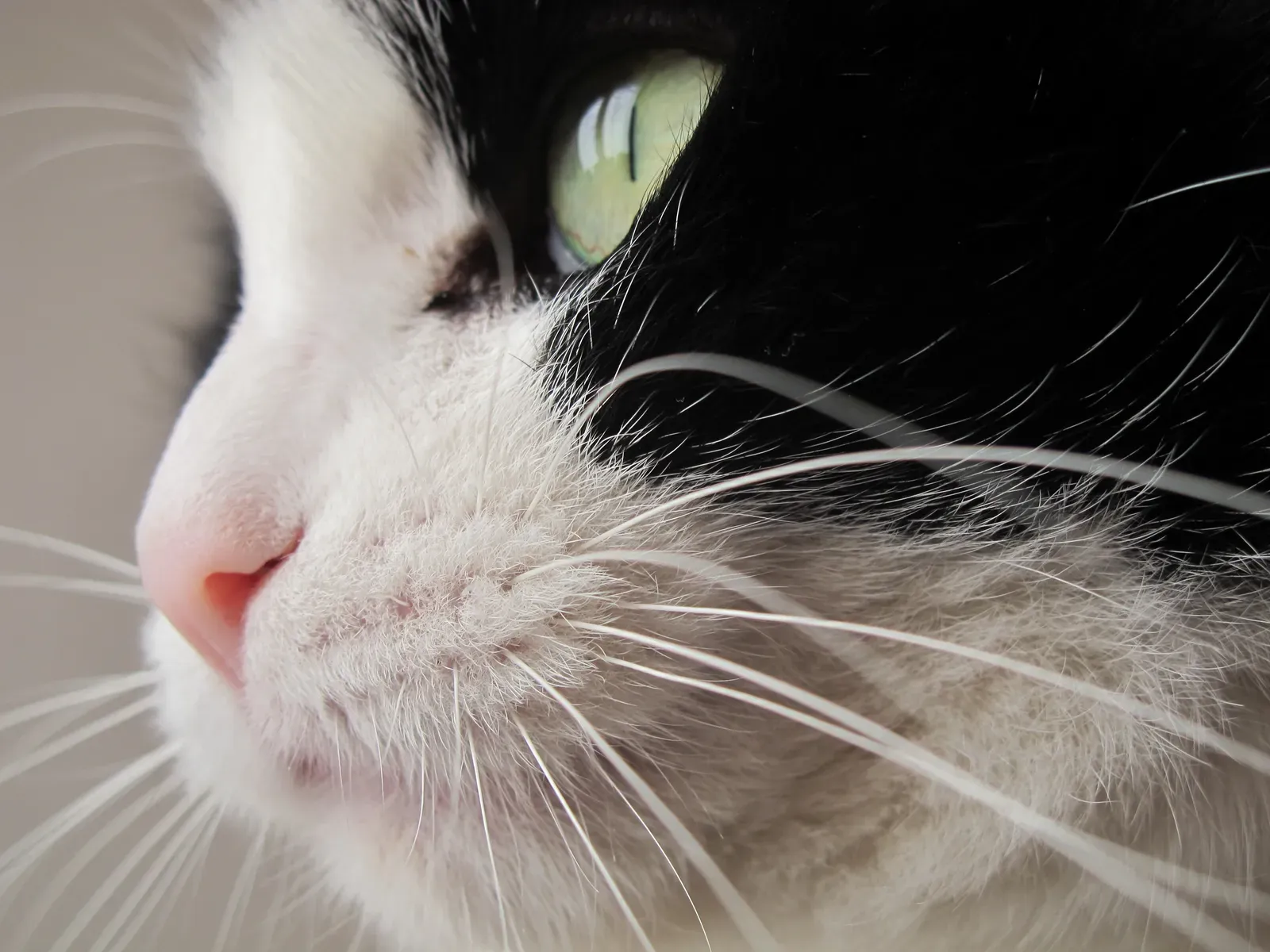
A cat’s characteristic “moustache” of vibrissae, made up of 24 or so mobile hairs, is accompanied by other less apparent whiskers above the eyes, on the chin, and the back of the front paws. These thickened hairs are alive with deep-rooted nerves that help felines literally feel their way through a hunt, especially in the dark.
Cat chin whiskers are about the same width as the cat’s body, which is how they figure out whether they will fit into small spaces. Whiskers also monitor airflow to further coordinate their locomotion. Essentially, your cat’s whiskers form a real-time sensory map of the world around them, a navigation system that works even when their eyes can’t.
Cats Have a Built-In Scent-Tasting Organ
Cats, like dogs, have a vomeronasal organ, or Jacobson’s organ, on the roof of their mouths that allows them to basically taste the air to detect scent. This is why cats often exhibit the flehmen response, leaving their mouths open to help route incoming air to the organ for examination. You’ve probably seen this before without knowing what it meant.
That slightly strange, open-mouthed pause your cat sometimes makes while sniffing something isn’t confusion. It’s precision. Your cat is actively funneling scent molecules to a dedicated sensory structure that gives them a level of chemical detection that goes well beyond ordinary smell. It’s closer to reading a full report than catching a whiff.
Cats Have Paw Preferences Along Gender Lines
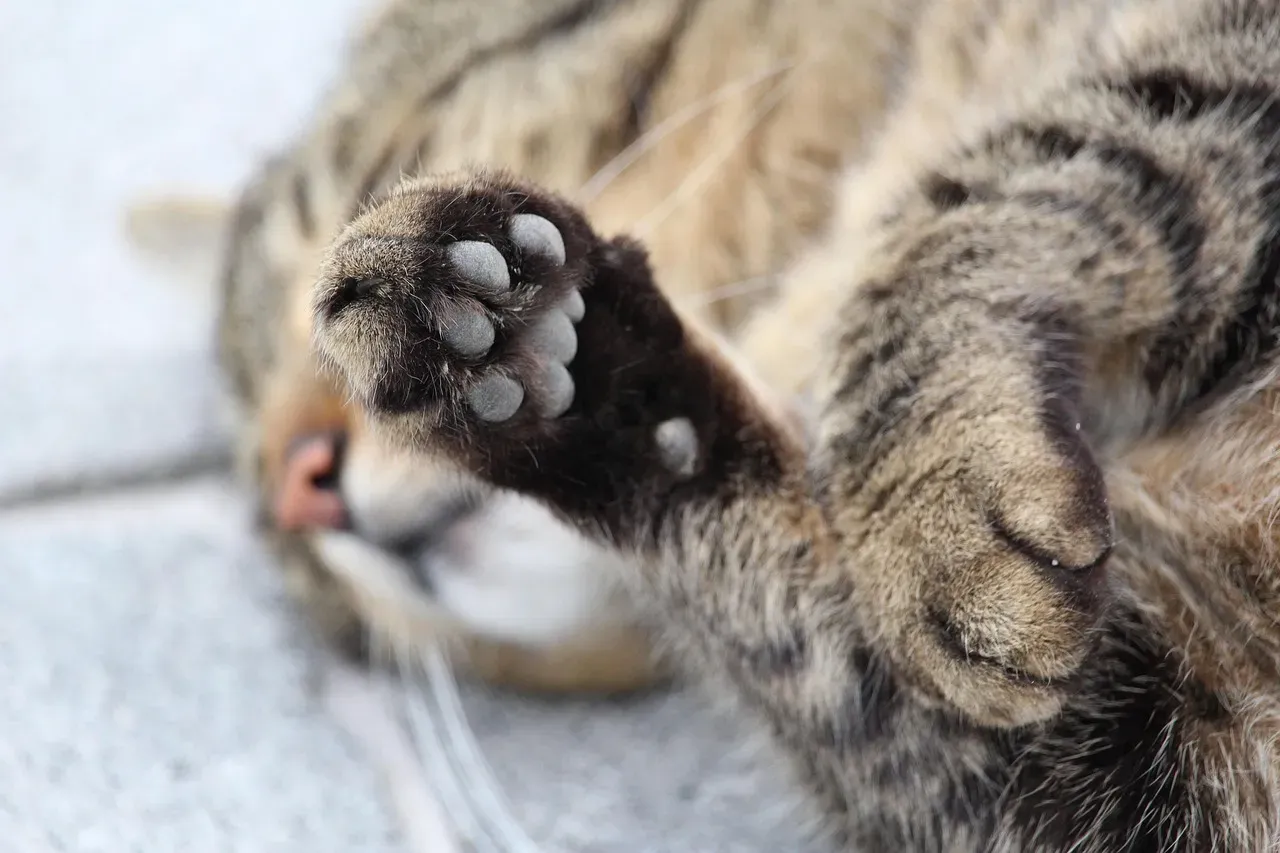
New research shows that cats, like humans, display a tendency for “pawed”-ness that aligns with gender lines. In experiments with 42 house cats, male felines overwhelmingly favored their left paws when attempting complex tasks like scooping out tuna from a jar, while 20 out of 21 female cats consistently used their right paw for the same task.
This kind of lateralization, the brain’s tendency to favor one side for specific tasks, was long considered a largely human trait. Discovering it in cats suggests that hemispheric specialization in the brain is broader across species than previously assumed. Next time you watch your cat reach for a toy, it’s worth noticing which paw leads. You might be observing a reliable pattern that tells you something real about how their brain is organized.
Cats Have Extraordinary Hearing That Goes Well Beyond Yours
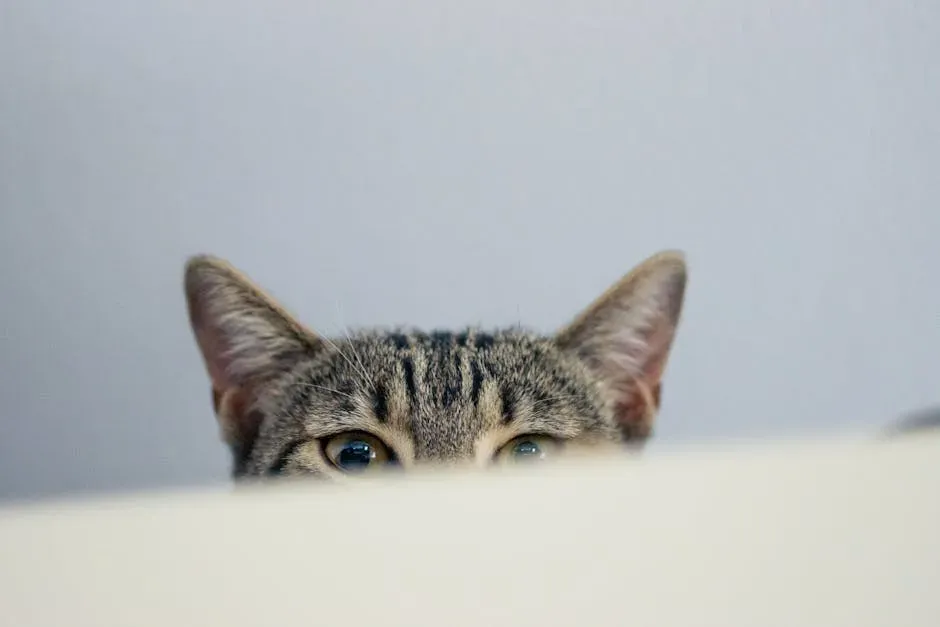
Cats possess extraordinary hearing, detecting sounds at frequencies up to 60,000 vibrations per second, while humans can only hear up to 20,000. That’s not a modest advantage. It means your cat is operating in an entirely different acoustic world, one filled with sounds that are completely silent to you.
Cats can rotate their ears 180 degrees, and they have 32 muscles in each ear, allowing them to swivel, tilt, and rotate to pinpoint sounds precisely. When your cat’s ears swivel toward a wall or a corner of the room with no apparent cause, they’re not being dramatic. They’re tracking something real, just at a frequency your own ears will never reach.
Your Cat’s Slow Blink Is a Genuine Expression of Trust
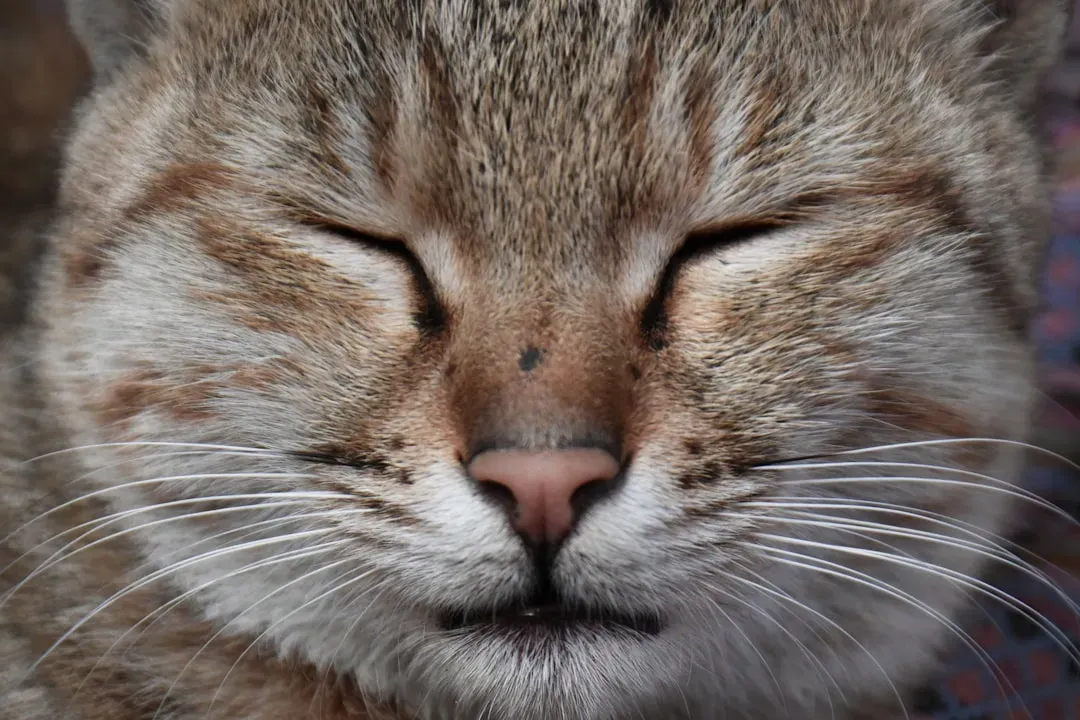
When cats want to strongly convey their love to you, they will look at you with their eyes and slowly blink. It is a gentle eye gesture of deep trust and affection. Look at them and slowly blink back, and you will have a friend for life.
Have you ever noticed your kitty slowly blinking at you? Behaviorists call this act “kitty kisses.” These slow blinks are your feline’s way of showing affection and telling you that they like and trust you. It’s one of the quietest, most understated forms of bonding in the animal world. The next time your cat gives you a long, unhurried blink across the room, understand that it means something real. Blink back.
Cats Can Experience Separation Anxiety, Too
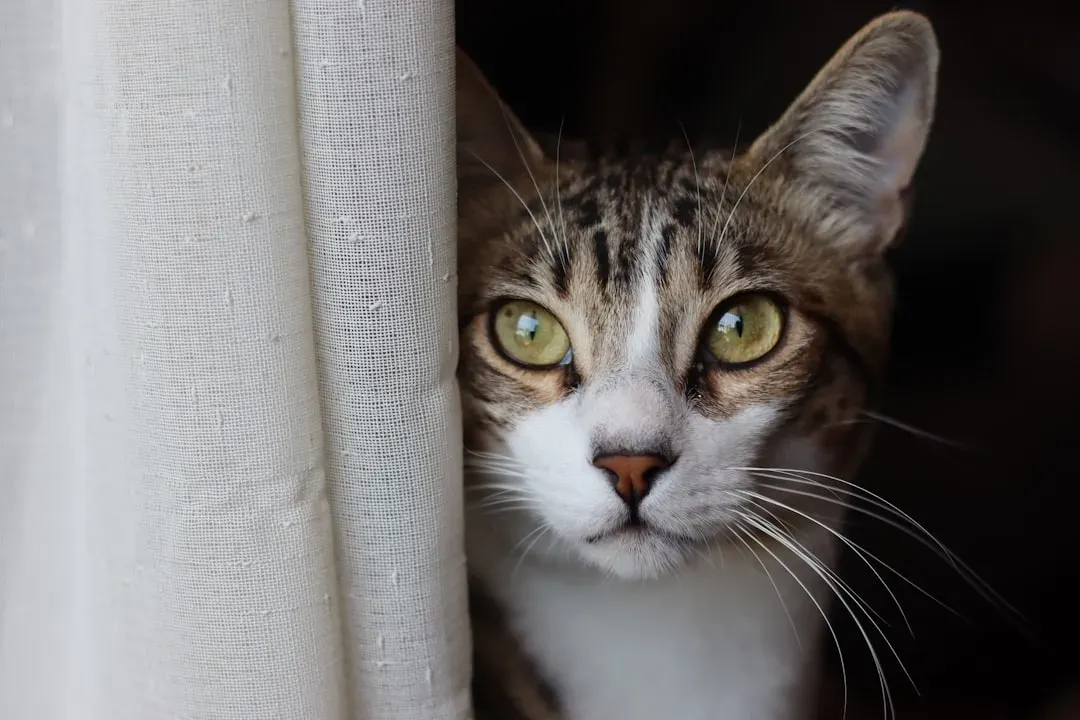
More than one in 10 pet cats surveyed in a study have displayed behavioral issues when temporarily separated from their owners. This challenges the popular notion that cats are perfectly self-sufficient creatures who don’t particularly care whether you’re home or not. The science suggests otherwise.
Felines, known to be aloof, really do love you, their humans, and they need regular attention, play, and affection from you to stay happy and maintain emotional wellbeing. Not having access to toys, as well as the absence of other pets in the house, were also associated with behavioral issues in affected felines. Your cat may not greet you at the door with tail wagging and jumping, but that quiet presence watching from the window when you leave tells its own story.
Conclusion
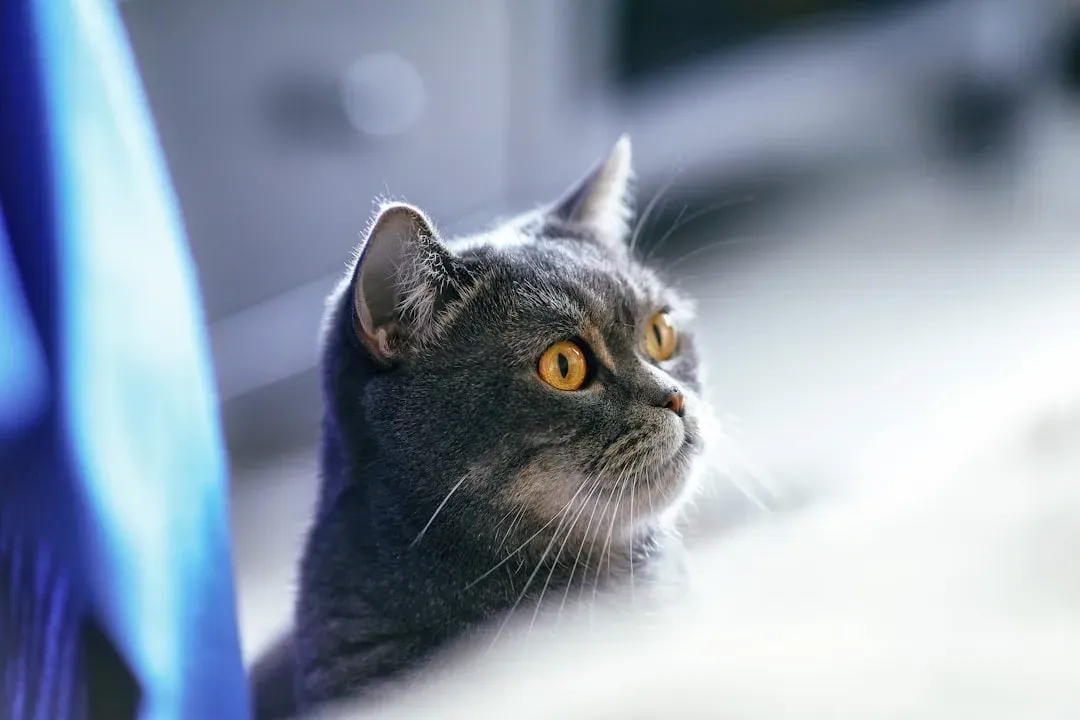
There’s something quietly humbling about realizing that an animal you share your home with is still surprising you after all this time. Cats are not enigmatic for the sake of it. Their biology is genuinely sophisticated, their communication is purposeful, and their attachment to you, while expressed differently than a dog’s, is no less real.
The more you understand about the feline world, the more your everyday interactions start to carry extra meaning. That slow blink, that deliberate paw choice, that whisker twitch when something moves, it’s all part of a rich inner life that science is still working to fully map. Your cat has always been more than meets the eye. Now you have twelve more reasons to look a little closer.
Kristina is a young writer from India. An arts graduate and an avid content creator, Kristina is passionate about animals and wildlife. She enjoys exploring topics related to pet care, animal behavior, conservation, and nature, combining thorough research with engaging storytelling.