There’s a moment almost every cat owner knows: you set down a bowl of food you just bought, your cat approaches with what feels like genuine interest, takes one careful sniff, and walks away without a single bite. The instinct is to call it fussiness, maybe even drama. The truth, though, is considerably more interesting than that.
Your cat isn’t being difficult. What you’re actually witnessing is millions of years of evolution expressing itself through one small, opinionated animal. The preferences your cat demonstrates at mealtime are rooted in biology, sensory architecture, and survival instincts that no amount of domestication has been able to override.
The Obligate Carnivore: A Creature Built for Precision
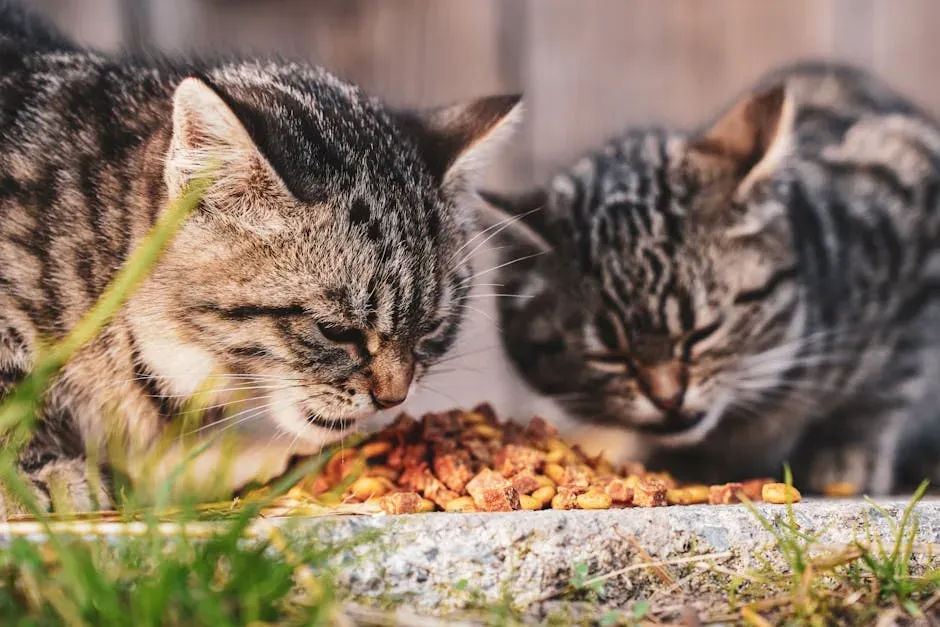
Your cat belongs to a category of animal that makes no biological room for compromise. Cats are obligate carnivores, meaning their bodies are designed to derive nutrition from animal-based proteins. In the wild, their diet consists of small prey like mice, birds, and insects, eaten fresh. That freshness isn’t a preference, it’s a survival signal baked into their very physiology.
Cats evolved to be more fastidious, specialized hunters, whereas dogs evolved more as opportunistic scavengers, giving them each different survival strategies around food. When your cat turns down a bowl that doesn’t pass muster, they’re not being theatrical. They’re being exactly what evolution shaped them to be.
What Your Cat’s Taste Buds Are Actually Doing
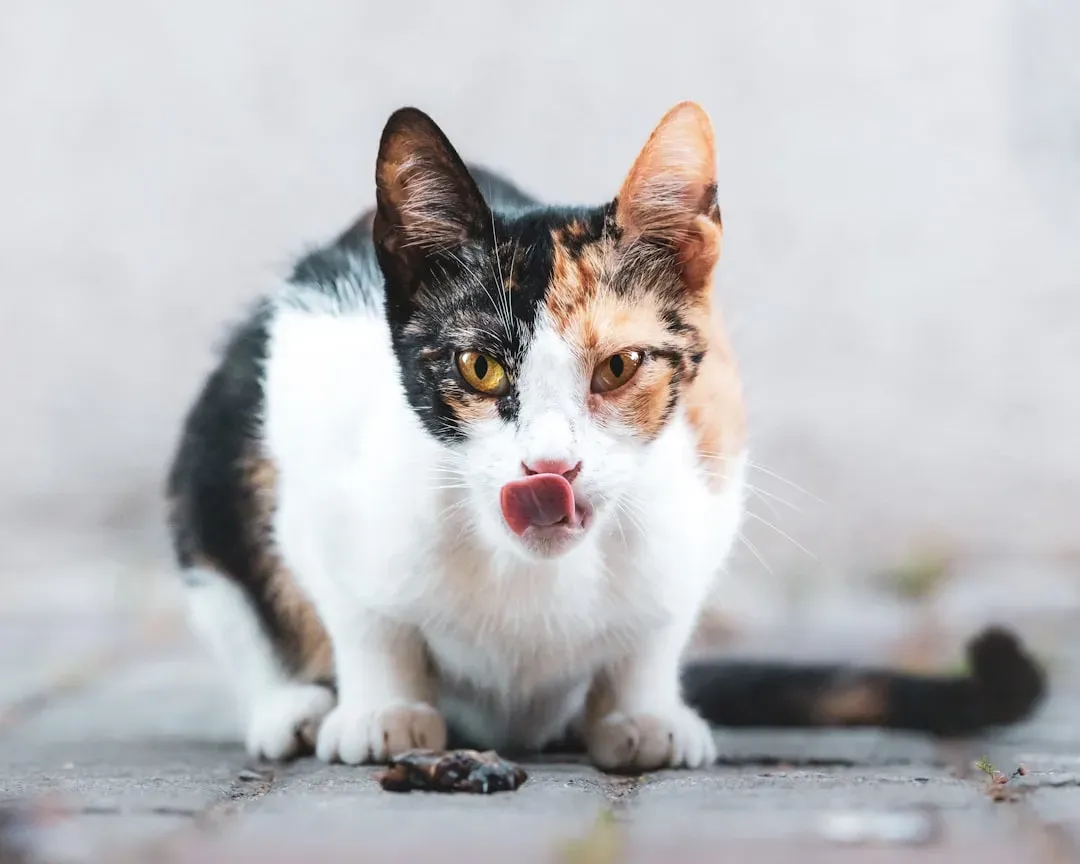
One major reason cats are selective is their limited number of taste buds. Humans have around 9,000, while cats only have about 470. This means that, for cats, taste takes a backseat to smell and texture when it comes to choosing food. Their tasting system isn’t inferior, it’s highly specialized for a single purpose.
Cats rely less on taste and more on smell when choosing their food. The taste buds they do have are specialized for identifying essential flavors found in meat, such as amino acids that signal protein-rich meals. In other words, your cat’s taste buds aren’t built to enjoy variety for variety’s sake. They’re calibrated instruments for detecting exactly what the body needs.
The Umami Connection: Why Meat Is Non-Negotiable
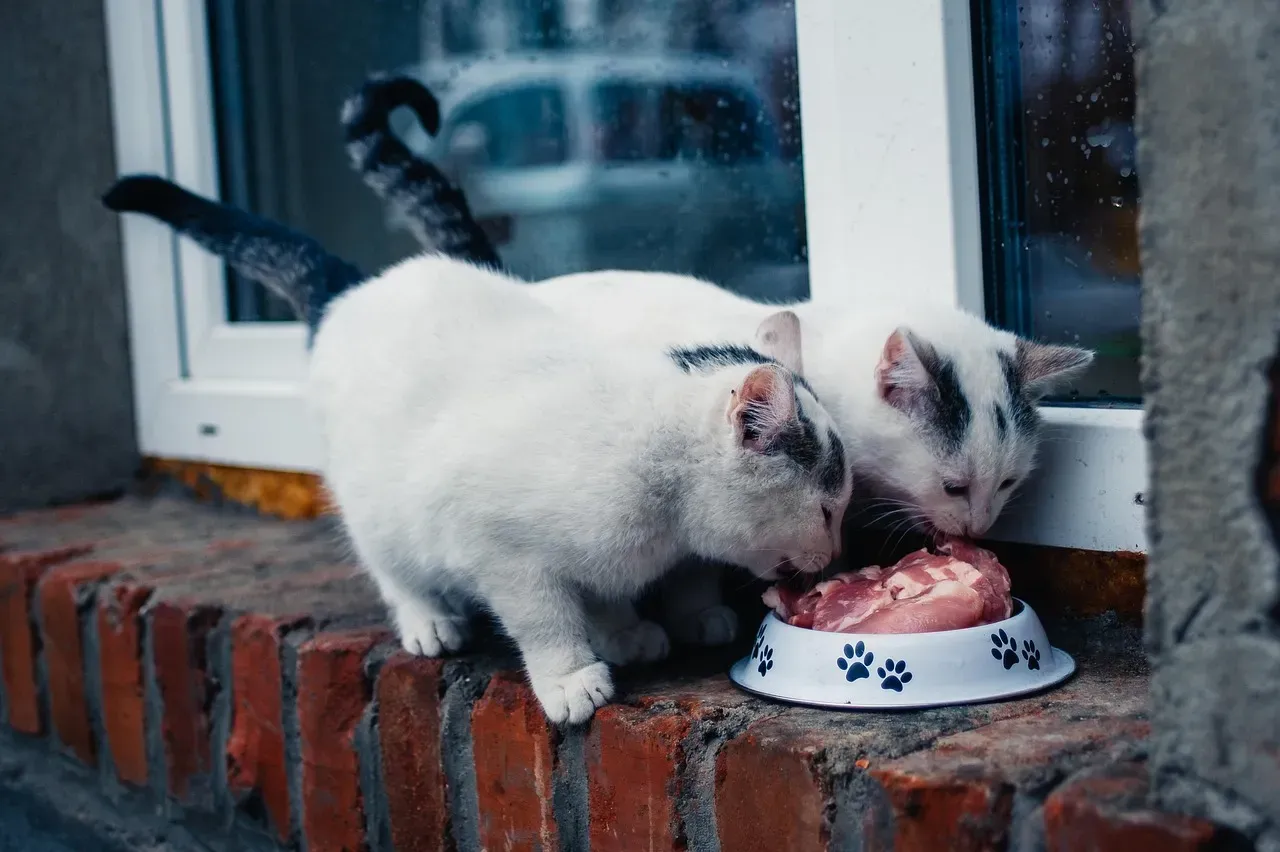
As an obligate carnivore, the umami receptor is the main appetitive taste modality for the domestic cat, enabling them to detect key flavor compounds in meat. Umami is that deep, savory richness found in cooked meats, broths, and certain fish. For your cat, this flavor isn’t a culinary bonus, it’s the entire point of a meal.
Their taste buds possess the two receptors needed to detect umami. These receptors contain molecular changes that reduce their detection of glutamic acid and aspartic acid while enhancing their detection of the nucleotide inosine monophosphate and amino acid free l-Histidine. These compounds are particularly enriched in tuna. It’s the clearest possible reason why tuna consistently tops your cat’s list of acceptable meals.
Why Sweetness Is Simply Off the Table
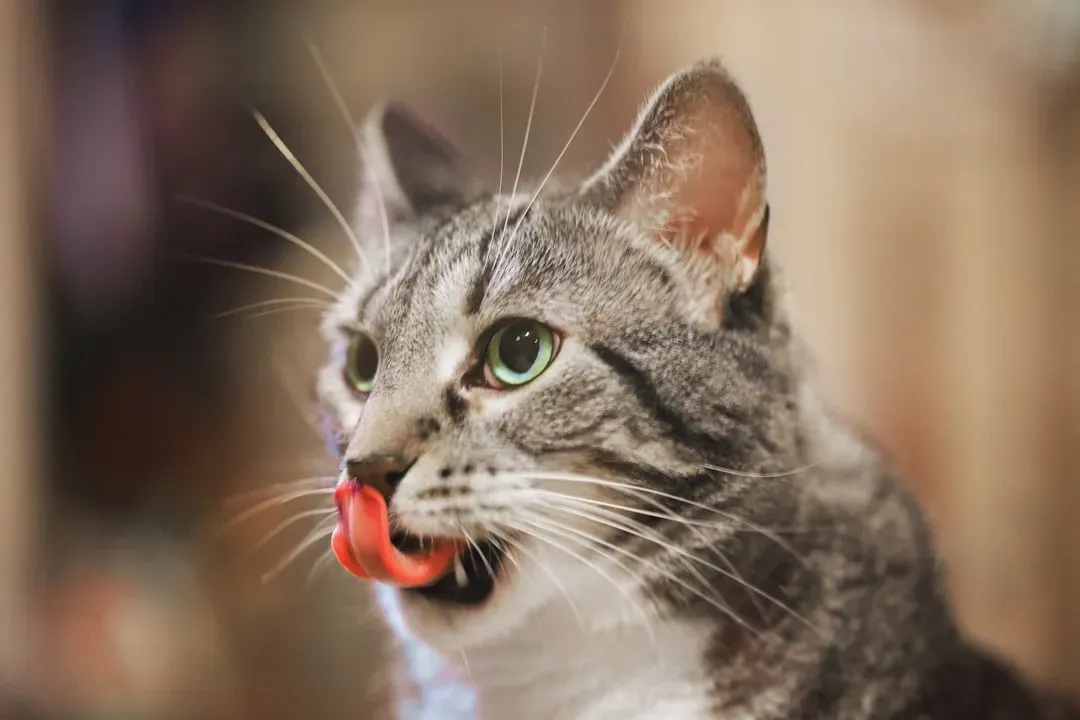
Cats are shown to lack the taste receptors for sweetness that many animals, including dogs, possess. Scientists examined the DNA of domestic cats, along with tigers and cheetahs, analyzing the genes that usually work together to allow sweetness to be detected. The study’s results indicate that one of those key genes in cats does not function, causing cats to be unable to perceive sweetness. This isn’t a quirk, it’s a fixed feature of the entire feline family.
Some scientists now believe this is the root of the cat family’s extremely specialized evolutionary niche as a hunter and carnivore. Their modified sense of taste would cause them to ignore plants, a large part of whose taste appeal derives from their high sugar content, in favor of a high-protein carnivorous diet. So if your cat has ever ignored a sweet treat that a dog would have devoured instantly, now you know the biological reason why.
The Remarkable Power of Smell Over Everything Else
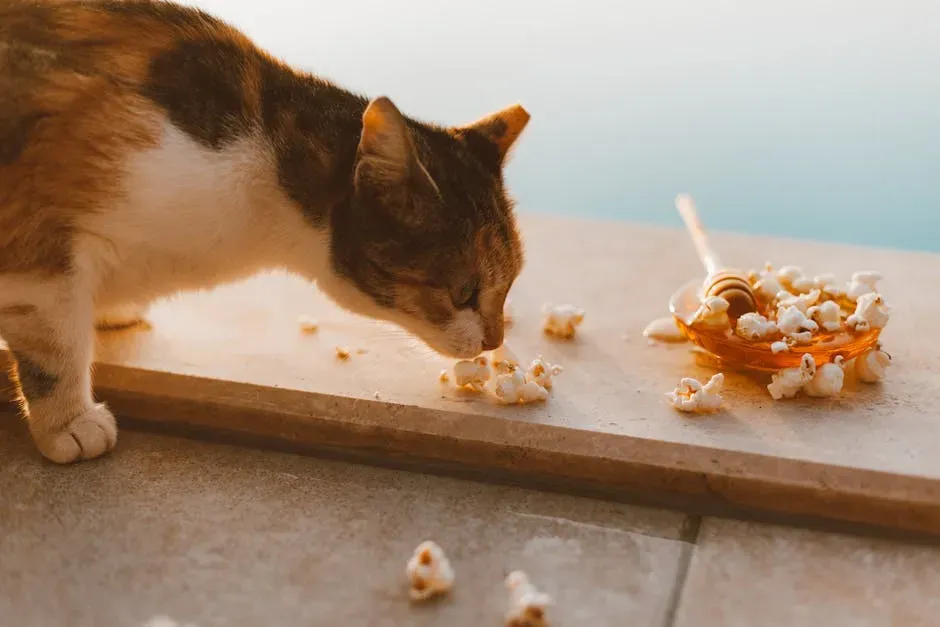
A domestic cat’s sense of smell is nine to sixteen times as strong as a human’s. Cats have a larger olfactory epithelium than humans, meaning they have a more acute sense of smell. In fact, cats have an estimated 45 to 200 million odor-sensitive cells in their noses, whereas humans only have 10 million. When your cat lingers over a bowl without eating, they’re conducting a full sensory analysis that you couldn’t begin to replicate.
Unlike humans, who distinguish flavors primarily through taste buds, cats use their olfactory system to detect volatile compounds released by food. These compounds travel through the nasal cavity to the Jacobson’s organ, a specialized structure that amplifies scent detection. This mechanism allows cats to essentially “taste” food through smell, making aroma a critical factor in their food preferences. A food that smells stale, unfamiliar, or nutritionally off will be rejected before a single bite is taken.
The Nutritional Stakes: Taurine, Arginine, and Why Getting It Wrong Is Dangerous
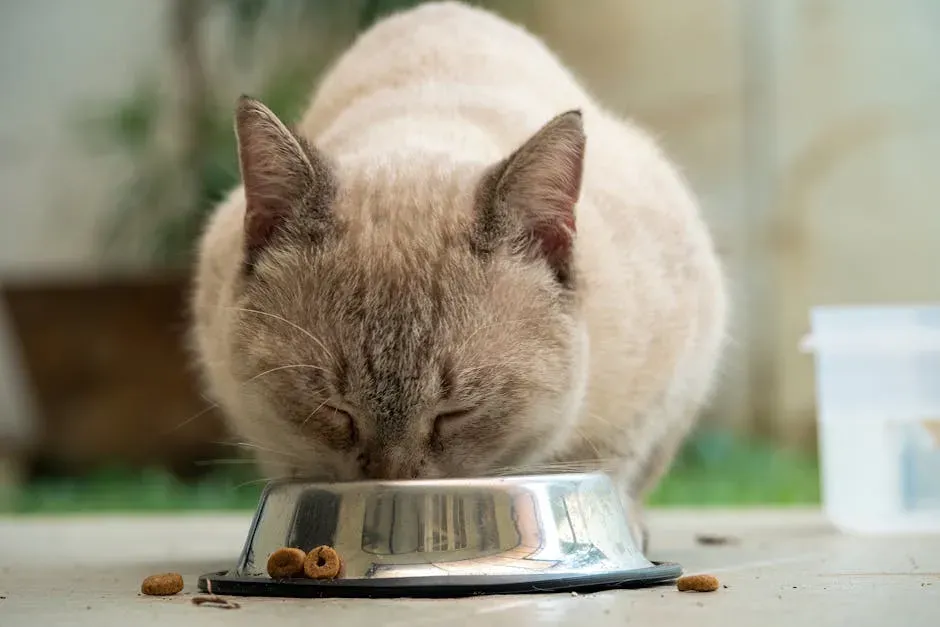
Taurine is an essential amino acid for cats that is found exclusively in animal-based proteins. Taurine plays an important role in vision, heart function, digestion and reproduction. Cats are unable to synthesize taurine and therefore need to consume adequate amounts from their diet, otherwise clinical disease results if insufficient amounts are present. Your cat’s refusal to eat nutritionally empty food isn’t stubbornness, it’s a genuine health instinct.
Arginine is an essential amino acid for cats, and cats possess low levels of the enzymes required to create an adequate amount of arginine on their own. This amino acid is so essential in a cat’s diet that signs of deficiency can be acutely observed within a short time after consuming an arginine-free diet. Fortunately, arginine is found in abundance in meat, poultry and fish. Your cat’s insistence on meat-based food is, essentially, a form of precision medicine practiced entirely by instinct.
The Early Imprint: How Kittenhood Shapes Every Future Meal
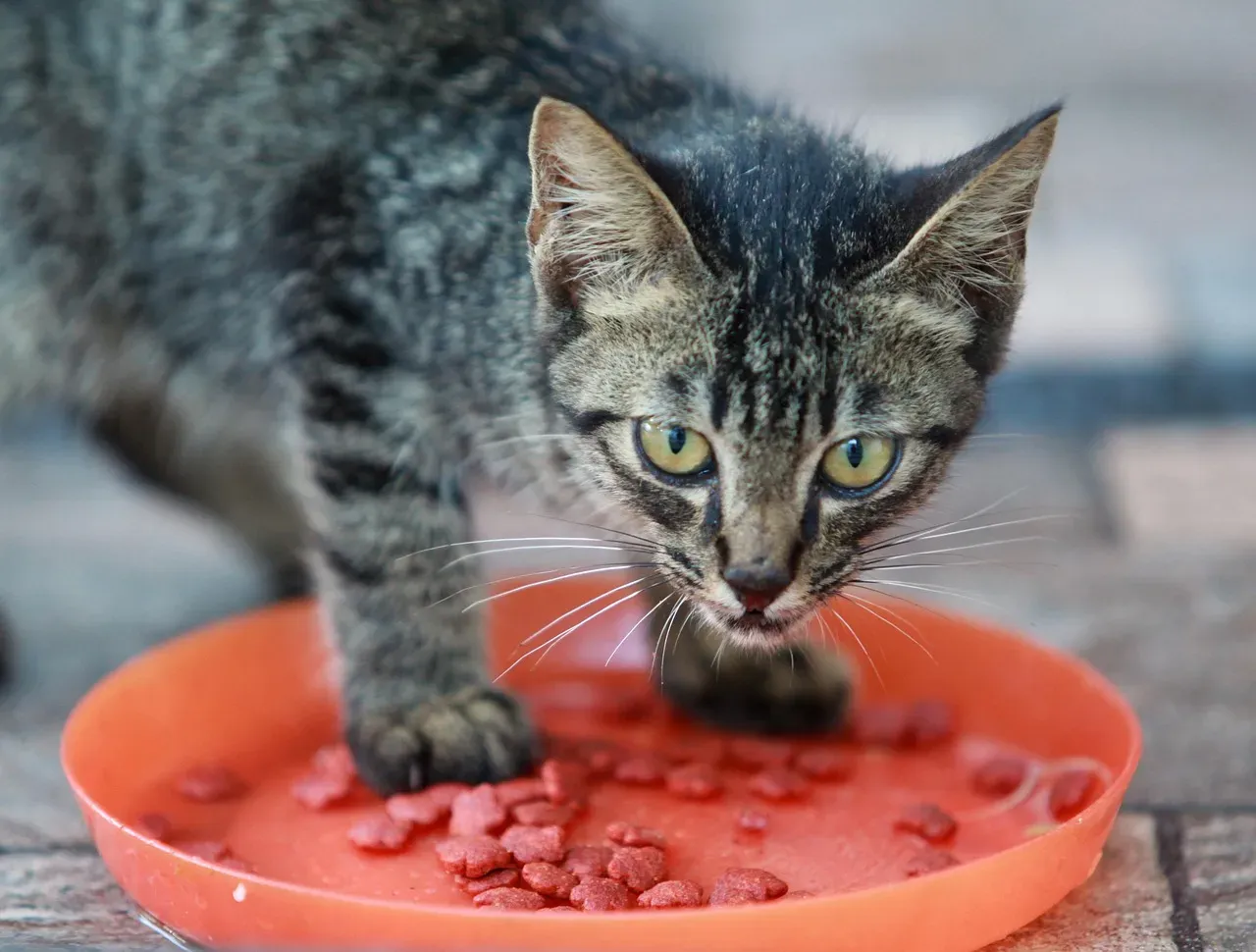
A cat’s eating preferences begin forming during kittenhood. Kittens learn what to eat by observing their mother and experiencing different foods during critical developmental periods. Limited exposure to varied foods during these early stages can lead to increased pickiness in adulthood. What you offer in those first weeks matters more than most owners realize.
Research shows that kittens exposed to different textures, flavors, and food types between 4 and 12 weeks of age are more likely to accept varied diets as adults. This “food imprinting” period plays a crucial role in developing future eating habits. So the cat who refuses everything except one specific brand of chicken pâté? Their early months almost certainly have something to do with it.
Neophobia and the Monotony Effect: Two Sides of the Same Coin
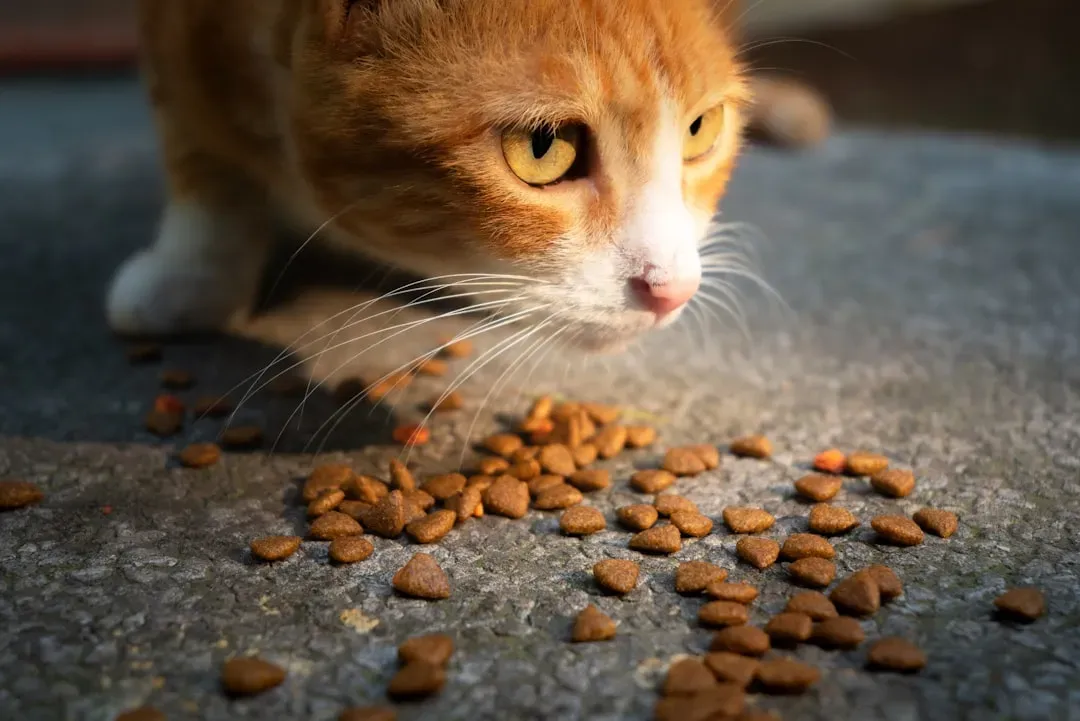
Some cats show resistance to a new diet, especially when they were fed one type of diet or flavor for years. This form of behavior is called neophobia and has been reported to be a strategy of cats to avoid any toxic or poisonous food item. From a survival perspective, the logic is sound. A food your cat has never encountered before carries an unknown risk profile. Caution is the rational response.
The flip side is equally fascinating. Cats also exhibit a “monotony effect” in their food selection; they experience a growing aversion to familiar foods, which may lead to a preference for novelty and dietary diversity within the range of foods they’re already familiar with. This monotony effect encourages the cat to maintain a nutritional balance by eating a wide range of food and prey. Your cat can, in other words, become bored with repetition while still distrusting the genuinely new. A narrow window of preferences, but a coherent one.
Temperature, Texture, and the Bowl Itself: Small Details with Real Consequences
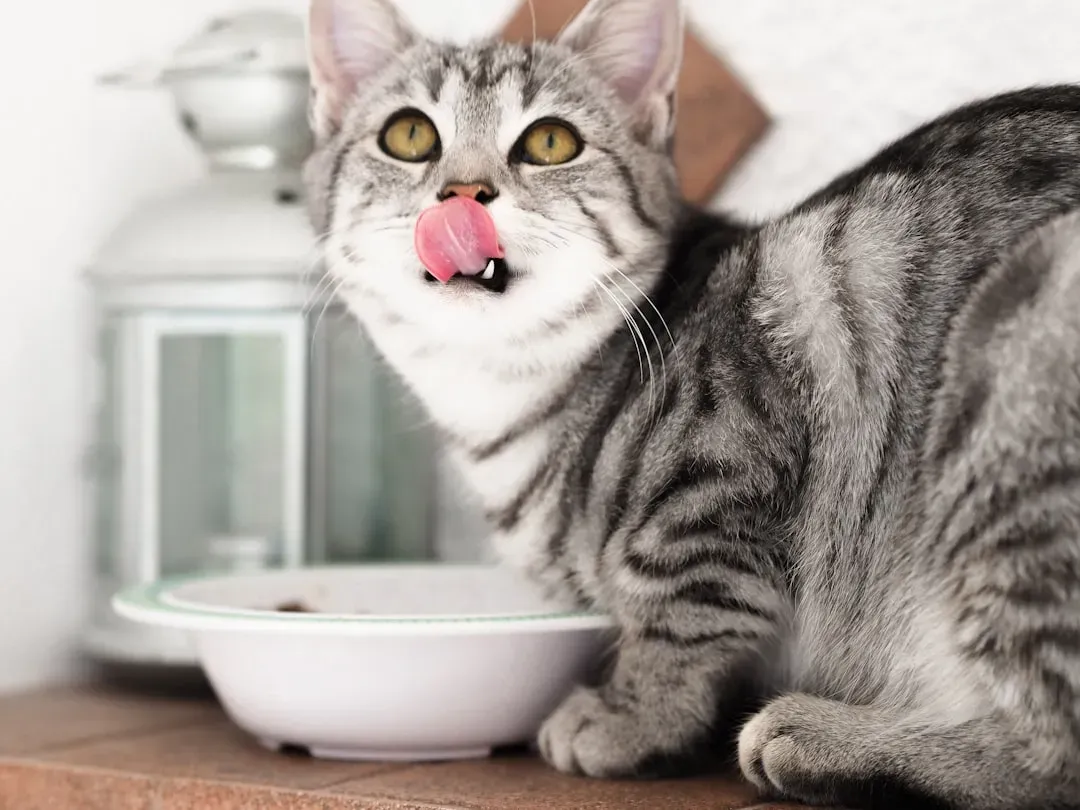
Cats rely heavily on their sense of smell when deciding whether or not to eat something. Their sense of smell is much more powerful than ours, and if food doesn’t smell appealing to them, they may refuse to eat it, even if it tastes good. Serving cold food straight from the refrigerator dampens the aroma significantly, and for your cat, a muted scent is close to no scent at all.
Whisker fatigue occurs when a cat’s sensitive whiskers become overstimulated, often developing when their whiskers repeatedly touch the sides of their food or water bowl. Cats’ whiskers, called vibrissae, are specialized hairs deeply embedded in tissue rich with nerve endings and blood vessels. They act as sophisticated sensory tools that help cats navigate their environment. When whiskers brush against a narrow or deep bowl while eating, the constant stimulation can become uncomfortable. Switching to a wider, shallower dish is one of the simplest adjustments you can make, and some cats respond to it immediately.
When Selective Eating Signals Something More Serious
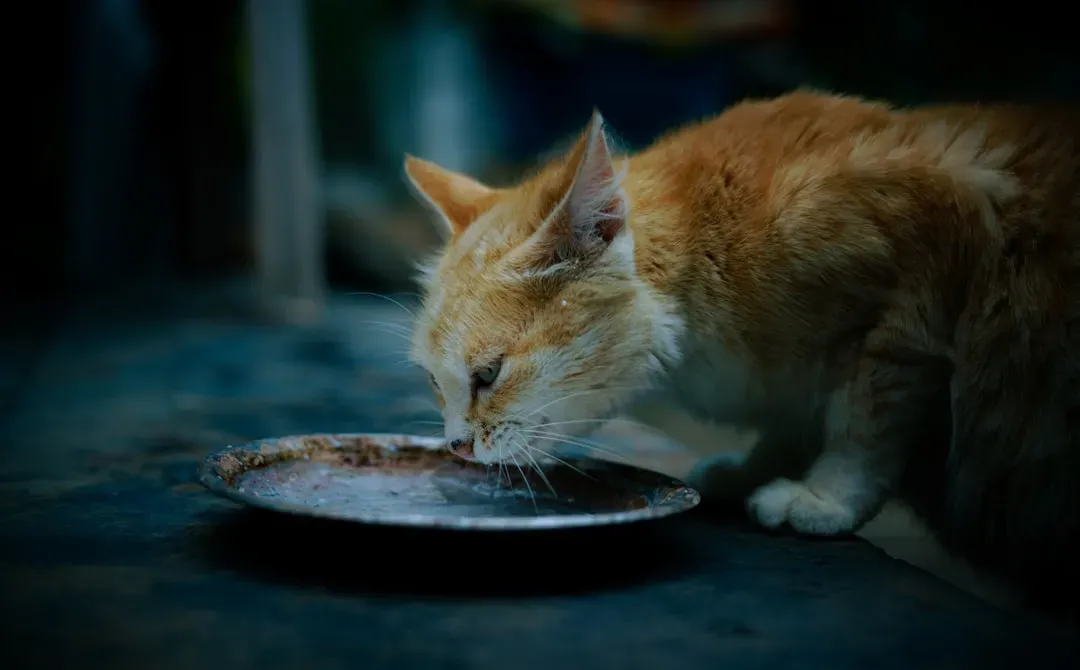
If your cat has suddenly become a picky eater, most of the time there’s a medical reason. This can include kidney disease, gastrointestinal issues, dental disease, arthritis, respiratory infections, and heart disease. A cat who was previously a reliable eater and has now started refusing meals is communicating something that deserves close attention.
Cats can develop potentially life-threatening hepatic lipidosis, or fatty liver disease, if they don’t eat regularly, so making an urgent veterinary appointment is crucial if you see any changes in your cat’s appetite. The stakes here are real. Cats with nasal congestion may have a lower desire to eat because they cannot smell their food as well, and the aroma of food is important for stimulating appetite. Every change in eating behavior is worth reading carefully.
Conclusion: Reframing What You See at the Bowl
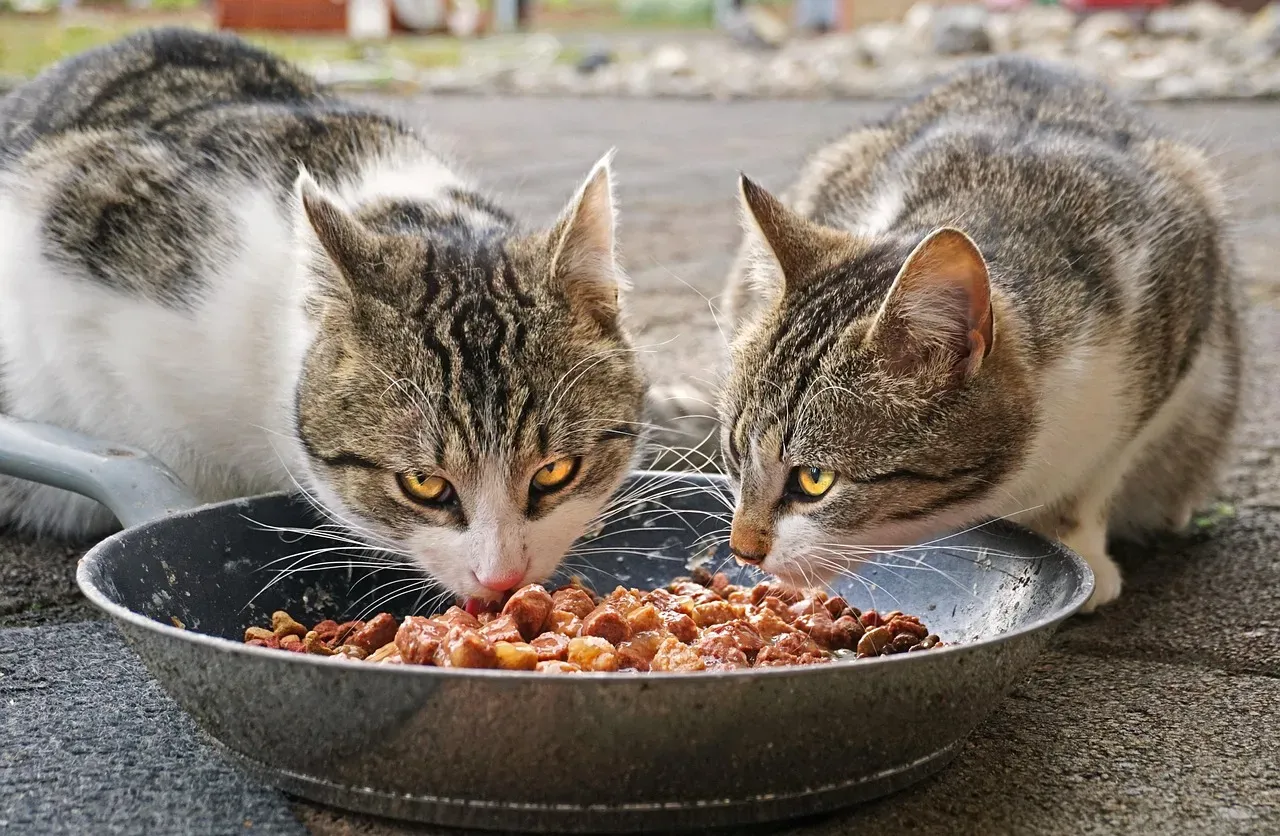
The “picky eater” label frames your cat’s behavior as an inconvenience, a personality flaw to be managed or corrected. What the science actually describes is something far more purposeful: an animal with a precisely calibrated sensory system, specific non-negotiable nutritional needs, and an evolutionary inheritance that genuinely requires discriminating choices at every meal.
When your cat walks away from a bowl, they’re not being ungrateful. They’re applying a quality standard that took millions of years to develop. Understanding that doesn’t make mealtime any less complicated, but it does make your cat a great deal more interesting to observe. The next time they give a freshly opened can a thorough sniff before deciding it doesn’t quite meet expectations, try watching with curiosity rather than frustration. There’s considerably more going on than meets the eye.
Kristina is a young writer from India. An arts graduate and an avid content creator, Kristina is passionate about animals and wildlife. She enjoys exploring topics related to pet care, animal behavior, conservation, and nature, combining thorough research with engaging storytelling.