Have you ever watched your cat obsess over one particular toy, carrying it everywhere, sleeping with it, and presenting it to you like some sacred offering? Maybe it’s a ragged stuffed mouse or a simple feather wand that’s seen better days. You might think it’s just a quirky preference, but what if there’s something deeper happening here? What if your feline friend is actually trying to tell you something through that beloved toy?
Cats are mysterious creatures, and honestly, they operate on a wavelength we’re still trying to decode in 2026. That worn toy your cat guards so fiercely might be more than just entertainment. It could be a window into their emotional state, their deepest instincts, or even their unique way of communicating with you. Let’s dive into this fascinating world where toys become messengers and play becomes language.
The Hunting Instinct Hidden in Plain Sight
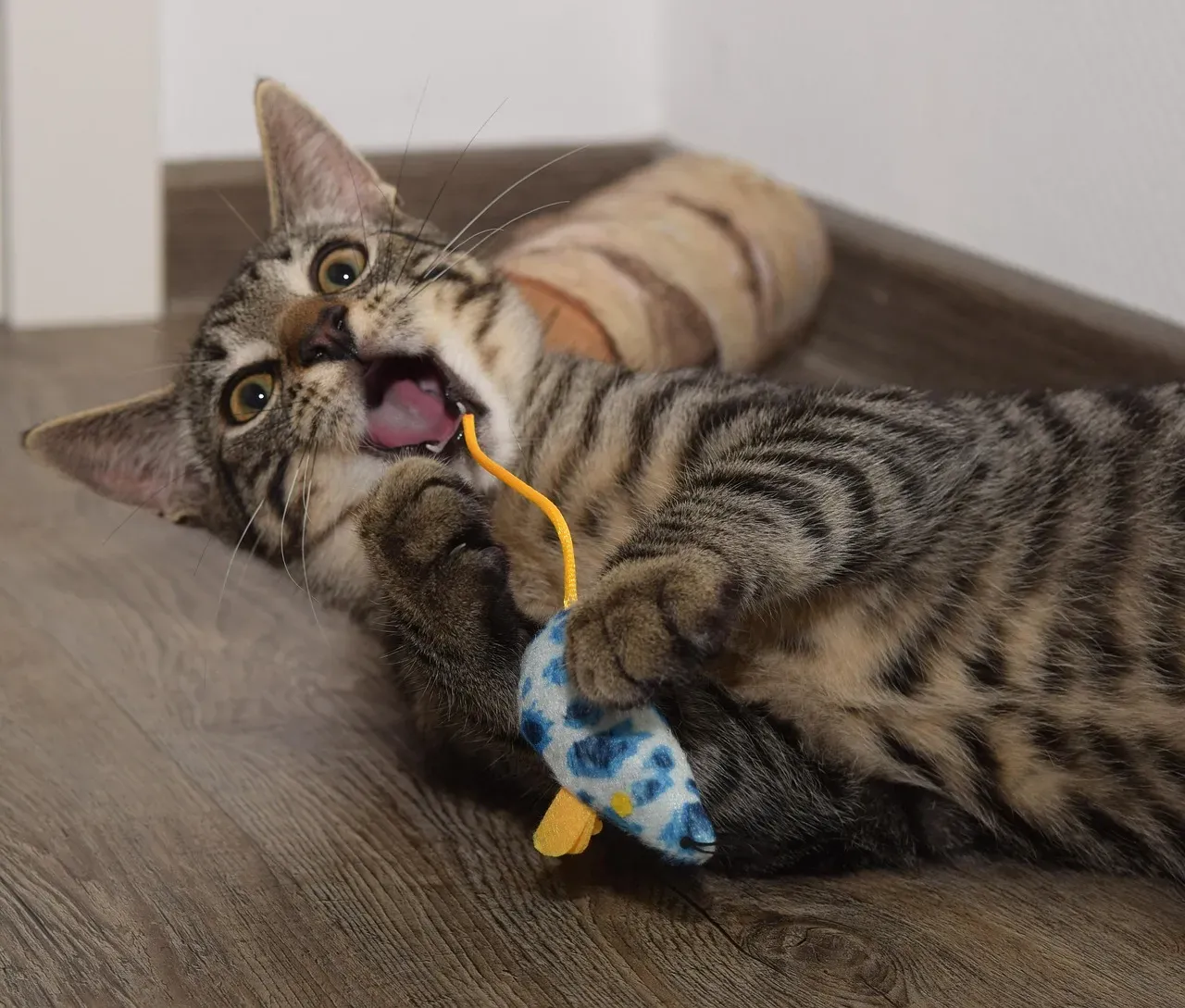
Your cat’s obsession with toys often stems from their predatory instincts, as toys mimic the movement of prey and trigger hunting behavior, whether it’s a feather wand, small ball, or crinkly mouse. Think about it. When your cat selects a specific toy, they’re essentially choosing their prey. The texture, weight, movement, and even sound of that toy speaks to something primal within them.
Most cats prefer to hunt specific creatures – some prefer to chase mice, while others may prefer to catch birds or bugs, and identifying your cat’s “prey preference” allows you to buy or make toys that your cat will be more likely to play with rather than ignore. That particular toy isn’t random. Your cat has essentially declared what kind of hunter they are.
Comfort Objects Aren’t Just for Kids
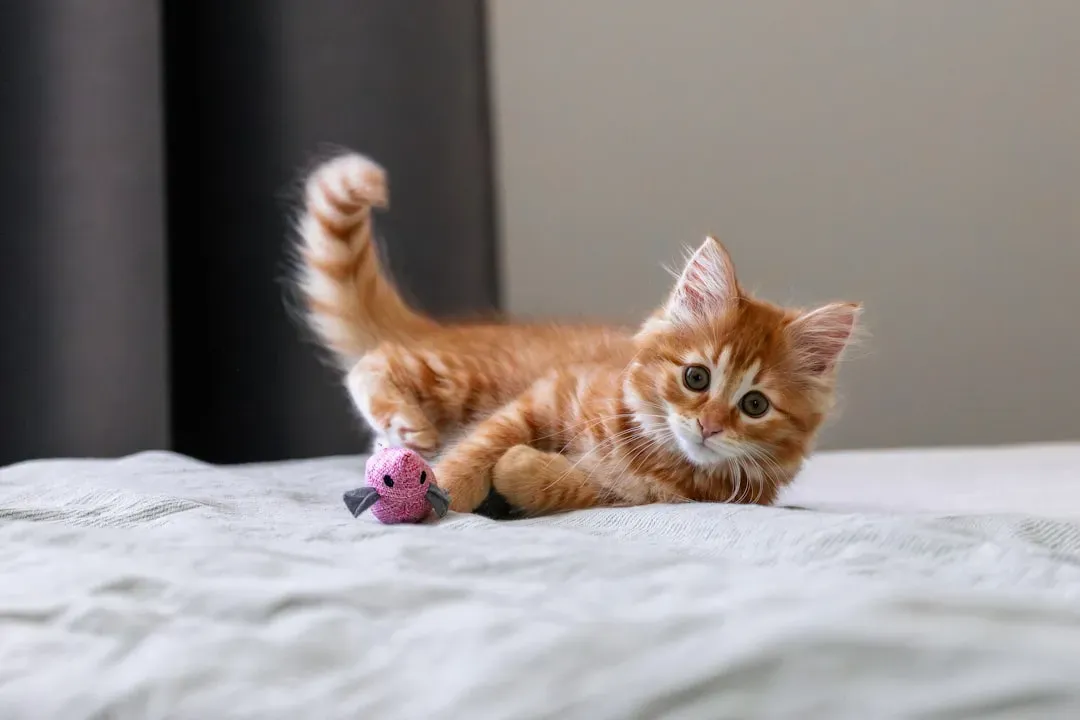
Just like humans, cats can form attachments to objects that bring them comfort, and a toy that your cat has had for a long time may become a source of familiarity and security, especially true for cats who are shy or anxious. I know it sounds crazy, but your tough little predator might have a security blanket, just in toy form.
The emotional bond that cats form with their toys should not be underestimated, as some cats develop strong attachments to specific toys, treating them almost like companions, particularly if the toy has been with the cat for a long time or if it has a particular texture or scent that the cat finds comforting. When your cat brings that same toy to bed every night or carries it from room to room, they’re essentially saying, “This makes me feel safe.”
Gift-Giving as a Love Language
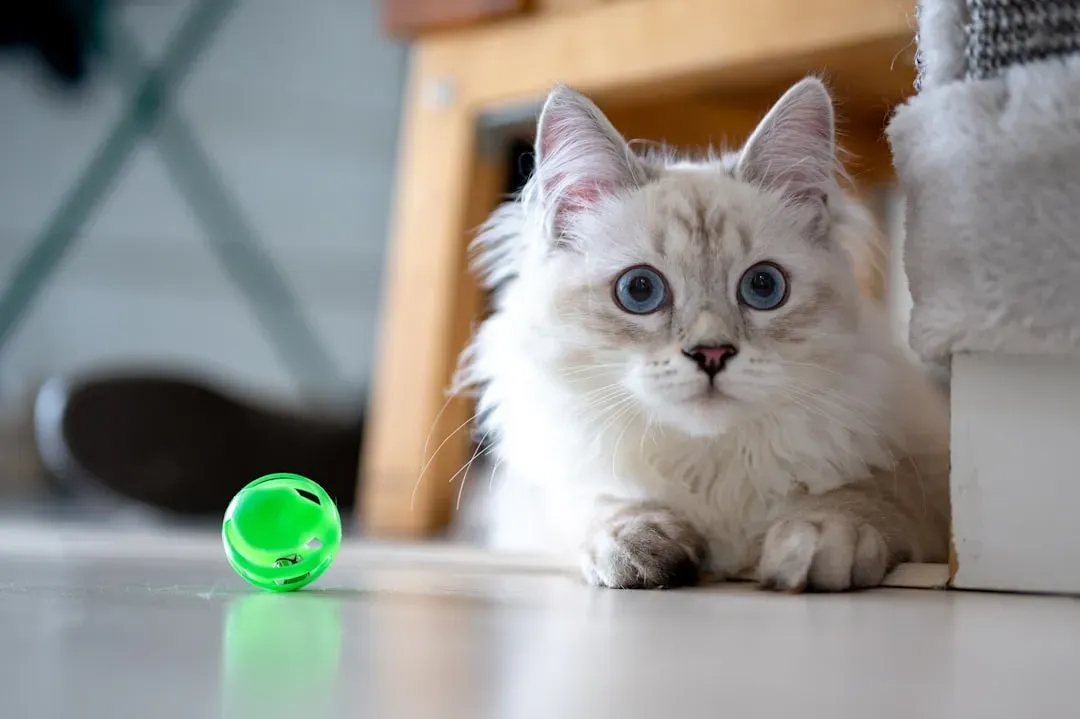
Here’s the thing about cats bringing you their toys. Cats see their pet parents as safe and trustworthy, so they give you their toy to look after. It’s not just about showing off or demanding playtime. Bringing you their toy is also a sign of trust and affection, and cats are selective about who they share their treasures with, so this gesture indicates that they feel safe and comfortable around you.
Let’s be real, this is one of the highest compliments a cat can give. Toy delivery is a form of gift-giving, much like how some birds present nesting materials to mates, and this behavior is especially common in cats with strong bonds to their humans. Your cat is basically saying you’re part of their inner circle, their trusted family member worthy of receiving their most prized possession.
The “I Trust You With My Prey” Message
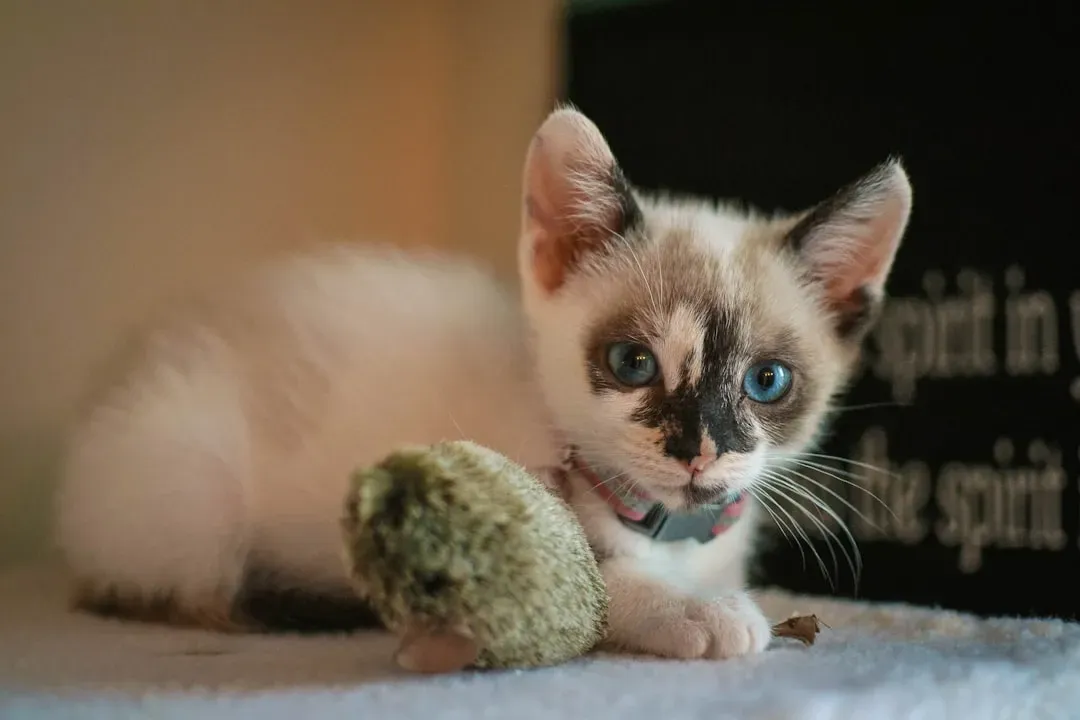
When cats hunt in the wild, their instincts are to move their catch to a safe place away from predators and competition, and they might not eat their catch right away and instead leave it in a safe spot to eat later. This behavior translates directly to your living room. When your cat deposits their favorite toy at your feet or in your bed, they’re treating you like a safe zone.
By presenting you with a toy, they are sharing their “catch” with you as a sign of trust and affection, essentially mimicking the behavior of bringing prey back to their territory, showing that they consider you part of their family or colony. The toy becomes a stand-in for real prey, and you’ve been chosen as the keeper of their treasure.
Territorial Marking Through Favorite Toys
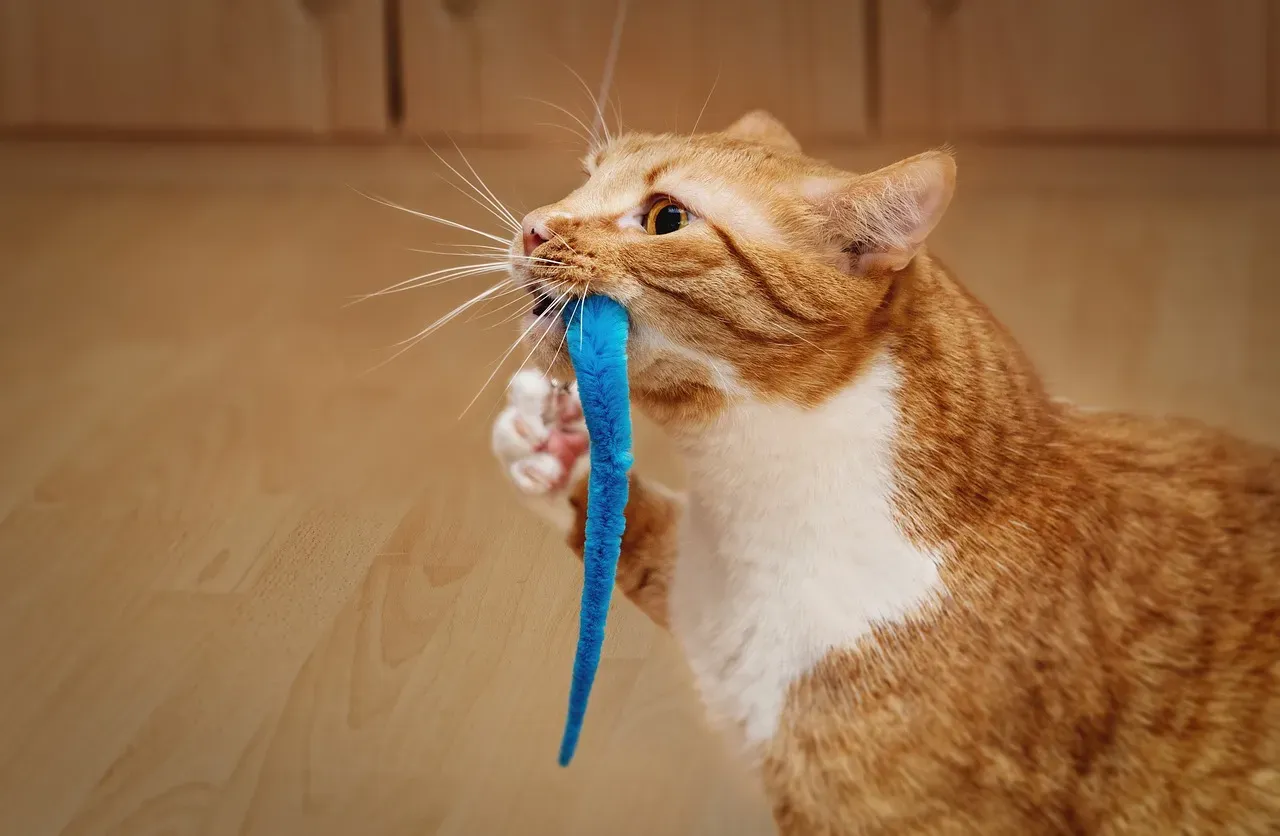
Cats are territorial animals, and they often use scent to mark their territory, so when a cat brings you their toy, they might be marking you as part of their domain, asserting ownership and showing that you belong to them. Your cat isn’t just playing – they’re making a statement about possession and belonging.
Think about how your cat carries that toy around the house, leaving it in strategic locations. They’re essentially creating a scent map, and by including you in this ritual, they’re integrating you into their territorial landscape. It’s hard to say for sure, but your cat might be telling other pets (or even imaginary rivals) that both you and the toy belong to them.
The Texture and Sound Preferences That Speak Volumes
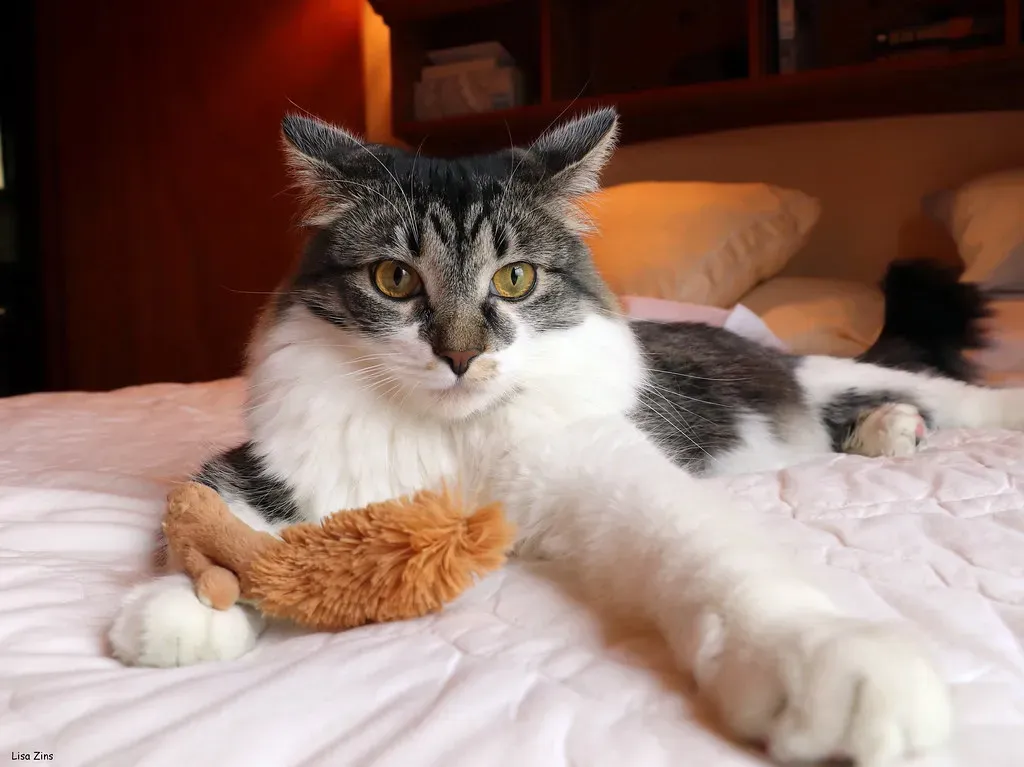
Your cat may have a texture preference and might prefer a soft toy they can sink their teeth into over a hard plastic toy, and sound also plays a part in whether your cat will enjoy or ignore the toy. A toy that makes a rustling sound may be very appealing as it resembles the sound of a chipmunk or mouse darting through the leaves.
Pay attention to what your cat chooses. Some cats like toys that have feathers and others might prefer fur-covered ones, and when it comes to your cat’s toy preference, take into account it’s not just the sense of sight or hearing but also the sense of touch that can influence whether a particular toy is a success or not. Your cat is essentially communicating their sensory preferences and hunting style through their toy choice.
Personality Revelations Through Play Preferences
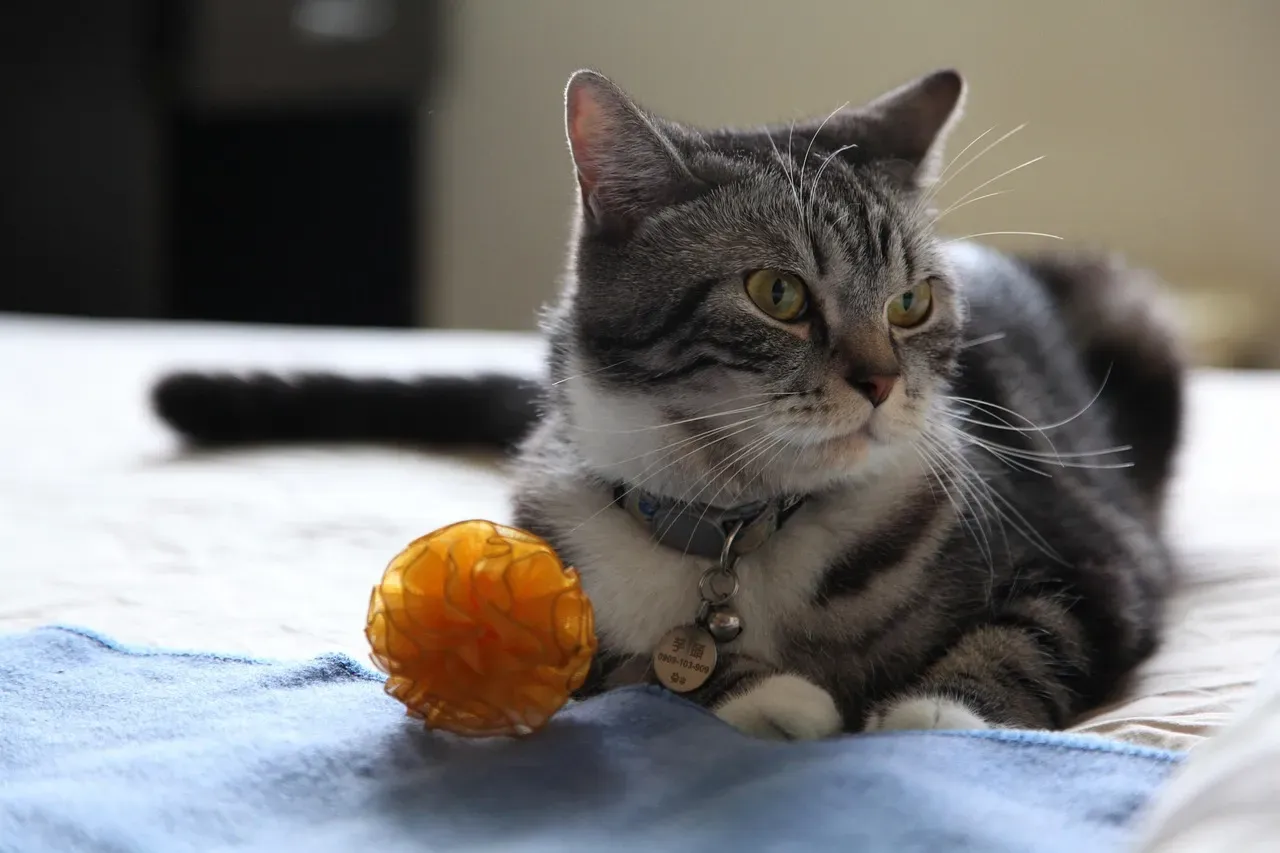
For the comfort seeker, soft plush toys are the way to their heart, and these cats might carry a stuffed mouse around like it’s their kitten or snuggle up with it for a nap – these felines tend to be laid-back, affectionate, and enjoy a good snuggle session on the couch. If your cat prefers cuddly toys, you’ve got a gentle soul on your hands.
If your kitty prefers puzzle toys that require a bit of contemplation to get to the good stuff, you may have a feline Einstein on your hands, and these cats are often more independent, curious, and enjoy a good mental challenge. Roughly speaking, the type of toy your cat obsesses over might reveal whether they’re a snuggler, a thinker, or an adventurer.
The Invitation to Play and Bond
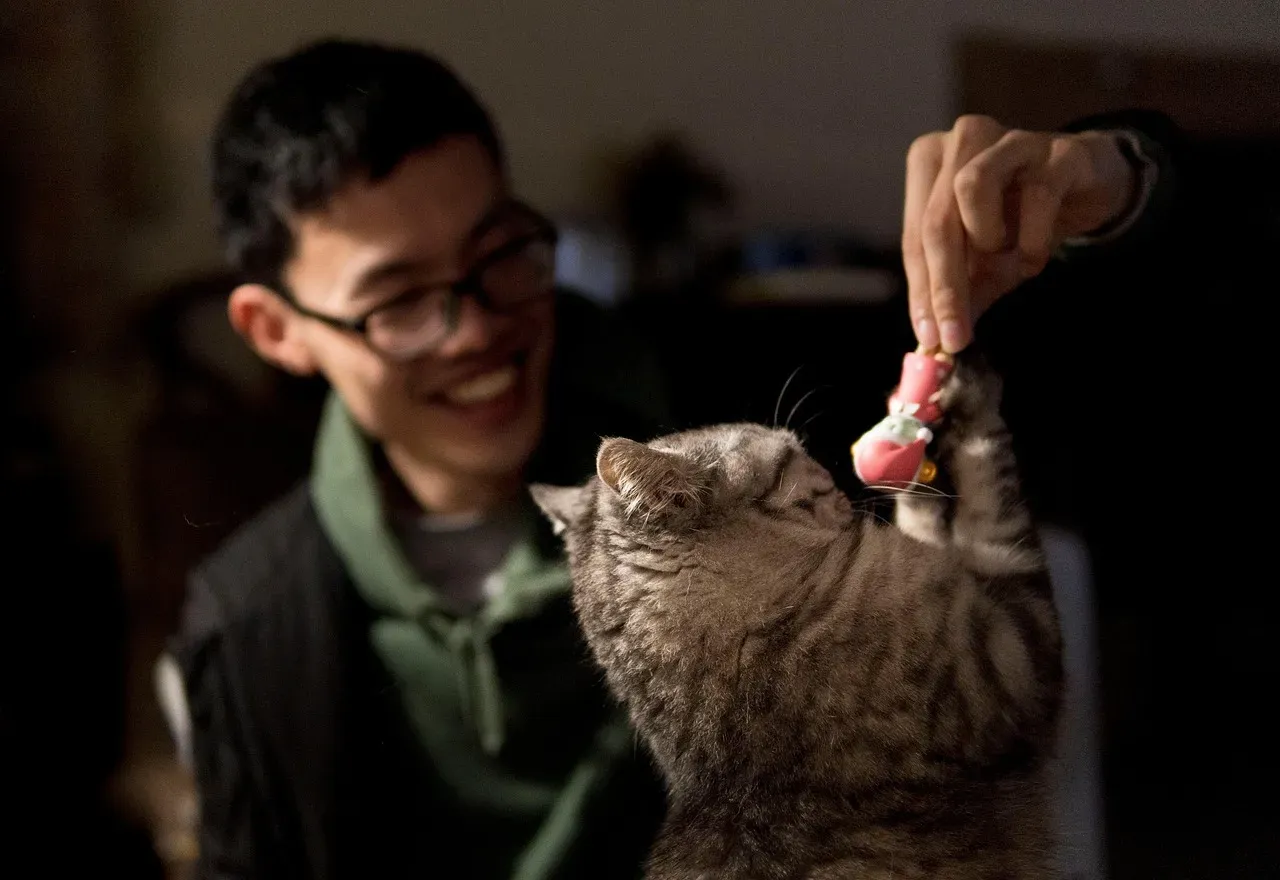
If they’re bringing you one of their favorite cat toys, it might indicate that they want to play, especially if they enjoy a game of fetch, and each time you respond and start a game this reinforces the behavior. Sometimes the message is simple and direct: “Hey human, let’s do this together.”
Cats are social animals and thrive on interaction with their human companions, so when your cat brings you a toy, it’s an invitation to play and engage with them – they see you as their playmate, and responding to their invitation not only strengthens your bond but also provides mental and physical stimulation for your feline friend. The toy becomes a bridge between two species, a shared language of play.
When Toys Signal Emotional Needs
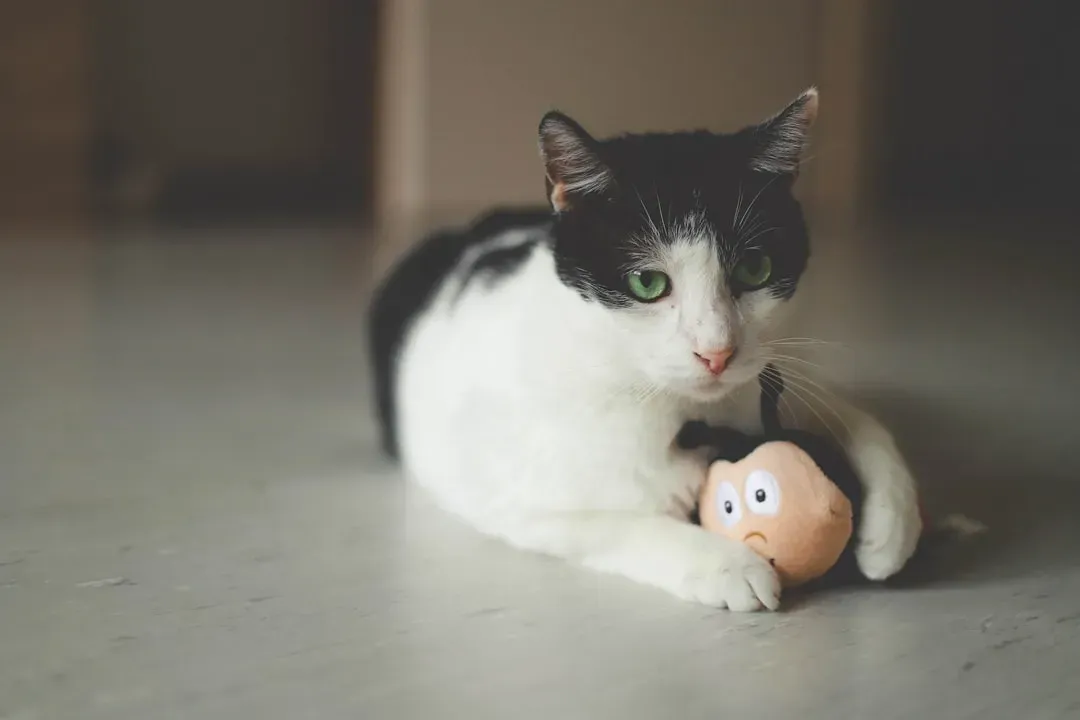
Cats can experience stress and anxiety just like humans, and bringing you a toy can be a coping mechanism for them – it’s a way for them to seek comfort and reassurance when they’re feeling uneasy, and if your cat is going through a stressful period, their gift-giving behavior may increase. Pay attention to sudden changes in toy behavior. It might be a distress signal.
Another aspect to consider is the emotional state of your cat, as stress, anxiety, or changes in their environment can lead to increased possessiveness over toys, and cats often seek comfort in familiar objects, clinging to their toys as a source of solace when they feel threatened or insecure. That toy obsession might be your cat’s way of saying they need extra emotional support right now.
Decoding the Secret Messages
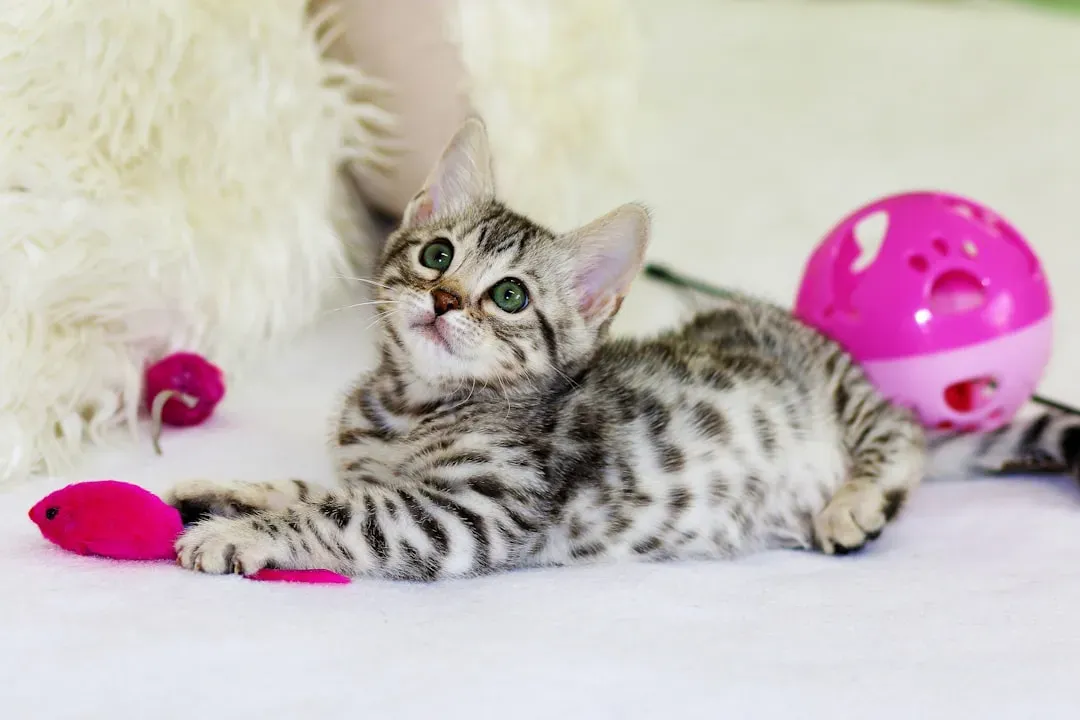
While cats don’t express preferences in the same way humans do, they can certainly show a preference for certain types of toys based on their individual personalities, play styles, and past experiences. The key to understanding your cat’s toy messages lies in observation. Watch when they bring it, where they leave it, and how they interact with it.
Every cat is unique, and their preferences for toys can vary widely – some cats might prefer toys that allow them to engage in solitary play, while others might enjoy interactive toys that involve their human companions, and your cat’s obsession with one toy could simply be a reflection of their individual personality and play style. There’s no universal translator for cat toy language, but paying attention to context and patterns will help you crack the code specific to your furry friend.
Conclusion: Listening to What They Can’t Say
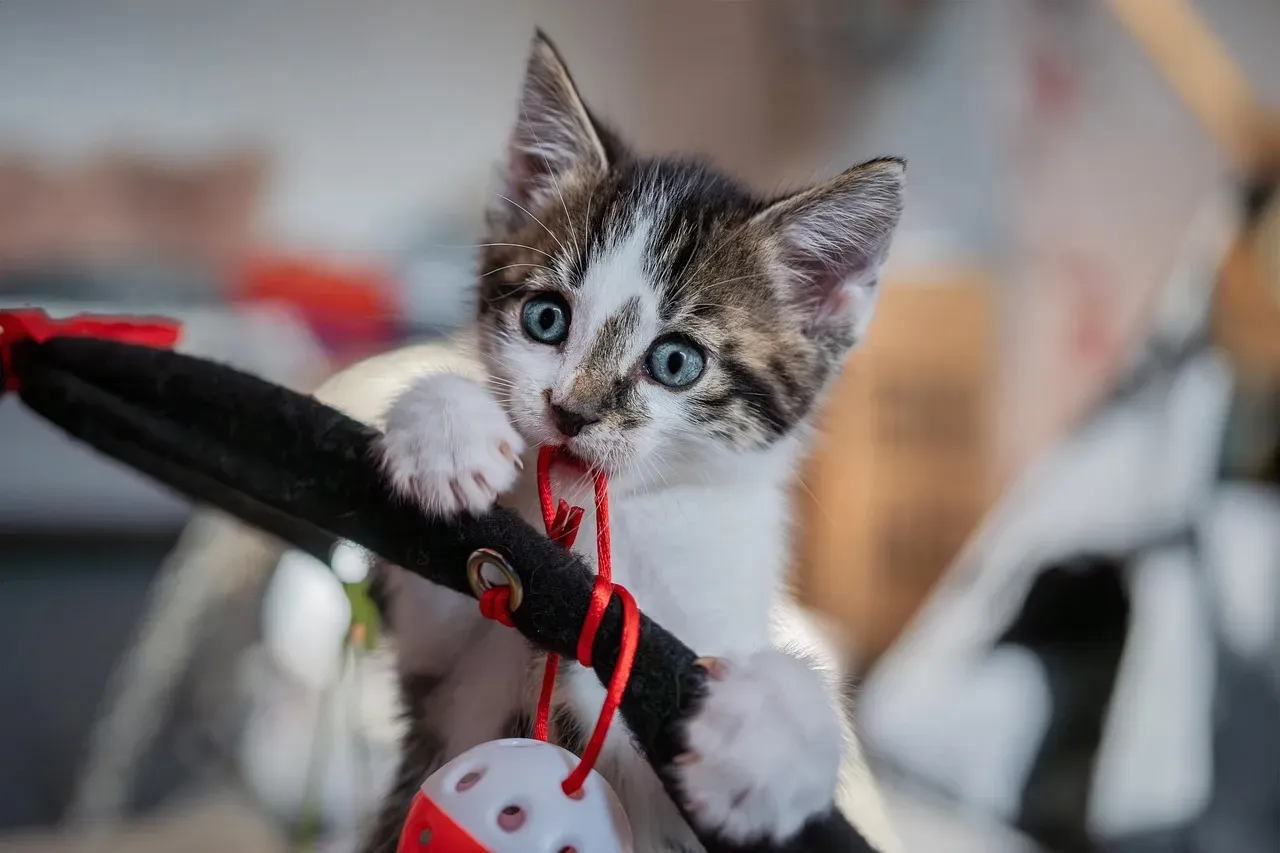
Your cat’s favorite toy is far more than a simple plaything. It’s a communication tool, a security object, a gift of trust, and a window into their instincts and emotions. The findings indicate that cats have a greater flexibility and depth of social relationships than previously thought, suggesting that some cats are bonding with us as caretakers.
The next time your cat drops that ragged, beloved toy at your feet, pause and consider what they might be telling you. Are they inviting you to play? Seeking comfort? Showing trust? Marking you as their own? Perhaps it’s all of these things at once. By paying attention to these small but significant gestures, you’re not just understanding your cat better – you’re learning to speak their language.
What messages do you think your cat’s favorite toy is sending? Have you noticed patterns in how they interact with their treasures? The more we learn to listen to these silent communications, the deeper our bond with our feline companions becomes.