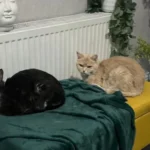
Have you ever noticed your cat curling up for a nap with their back turned toward you? It’s a sight that can be both adorable and puzzling. For many cat lovers, this pose raises questions: Are they ignoring you? Are they annoyed, or is this a secret sign of trust? The truth might surprise you and even tug at your heartstrings. Understanding the subtle language of cats, especially when it comes to their sleeping habits, can deepen your bond with your feline friend in ways you never expected. Let’s dive into the fascinating world of cat sleep positions and uncover what it really means when your cat chooses to snooze facing away from you.
The Language of Feline Body Posture

Cats are masters of silent communication. Their bodies speak volumes, often saying more than a thousand meows ever could. When a cat sleeps facing away from you, it’s easy to misread the message. Some might feel snubbed, but in the world of feline behavior, posture is everything. A cat’s body orientation can signal comfort, suspicion, or even affection. Observing their tails, ears, and the way they position themselves can help you decode their feelings. Sleeping with their back toward you is just another way your cat is “talking.” They may seem independent, but their body language is a window to their trust and security.
Trust: The Hidden Message in Their Position

It may be surprising, but when your cat sleeps with their back facing you, it’s often a powerful symbol of trust. In the wild, cats remain alert to threats, sleeping in positions that let them spring into action. Turning their back on you means your cat feels safe and protected in your presence. They’re saying, “I don’t need to watch you; I know you’ve got my back.” This is a compliment in the feline world. By exposing their most vulnerable side, your cat is showing you a level of comfort that not all pets share with their humans. It’s a quiet, beautiful gesture of faith.
Comfort Matters: Finding the Best Spot

Cats are experts at finding the coziest, safest nooks for their naps. The direction they face can sometimes be about pure comfort. Your cat might turn away from you to avoid bright lights, loud noises, or simply to snuggle deeper into a favorite blanket. Sometimes, the back of the couch or the corner of a bed just feels better for a soft nap. It’s not about you at all—it’s about what feels good to them in that moment. Like people who shift positions for the perfect sleep, cats choose the direction that offers the most relaxation and warmth.
Independence: The Feline Spirit

Independence is at the heart of every cat’s personality. Unlike dogs, cats don’t always crave constant interaction or attention. Sleeping facing away from you can be a gentle reminder of their self-sufficient nature. They love you, but they also value their space and privacy. This position allows them to keep an eye on their territory while still being close to you. It’s the best of both worlds: enjoying your company, but on their own terms. Think of it as your cat’s way of saying, “I love you, but I also love my alone time.”
Safety and Instincts: The Watchful Cat

Even the most domesticated house cats retain some wild instincts. Sleeping with their back to you doesn’t mean they’re ignoring you—it can be a way to watch over their environment. From this position, your cat can keep an eye on the room, doorways, or windows. It’s a strategic move rooted in survival. By positioning themselves with a view of potential threats, they’re honoring their ancient instincts. At the same time, they’re showing that you’re not a threat, which is why you get the “back seat” in their personal security system.
Reading the Room: Other Clues to Consider

While sleeping positions offer insight, it’s important to look at the bigger picture. Is your cat purring, twitching their tail, or completely relaxed? These clues can tell you if they’re content or if something is bothering them. If your cat’s ears are relaxed and their breathing is slow, they’re probably happy and calm. But if they’re tense or flicking their tail, they might be feeling uneasy. Combine sleep position with other behaviors for a fuller understanding of your cat’s emotions. Reading these signs helps you respond to their needs and build a stronger connection.
How to Strengthen Your Bond Through Understanding

Understanding your cat’s sleeping habits can actually make your relationship even better. When you respect their need for space and recognize the trust they show by turning their back, you honor their unique personality. Try not to take it personally if your cat prefers to sleep facing away—think of it as a sign that they feel totally at home with you. Offer gentle pets, respect their boundaries, and create a cozy environment for them. The more you learn about your cat’s language, the closer you’ll become. This mutual respect forms the foundation of a truly loving companionship.
Growing up traveling and experiencing new cultures and wonders, I have had a passion for nature, adventuring, photography, and videography. I am currently working towards a BSc in Biodiversity and Ecology at Stellenbosch University, and I hope to specialise in Marine Sciences one day.
Please send any feedback to Feedback@animalsaroundtheglobe.com