You set up a plush cat bed, maybe even a heated one, and your cat ignores it completely. Instead, you find them wedged into a cereal box, curled up in the bathroom sink, or draped across the top of the refrigerator like they own the place. It’s one of the most universally relatable experiences among cat owners, and it never really gets old.
Your cat’s tendency to sleep in unusual places is deeply rooted in wild ancestry. As descendants of wild felines, domestic cats retain the instinct to regularly change sleeping locations to avoid predators and parasites. The cozy spot you chose for them is just furniture. The places they choose themselves tell a much more interesting story.
The Survival Instinct That Never Went Away
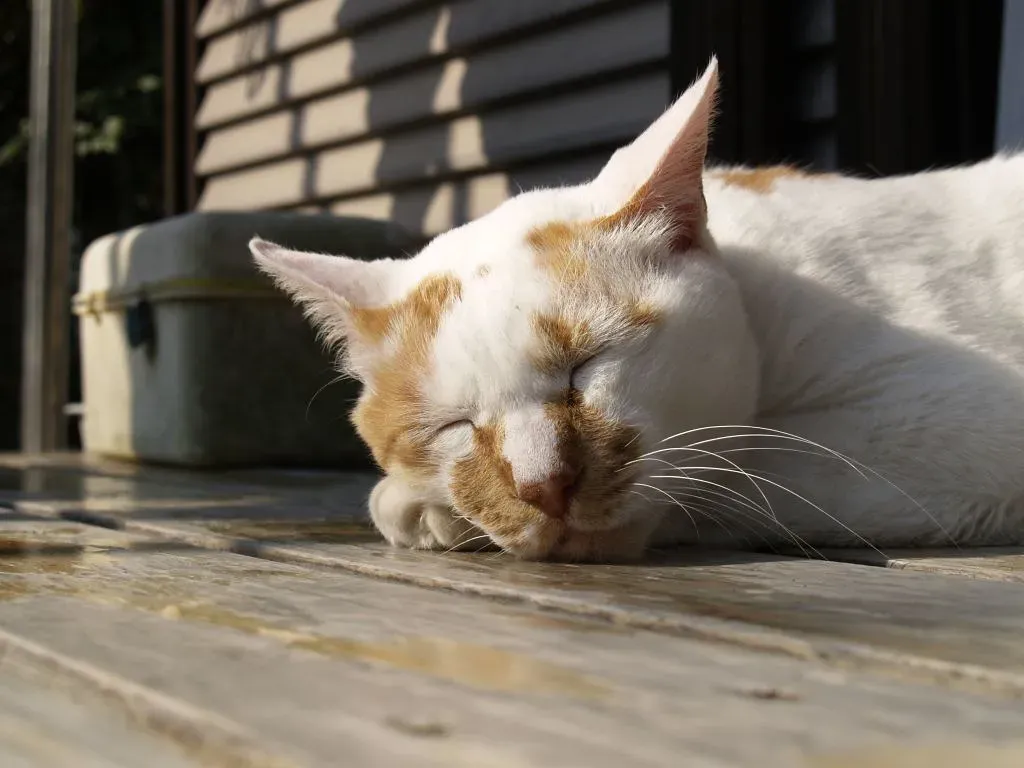
The reason cats seek out strange sleeping spots stems from their wild roots. Your cat may be a pampered pet now, but they still carry all the instincts of a lone hunter – instincts that tell them not only how to catch prey, but also how to watch their backs.
When making choices of resting places, your cat must consider all the features of that choice as if they were in a wild environment. So cats are master nappers and love to sleep in places that seem unconventional to us. Think about living in the wild and coping with threats and risk every minute of every day, and it will change how you see your cat’s habits. This is the genetic code your cat is designed to follow.
Why High Places Feel Like Safe Places
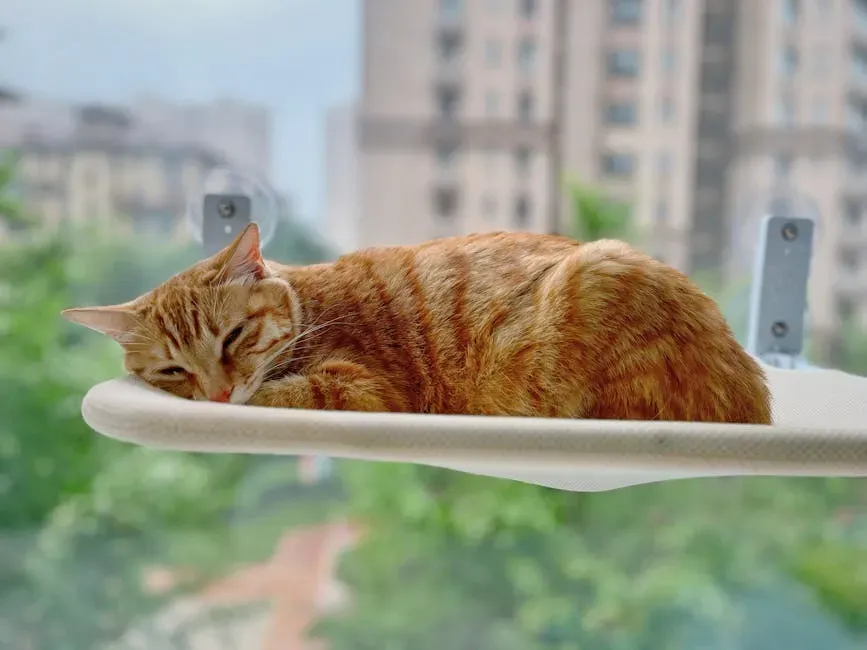
Your cat may choose a napping spot that is high above everything. In nature, they need to be able to see all around themselves when they are at their most vulnerable while sleeping, and they may also choose a spot that is easily defended or escaped from – one that might have more than one way to get away in a hurry.
High spaces have their own particular draw, even if they’re completely open. Your cat can feel comfortable that they’re beyond anyone’s reach, while also surveying the ground for potential “prey” to pounce on – a double treat. A perched sleeping position also gives your cat a panoramic view to keep an eye on potential prey. In your home, the “prey” will most likely consist of cat toys instead of mice or squirrels, but the motivation remains the same. A cat tree with a high perch makes a good alternative to your furniture.
The Psychology Behind Boxes and Tight Spaces
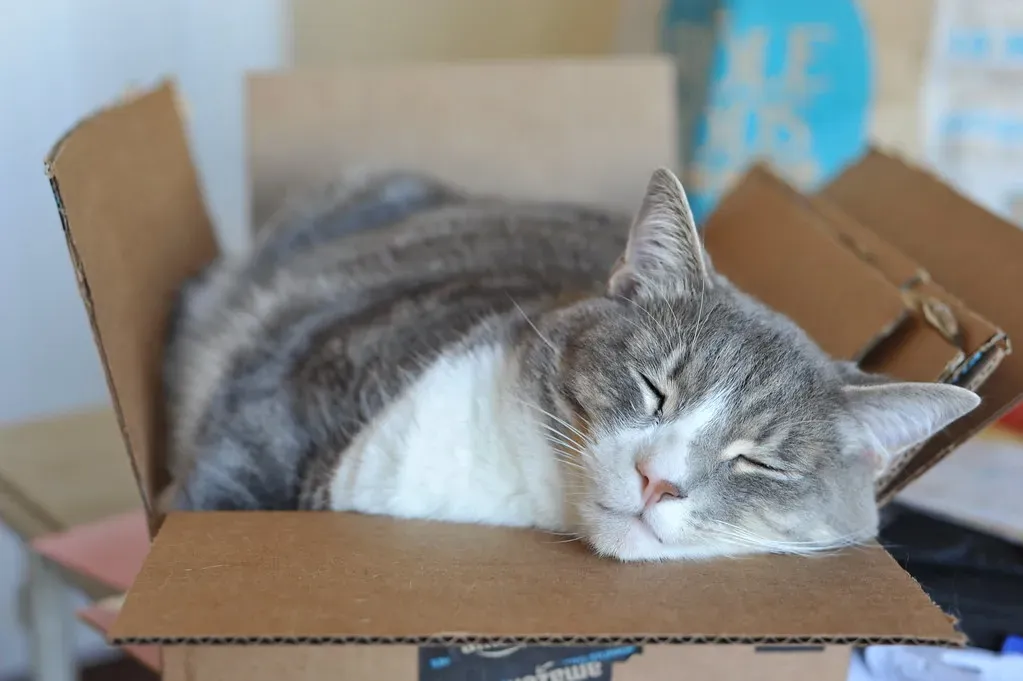
Small, enclosed spaces mimic dens – natural shelters used by wild felines to hide from predators, protect kittens, and conserve body heat. These dens offer security through concealment and limited access points, allowing cats to monitor their surroundings while feeling protected.
Research from Utrecht University found that shelter cats provided with boxes showed lower stress levels and adapted more quickly to new environments. This reflects what many cat guardians notice at home. After a noisy vacuum session, a busy evening, or any disruption to routine, a cat often retreats to a familiar small space and stays there until things feel calm again.
Temperature Plays a Bigger Role Than You Think
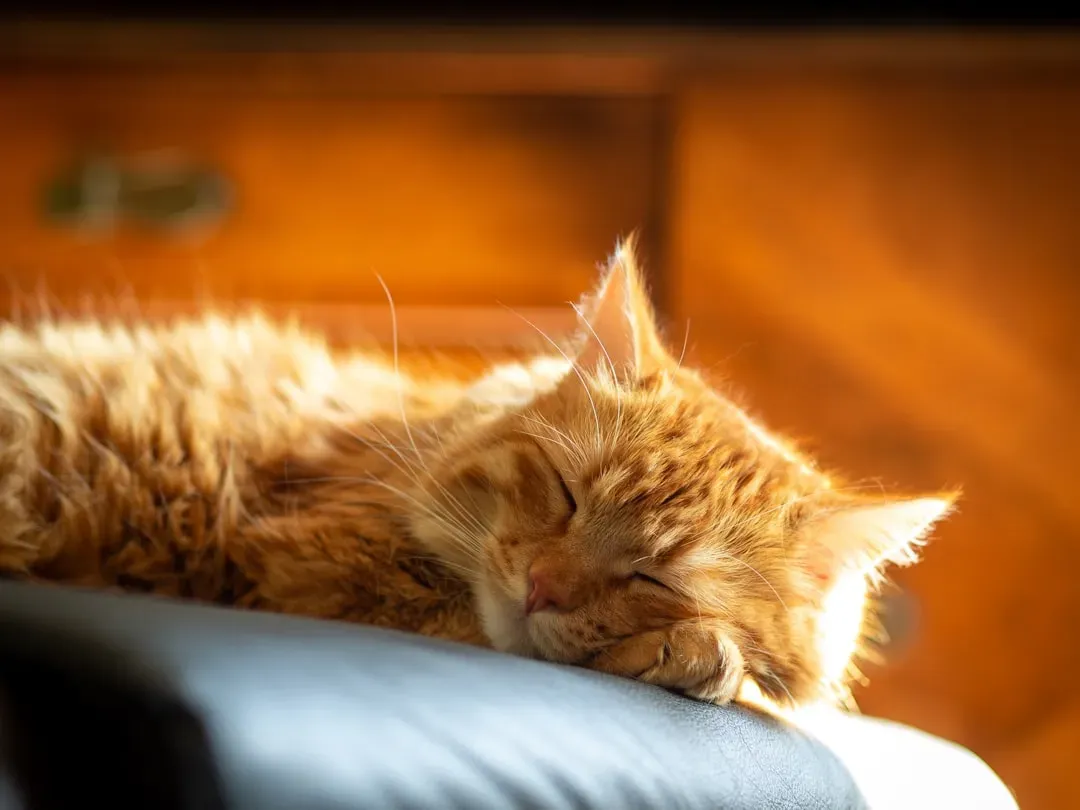
Cats are discerning about their comfort, and temperature plays a pivotal role in their choice of sleeping spots. While a cozy radiator might be the go-to winter nap zone, a cool, shaded corner is the preferred summer retreat. Their ability to seek out spots that align with their thermal comfort underscores their instinctive mastery of microclimates.
Cats will also move to adjust their bodies or regulate their temperature. When they get too warm in a sun spot, they’ll move to that cool sink. When the floor gets too cold, they’ll seek out your bed. According to science, a cat’s body temperature drops while it sleeps, and if it falls below 100 degrees Fahrenheit, hypothermia becomes a risk. During the winter months, cats will gravitate toward warmer sleeping spots, including places with artificial heat sources such as on top of radiators and in front of fireplaces.
Privacy: Your Cat May Just Be Tired of You
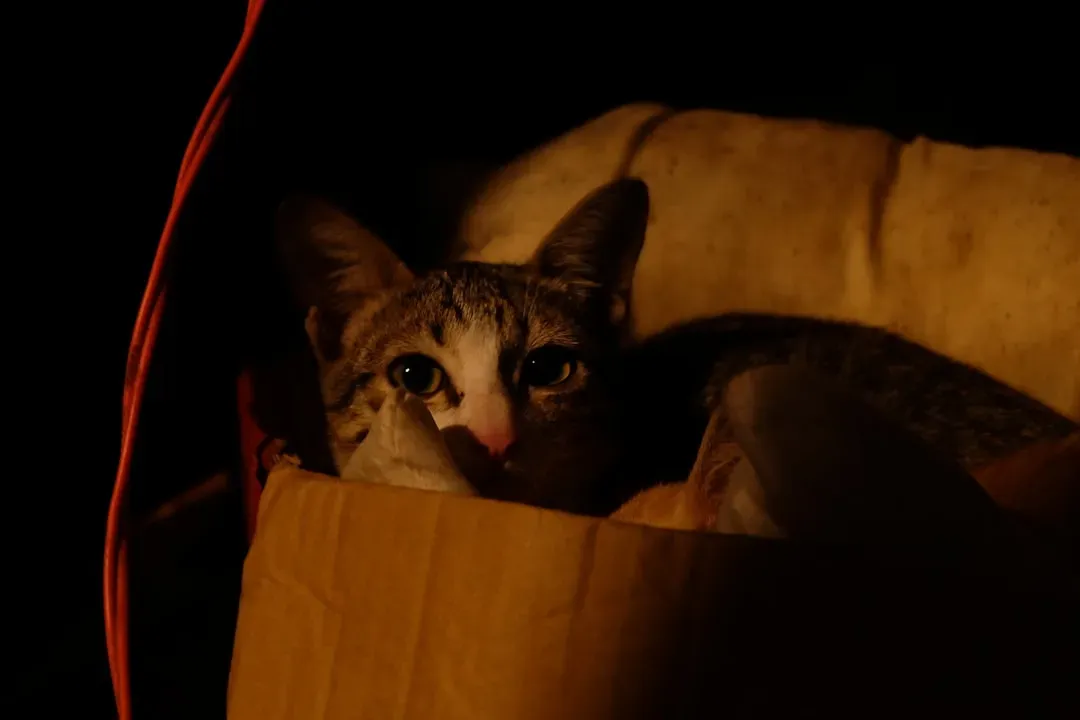
You wouldn’t want your bedroom to be in the middle of your living room, and nor does your cat. Your cat may be sleeping in a new and odd place simply because they’re seeking out some privacy – at risk of anthropomorphizing, they might be tired of you waking them up in the middle of their nap to pet them or tell them how cute they are. A sense of security comes with finding a new spot to nap, too.
Cats are pretty good hiders, so you might not even be able to find your pet’s new sleeping spot – and they probably like it that way. Sometimes cats like to feel hidden away. In this case, they will choose places with only one entrance so that they can carefully watch and defend only one direction. When they are enclosed, they know that they do not have to “watch their back” – this is part of the reason that cats like to hide in boxes or baskets.
Environmental Changes Can Trigger New Sleeping Spots
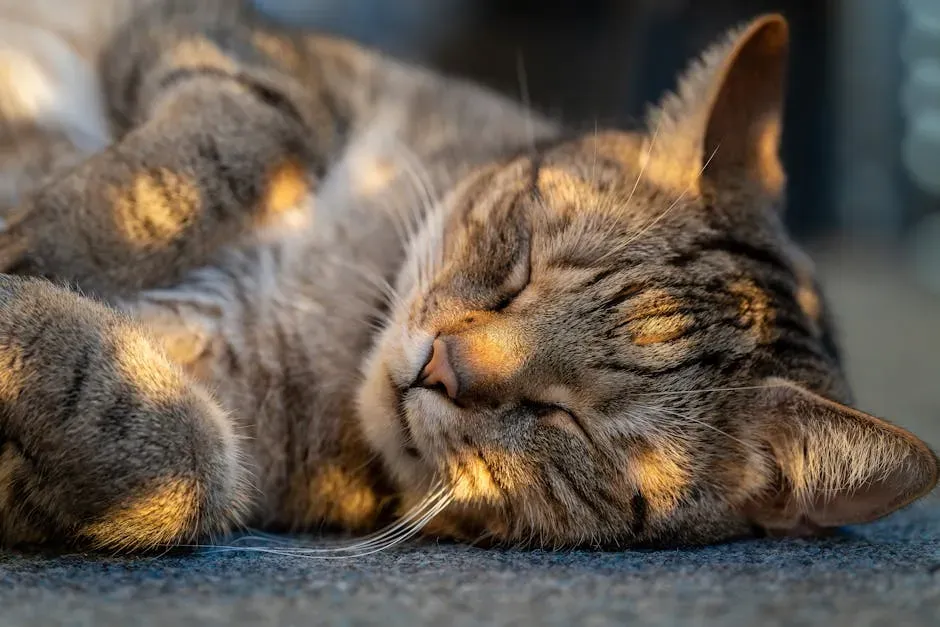
Cats are creatures of habit, and any alteration in their environment or routine can lead to a shift in their sleeping preferences. Whether it’s a new piece of furniture or a rearrangement of their favorite sleeping corner, cats might seek out alternative spots in response to a change in their surroundings. Understanding their adaptive behavior adds a layer of comprehension to their ever-evolving nap choices.
The environment could change, such as when you add a new pet to the household. Your cat may want to sleep away from the new pet to feel safe and protected. Wild cats move around to keep predators and fleas at bay, and domesticated cats still carry this instinct. A cat feeling safe in their environment is essential to their health and well-being.
Stress and Anxiety Can Send Cats Into Hiding
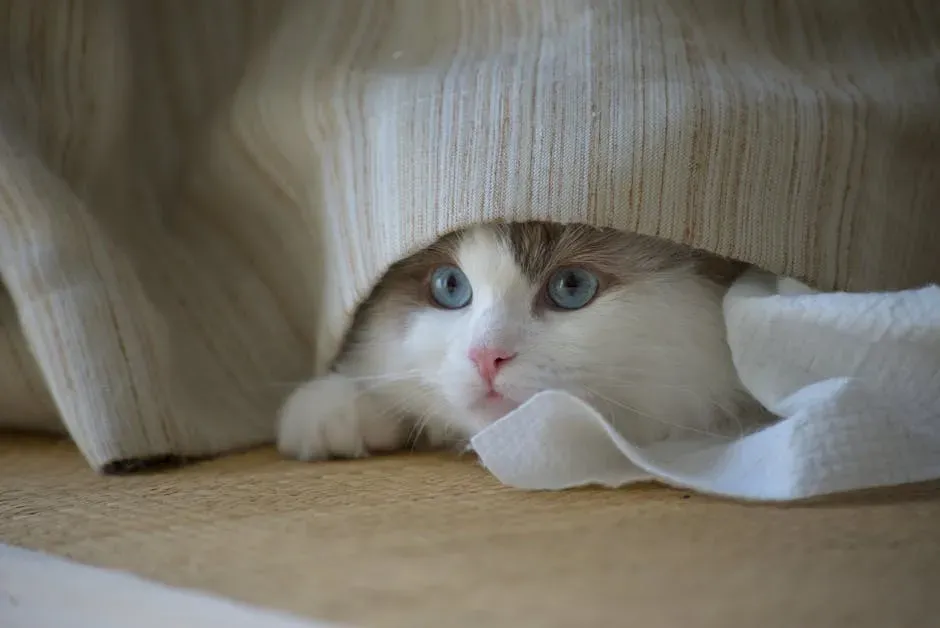
Several issues can cause your cat stress and anxiety and convince them to find other places to sleep. Has construction started up nearby? Is there constant banging and other loud noises? If so, your cat will sleep in odd places to escape the noise. Cats feel safe and secure when they can smell their own scent. They have scent glands on their paws and cheeks, and they can become stressed if all they smell is a new fragrance wafting throughout the home.
Sudden shifts in sleeping behavior could be a response to fear or perceived threats. Cats may seek out hidden or elevated spots when they feel uneasy, aiming to establish a vantage point that provides a sense of security. Understanding these fear-induced changes allows for a proactive approach to alleviate their anxiety and restore their confidence.
When Odd Sleep Spots Signal a Health Issue
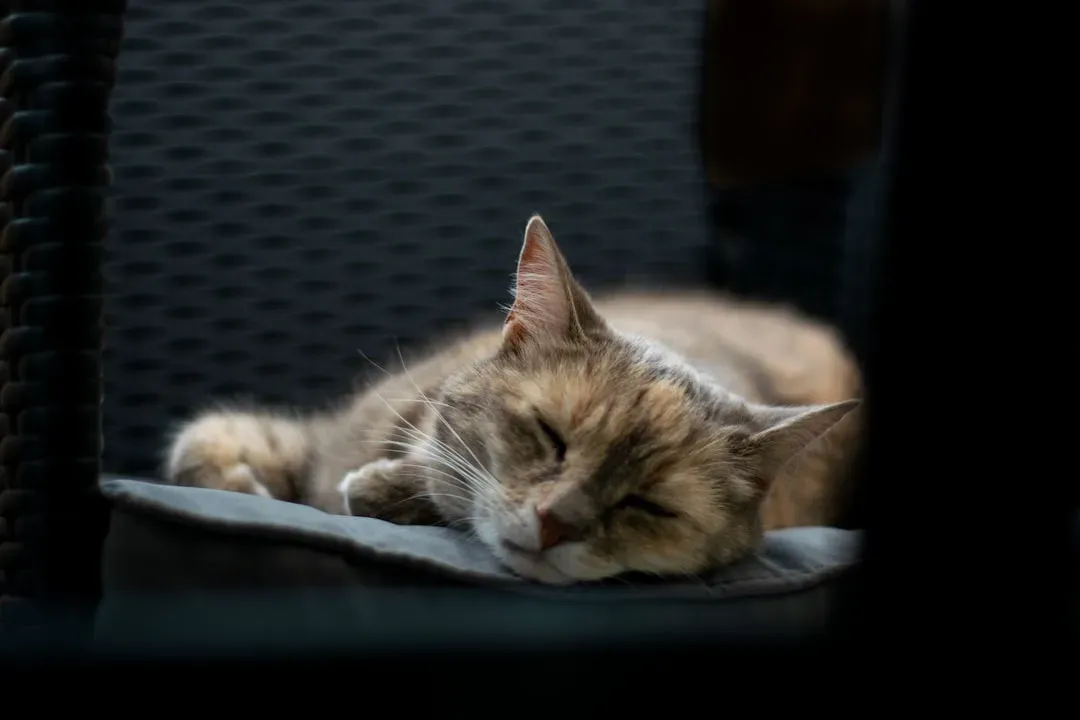
If your cat has a chronic health condition such as arthritis, switching up where they snooze may help them find relief from pain. If their usual sleeping spot is up high or in a hard-to-reach place, their pain may make getting there difficult. Instead, they may seek a soft bed that’s easy to get into or cuddle up near a direct heat source.
A cat’s sleeping habits can serve as a diagnostic tool for their overall health. Unexplained lethargy, excessive sleep, or disinterest in their surroundings may indicate an underlying illness. Regularly monitoring your cat’s sleeping patterns aids in early detection, ensuring prompt veterinary attention and preserving your feline friend’s well-being. Be concerned if the behavior change is sudden and accompanied by other symptoms like reduced appetite, lethargy, or signs of pain. In such cases, consult a veterinarian.
What Your Cat’s Flexibility Has to Do With It
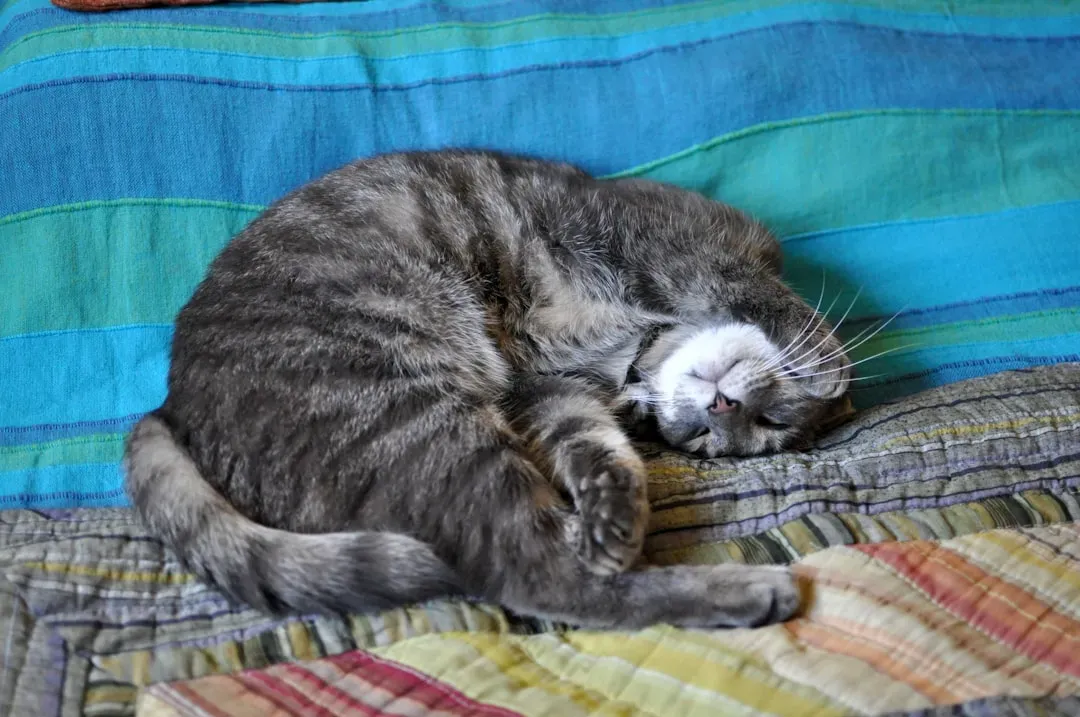
Cats sometimes sleep in very uncomfortable-looking positions. Unlike their canine counterparts, cats are extremely flexible, so a sleeping position that seems very awkward may actually be quite comfortable. The discs in a cat’s spinal column are very elastic, allowing cats to twist their bodies into unusual shapes. A cat’s shoulder blade is also attached loosely by muscle rather than bone, giving them an extremely large range of motion in the shoulder joint.
A cat’s unique body structure, especially their flexible spine and free-floating collar bone, helps them contort and twist themselves into places like small boxes. Cats sleep twelve to sixteen hours a day, but they rest most deeply when they feel protected. Enclosed areas allow them to relax fully without monitoring their surroundings. Many guardians notice that an open bed is ignored, while a simple box, carrier, or covered cave quickly becomes a favorite sleeping spot.
Conclusion
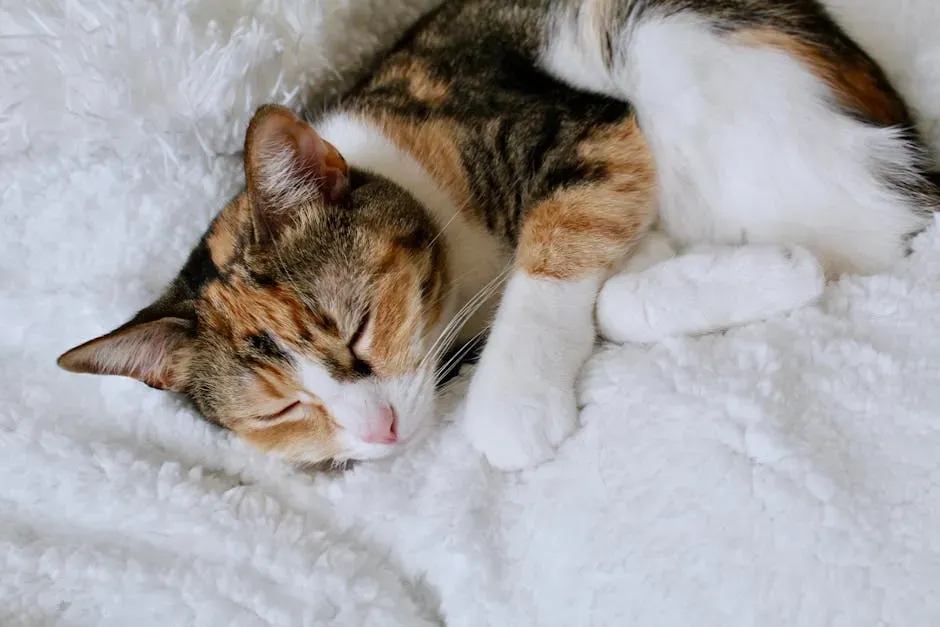
The next time you find your cat snoozing inside a cereal box or wedged behind the dryer, it’s worth pausing before you shoo them out. Cats also sleep in different locations to claim territory, enjoy privacy, moderate their body temperature, or react to stressful experiences. The strange places they choose are areas your cat actually trusts.
While domestic cats today face far fewer threats than their ancestors, the genetic memory of survival remains strong. Small, enclosed spaces mimic dens – natural shelters used by wild felines to hide from predators, protect kittens, and conserve body heat. These dens offer security through concealment and limited access points, allowing cats to monitor their surroundings while feeling protected.
What looks like a quirk is really just ancient wisdom wearing a domestic coat. Your cat isn’t being weird. They’re being exactly what millions of years of evolution shaped them to be – cautious, resourceful, and quietly in charge of every room they sleep in.
Kristina is a young writer from India. An arts graduate and an avid content creator, Kristina is passionate about animals and wildlife. She enjoys exploring topics related to pet care, animal behavior, conservation, and nature, combining thorough research with engaging storytelling.