You know that look. You’re sitting on the couch, and suddenly you feel it. A gaze. That unmistakable sensation that someone is watching you. You glance up, and there they are, your beloved feline companion, staring at you with such intensity that it feels like they’re trying to decode your very soul. What is going on in that fuzzy little head? Are they plotting something? Judging you? Showing you love?
There are a variety of reasons why a cat may be staring at you including trying to communicate with you, out of curiosity, expressing emotion, or waiting for a cue. Let’s be real, understanding your cat’s stare can unlock a whole new level of communication between you and your whiskered friend.
They’re Speaking the Language of Love
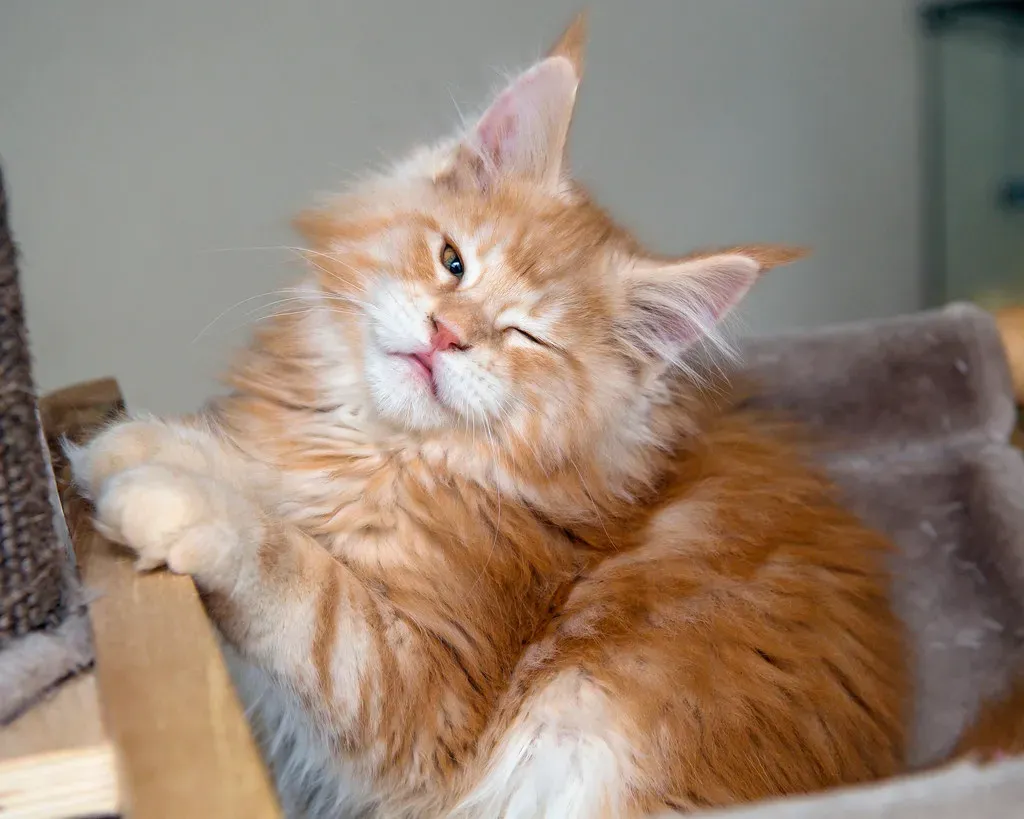
Here’s the thing. When your cat gazes at you with soft eyes and throws in some slow, deliberate blinks, they’re basically giving you a feline kiss. A steady gaze, especially if paired with a slow blink, is often a cat’s way of showing trust and comfort. Think about it from their perspective. In the wild, closing their eyes even for a second makes them vulnerable to predators or threats.
In the wild, cats rely on body language to communicate, and closing their eyes – even momentarily – makes them vulnerable. So when your cat looks at you and slowly blinks, it’s essentially saying, “I trust you enough to let my guard down.” You can even return the gesture by slowly blinking back at them. It’s like a secret handshake, except way cuter and requires zero physical coordination.
Your Cat Is Simply Hungry (Again)
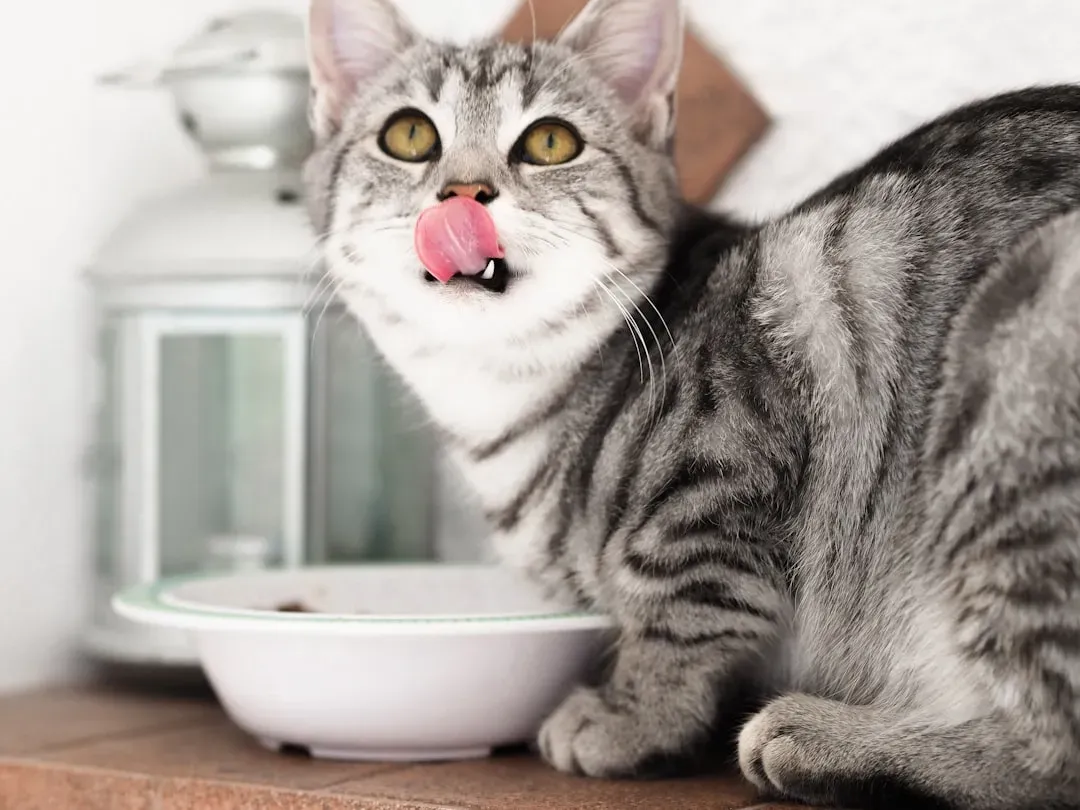
Let’s not kid ourselves here. Some cats have been known to stare at their pet parents when it’s feeding time. If your cat is planted next to their food bowl, staring at you like you’ve committed some unforgivable crime, chances are they’re reminding you that mealtime is approaching or has already passed. Cats are smart creatures, and they’ve learned that locking eyes with you often results in food appearing.
They have learned that eye contact (staring) with you results in something they like and will continue to do it to get the same result (play, petting, food). The more you reward this behavior over time, the more likely the cat will stare at you for what they want. Some might even throw in a meow or two for good measure. Honestly, they’ve mastered the art of manipulation, and we’re all just living in their world.
They’re Keeping Tabs on Everything You Do
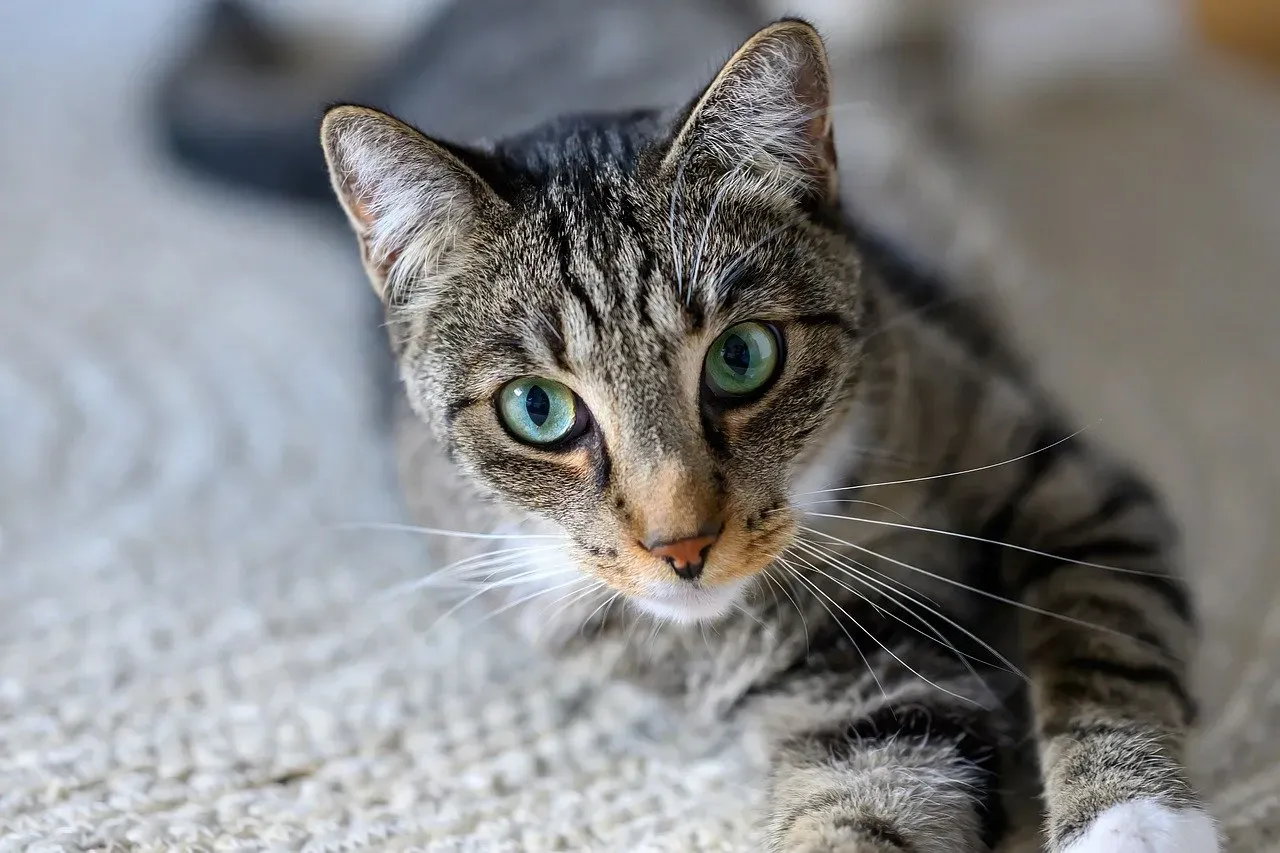
Cats are naturally observant animals. They may stare simply because they’re taking in what you’re doing. Your cat might be watching you type on your laptop, prepare dinner, or fold laundry, not because they care about your chores, but because they’re curious creatures who like to monitor their environment. In their mind, you’re part of that environment, and every movement you make could potentially affect them.
They may even be trying to anticipate if what you’re doing will impact them (e.g., walking near the treat drawer or getting ready to leave). It’s hard to say for sure, but your cat might be conducting their own version of a scientific study on human behavior. You’re basically their favorite reality TV show.
The Hunting Instinct Never Sleeps
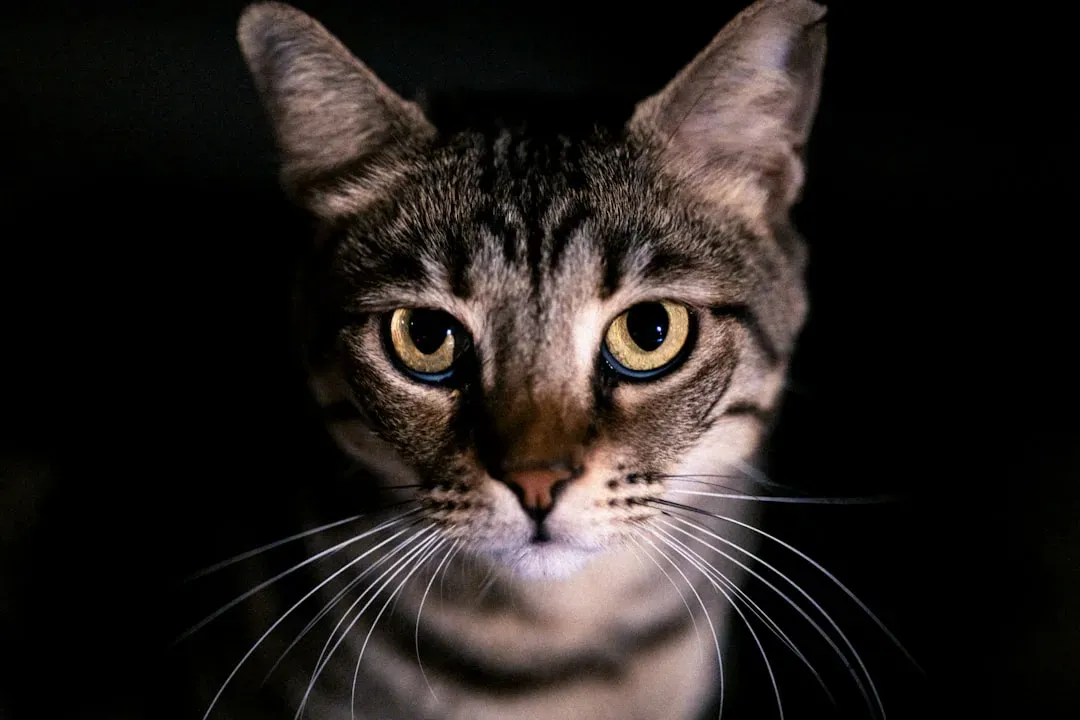
Another reason why cats stare is their razor-sharp hunting instinct, meticulously honed through millions of years of evolution. Even your pampered indoor kitty who has never seen a real mouse in their life still has that primal urge to hunt. Staring is also part of your cat’s natural hunting behavior. They may fixate on a bug, toy, or even something invisible to you, tracking even the tiniest movement.
Cats instinctually stare, stalk, pounce, grab, and kill bite their prey. If they can’t do this, they can become stressed. So when your cat stares at a spot on the wall where you see absolutely nothing, they’re probably tracking a speck of dust or a shadow. Their eyes are designed to pick up the slightest movement, making them natural-born hunters, even if the only thing they’re hunting is your wiggling toes under the blanket.
Fear or Anxiety Might Be the Culprit
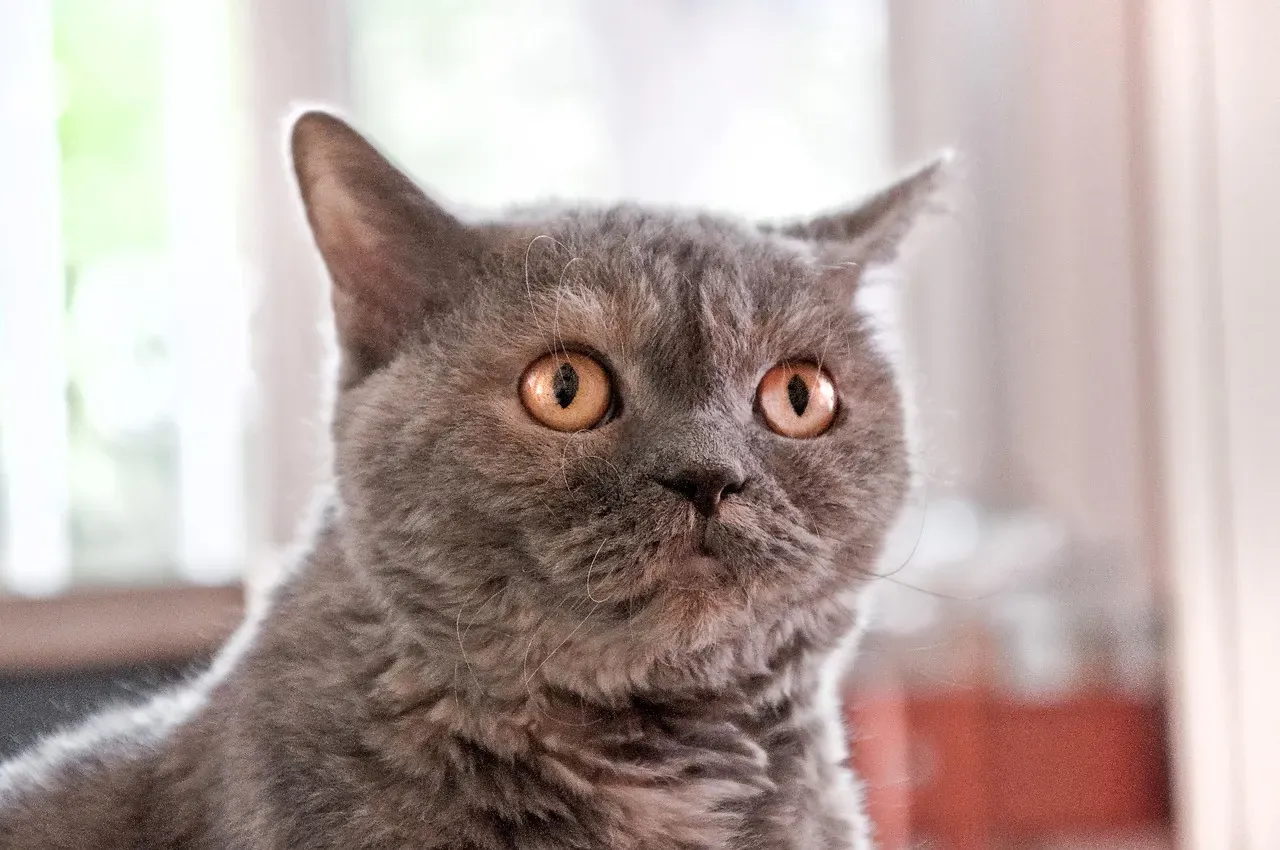
Not all stares are warm and fuzzy. Sometimes a cat stares at a person, another animal, or an object out of fear. The cat is staring to keep his eyes on the stimulus he’s worried about. If your cat’s body is tense, their tail is low, their ears are flattened, or they seem ready to bolt, that stare isn’t affectionate. It’s their way of monitoring a potential threat.
Maybe you made a sudden loud noise, moved too quickly, or there’s an unfamiliar person in the house. If your cat’s eyes are wide, pupils dilated, and body tense, they may be hyper-alert. Watch for other unusual behaviors, such as hiding, limping, aggressive behavior, or avoiding touch, which could mean it’s time to call the vet. In these moments, give your cat space and let them come to you when they’re ready.
Warning: Aggression Ahead
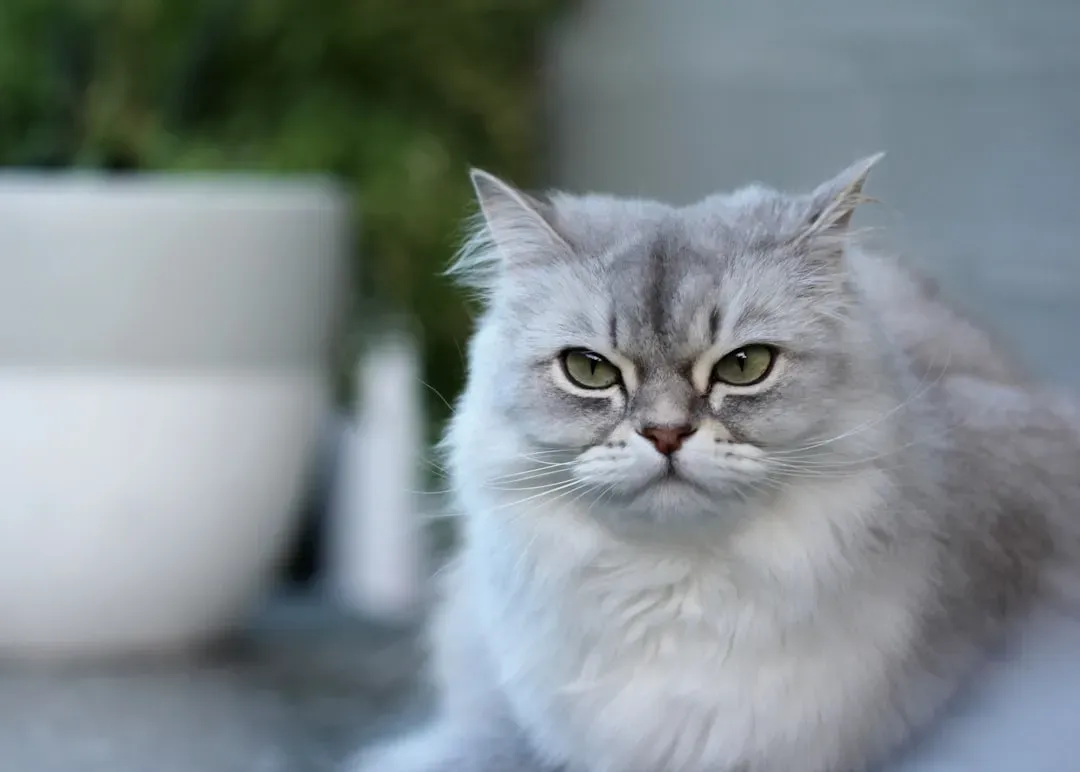
When a cat gives a hard, unblinking stare paired with stiff body language and piloerection along the back and tail, he is telling the other party that if they do not back off, there will be a confrontation. The hard, unblinking gaze is a threat to the other person or animal. This is not the time to approach your cat for cuddles or try to pick them up. They’re drawing a line in the sand, and you need to respect it.
A hard, flat stare accompanied by dilated pupils, a puffed-up tail, ears laid back on the skull, and a standoffish posture means the cat feels threatened and may attack. If you see this kind of stare directed at you, avert your gaze, stay still, and back away slowly. Let your cat calm down on their own terms. Pushing the issue will only escalate the situation.
Sometimes They’re Just Spacing Out
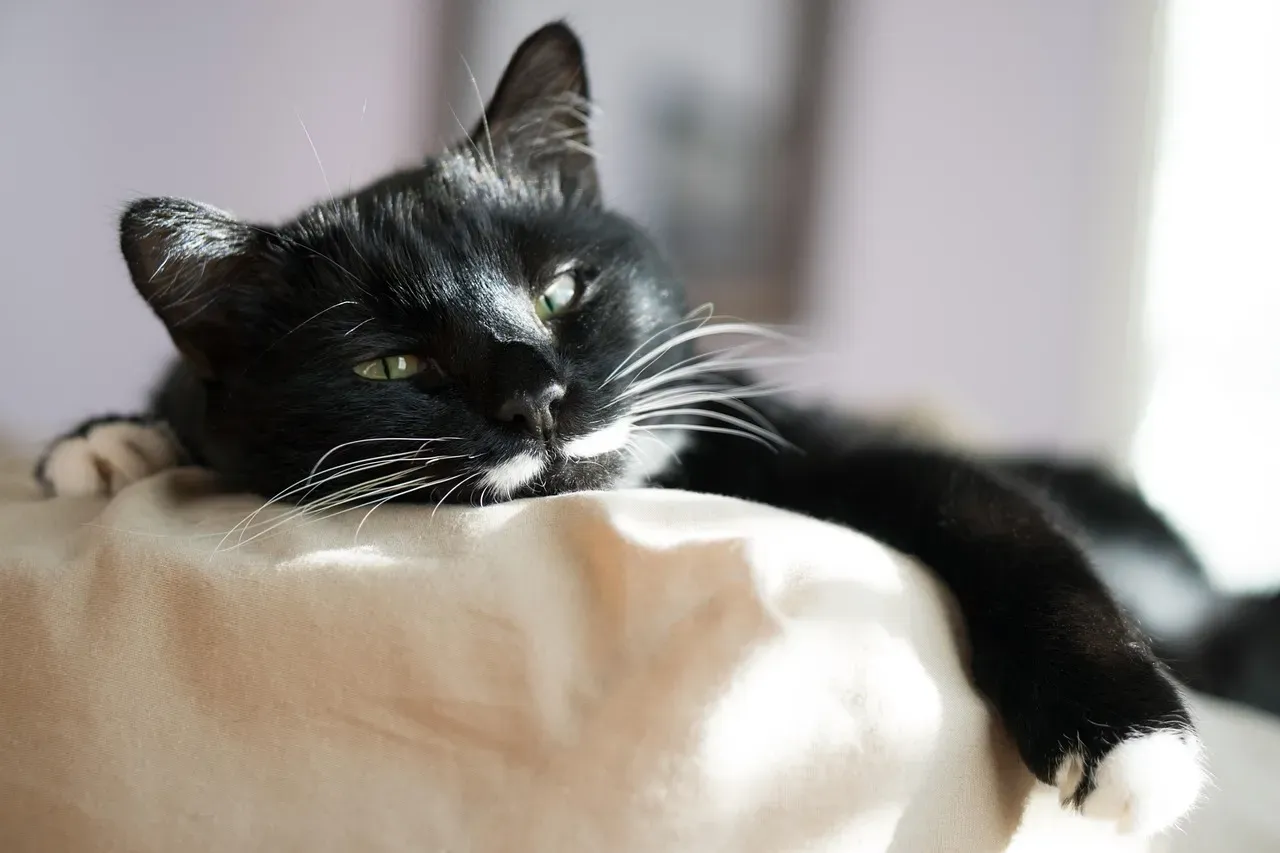
You might be overthinking this whole thing. Sometimes a cat’s “stare” is just them spacing out. Whether lounging on their window perch or the couch, a vacant look often means they feel safe and relaxed. Just like humans zone out during a boring meeting or while staring at a wall, cats do the same thing. Their mind might be wandering to the great mysteries of the universe, or more likely, they’re thinking about absolutely nothing.
Sometimes, a cat’s stare means nothing – they’re simply lost in thought with you in the way. They’re relaxed, their mind is elsewhere (probably thinking about their next treat), and you happen to be in their line of sight. It’s actually kind of peaceful when you think about it. Your cat feels so comfortable in your presence that they can just exist without any agenda.
They Want Your Attention Right Now
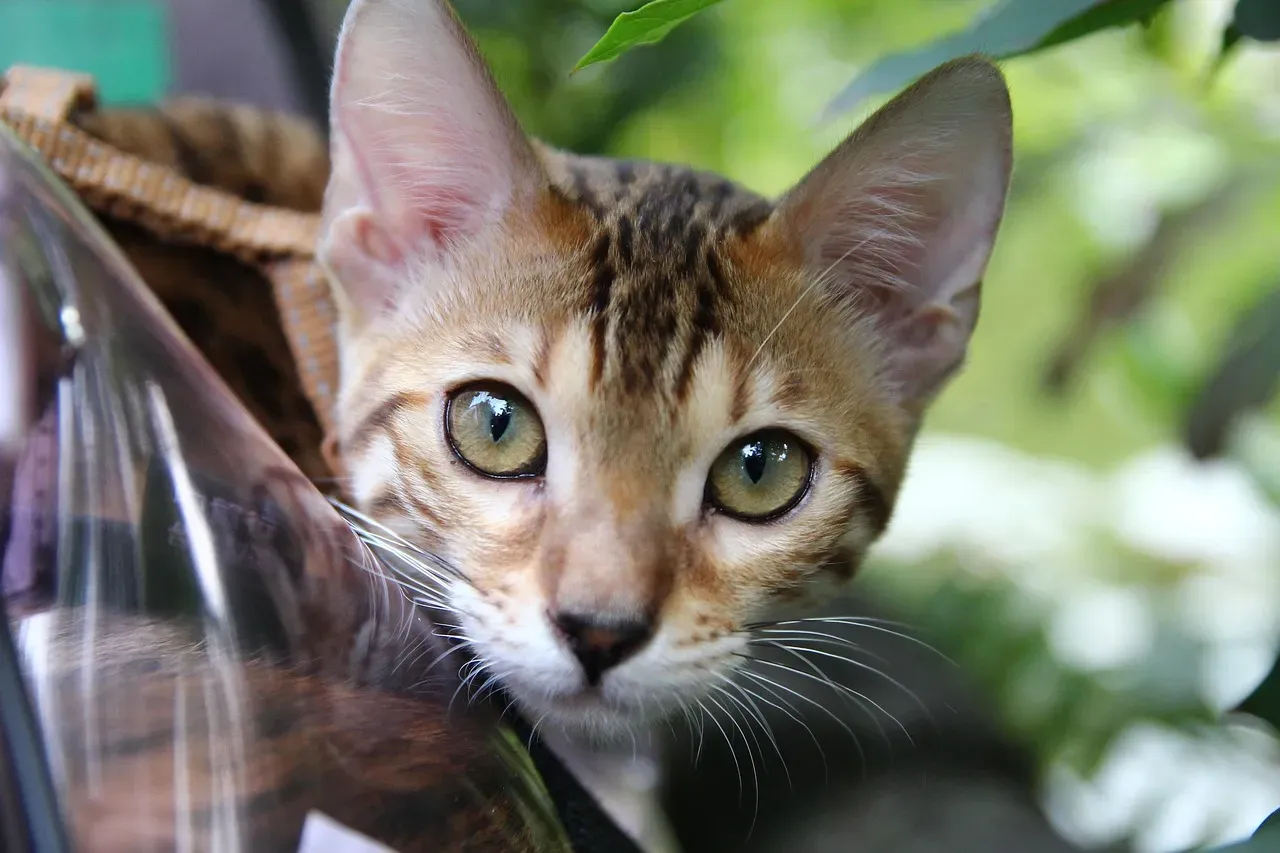
A direct, unblinking stare may be your cat’s way of asking for something like food, playtime, or attention. Cats are masters at non-verbal communication, and they know that staring at you will eventually get them what they want. Maybe they’re bored and want you to bust out the feather wand. Perhaps they want you to open the door so they can sit in the doorway and not actually go outside.
Some cats will learn that staring at their owners gets them the attention that they desire. Cats that do this may block their owner’s path or meow loudly when staring at their owners as well. They’ve trained you well, haven’t they? One stare from those big eyes, and you’re up doing their bidding like a loyal servant.
Reading the Full Picture Beyond the Stare
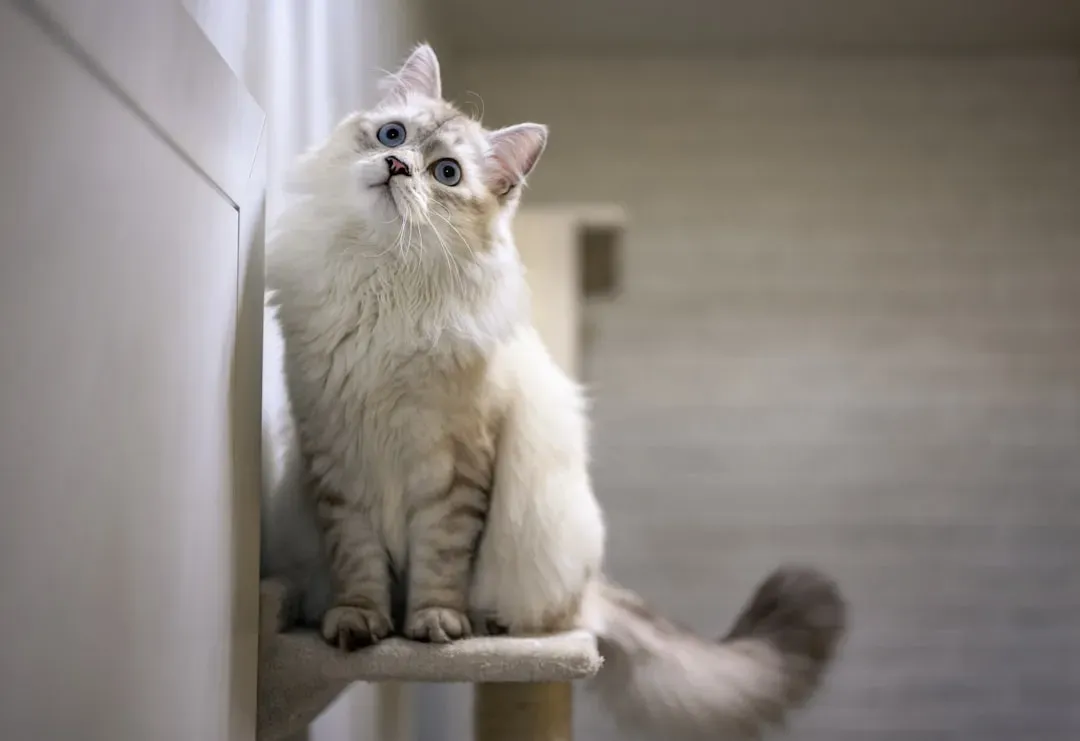
How you respond to a staring cat depends on their body language. Once eye contact is made, determine what the rest of their body is telling you. The stare alone doesn’t tell the whole story. You need to look at their ears, tail, posture, and overall vibe to understand what they’re trying to communicate. Are they relaxed with a gently swaying tail? That’s probably affection or curiosity.
Staring alone isn’t enough to judge a cat’s state. You also need to factor in body language and facial expression, and what’s going on in the world around them. Context is everything. A stare in the kitchen at dinnertime means something completely different than a stare accompanied by hissing and a puffed-up tail. Learning to read these signals will help you respond appropriately and strengthen your bond with your furry companion.
When That Stare Should Concern You
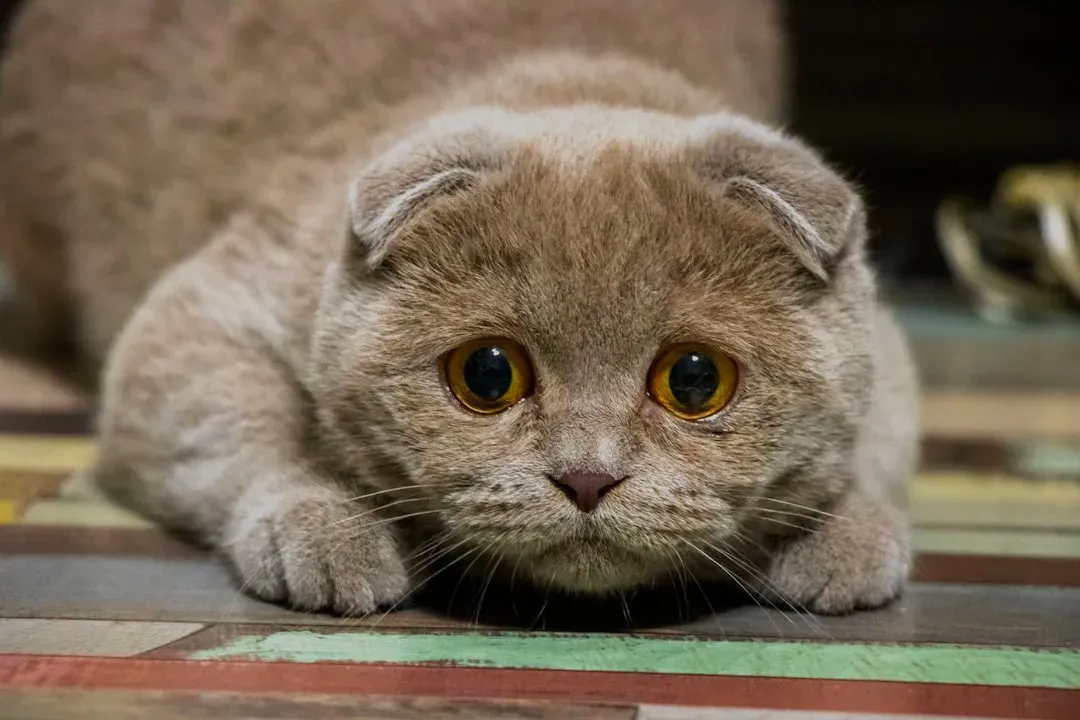
While a steady stare is usually normal, if it’s paired with other unusual behaviors, it could be your cat’s way of signaling that something isn’t quite right. These symptoms, when combined with intense or prolonged staring, may suggest your cat is experiencing discomfort, fear, or even pain. If your cat’s staring seems off, watch for additional warning signs like excessive hiding, changes in appetite, limping, or unusual vocalizations.
In more serious or rare cases, excessive staring, glassy or unfocused eyes, or a lack of blinking could be linked to vision problems, seizures, or neurological issues. Cats are notorious for hiding their pain, so subtle changes in demeanor and body language can often be the first – and only – clues that something is wrong. Trust your instincts. If something feels wrong, it’s always better to check with your vet than to wait and wonder.
Conclusion
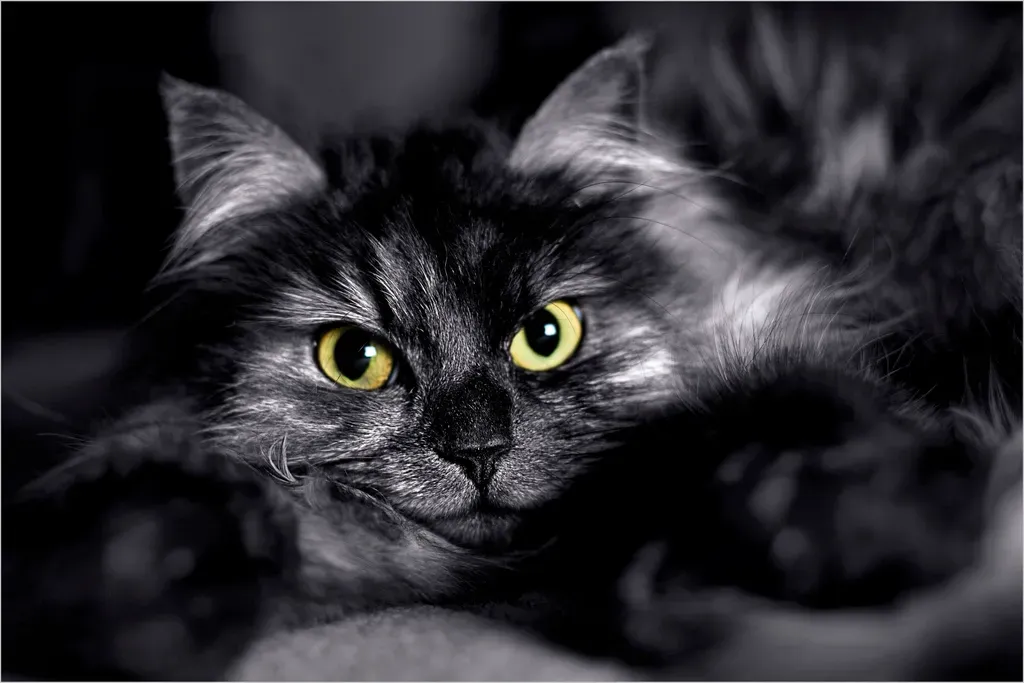
Your cat’s stare is rarely just a simple look. It’s a window into their needs, emotions, and instincts. Whether they’re showering you with slow-blink kisses, reminding you it’s dinner time, or just zoning out while you happen to be in their line of sight, each stare tells a story. Learning to decode these gazes will deepen your connection with your feline friend and help you respond in ways that meet their needs.
So the next time you catch your cat staring at you, don’t just brush it off. Take a moment to observe their body language, consider the context, and respond accordingly. What do you think your cat is trying to tell you with that intense gaze? Share your experiences in the comments!