Your cat is calmly lounging one moment, and the next, they’re sprinting across the house like a tiny thunderbolt. If you’ve ever watched your feline launch into a late-night frenzy—racing down hallways, leaping onto furniture, and skidding across floors—you’ve witnessed what many cat owners affectionately call the “zoomies.” While it may seem chaotic or even a little bizarre, this behavior is far from random. It’s deeply rooted in your cat’s instincts, biology, and emotional world.
Understanding why your cat behaves this way can transform your perspective from confusion to appreciation. Those bursts of energy aren’t just entertainment—they’re a vivid reminder that beneath your pet’s cozy, domestic life lies the heart of a natural-born hunter.
The Instincts That Never Sleep
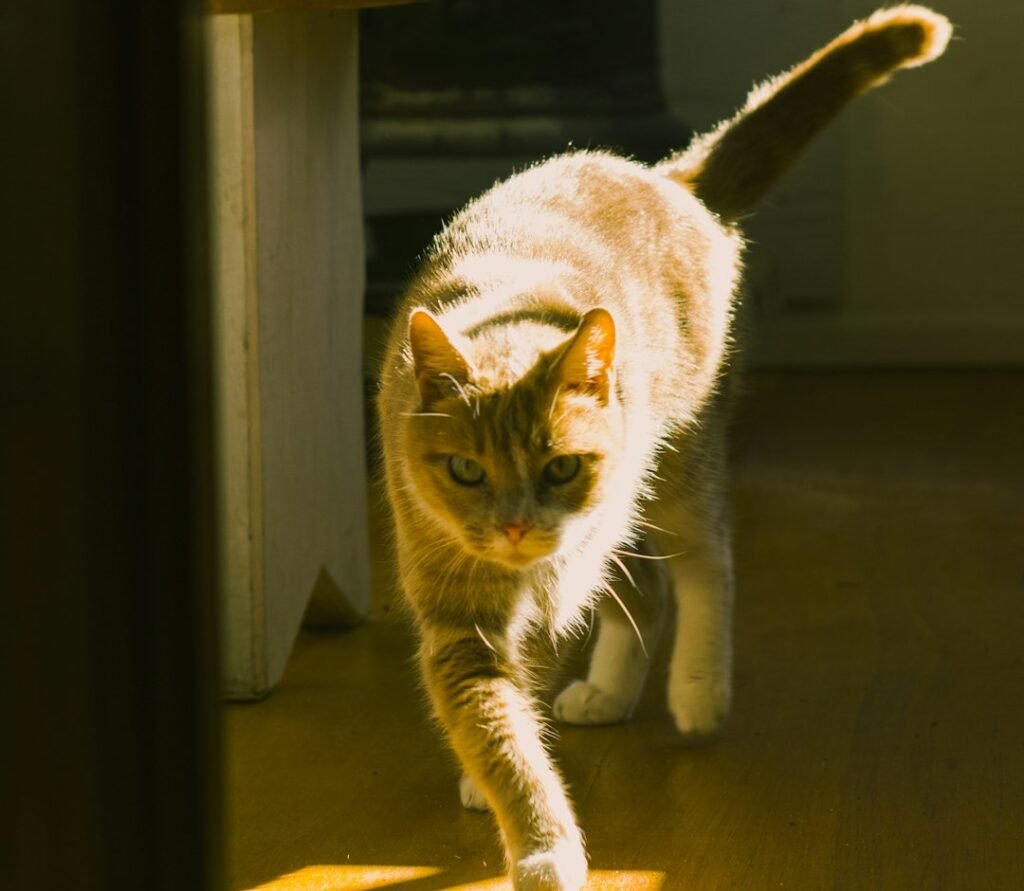
Even though your cat lives indoors, their instincts remain as sharp as ever. You’re sharing your home with an animal that evolved to hunt, stalk, and chase, often during low-light hours. These zoomies are your cat’s way of expressing those deeply ingrained behaviors.
When your cat suddenly bolts across the room, they’re not being “crazy”—they’re rehearsing survival skills. In the wild, quick bursts of speed and agility are essential for catching prey or escaping danger. You’re essentially witnessing a rehearsal of ancient instincts playing out in your living room.
Why Nighttime Triggers the Chaos
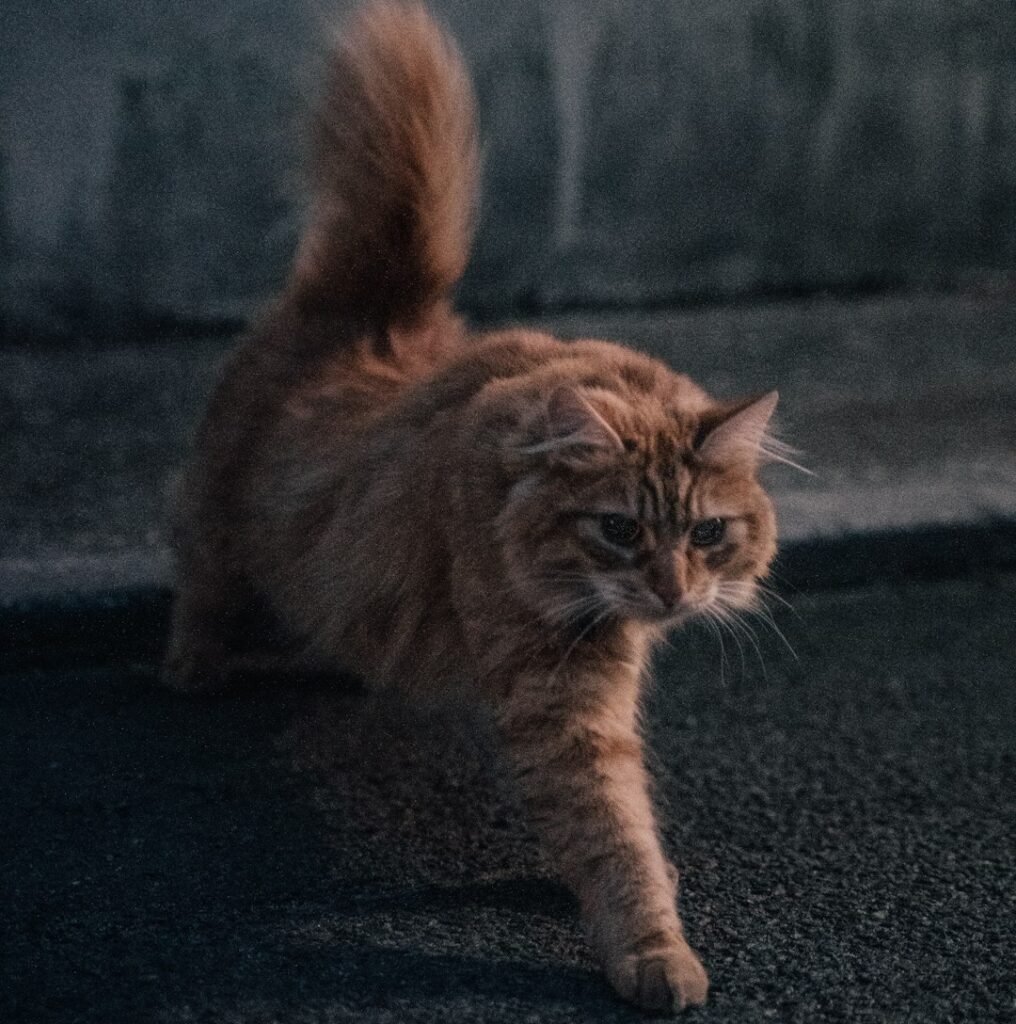
You may notice that your cat’s zoomies often happen late at night or in the early morning. This is because cats are crepuscular, meaning they are most active during dawn and dusk. Your schedule may not align with theirs, but their internal clock remains unchanged.
When the house quiets down, your cat’s senses become more alert. Shadows, faint sounds, or even imagined movement can trigger a sudden surge of energy. You might be ready to sleep, but your cat is just hitting their peak performance hours.
Pent-Up Energy Needs an Outlet

If your cat spends much of the day resting—which is completely normal—they’re storing up energy. By the time evening arrives, that energy needs to be released, and the result is often an explosive sprint through the house.
Without enough stimulation during the day, these bursts can become more intense. You may find that your cat turns your home into an obstacle course, using furniture as launching pads. This isn’t misbehavior; it’s a natural release of accumulated energy.
The Role of Play in Managing Zoomies
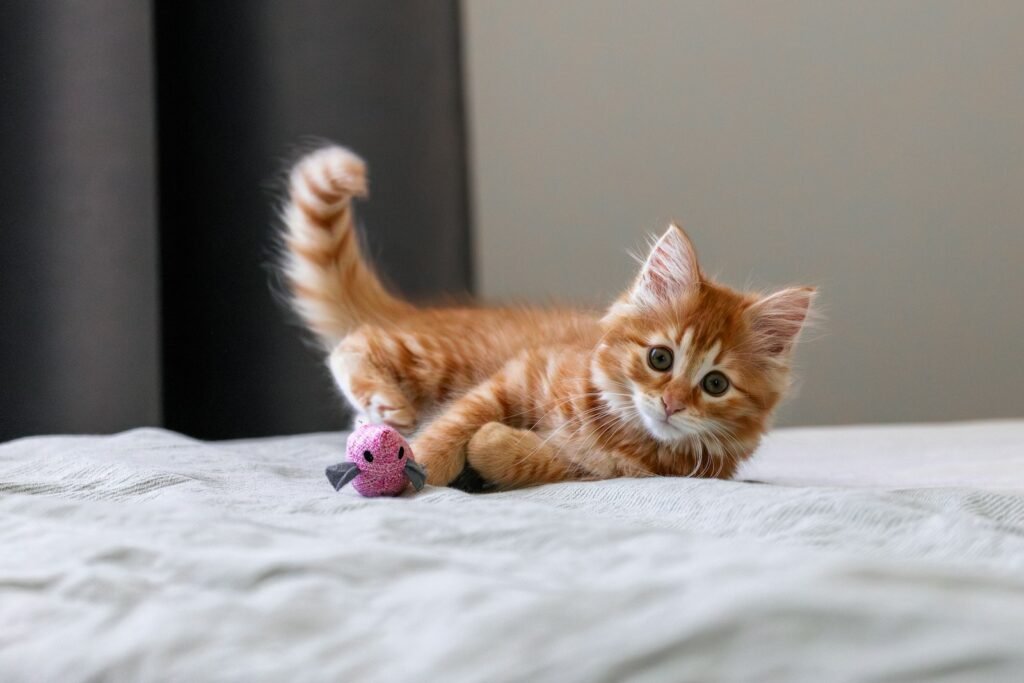
You play a crucial role in helping your cat channel their energy in a healthy way. Interactive play sessions can mimic hunting behaviors, giving your cat a structured outlet for their instincts.
When you engage your cat with toys that encourage chasing, pouncing, and stalking, you’re helping satisfy their natural drives. This can reduce the intensity of nighttime zoomies, as your cat feels more fulfilled and less restless.
Sudden Bursts of Excitement Explained

Sometimes, zoomies seem to come out of nowhere. Your cat may go from stillness to full-speed chaos in seconds. These sudden bursts are often triggered by excitement, curiosity, or even a surge of adrenaline.
You might notice your cat’s pupils dilating or their body tensing before they take off. These are signs that their senses are heightened. In that moment, your cat is fully engaged with their environment, reacting to stimuli you may not even notice.
The “Post-Litter Box” Sprint

One particularly amusing type of zoomies happens right after your cat uses the litter box. While it may look strange, this behavior is surprisingly common and has a few possible explanations.
Your cat may feel a sense of relief or vulnerability after using the litter box, prompting a quick dash to a safer space. Alternatively, it could simply be a burst of energy following a routine activity. Either way, it’s a normal and harmless behavior.
Emotional Expression Through Movement
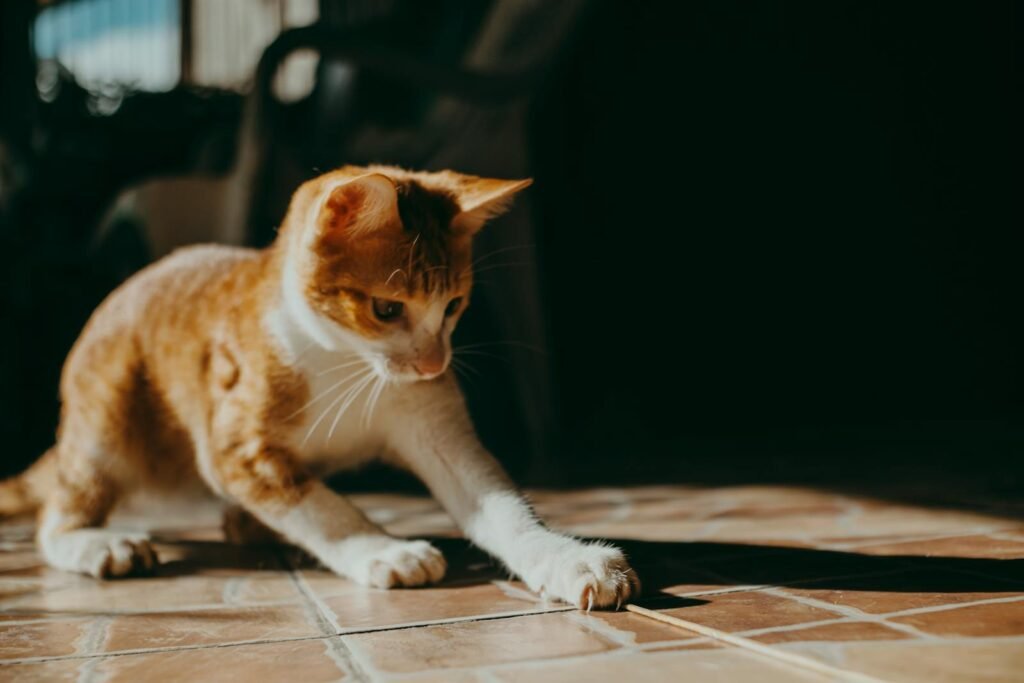
Zoomies aren’t just physical—they can also be emotional. Your cat may use these bursts of activity to express happiness, excitement, or even stress. It’s one of the ways they communicate how they’re feeling.
If your cat seems particularly energetic after you return home or during playtime, those zoomies could be a sign of joy. On the other hand, sudden increases in frantic behavior might indicate overstimulation or anxiety, which is worth paying attention to.
When Zoomies Signal Something More

While zoomies are generally normal, there are times when they may indicate an underlying issue. If your cat’s behavior becomes unusually frequent, intense, or accompanied by signs of distress, it’s worth observing more closely.
You should look for additional symptoms such as excessive grooming, vocalization, or changes in appetite. In rare cases, medical conditions or stress-related issues can manifest as hyperactive behavior, and a veterinarian’s input may be helpful.
Creating a Zoomie-Friendly Environment

Instead of trying to stop your cat’s zoomies, you can make your home safer and more accommodating. Clear pathways, secure fragile items, and provide spaces where your cat can climb and jump without risk.
You can also enrich your cat’s environment with toys, scratching posts, and vertical spaces. This allows them to express their natural behaviors in a controlled and safe way, making those bursts of energy less disruptive and more enjoyable to watch.
Conclusion

Your cat’s nightly zoomies are far more than random bursts of chaos—they’re a powerful expression of instinct, energy, and emotion. When you understand the reasons behind this behavior, it becomes easier to appreciate rather than question it.
By giving your cat opportunities to play, explore, and release their energy, you’re supporting their well-being while strengthening your bond. The next time your cat dashes across the room at lightning speed, you’ll know you’re witnessing a small but vivid reminder of their untamed spirit.
Kristina is a young writer from India. An arts graduate and an avid content creator, Kristina is passionate about animals and wildlife. She enjoys exploring topics related to pet care, animal behavior, conservation, and nature, combining thorough research with engaging storytelling.