You’ve just opened a package from your latest online shopping haul, and before you can even toss the bubble wrap aside, your cat has already claimed the empty box as their new throne. You spent a small fortune on that designer cat bed with memory foam and ergonomic support, yet here they are, curled up in a cardboard rectangle that once held laundry detergent. Sound familiar? If you’ve ever wondered why your feline friend would rather squeeze into a too-small box than lounge on that plush bed you carefully selected, you’re about to discover something fascinating.
This isn’t just another adorable quirk that makes cats the internet’s favorite animal. Your cat’s love affair with boxes runs much deeper than you might think, rooted in survival instincts that have been hardwired into their DNA for thousands of years. From wild ancestors stalking prey in hidden dens to modern house cats seeking refuge from your noisy vacuum cleaner, the humble cardboard box serves purposes you’ve probably never considered. Let’s unravel the mystery behind this captivating behavior and explore what science has revealed about your cat’s box obsession.
The Ancient Hunter Within Your Housecat
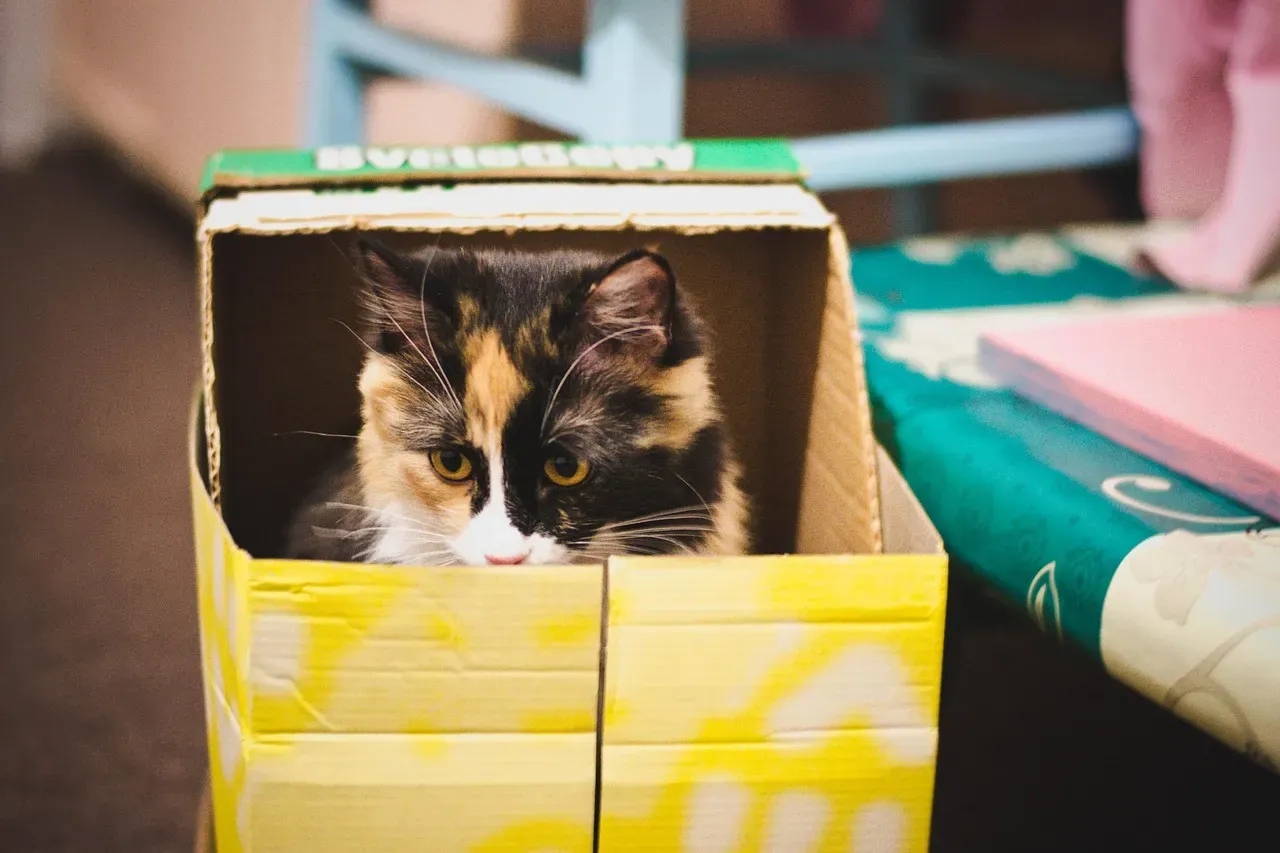
Your cat is descended from solitary hunters, and their wild relatives often sought out small, hidden spaces for shelter and safety, where these hideaways protected them from predators and served as strategic vantage points for stalking prey. Think about it from your cat’s perspective. In the wild, being exposed means vulnerability. This survival instinct is deeply ingrained in the feline psyche, and boxes, with their enclosed spaces and limited access points, offer a modern-day equivalent to the hiding spots that wild cats would have utilized.
Enclosed, confined spaces like boxes mimic the vantage point cats need before launching at their prey, providing perfect ambush spots where they can hide and play, fulfilling their inherent predatory behaviors. Even though your cat’s biggest hunting challenge these days might be pouncing on a toy mouse or ambushing your ankle as you walk by, those primal instincts remain fully intact. The box becomes their personal hunting blind, a place where they can observe the world while remaining hidden.
The Ultimate Safe Haven from Modern Life
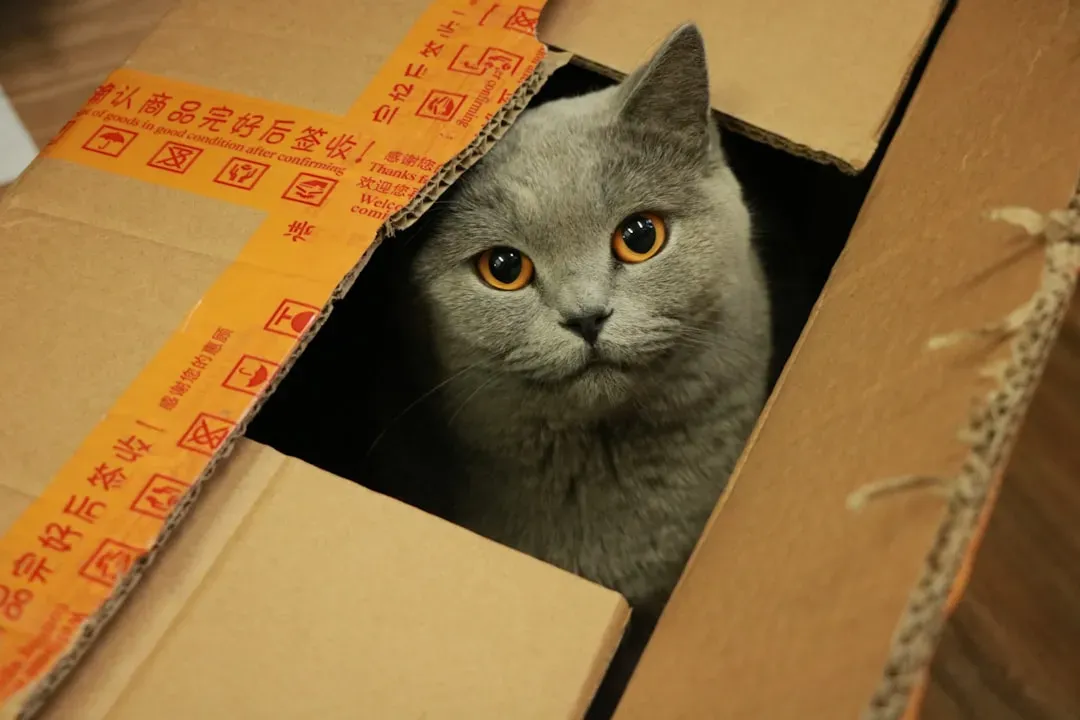
At the core of a cat’s box obsession lies a profound instinctual drive for security, as boxes provide a confined, protected environment that mimics the safe dens cats would seek in the wild. Your home might seem perfectly safe to you, but from your cat’s perspective, it’s filled with unpredictable sounds, movements, and potential threats. That doorbell ringing, the delivery person’s footsteps, or even the washing machine’s spin cycle can trigger stress responses.
Boxes provide a skittish cat with a safe place to hide when their environment changes, as there’s a natural gravitation towards covered, secretive areas. A mother cat will seek out a quiet area to birth her kittens, and their first experience will be a safe, enclosed space; multiple studies have shown that stress hormones like cortisol are reduced in newly rescued cats when they are given access to a box. It’s like having a panic room that fits perfectly around their body.
Stress Relief Wrapped in Cardboard
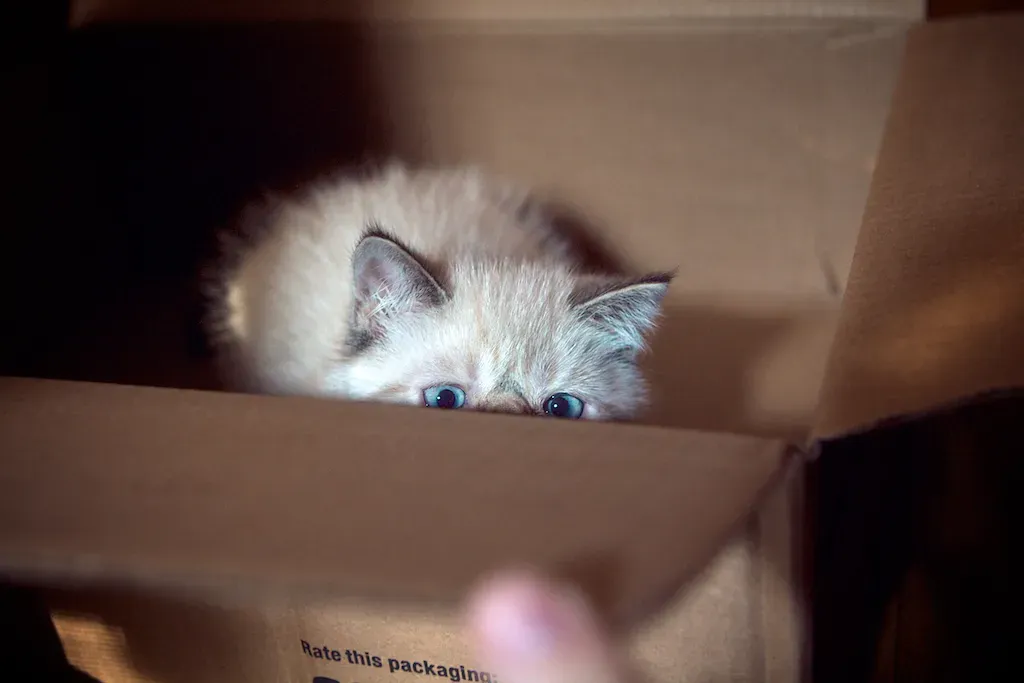
Here’s where things get really interesting from a scientific standpoint. The application of hiding boxes decreases stress in shelter cats, at least in the short term, and these stress reducing effects are crucial in the first weeks after admission when novelty stress is highest. Researchers didn’t just observe this anecdotally; they measured actual behavioral changes in cats with and without access to boxes.
Researchers assessed the effect of a hiding box on stress levels of newly arrived cats in a Dutch animal shelter, comparing ten cats with a box to nine without, and found a significant difference between the two groups on observation days three and four, with cats having the hiding box able to recover faster in their new environment. The mean Cat-Stress-Score decreased with time for all cats, but cats with a hiding box showed a significantly faster decrease, reaching a lower steady state seven days earlier than the control group. For your cat at home, this means that box isn’t just a cozy nap spot – it’s actually a therapeutic tool they use to manage everyday anxieties.
Temperature Control and Thermal Comfort
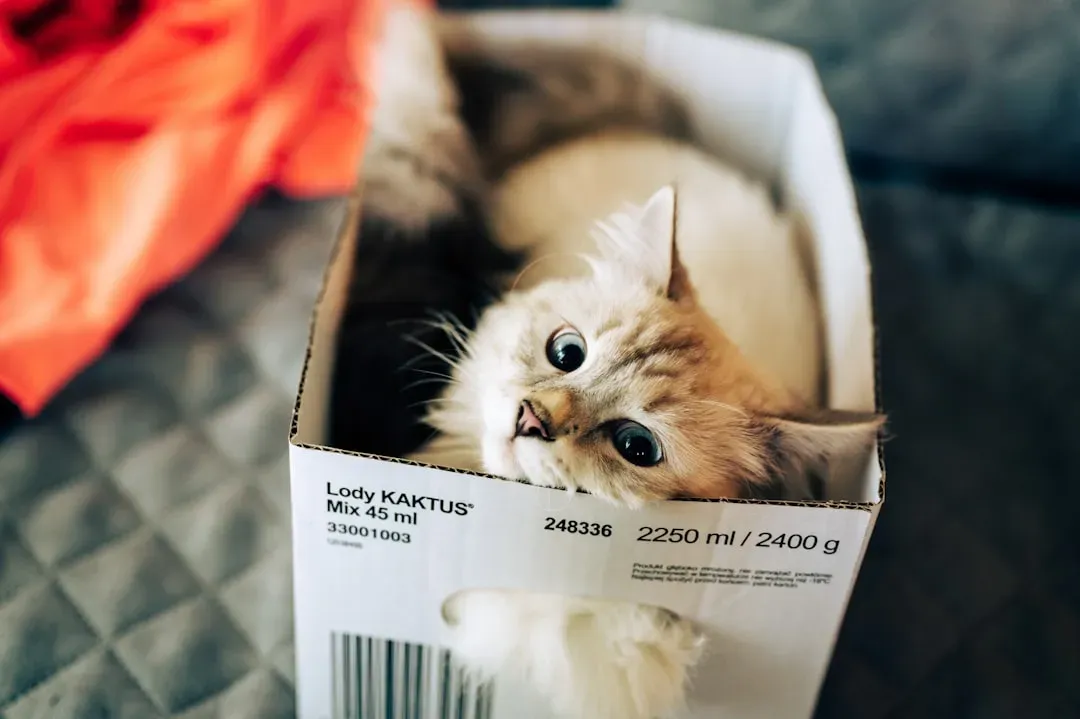
Let’s be real: your cat is basically a furry heat-seeking missile. Cats are temperature-sensitive creatures, and cardboard boxes offer exceptional thermal insulation, with the material’s unique properties helping cats maintain their body heat efficiently and creating a warm microclimate. While you might keep your thermostat at a comfortable seventy-two degrees, that’s actually on the chilly side for feline preferences.
A study found that cats are most comfortable in temperatures between eighty-six and ninety-seven degrees Fahrenheit, but most homes are kept around seventy-two degrees; boxes act as insulators and trap body heat so cats can enjoy tropical temperatures without an expensive heating bill. When your cat curls into a tight ball inside that cardboard sanctuary, they’re not just being cute – they’re creating their own personal sauna. The snug fit forces them into a compact position that conserves heat, while the cardboard walls prevent that warmth from escaping.
Territory Marking and Ownership Claims
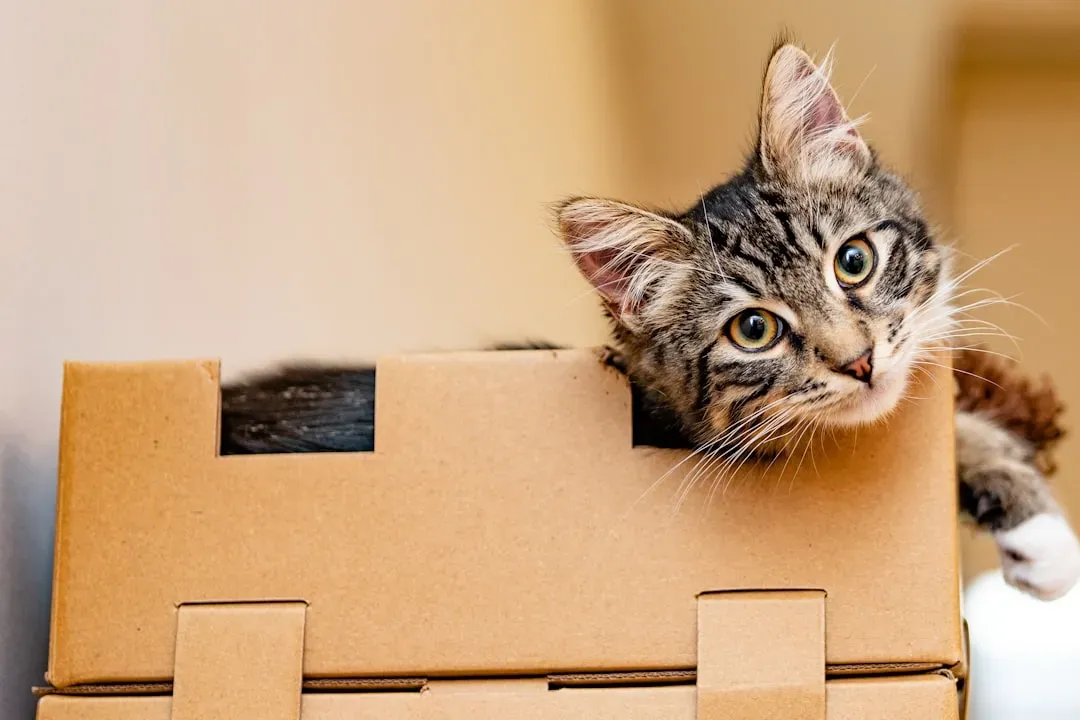
Cats have a strong territorial nature, and boxes may serve as a temporary territory or safe zone within their human households, providing a space where they can control and defend against perceived threats. Your cat doesn’t just enjoy the box; they claim it as their sovereign domain. Cats communicate through scent, and boxes offer an ideal surface for territorial marking; by scratching, rubbing, and chewing on cardboard, cats deposit their unique pheromones, effectively claiming the space as their own.
Watch your cat’s behavior next time you bring home a new box. Notice how they immediately start rubbing their face against the corners? Those aren’t just affectionate gestures. They’re essentially planting little flags that say “Property of Mr. Whiskers” in a language only cats can read. Cats are territorial creatures that mark their domain to signal others of their presence, and by sitting in a box or any confined space, it helps them create invisible boundaries that other animals know not to cross.
Mental Stimulation and Curiosity Satisfaction
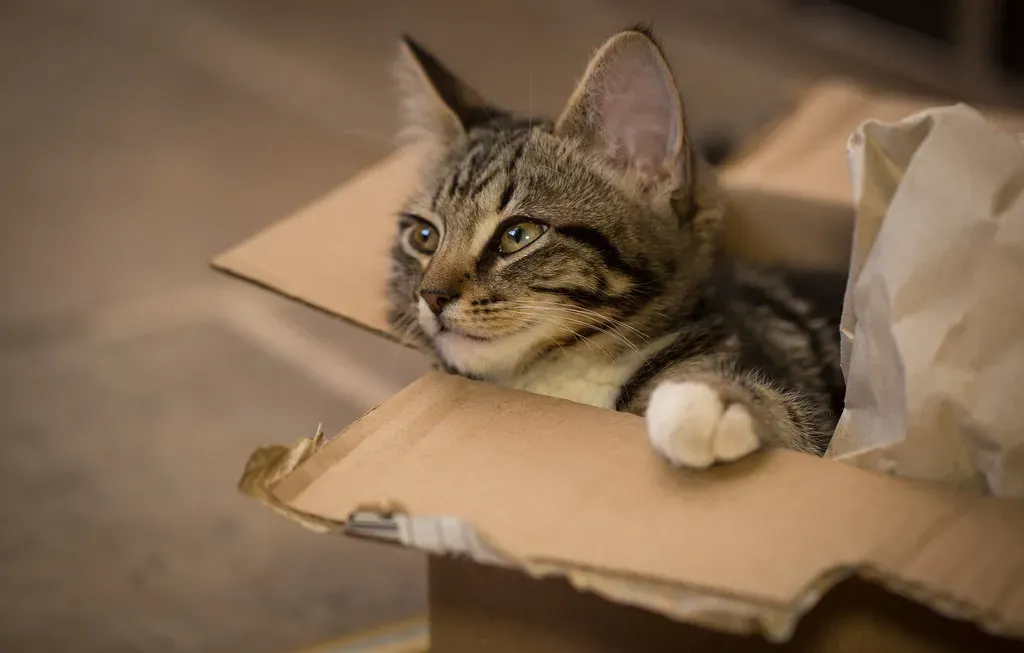
Cats are curious creatures, and boxes can introduce novel elements to their surroundings; the novelty and unpredictability can stimulate their mental faculties and satisfy their curiosity. Every new box represents a mystery to be solved, a puzzle waiting to be explored. Will it be big enough to hide in completely? Does it have flaps to bat around? Can they peek through the handholds?
A newly arrived box is also a change to a cat’s environment; cats that live indoors know every inch of their kingdom and immediately notice any changes, and for a curious cat, the box is something fun and novel to investigate. This mental engagement is crucial for indoor cats who don’t have the constant stimulation of an outdoor environment. That cardboard box becomes an adventure, a fort, and an entertainment center all rolled into one recycled package.
The Hunting Playground
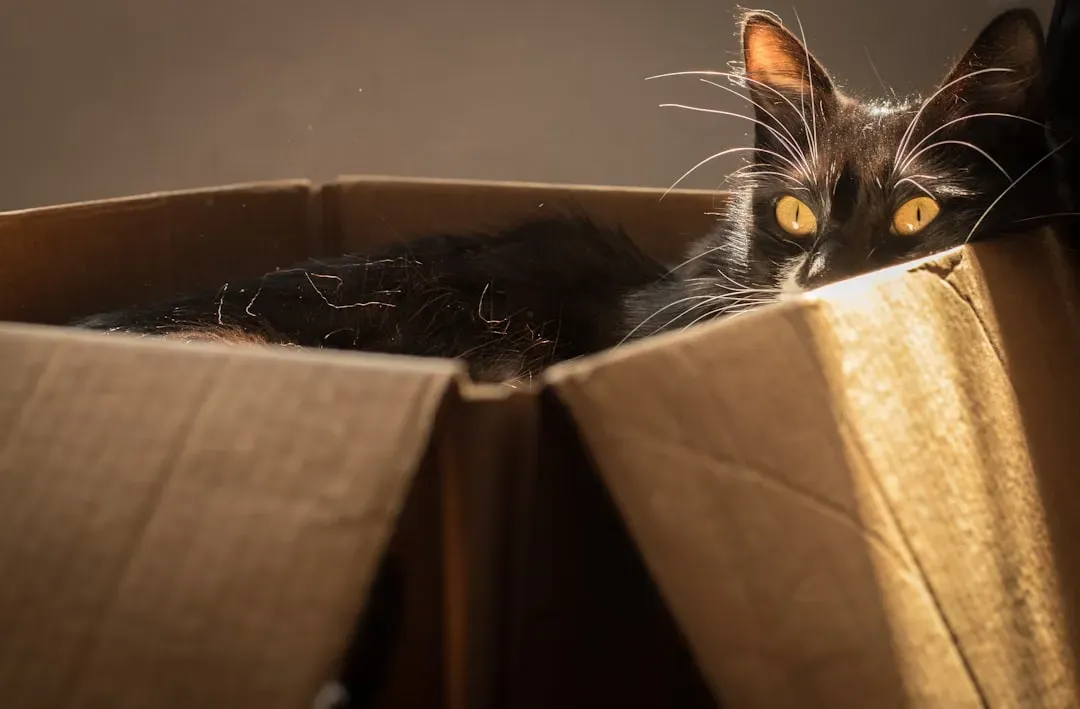
Even domesticated cats retain strong predatory instincts, and boxes transform into perfect hunting blinds that allow cats to practice their natural ambush techniques; by hiding inside these enclosed spaces, cats can observe potential prey and plan strategic pounces. Your cat doesn’t just sit passively in boxes – they’re conducting tactical operations. That box by the couch? Prime location for ambushing passing feet.
Cats are naturally curious creatures, and boxes present a fascinating object to explore; even without actual prey, a box can simulate the thrill of hunting, as cats jump, hide, and investigate their surroundings, allowing them to exercise their hunting instincts, which is essential for both physical and mental health. This explains why your cat might suddenly launch themselves out of a box at absolutely nothing – they’re practicing their skills, staying sharp for that hypothetical mouse that will probably never materialize in your third-floor apartment.
The Science of Snug Spaces
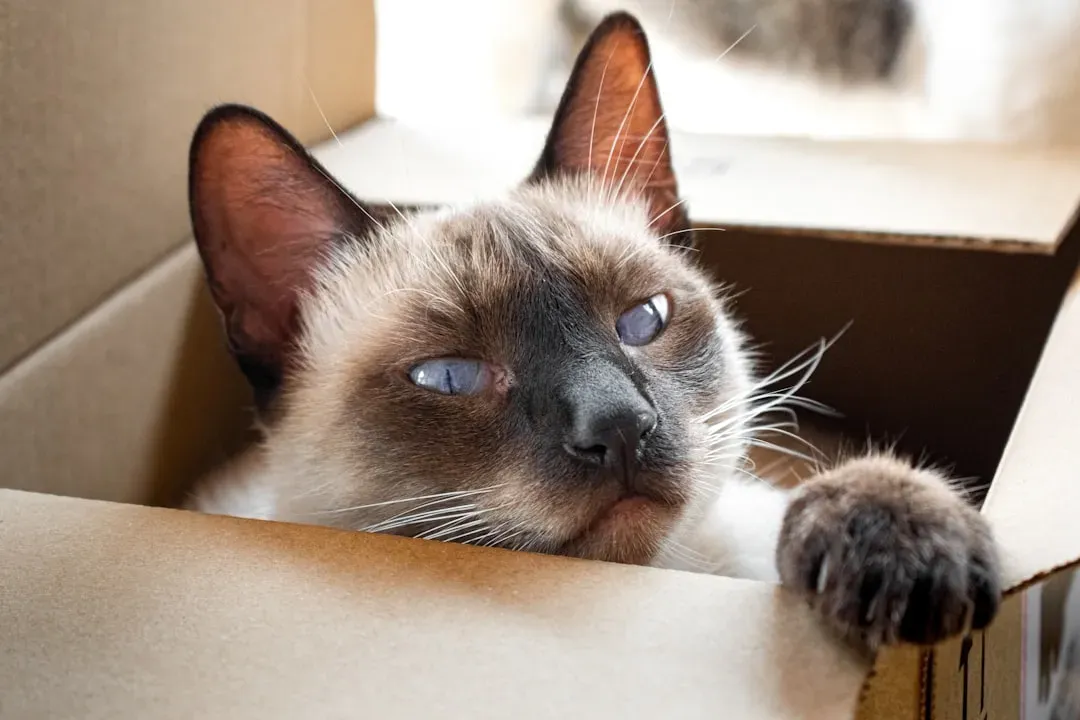
Cats experience a sense of security and comfort from the gentle, consistent pressure of a box’s sides, which is like a constant, reassuring hug for them. It’s similar to why humans find weighted blankets calming or why infants respond well to swaddling. In a shelter, a box helps mimic the enclosed comfort that kittens experience when cuddling with their mother and littermates; just as human babies are comforted by swaddling, an enclosed space helps cats become calmer.
There’s something deeply soothing about feeling contained on all sides. The pressure provides sensory feedback that helps your cat know exactly where their body is in space, creating a cocoon-like effect that triggers relaxation responses. When the world feels overwhelming or unpredictable, that snug cardboard embrace offers a form of self-soothing that’s immediately accessible.
Even Fake Boxes Work
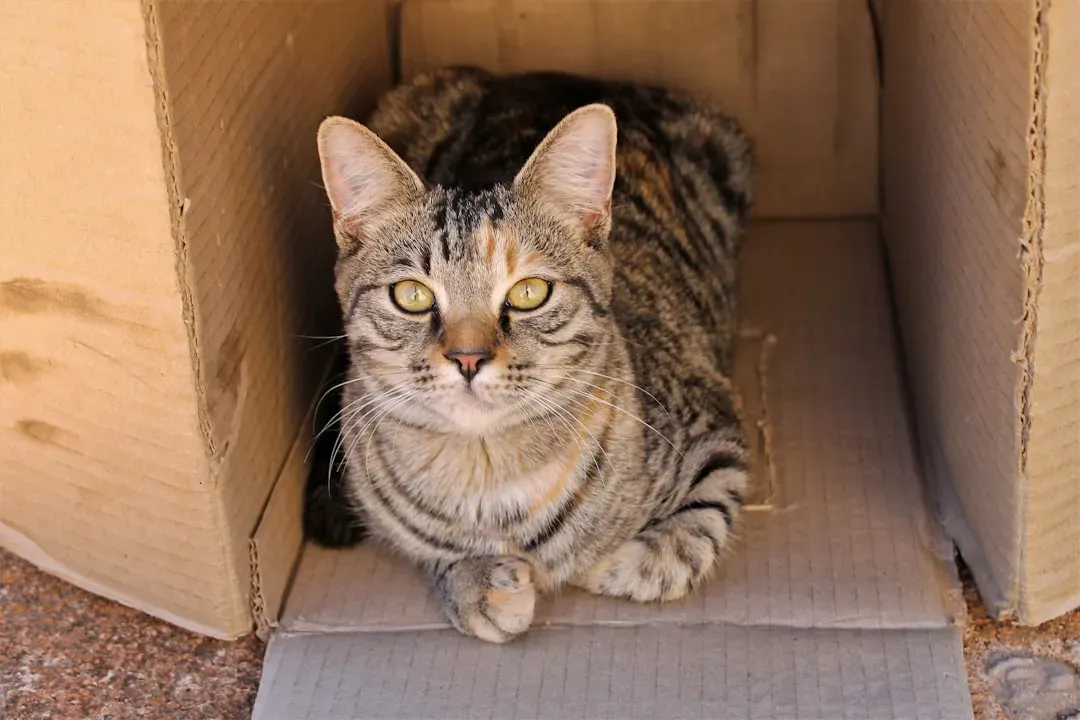
Here’s something that might blow your mind: A study published in Applied Animal Behavioral Science indicates that cats love to sit in boxes even when it is only a two-dimensional outline shaped like a box on the floor, and a working theory is that a cat sees a shape with borders as a way to protect themselves from dangerous situations. Researchers created what’s called a Kanizsa square illusion – basically corners without connected lines – and cats still chose to sit in them.
The study found that cats chose to sit in the square made of tape on the floor or in the Kanizsa square more often than control shapes, demonstrating cats’ ability to recognize the illusion of a square and treat it in the same manner as they would a three-dimensional box. This reveals something profound about feline cognition: the concept of boundaries and enclosed spaces is so important to cats that even the suggestion of a box is enough to attract them. It’s not just about physical shelter; it’s about the psychological security that defined spaces provide.
Why Boxes Trump Expensive Cat Beds Every Time
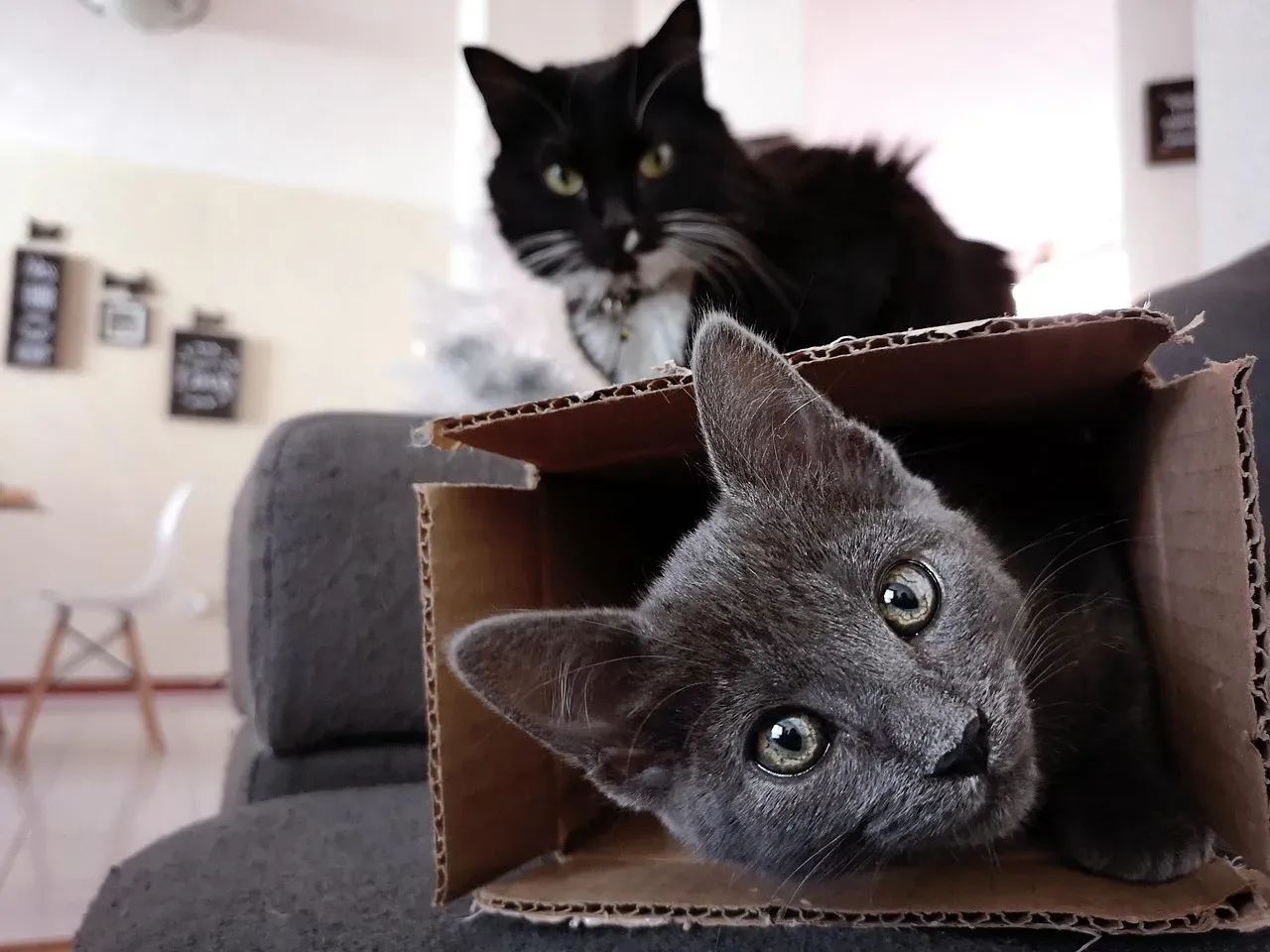
You spent sixty dollars on that orthopedic cat bed with the faux fur lining and what happened? Your cat sniffed it once and walked away. Meanwhile, that Amazon box that cost you nothing has become their favorite spot in the entire house. The reason isn’t that your cat has terrible taste or wants to spite you. The most obvious reason why cats love boxes is because they provide a comfort level that most cat beds and toys can’t match.
Cat beds are predictable, familiar from the moment they arrive. Boxes, however, offer novelty, the perfect texture for scratching, the ability to modify them by chewing the edges, and that all-important enclosed feeling that commercial beds rarely provide. Boxes aren’t the only objects that captivate cats; paper bags, baskets, and even small spaces between furniture can evoke the same behaviors, and the shared characteristics of these objects – confined, safe, and protective – make them equally appealing. It’s not about expense; it’s about function meeting instinct.
Creating a Box-Friendly Environment
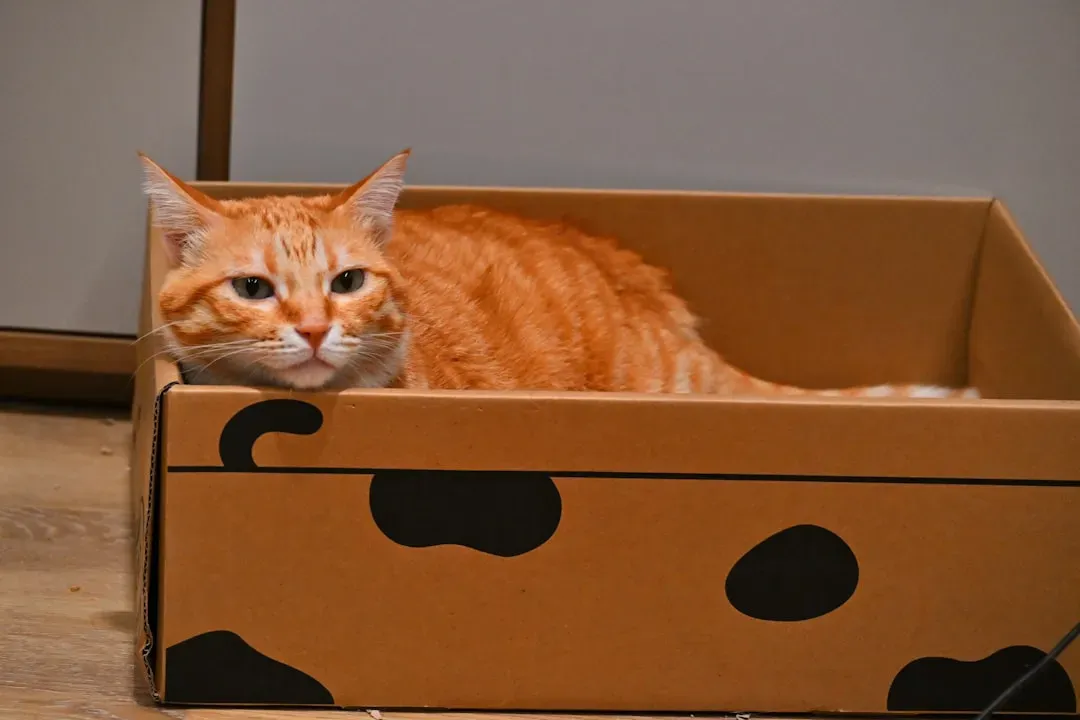
Now that you understand why your cat is obsessed with boxes, you might as well embrace it. Instead of fighting their cardboard addiction, work with it. Keep a rotation of different-sized boxes available around your home, especially in areas where your cat spends time. Introduce boxes during transitions like relocating or introducing a new pet to provide a calming space, use boxes for enrichment by placing toys and treats in or near them, and offer multiple boxes in multi-cat households to reduce territorial disputes.
Make sure boxes are clean, free of staples or tape that could be harmful, and positioned in quiet areas where your cat can retreat without being disturbed. You might even experiment with different materials – some cats prefer the sturdiness of plastic containers, while others are devoted cardboard enthusiasts. Pay attention to what your cat gravitates toward and make those options available. It’s one of the simplest, cheapest ways to enrich your cat’s environment and support their mental health.
Understanding Your Cat’s Needs
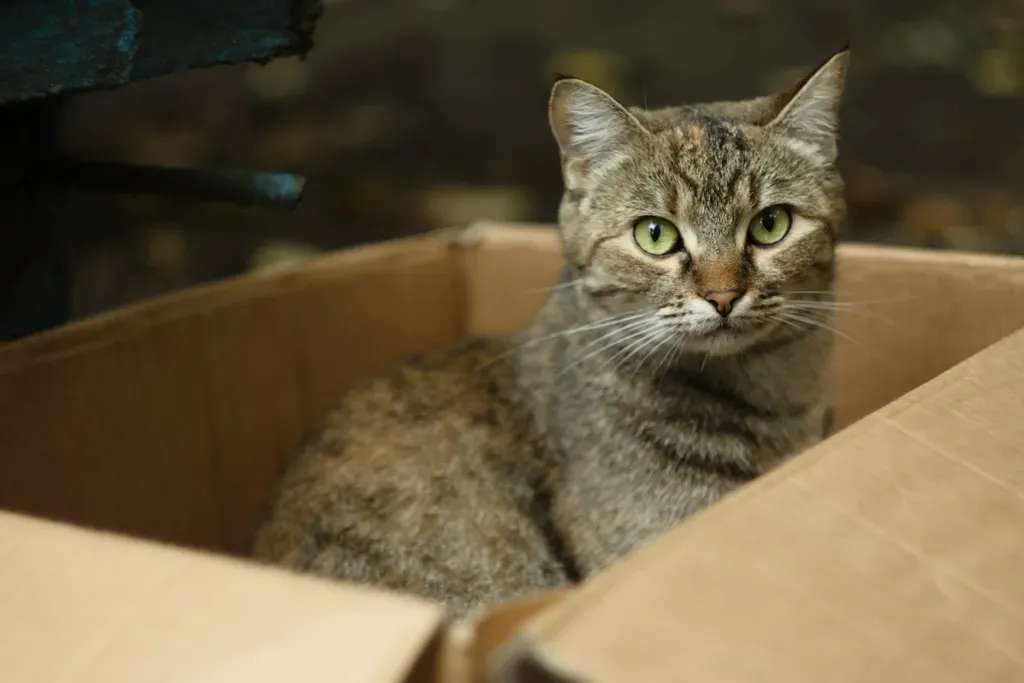
Cats are complex creatures with behaviors deeply influenced by their wild ancestors, and their attraction to boxes is not just a quirky habit, but a sophisticated survival mechanism that serves multiple critical purposes in their physical and emotional well-being. When you see your cat wedged into an impossibly small box, resist the urge to laugh and move on. Take a moment to appreciate the millions of years of evolution playing out in your living room.
Understanding your cat’s box obsession reveals more than just a cute behavior – it’s a window into their complex psychological and evolutionary landscape; next time you see your feline friend squeezing into a seemingly uncomfortable cardboard container, remember they’re following deeply ingrained instincts. By providing these simple sanctuaries, you’re honoring your cat’s heritage and meeting needs they might not be able to communicate any other way. That ratty cardboard box in your hallway isn’t clutter – it’s your cat’s self-care station, security system, and entertainment center all in one.
So the next time you’re about to recycle that delivery box, pause for a moment. Your cat might have other plans for it. After all, you just learned that their obsession isn’t random or silly – it’s a beautiful expression of their true nature, a direct line connecting your pampered house cat to their fierce, independent ancestors who once roamed wild landscapes thousands of years ago. What do you think about your cat’s box obsession now? Does it make you see those cardboard hideaways a little differently?