You’ve probably watched your cat’s tail flick, curl, or sweep across the floor and thought you had a rough idea of what it meant. Maybe you assumed the slow swish meant contentment, or that a quick twitch was just a reflex. Chances are, you’ve been reading at least some of those signals wrong.
Your cat doesn’t communicate solely through vocalizations like meows and purrs. A cat’s tail holds a complex language all its own, and every swish, wag, flick, and curl contains a hidden message that can give you deeper insight into your cat’s personality and feelings. Once you start paying closer attention, the picture that emerges is surprisingly rich.
Cats use their tail movements, along with their eyes, ears, and body postures, to communicate. Understanding the tail alone won’t tell you everything, but it’s one of the clearest windows into what your cat is actually feeling in any given moment. The sections below break down what each tail position and movement really means, and where most owners tend to get it wrong.
The Anatomy Behind Every Movement
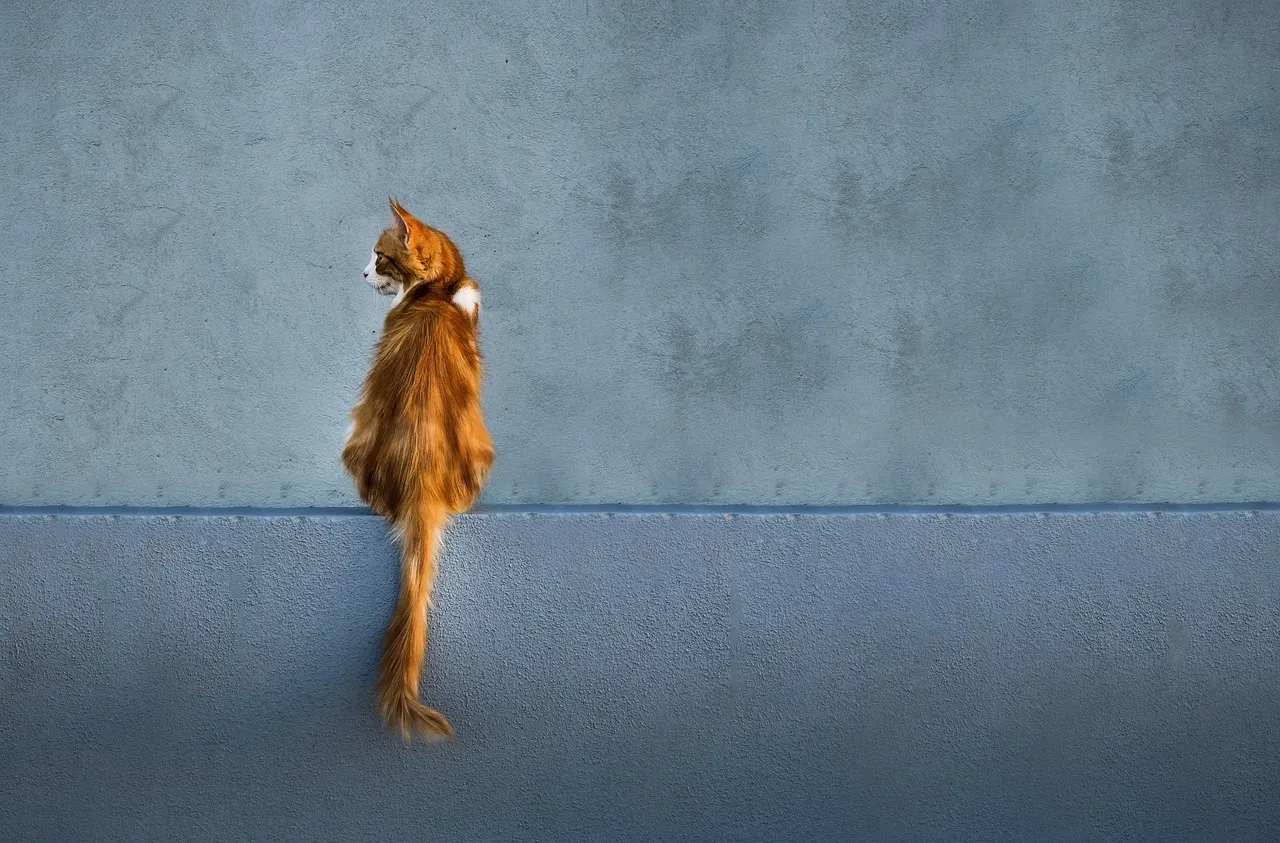
Before you can read your cat’s tail, it helps to understand what you’re looking at. The cat’s tail is an extension of its spine, consisting of a series of small bones called caudal vertebrae. Typically, a cat has between 18 to 23 of these vertebrae, which are indeed real bones. That’s a far more substantial structure than most people realize.
The cat tail works in concert with six main muscle groups that enable precise control and movement. These muscles run along both sides of the tail and include specialized flexors and extensors that allow cats to move their tails up, down, and sideways. A complex network of sensory and motor nerves throughout the tail provides crucial feedback about position and movement while enabling fine motor control. This nervous system allows cats to use their tails for balance and communication with remarkable precision.
The average female cat’s tail measures about 25 centimeters, and the average male cat’s tail measures about 28 centimeters, with larger breeds like Maine Coons having tails up to 40 centimeters long. The tail can be narrow in smaller, short-haired cats or thicker in larger, long-haired cats like Persians. Size and fur density affect how visible the signals are, but the signals themselves remain consistent across breeds.
The High Tail: Confidence, Not Just Happiness
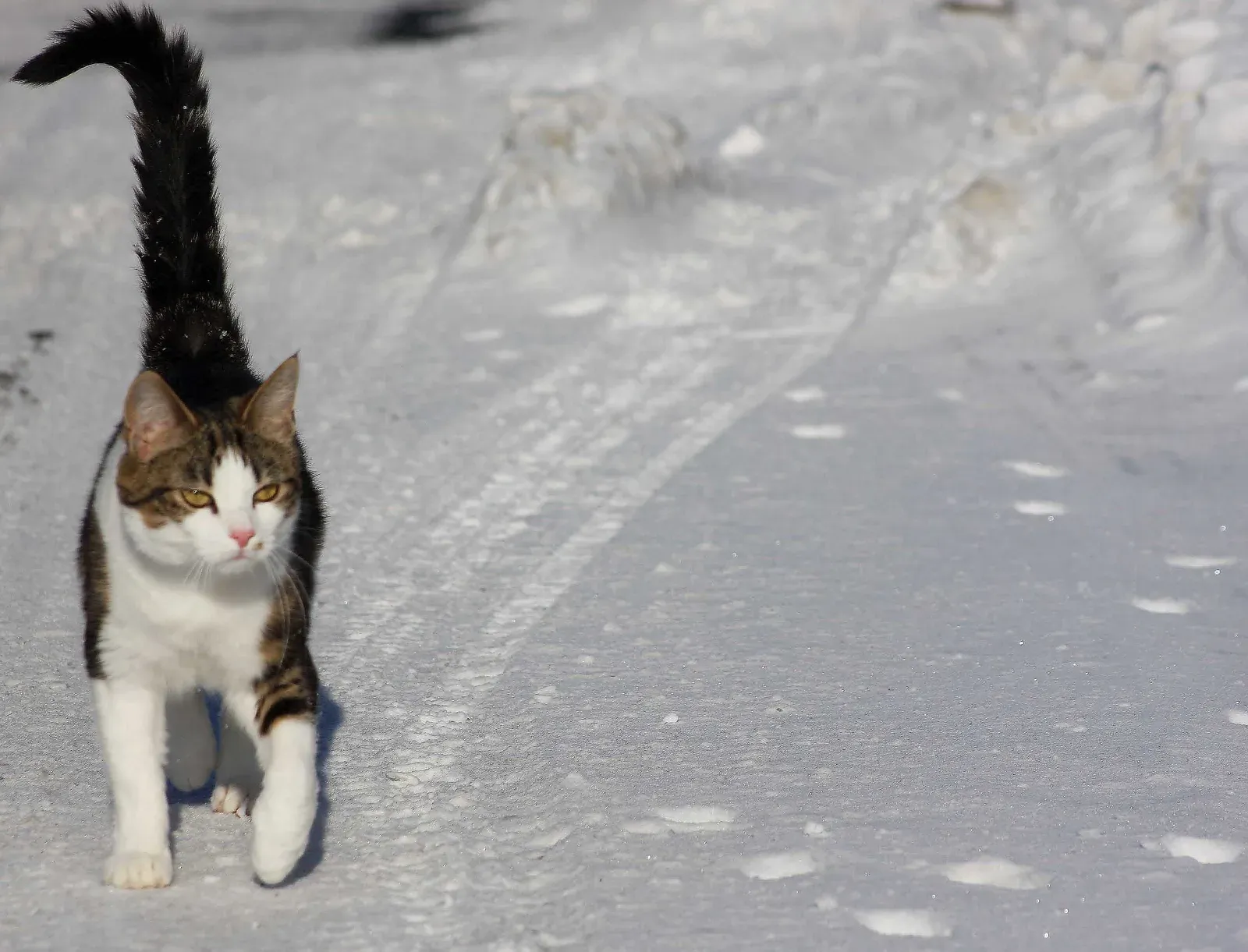
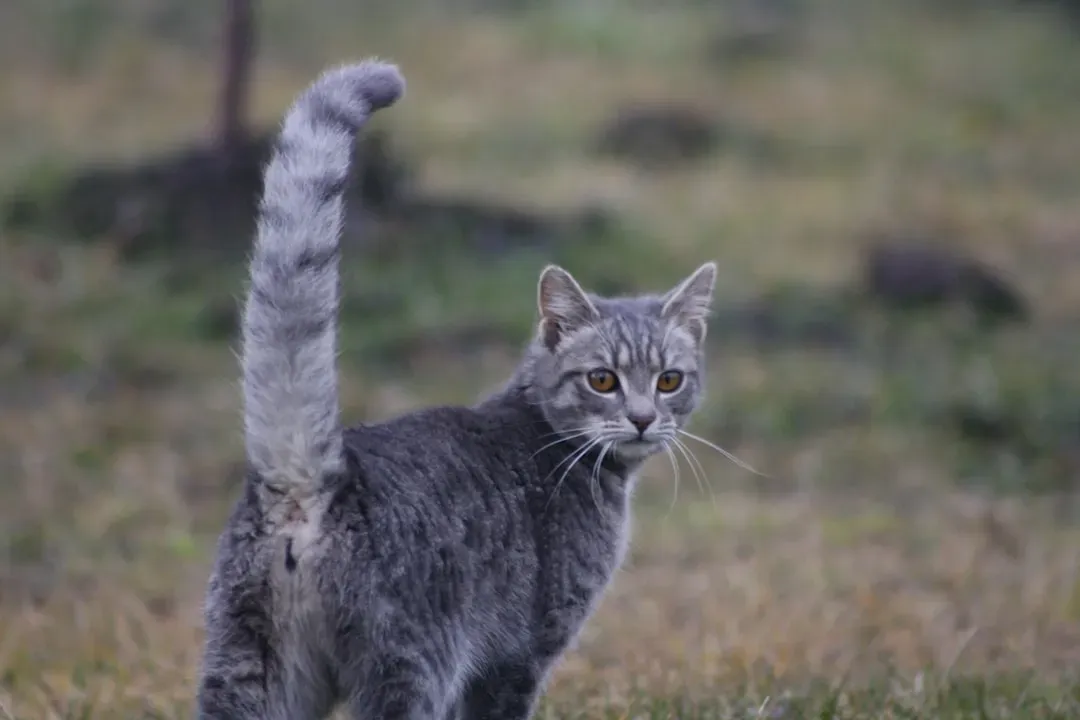
If a cat walks into the room with its tail sticking straight up, they’re feeling confident, comfortable, and ready to engage in some friendly interaction. This tail position indicates all is right in the world, at least from the cat’s perspective. Most owners correctly interpret this as a positive sign. The problem is what gets missed in the details.
One of the most reliable signs of a confident cat is a tail that’s lifted vertically, high in the air. Most of the time, this tail position indicates that the cat feels comfortable and open to interaction. However, in certain contexts, like warding off a strange cat in its own territory, a high tail can also indicate a willingness to attack. The high tail can represent a confident cat or a potentially aggressive cat, depending on the scenario. Context is everything, and the rest of the body tells the other half of the story.
The Question Mark Tail: An Invitation You Should Accept
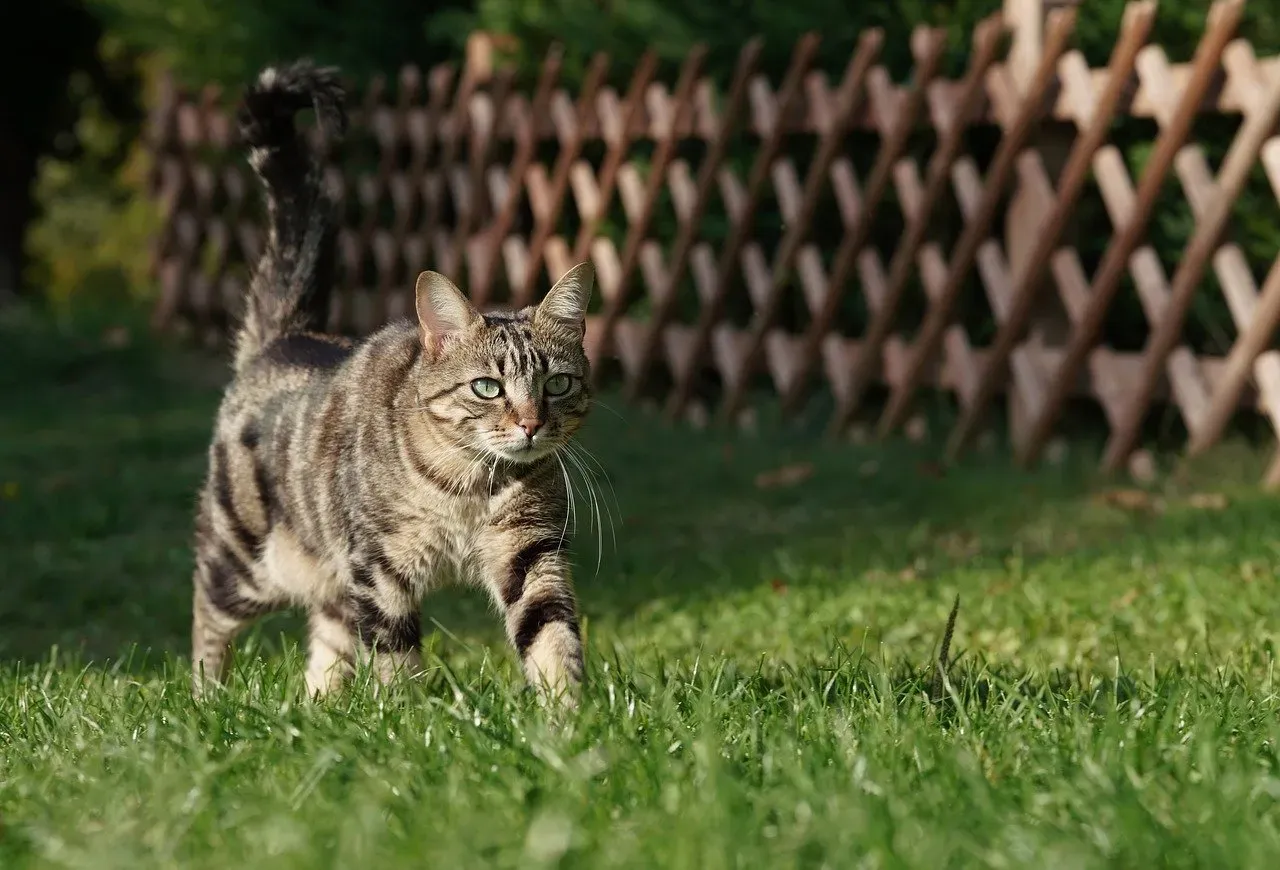
You may notice that sometimes your cat’s tail looks like a question mark, standing upright but curling at the end. This tail language indicates that your cat is happy and approaching amicably. When your cat’s tail is in this position, it means it’s an invitation to interact. This is one of the friendliest signals a cat can send you.
A tail in the shape of a question mark is a gesture that is often a subject of cartoons and humorous musings about cats. The question mark isn’t about confusion but instead is an invitation to play or interact. Your kitty may also be suggesting they’re open to whatever you want to do, kind of like a dealer’s choice. If you see this shape as your cat approaches, stop what you’re doing and give them a moment of your attention. They’re asking for it clearly.
The Quivering Tail: Excitement or a Warning Sign?
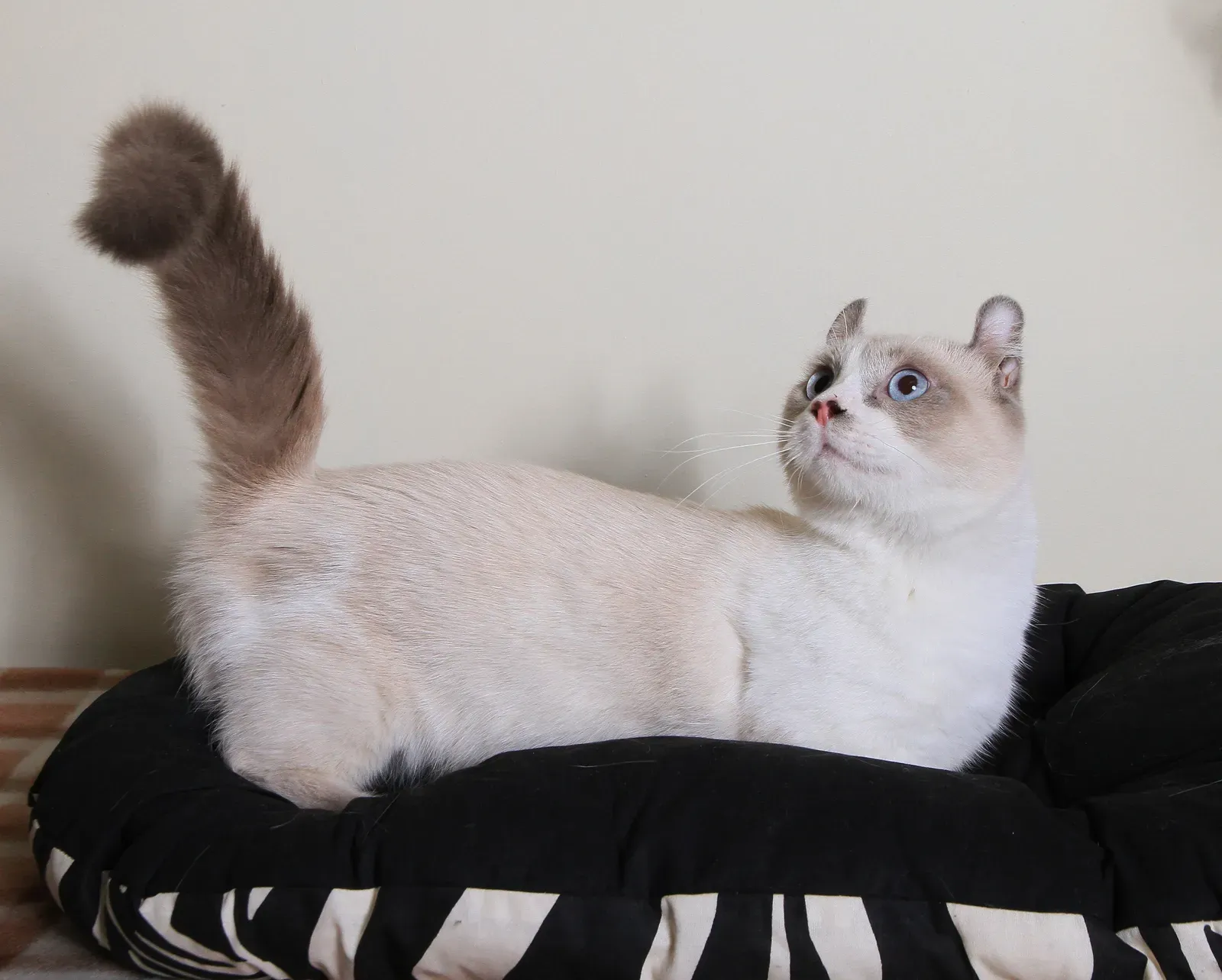
Your cat may quiver their tail when they are especially excited to see you or another cat. Though sometimes, when a cat quivers their tail while holding it straight up and backing up against a vertical surface, they may be urine marking. This is one of the most commonly misread signals there is, because the two scenarios look almost identical from a distance.
Some owners have noticed that their cats’ tails seem to vibrate or quiver quickly. Although you may think this indicates fear or anxiety, in many cases it actually indicates excitement and playfulness. Tail vibrations often occur when your cat gets extremely happy or wants to play, just make sure the tail’s position follows suit. The key distinguishing factor is whether your cat is moving toward you with an upright quivering tail as a greeting, or whether they’re backing toward an object. Those two quivers carry very different messages.
The Thrashing and Thumping Tail: Stop What You’re Doing
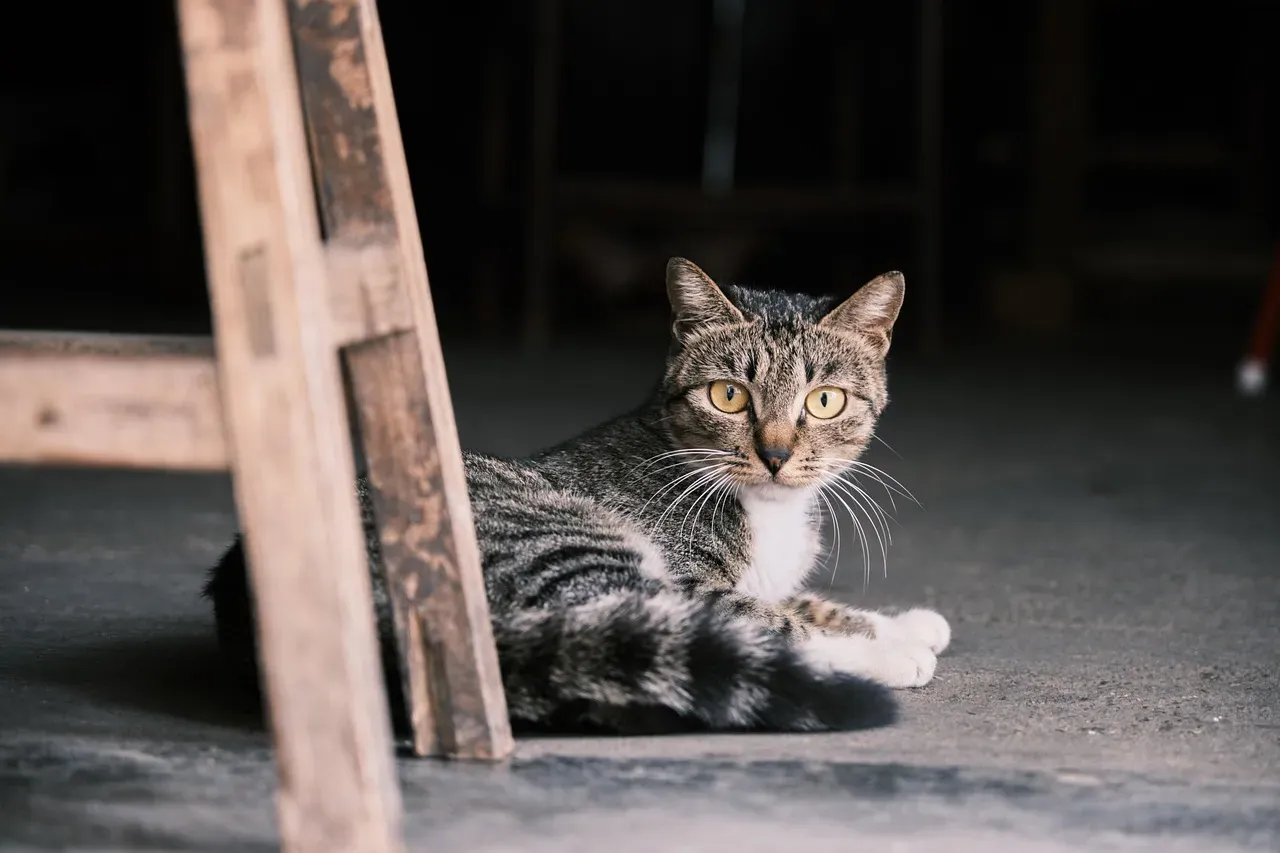
When your cat thrashes their tail or is thumping it on the ground, they are irritated, annoyed, or angry. This tells you that something is bothering your cat. This is a distance-increasing behavior. In other words, if you are petting your cat and they start thrashing their tail, they are trying to tell you to stop. If you don’t, then the thrashing tail may be a prelude to hissing, growling, swatting, or biting.
A thrashing, thumping, or slapping tail generally means annoyance, conflicted emotions, or uncertainty. The intensity and force behind their tail movements can offer more clues to their emotional state, but it’s also important to consider your cat’s individual limits. Some cats are more tolerant and will escalate slowly. Others skip the warning stages altogether. Learning your individual cat’s version of this signal can genuinely prevent a scratch.
The Puffed Tail: Fear and What’s Really Happening Inside
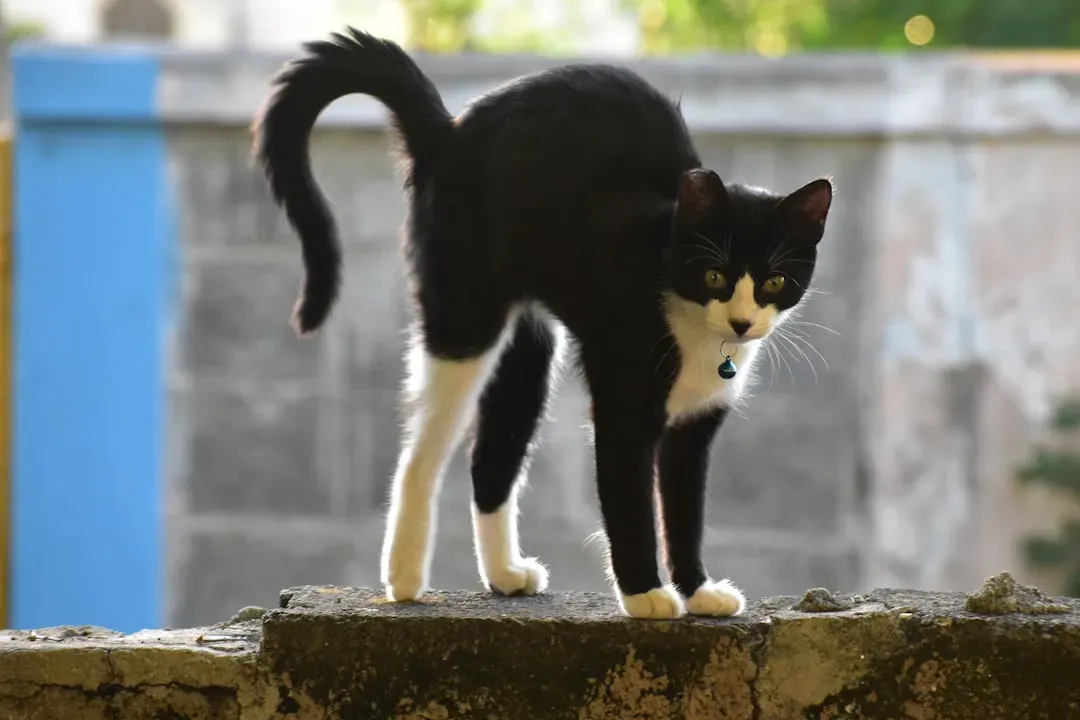
Tail puffing, or piloerection of the tail, occurs when the arrector pili muscles contract around hair follicles, causing the fur to stand on end. It’s an unmistakable sign in cats, that bottlebrush tail often accompanied by a crouched posture, flattened ears, and wide eyes. In behavioral contexts, this is a sympathetic-mediated defense mechanism, part of the classic fight-or-flight response.
This defensive posture is designed to make your cat appear larger and more intimidating when they feel threatened or startled. The combination of an arched back and puffed tail is an instinctive response to potential dangers. Worth knowing: some cats, particularly younger ones, will puff out their tails in moments of exuberance, often seen along with pounding, springing, and enthusiastic running about. There’s nothing to worry about if your cat suddenly starts bouncing around with a puffed-up tail during a play session; it’s not a sign of aggression, but rather an indication of just how much they’re enjoying themselves.
The Tucked Tail: More Than Just Submission
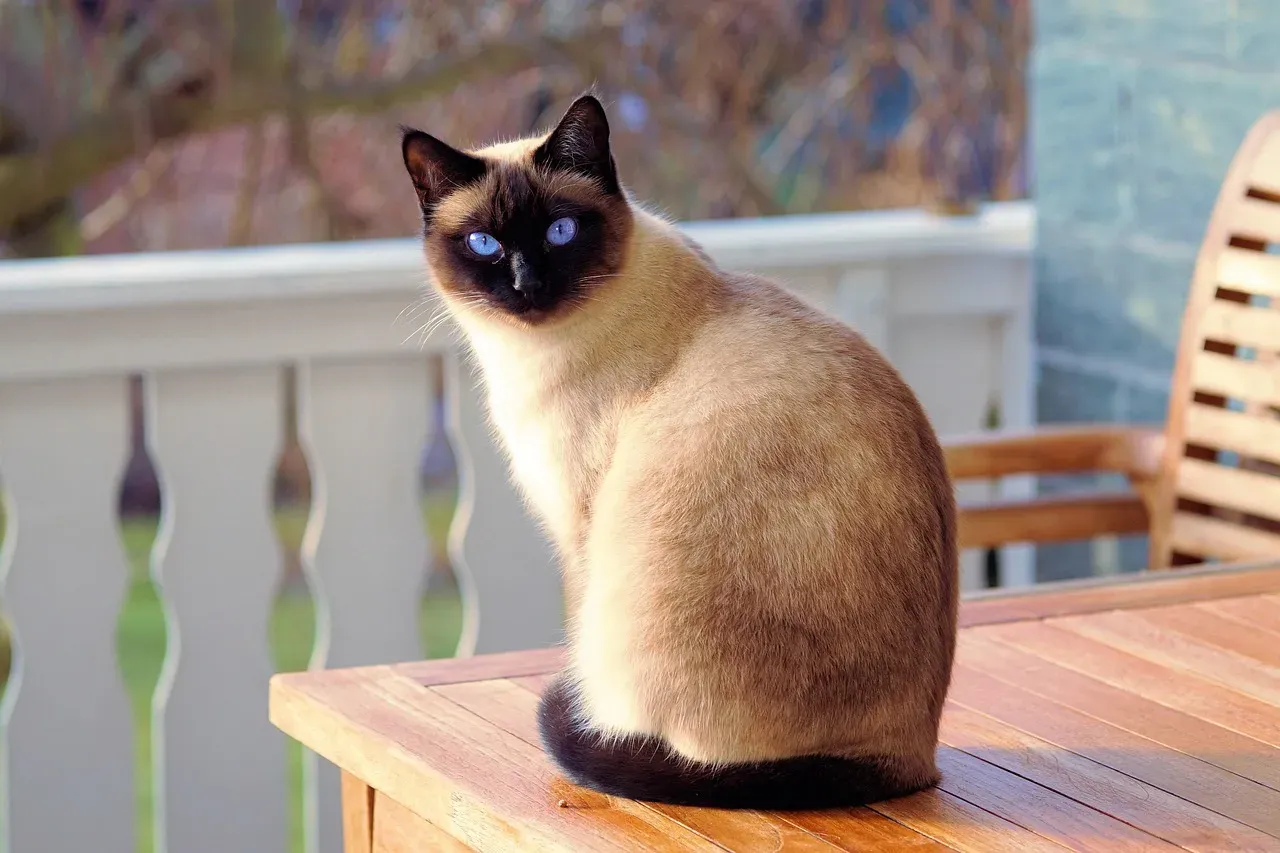
A cat who has tucked the tail between the hindlegs is very frightened. This is a submissive posture where the cat is trying to appear small and non-threatening. Don’t assume though that this posture says it’s safe to approach. If there’s no means of escape, the frightened cat may display defensive aggression. That last point catches a lot of people off guard.
Similar to cats with lowered tails, a cat who is standing up with a lowered tail can mean your cat is feeling uncomfortable or scared. In fact, the closer the tail is to the cat’s body, the less comfortable your cat is feeling. When a cat feels afraid, they attempt to pull in vulnerable parts like their tail. If you can identify what’s frightening your cat, it can be helpful to remove it from their environment if possible.
The Tail Wrap: Your Cat’s Version of a Hug
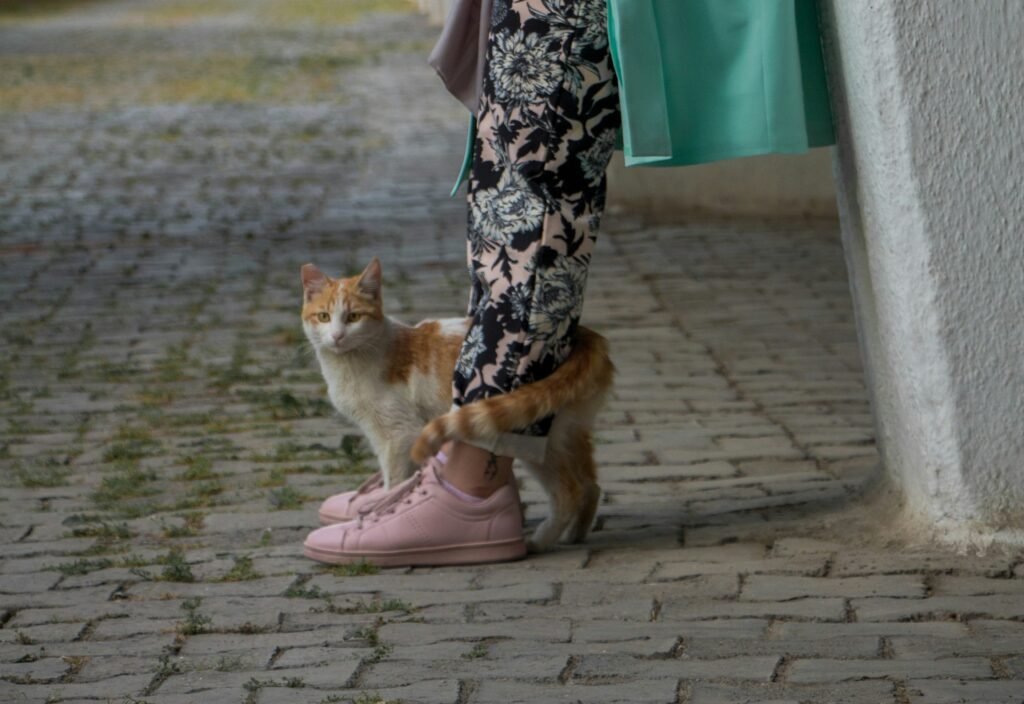
Just as we greet one another with handshakes or hugs, cats may greet by curling their tails around people and by intertwining their tails with other cats. Tail wrapping is an affiliative behavior that demonstrates a willingness to interact. This is one of the most genuinely tender gestures a cat can offer, and many owners don’t fully recognize it for what it is.
If you’ve ever seen cats cuddling curled with their tails around each other, you know how adorable this cat behavior is. It’s also a very pro-social tail behavior. In other words, this is one of the ways cats bond and socialize with each other. It’s a way of marking each other with their scent and signaling who their friends are. If your cat snuggles up next to you with their tail curled around you, it means you’re part of their in-crowd. It’s quiet, unhurried, and completely genuine.
The Slow Swish Versus the Rapid Whip: Two Very Different Things
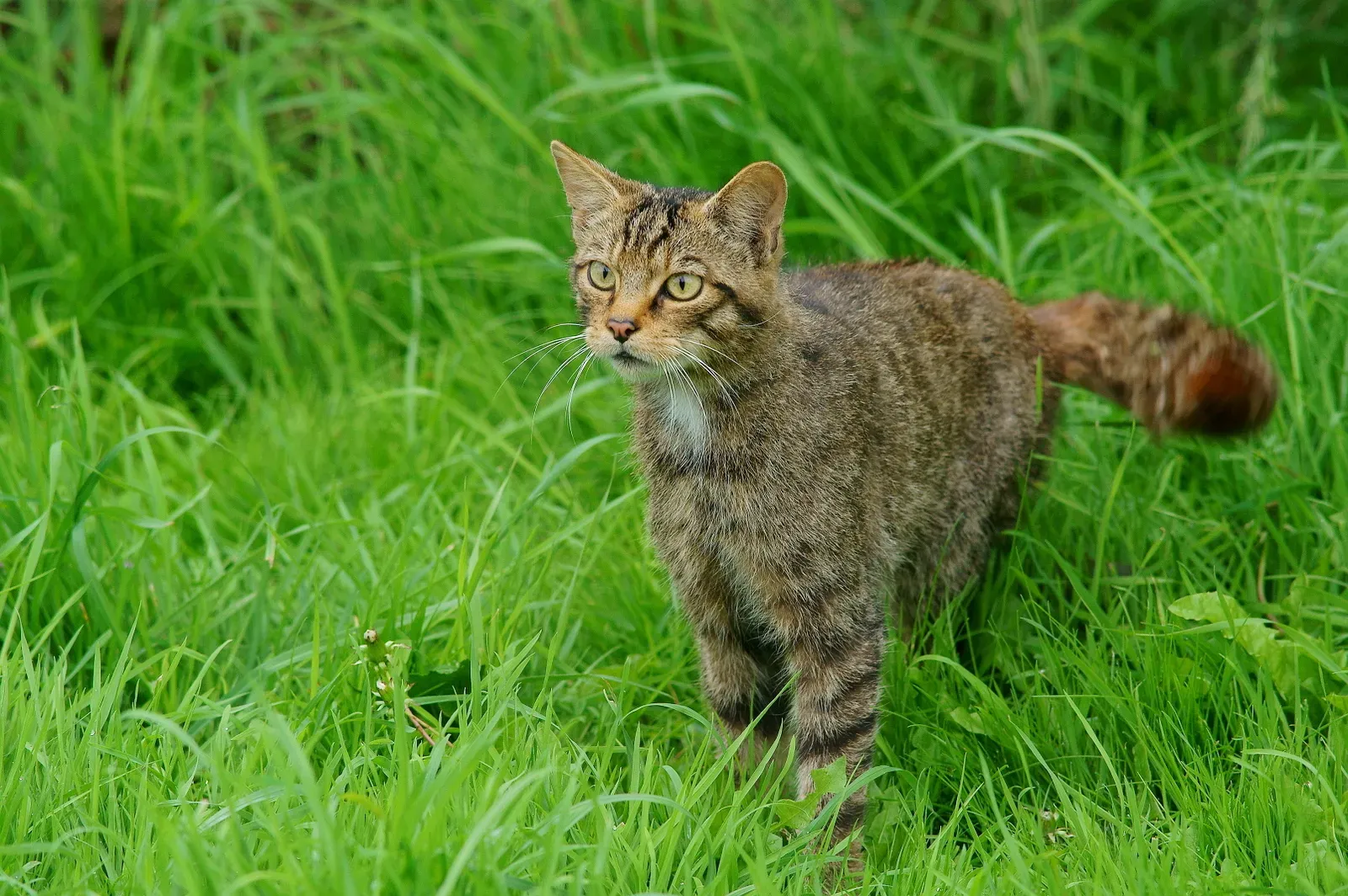
When a cat’s tail is in motion and looks fluid and soft, it’s “swishing.” Generally, this indicates a cat who’s relaxed or calmly interested in what’s happening. This is the motion most people interpret as contentment, and in this case they’re largely correct. The slow, fluid sweep of a resting cat’s tail usually signals calm engagement with the world.
A tail resembling a pipe cleaner reflects a severely agitated, stressed, or frightened cat trying to look bigger to ward off danger. A tail that slaps back and forth rapidly indicates both fear and aggression. Consider it a warning to stay away. The difference between a gentle sway and a rapid whipping motion might seem subtle at a glance, but your cat is sending completely opposite messages with each. Speed and force are the two details that change everything.
Reading the Whole Picture: Context Is the Real Key
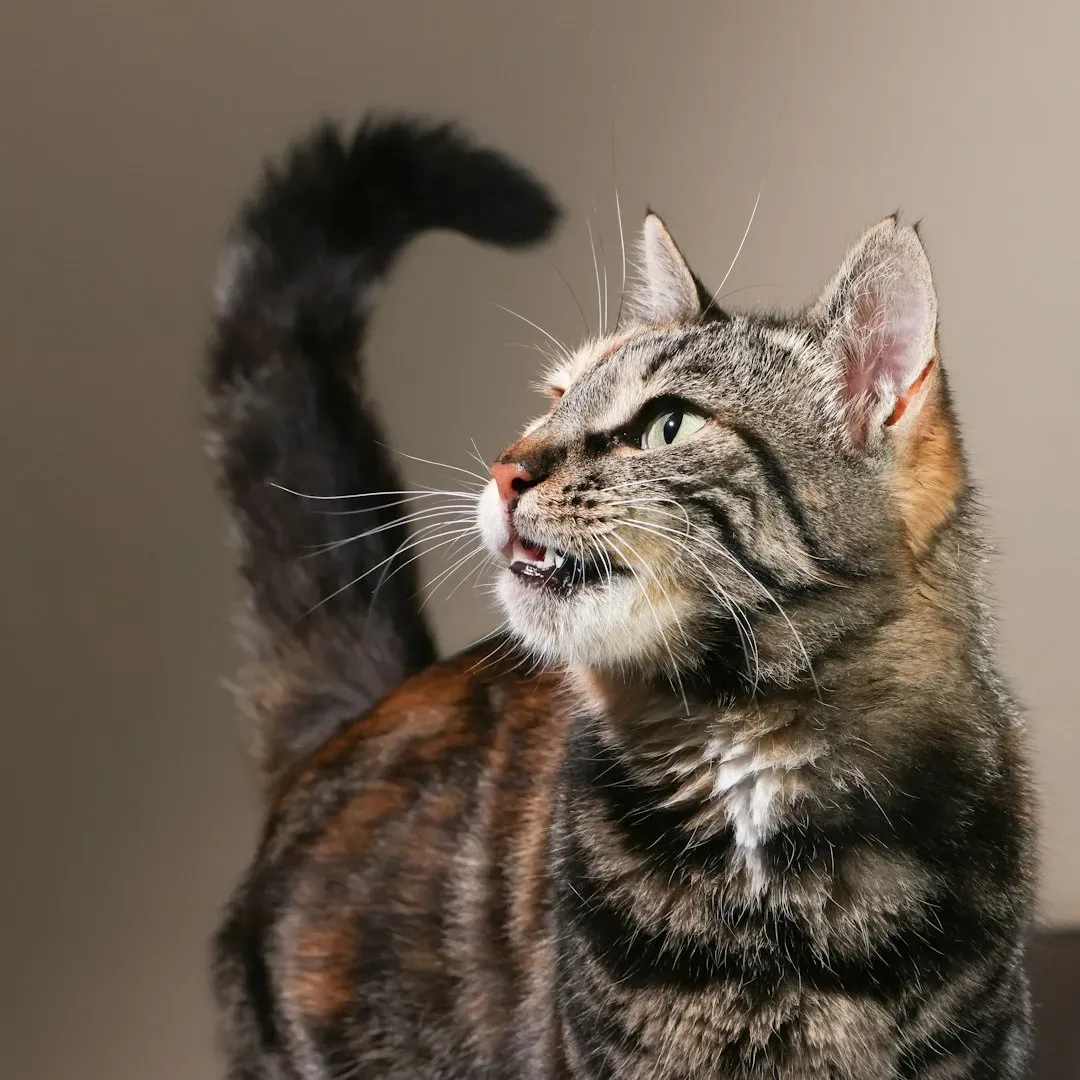
The main takeaway is that a cat’s body language and behaviors should be looked at as part of a single big picture. By using the context of the entire situation, trying to see the situation from the cat’s point of view, and looking for subtle cues in body language, you’ll have an excellent chance at understanding your feline friends. No tail position exists in isolation, and that’s where most misreadings happen.
When it comes to reading feline body language, don’t just look at the tail position. Pay attention to things like ear position, back, and full body posture to get a better idea of your cat’s current behavior and mood. Eyes are also important. For example, a slow blink is a sign of love and trust, while constricted pupils signal nervousness. A tail held high means something different when accompanied by flattened ears versus relaxed, forward-pointed ones. Train yourself to scan the whole body.
Conclusion
Your cat has been talking to you this entire time. The vocabulary was always there, it just required some patience to learn. Cats use their tails to communicate subtle and not-so-subtle messages to those around them. If owners take the time to learn about what the various tail messages mean, they will enjoy a richer, closer relationship with their pets.
Sometimes cat tail language can be more challenging to interpret and may be quite individual and character-based. In certain instances, tail positions often present in cases of pain, fear, or illness may also be used by a cat in neutral and even positive circumstances, such as when sleeping and resting. That individual variation is worth honoring. No two cats express themselves in exactly the same way.
The more time you invest in watching your cat carefully, without rushing to pet, correct, or redirect them, the clearer their language becomes. A tail is not just an appendage. It’s a running commentary, and your cat is always willing to share it with you.
Kristina is a young writer from India. An arts graduate and an avid content creator, Kristina is passionate about animals and wildlife. She enjoys exploring topics related to pet care, animal behavior, conservation, and nature, combining thorough research with engaging storytelling.