Cats are famously inquisitive. They jump on countertops, sniff inside bags, chew on dangling cords, and investigate anything that looks remotely interesting. That explorer’s spirit is part of what makes them so entertaining to live with. It’s also what quietly puts them in harm’s way on a daily basis.
Your home probably feels like a safe space for your cat, and in many ways it is. Still, several ordinary items sitting in your kitchen, bathroom, living room, or garage can cause serious harm, and some can be fatal. You don’t need exotic substances or unusual circumstances for a cat to get hurt. You just need a typical Tuesday afternoon and a bored, curious feline.
Lily Flowers and Plants

Lily poisoning was the number one exposure call to the Pet Poison Helpline for cats in 2023. That tells you something important about how often people bring these flowers home without realizing the risk they pose. Both true lilies such as Lilium species and daylilies can cause kidney failure in cats, and common examples include Tiger, Asiatic, Easter, Stargazer, and Japanese Show lilies.
Small ingestions of the petals or leaves, even the pollen or water in the vase, can result in severe and potentially irreversible kidney failure. If you have lilies in a bouquet on your dining table, your cat doesn’t even need to chew them to be at risk. Some plants, like lilies, are so dangerous that if the pollen blows off the flowers, lands on your cat, and they groom it off, they could be in very serious trouble. The safest approach is simply to keep lilies out of your home entirely.
Household Cleaning Products
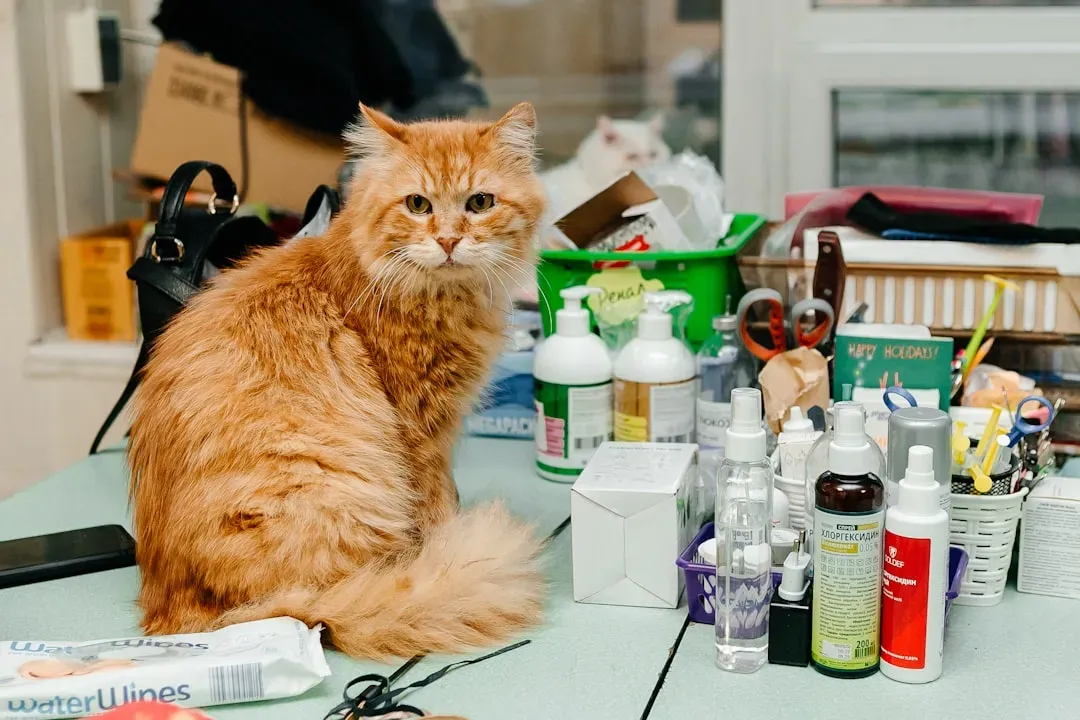
Common household cleaners, including kitchen and bath surface cleaners, carpet cleaners, and toilet bowl cleaners, can be toxic to cats, with symptoms ranging from stomach upset and chemical burns to respiratory signs and even organ damage. Your cat doesn’t have to drink the product directly to be affected. If ingested, bleach can cause drooling, vomiting, oral or gastric ulcers, or difficulty breathing, and even indirect exposure such as licking paws that have walked on a bleached surface can be harmful.
Aerosol products in particular can spread chemicals through the air, where they can be inhaled by your cat or settle on surfaces where your kitty might lick them off. After you clean, ventilate the room well and wipe down any wet surfaces before your cat wanders back in. After cleaning your home, make sure all excess liquid or residue is wiped up and stow the products out of your cat’s reach as soon as possible.
Human Medications

Acetaminophen, commonly known as Tylenol, can be fatal to a cat that ingests just one tablet, resulting in severe anemia, difficulty breathing, swelling of the face and paws, and liver failure. That’s a sobering fact to keep in mind every time you leave a pill on your nightstand. Non-steroidal anti-inflammatory drugs are commonly used in both people and dogs, with examples like ibuprofen and naproxen, but these medications are some of the deadliest for cats due to their decreased ability to metabolize them compared to humans and dogs.
Human antidepressants are particularly attractive to cats, who love the smell of common antidepressants such as Effexor, Prozac, Cymbalta, and Zoloft and can’t resist eating the pill. Keep all medications in sealed containers and stored well out of your cat’s reach, including supplements. Cats can be harmed by even a single tablet of common drugs. Treat your medicine cabinet with the same caution you’d apply to a childproof home.
Essential Oils and Diffusers
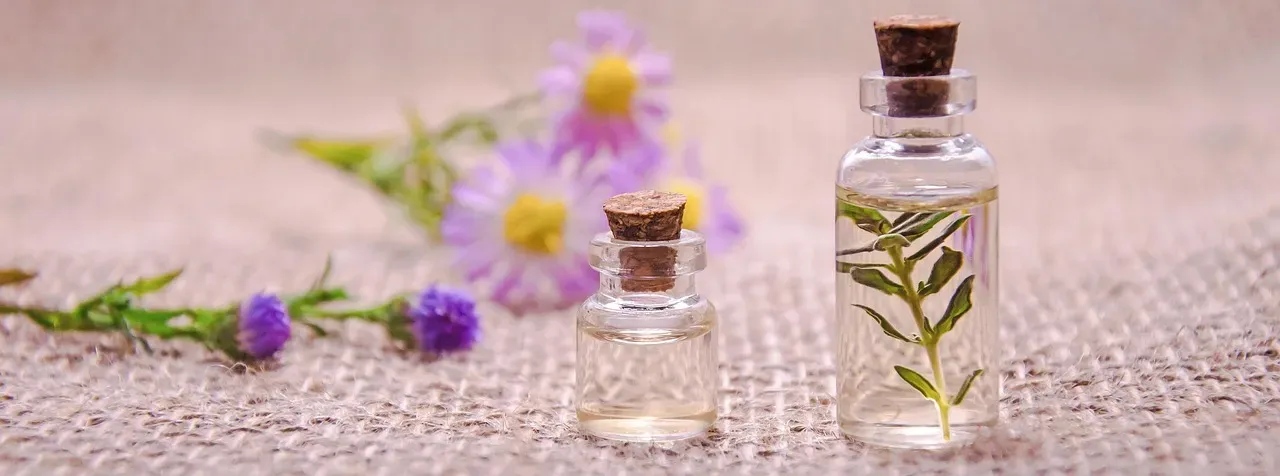
Cats are highly susceptible to getting sick from breathing in essential oils via a home diffuser, and vapor from the oils can get onto their skin as well; since cats are expert self-groomers, if they lick essential oil residue off their skin, it can poison them or cause serious signs of illness. The problem is that many cat owners assume natural products are automatically safe. It is a common misconception that because essential oils come from plants, they must be safe, when in fact many of them are toxic.
Cats almost completely lack important liver enzymes that humans possess, which are important in the metabolism of many essential oil constituents. This biological difference is the root of the problem. Essential oils can be toxic to cats through skin contact, ingestion, and inhalation, and coming into contact with essential oils in these ways can cause serious organ damage, including liver failure, seizures, and even death. Oils like tea tree, eucalyptus, peppermint, and cinnamon are among the most frequently identified as problematic for cats.
String, Yarn, and Ribbon
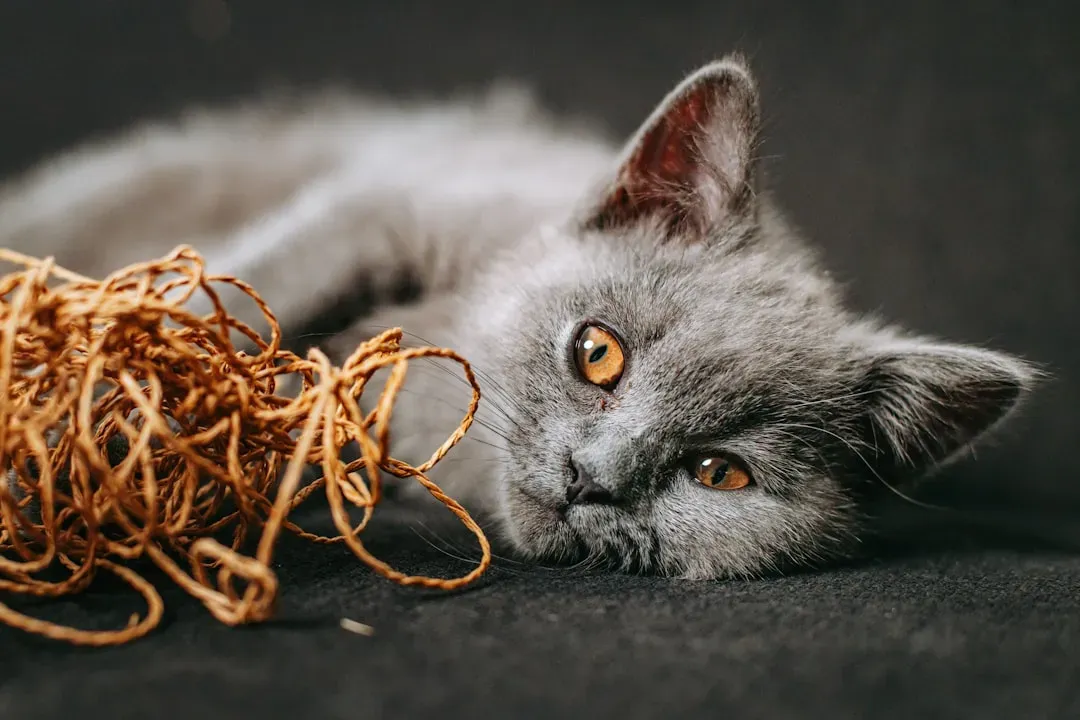
A cat’s tongue is covered with barbs that point toward the throat, and because of the direction they face, these barbs do not allow a cat to spit anything out once it’s caught on the tongue, meaning fabrics and strings can only be swallowed unless the cat manages to hook it with their paws and pull it out. What seems like innocent play can quickly become a medical emergency. Ingestion of string is considered a medical emergency due to risks of obstruction, tissue damage, and severe infection.
Vomiting is the most common sign that your cat has eaten string, and you should also look for signs of abdominal pain, which your cat may show by hiding or being unusually aggressive when picked up, as well as bloody diarrhea. Dental floss, sewing thread, and fishing line are just as dangerous. Linear foreign bodies like string can cause the intestines to bunch up or even tear, leading to dangerous infections. Always keep these items stored in closed containers and away from curious paws.
Electrical Cords
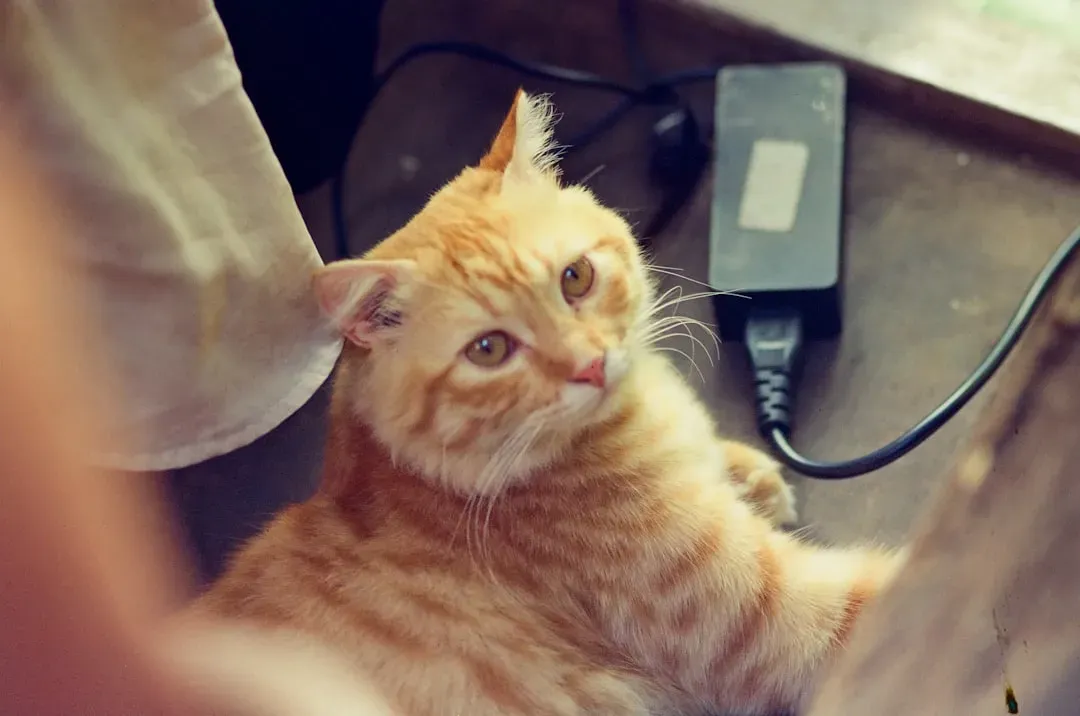
Dangling wires or cords are most hazardous for cats, who like to chew, bite, bat at and tackle exposed wires, which can not only lead to damaged equipment but may also result in electrocution. The appeal makes sense from your cat’s perspective. A dangling cord mimics the movement of prey, making it almost impossible for a curious cat to ignore. Your cat can get burns in the mouth or electric shock if the cord is plugged in, and even if it’s not, pieces of plastic can cause intestinal problems.
Cord covers and cable management systems can reduce this risk significantly, and they’re easy to find. Keep phone chargers, lamp cords, and kitchen appliance cables tidied away when not in use. There are electrical cord covers available specifically for pets who like to gnaw on these dangerous objects. It’s a simple and inexpensive fix that can prevent a very serious injury.
Antifreeze
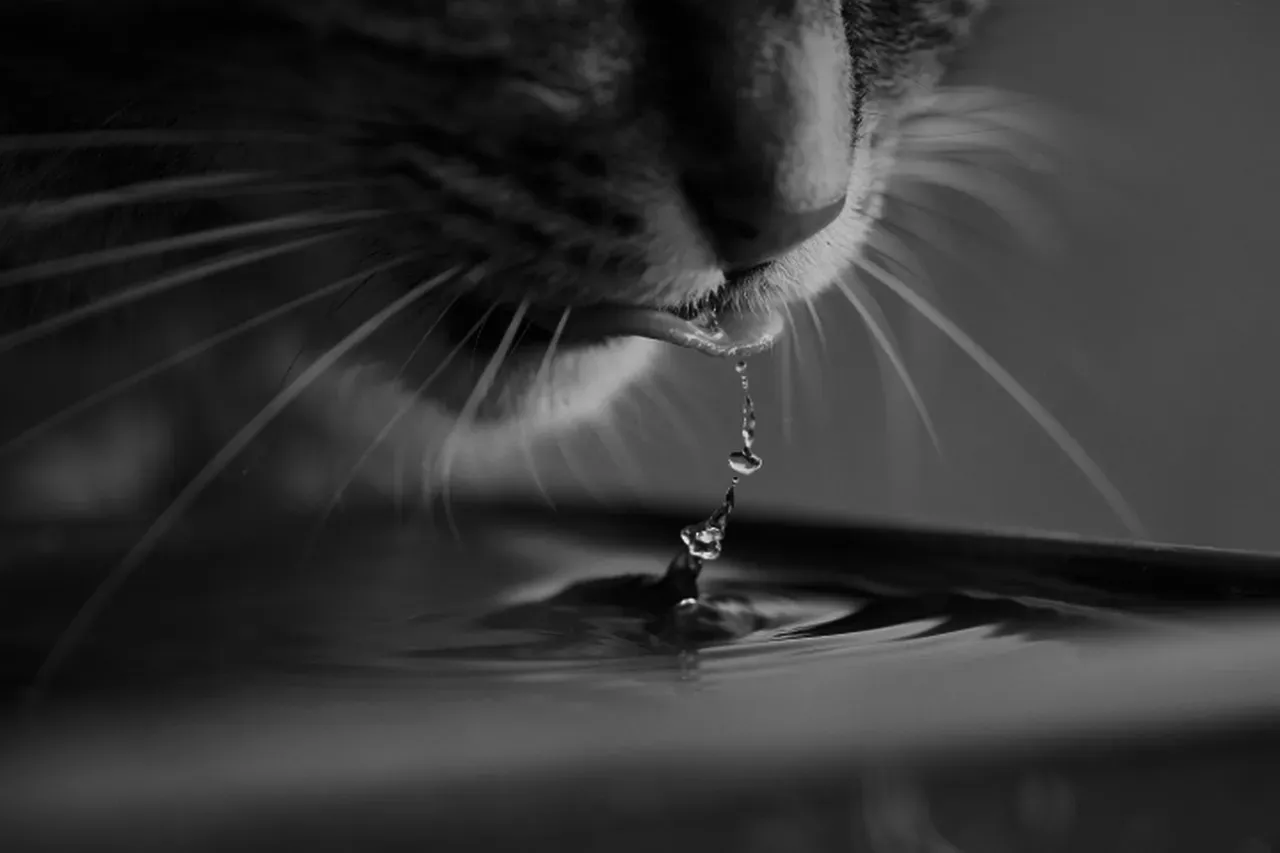
Antifreeze contains ethylene glycol, which can cause kidney failure if ingested, and unfortunately cats are drawn to its sweet taste, but just a few licks can be fatal for them. Even a very small amount, barely enough to notice, can be enough to cause irreversible damage. Antifreeze is sweet-tasting but deadly, and just a teaspoon can be fatal.
You might not store antifreeze indoors, but a garage floor, a drip under a car, or a neighbor’s driveway can all become accidental exposure points for a cat that roams freely. To keep your cat safe from antifreeze poisoning, always store it out of reach in a securely sealed container. If your cat seems suddenly wobbly, lethargic, or disoriented, antifreeze poisoning should be high on your list of concerns and warrants immediate veterinary attention.
Rubber Bands, Hair Ties, and Small Objects
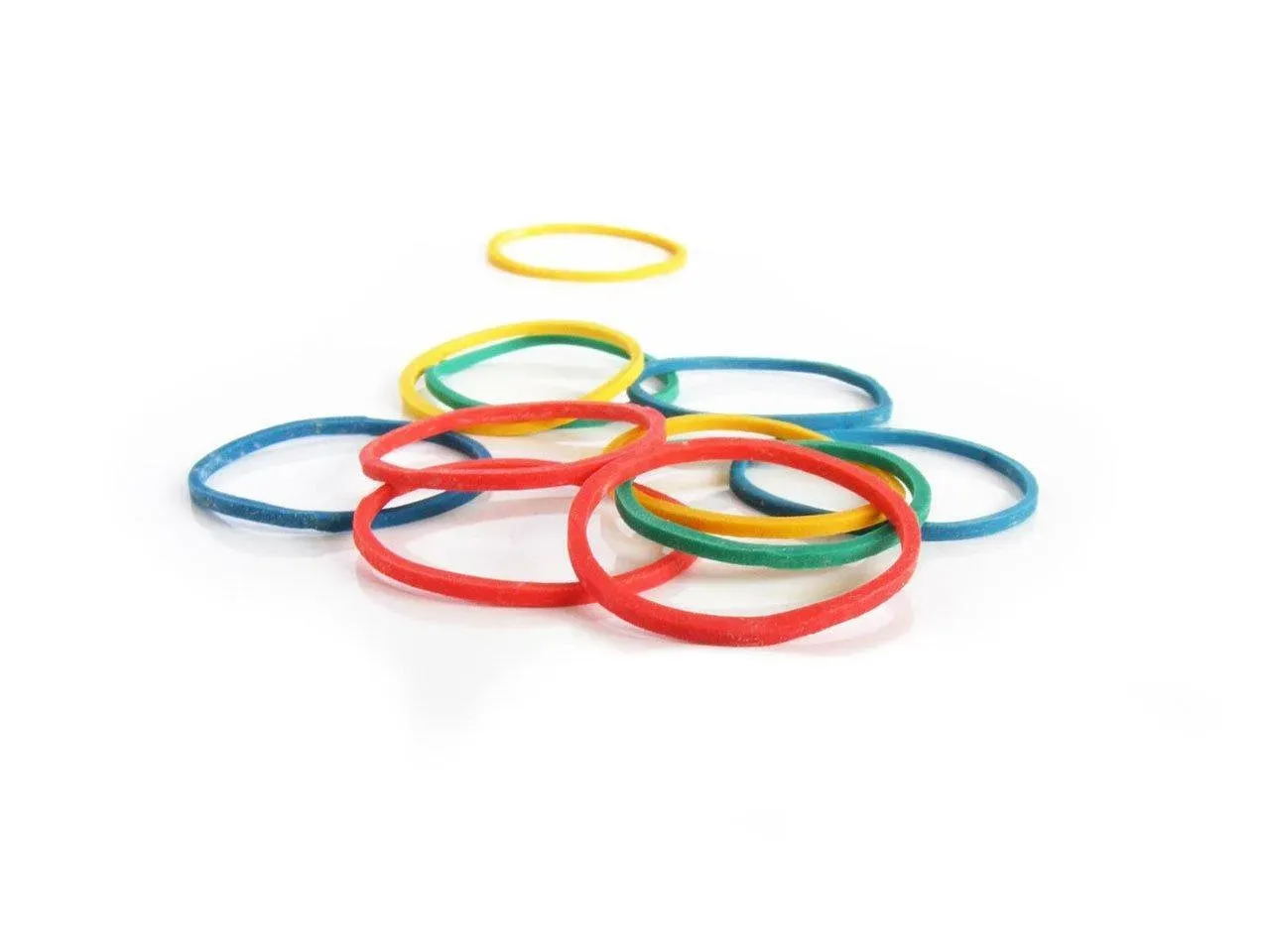
Rubber bands, hair ties, and other small objects can be dangerous to cats if ingested, as they can become lodged in a cat’s digestive system, leading to serious health problems like gastrointestinal issues, intestinal blockages, and even death. These items are everywhere in most homes and are usually not given a second thought. Earplugs left out in the open could become toys cats play with and possibly swallow, and they are the perfect size to lodge in a cat’s intestines.
Buttons, twist ties, paper clips, and small batteries present similar risks. Cats don’t chew these items because they’re hungry. They bat them around because they look like prey. To keep your cat safe from these hazards, keep rubber bands, hair ties, and other small objects well out of reach in closed containers, and if your cat gets their paws on these items, be sure to remove them right away. A quick sweep of your floors and surfaces each day can make a real difference.
Common Houseplants Beyond Lilies
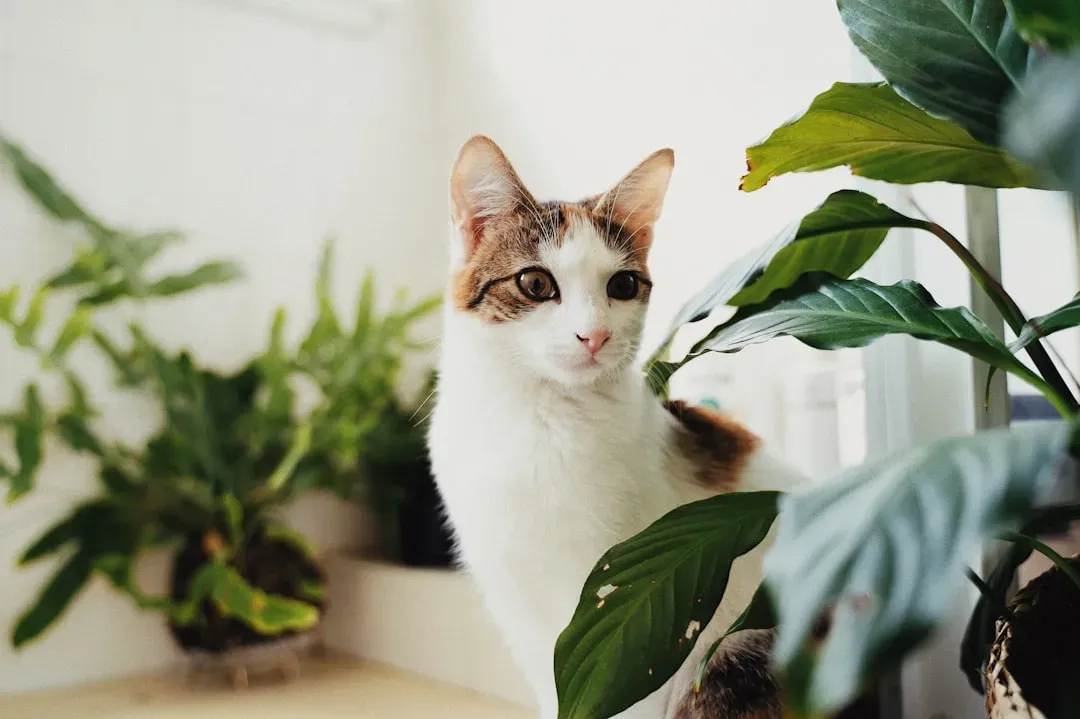
Curious cats may nibble on leaves or flowers, exposing themselves to toxic substances that can cause mild irritation, severe health issues, or even death, and the toxicity of a plant can vary widely, with some causing only mild gastrointestinal upset while others can lead to kidney failure, heart problems, or neurological disorders. Many popular indoor plants fall into this category. Sago palms are highly toxic to pets, contain cycasin which causes severe liver failure within a few days of ingestion, and all parts of the plant are toxic, with ingestion potentially being fatal if not treated immediately.
Certain houseplants including philodendrons and pothos can be toxic if nibbled on, and chewing these plants can result in vomiting, drooling, or more severe complications like kidney failure. Before bringing any new plant home, take a few minutes to check it against a reliable resource like the ASPCA’s Toxic and Non-Toxic Plants list. Research plants before bringing them into your home, opt for cat-safe alternatives, and keep toxic plants out of reach if you choose to have them.
Plastic Bags
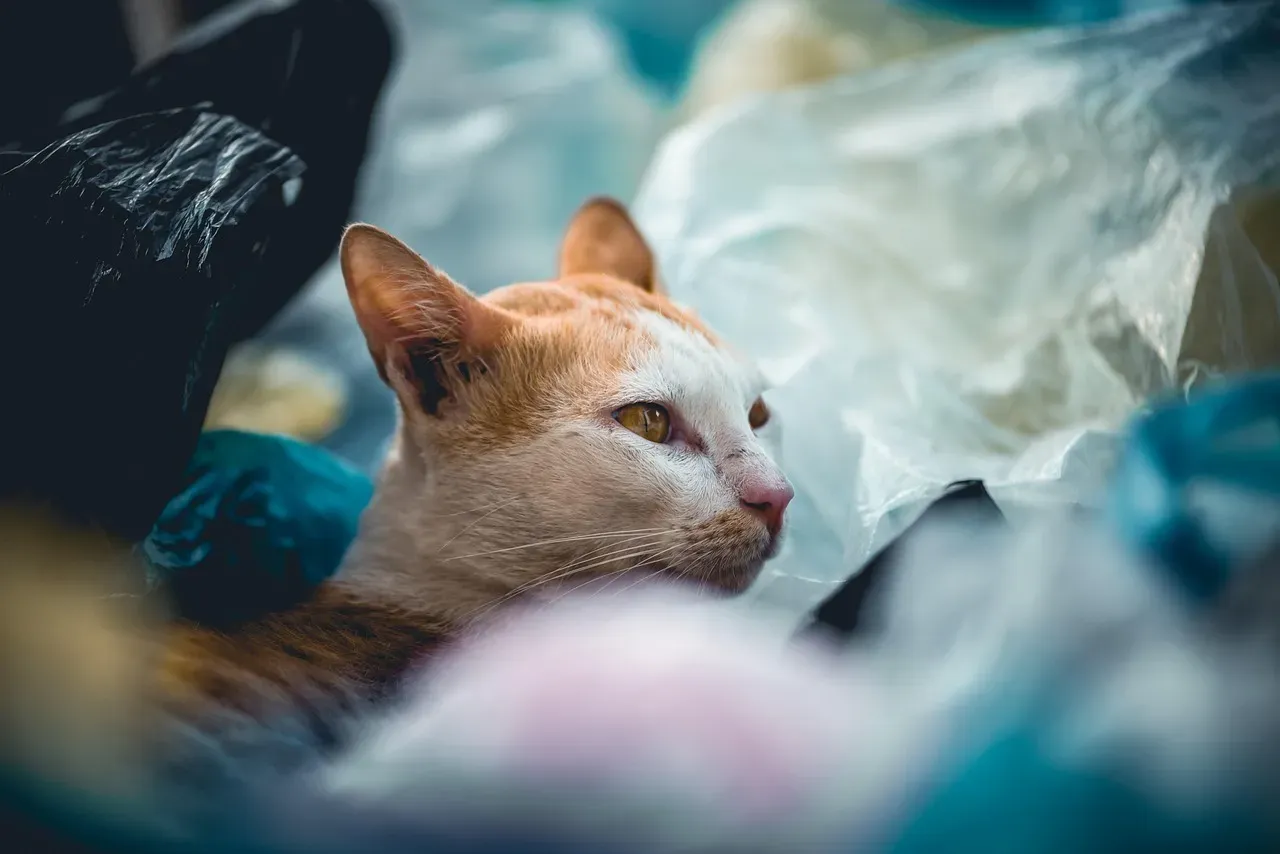
Cats tend to gravitate toward plastic bags, but as they’re playing, they can get their heads stuck in the handles, and next thing you know, your cat is running through the house trying to escape from the bag. The panic that follows can lead to falls, collisions, and real injury. Bags from potato chips, snacks, cereal, bread, and more pose a suffocation risk for pets, and it can take only minutes for a curious pet to get their head stuck and suffocate.
Grocery bags, dry-cleaning bags, and even produce bags from the supermarket all carry this risk. Some cats are also drawn to licking or chewing plastic, which can lead to choking or intestinal blockages. Keep your cat out of the room while you’re doing laundry or any task that involves loose bags, and be sure to keep all household cleaners and potential suffocation hazards out of reach of cats. Fold bags flat and store them in a closed drawer or cabinet as a simple precaution.
Conclusion
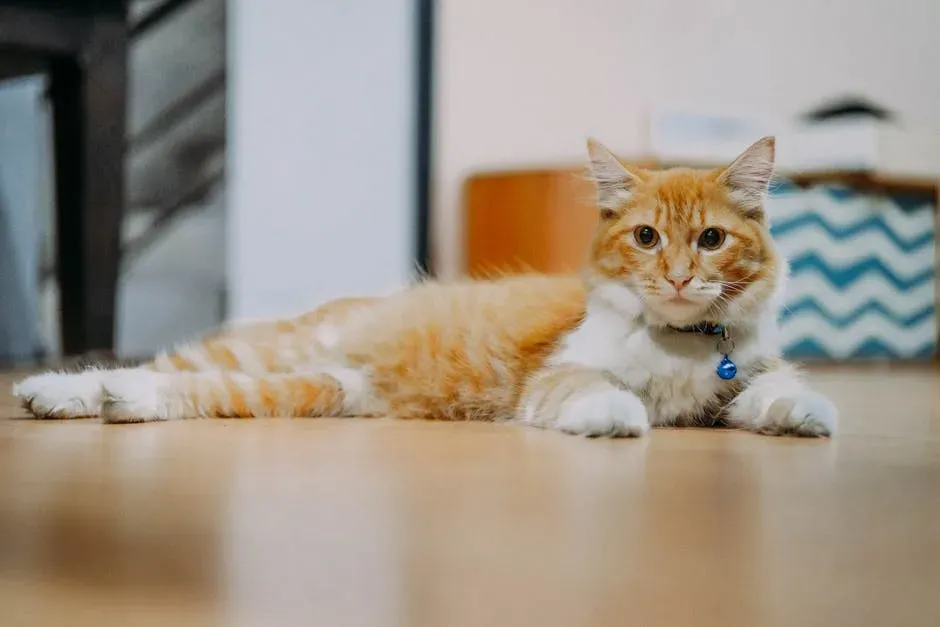
Living with a cat means sharing your space with an animal that is genuinely brilliant at finding danger. The good news is that most of these risks are completely preventable. A few changes to how and where you store everyday items can eliminate the majority of these hazards without much effort.
You don’t need to transform your home into a fortress. Cats can be poisoned by eating, inhaling, or absorbing substances through their skin or fur, which means awareness itself is already half the solution. Once you know what to look for, you start to see your home through your cat’s eyes. That shift in perspective, more than anything else, is what keeps them safe.
When in doubt, your veterinarian or the ASPCA Animal Poison Control Center are your best resources. Keep those numbers somewhere accessible, because a curious cat rarely announces when trouble is coming.
Kristina is a young writer from India. An arts graduate and an avid content creator, Kristina is passionate about animals and wildlife. She enjoys exploring topics related to pet care, animal behavior, conservation, and nature, combining thorough research with engaging storytelling.