Cats have a way of treating every corner of your home like their personal kingdom – and that includes your houseplants. Whether your feline is a dedicated leaf-chewer or simply a notorious pot-tipper, sharing a space with plants can feel like a constant balancing act. The good news is that you don’t have to choose between a lush indoor garden and a safe environment for your cat.
Cats, known for their curiosity and occasional nibbling on greenery, can be at risk if they ingest plants toxic to them. However, numerous houseplants are entirely safe for cats, allowing you as a pet owner to decorate your home without worry. The twelve plants below are all confirmed non-toxic to cats and are widely available. Each one has something genuinely worthwhile to offer your home – beyond just being harmless.
1. Spider Plant (Chlorophytum comosum)
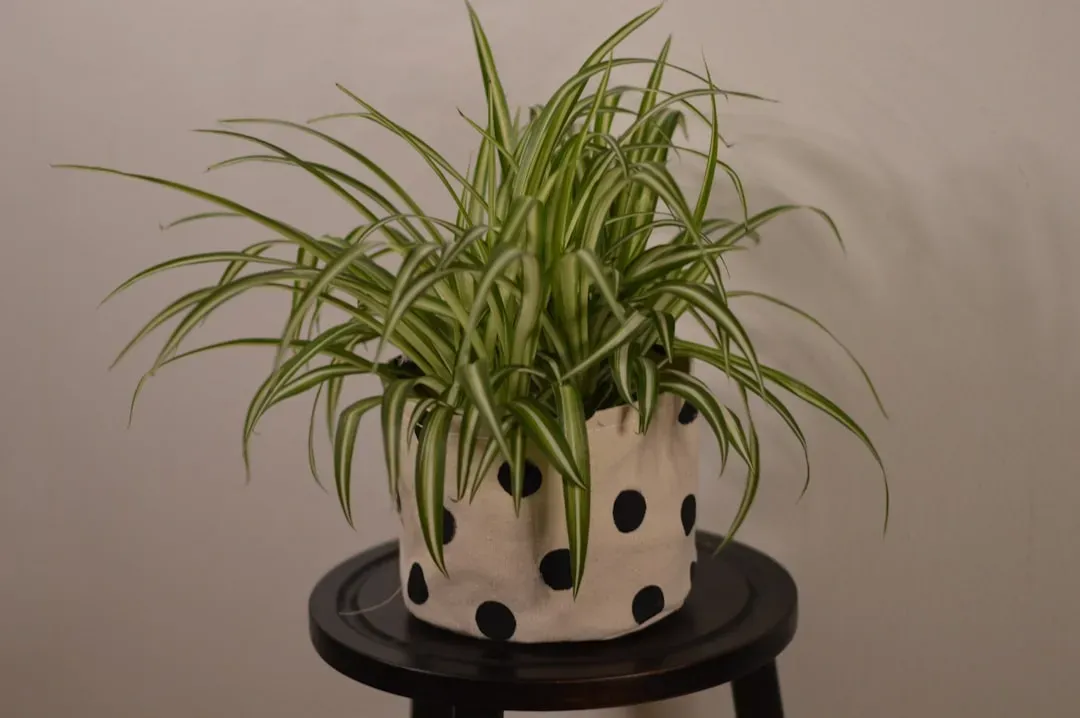
The spider plant is a popular, easy-to-grow houseplant native to tropical and southern Africa. You’ll recognize it by its long arching leaves and the little “spiderettes” that dangle down from the mother plant like natural ornaments. It’s one of the most adaptable houseplants you can own, tolerating a wide range of indoor conditions with minimal fuss.
Cats are often drawn to spider plants due to their playful, dangling spiderettes and the plant’s mild hallucinogenic properties that resemble a catnip effect. No part of a spider plant is considered to be toxic to cats, and your cat can hang out, play, and nap around spider plants without concern for toxicity. If your cat nibbles more than a passing taste, mild stomach upset is possible, so keeping it slightly out of easy reach is still a smart idea.
2. African Violet (Streptocarpus ionanthus)
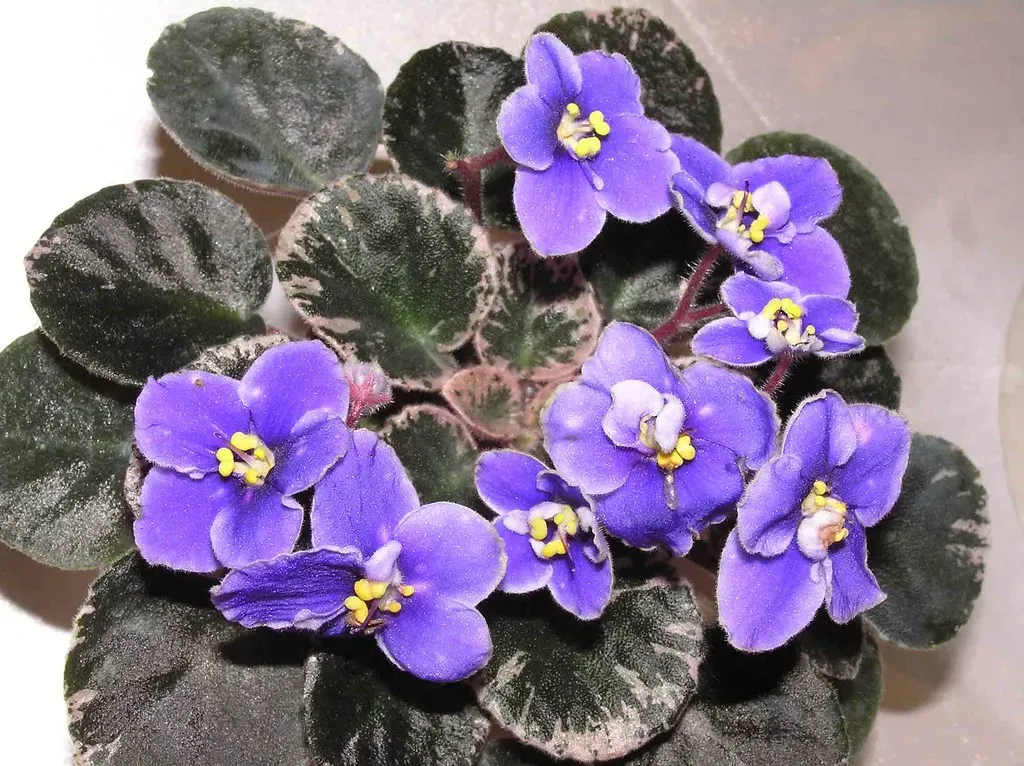
Saintpaulia ionantha, more commonly known as the African violet, is a captivating houseplant prized for its lush, velvety leaves and vibrant, petite flowers that can bloom throughout the year. Its rosette form, combined with its adaptability to indoor conditions, has made it a beloved choice for plant enthusiasts and novices alike. You can find them in an impressive range of colors, from deep purple to soft white and pinks in between.
African violets are non-toxic to both cats and dogs, making them a safe and pet-friendly option for indoor plant enthusiasts. These plants are known for their vibrant blooms in shades of purple, pink, and white, adding a pop of color to any space. African violets prefer bright, indirect light, so avoid direct sunlight and keep them at least a few feet away from sunny south- or west-facing windows.
3. Parlor Palm (Chamaedorea elegans)
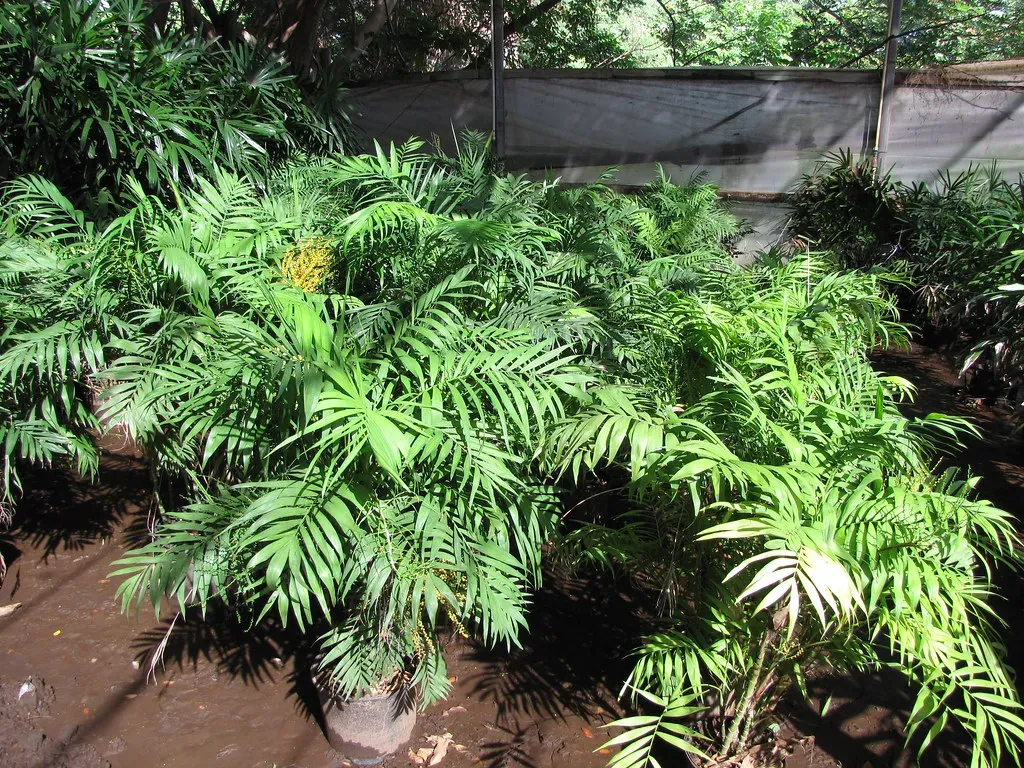
The parlor palm is a popular indoor plant due to its elegant, fronded leaves and compact but large size. It’s non-toxic to cats, making it a safe choice for pet-friendly homes. You can place it in a corner, beside a sofa, or in a low-light hallway and it will hold its own without much complaint.
The parlor palm is a good choice because it is a pet-safe plant and low-maintenance since it doesn’t need much light or water to survive, making it ideal for low-light rooms and forgetful waterers. You don’t have to think about putting it somewhere in your house that has direct sunlight. Even with sunlight, the parlor palm is a slow grower, often taking years to reach its full height of three to four feet tall – so there’s no worry about it taking over your living room any time soon.
4. Calathea (Calathea spp.)
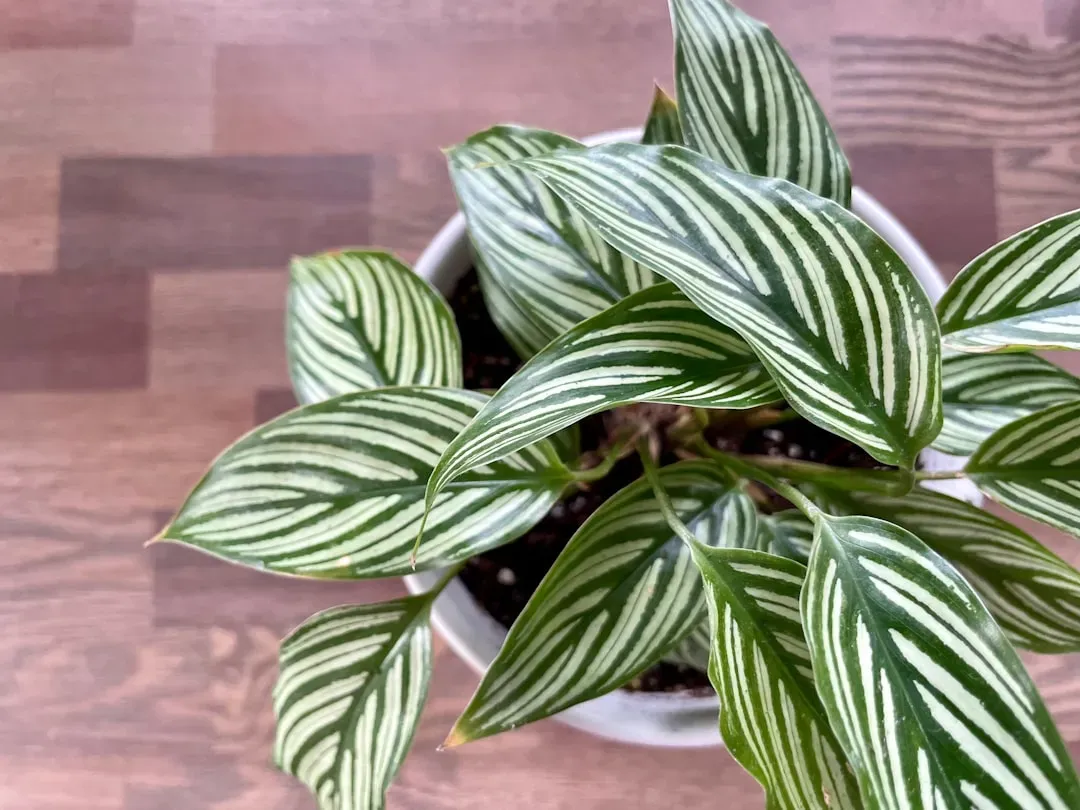
Calathea, known for its striking, patterned foliage, thrives in warm, humid conditions, making it an ideal houseplant. Its leaves, which move in response to light changes, and its air-purifying qualities, enhance indoor environments, while its non-toxic nature makes it safe for homes with pets and children. If you’ve never watched a calathea’s leaves slowly fold upward at dusk, it’s a small but quietly satisfying thing to witness.
Calathea plants are known for their strikingly patterned leaves, which come in various shapes and colors. You may have heard of the most popular variety called the peacock plant. These plants are non-toxic to cats and can add a bold touch to your home decor. Calatheas can be a bit high-maintenance compared to some other houseplants, preferring consistent moisture and humidity, but the visual payoff is well worth the extra attention.
5. Boston Fern (Nephrolepis exaltata bostoniensis)
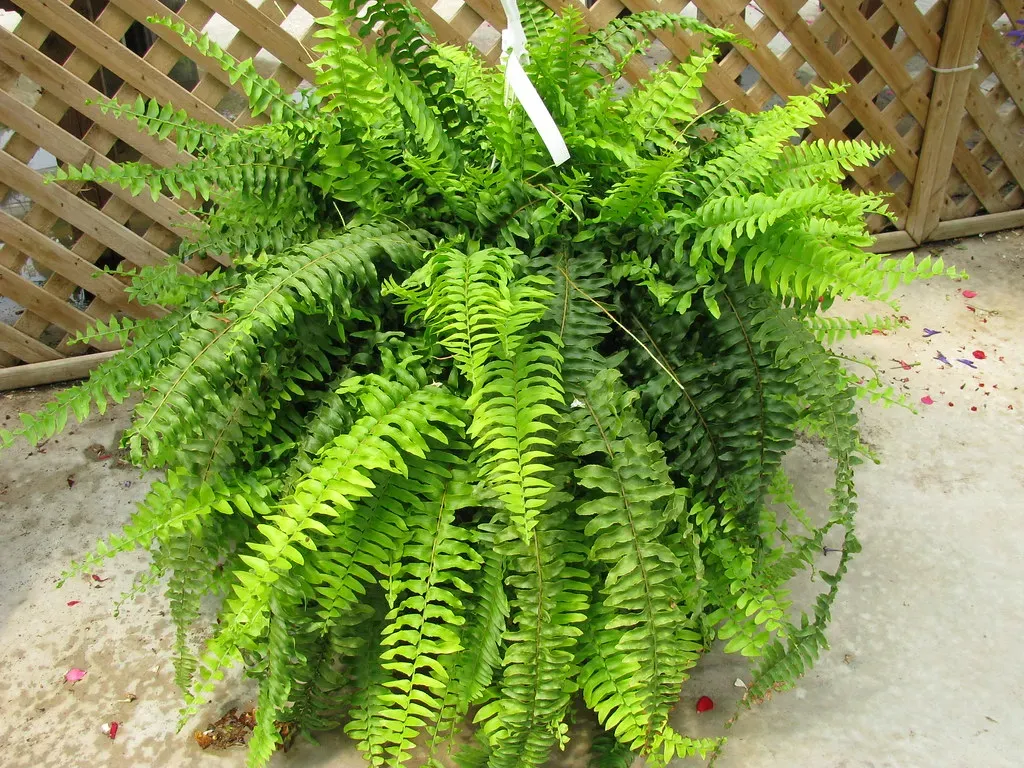
Like spider plants, Boston ferns make great hanging plants and are thus perfect for keeping out of a pet’s reach, although many cats may still get within reach – luckily, the two can safely co-exist. Their full, feathery fronds give any room a lush, slightly tropical feel that’s hard to replicate with other houseplants.
The ASPCA classifies the Boston fern as a pet-friendly plant, non-toxic to both dogs and cats. Boston ferns have bushy and delicate shaggy fronds that like medium to low light and humidity, and your cat will likely enjoy batting at the leaves. They do best with regular misting and consistent watering, so if you’re someone who tends to forget your plants exist, this one may need a little more commitment from you.
6. Phalaenopsis Orchid (Phalaenopsis spp.)
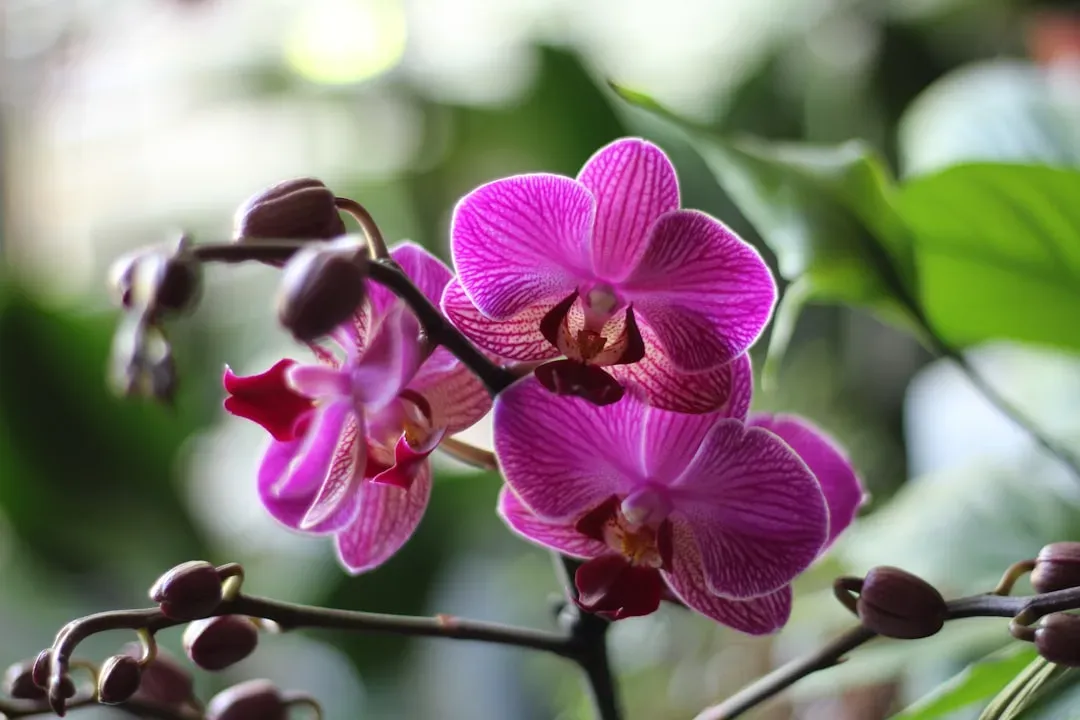
According to the ASPCA, the popular Phalaenopsis orchid – also known as the moth orchid – is perfectly safe for cats and dogs. Phalaenopsis, commonly known as the moth orchid, is a popular and easy-to-care-for houseplant. It features broad, leathery leaves and long arching stems with stunning, butterfly-shaped flowers in various colors, including white, pink, and purple. Native to Southeast Asia, Phalaenopsis thrives in warm, humid environments and bright, indirect light.
Phalaenopsis orchids bloom for up to four months at a time and the blooms are numerous and beautiful. While the flower spikes look like they could snap if looked at the wrong way, they are actually reasonably resilient and fairly easy to care for with just a little knowledge. They only need to be watered once the potting medium is dry and will cope well in the lower humidity conditions of most homes. Orchids will rebloom time and time again for decades if looked after correctly.
7. Peperomia (Peperomia spp.)
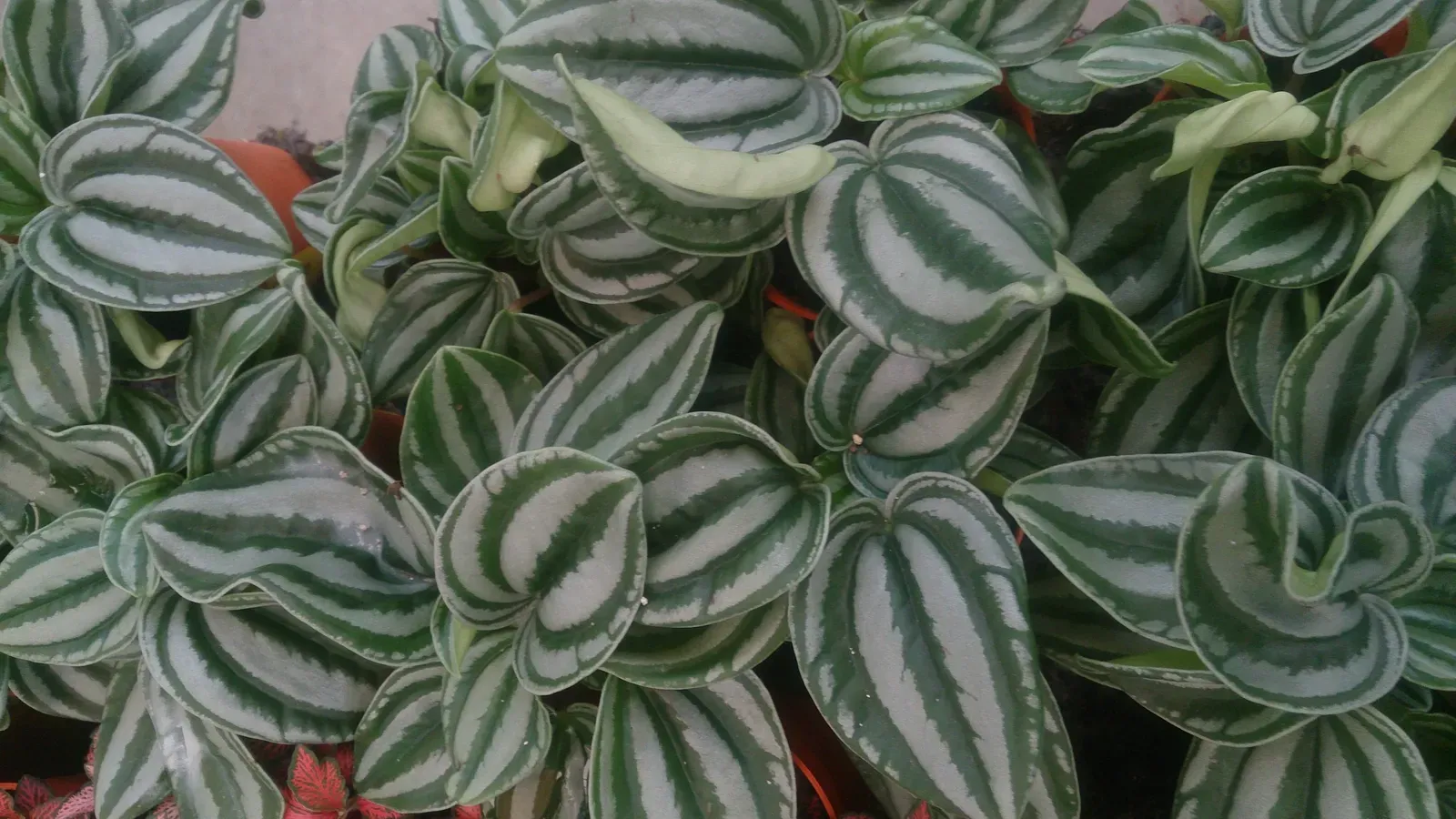
Peperomia is a large genus of over 1,000 small perennial plants that make great houseplants. They are kept for their wonderful ornamental foliage, which comes in a variety of shapes, sizes, and patterns. You might recognize the watermelon peperomia, whose leaf pattern genuinely does resemble a watermelon rind, or the rippled emerald peperomia with its deeply textured, dark green leaves.
Peperomia plants don’t contain substances that can cause any serious harm to domestic animals. There’s no chance of poisoning, skin irritation, or digestive issues in pets, making peperomia pet-safe. Most varieties have succulent characteristics, meaning they will tolerate infrequent watering, making them a good option for the slightly less diligent gardener. With no delicate flowers to damage, even if your cat takes a nibble of some leaves, it won’t spoil the wonderful look of these plants.
8. Bromeliad (Bromeliaceae family)
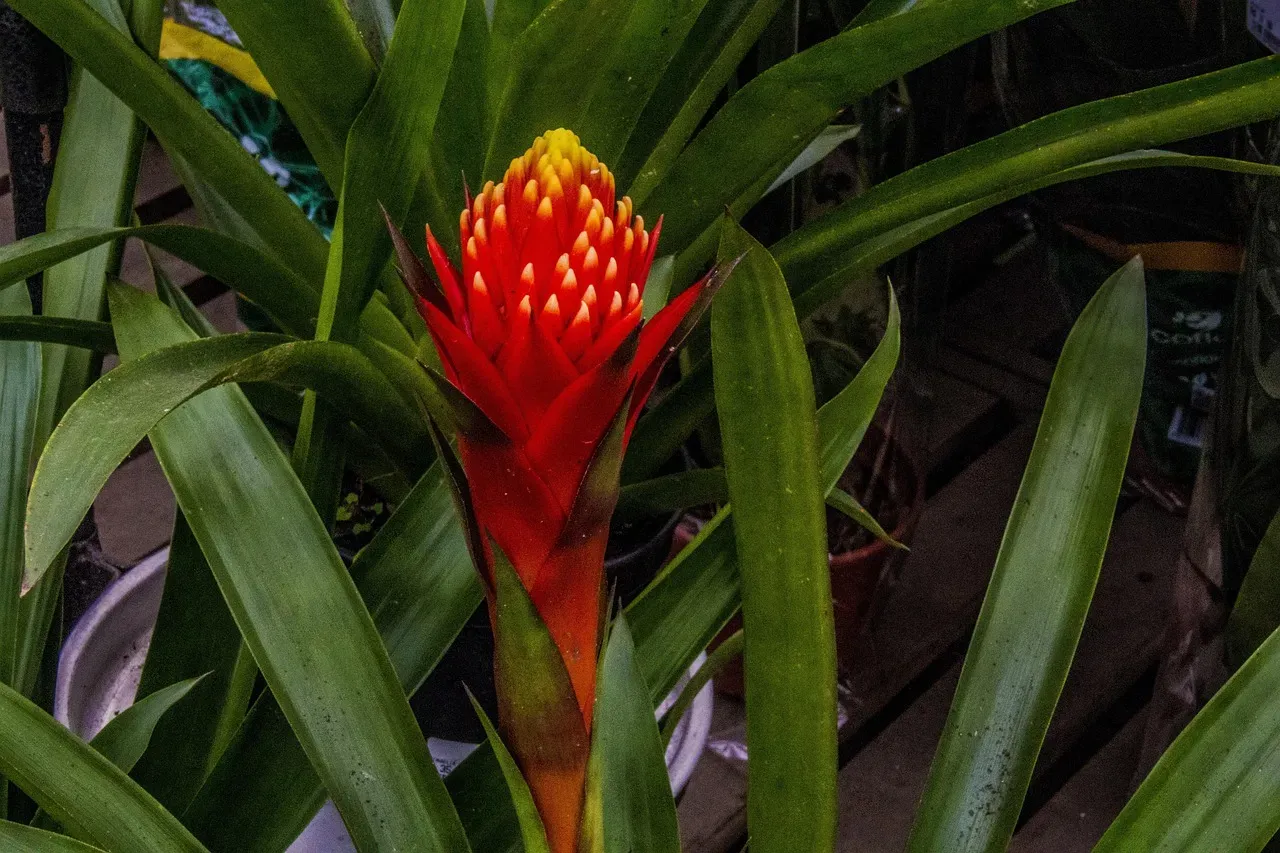
Bromeliads are non-toxic to cats, a fact confirmed by their absence from the toxic plant lists on the ASPCA. This makes them a safe and attractive option for cat owners looking to decorate their homes with plants. Enthralling gardeners and plant enthusiasts for their structured form, bright hues, and extensive variety, bromeliads consist of over 3,000 species. They belong to the Bromeliaceae family, which incorporates a range of plants including pineapples and Spanish moss.
Bromeliads are tropical rosettes with long-lasting, colorful bracts. You should water them in the central “cup” and provide bright, indirect light. Their bold, architectural shape makes them stand out on a windowsill or side table, and the fact that they produce color for weeks at a time – without demanding much from you – makes them a particularly rewarding plant to own.
9. Prayer Plant (Maranta leuconeura)
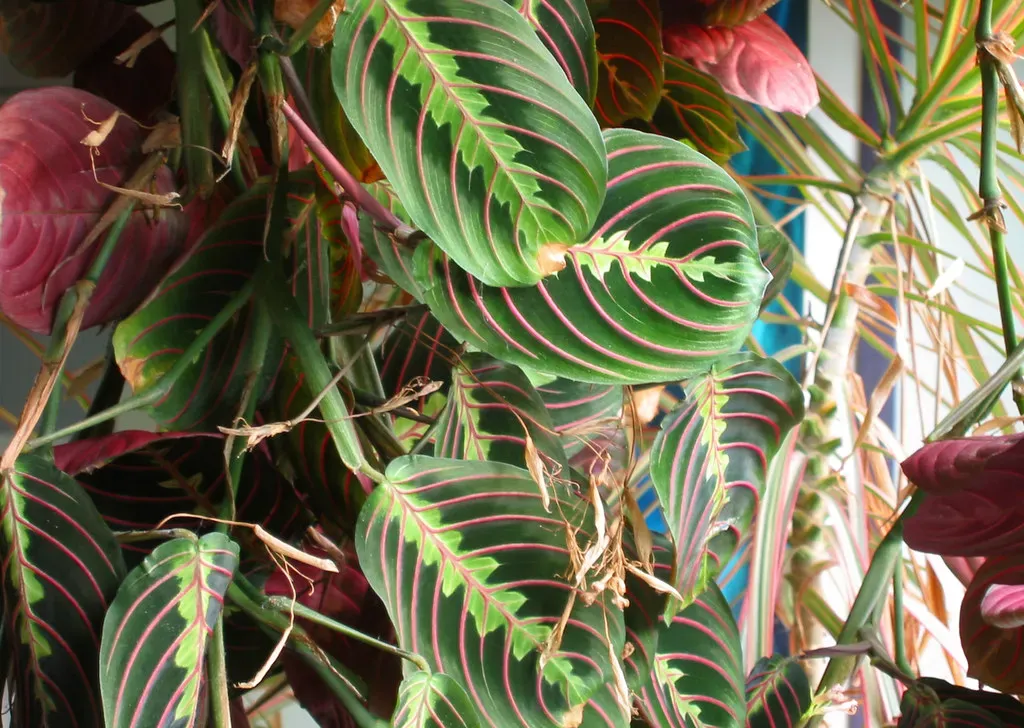
If you prefer bold patterns, the prayer plant – whose name comes from the way its leaves curl in like folded hands – could be a great choice. Prayer plants enjoy bright, indirect sunlight. Their leaves open with the morning sunlight and close again at dusk – a subtle but genuinely charming feature that makes this plant feel almost alive in a way you notice each day.
Prayer plants are nontoxic to cats and dogs. They are a great plant to keep in the home as they are low maintenance and thrive in low light. Prayer plants require a bit more care than a spider plant and do best in a warm, humid environment with access to indirect sunlight. Spritzing them occasionally with water keeps the prayer plant happy. They’re particularly well-suited to bathrooms or kitchens where ambient humidity is naturally higher.
10. Christmas Cactus (Schlumbergera bridgesii)
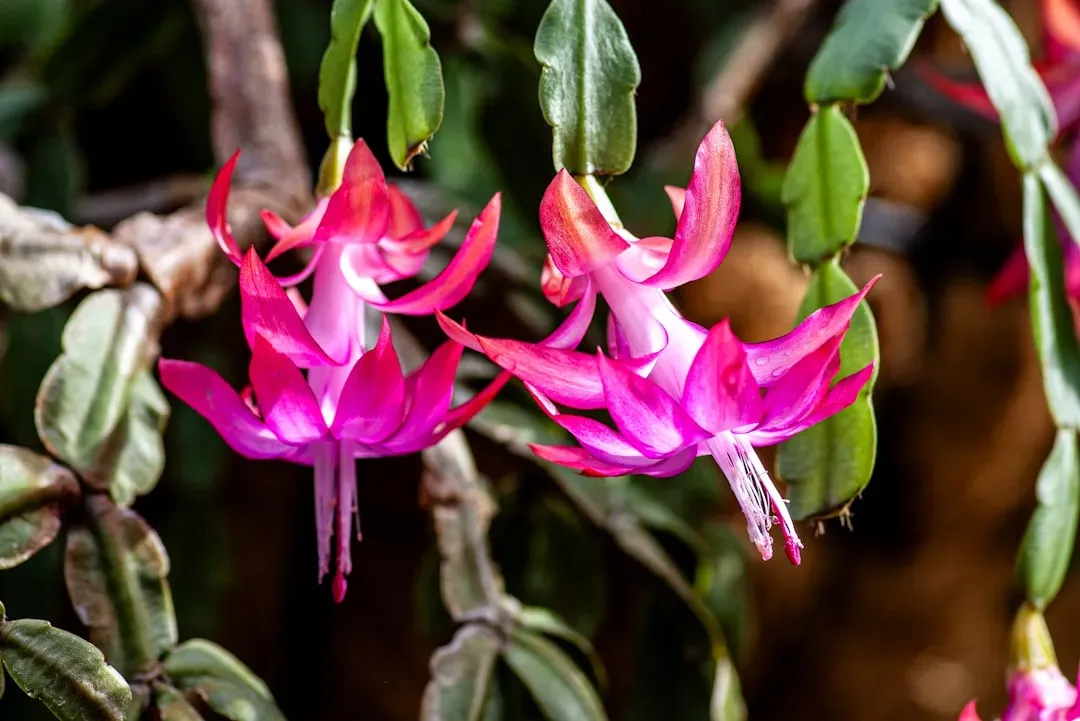
The ASPCA classifies the Christmas cactus as a pet-friendly plant, non-toxic to both dogs and cats. Native to Brazil and blooming in December, it earns its common name honestly – though you can find it blooming in homes throughout the holiday season in colors ranging from bright red to soft lilac and white. It’s a genuinely festive and worry-free option if you share your space with a curious cat.
Unlike most cacti, the Christmas cactus has no sharp spines, which means your cat isn’t going to get a nasty surprise by rubbing up against it. This plant is listed among spectacular bloomers in selections of pet-friendly houseplants, and it earns that description well. Keep it in bright, indirect light and let the soil dry slightly between waterings for the best long-term results.
11. Areca Palm (Dypsis lutescens)
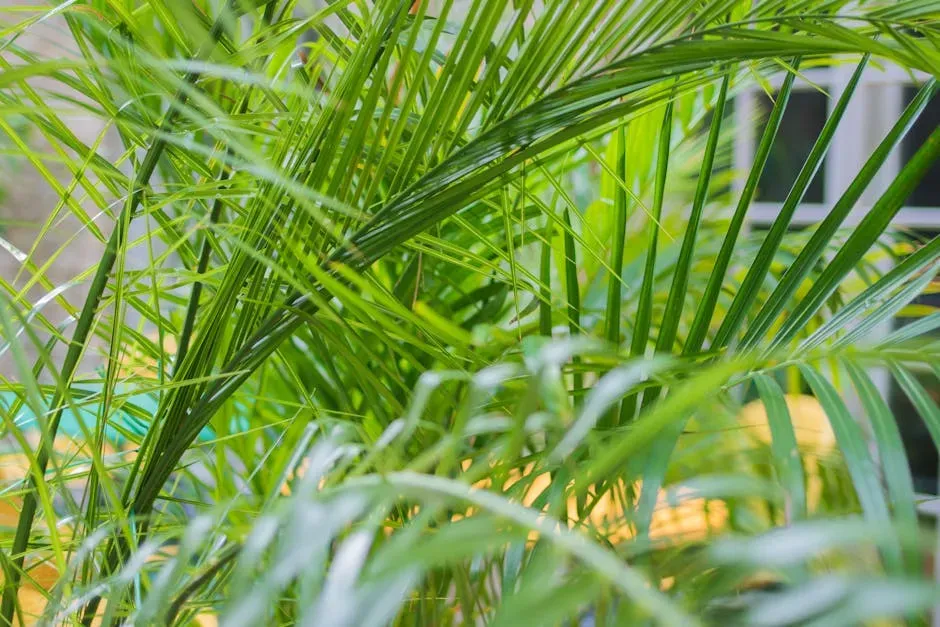
The areca palm is a lush and large plant that can add a tropical vibe to any room. Its graceful, arching fronds are beautiful and non-toxic to cats, making it a perfect choice for pet owners who want to curate the vibe of a tropical retreat. In a bright room, this palm can grow impressively full, giving you that resort-garden atmosphere without leaving your home.
The areca palm is listed on the ASPCA’s non-toxic plant list for cats under its scientific name Dypsis lutescens, also commonly known as the golden butterfly palm, cane palm, and golden feather palm. You should keep the soil moist but not waterlogged – let the top inch of soil dry out – and the plant prefers bright, indirect light but can tolerate lower light conditions. It’s a solid choice if you want something that genuinely makes a visual statement while still being safe for your cat.
12. Air Plants (Tillandsia spp.)
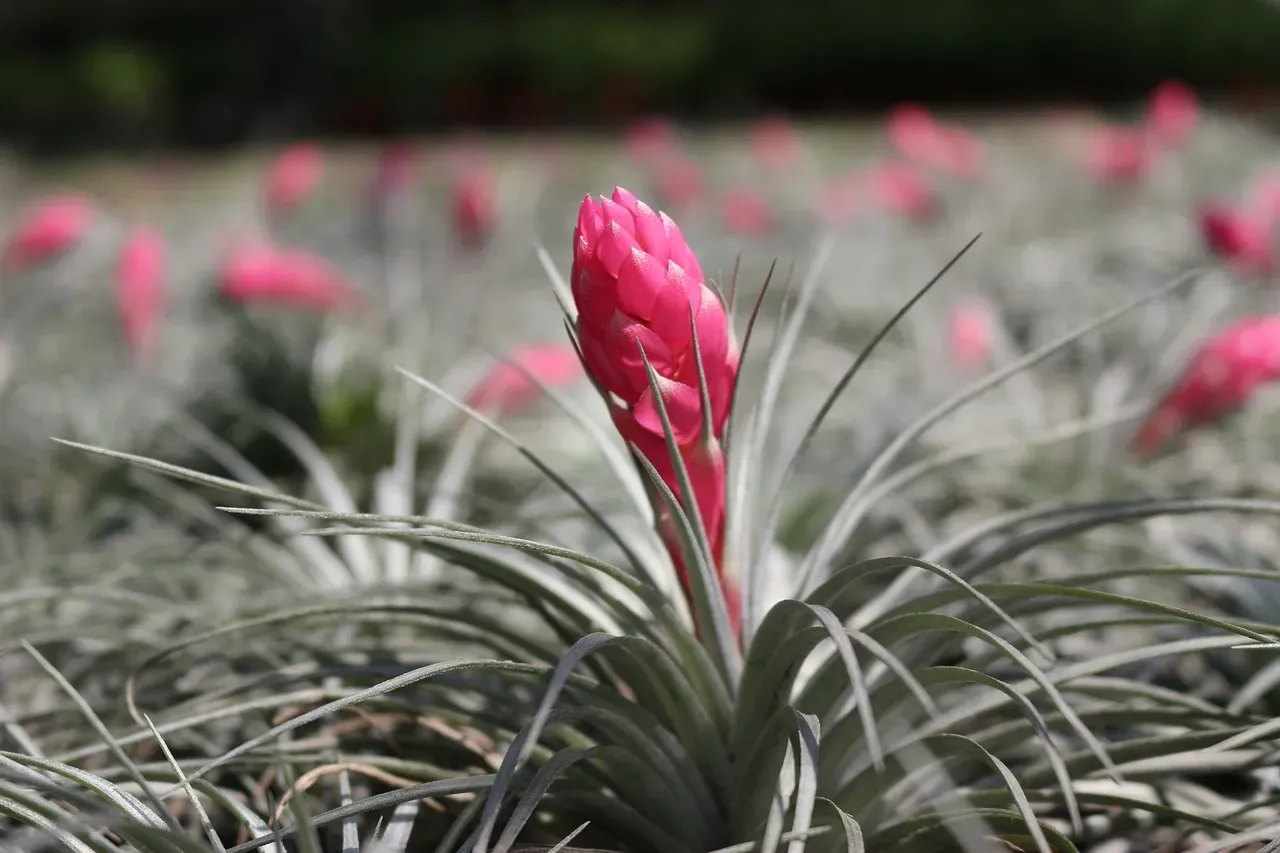
Air plants are wonderful houseplants that are safe for cats and dogs. These unique pet-friendly indoor plants don’t require soil to grow, making them a versatile and low-maintenance choice for any home. Air plants come in various shapes and sizes, with beautiful foliage ranging from vibrant green to silvery-gray. You can display them in glass terrariums, mounted on driftwood, or nestled in a decorative bowl – they genuinely adapt to almost any creative arrangement.
They absorb moisture and nutrients from the air, so they can be displayed in creative ways like hanging in glass terrariums or mounted on driftwood. Just mist them with water a few times a week, and they’ll thrive in bright light. Air plants, or Tillandsia, are confirmed non-toxic to pets by horticultural experts alongside other safe houseplant choices, so you can display them wherever suits your décor without any concern for your cat’s safety.
Conclusion: Greenery and Your Cat Can Coexist
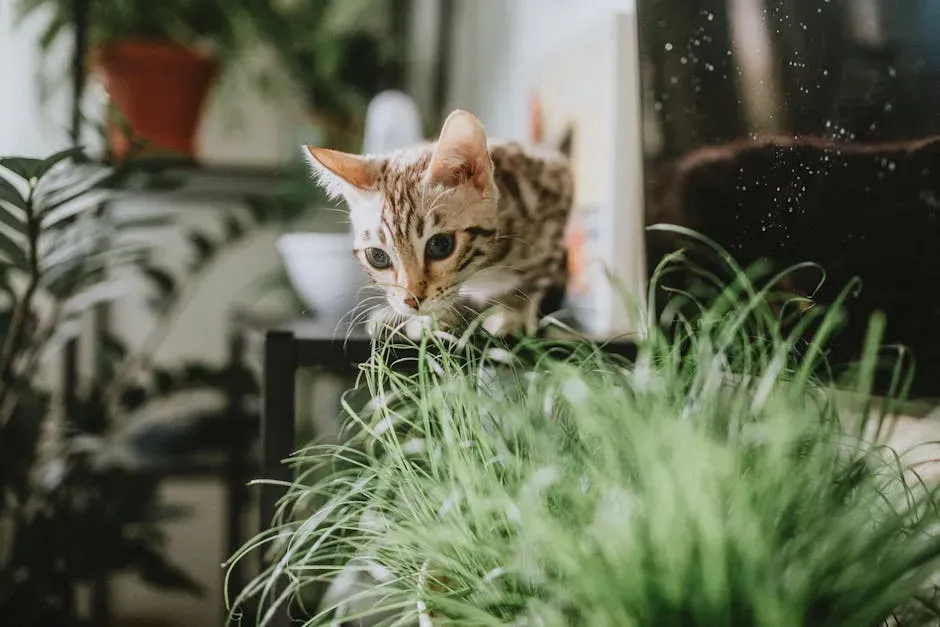
Opting for cat-safe houseplants is crucial, as certain plants can cause everything from minor digestive upset to more severe health issues in cats. To ensure your pets’ safety and well-being, researching and verifying the toxicity of plants before bringing them into your home is essential. The twelve plants in this list give you a genuinely wide range to work with – from dramatic palms and orchids to compact succulents and colorful violets.
Keep in mind that “non-toxic” doesn’t necessarily mean “non-harmful.” While consuming any of the plants listed here isn’t likely to result in long-lasting or severe detrimental effects to your cat’s health, they can still cause stomach upset or other forms of gastrointestinal discomfort. If you believe your animal is ill or may have ingested a poisonous substance, contact either your local veterinarian or the ASPCA Poison Control’s 24-hour emergency poison hotline at (888) 426-4435.
Ultimately, the goal isn’t a plant-free home or a cat-free garden – it’s a thoughtful one. A home full of safe greenery and a curious cat padding through it is, in many ways, a perfectly balanced ecosystem.
Kristina is a young writer from India. An arts graduate and an avid content creator, Kristina is passionate about animals and wildlife. She enjoys exploring topics related to pet care, animal behavior, conservation, and nature, combining thorough research with engaging storytelling.