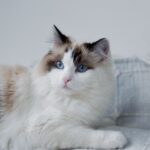
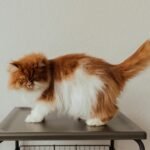
You’ve probably heard the cliché: cats belong to nobody, they tolerate everyone equally, and they’ll snuggle up to whoever fills the food bowl that day. Spread that idea across a household of four people and you’d expect the family cat to hand out affection like a fair, impartial referee.
But breeders and longtime owners keep noticing something stranger. Certain breeds don’t just prefer one person – they build a private world around that single human and quietly close the door on everyone else, including the people who feed them, clean their litter box, and buy their toys. The reasons run deeper than personality quirks, tracing back to genetics, breed history, and how these cats were raised as kittens. Here are 13 breeds famous for picking exactly one favorite – and doing it without apology.
#1 – Siamese: The Shadow That Won’t Share
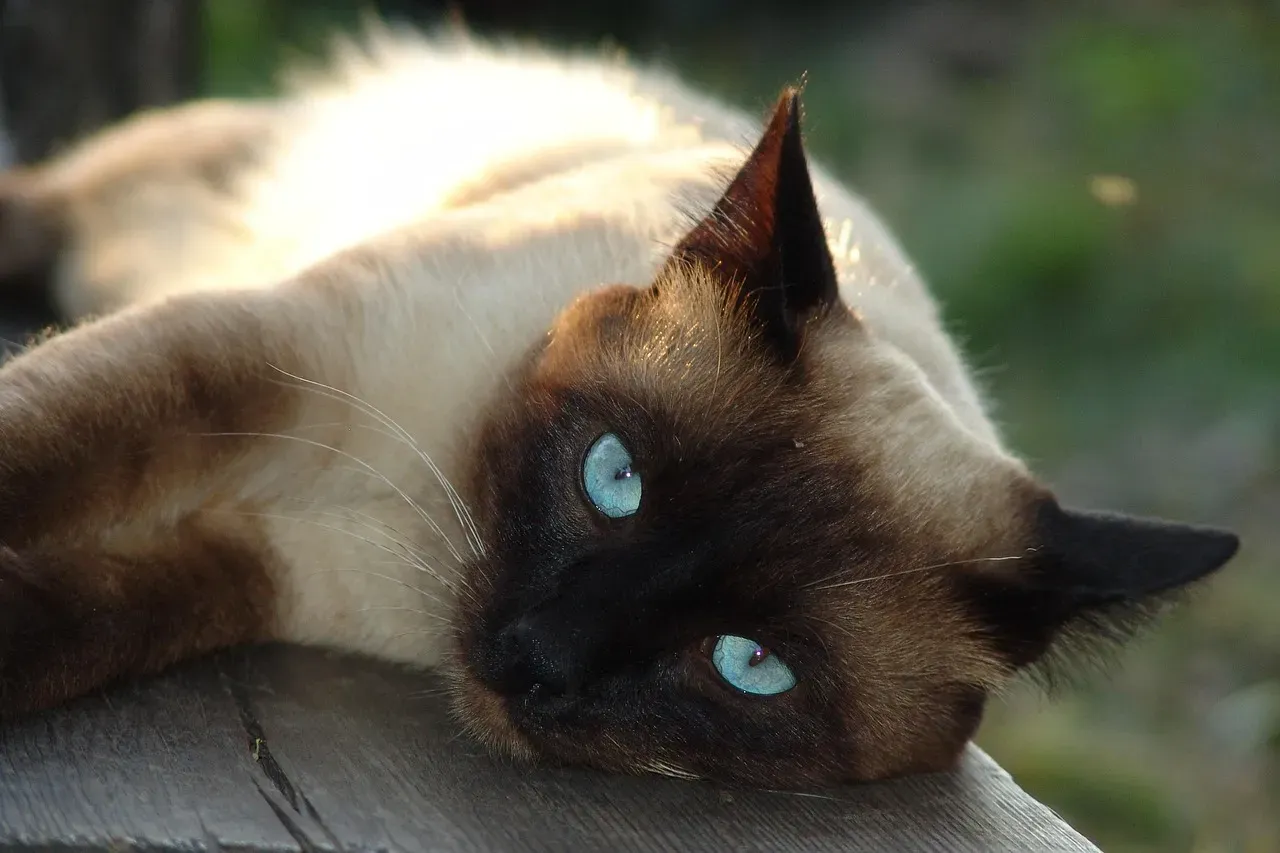
Siamese cats don’t believe in dividing their attention. Owners often describe living with one as having a permanent shadow – the cat follows its chosen person from room to room, waits outside bathroom doors, and vocalizes loudly the moment that person leaves the house. Everyone else in the home might get a passing glance, if that.
This intensity traces back to the breed’s roots in Thailand, where Siamese cats traditionally lived in close quarters with a single caretaker rather than a whole family. That history seems to have wired something permanent into their personality. Many owners report the cat will sleep only on one pillow and outright refuse a lap that isn’t the right one, no matter how many people offer.
Fast Facts
- Origin: Siam, now known as Thailand – one of the oldest recognized cat breeds
- Signature look: pointed coloration with striking blue, almond-shaped eyes
- Typical lifespan: 12 to 15 years
- Reputation: one of the most vocal and demanding breeds in the cat world
#2 – Russian Blue: The Shy Selector
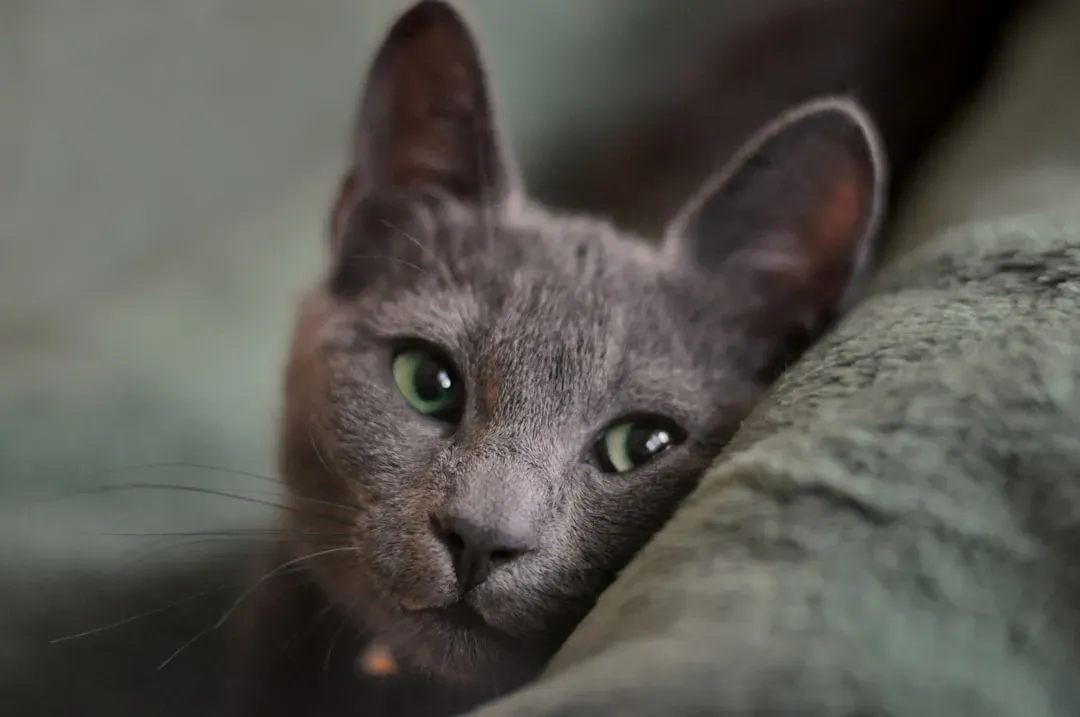
Russian Blues take caution to an art form. Strangers barely register, extended family gets polite distance, and even kids in the house might never earn more than a glance from across the room. Then the one person they’ve chosen walks in, and the same cat that vanished during a dinner party suddenly turns into a lap-seeking, chirping mess of affection.
Breeders trace this to the breed’s working past as mousers on Russian estates, where a single quiet relationship mattered more than a crowd. Once the bond forms, a Russian Blue may disappear for hours rather than tolerate a house full of unfamiliar energy. Careful, patient introductions can smooth the edges, but the breed rarely abandons its one-person loyalty entirely.
#3 – Abyssinian: The Independent Operator
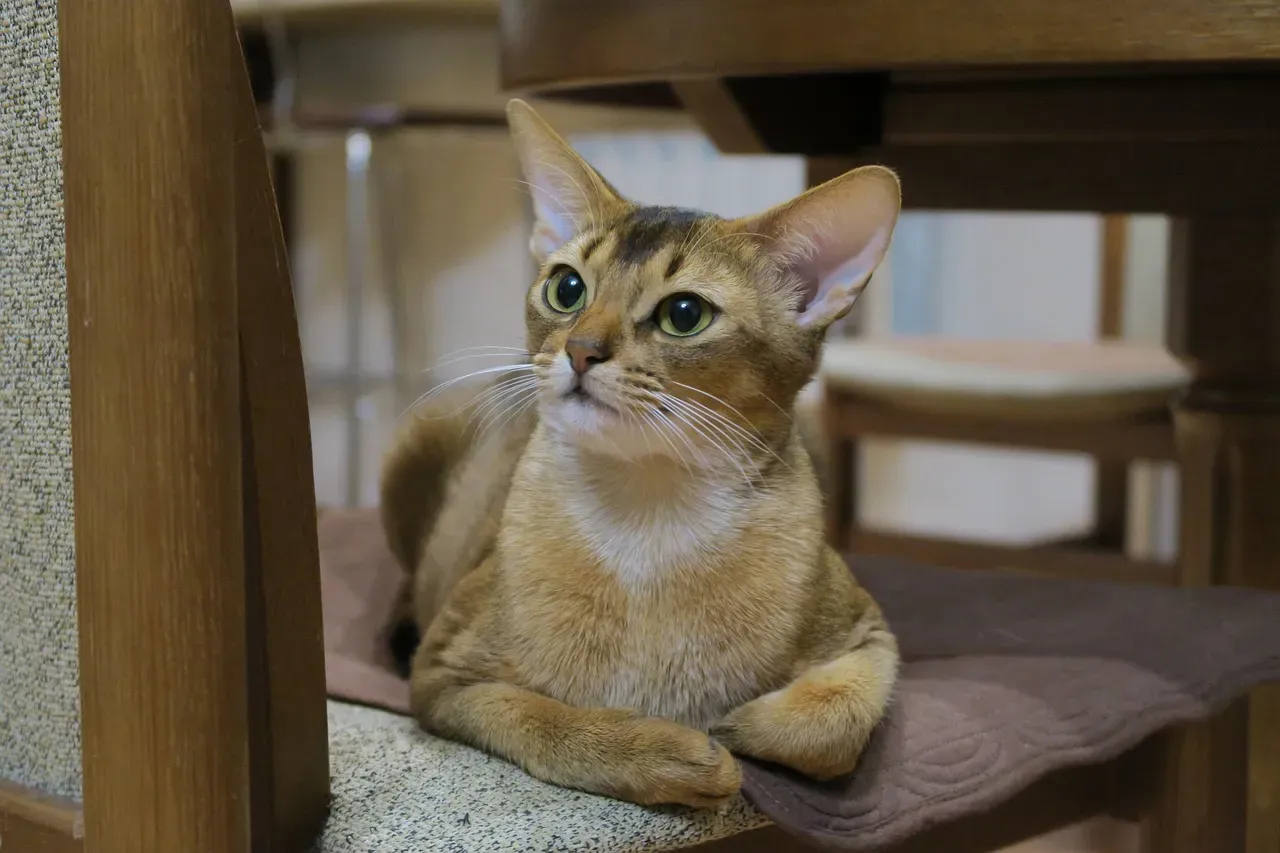
Abyssinians look like they belong to nobody – always moving, climbing, investigating something across the room. But watch closely and a pattern emerges: they circle back again and again to the one person who plays with them consistently, and largely ignore everyone else’s attempts at affection.
Their wild ancestry seems to fuel a deep wariness of group settings, even inside their own home. A cat might happily take a treat from a stranger’s hand but never once climb into that person’s lap. Give an Abyssinian steady one-on-one time and the loyalty deepens; put it in a crowded room and the favoritism becomes obvious.
#4 – Bengal: The Intense Focus
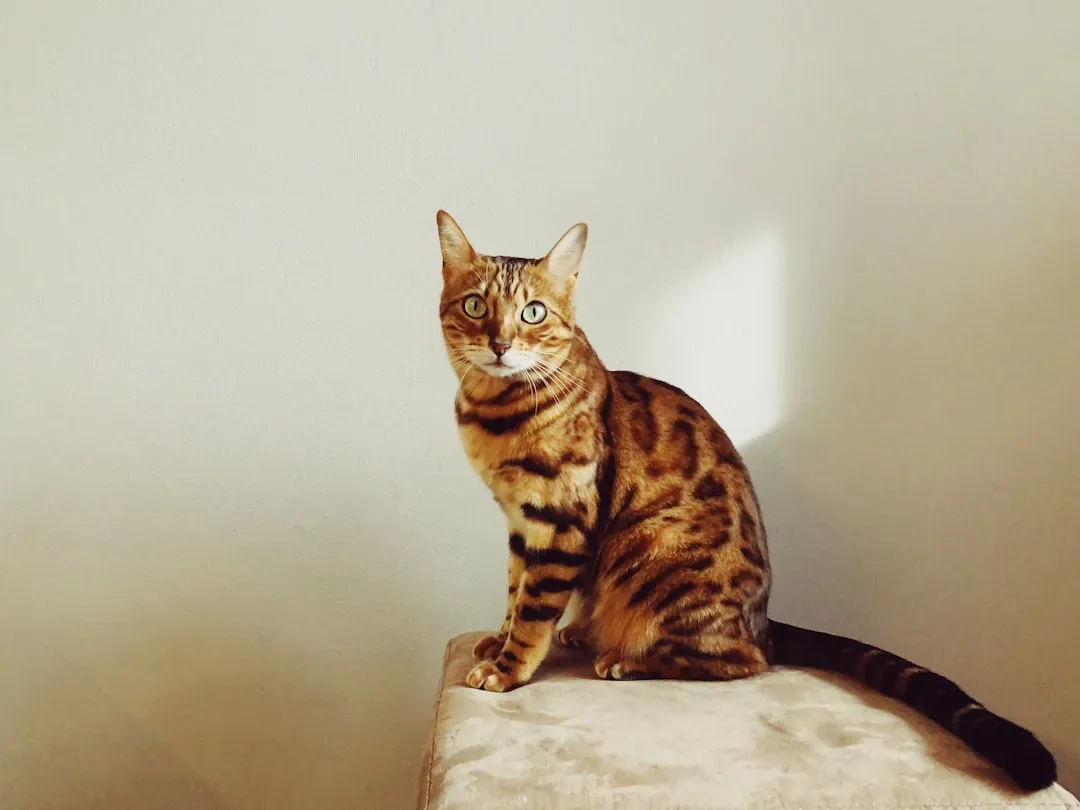
Bengals have a reputation for wild energy, and most of that energy gets funneled toward exactly one person. They’ll tolerate the rest of the household milling around, but the real games – the chasing, the leaping, the after-dark zoomies – are reserved for their chosen human alone.
That selectiveness has teeth. Reports from owners describe Bengals hissing or swatting at family members who reach in for a pet without an invitation, a boundary they rarely enforce with their favorite person. Their close hybrid lineage seems to intensify this focus, and daily play routines with the right human only cement the preference further.
At a Glance
- Developed by crossing domestic cats with the Asian leopard cat, starting in the 1980s
- Coat pattern mimics wild cats, with marbled or rosette-style spotting
- Known for unusually high energy and a strong need for daily play
- Some Bengals show a surprising fascination with water, unlike most cats
#5 – Sphynx: The Velcro With Limits
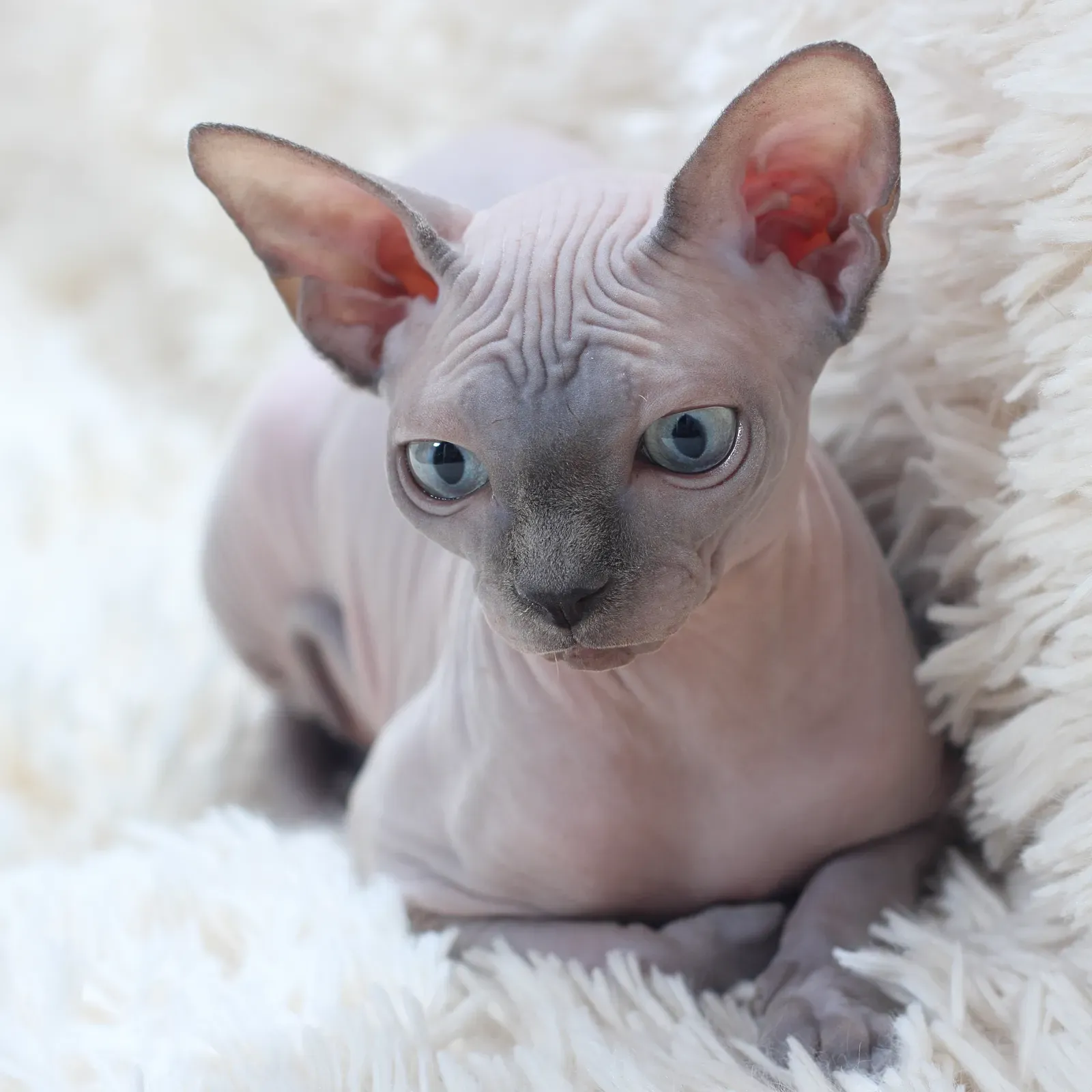
A hairless cat has one obvious problem: no coat means no built-in warmth. Sphynx cats solve this by picking a single human furnace and sticking close, often draping across that person’s shoulders or lap for hours at a time.
The catch is how exclusive that warmth-seeking becomes. Owners frequently notice the cat leaving a room the second the wrong person walks in, as if the couch suddenly stopped being interesting. Their sensitive skin makes handling from a trusted source essential, and once that trust is built with one person, it rarely transfers easily to anyone else.
#6 – Cornish Rex: The Curly-Haired Confidant
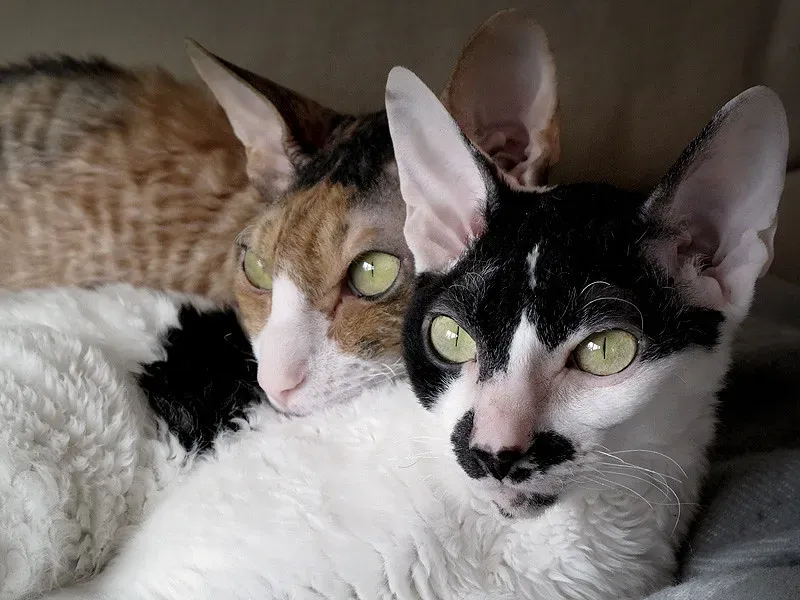
Cornish Rexes are playful and affectionate, but that affection has an address. They key in on one person’s scent and voice, and everyone else gets treated like background noise, even during an active play session with toys flying everywhere.
Families often notice the cat ignoring children or visitors mid-game, focused entirely on the one person tossing the toy. The breed’s origins as a natural mutation in Cornwall, England, produced a small, tightly-wound gene pool, and that seems to have carried over into equally tight social circles. Keep the one-on-one time steady and the bond holds strong.
#7 – Devon Rex: The Mischievous Monogamist
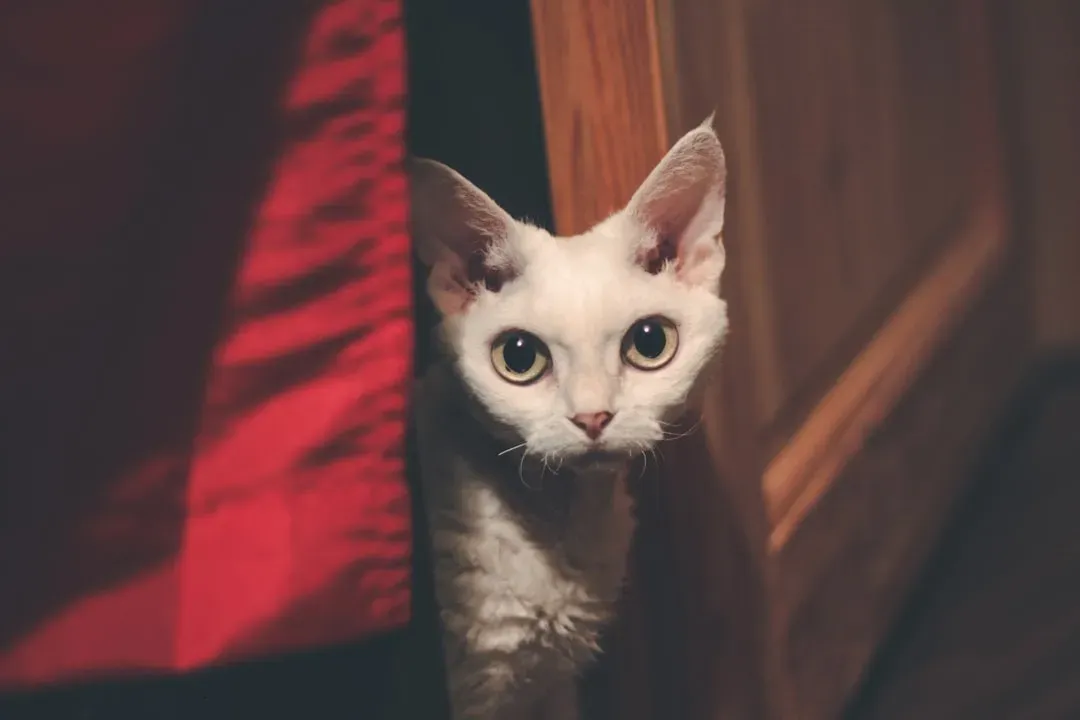
Devon Rex cats look like they’d charm anyone with those oversized ears and clownish energy, but the performance is often for an audience of exactly one. They’ll fetch a toy over and over – but only when their chosen person throws it.
Ask someone else in the house to join the game, and the cat may simply stop playing. This pattern tends to show up early in kittenhood and sticks around no matter how much socialization follows. Because the breed is relatively young in development, some traits still vary cat to cat, but the one-person lean shows up often enough to be considered a hallmark.
Quick Compare
- Coat: Cornish Rex has a soft, wavy coat with no guard hairs; Devon Rex has a looser, suede-like wave
- Origin: Cornish Rex traces to Cornwall in the 1950s; Devon Rex emerged in Devon, England, about a decade later
- Ears: Devon Rex is known for extra-large, low-set ears; Cornish Rex ears are large but more moderate
- Shared trait: both began as natural genetic mutations rather than deliberate crossbreeding
#8 – Oriental Shorthair: The Vocal Claimant
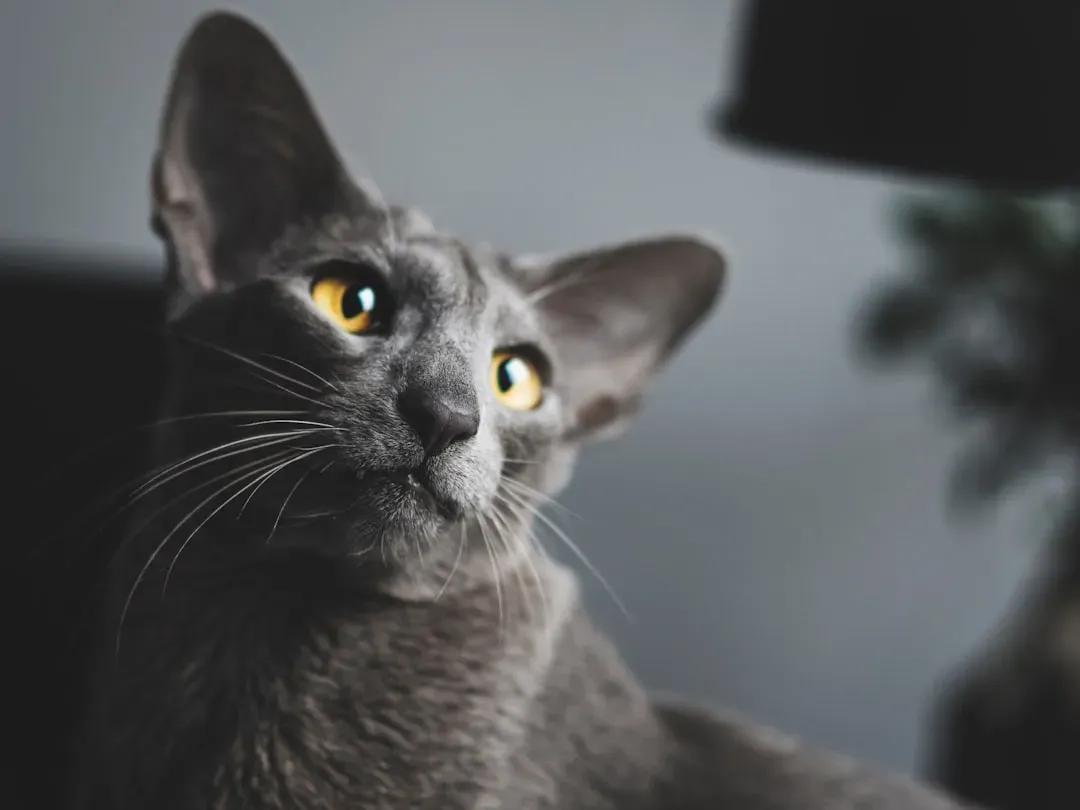
Oriental Shorthairs share close genetic ties with Siamese, and it shows in how loudly they claim their favorite person. They chatter, meow, and narrate their day to that one human – then go almost completely silent around everyone else.
Owners have noticed the cat will follow only one family member to the door for errands or walks, ignoring identical invitations from anyone else in the house. The preference isn’t shy about announcing itself; it’s built into the breed’s expressive, talkative nature. Routine attention from that single source is usually all it takes to keep the bond locked in.
#9 – Tonkinese: The Balanced But Biased

Tonkinese cats have a reputation for being easygoing with everyone, and to be fair, they usually are polite to the whole household. But scratch the surface and the loyalty still narrows to one favorite for anything resembling deep companionship.
Owners often find the cat sleeping beside the exact same pillow every night, ignoring several other beds scattered around the house. That pull likely comes from their Burmese and Siamese heritage, both breeds known for their own one-person tendencies. Consistent daily rituals with the chosen human keep that quiet bias firmly in place.
#10 – Burmese: The Plush Shadow
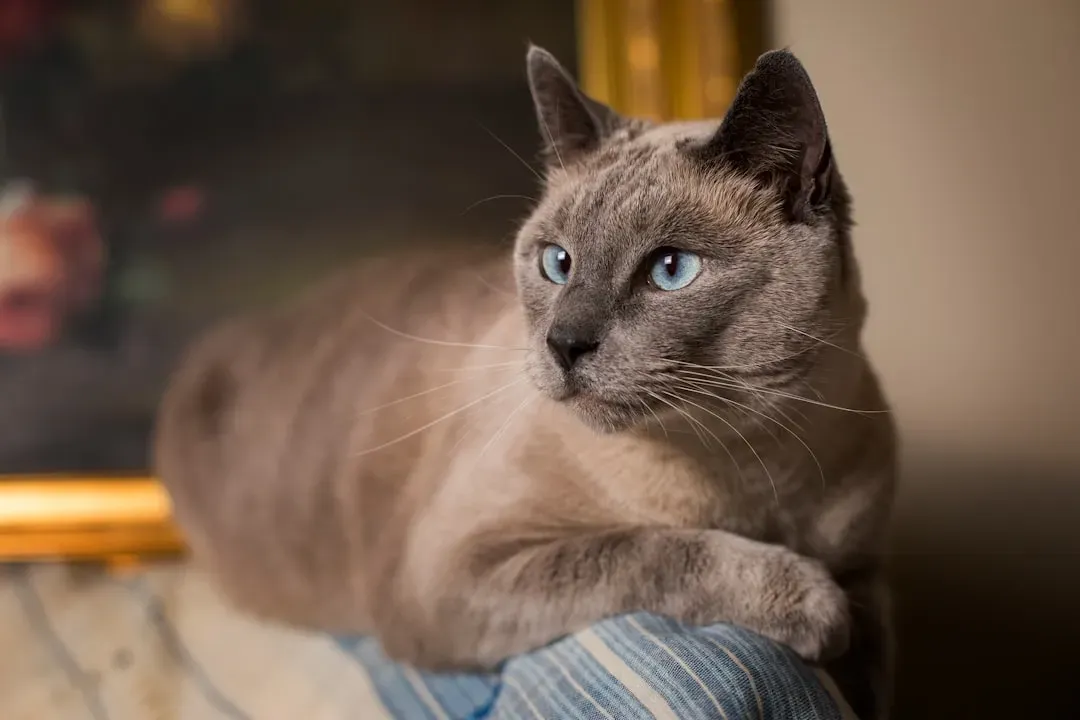
Burmese cats have a warm, people-oriented reputation that can trick new owners into expecting equal affection for everyone. In reality, they’ll often sit near other family members without ever truly engaging them.
The most surprising part is how fast that affection can disappear once a bond forms with one specific person – other relationships in the house can go cold almost overnight. Cats raised with a single primary caretaker early in life seem to lock into this pattern hardest. Daily grooming sessions with that one person only deepen the exclusivity over time.
#11 – Korat: The Silver Guardian
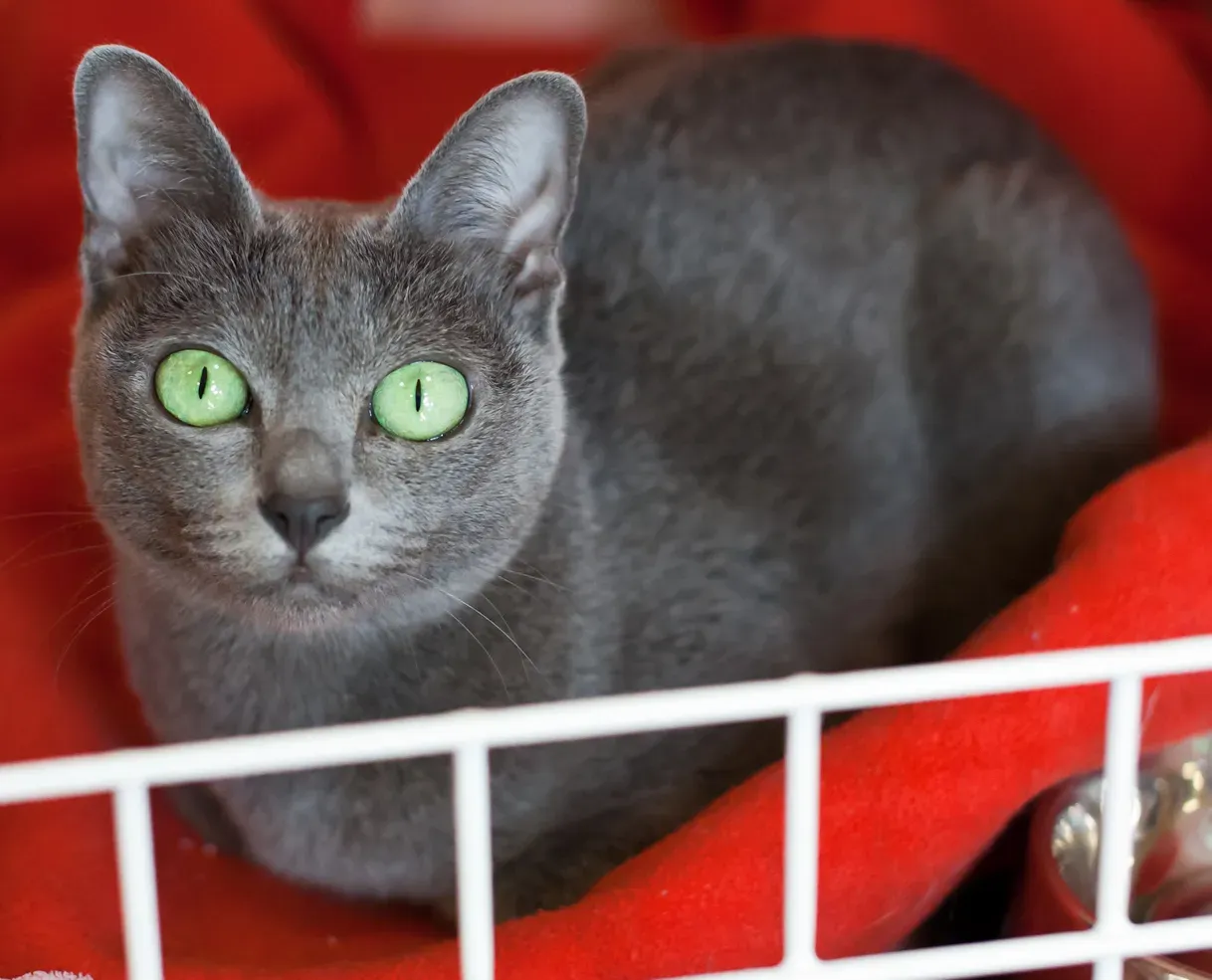
Korats are rare, and the ones lucky enough to share a home with one describe a quiet, watchful loyalty. The cat doesn’t crave a crowd’s attention – it simply keeps an eye on its chosen person from across the room, content just to know where they are.
Some owners go further, saying their Korat will only accept food or a gentle pet from that one person, brushing off anyone else who tries. The breed’s origin in Thailand as a good-luck symbol given only to special people seems fitting, since the cats themselves are just as particular about who they let in. Limited exposure to large groups tends to preserve this selective streak for life.
Worth Knowing
- One of the rarest cat breeds in the world, with a small global population
- Traditionally given as a gift in Thailand for good fortune, never sold
- Coat is always a solid blue-gray with a distinctive silver sheen
- Formally recognized by the Cat Fanciers’ Association in 1966
#12 – Chartreux: The Smiling Stoic
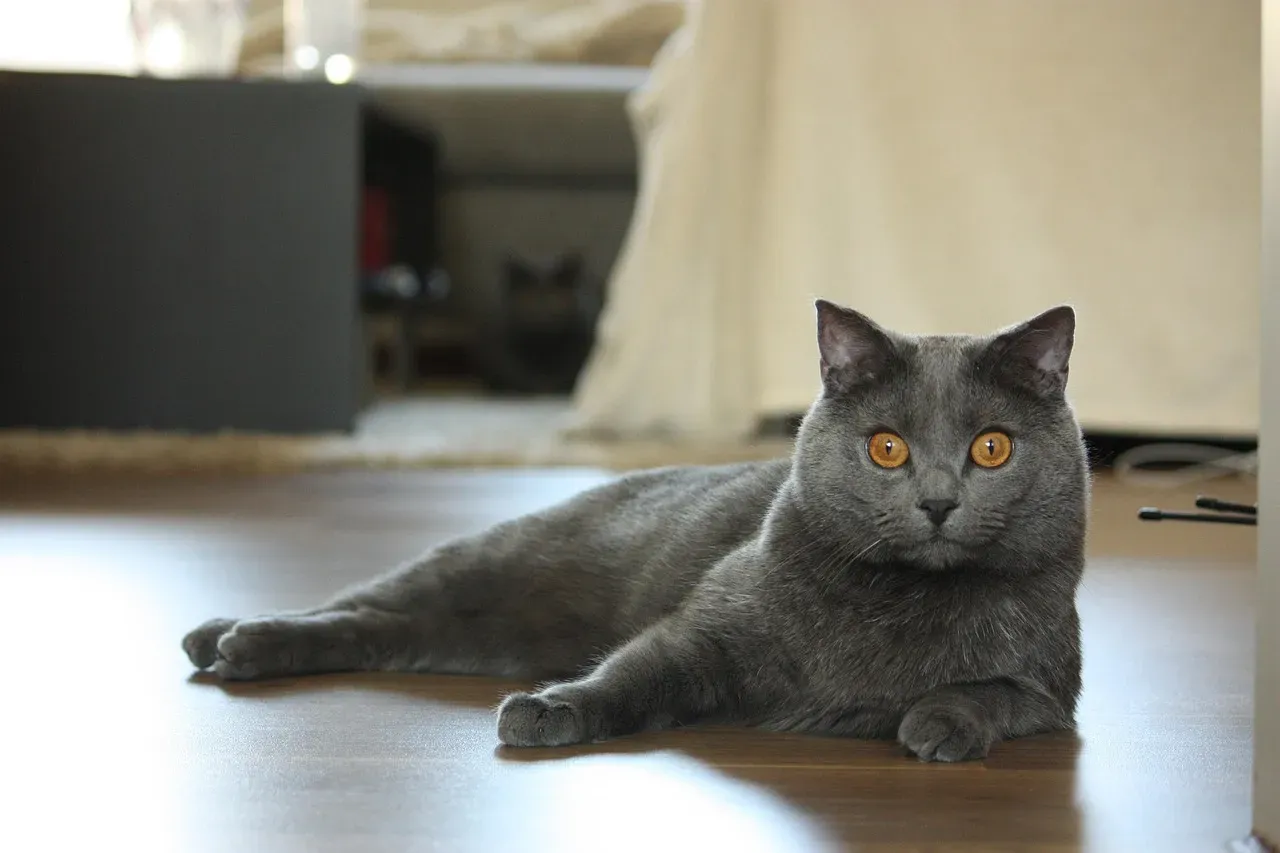
Chartreux cats wear a permanent, almost amused expression that makes them look friendly to everyone. But that smile is deceiving – purrs, play, and real affection get reserved almost entirely for one adult in the household.
This breed can tune out household noise entirely unless it somehow involves their chosen person, at which point they perk right up. Their calm, observant nature likely traces back to a history as monastery cats in France, content with one steady relationship rather than a rotating cast of admirers. One dependable bond seems to satisfy them completely.
#13 – Turkish Angora: The Elegant Insider
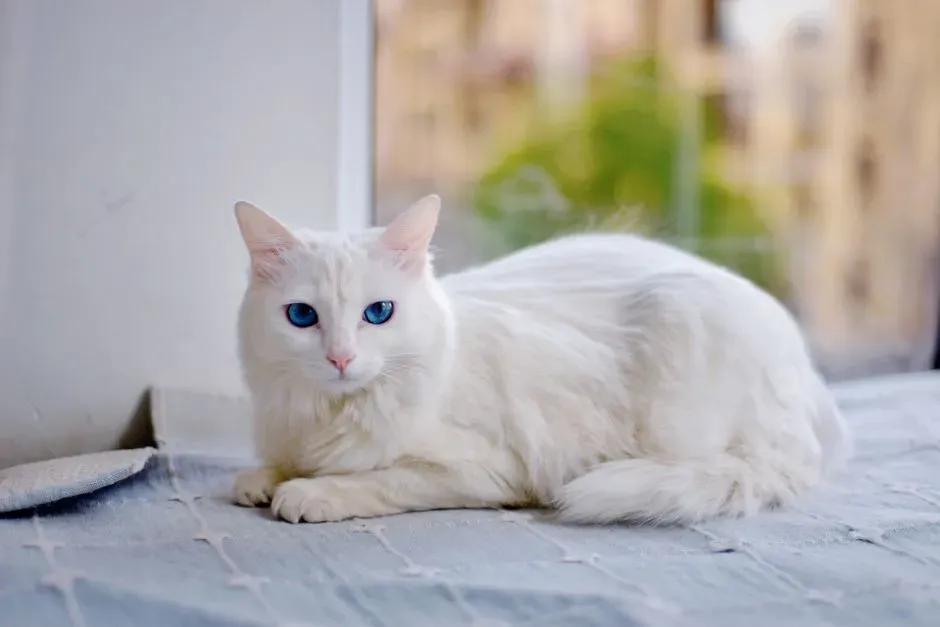
Turkish Angoras move through a room like they own it, silky coats trailing, barely acknowledging anyone who isn’t their person. That grace comes paired with a surprisingly narrow social circle – crowds tend to make them distant and hard to reach.
Owners frequently discover the cat will only groom itself near, or rest beside, its one selected human, ignoring open laps and empty cushions elsewhere in the house. Their roots in the mountains of Anatolia may explain the independent streak layered under all that elegance. Focused, one-on-one care is what keeps an Angora’s loyalty from wandering.
Here’s the part that surprises most first-time owners: none of this is bad behavior. It’s not a training failure, and it’s rarely fixable with more socialization or a bigger scratching post. Cats like these were never built for democracy – they were built for one strong bond, and the sooner an owner accepts that, the less confusing, and less hurtful, it feels when the cat snubs a well-meaning guest.
If you live with one of these 13 breeds and you’re not the chosen one, don’t take it personally – you’re basically furniture with opinions, and that’s just how it goes. But if you are the chosen one, don’t take it for granted either. That kind of loyalty is rare, a little intense, and honestly, kind of an honor once you stop expecting the cat to love everyone equally.
Kristina is a young writer from India. An arts graduate and an avid content creator, Kristina is passionate about animals and wildlife. She enjoys exploring topics related to pet care, animal behavior, conservation, and nature, combining thorough research with engaging storytelling.