Everyone assumes the cutest, cuddliest version of a cat is the kitten – all wide eyes and reckless energy. But ask anyone who has lived with the same cat for a decade, and they’ll tell you a different story: some cats don’t peak at eight weeks old. They peak at eight years old.
Certain breeds seem almost engineered to get sweeter, slower, and more devoted with every birthday, trading chaos for quiet lap time and constant affection. The transformation catches a lot of owners off guard, especially the ones who adopted a standoffish kitten expecting that personality to stick forever.
Below are 15 breeds where longtime owners, breeders, and veterinarians consistently notice this shift – starting with the cats that mellow gradually, and building toward the one breed almost everyone agrees becomes impossibly sweeter with age.
#15 – The American Shorthair’s Steady Shift to Serenity
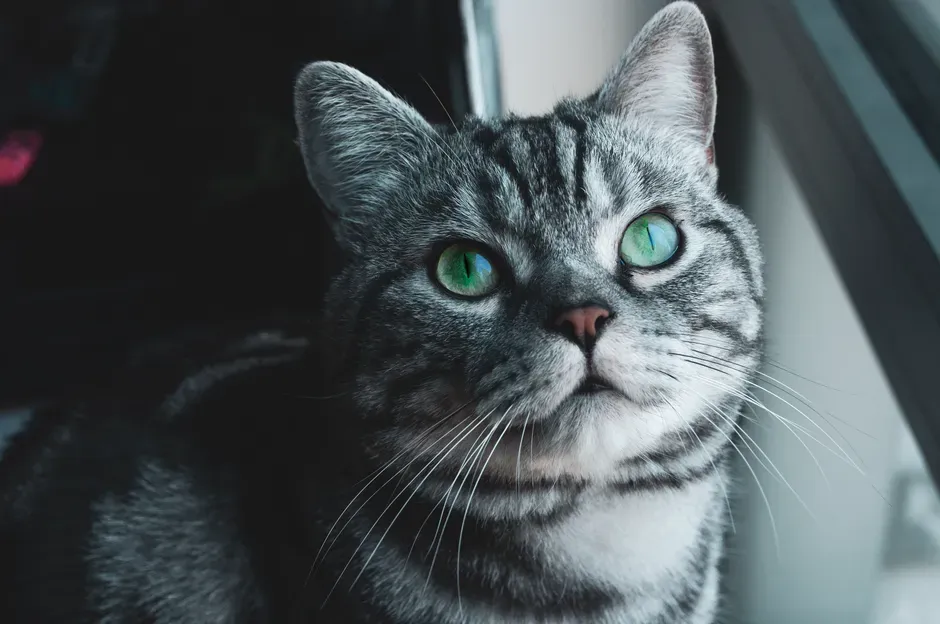
Most owners expect this breed’s easygoing energy to stay exactly the same for life. Instead, American Shorthairs quietly downshift into something calmer and steadier once the first few years pass. They start out moderately playful, chasing toys and exploring corners, but by around age seven, that energy softens into long naps and slower, more deliberate affection.
They often develop a strong preference for quiet routines over high-energy chases, seeking out laps far more consistently than they ever did as young cats. Early socialization helps smooth the transition, but this breed’s naturally even temperament does most of the work on its own, especially in stable, low-chaos homes.
#14 – The Scottish Fold’s Gentle Unfolding Over Time
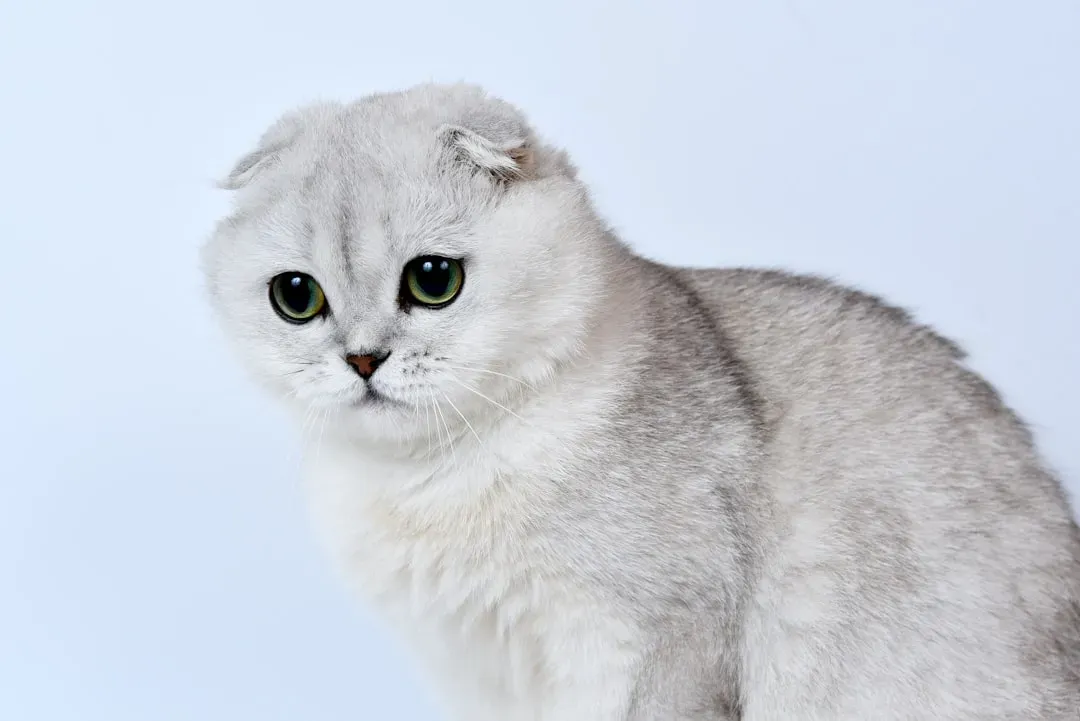
Those folded ears make Scottish Folds look perpetually curious, almost mischievous – but the personality underneath tends to soften every single year. As kittens, they’re calm and inquisitive. By middle age, that curiosity deepens into something closer to devotion, with longer cuddle sessions and noticeably higher tolerance for handling.
Their sweet disposition becomes more pronounced once they settle into adult routines, making them favorites in households that want a low-drama cat who still leans in for affection. The shift lines up with broader feline aging patterns, where restless energy slowly gets rerouted into warmth.
Fast Facts
- Origin: Scotland, discovered in a barn cat litter in 1961
- Signature trait: folded ears caused by a natural genetic mutation
- Coat comes in both short and long varieties, always dense and plush
- Typical lifespan: 11 to 14 years
- Personality shift: noticeably more affectionate and cuddly by middle age
#13 – The Birman’s Quiet Loyalty That Deepens Annually
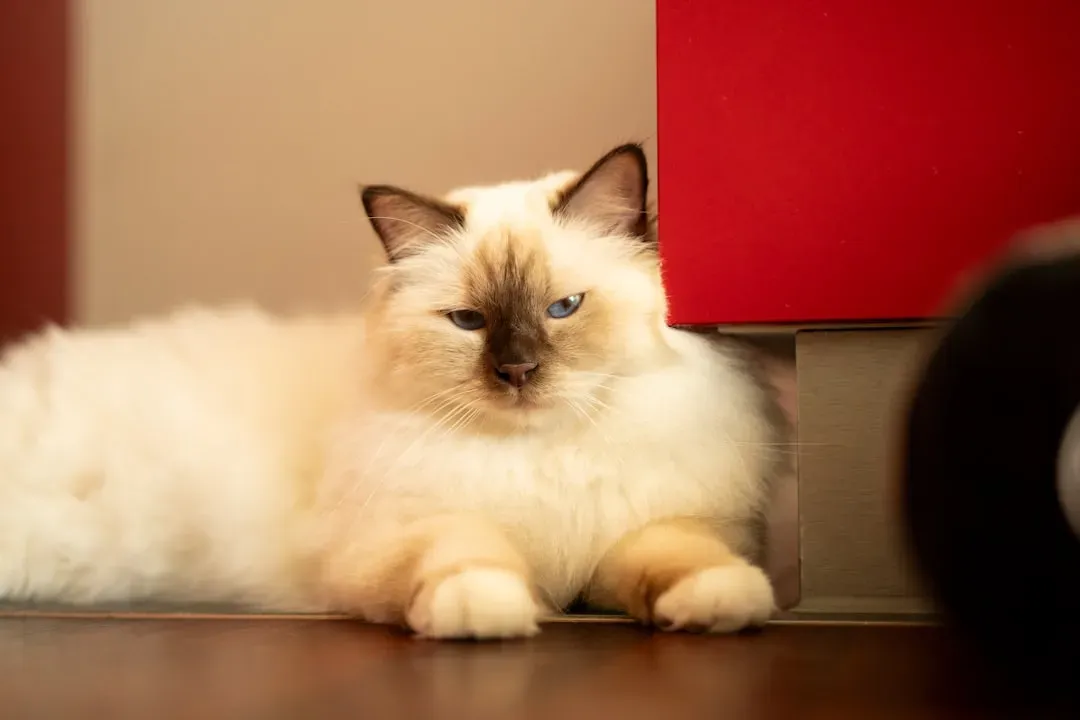
Birmans are easy to underestimate early on. Their composed, almost polite independence as young cats hides just how attached they’re quietly becoming. Give them a few years, and that reserve turns into consistent, patient devotion – they start seeking out human contact on their own terms, and they’ll sit through extended petting sessions without a hint of restlessness.
Their white-gloved paws often accompany a cat that prefers shared quiet moments in later life, which suits owners who’d rather have steady companionship than nonstop entertainment. Even their grooming routine becomes part of the bond – that semi-long coat gives owners a built-in excuse to spend calm, hands-on time together as the cat ages.
#12 – The Russian Blue’s Reserved Warmth That Warms Further
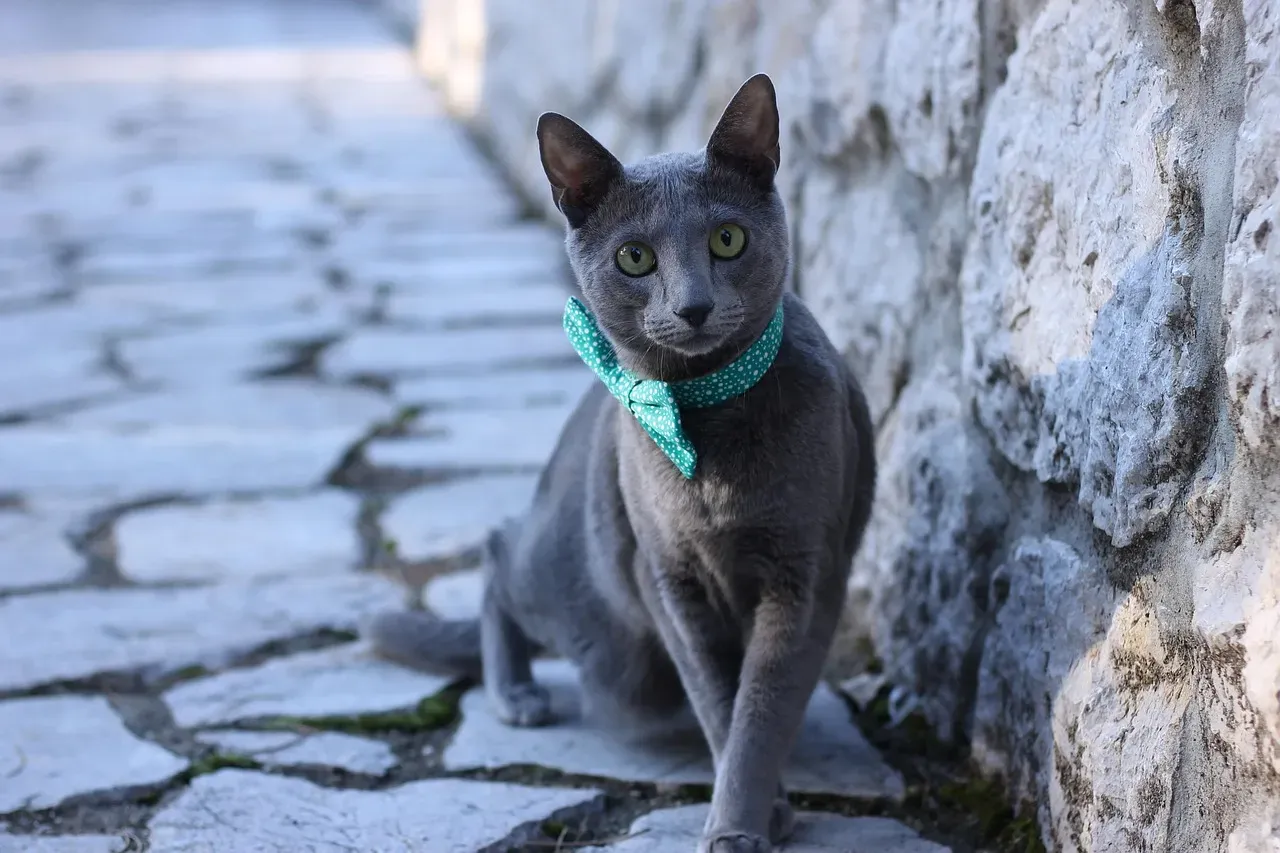
People love to call Russian Blues aloof, and as kittens, that reputation is fair. But that plush silver coat comes attached to a personality that softens dramatically once kittenhood ends. Mature Russian Blues maintain their dignified, watchful presence, but they also start initiating contact far more often than their younger selves ever did.
They develop a subtle but reliable preference for familiar laps and routines, rewarding owners who respected their boundaries early on. It’s a slow-build kind of affection – the breed’s sharp intelligence helps them learn household rhythms, and that familiarity is exactly what unlocks the calmer, closer version of the cat.
#11 – The Chartreux’s Plush Calm That Compounds With Age
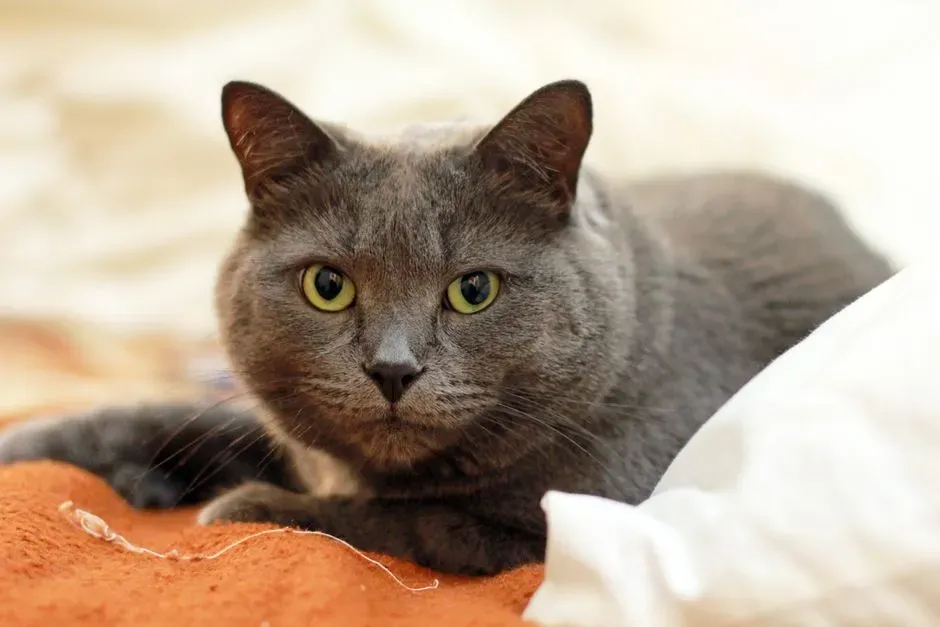
That famous Chartreux “smile” isn’t just a cute expression – it’s a preview of a temperament that grows more even-keeled every year. These French cats start out with moderate activity levels that gracefully decline into senior-level contentment, trading active play for simple, steady companionship.
Their dense blue-gray coats frame a cat that increasingly values predictable affection, which makes them a smart pick for multi-pet households where a steady presence matters more than flash. Owners consistently notice the shift becoming obvious around the eight-year mark, when the cat settles fully into a calm, low-key rhythm.
#10 – The Himalayan’s Relaxed Regal Presence
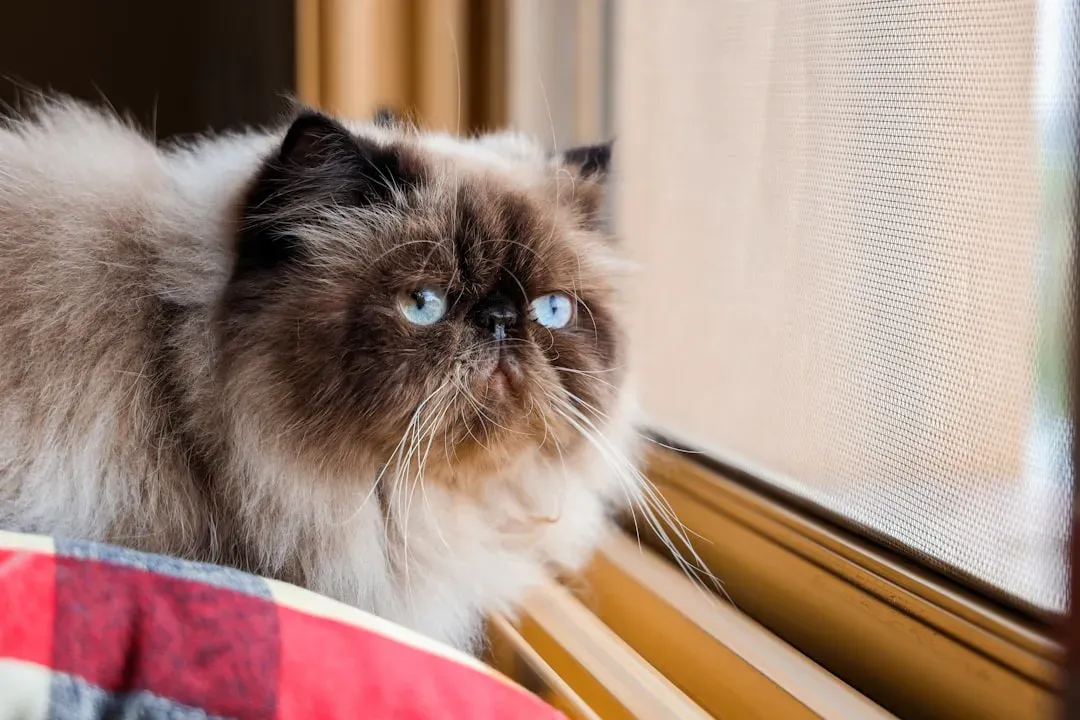
Persian-type cats like the Himalayan tend to trade youthful curiosity for deeper relaxation as the years go on. They start out somewhat sedentary, and that laid-back tendency only intensifies with age. Mature Himalayans gravitate toward long grooming sessions and quiet observation rather than exploration or play.
Their striking blue eyes accompany a growing reliance on familiar humans for comfort, making them a natural fit for apartment life where space limits high-energy activity anyway. Grooming becomes a real bonding ritual here – regular brushing sessions turn into one of the strongest connective threads between cat and owner as the years pass.
#9 – The Selkirk Rex’s Curly-Coated Calm
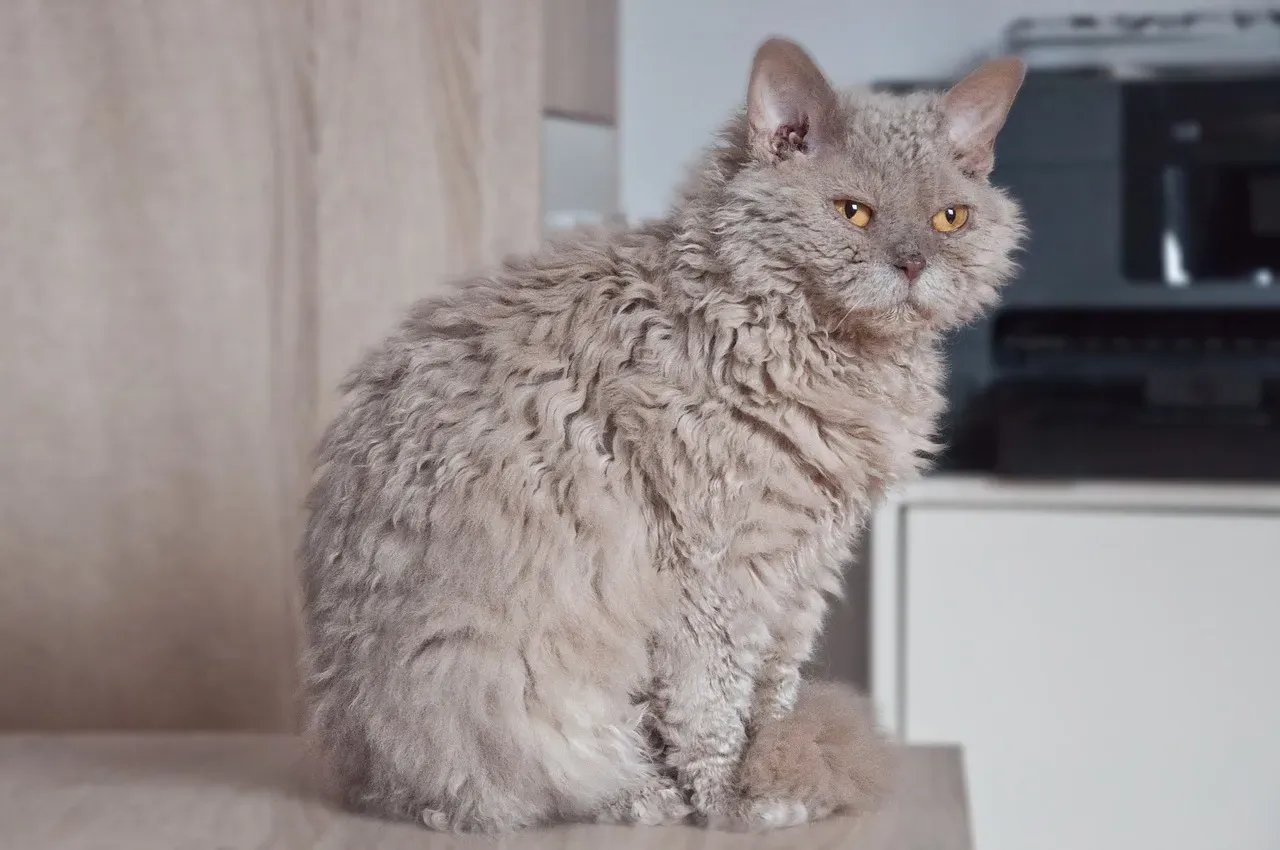
Those wild curls tend to steal attention from what’s really happening underneath: a personality quietly settling into reliable sweetness. Selkirk Rex cats are adaptable by nature, and that flexibility increasingly favors routine and predictability as they mature, with affection-seeking behavior that grows without becoming demanding.
Their plush coats frame cats that grow more tolerant of handling with each passing year, which makes them ideal for owners who want a low-key companion that still leans into physical affection. Their medium energy level works in their favor here, syncing naturally with the general aging slowdown most cats experience.
#8 – The Exotic Shorthair’s Plush Ease
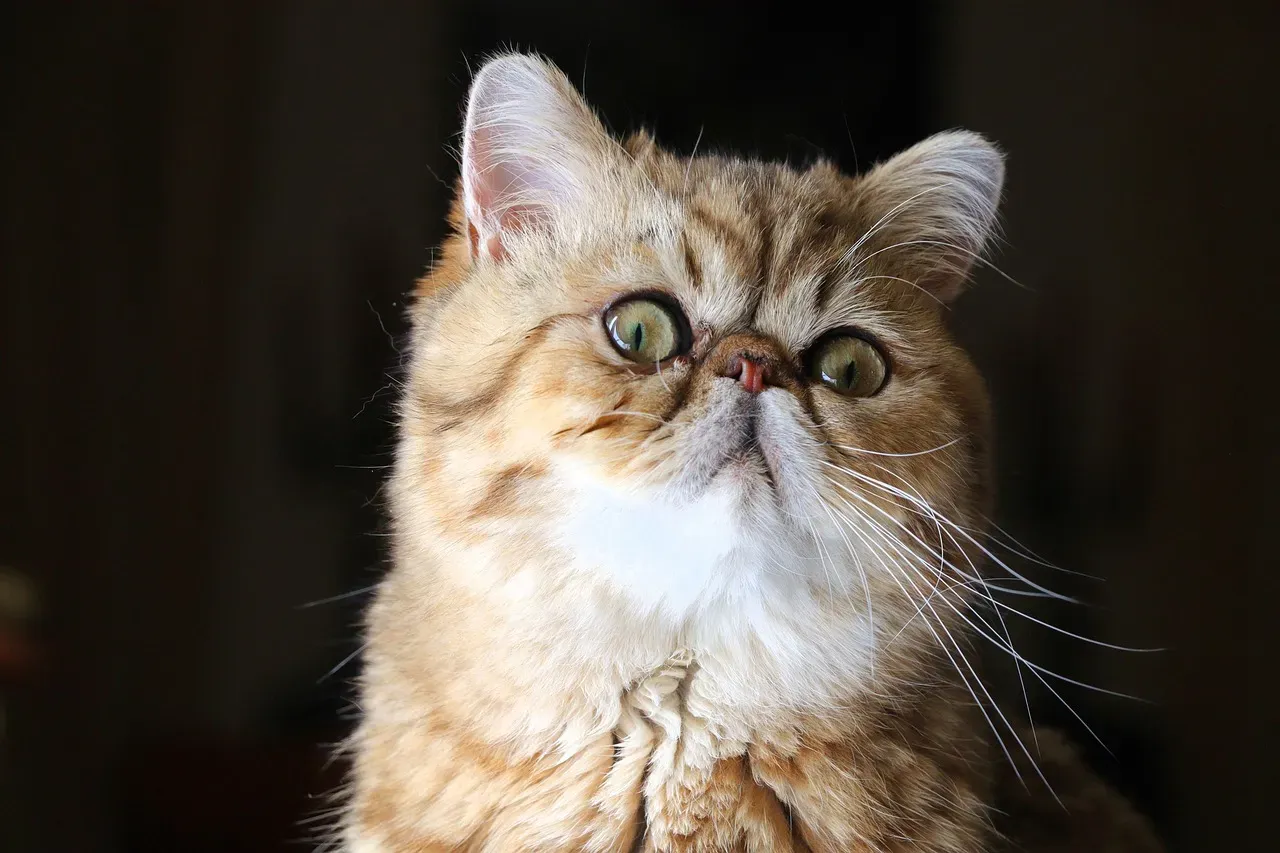
Exotic Shorthairs are essentially short-coated Persians, and they share that same relaxed foundation – one that becomes more pronounced with every year. They start out laid-back, and that easy temperament deepens into full-blown lap-cat behavior, with play intensity dropping steadily in favor of extended rest and affection.
Their pushed-in faces accompany cats that increasingly seek out human warmth, a shift that lines up with general feline aging tendencies but shows up especially reliably in this breed. Add in far less grooming demand than their longhaired relatives, and it’s easy to see why Exotics become such easy, low-maintenance companions for aging owners.
#7 – The Norwegian Forest Cat’s Gentle Giant Evolution
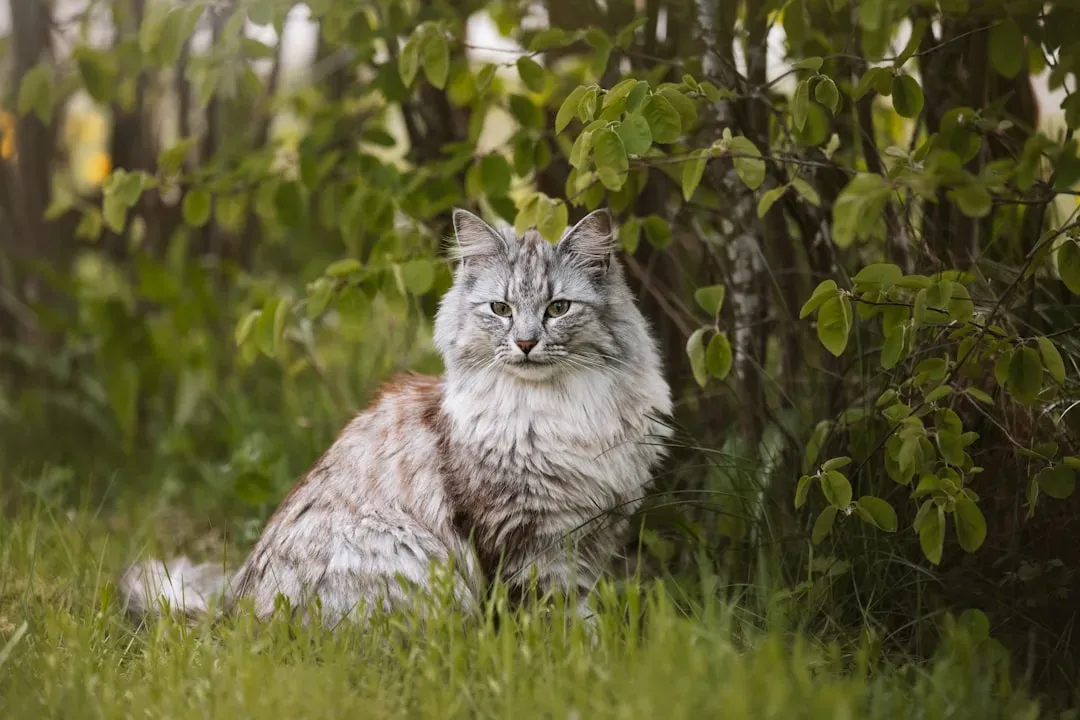
Their size might suggest boundless energy, but Norwegian Forest Cats tend to channel that power into calmer, deeper companionship as they age. Young cats show sturdy independence and a strong drive to explore, but that drive softens noticeably into an affectionate, people-focused presence in maturity.
Their thick coats frame cats that grow steadily more people-focused, and mature individuals often trade supervised outdoor time for indoor bonding instead. Homes that provide vertical space early on tend to be rewarded later with a naturally hardy cat that ages into long, mellow, contented years.
Worth Knowing
- Nicknamed “Wegies,” bred over centuries to survive harsh Scandinavian winters
- Sport a water-resistant double coat that sheds heavily twice a year
- Can weigh up to 16 pounds at full maturity, with males on the larger end
- Powerful hind legs make them excellent, confident climbers
#6 – The Maine Coon’s Gentle Giant Transition
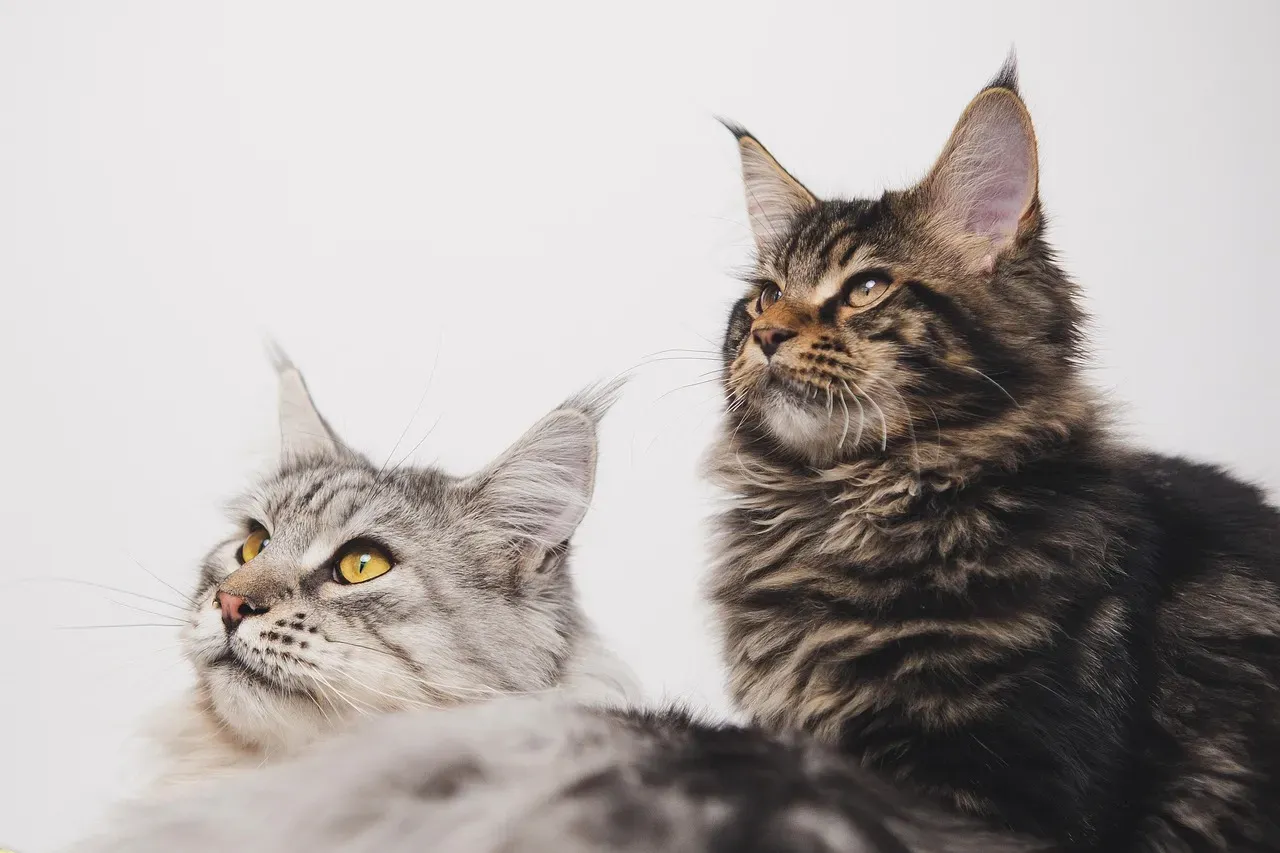
“Gentle giant” isn’t just a nickname for Maine Coons – it’s a description that gets truer every year they’re alive. They start life as playful, curious cats, but that curiosity matures into steady, dependable affection, and most owners notice their Maine Coon seeking out family members far more consistently after the five-year mark.
Their tufted ears and large frames accompany cats that become therapy-level calm, which is exactly why they’re such standout companions in households with kids or seniors. Their intelligence works in their favor too, helping them adapt quickly to what a household actually wants from them.
Why It Stands Out
- One of the largest domesticated cat breeds, with males often topping 18 pounds
- Known for dog-like habits, including fetching and following owners room to room
- Communicates with distinctive chirps and trills instead of typical meowing
- Consistently ranks among the most popular pedigreed breeds in the U.S.
#5 – The British Shorthair’s Plush Reserve That Relaxes
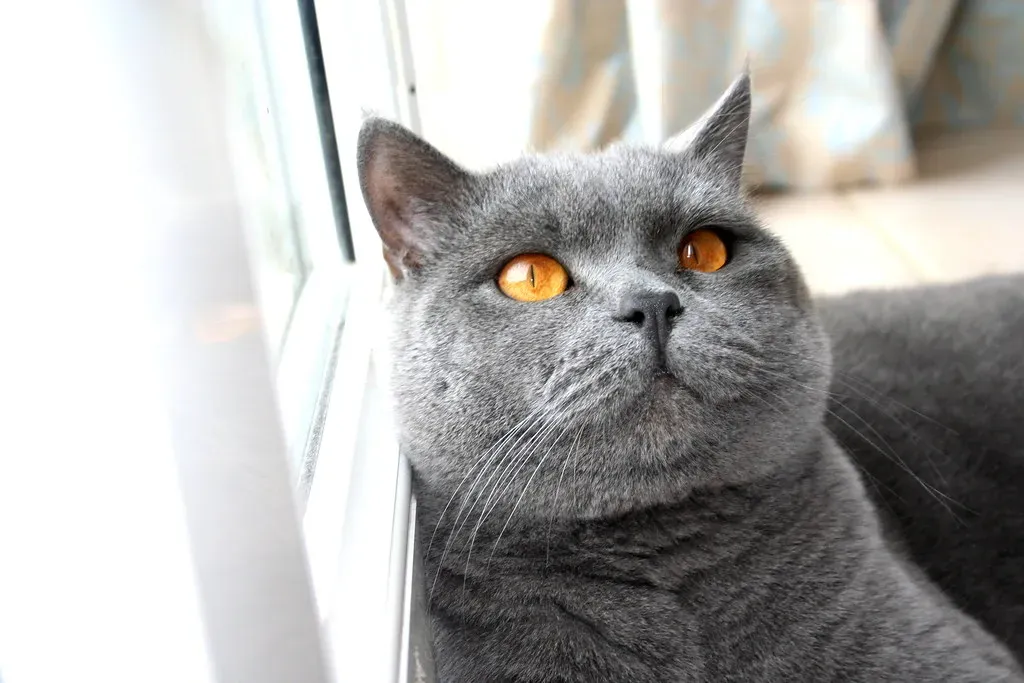
That teddy-bear look isn’t just aesthetic – it matches a temperament that grows more approachable with every passing year. British Shorthairs hold onto a certain dignified independence, but their preference for lap time increases steadily, and they tolerate handling much better once they’ve settled fully into their routines.
Their dense coats frame cats that become reliable sources of quiet comfort, which is a huge win for busy owners who appreciate affection that doesn’t require constant effort. Setting boundaries early actually accelerates this mellowing process, giving the cat room to relax into the relationship on its own timeline.
#4 – The Persian’s Furniture-Like Calm
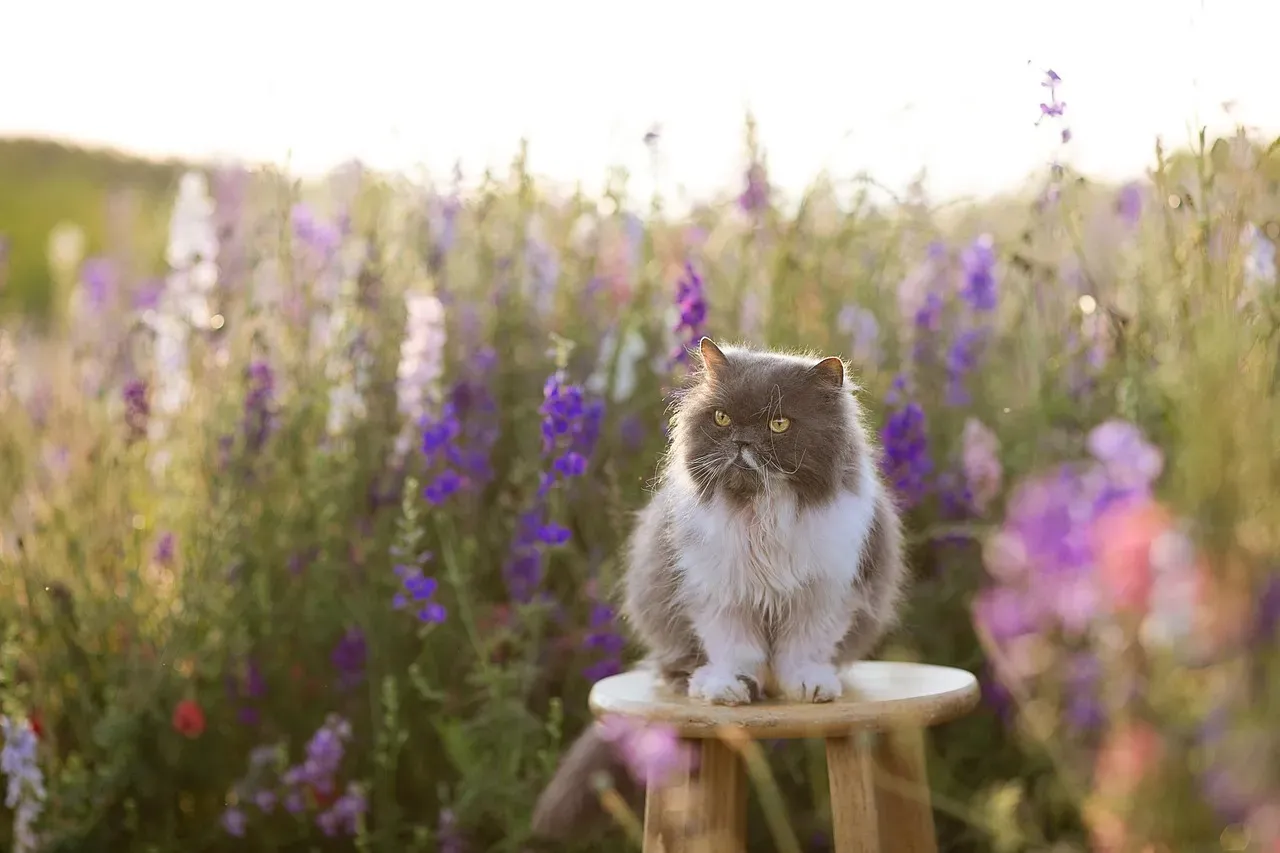
Persians earn the “furniture with hair” nickname honestly – their relaxation deepens reliably with every year they age. They start out somewhat reserved, but that reserve evolves into a kind of profound contentment, where minimal stimulation is not just tolerated but preferred. Mature Persians tend to pick one or two favorite spots and people, and stick with them.
Their long coats accompany cats that grow increasingly dependent on familiar affection, which is exactly why quiet homes suit them best. Grooming becomes something close to ritual here, doubling as bonding time, and generations of selective breeding have only reinforced this steady, unshakable temperament.
#3 – The Siberian’s Forest Calm That Deepens With Age
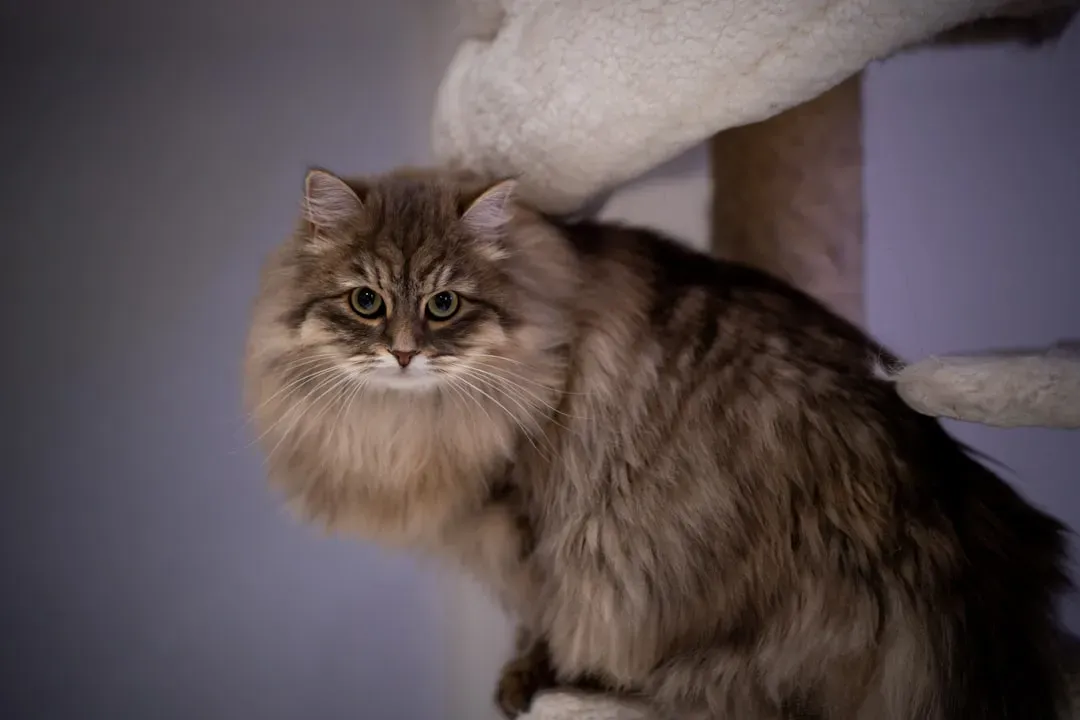
Siberians pair serious size with a temperament that shifts toward deeper bonding the older they get. They start out with moderate energy and a strong independent streak, but that drive gradually redirects into affectionate, deliberate presence, especially during quiet evenings when they seek out contact on their own.
Their triple coats frame cats that become notably sweeter companions as the years pass, which is great news for active households willing to wait for the payoff. Natural hardiness means they tend to age gracefully, holding onto both health and warmth well into their senior years.
#2 – The Burmese’s Velvet-Soft Devotion That Deepens
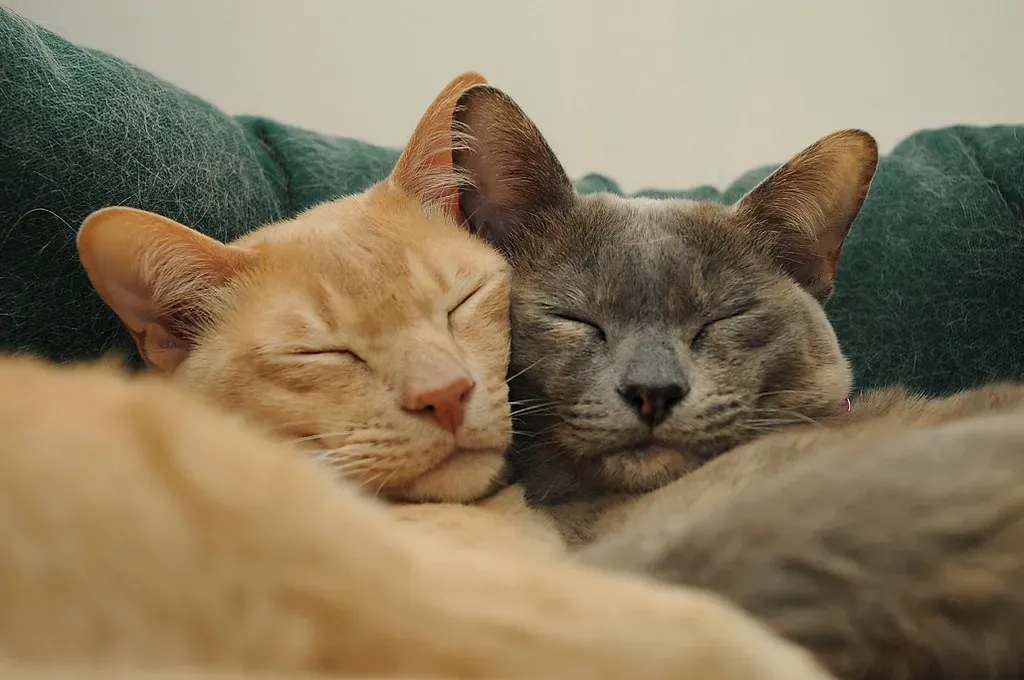
Burmese cats are famously people-oriented from the start, but that attachment only intensifies with age, evolving from playful clinginess into something closer to constant, calm companionship. Young Burmese are known for following owners from room to room; mature ones take it a step further, settling into laps and staying there.
Their velvety, satin-soft coats accompany a personality that trades chaos for closeness as the years go on, with reduced playfulness making room for near-constant physical affection. It’s a breed that essentially doubles down on the traits people loved from day one, just with far less energy behind them.
#1 – The Ragdoll’s Ultimate Late-Life Sweetness
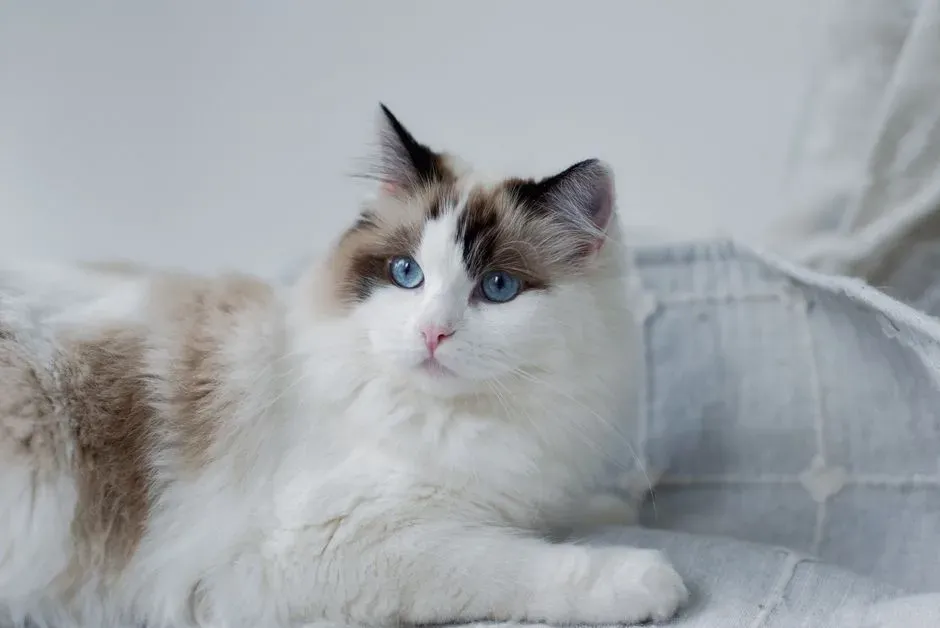
Ragdolls top this list because their already gentle nature intensifies into something even more profound and consistent with every passing year – a transformation few other breeds match. They start out as playful, floppy kittens and grow into seniors who actively seek out laps and tolerate extended handling without a single complaint.
Their signature limp response when picked up becomes a daily invitation for bonding that only deepens with time, and owners consistently report a noticeable jump in cuddliness – paired with a drop in independence – right around age seven. Genetics do a lot of the heavy lifting here, supporting a transformation that’s more reliable in Ragdolls than in almost any other breed.
At a Glance
- Origin: California, developed in the 1960s
- Named for their tendency to go limp and relaxed when picked up
- Among the most popular registered cat breeds today
- Typical lifespan: 12 to 17 years
- Semi-long coat with minimal undercoat, easier to maintain than a Persian’s
The Bottom Line
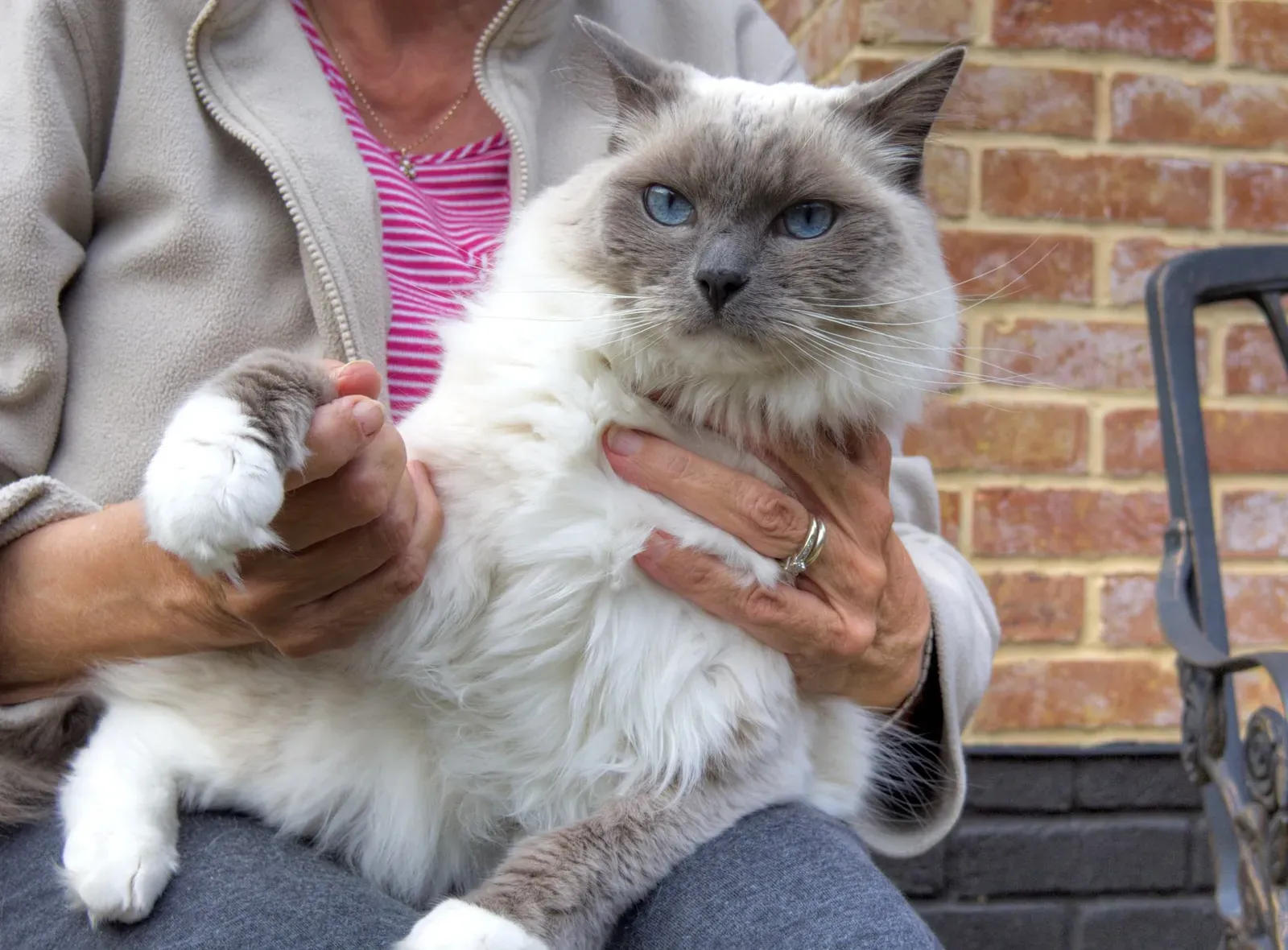
Patience with the right breed pays off in ways kitten-obsessed culture rarely talks about. Ragdolls make the strongest case here – their transformation from floppy kitten to full-time lap fixture feels almost too consistent to be a coincidence. Persians and Maine Coons aren’t far behind, delivering the same steady payoff without quite as much drama.
Quick Compare
- Ragdoll – most dramatic personality shift, peak sweetness typically arrives around age seven
- Maine Coon – gentle giant energy that turns therapy-cat calm by roughly age five
- Persian – steady, furniture-like contentment that deepens gradually for life
Most cats settle down with age to some degree. But these 15 breeds don’t just calm down – they actively lean harder into affection the older they get, which is the opposite of what most new owners expect walking in. If you’ve lived through this shift with your own cat, or think we left out a breed that deserves a spot on this list, say so in the comments.
Kristina is a young writer from India. An arts graduate and an avid content creator, Kristina is passionate about animals and wildlife. She enjoys exploring topics related to pet care, animal behavior, conservation, and nature, combining thorough research with engaging storytelling.