Walk into almost any rescue center in the country and you’ll notice the same faces staring back at you, over and over. Not random strays. Not “problem” cats with bite records or litter box grudges. Purebreds – the kind people once paid hundreds or thousands of dollars for, standing in cages because someone couldn’t keep up with what the breed actually needed.
It’s tempting to blame lazy owners or bad luck, and sometimes that’s part of it. But the deeper you look into shelter intake patterns, the clearer a different story becomes: certain breeds are built – by nature or by breeders – to demand more than the average household can give. The cats show up confused and heartbroken, and the humans who surrendered them usually walk away feeling the same way. Here’s exactly which breeds keep landing in that cage, and why the blame almost never belongs to the cat.
#13 – Persians: The Grooming Nightmare No One Warns About
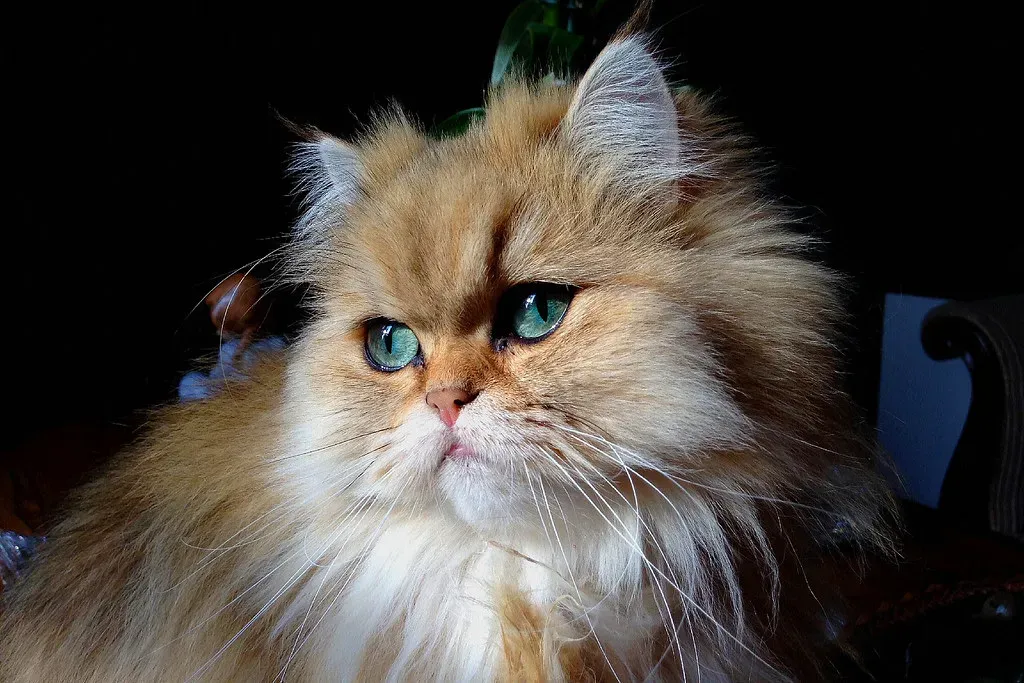
Persians show up at rescues matted, weepy-eyed, and sometimes struggling to breathe – not because they’re fragile by nature, but because their flat faces and dense double coats need daily upkeep most new owners never budget for. A Persian’s coat can knot into painful mats within days if brushing slips, and their squashed facial structure often leads to chronic eye discharge and breathing trouble that requires ongoing vet visits.
Many owners fall for the plush, doll-like look without realizing they’ve essentially signed up for a part-time grooming job. Professional grooming every few weeks becomes non-negotiable, not optional, and the vet bills for eye and skin issues add up fast. These cats aren’t difficult – they’re simply high-maintenance in a way that catches people off guard, and by the time the neglect shows, surrender feels like the only option left.
Fast Facts
- Long, dense double coat can mat within days without daily brushing
- Flat facial structure often causes chronic tear staining and breathing trouble
- Professional grooming is typically needed every 4 to 6 weeks, not occasionally
- Average lifespan runs 10 to 15 years, meaning the grooming commitment is a decade-long one
#12 – Bengals: High-Energy Destroyers in Disguise
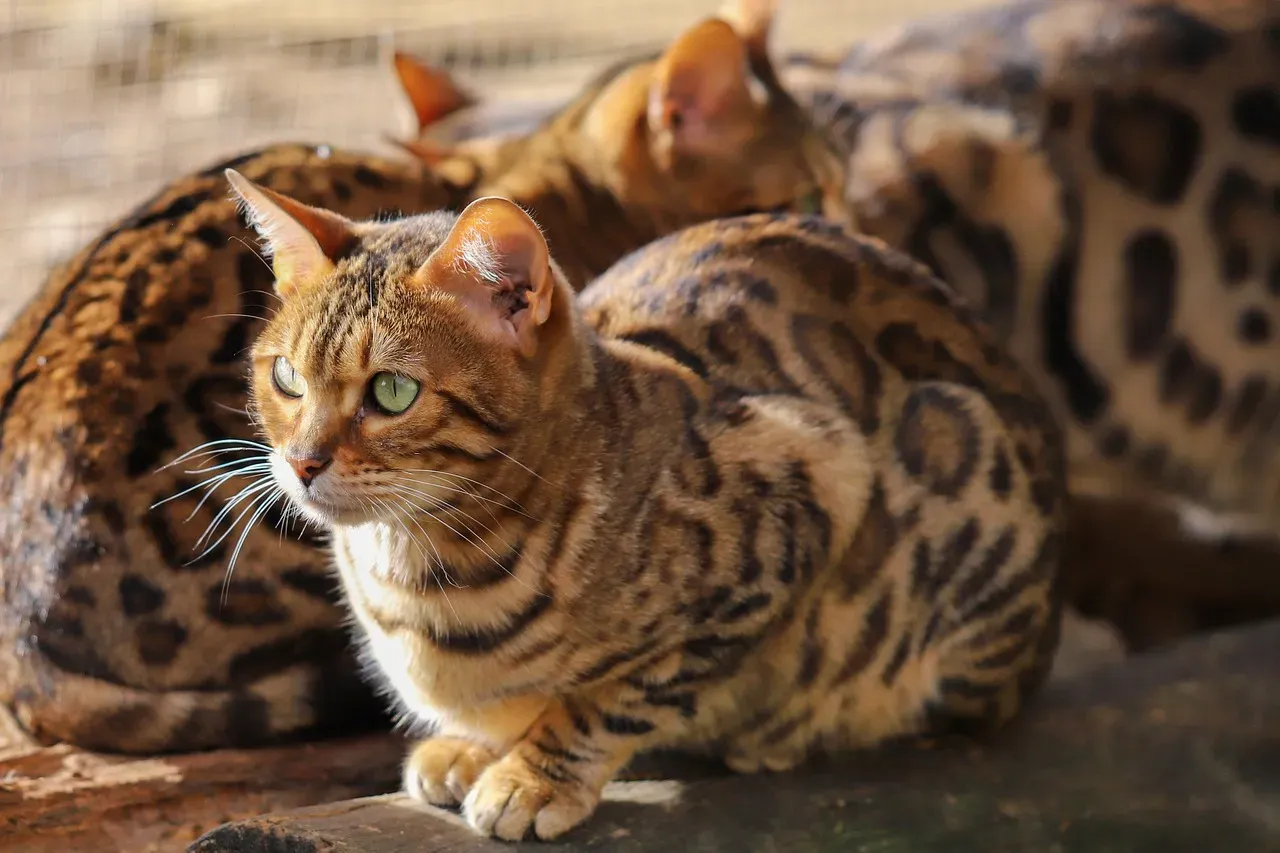
Bengals look like tiny leopards, and that’s exactly the problem – buyers fall for the exotic pattern and forget they’re bringing home a cat with real wild ancestry. That heritage translates into relentless energy: Bengals scale curtains, raid cabinets, and yowl through the night when they’re bored, which is often, because most homes can’t match their stamina.
Rescue workers see the same story repeat itself – someone wanted a “cool-looking cat” and got a full-time job instead. Without hours of daily interaction, climbing structures, and puzzle feeders, Bengals can spiral into stress-related illness or destructive behavior that pushes owners past their limit. It’s rarely about a mean cat; it’s about marketing hype colliding with a lifestyle that was never built to contain this much cat.
#11 – Sphynx: The Skin-Care Commitment That Breaks Budgets
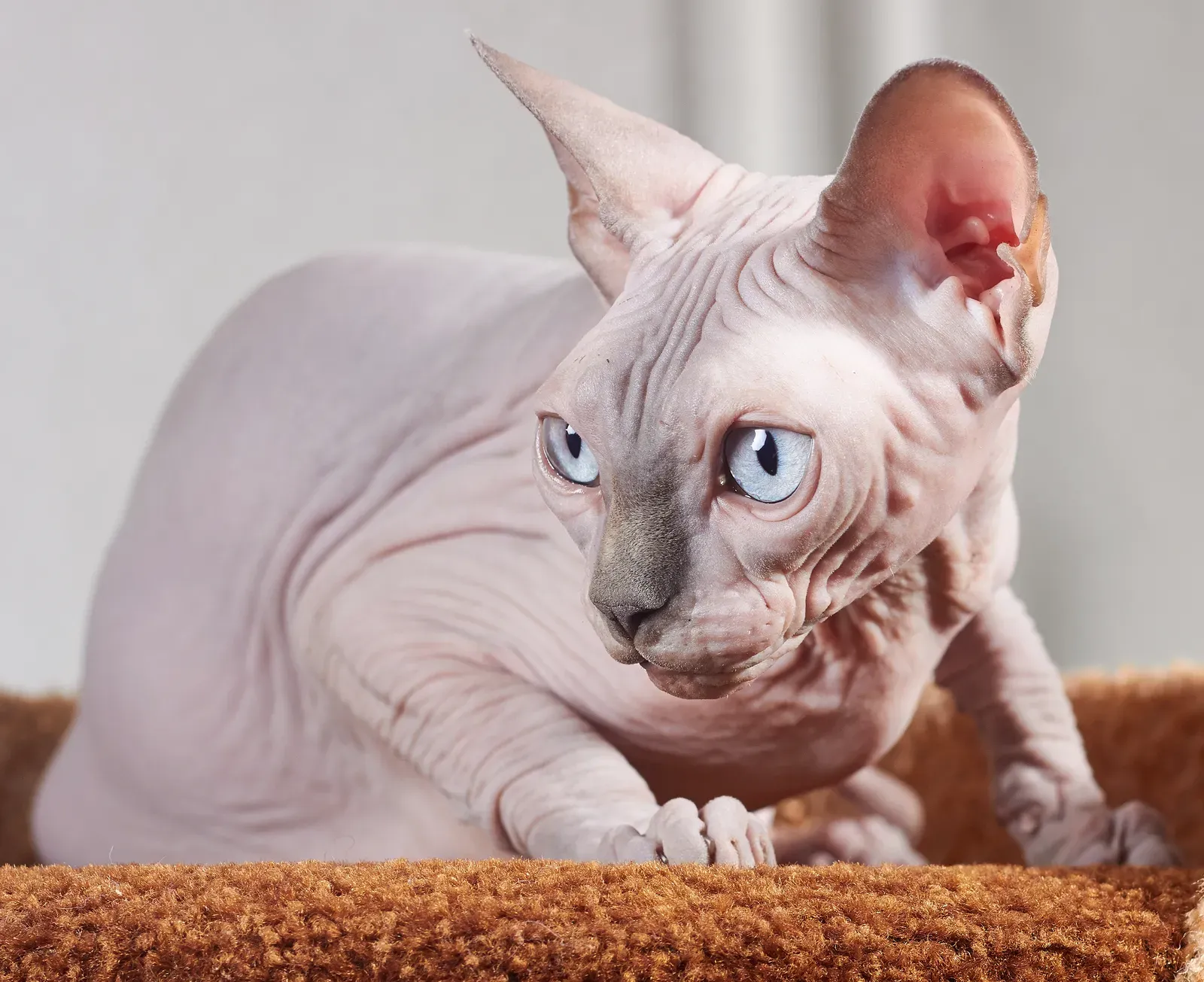
“Low shedding” is technically true for the Sphynx – there’s no fur to shed. But that hairless body comes with a tradeoff most new owners never see coming: constant oil buildup, sunburn risk, and a body that can’t regulate its own temperature without help.
Weekly baths aren’t a suggestion for Sphynx cats, they’re survival. Add in ear infections, special diets, and the need for a climate-controlled home year-round, and the costs pile up quickly. Allergies in the household often flare anyway, since Sphynx cats still produce the same dander-triggering proteins as furry breeds. Once the vet bills and bathing schedule collide with real life, surrender numbers for this breed climb fast – even though the cats themselves are often gentle, affectionate, and easy to love.
#10 – Scottish Folds: Ear and Joint Issues Hidden in the Cute Fold

Those adorable folded ears that made Scottish Folds internet-famous come from a genetic mutation called osteochondrodysplasia – and it doesn’t stop at the ears. The same mutation affects cartilage throughout the body, setting the stage for painful arthritis that often shows up by middle age.
Most buyers have no idea genetic testing even exists for this breed, let alone that it matters. Shelters report a familiar pattern: a Fold gets surrendered right around the time it starts limping, once pain management and activity restrictions become part of daily life. None of it stems from anything the cat did wrong – it’s a breeding decision made generations before the cat was ever adopted.
Worth Knowing
- The folded-ear trait comes from a cartilage mutation, not a harmless cosmetic quirk
- Reputable breeders avoid fold-to-fold pairings because it worsens joint disease in kittens
- Thickened tails and shortened, stiff-moving limbs are often the earliest visible warning signs
- Arthritis-related pain can surface well before a cat is considered a senior
#9 – Munchkins: Short Legs Create Long-Term Mobility Struggles
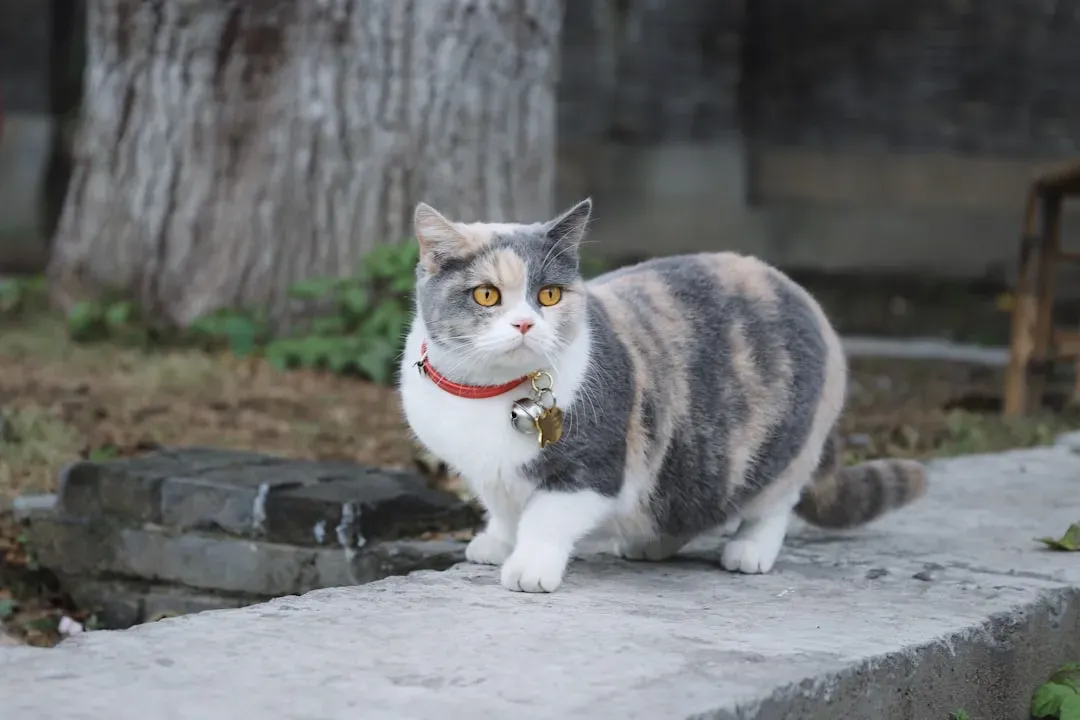
Munchkins were bred for their short legs, and short legs come from a genetic mutation that also affects the spine. Over time, that same mutation can lead to joint degeneration and chronic pain, especially once jumping and climbing – completely normal cat behaviors – start becoming difficult or impossible.
Owners expecting a playful little lap cat often don’t realize how much their home needs to change: ramps, low furniture, ground-level everything. When that adjustment doesn’t happen, the cat struggles visibly, and struggling cats end up back in rescue. It was never a choice the Munchkin made to be built this way – it’s simply what happens when cuteness gets prioritized over anatomy.
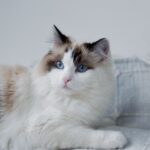
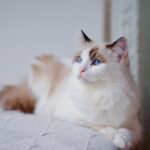
#8 – Ragdolls: Heart Disease Risks That Surface Too Late
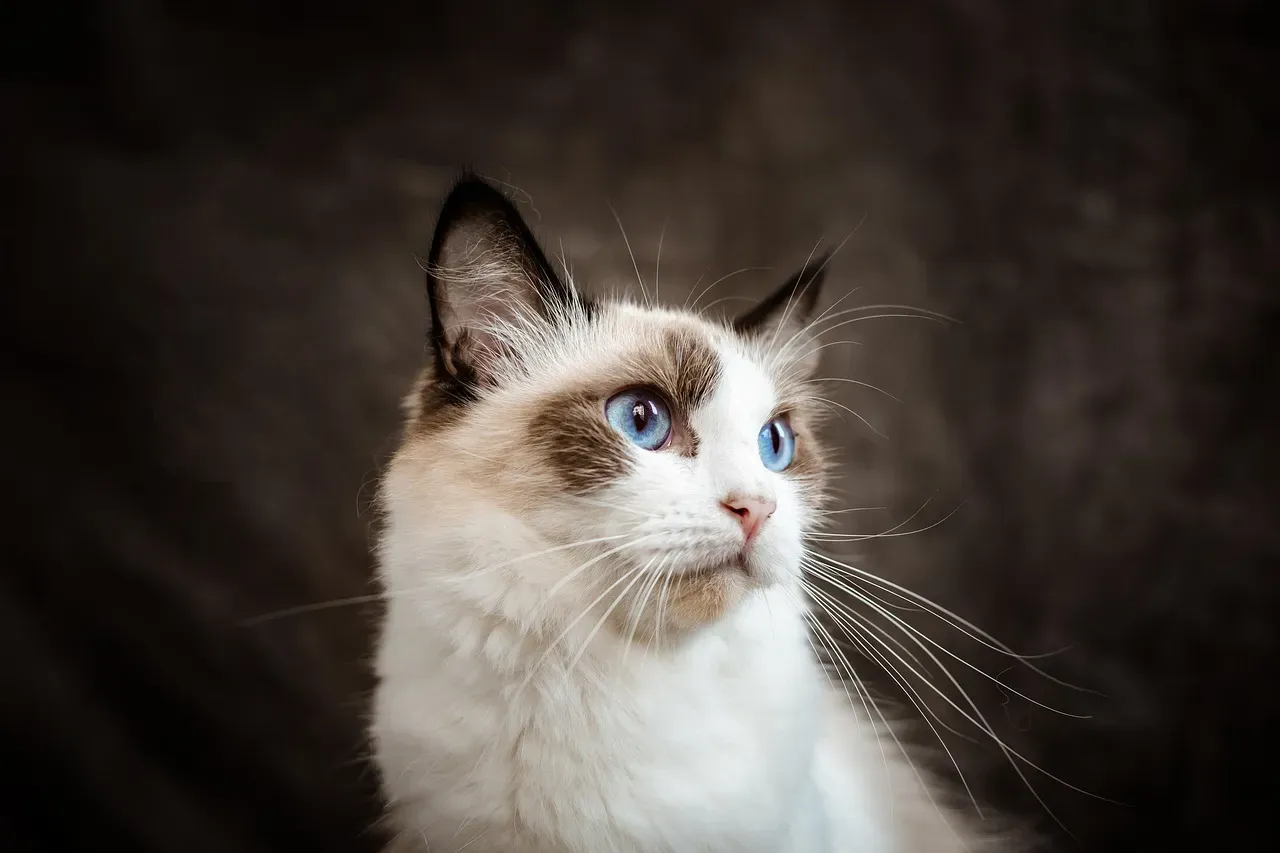
Ragdolls are famous for going limp with affection in your arms, which is exactly why their health struggles catch owners so off guard. The breed carries an outsized risk of hypertrophic cardiomyopathy, a heart condition that can develop silently and then turn into a crisis with little warning.
Because Ragdolls are so calm and easygoing, owners often skip the regular cardiac screenings that could catch problems early. When a diagnosis finally lands, the ongoing medication and monitoring costs blindside families who weren’t expecting to sign up for a medical case. Combine that with the breed’s large size and heavy grooming needs, and it’s easy to see how good intentions turn into surrender paperwork.
#7 – Maine Coons: Size and Shedding Overload for Small Households
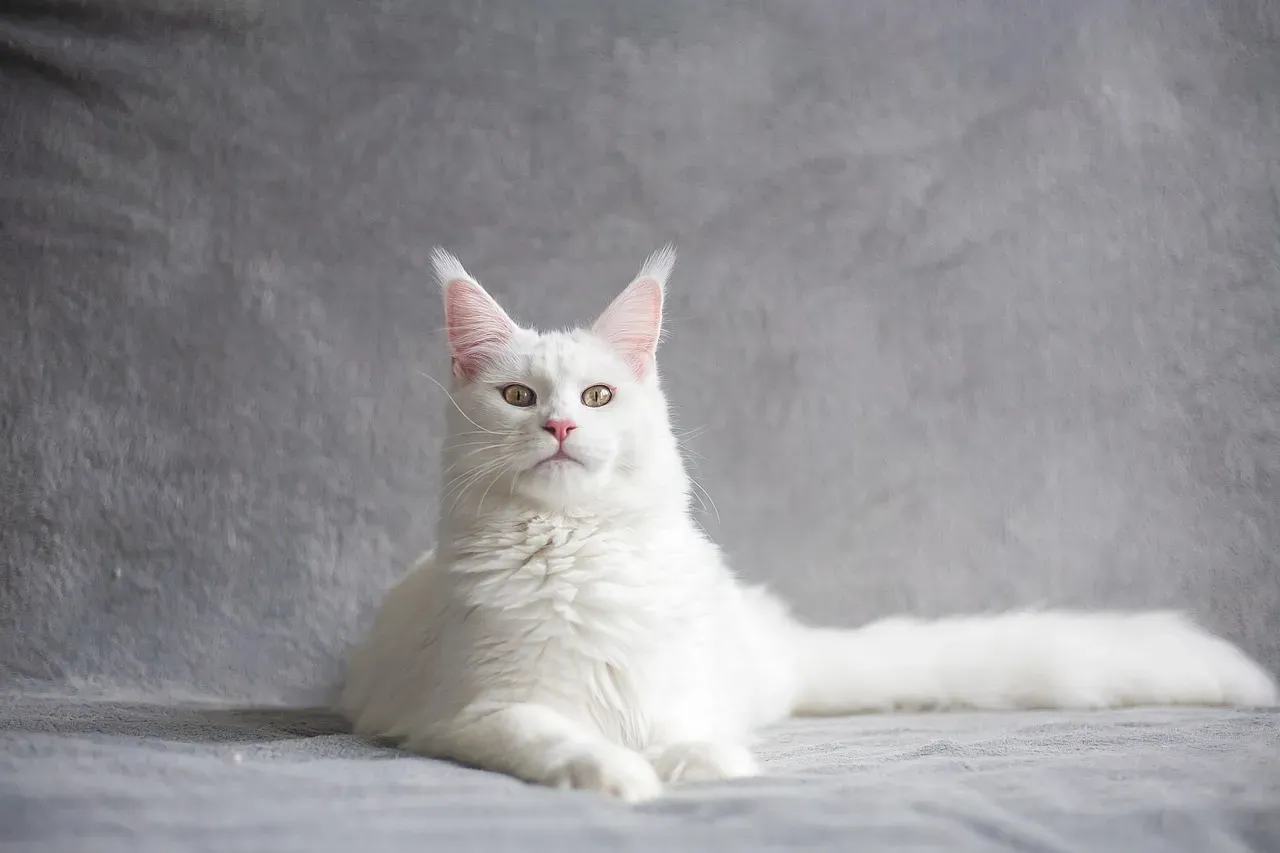
Maine Coons are essentially dogs in cat suits – enormous, affectionate, and desperate for interaction – which is charming right up until the shedding starts covering every surface in a small apartment. Their thick, weather-resistant coats were built for harsh winters, not for owners who thought they were getting a slightly bigger housecat.
These cats need room to roam and frequent brushing to keep mats from forming across all that fur. Owners in tight spaces or busy schedules often underestimate both the size and the personality – Maine Coons follow their people from room to room and genuinely dislike being ignored. When the space or the time runs out, these gentle giants are the ones who end up outgrowing their welcome.
At a Glance
- Adult males typically weigh 18 to 22 pounds; females run 12 to 15 pounds
- One of the largest domesticated cat breeds, with some individuals stretching close to 40 inches nose to tail
- Doesn’t reach full size until 3 to 5 years old, meaning the “big phase” lasts a while
- Known as the “gentle giant” for its dog-like habit of following owners room to room
#6 – Siamese: Vocal and Social Needs That Exhaust Introverts
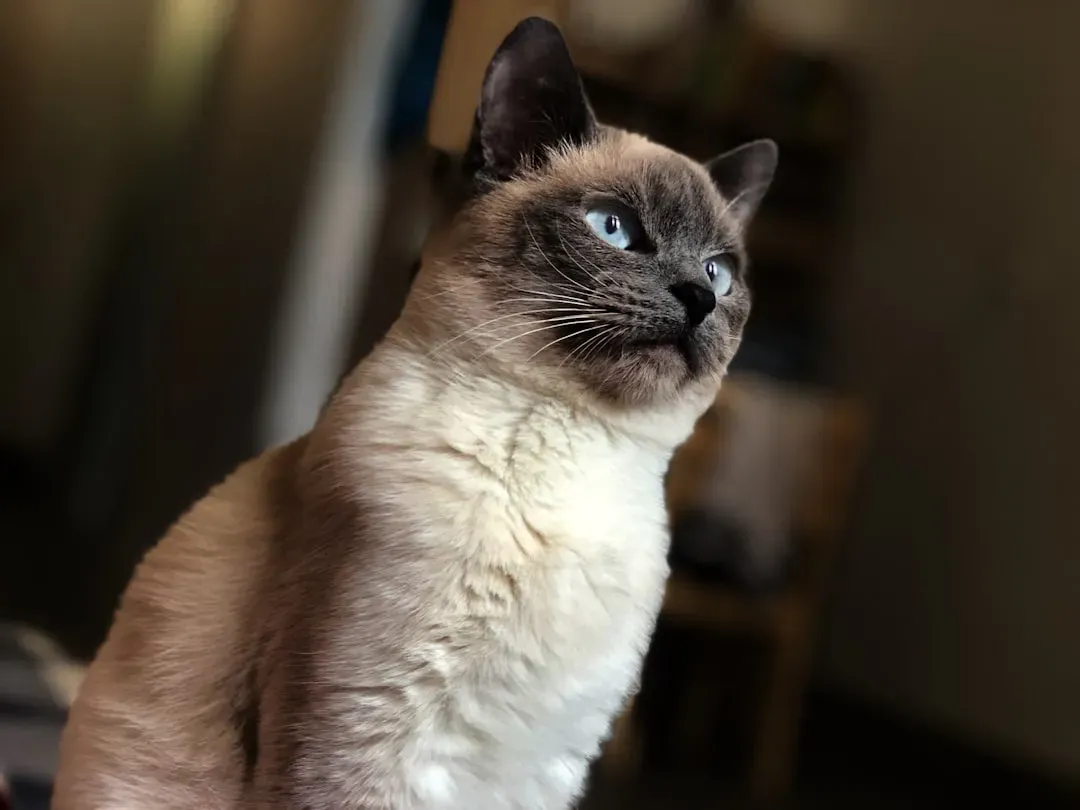
Siamese cats don’t meow – they narrate. Loudly, constantly, and with real opinions about everything happening in the house, from empty food bowls to closed doors they’d like opened immediately.
That intensity comes from a breed that bonds hard and hates being alone, which sounds sweet until it’s disrupting sleep or clashing with a quiet, work-from-home household. Their sharp intelligence means boredom shows up fast, often as destructive or attention-seeking behavior when nobody’s engaging with them. Owners who wanted a low-key companion frequently discover they’ve adopted a needy, brilliant shadow instead – and the mismatch, not the cat’s temperament, is what drives the surrender.
#5 – Savannahs: Wild Traits That Clash With Domestic Life
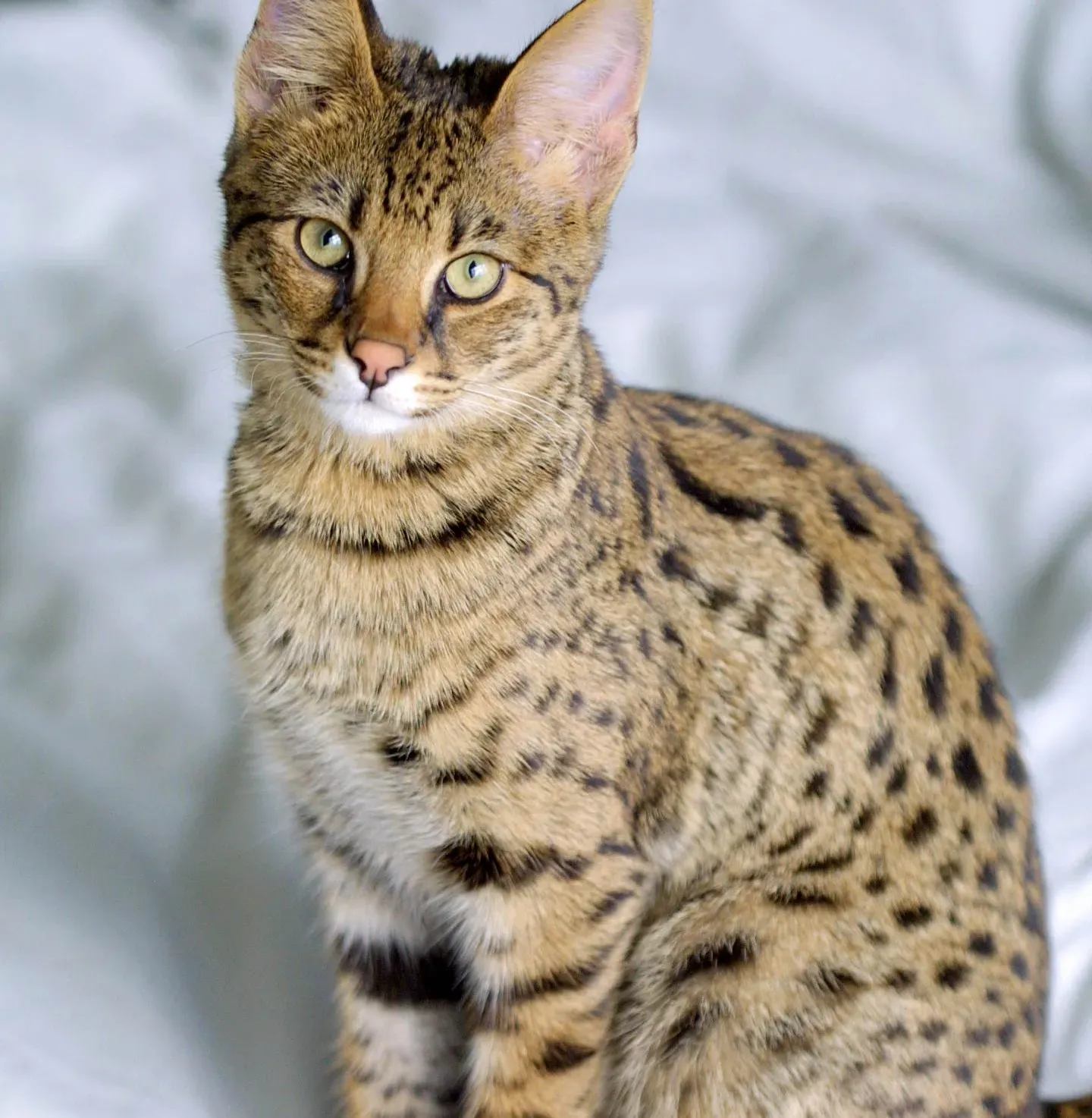
Savannahs carry real serval blood, and it shows – in the jumping ability that clears six-foot fences, the prey drive that treats small pets as targets, and an escape-artist streak that surprises even seasoned cat owners. Some states and cities also restrict or ban certain generations of the breed outright, a detail plenty of buyers never check before bringing one home.
These cats need secure enclosures, experienced handling, and owners who understand they’re living with something closer to a wild animal than a domestic breed. When zoning laws catch up, or neighbors start complaining about a cat that keeps escaping, the surrender usually follows. The genetics were never a secret – they just weren’t explained clearly at the point of sale.
Quick Compare
- F1 generation: roughly 50% serval, the largest and most intense, often illegal or restricted outright
- F2 to F3: still large and demanding, banned or permit-only in several states
- F4 to F5: generally accepted as domestic pets across most of the U.S. and far easier to live with
- Any generation can jump up to 8 feet, so secure vertical containment is never optional
#4 – Abyssinians: Athletic Demands That Outpace Average Homes
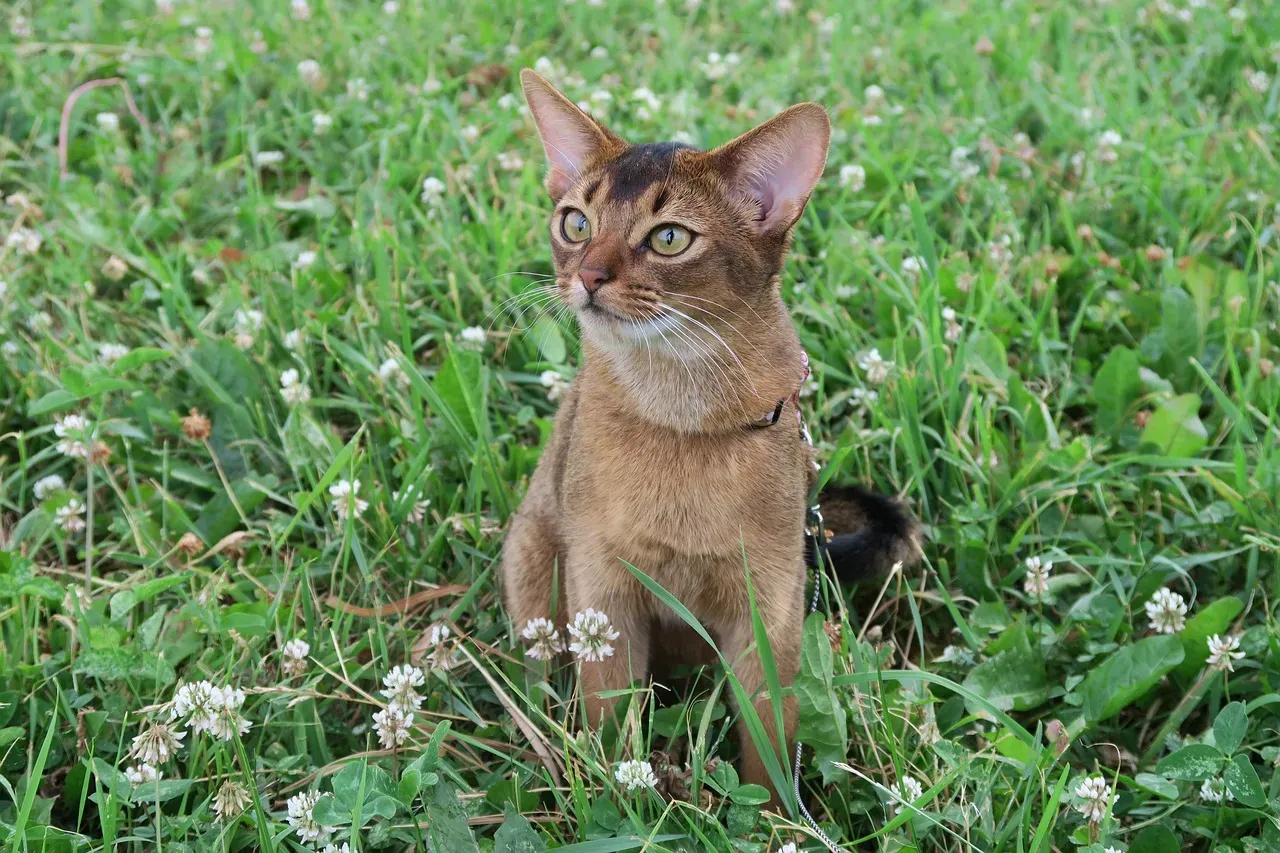
Abyssinians move like they’re perpetually late for something, and in a sense, they are – this breed’s ancient lineage produces relentless curiosity and physical drive that modern apartments simply weren’t designed to satisfy. They scale bookshelves, solve latches, and investigate every closed door with the persistence of a tiny detective.
Without vertical space and constant interactive play, that energy turns destructive fast – shredded curtains, knocked-over plants, and knick-knacks that mysteriously end up on the floor. Owners who pictured a sleek, low-effort companion often find themselves outmatched by a cat that needs more mental stimulation than most toddlers. The preparation gap, not the breed’s temperament, is what fills the intake logs.
#3 – British Shorthairs: Independent Streak Misread as Low Maintenance
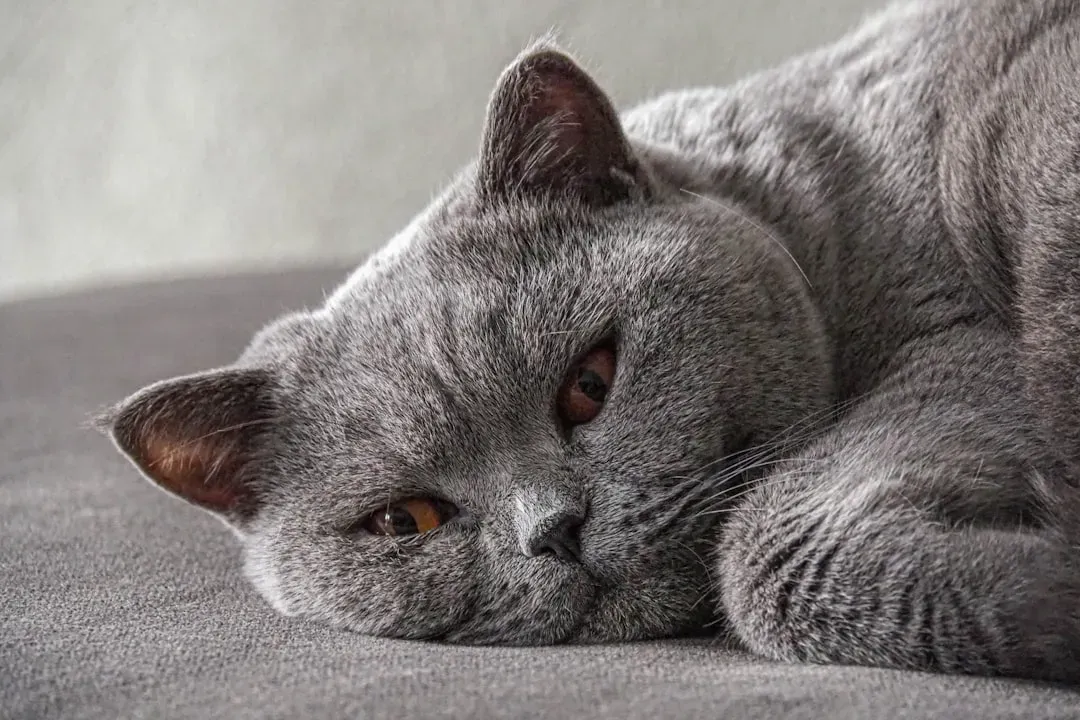
British Shorthairs have a chill, round-faced calm that fools people into thinking they require basically nothing. That assumption is where the trouble starts – their dense, plush coats mat without regular brushing, and their laid-back nature makes them prone to weight gain when nobody bothers to initiate play.
Health issues tied to sedentary lifestyles – joint strain, obesity, diabetes risk – tend to surface in homes that never built a play routine into the cat’s day. The breed’s quiet, stoic personality hides real needs instead of announcing them, which means passive owners often don’t notice a problem until it’s serious. By then, the surrender feels less like a choice and more like an admission that nobody was paying attention.
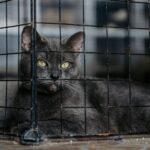
#2 – Russian Blues: Aloof Temperament That Disappoints Cuddlers
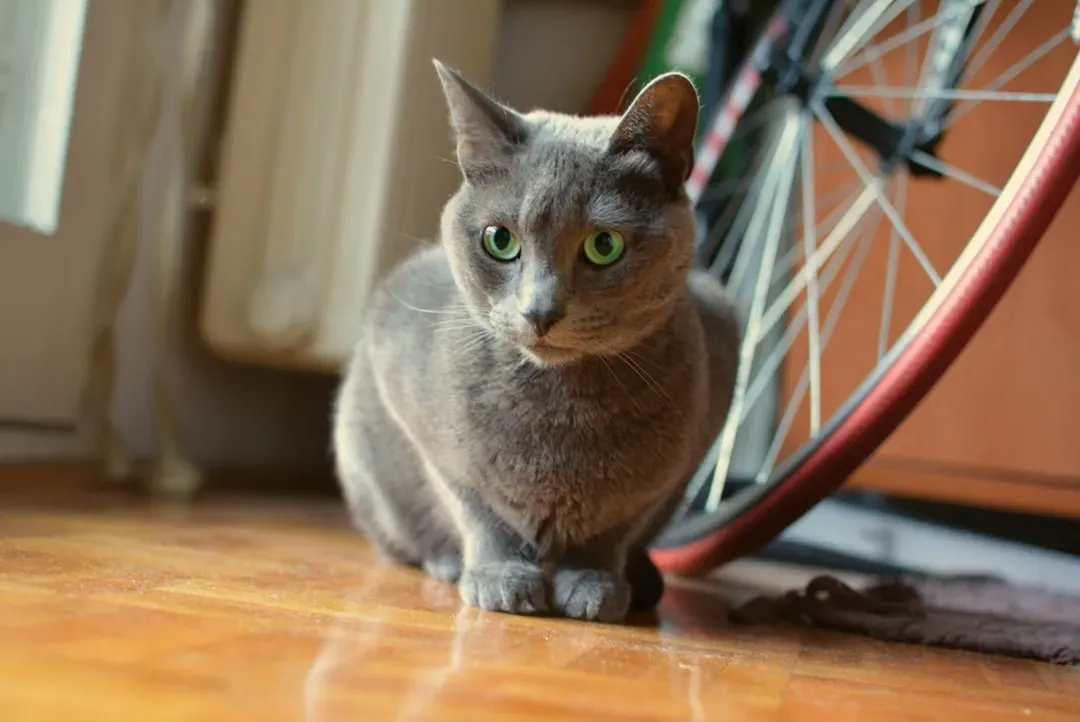
Russian Blues have a shimmering silver coat and striking green eyes that practically beg for an impulse adoption – and that’s often exactly what happens, without anyone researching the personality underneath. This is a reserved, selectively affectionate breed that prefers quiet routines and bonds slowly, on its own terms.
Owners expecting a constant lap cat frequently interpret that independence as rejection, and the relationship sours from there. Boredom and neglect creep in when nobody understands that a Russian Blue showing affection differently isn’t the same as a Russian Blue withholding it. The coat sold the cat, but the temperament is what eventually sends it back.
#1 – Cornish Rex: The Delicate Coat and Temperature Sensitivity Trap
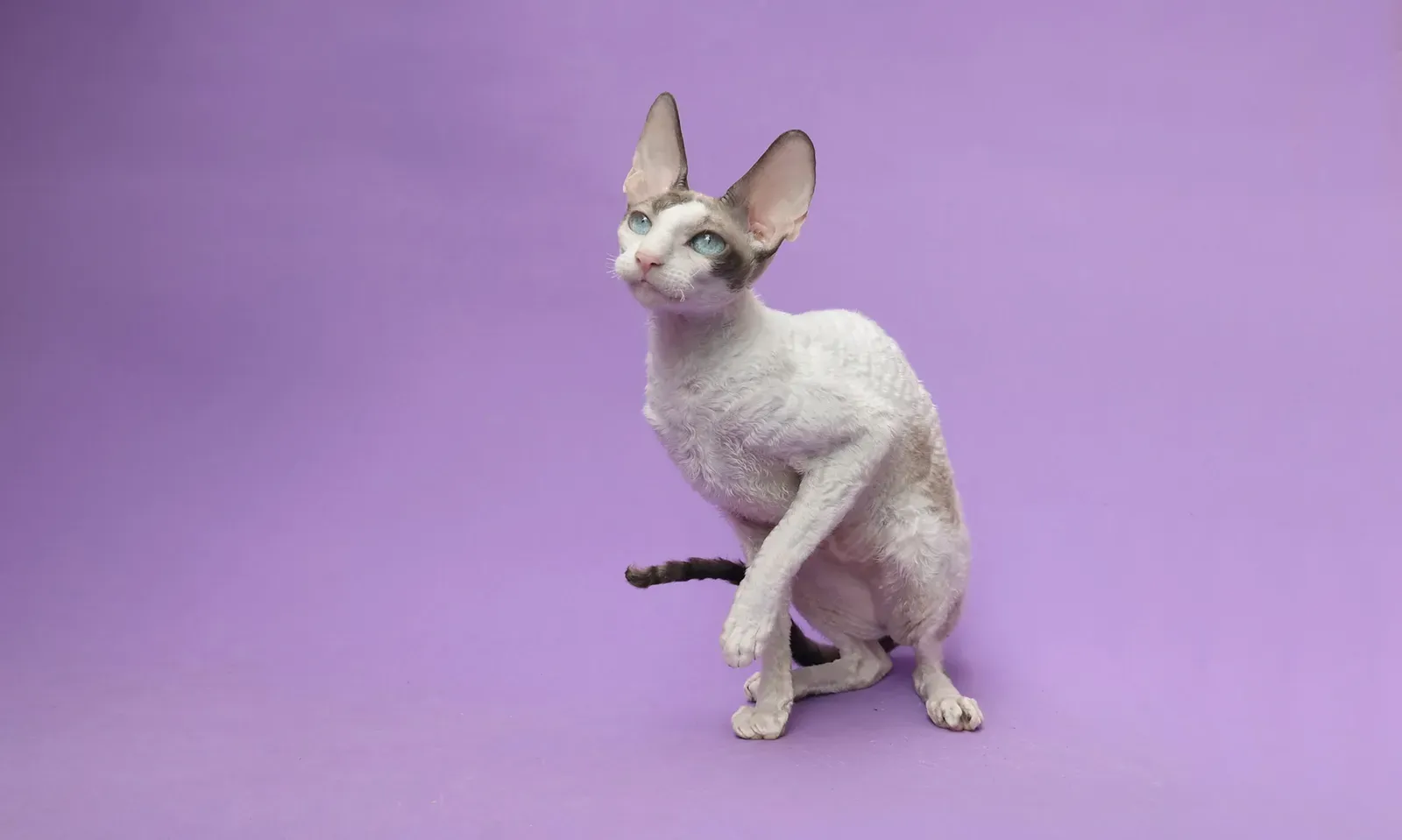
The Cornish Rex tops this list for a reason: its signature wavy, ultra-thin coat offers almost no insulation, leaving these cats chilled in normal room temperatures that wouldn’t bother any other breed. Buyers fall for the unusual, velvety fur without realizing it comes with a body that needs active climate management just to stay comfortable.
Frequent bathing, skin protection, and consistent warmth aren’t optional extras – they’re baseline care for this breed. In homes with variable temperatures or hectic schedules, that constant maintenance becomes unsustainable fast, and surrenders spike accordingly. It’s the most foreseeable mismatch on this entire list, and still the one buyers walk into blind most often.
Why It Stands Out
- Ultra-fine, wavy coat lacks the outer guard hairs most cats rely on for insulation
- Lean, whippet-like body shape gives it almost no natural fat reserve for warmth
- Requires a consistently warm, draft-free home year-round, not just in winter
- Skin needs regular wiping or bathing since oils have nowhere else to go without fur to absorb them
The Real Problem Isn’t the Cat – It’s the Shopping Habit
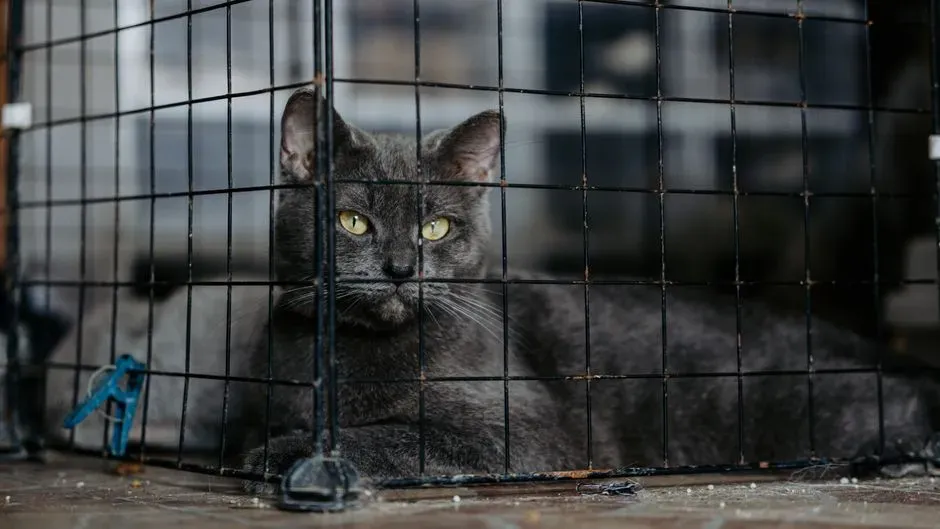
None of these thirteen breeds are broken. They’re doing exactly what their genetics or their history built them to do – Bengals climbing, Persians matting, Savannahs clearing fences a normal cat never could. The failure sitting in every one of these surrender stories belongs to a shopping habit, not a species.
People fall for a face or a coat pattern and skip the one question that actually matters: what does this specific animal need from me, every single day, for the next fifteen years? Until that question gets asked before the purchase instead of after the surrender, rescue centers will keep filling up with cats who did nothing wrong except get chosen by someone who wasn’t ready for them.
Kristina is a young writer from India. An arts graduate and an avid content creator, Kristina is passionate about animals and wildlife. She enjoys exploring topics related to pet care, animal behavior, conservation, and nature, combining thorough research with engaging storytelling.