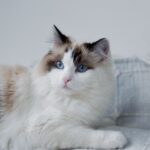
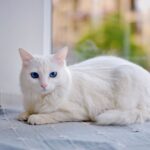
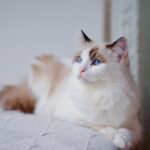
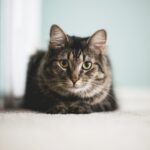
Everyone pictures the same scene: someone retires, moves into a quieter chapter of life, and adopts “a cat” like it’s a single interchangeable product. Vets say that assumption quietly wrecks a lot of good intentions. The wrong breed doesn’t just shed on the couch – it can mean 3 a.m. yowling, marathon grooming sessions with arthritic hands, or a clingy animal that turns solitude into guilt.
The right breed does the opposite. It becomes the quiet, steady presence that makes a solo home feel less empty without ever feeling like a second job. Vets have opinions on exactly which cats pull that off – and the breed at the very end of this list is the one they bring up almost reluctantly, like they don’t want everyone rushing the shelter at once.
#1 – American Shorthair: The Low-Maintenance Old Reliable
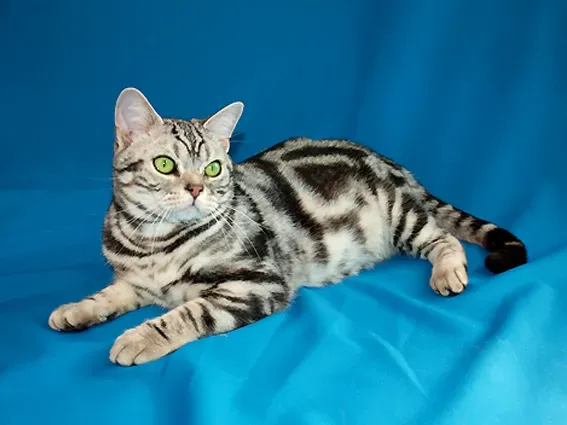
The American Shorthair rarely makes flashy “best cat” roundups, and that’s exactly why vets like it for people living alone. Its short coat needs almost no brushing, its immune system tends to be tough, and it shrugs off minor health hiccups better than more delicate breeds. This is the cat equivalent of a car that just starts every morning without drama.
What actually surprises new owners is the lifespan: many live past 15 years with nothing more than routine vet care. They form real attachments but don’t fall apart when left alone for a workday or a doctor’s appointment. For someone who wants companionship without a constant caretaking role, that balance is the whole appeal.
Fast Facts
- Coat: short, low-shedding, needs minimal brushing
- Lifespan: often 15+ years with routine care
- Temperament: even-keeled, adaptable, low drama
- Best for: owners who want company without constant caretaking
#2 – Scottish Fold: Charming Ears, Cautious Recommendation
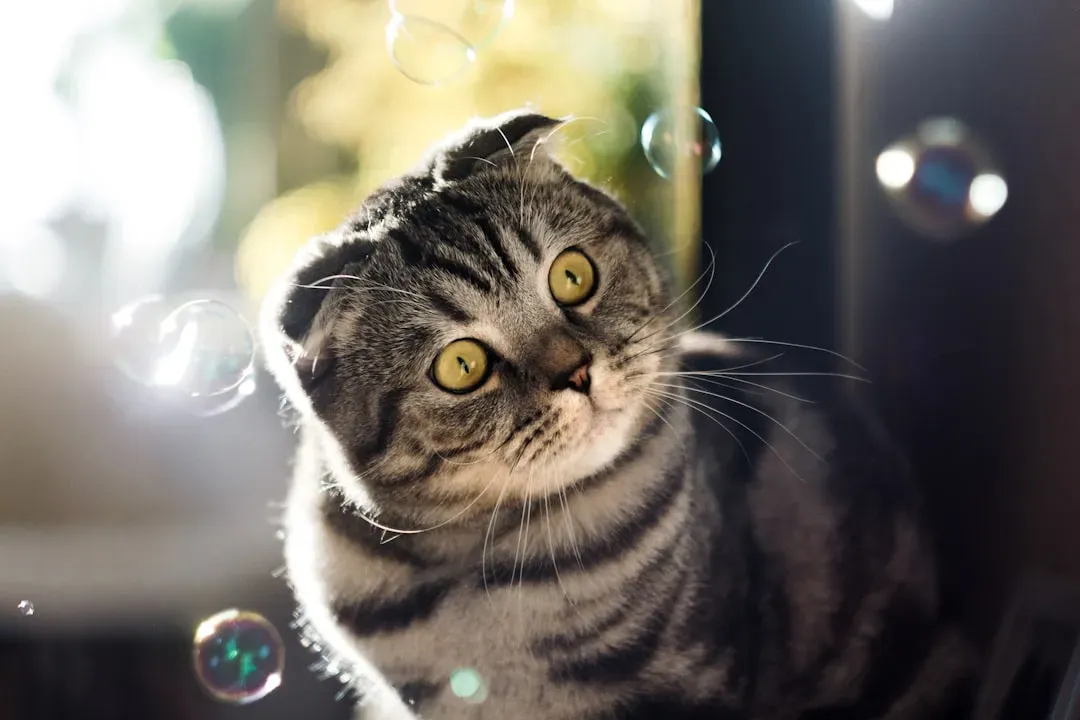
Scottish Folds are impossible not to notice, with those folded ears giving them a permanently curious expression. Vets recommend them for seniors, but with a real caveat: the same gene that folds the ears is linked to cartilage and joint issues, so regular check-ups matter more here than with most breeds on this list.
Temperament-wise, they’re easy company. Short bursts of play, then long stretches of quiet observation from a favorite perch. Their short coats keep grooming simple, and they don’t demand constant interaction, which makes them a good fit as long as the health monitoring isn’t skipped.
#3 – Himalayan: Persian Elegance Without the High-Strung Baggage
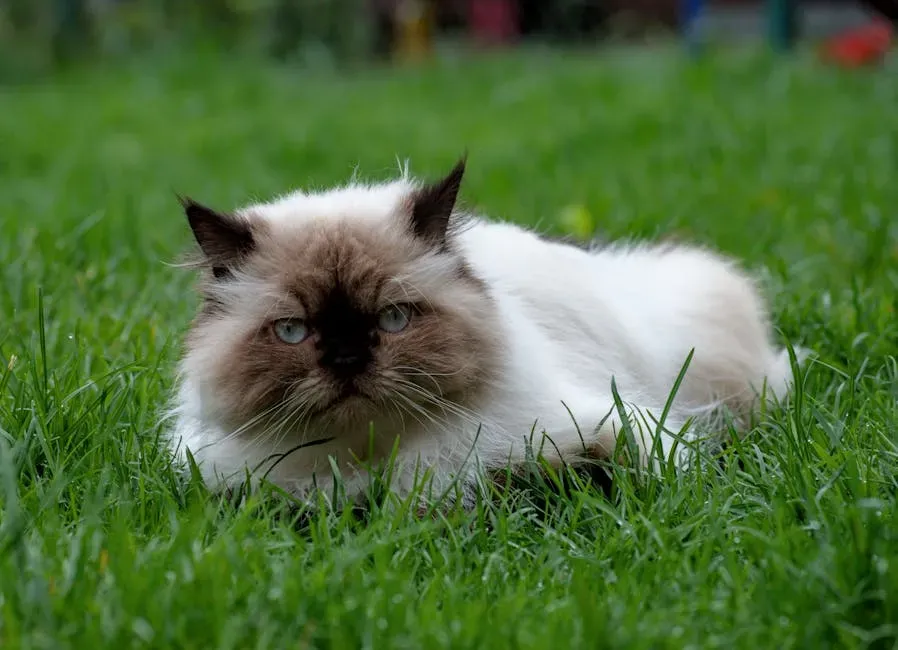
Himalayans borrow their looks from Persians and their striking blue eyes and color points from Siamese ancestry, but skip most of the Siamese intensity. Vets note they move at a slower pace and would rather curl up in a lap than chase anything across the room, which fits nicely with slower mornings after 60.
The catch is the coat. It’s long, plush, and needs consistent brushing, or it mats fast. Owners who stay ahead of it get one of the most photogenic, affectionate cats on this entire list – calm enough to nap through most of the day, alert enough to greet you at the door.
#4 – Exotic Shorthair: The Persian Look Without the Grooming Grind
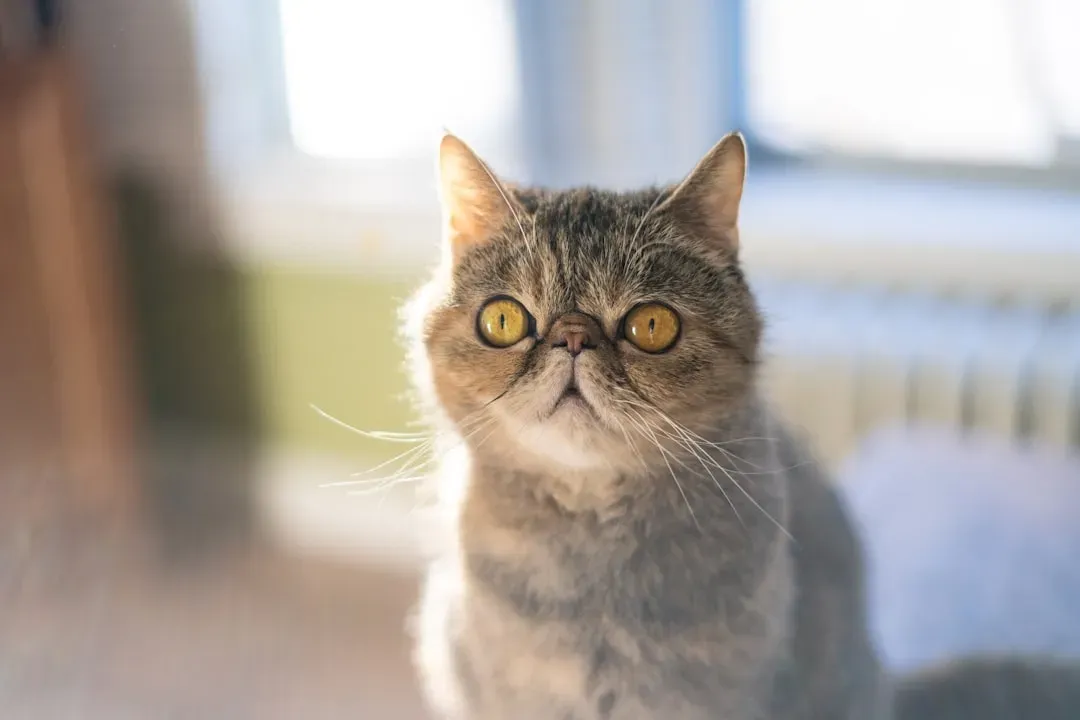
Exotic Shorthairs are essentially Persians for people who love the sweet, flat-faced look but not the daily brushing marathon. The plush coat is short instead of long, which dramatically cuts grooming time – something vets specifically flag as a win for anyone with limited hand strength or mobility.
Their stocky little bodies and mellow personalities mean they’re content lounging for hours without demanding entertainment. They shed noticeably less than true Persians while keeping that same sweet, squished-face charm. The attachment they form feels supportive rather than needy, which is exactly the tone most solo owners want.
#5 – Balinese: The Silky Siamese Cousin Who Knows When to Be Quiet
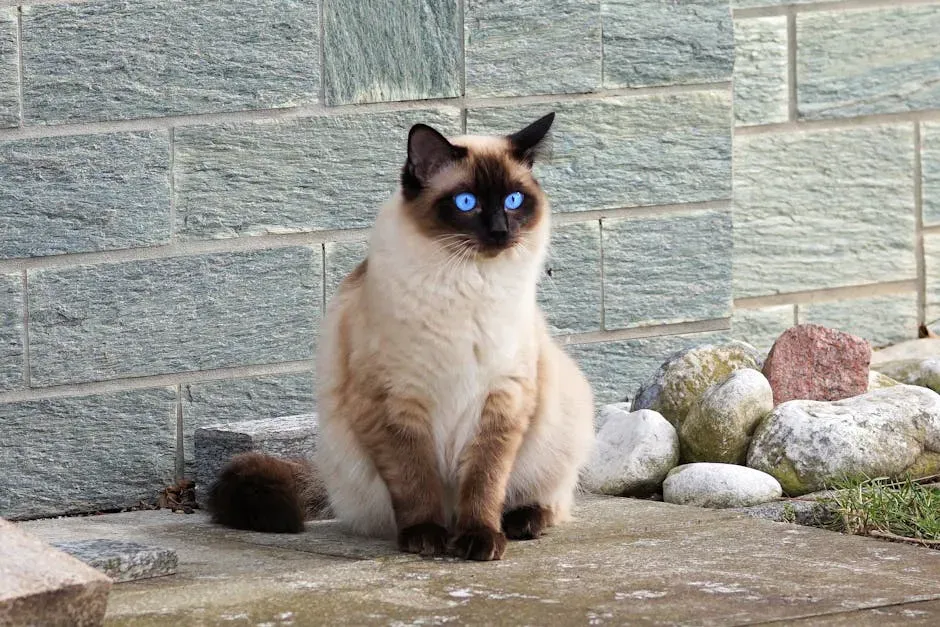
Balinese cats inherited Siamese intelligence but toned down the volume. Their medium-length silky coat mats less than most longhairs, and breed specialists describe them as social without being the nonstop talkers their Siamese cousins can turn into.
That matters more than people expect in apartment buildings with thin walls. They adapt well to routine, enjoy quiet evening interaction, and often live past 15 years indoors with basic care. This is a breed that rewards a steady schedule far more than constant excitement.
#6 – Nebelung: The Rare Blue Cat That Loves Sameness
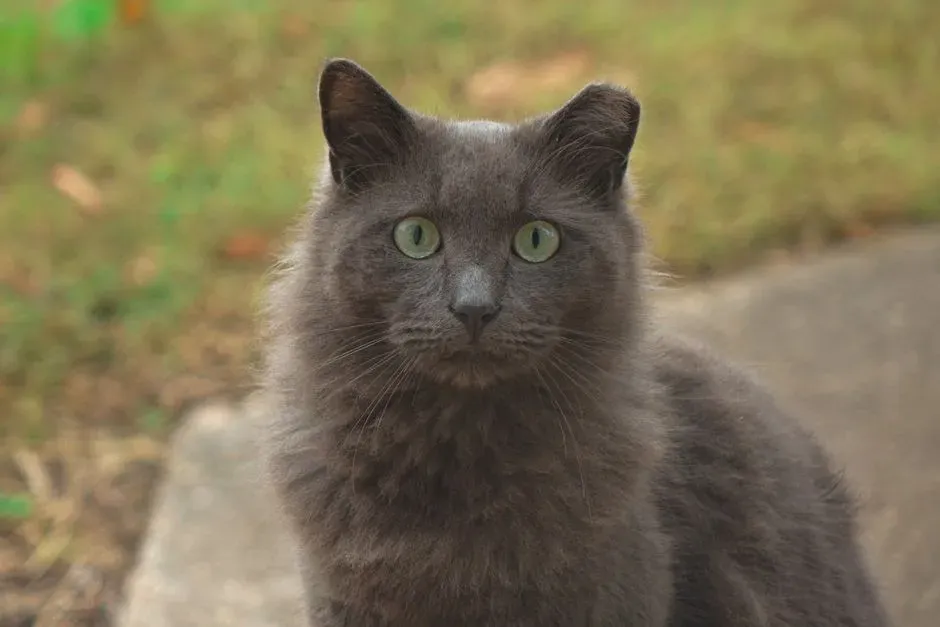
Almost nobody brings up the Nebelung, which is part of why vets quietly appreciate it. This rare, dense blue-gray coated breed has an even, unbothered temperament and picks one favorite spot in the house to settle into for hours at a time.
Grooming is minimal – occasional brushing handles it. What stands out most is the loyalty without the clinginess: a Nebelung bonds hard with its one person but doesn’t unravel when that person steps out. For someone who thrives on a predictable daily rhythm, this cat mirrors it back perfectly.
#7 – Burmese: The Affectionate Shadow With Boundaries
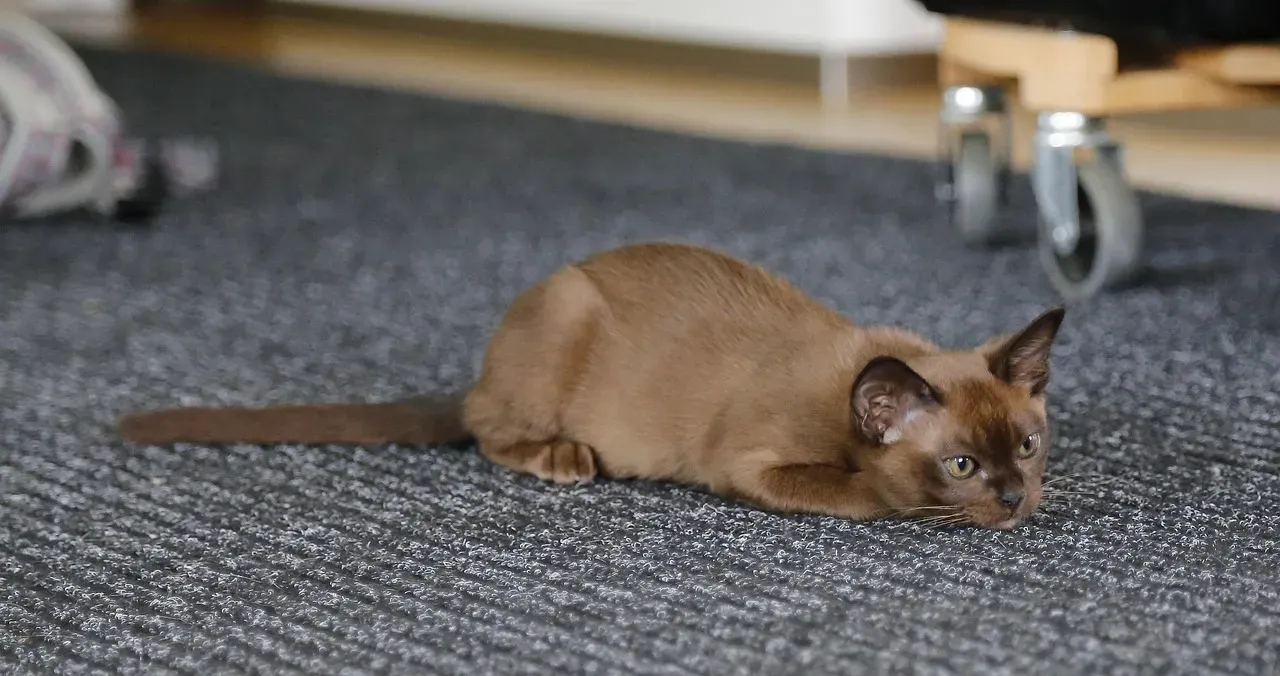
Burmese cats are people-oriented in a way that still respects alone time, which is a rarer combination than it sounds. Vets like them for seniors partly because the short coat needs almost no upkeep, and the sturdy frame tends to age gracefully compared to more fragile breeds.
Owners often describe them as affectionate shadows – they’ll appear for a few minutes of attention, then retreat to a sunny windowsill without any drama. With a typical lifespan of 15 to 18 years, this is a long-haul companion that never quite smothers.
Worth Knowing
- Coat: short and glossy, minimal grooming needed
- Lifespan: typically 15 to 18 years
- Style: affectionate in short bursts, independent the rest of the time
- Build: sturdy frame that tends to age well
#8 – Siamese: The Vocal Companion That Comes With a Warning Label
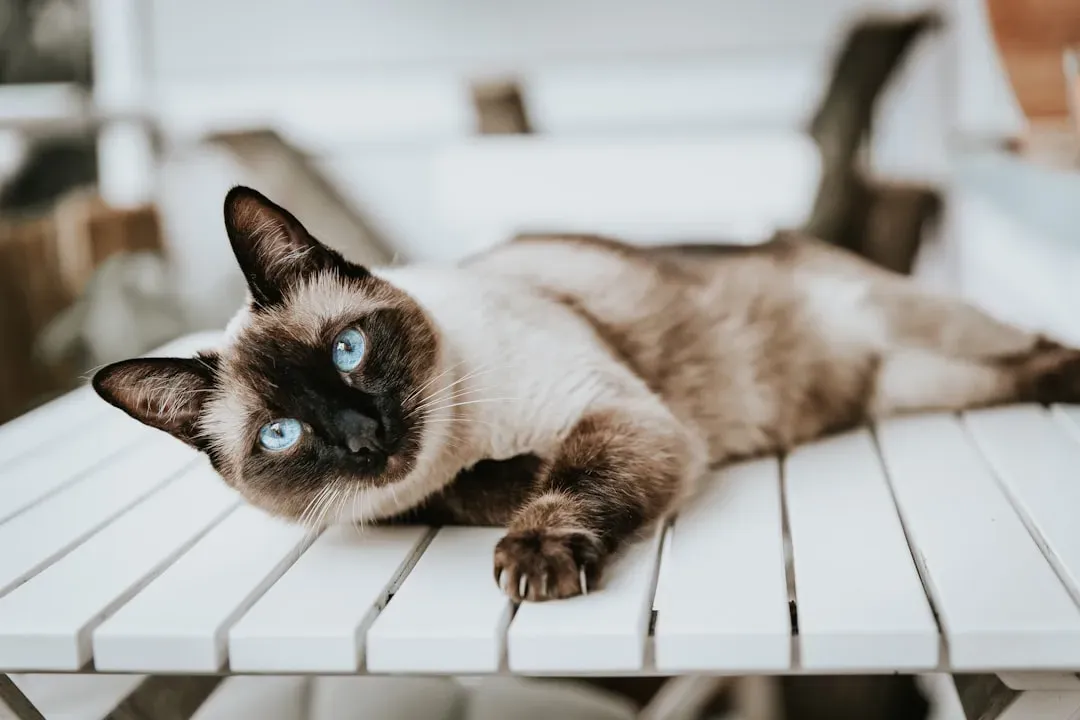
Siamese cats are brilliant, engaging, and famously talkative – which is exactly why vets recommend them with a caveat for solo seniors. In a quiet home, that constant conversation can feel less charming and more overwhelming than people expect going in.
Still, for the right person, that intelligence is the draw. Siamese learn routines fast, stay mentally engaged without needing constant supervision, and bond intensely with one primary person. The extra noise is a real trade-off, not a myth, so this one deserves an honest gut check before adopting.
#9 – Birman: The Gentle Glove-Pawed Cat With a Streak of Independence
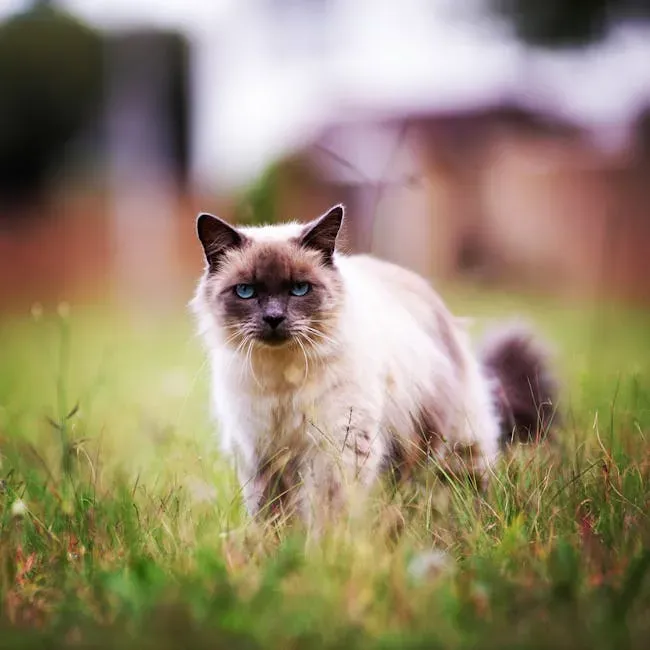
Birmans carry a Ragdoll-like gentleness but with slightly more backbone and independence, which vets often point to as a plus for older adults who still want some breathing room. The medium-length coat needs brushing a few times a week, not daily, and the payoff is a calm presence with zero high-energy demands.
They tend to have quiet, soft meows and a fondness for elevated perches where they can watch the room. What consistently shows up in vet feedback is their tolerance for solo hours paired with a genuinely warm greeting the moment their person walks back in.
#10 – Persian: The Classic Lap Cat With a Grooming Catch
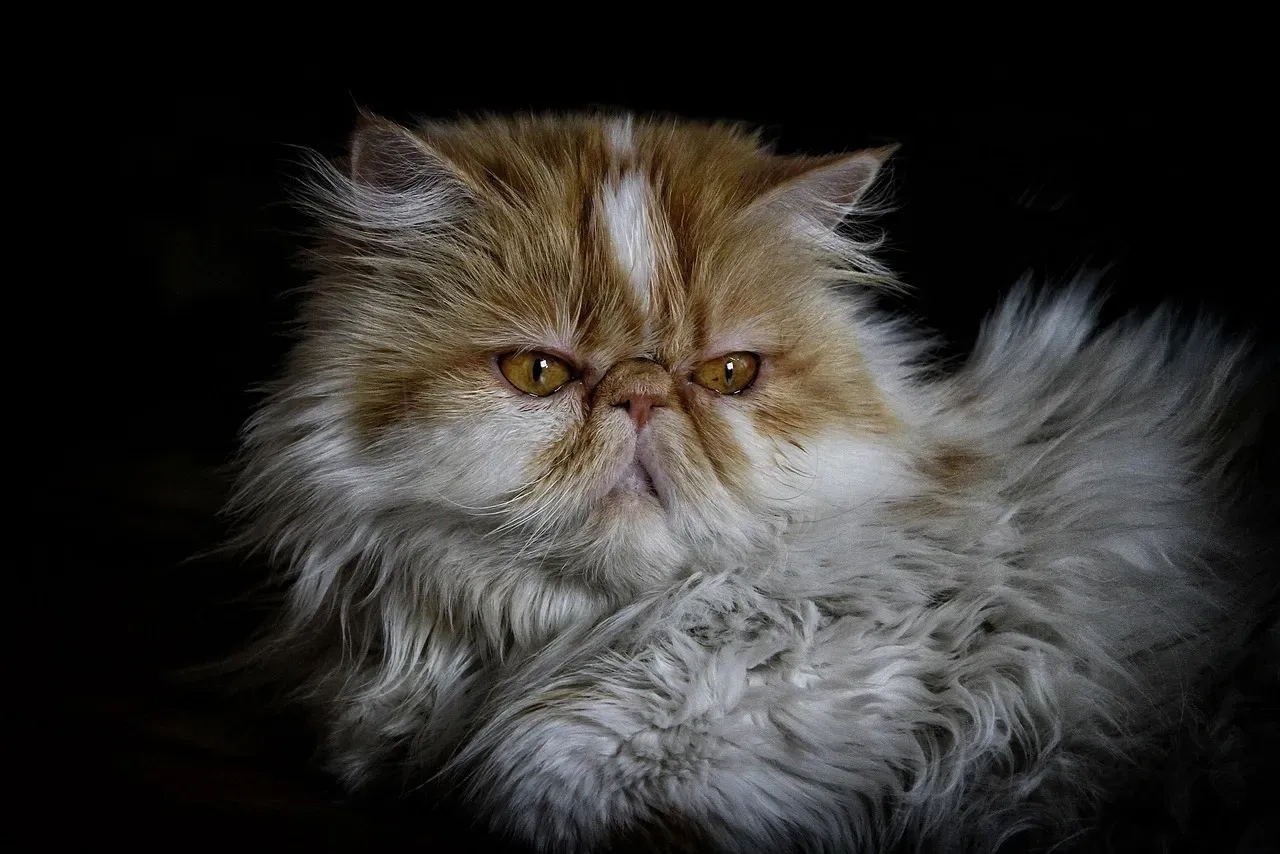
Persians remain a go-to vet recommendation for pure calm, but there’s a catch owners routinely underestimate: that famous long coat needs daily brushing, not weekly. Skip it for a few days and you’re untangling mats, which is a real problem for anyone with arthritis or limited grip strength.
Plan for the grooming, though, and the payoff is enormous. Their flat faces and low activity levels suit limited-mobility households perfectly, and they bond deeply while spending most of the day simply napping nearby. They rarely initiate rough play, which keeps interactions gentle by default.
Quick Compare
- Persian: long coat, daily brushing required, classic flat-faced look
- Exotic Shorthair: same sweet face, short coat, weekly brushing is plenty
- Both: mellow energy, strong lap-time habits, minimal rough play
#11 – Russian Blue: The Quiet Silver That Ages Gracefully
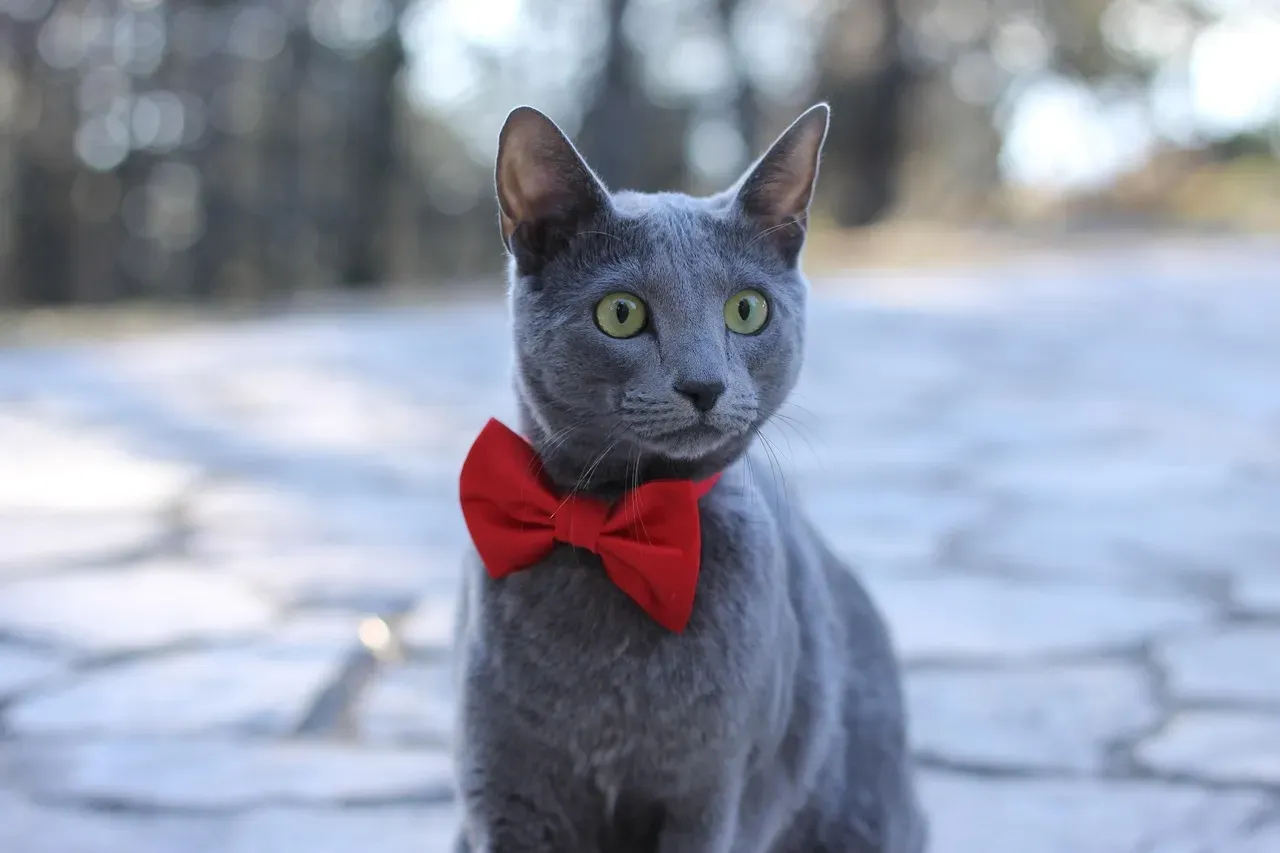
Russian Blues combine a short, dense, minimally-shedding coat with a reserved but genuinely affectionate personality. Vets frequently cite their 15-to-20-year lifespans and their preference for calm, low-chaos homes as close to ideal for post-60 living.
They form strong one-person bonds without constant demands for attention, and they’re famously low on vocalization and fuss around the litter box. For someone who wants devotion without noise or neediness, this breed quietly delivers both.
#12 – British Shorthair: The Independent Plush Toy That Entertains Itself
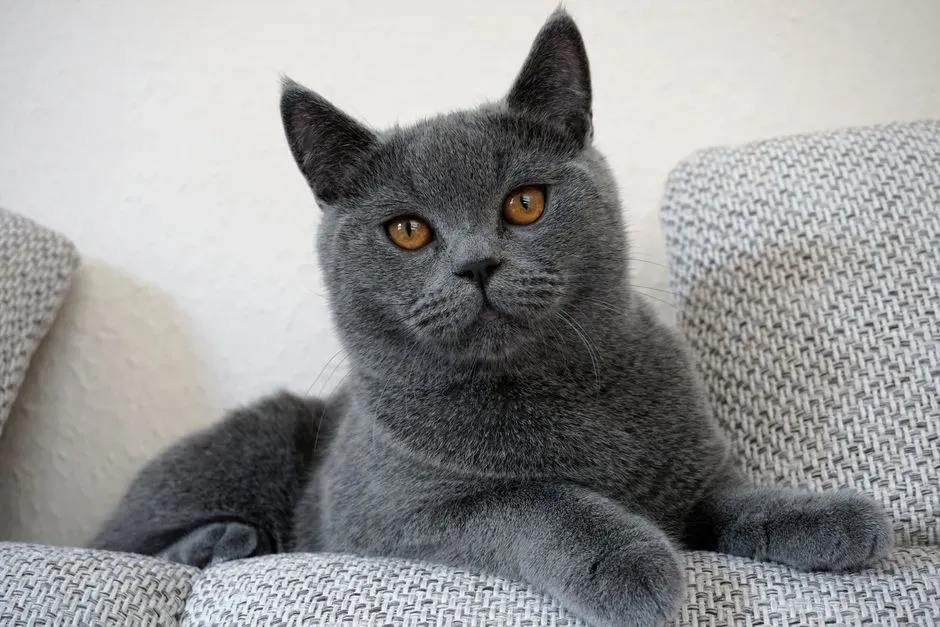
British Shorthairs top a lot of calm-breed rankings for a simple reason: the dense coat barely needs grooming, and the sturdy body tends to resist the common health issues that plague more delicate breeds. Vets also praise their moderate energy – they’re just as happy watching a window as chasing a toy.
Most people don’t realize how long they actually live, often 15 to 20 years with basic care. They offer a quiet, steady presence rather than constant lap-hogging affection, and that self-sufficiency is exactly what makes them so easy to build a solo routine around.
#13 – Ragdoll: The Cat That Goes Limp for Love
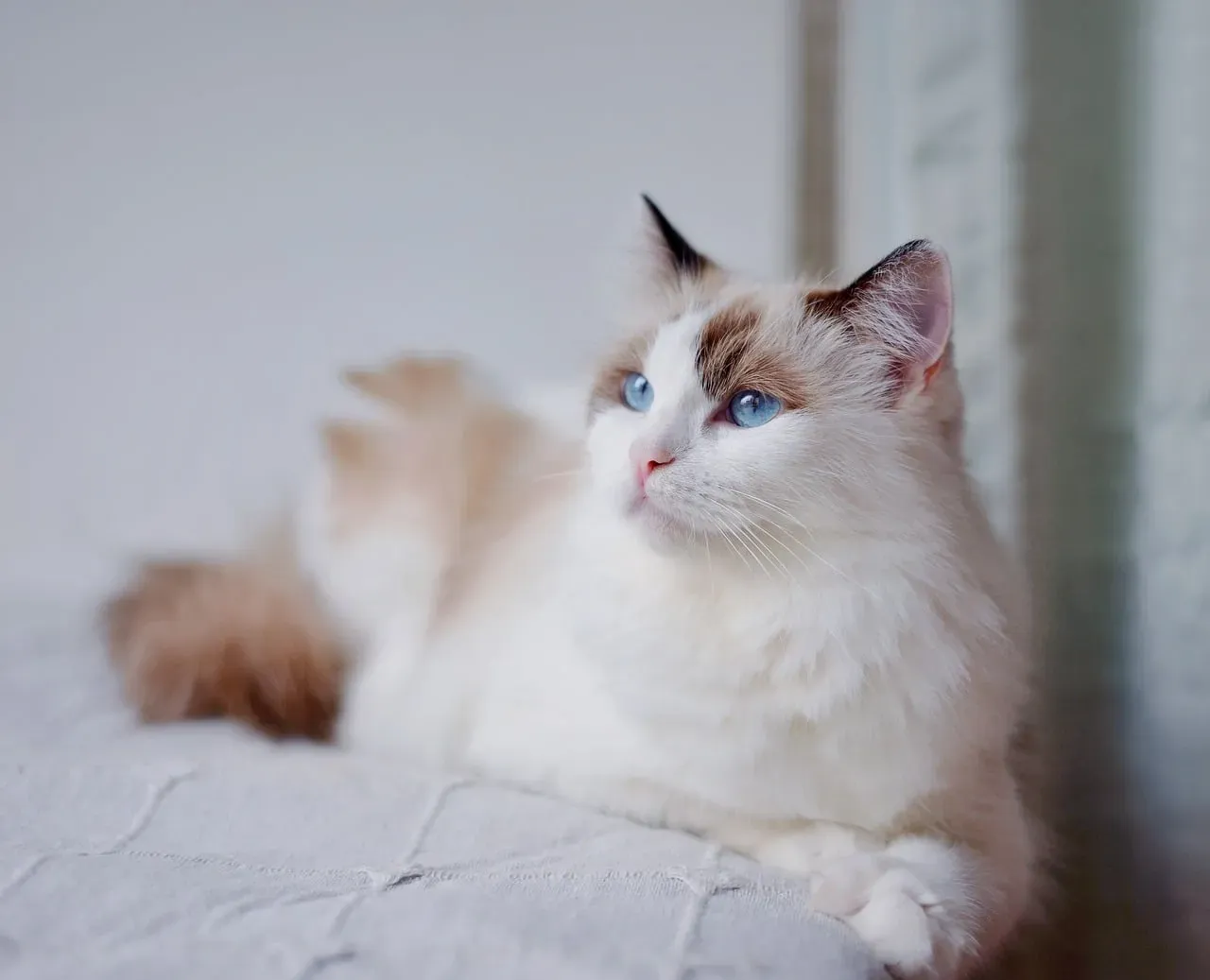
Ragdolls consistently land near the top of vet recommendations for seniors because they genuinely go limp when picked up and seek out gentle contact rather than chaos. That docile temperament makes handling far easier than with more independent breeds, which matters as hands and joints age.
The semi-long coat does need regular brushing, but the emotional payoff is significant. Ragdolls tolerate alone time better than their reputation suggests, while still forming some of the deepest one-on-one attachments of any breed here. They tend to prefer a household of one or two people over a crowd, which is exactly the setup most solo seniors have.
#14 – Chartreux: The Quiet Standout Vets Bring Up Almost Reluctantly
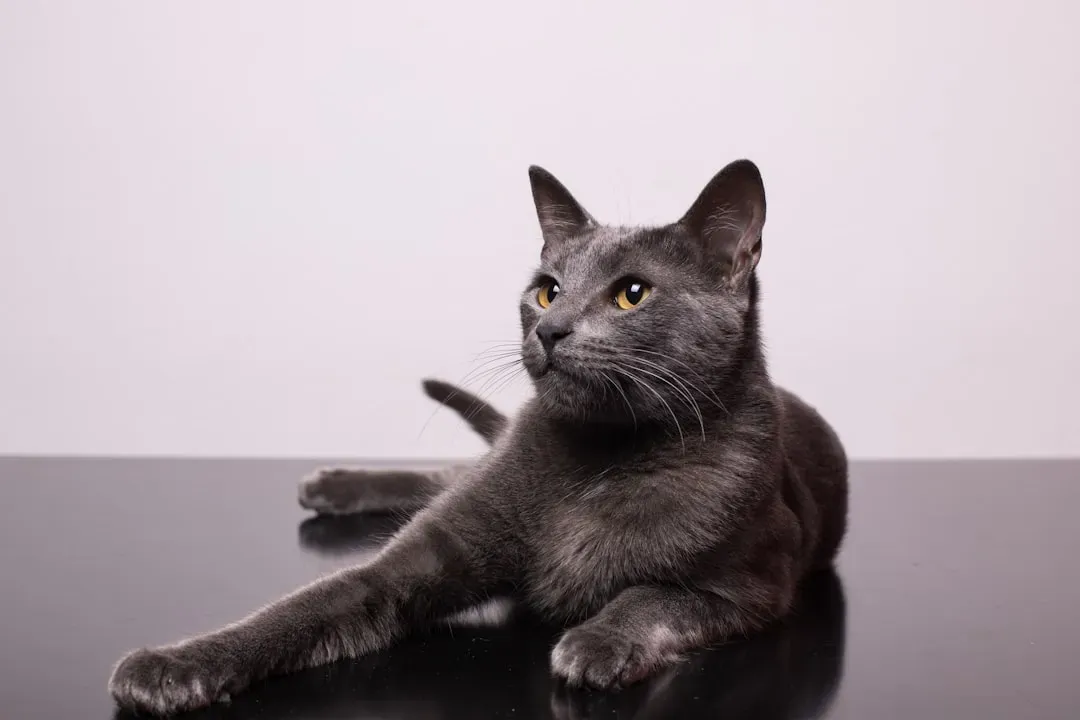
After weighing temperament data, longevity, grooming demands, and real-world senior feedback, one breed keeps coming up as the least complicated, highest-reward choice: the Chartreux. Nicknamed “the smiling cat” for its permanently upturned mouth, this French breed carries a short, dense, water-resistant coat that needs almost no maintenance.
The real standout trait is the silence. Chartreux rarely meow at all – many communicate with soft chirps instead – which makes them almost eerily easy to live with in a quiet apartment. They play in short, satisfying bursts, then settle for hours, form fierce loyalty to one person, and typically live 12 to 15 years without major health drama. It’s the combination vets keep circling back to: low demands, high devotion, zero hidden catches.
Why It Stands Out
- Coat: short, dense, water-resistant, virtually no grooming routine
- Voice: rarely meows, communicates mostly through soft chirps
- Lifespan: typically 12 to 15 years
- Bonding style: intensely loyal to one person, low demands otherwise
If there’s an honest takeaway here, it’s that the “perfect senior cat” isn’t the prettiest one or the most popular one – it’s the one that asks for the least and gives back the most. Ragdolls and British Shorthairs earn their reputations for a reason, but the Chartreux deserves far more attention than it gets, precisely because nobody’s hyping it.
My honest take: skip the breed that photographs well on Instagram and pick the one that matches your actual energy level at 6 a.m. and 9 p.m. A calm cat that asks for little isn’t a consolation prize – it’s the whole point.
Kristina is a young writer from India. An arts graduate and an avid content creator, Kristina is passionate about animals and wildlife. She enjoys exploring topics related to pet care, animal behavior, conservation, and nature, combining thorough research with engaging storytelling.