
Most people think cat health obsession is just a quirky personality trait. Turns out it’s basically a second job with no PTO.
Devoted cat owners can rattle off their pet’s resting respiratory rate before they’ve even finished their coffee. If you’ve ever Googled “is my cat blinking too slowly?” at midnight, you already know exactly what this list is about – and a few of these are about to hit uncomfortably close to home.
#13 – “That’s Not Sneezing, That’s a Symptom”

Normal people hear a sneeze and say “bless you.” You hear a sneeze and start a mental triage.
Vets flag concern when behavioral changes come with symptoms like vomiting, breathing trouble, or signs of pain – but for the truly obsessed, two sneezes in a row already counts as a pattern. You’ve typed “cat sneezing three times in a row respiratory infection” before the third sneeze even lands.
The inside joke? Your friends think you’re dramatic, your vet thinks you’re thorough – and you know you’re just being responsible.
But that’s nothing compared to what we found about #12…
#12 – The Litter Box Spreadsheet
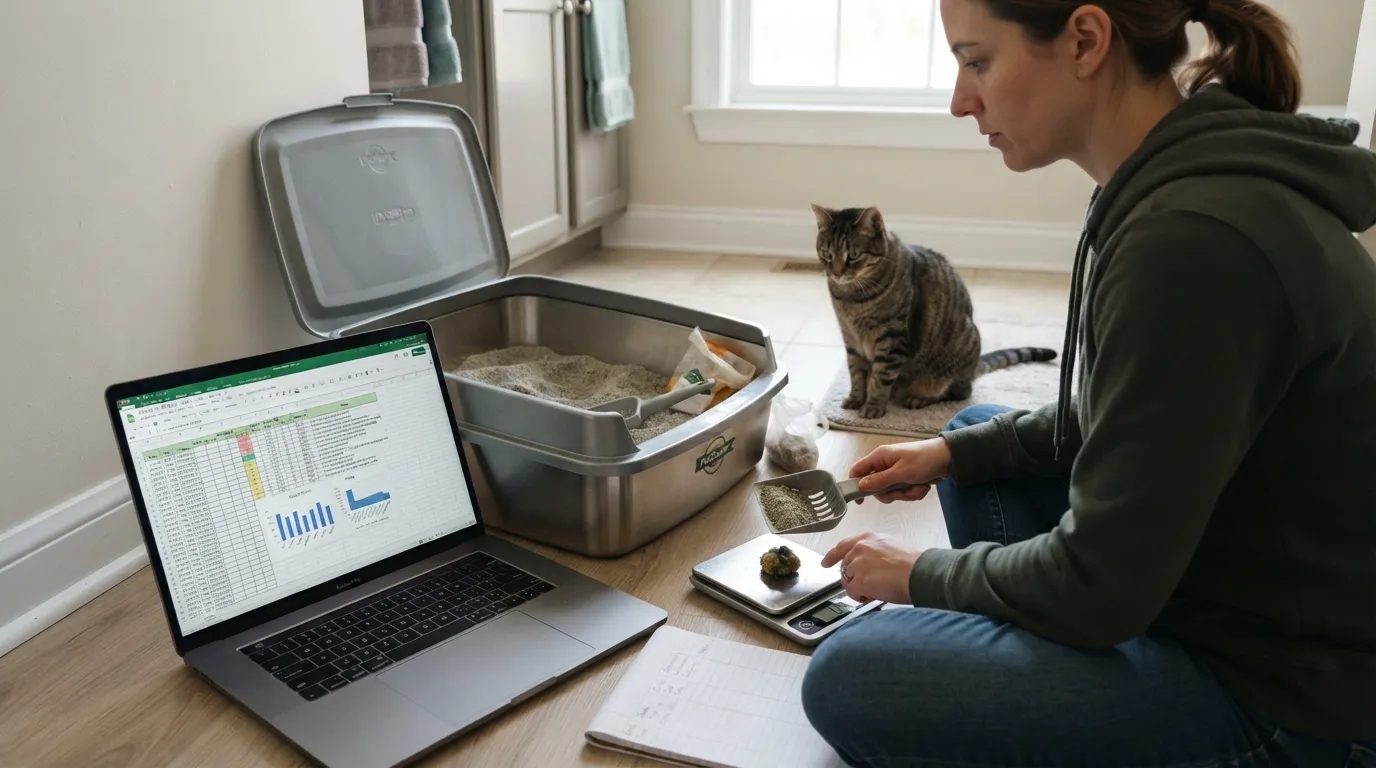
Casual owners scoop the litter box. You audit it.
Monitoring urine clump size, stool consistency, and bathroom frequency can flag issues like dehydration or urinary discomfort before obvious symptoms even show up. You knew this long before any vet mentioned it.
Photos can help your vet spot blood, worms, or unusual clumps – so yes, you have a dedicated phone album for exactly that. Your family calls it the most disturbing camera roll they’ve ever accidentally scrolled through.
But that’s nothing compared to what we found about #11…
#11 – Googling “Normal Cat Breathing Rate” at 2 A.M.
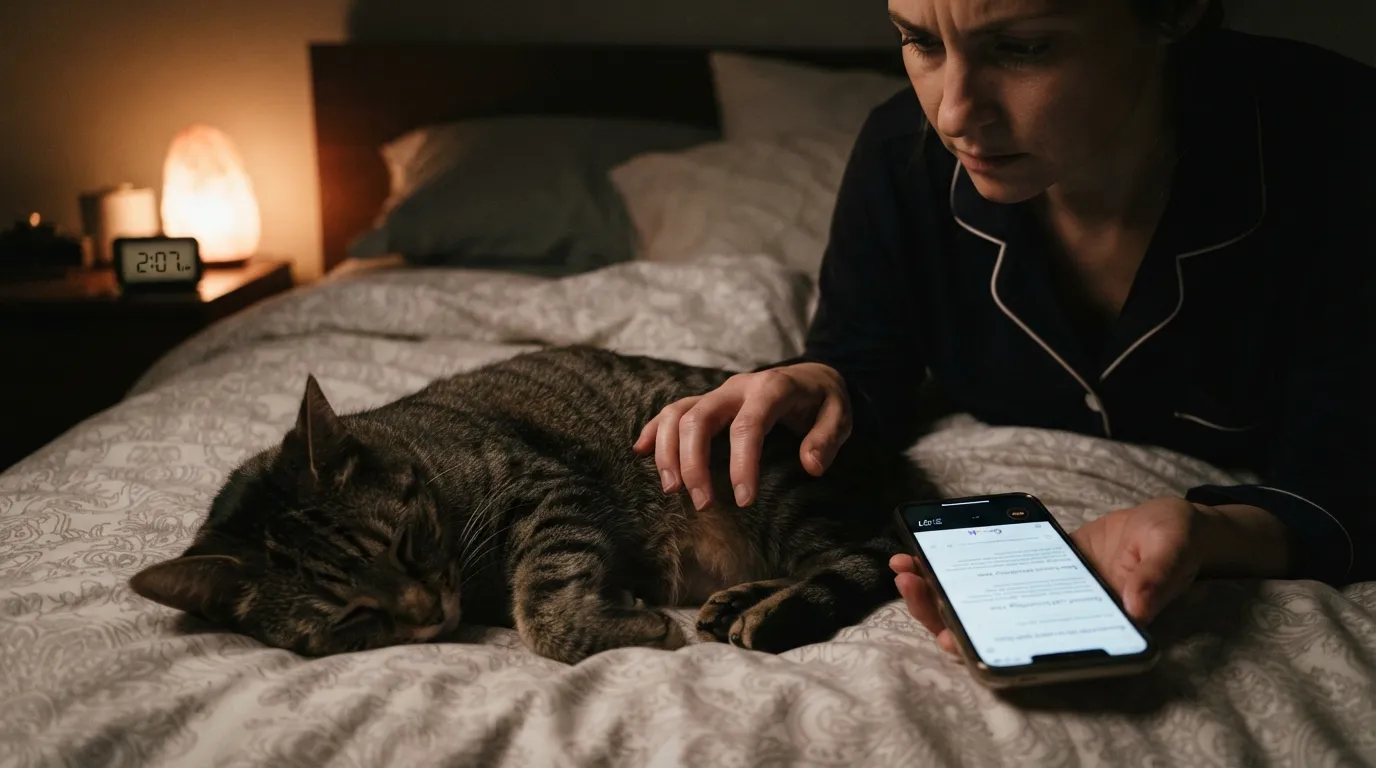
You know your cat’s resting respiratory rate. Off the top of your head, right now.
Subtle changes in breathing rate can be one of the earliest warning signs of trouble – sometimes pointing to heart disease, anxiety, or infection. So you count your sleeping cat’s chest rises every week, stopwatch in hand.
Fast Facts
- A healthy cat’s resting respiratory rate typically falls between 15 and 30 breaths per minute.
- Vets get concerned when the resting rate consistently climbs above 30, especially past 40.
- The most reliable count happens while your cat is fully asleep, not purring, over a full 60 seconds.
The real joke is that you’re usually right. That one time the rate was elevated, something actually was off – and you felt completely vindicated calling the vet the second they opened.
But that’s nothing compared to what we found about #10…
#10 – The Vet Visit Debrief That Lasts Three Days
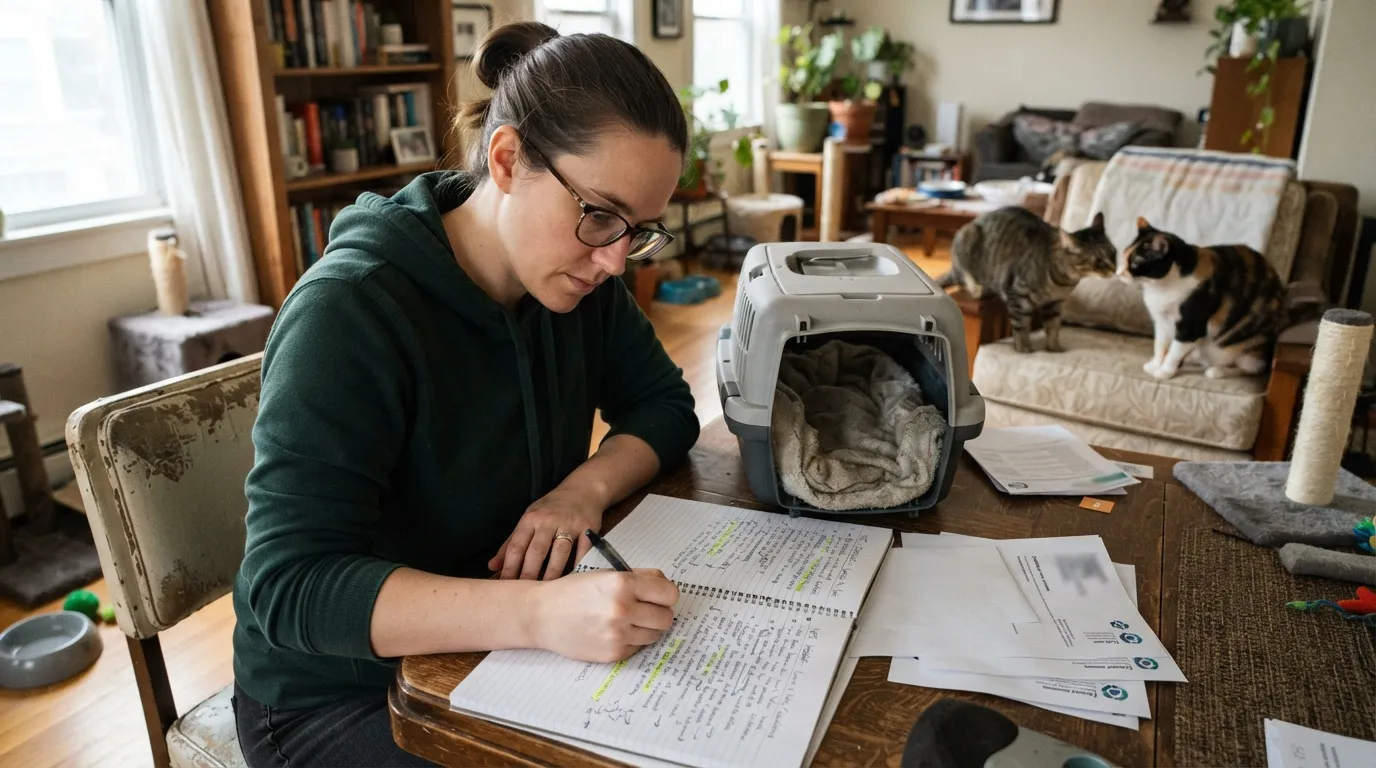
The appointment is 20 minutes. Your post-appointment analysis takes considerably longer.
A vet visit can change how your cat smells – disinfectants, meds, other animals – and that shift can confuse or even spark tension in multi-cat homes. You know this, so you bring a blanket from home to re-scent the carrier before you even leave.
You also typed up a list of questions, front and back. The vet answered three before time ran out, so you emailed the rest.
But that’s nothing compared to what we found about #9…
#9 – “She’s Just Not Drinking Enough Water”
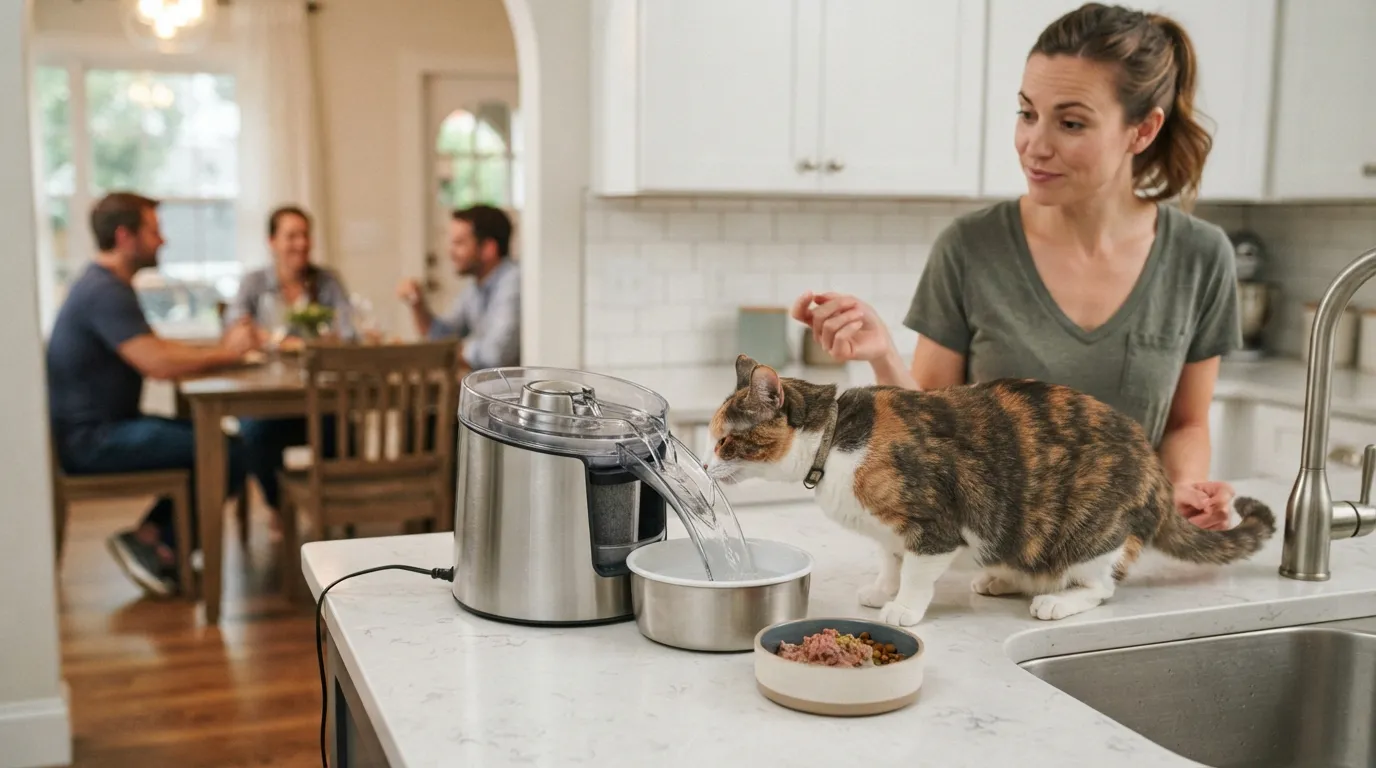
You don’t just fill a water bowl. You optimize the hydration station.
Cats are notorious for under-drinking, and adding wet food or a fountain can make a real difference. You own the fountain, replace the filter like clockwork, and have tested three fountain positions to find the one your cat actually prefers.
The inside joke is explaining to dinner guests why your kitchen has a $90 water feature for the cat – and why it’s completely non-negotiable.
But that’s nothing compared to what we found about #8…
#8 – Knowing Exactly What “Cattitude” Actually Means Medically

When your cat acts weird, other owners say “that’s just cats being cats.” You say “that’s a behavioral deviation from baseline.”
Modern preventive care increasingly uses behavior tracking to catch subtle health changes weeks before obvious symptoms appear. You’ve absorbed this completely – you are the early detection system.
The punchline: you’ve actually caught a real problem early this way. Which means you’ll never stop doing it, and you’ll never stop telling people about it either.
But that’s nothing compared to what we found about #7…
#7 – The Carrier Training Saga
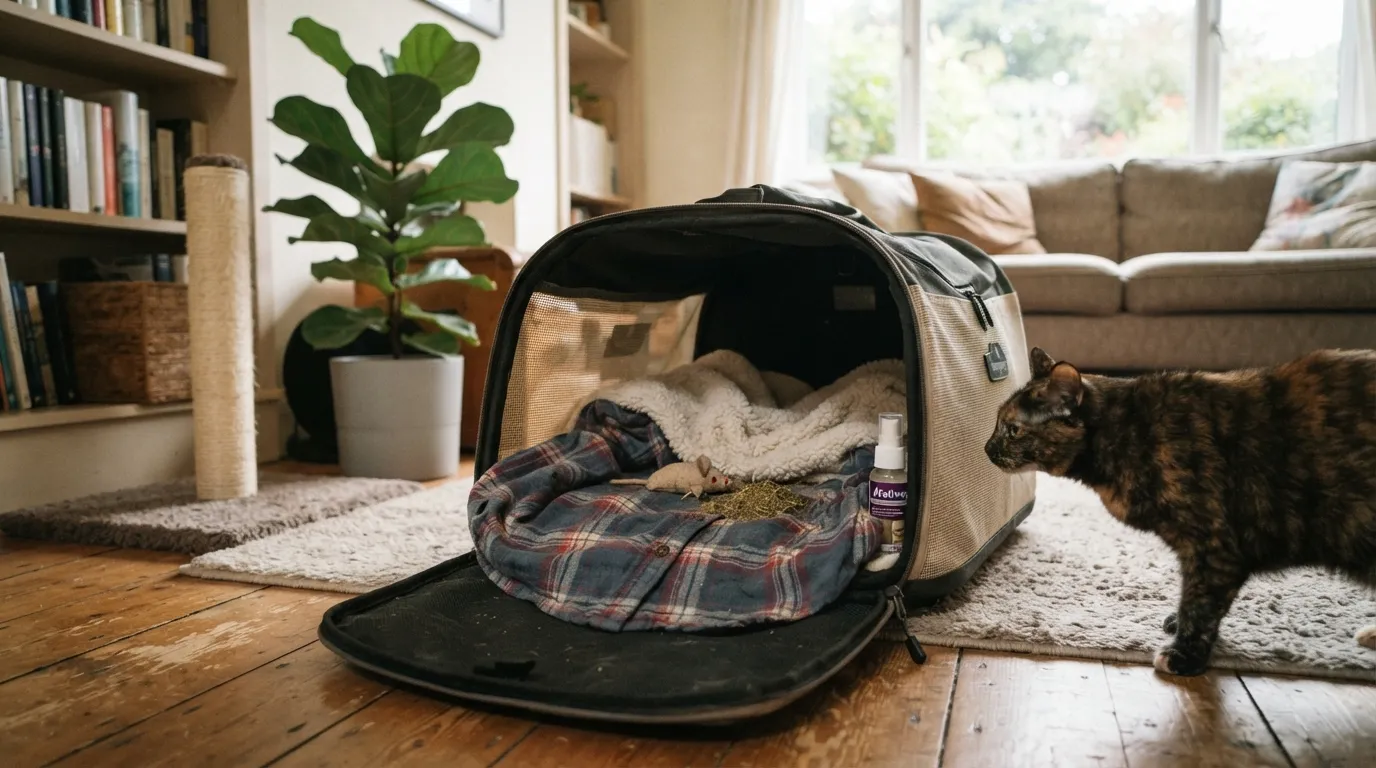
You didn’t just buy a carrier. You embarked on a months-long desensitization program.
Vets often suggest leaving the carrier out at home and making it enticing with blankets and catnip. You did all of that, then added a worn T-shirt, a pheromone spray, and a soft toy for good measure.
The carrier has been sitting open in your living room since March. It’s now August.
The inside joke is that your cat still howls the entire car ride to the vet. You’ve accepted it as a personality quirk you simply failed to cure.
But that’s nothing compared to what we found about #6…
#6 – Weight Check Wednesday

Every week, same scale, same time – same cat who will not sit still.
A 10-lb cat losing just 1.5 lbs sounds minor, but that’s a 15% drop in body mass, a real clinical red flag. You learned this once, and now you can never un-know it.
At a Glance
- Under 5% body-weight loss: worth flagging at the next routine checkup.
- 5% to 9% loss: considered clinically significant and worth a prompt exam.
- 10% or more: a major red flag that usually means bloodwork right away.
The bathroom scale isn’t for you anymore. It’s for the cat, and you’ve gotten fast at the math of weighing yourself holding her, then without.
Your friends think weekly weigh-ins are excessive. The vets who know better think you’re one of their best clients.
But that’s nothing compared to what we found about #5…
#5 – The Diet Debate That Never Ends

Grain-free or not, raw or cooked, pâté or chunks – you have an opinion on all of it. And it is a strong one.
Cats are excellent at hiding illness, which is exactly why late diagnoses happen so often. That’s why you’ve spent 14 hours reading labels, comparing taurine content, and cross-referencing three different cat nutrition forums.
The truly unhinged part: you’ve changed formulas six times in two years. And you have a documented reason for every single switch.
But that’s nothing compared to what we found about #4…
#4 – Photographing Anything That Looks “Off”
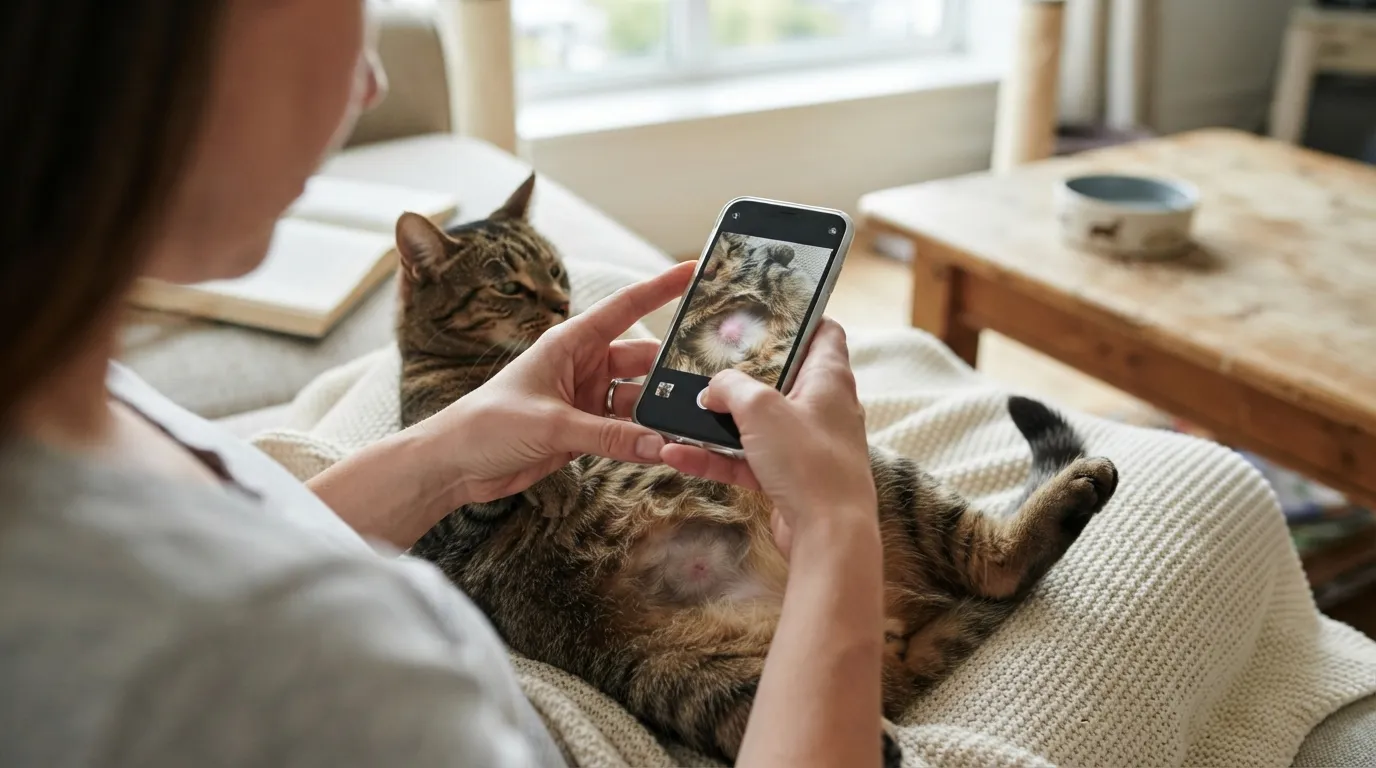
The dedicated phone album. The one no guest should ever open by accident.
Excessive grooming that leads to bald spots or raw skin can signal stress, allergies, or pain. So any patch of fur that looks even slightly different gets photographed immediately.
Same goes for the litter box, the food bowl, and the “weird sitting position.” You’ve built an entire visual archive around vague suspicion.
The inside joke: you’ve shown these photos to your vet so often, they now keep a folder just for you.
But that’s nothing compared to what we found about #3…
#3 – You Know What “Hiding” Actually Signals
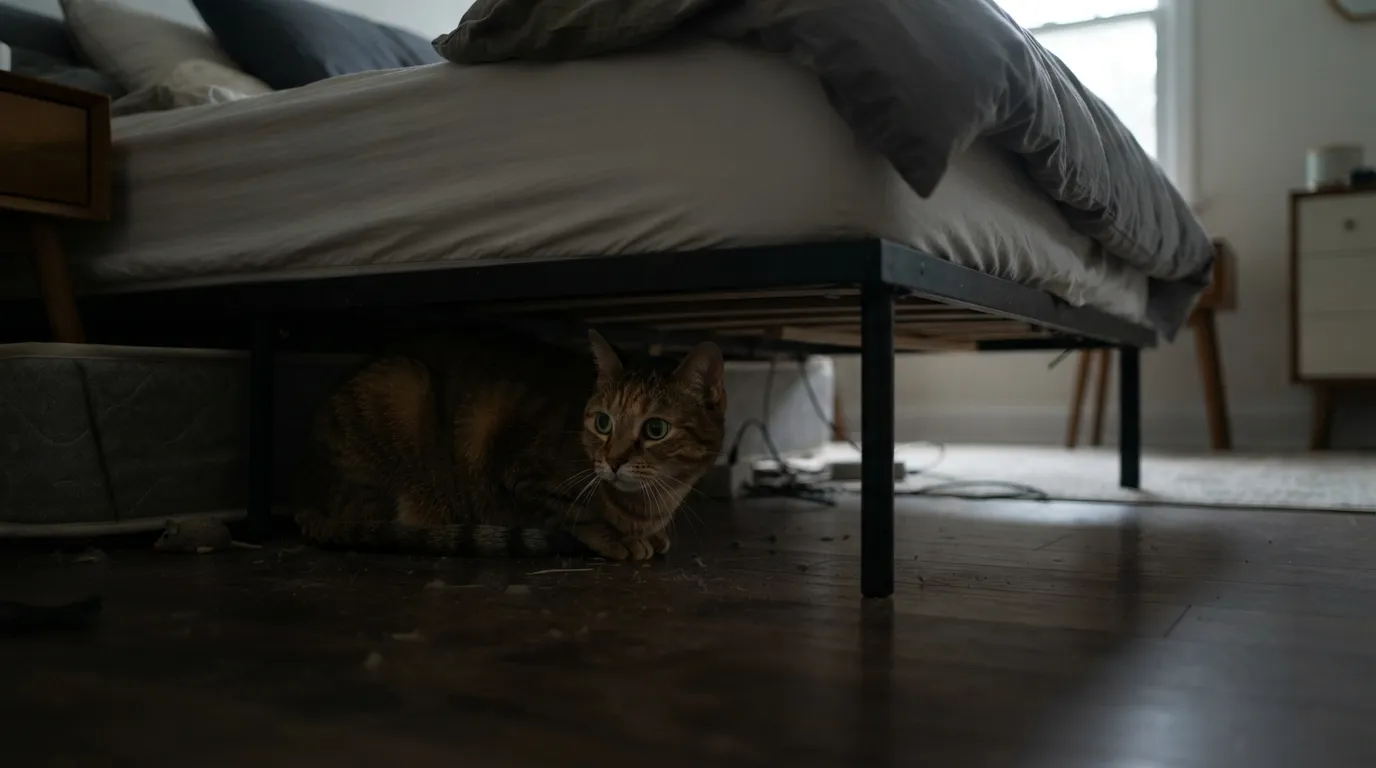
When your cat hides under the bed, most people think it’s cute. You know it’s a red flag.
Fear and illness can both trigger hiding, avoidance, or even spraying, because masking vulnerability is a deep survival instinct in cats. So when your cat disappears for more than two hours, your internal clock starts ticking.
Worth Knowing
- A sudden hiding habit in a normally social cat is more telling than a naturally shy cat tucking away.
- Pairing hiding with skipped meals or litter box changes helps narrow down stress versus something physical.
- Logging when and how long each episode lasts gives your vet a real timeline to work with.
This one genuinely isn’t a joke. Catching a hiding episode early has led plenty of obsessed owners straight to a diagnosis that mattered, and you wear that knowledge like a badge.
But that’s nothing compared to what we found about #2…
#2 – The “Post-Vet Personality Change” Debrief

You brought your cat home from a routine checkup. Then you spent 48 hours analyzing their behavior for signs of trauma.
Cats lean hard on scent and familiarity to feel secure, and a vet visit disrupts both. Afterward your cat might rest more, avoid interaction, or seek out quiet corners – and that’s usually completely normal.
You knew all of this. You still watched your cat like a hawk for three days, took notes, and called the vet’s office “just to confirm” the aloofness was normal.
They said yes. You called again the next day to be sure.
But the #1 inside joke? That one hits closest to home of all…
#1 – You’ve Explained Your Cat’s Medical History to Someone Who Did Not Ask

This is the final boss of cat health obsession. You didn’t just mention your cat’s history – you covered every major incident, in order, with context.
Many cat owners miss early behavioral changes simply because they rely on visual checks alone, and you’ve made it your personal mission to never be one of them. So you track everything, you document everything, and eventually someone at a party makes the fatal mistake of asking, “oh, you have a cat?”
Twenty-five minutes later, they know about the 2022 UTI scare, the switch to prescription food, the fountain upgrade, and the ongoing litter box monitoring protocol. They did not ask for any of this.
The real punchline: you don’t think this is unusual. You think everyone should be this informed – and honestly, your cat is thriving, so you’re probably right.
The Bottom Line

If you recognized yourself in more than five of these, congratulations – you’re exactly the kind of owner vets quietly appreciate most. Tracking urination, litter box habits, water intake, and small weight shifts really can catch problems early.
The obsession, it turns out, is backed by real science. All those spreadsheets, photo albums, and 2 a.m. Google searches reflect one simple truth: proactive owners catch things reactive owners miss.
Quick Compare
- Reactive owner: notices weight loss once it’s visible. Obsessed owner: catches a 5% drop on the scale first.
- Reactive owner: waits for vomiting to stop. Obsessed owner: already has litter box photos ready for the vet.
- Reactive owner: shrugs off hiding as “cat being a cat.” Obsessed owner: has a timestamp for when it started.
So next time someone calls you extra, just smile. Your cat’s health record says otherwise.
Which of these hit too close to home? Drop it in the comments – and tag the friend who needs this list immediately.