
You’ve been quietly obeying health rules your entire life. Drink this much water. Eat breakfast. Never swim on a full stomach.
Here’s the uncomfortable part: researchers have spent decades quietly proving that some of these “facts” were never facts at all. Fifteen of them are about to fall apart in front of you, one at a time.
#15 – Drink 8 Glasses of Water Every Day
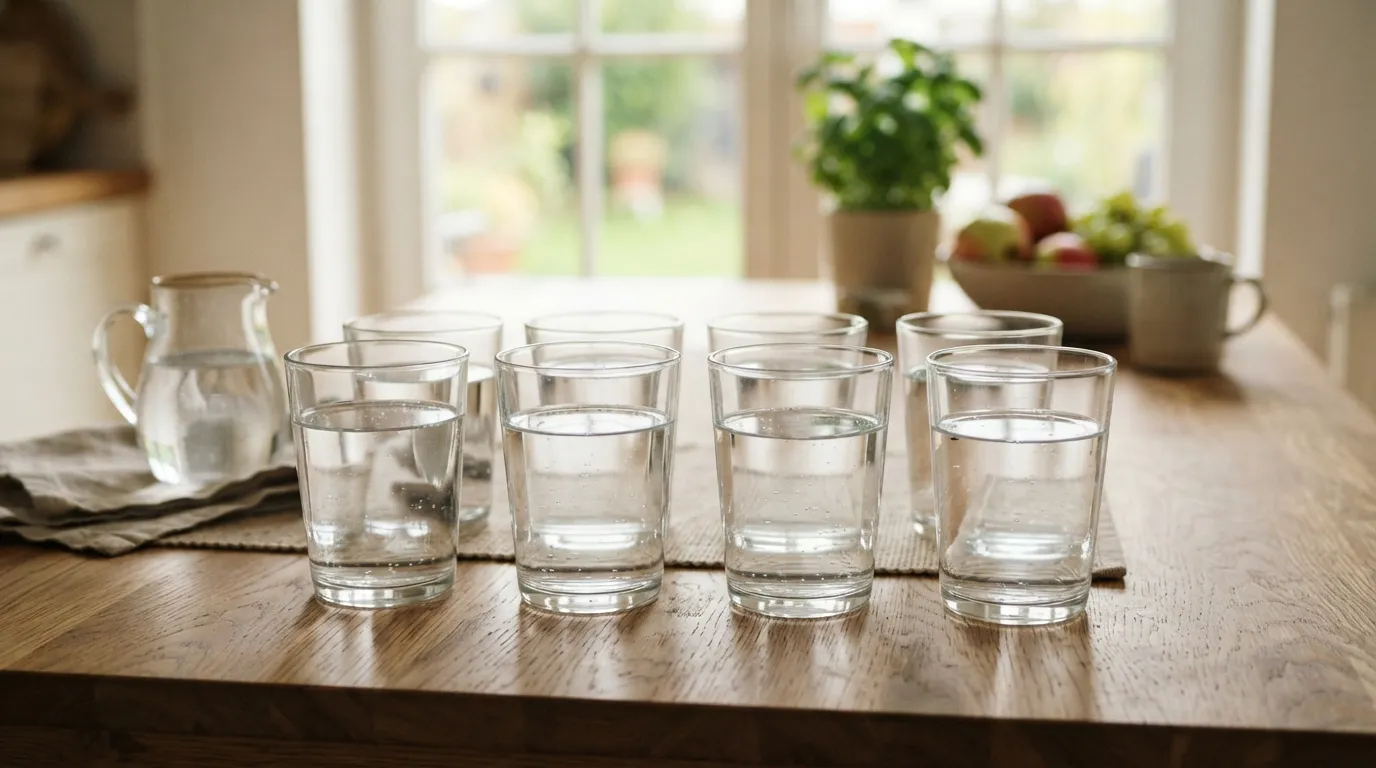
You’ve heard it your entire life. Eight glasses, every single day, no exceptions.
A physician at Dartmouth Medical School who reviewed the evidence found the advice “appears to lack scientific proof.” He traced it to a 1940s recommendation that already accounted for water from food.
That detail vanished somewhere between the original article and the modern slogan. Soups, fruit, coffee, even gelatin all count toward hydration, but that part never made it onto the poster.
The 8×8 rule everyone quotes as science was never actually proven as science.
Fast Facts
- The Dartmouth review, published in 2002, found zero peer-reviewed evidence supporting the 8×8 rule.
- The myth likely traces back to a 1945 government report that already counted water from food and other drinks.
- Your body already regulates hydration on its own, through thirst signals, hormones, and kidney function.
- Real hydration guidance is actually higher than 8 glasses, but it counts everything you eat and drink, not water alone.
But that’s nothing compared to what we found about #14…
#14 – Breakfast Is the Most Important Meal of the Day

This one has been drilled into children for generations. It turns out to be closer to a marketing slogan than a medical finding.
Controlled trials show something more complicated. Some people compensate naturally for skipped calories later in the day, while others don’t feel the difference at all.
Here’s the twist researchers didn’t expect: a low-quality breakfast can be worse for your health than skipping breakfast entirely. What you eat matters far more than when you eat it.
But that’s nothing compared to what we found about #13…
#13 – Low-Fat Diets Are the Key to Good Health

The 1980s and 90s made fat public enemy number one. Grocery shelves filled with fat-free everything.
A study in the American Journal of Clinical Nutrition found a Mediterranean diet rich in healthy fats outperformed low-fat diets for weight loss. Fat protects your organs, builds cell membranes, and helps absorb essential vitamins.
Here’s the part that stings: when manufacturers cut the fat, they replaced it with sugar. Chronic disease rates climbed anyway.
But that’s nothing compared to what we found about #12…
#12 – You Only Use 10% of Your Brain

This one seems too absurd to still be circulating. Yet surveys consistently show most adults believe it.
Brain imaging shows activity across virtually every region of the brain, even during sleep. The “10%” claim has never been traced to any legitimate scientific source, ever.
The brain burns roughly 20% of your body’s total energy despite being only 2% of your body weight. Evolution doesn’t keep expensive tissue around just to leave it idle.
But that’s nothing compared to what we found about #11…
#11 – Cracking Your Knuckles Causes Arthritis

Someone warned you about this as a kid. They had zero science behind them.
A study in the Journal of the American Board of Family Medicine found no correlation between knuckle cracking and hand osteoarthritis. The sound is just gas bubbles popping in synovial fluid, nothing more.
One doctor cracked the knuckles on only one hand for fifty straight years just to test it. Fifty years, and still no arthritis in that hand.
But that’s nothing compared to what we found about #10…
#10 – Cold Weather Makes You Catch a Cold

“Put a coat on or you’ll get sick.” Every grandmother has said it. It is not how viral infection actually works.
Colds come from viruses, not temperature. One study even found healthy men exposed to near-freezing air showed increased virus-fighting immune activity, not decreased.
You’re actually more likely to get sick indoors, where germs pass easily between people in close, poorly ventilated spaces. The cold outside air is innocent.
But that’s nothing compared to what we found about #9…
#9 – 10,000 Steps a Day Is the Health Target

It sounds precise enough to be scientific. It came from a 1960s Japanese pedometer ad campaign, not a lab.
Recent research links around 7,000 daily steps to lower risk of heart disease, diabetes, cancer, dementia, and depression. That’s 30% fewer steps than the number everyone’s chasing.
A 2019 study on older women found benefits leveling off around 7,500 steps. Grinding out an extra 2,500 steps a day for zero extra benefit is the definition of a myth doing real work on people.
Quick Compare
- 10,000 steps: born from a 1965 ad for a Japanese pedometer literally named the “10,000 steps meter.”
- 7,000 steps: linked in a large 2025 analysis to a 47% lower risk of death compared with just 2,000 daily steps.
- 7,500 steps: the point where benefits leveled off in a major study tracking over 16,000 older women.
But that’s nothing compared to what we found about #8…
#8 – You Should Eat Multiple Small Meals Throughout the Day

Trainers preached it for years. Small meals, all day long, to “stoke the metabolism.”
Given equal daily calories, meal frequency makes essentially no difference in fat loss. Digestion nudges your metabolic rate slightly, but not enough to move the needle on your body.
Total calories decide the outcome, not how many times you split them up. The meal-frequency rule mostly just created anxiety and food-clock obsession.
But that’s nothing compared to what we found about #7…
#7 – Antiperspirants Cause Breast Cancer
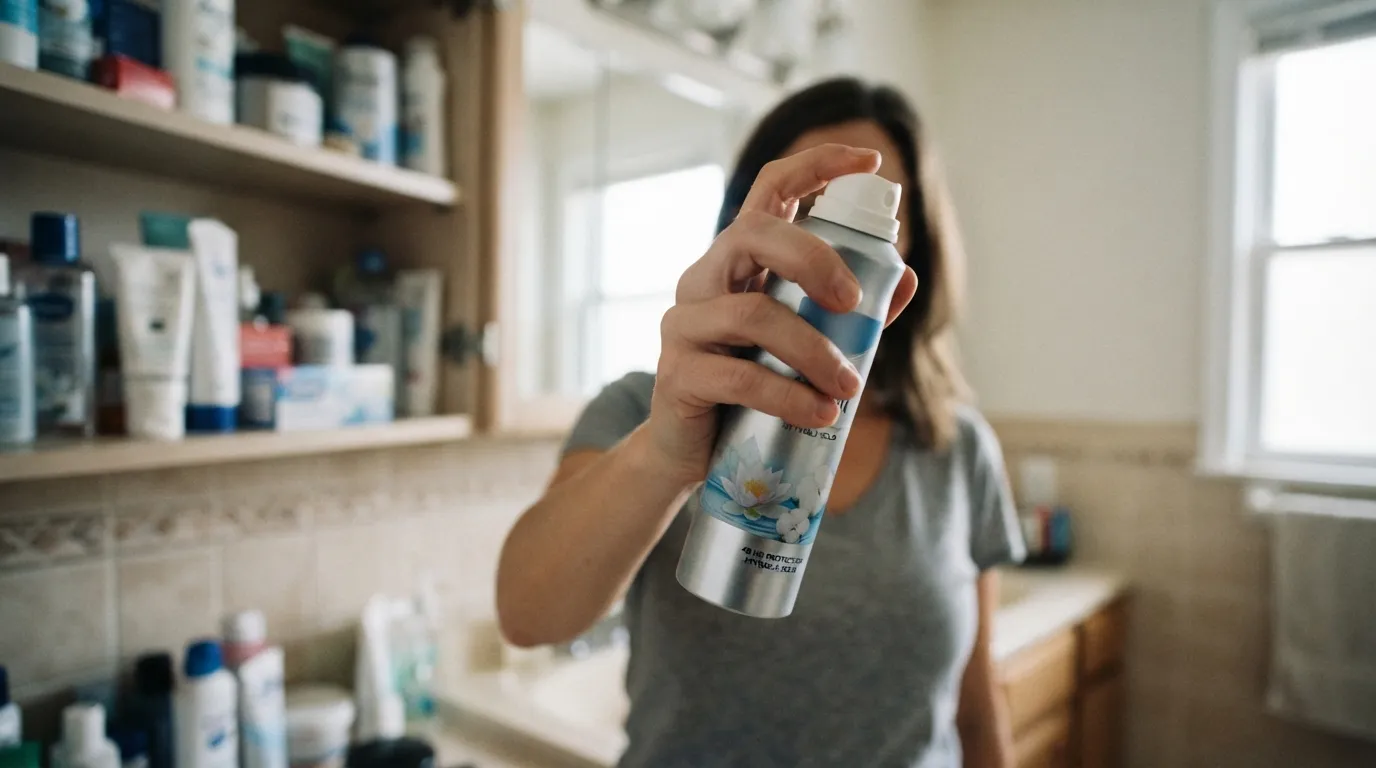
This one spread through chain emails in the early 2000s and never fully died. The theory: aluminum compounds absorb through skin and trigger tumors.
The National Cancer Institute says there’s no evidence connecting either product to breast cancer. Large-scale studies have repeatedly failed to find the mechanism ever actually working in the body.
A plausible-sounding theory isn’t the same as a proven one. This myth still caused real fear and pushed people away from an effective hygiene product for no medical reason.
But that’s nothing compared to what we found about #6…
#6 – Multivitamins Keep You Healthy
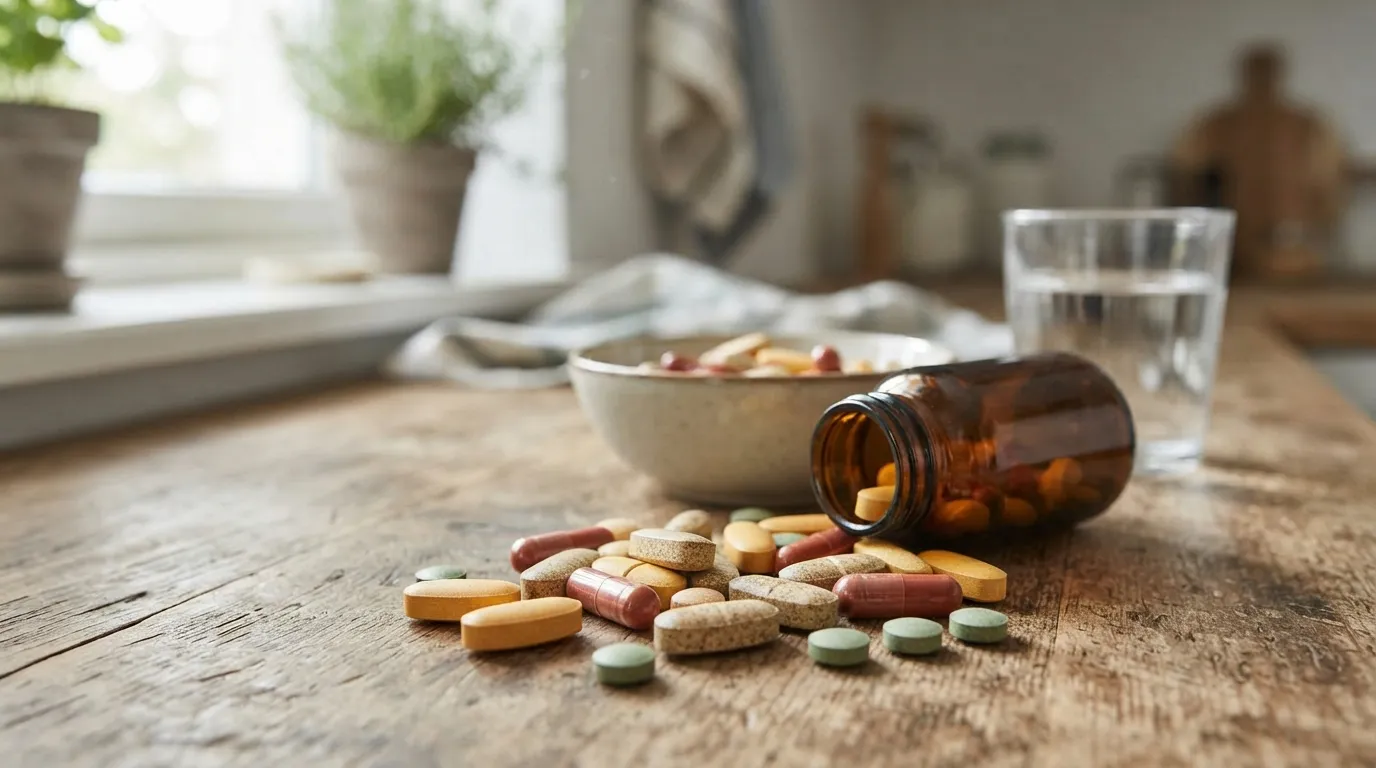
Billions of dollars get spent on multivitamins every year. The logic feels airtight: fill the nutritional gaps, lower your risk.
Large studies reviewed by the U.S. Preventive Services Task Force found no consistent evidence that multivitamins reduce heart disease or cancer risk in healthy adults. Fat-soluble vitamins like A, D, E, and K can even build up to harmful levels if you over-supplement.
More isn’t always more. Sometimes it’s just a toxicity risk with a vitamin-shaped label.
At a Glance
- Roughly 74% of U.S. adults take some kind of dietary supplement, and multivitamins are the single most popular choice.
- Multivitamins are legally classified as food, not medicine, so makers don’t have to prove they work before selling them.
- That classification is exactly why shelf space keeps growing even as the disease-prevention evidence stays thin.
But that’s nothing compared to what we found about #5…
#5 – Reading in Dim Light Ruins Your Eyes

Parents have shut off flashlights under the covers for this reason for decades. Ophthalmologists have been rolling their eyes just as long.
Eye strain is real and uncomfortable, but discomfort isn’t the same thing as damage. There is no evidence that reading in low light causes any permanent harm to your vision.
The sensation passes. The eyesight doesn’t get worse because of it, no matter how many bedtime lectures said otherwise.
But that’s nothing compared to what we found about #4…
#4 – Swimming After Eating Is Dangerous

Wait 30 minutes. Sometimes a full hour. The fear was blood rushing to your stomach, causing cramps and drowning.
The American Red Cross confirms swimming within an hour of eating does not increase drowning risk, for anyone. Competitive swimmers train after meals constantly, and triathletes eat mid-race without incident.
Your circulatory system easily handles digestion and swimming at the same time. The rule traces back to early 1900s scouting literature, not to any actual physiology.
But that’s nothing compared to what we found about #3…
#3 – “Natural” Sugar Is Healthier Than White Sugar
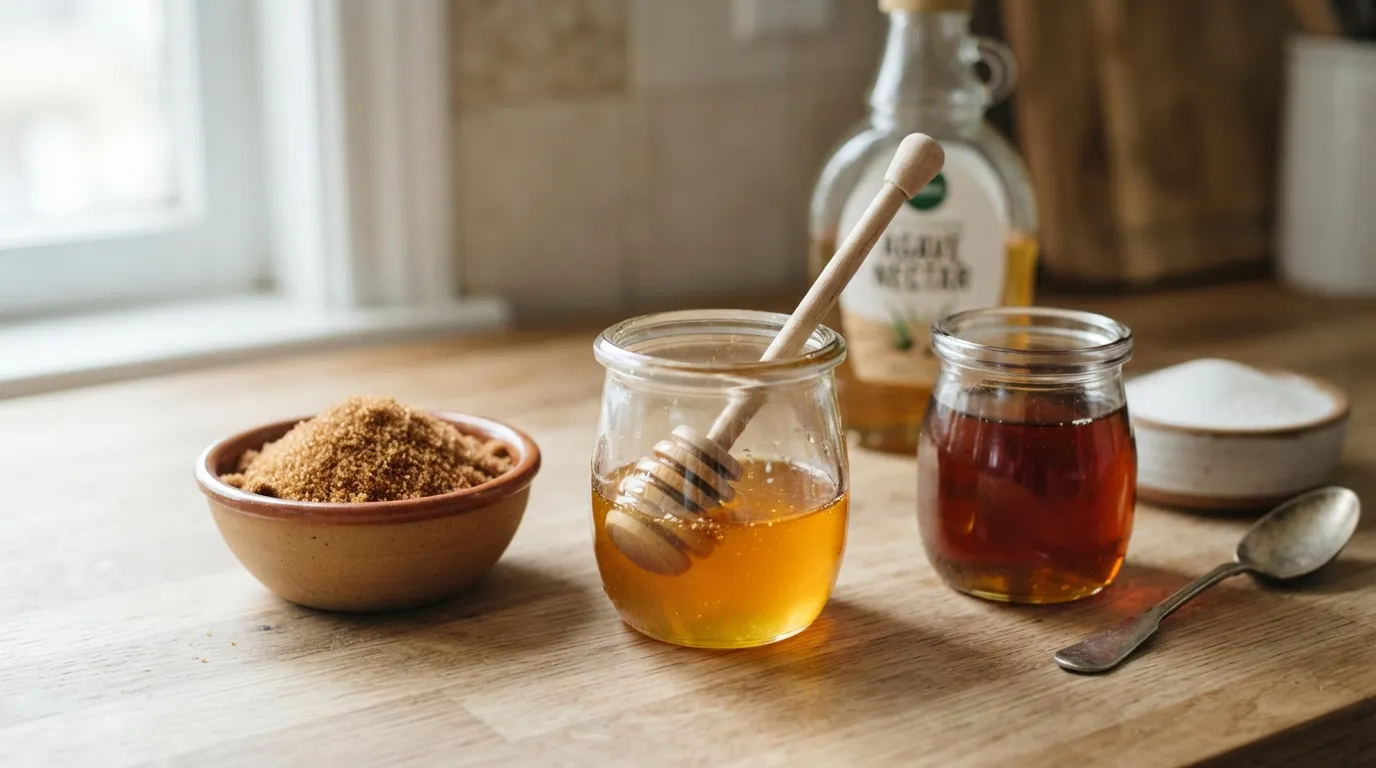
Honey, maple syrup, coconut sugar, agave. All positioned as the virtuous alternative to plain white sugar.
Brown sugar carries trace calcium, potassium, and iron from molasses, but in amounts too small to matter. Your body processes it essentially the same way as the cheap stuff.
Agave, marketed as the “healthy” low-glycemic option, is actually one of the highest-fructose sweeteners on the shelf. “Natural” is one of the most profitable words in the entire food industry.
But that’s nothing compared to what we found about #2…
#2 – You Can Catch a Cold by Getting Wet or Chilled

This is the grandparent of all health myths. Wet hair to bed, no hat outside, there goes your immune system, supposedly.
The common cold comes from rhinoviruses, and more than 200 related strains. Exposure to the virus causes infection, not exposure to cold or moisture.
Researchers have directly chilled and soaked test subjects before exposing them to viruses. Physical chill alone did not raise their infection risk at all.
But nothing on this list is as deeply embedded, or as completely unsupported, as what’s sitting at #1…
#1 – You Need to “Detox” Your Body Regularly

The detox industry is worth billions. Juice cleanses, detox teas, activated charcoal drinks, colon flushes, all built on one premise.
That premise isn’t real. Your liver and kidneys already filter your blood continuously, 24 hours a day, with no juice cleanse required.
No peer-reviewed trial has ever shown a commercial detox product speeding up that process in a healthy person. Ask a detox brand to name the specific toxin their product removes, and a real answer rarely shows up.
If your liver and kidneys are actually failing, you belong in a hospital, not on a three-day juice fast. For everyone else, the industry is selling a cure for a problem that doesn’t exist.
Worth Knowing
- The FDA doesn’t require detox teas, cleanses, or charcoal drinks to prove effectiveness before they reach store shelves.
- Your kidneys filter your entire blood supply dozens of times a day, cleanse or no cleanse.
- No detox brand has ever published a peer-reviewed study naming the specific toxin its product measurably removes.
The Bottom Line

The 8-glasses rule misquoted a 1940s document. The breakfast myth was supercharged by decades of food marketing.
The low-fat craze replaced fat with sugar and arguably made things worse. The detox industry built an entire billion-dollar business around a condition healthy bodies simply don’t have.
What’s genuinely strange isn’t that these myths existed. It’s how long they kept running unquestioned after the evidence had already turned against them.