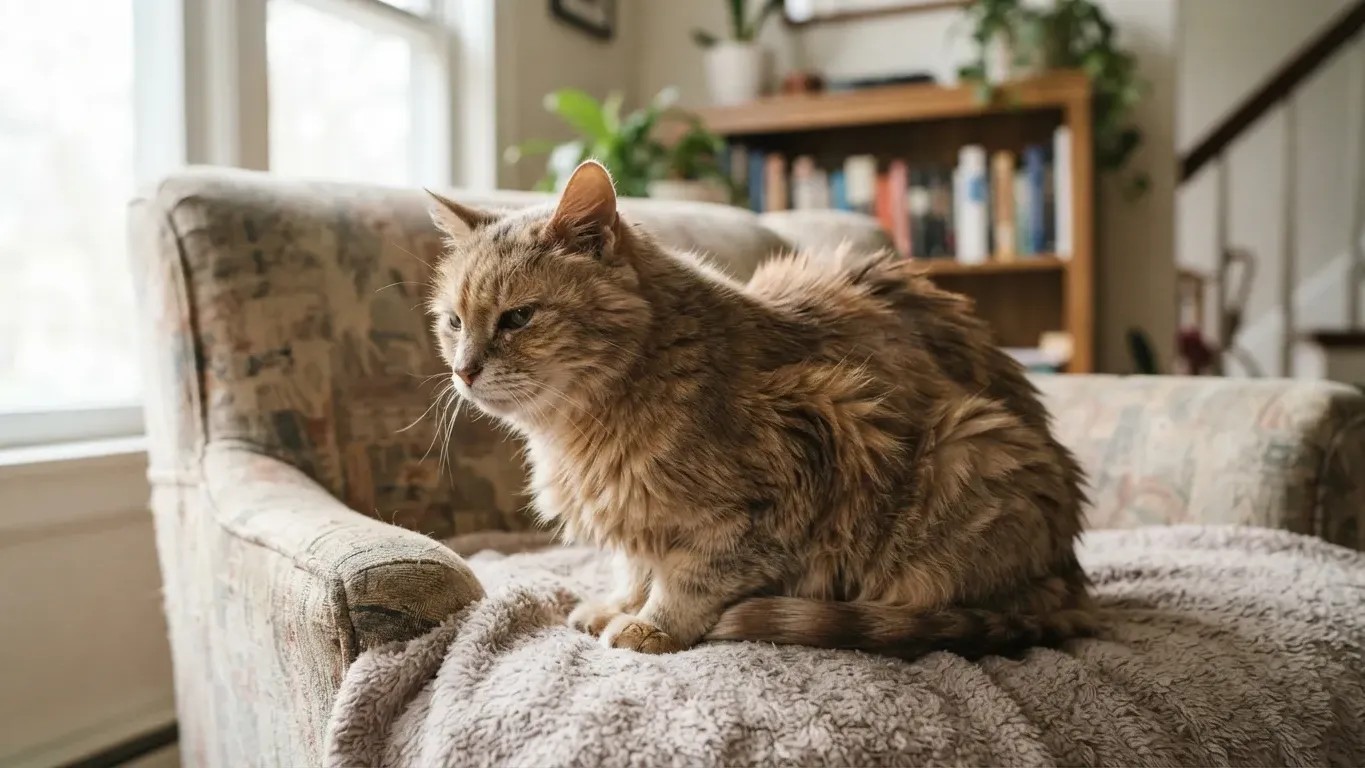
Most people think caring for a senior cat is just like caring for a younger one, just with more naps. They’re wrong.
Once a cat crosses into their senior years, the rules change fast, and most owners find out the hard way. Vet visits double, behavior shifts in ways that catch you off guard, and the bond deepens in a way no one warns you about.
If you’ve lived it, you already know none of this is in any guidebook. Here’s what real senior cat owners – the ones who’ve actually been through it – notice first.
#13 – “Senior” Starts Earlier Than You Think
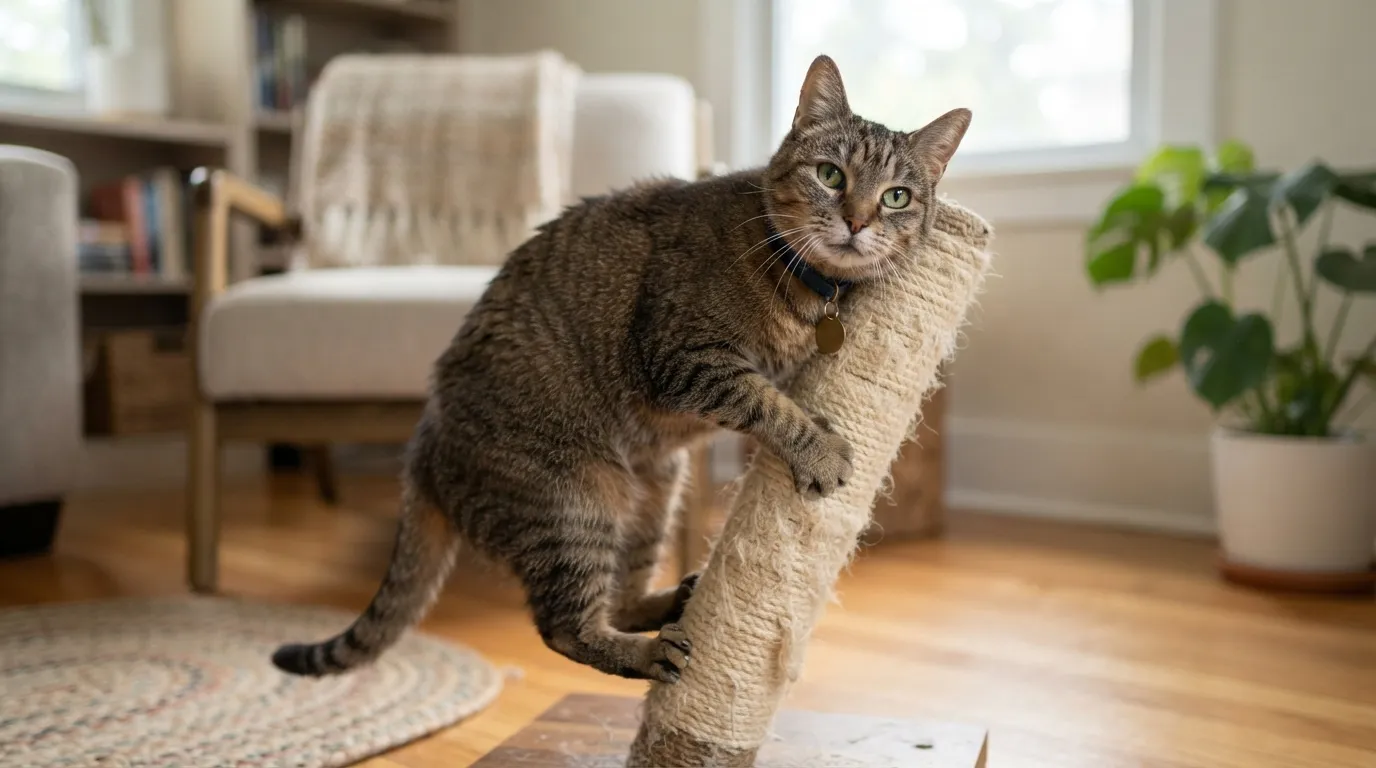
Most people picture a senior cat as a frail, grey-muzzled creature barely moving off the sofa. Turns out, the clock starts ticking much sooner.
Senior cat care typically begins around age 7, when subtle behavior changes start appearing. That’s not old by human standards – it’s barely middle age.
The real mistake owners make: dismissing early changes as “just personality.” By the time changes are obvious, the early intervention window is already gone.
Fast Facts
- Many vets begin senior monitoring around age 7, even though cats aren’t officially classified as “senior” until age 10.
- Indoor cats typically live 13 to 17 years, with plenty reaching 20 or beyond.
- Once a cat turns 7, wellness exams often shift from once a year to twice a year.
But the age surprise is just the beginning – wait until you see what’s happening to their body while they still look perfectly fine.
#12 – They Sleep More, and That’s Not Laziness
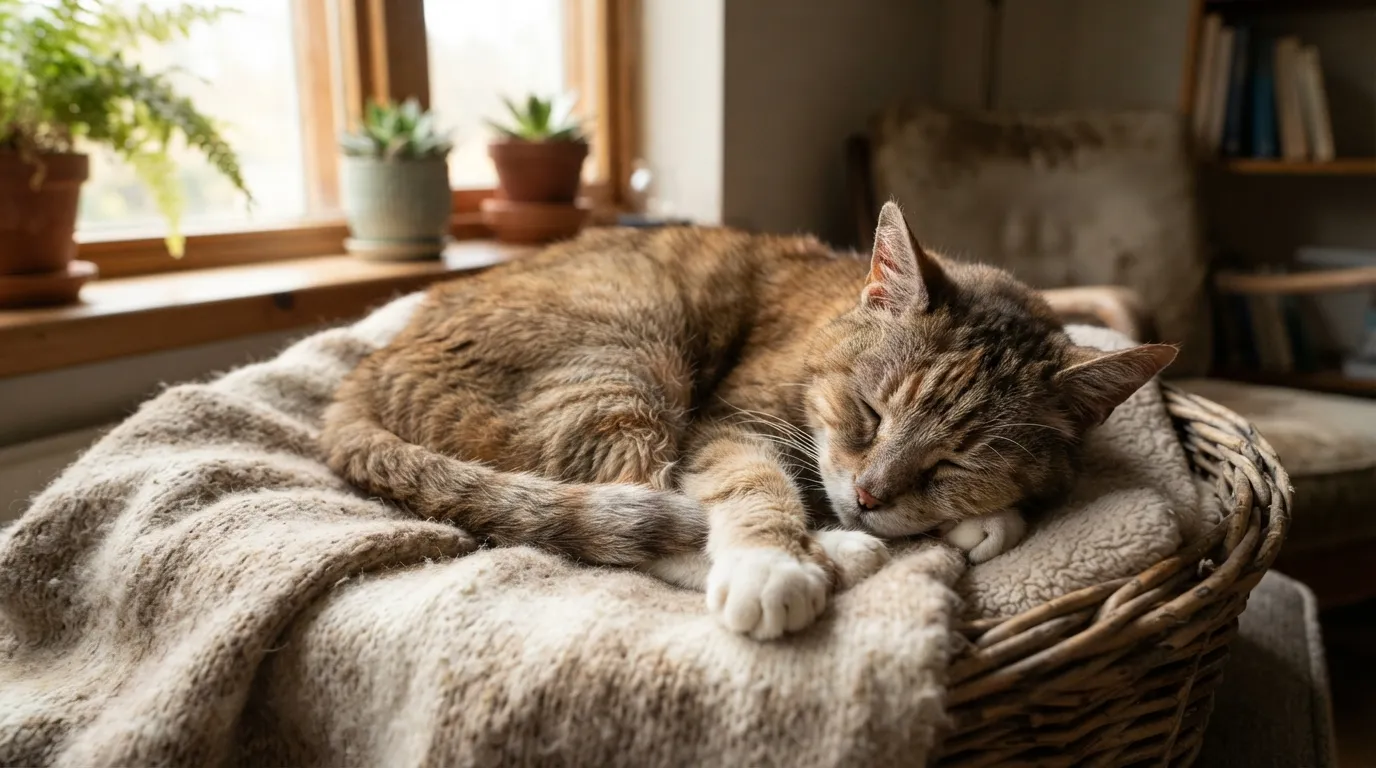
You glance over and your cat is asleep. Again. You start wondering if something’s wrong.
Senior cats often sleep 16 to 18 hours a day, noticeably more than younger cats. They may also be harder to wake, especially if hearing or vision has started to fade.
What separates a true senior cat owner is knowing the difference between normal extra sleep and sudden lethargy that signals illness. One is biology. The other is a vet call.
Once you crack that code, a whole new set of silent signals starts coming into focus.
#11 – Their Appetite Changes Are a Clue, Not a Phase
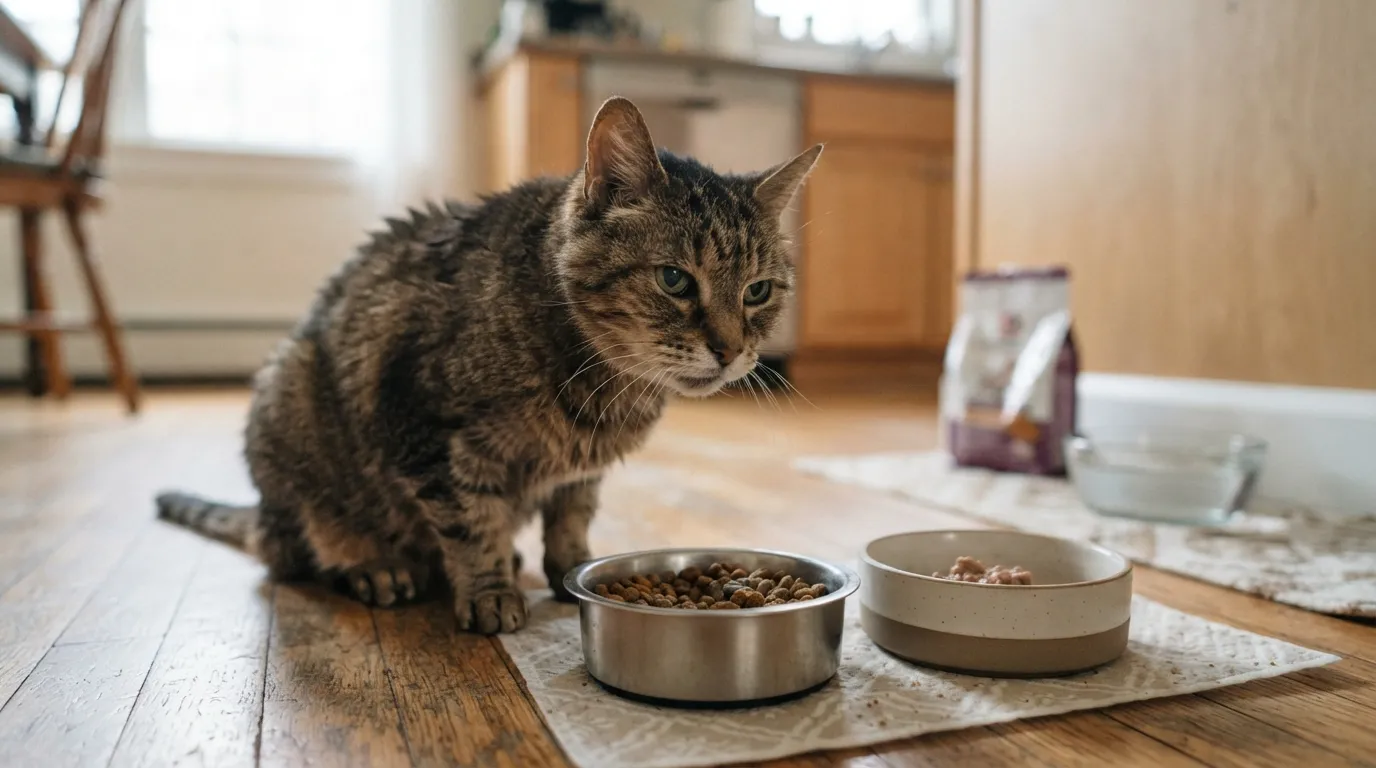
One week they’re devouring every meal. The next, they sniff the bowl and walk away.
New owners panic. Experienced senior cat owners investigate.
Senior cats may eat less due to changes in taste or smell, or they may simply get pickier. Dental disease is one of the most overlooked culprits – a cat in pain from bad teeth won’t eat, no matter what’s in the bowl.
The moment you start tracking your cat’s appetite like a detective is the moment you become a real senior cat owner. And the next sign takes that detective work even deeper.
#10 – The Litter Box Becomes a Health Dashboard
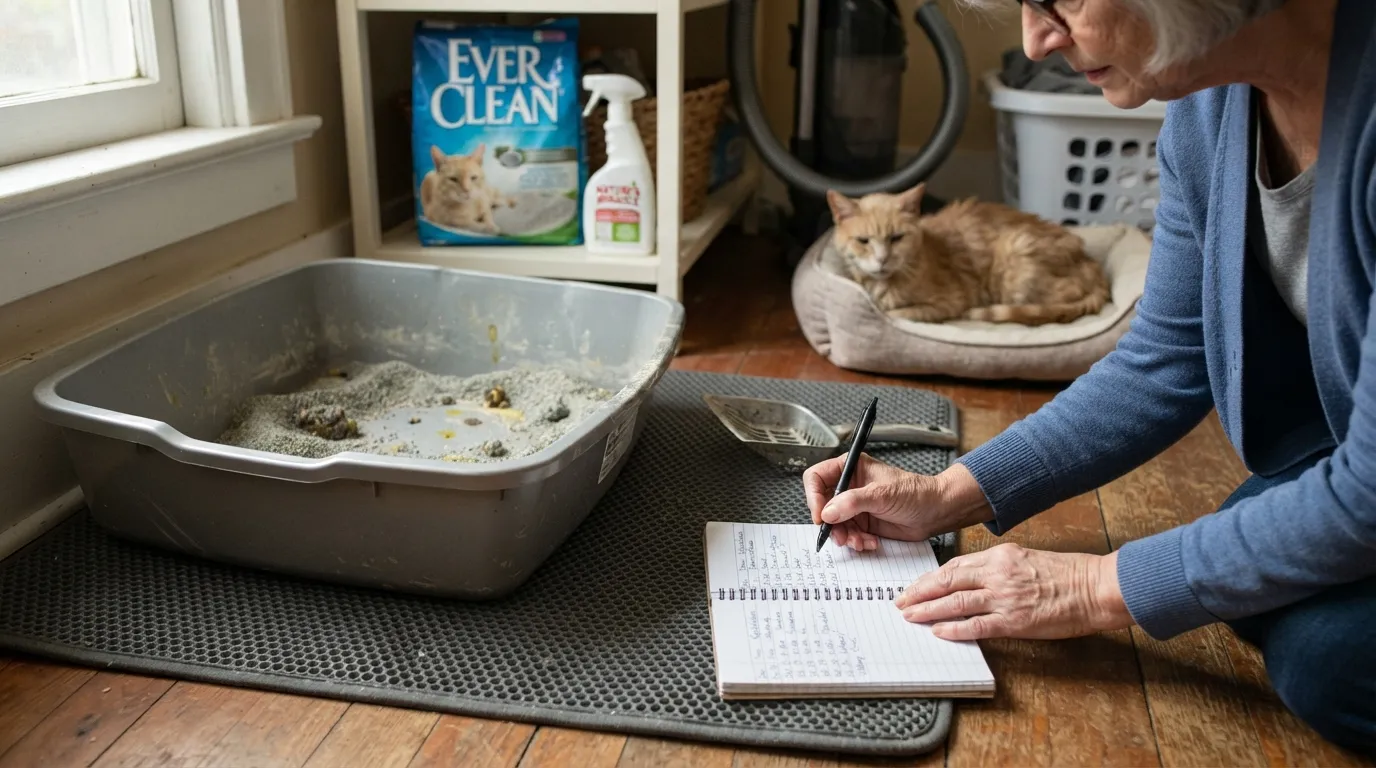
Most people think litter box issues are a behavior problem. Senior cat owners know it’s almost never about behavior.
Urinating outside the box, sudden accidents, or straining can point to kidney disease, urinary infections, or cognitive decline. A gradual shift can be normal – a sudden one should never be ignored.
Every trip to the litter box is information. Experienced owners track frequency and consistency like it’s medical data, because it is.
And if you think monitoring the litter box is intense, wait until you hear what’s quietly happening inside your cat’s mind.
#9 – Cognitive Decline Is Real, and Shockingly Common
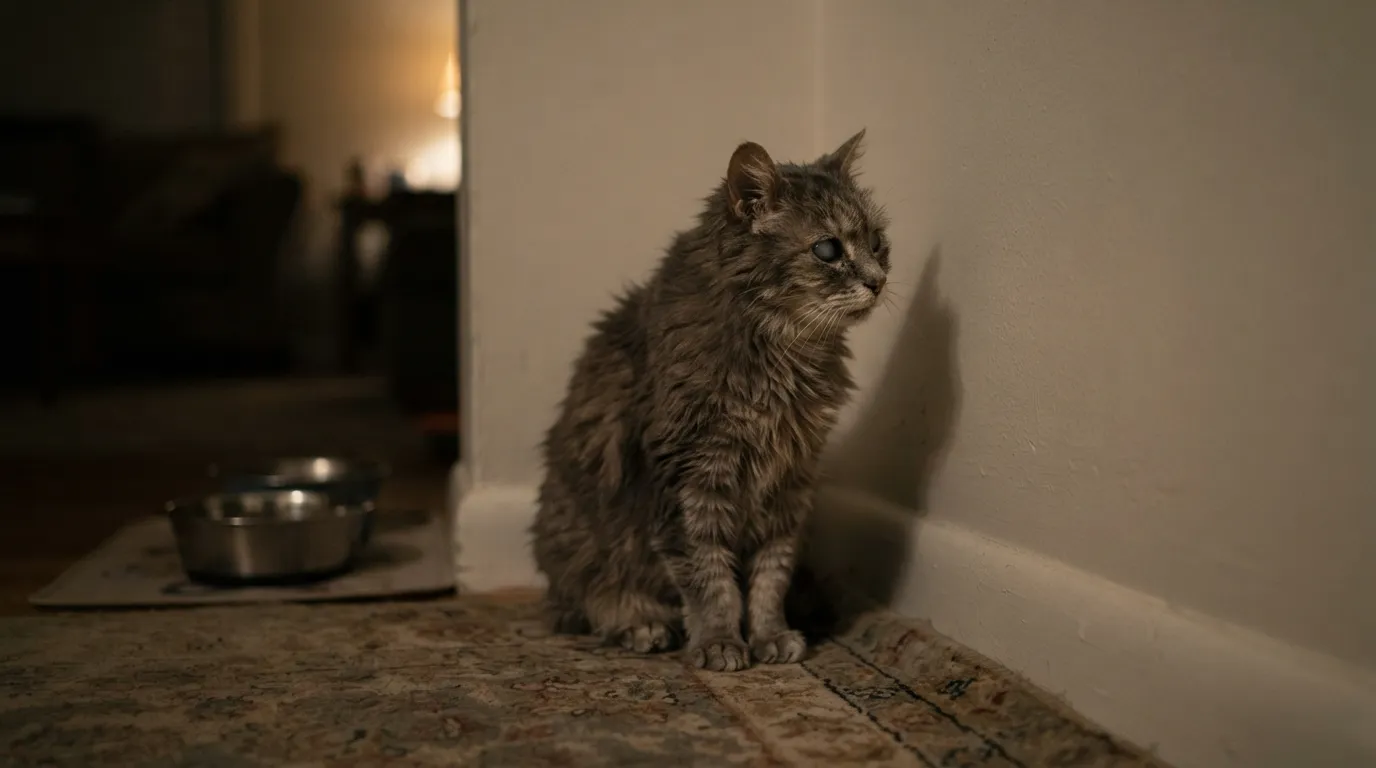
You’ve noticed your cat staring at a wall at 2 a.m., or forgetting where the food bowl is. This isn’t quirky senior behavior. It’s a documented medical condition.
Feline cognitive dysfunction affects over half of cats between 11 and 15, and as many as 85% of cats over 16. It can cause memory loss, disorientation, and trouble learning even simple routines.
Quick Compare
| Age Range | Cats Showing Cognitive Decline |
|---|---|
| 11–14 years | About 28% |
| 15+ years | About 50% |
| 16–20 years | More than 80% |
Most owners chalk this up to “just being old” for months before getting a diagnosis. Knowing this condition exists – and catching it early – is one of the clearest markers of an experienced senior cat owner.
And the next sign? It’s something almost nobody expects.
#8 – They Get Louder. Much Louder.
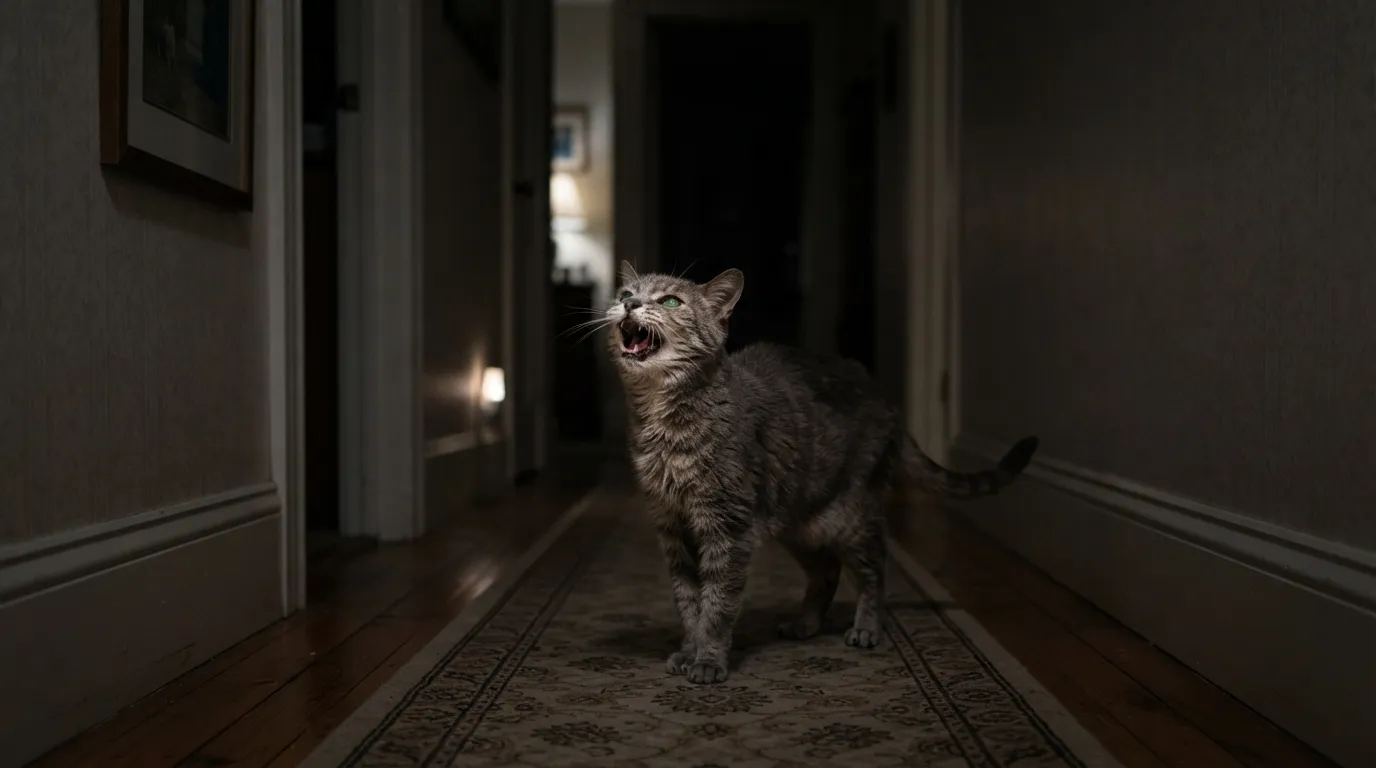
You adopted a quiet, dignified cat. Now at midnight, they’re yowling at nothing in the hallway.
Increased vocalization in senior cats is often tied to cognitive dysfunction, disorientation, or pain – especially at night, when there are fewer cues to ground them. Pacing without purpose after dark is a recognized sign of the same decline.
The midnight yowl is almost never “attention-seeking” in senior cats – it usually means something. True senior cat owners don’t reach for earplugs. They reach for the phone to call the vet.
But loud isn’t the only surprise personality shift waiting for you.
#7 – The Sweet Cat Can Suddenly Turn Defensive
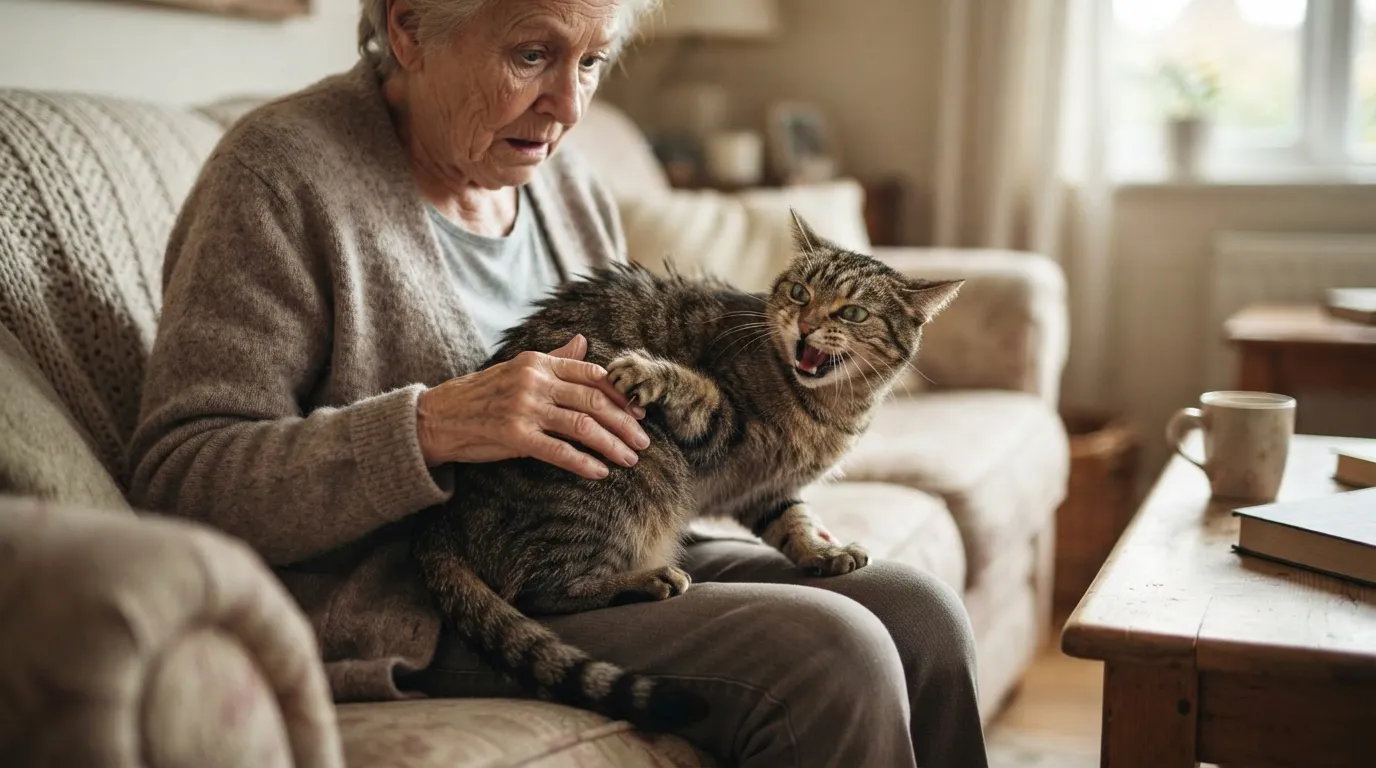
Your gentle, lap-loving cat has started hissing when you pick them up. You’re hurt, and confused.
A once-docile cat can become hostile – biting, scratching, or flinching away from touch – as coping with stress gets harder with age. Pain is almost always behind the shift.
Arthritis, dental pain, or a hidden internal issue can turn a cuddle into a flinch in an instant. Never take it personally. Never ignore it.
The next thing real senior cat owners understand is just as counterintuitive.
#6 – They Crave Routine More Than Affection
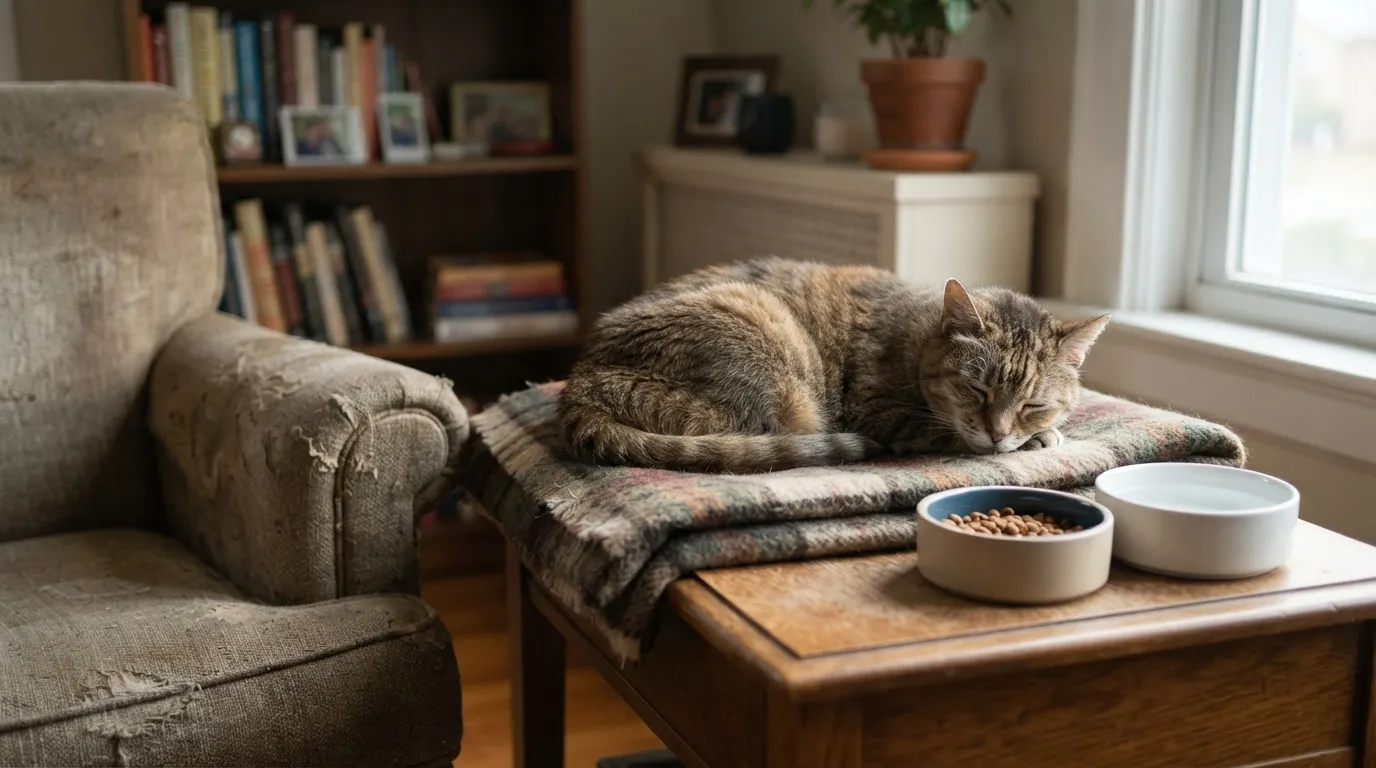
Everyone assumes senior cats just want more cuddles. The truth is more specific: they want everything to stay exactly the same.
Older cats cherish predictable days more than younger ones do. Even a small disruption – rearranged furniture, a new pet, a shifted feeding time – can visibly stress an aging cat.
A disrupted routine can trigger anxiety, appetite loss, and litter box accidents all at once. True senior cat owners become almost obsessive about keeping the household schedule consistent.
Speaking of overlooked needs, the next one surprises almost every first-time senior cat owner.
#5 – Hydration Is a Daily Battle You Didn’t Sign Up For
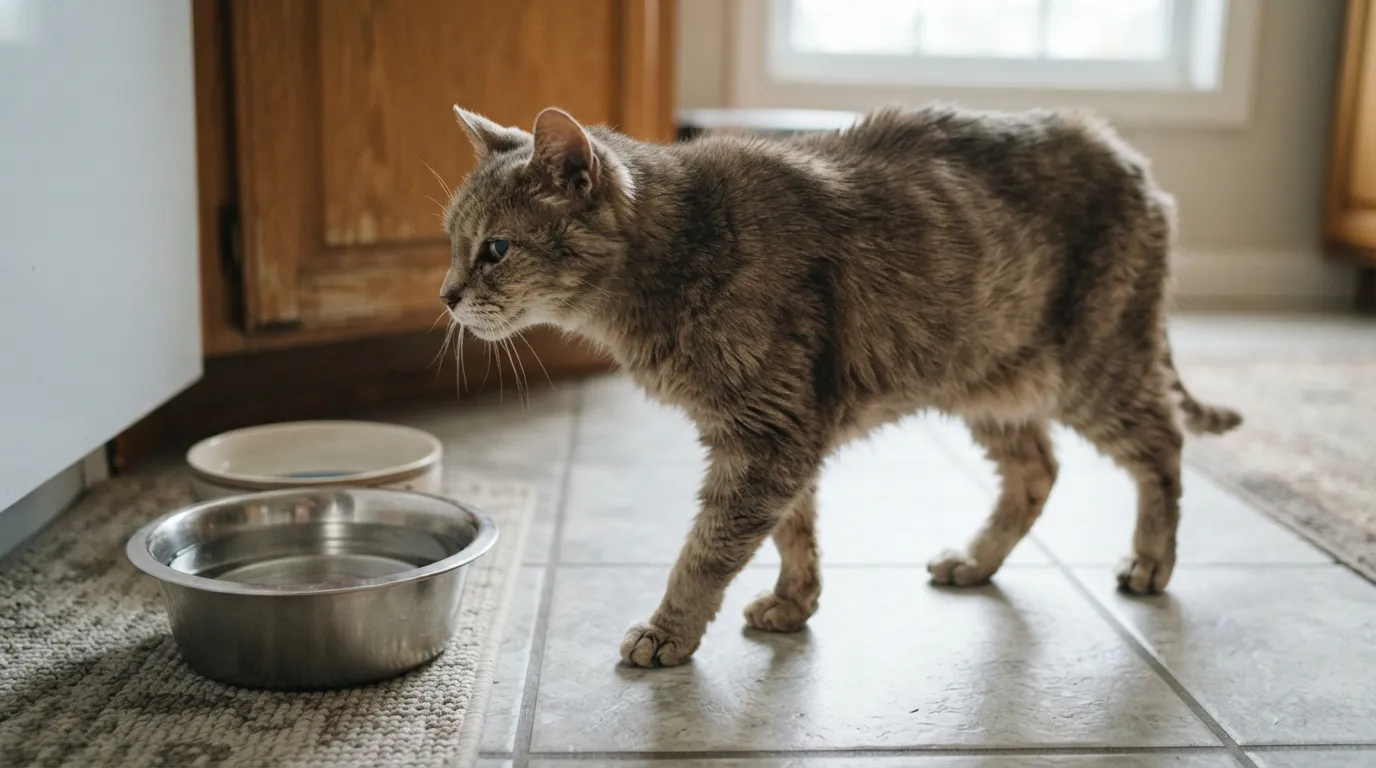
You refill the water bowl. Your cat walks right past it. By evening, the bowl is untouched.
This isn’t picky behavior – it’s a real health risk, since kidney function tends to decline with age. Older cats dehydrate more easily because they’re less likely to seek out water on their own.
Chronic dehydration accelerates kidney disease, the single most common age-related illness in cats. Experienced owners add water fountains, mix in wet food, and place several water stations around the home.
This is low-effort, high-impact care – but the next insight takes things to a deeper emotional level.
#4 – The Vet Schedule Changes Everything
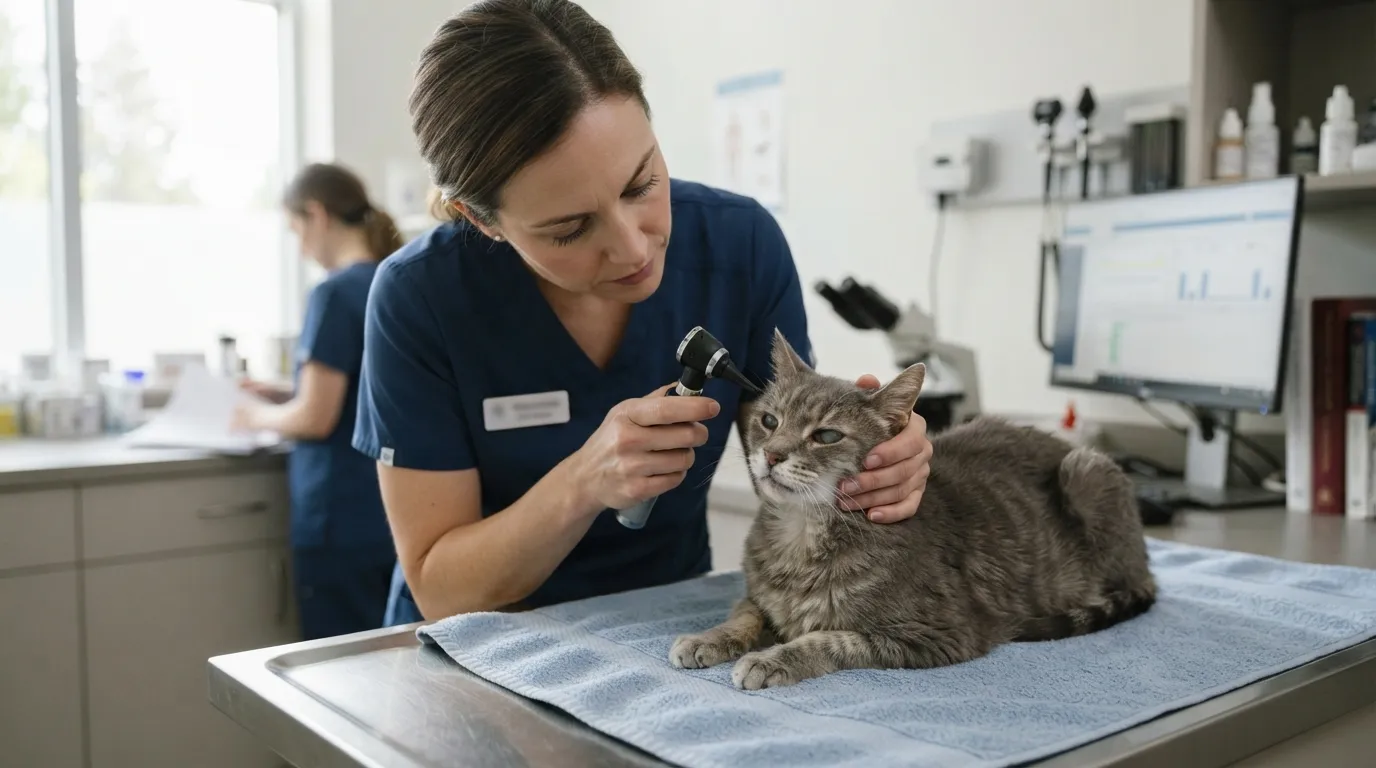
Annual vet visits feel sufficient when your cat is young and healthy. Senior cat owners find out fast that once a year is no longer enough.
Healthy senior cats should see the vet every six months, which allows early signs of illness to surface while they’re still highly treatable. Waiting for obvious symptoms usually means waiting too long.
At a Glance
- Ages 1–7: one wellness visit per year is typically enough.
- Ages 7–15: most vets recommend two visits per year.
- Ages 15+: some vets suggest checkups every four months.
The owners who resist more frequent vet visits are the ones who end up facing emergencies. Many put it off out of fear of what the vet might find – a fear that costs cats quality time.
Once you commit to the schedule, you start noticing something unexpected happening to your relationship with your cat.
#3 – They Become More Emotionally Dependent on You
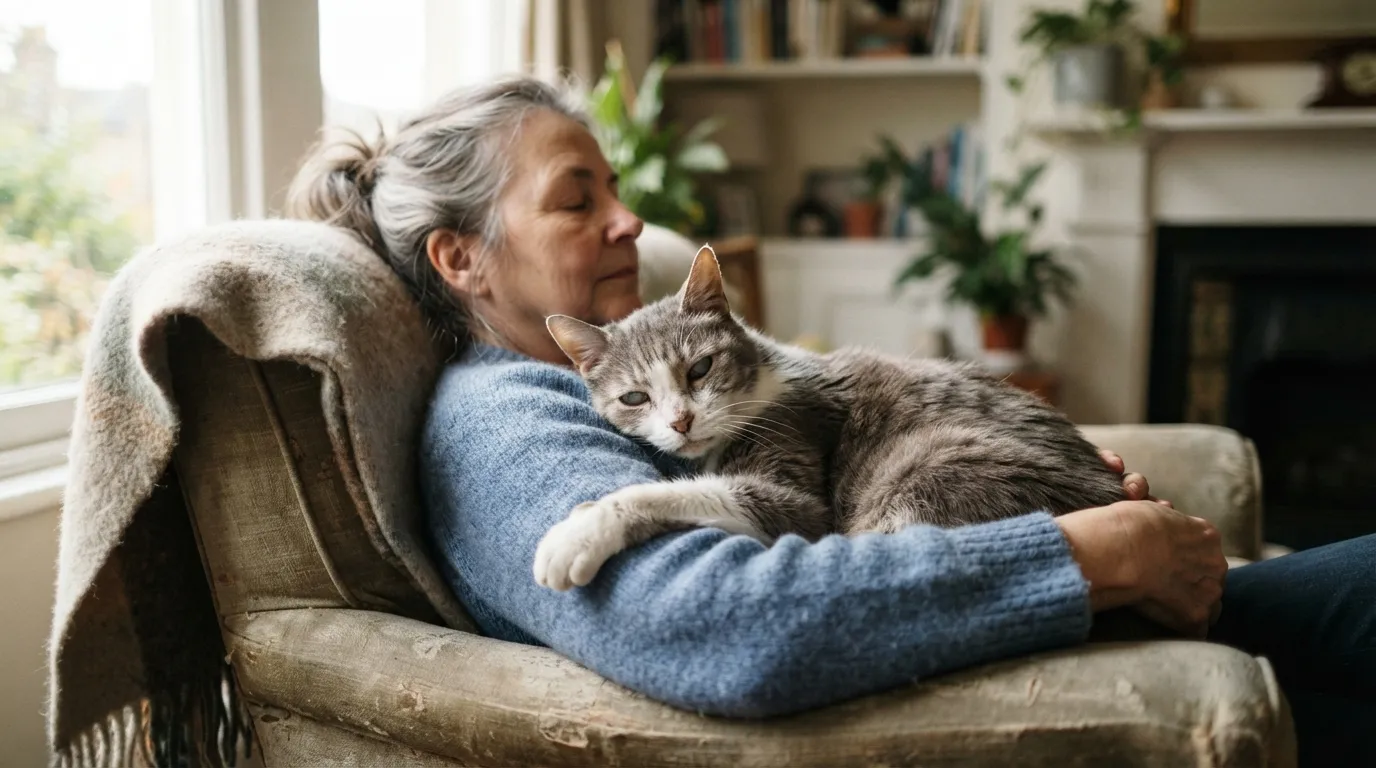
The cat that spent ten years pretending you didn’t exist suddenly wants to be in the same room as you, always. This isn’t a coincidence.
Aging cats lean on their caregivers more, even ones who ignored you for most of their lives. Spending extra time together in these years matters more than it seems.
This shift in closeness is not random – it’s your cat telling you something real. Some cats need more emotional support as they age; others prefer quiet space. Learning which one yours is makes all the difference.
And then there’s the signal most owners miss entirely, the one hiding in plain sight.
#2 – Pain Has No Obvious Sign. That’s the Whole Problem.
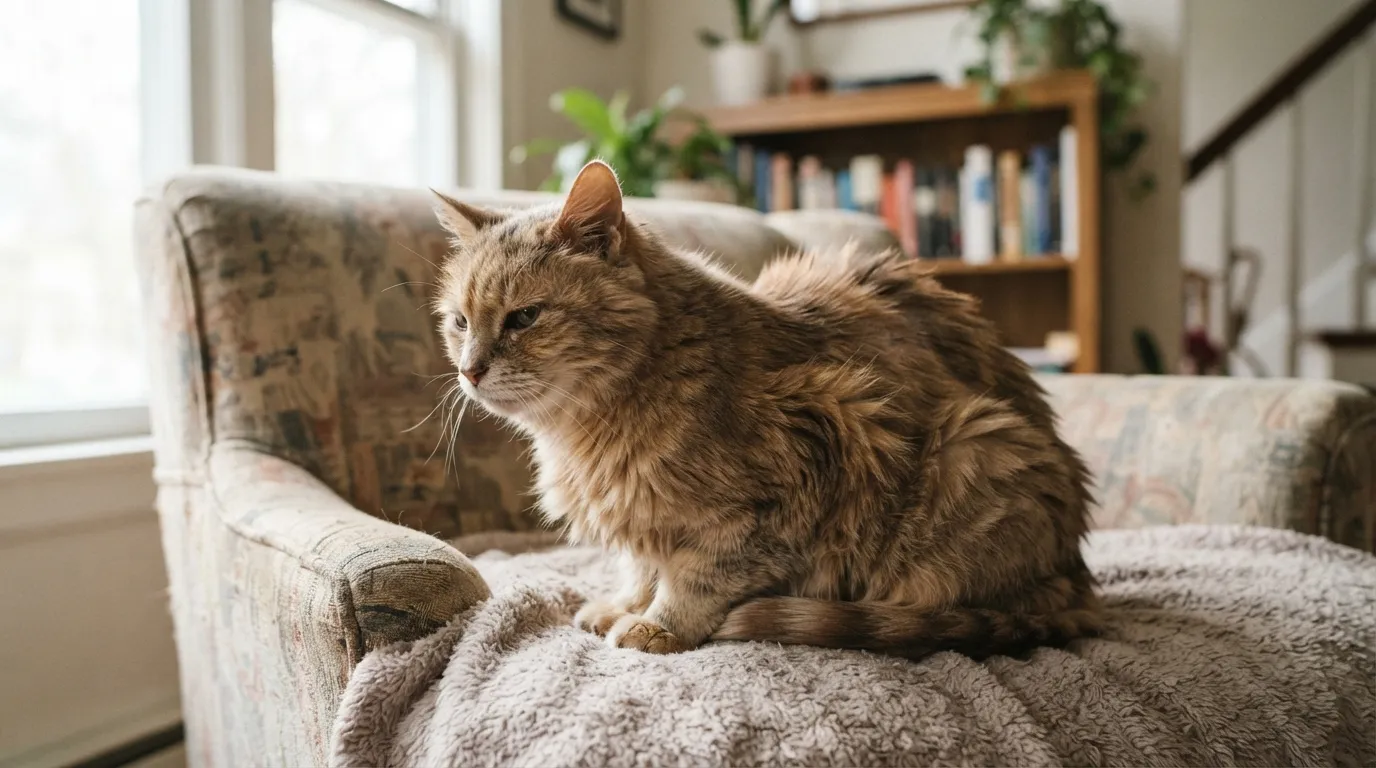
Most owners believe they’d know if their cat was in pain. Senior cat owners learn this assumption is dangerous.
Cats are naturally private animals, and that instinct to hide discomfort only gets stronger with age. Many senior health problems reveal themselves through quiet behavioral shifts, not dramatic ones.
Worth Knowing
- Skipping jumps onto once-favorite spots
- Grooming less, leading to a dull or matted coat
- Sitting or lying in unusual positions
- Moving slower or stiffer after resting
The number one sign of pain in a cat is no obvious sign at all. A cat quietly avoiding the stairs, grooming less, or sitting differently is already speaking – you just have to know the language.
This brings us to the #1 thing only true senior cat owners truly understand, and it changes how you see every day with them.
#1 – Every Good Day Becomes a Gift You Don’t Take for Granted
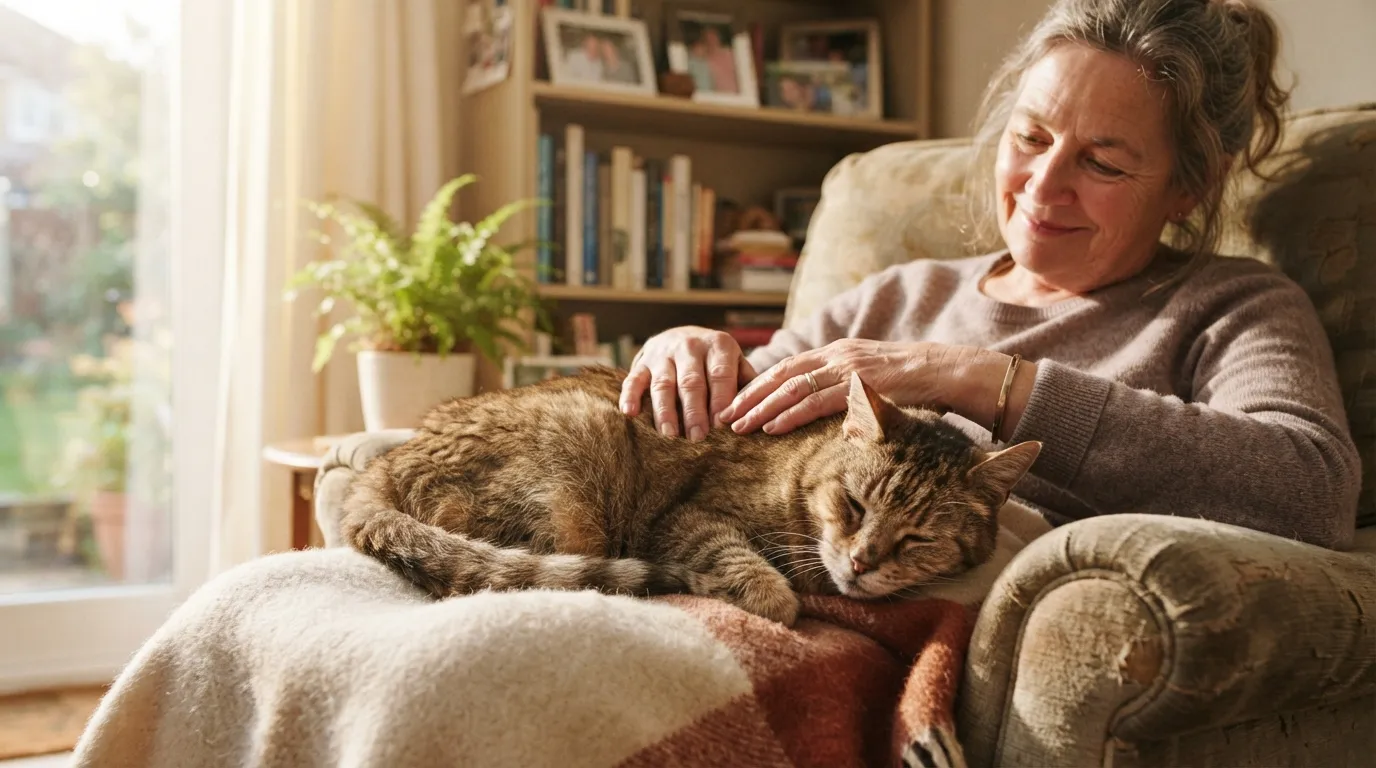
There’s a shift that happens inside you, quietly, without announcement, when you’ve cared for a senior cat long enough. The ordinary moments stop feeling ordinary.
Having a cat with you into their senior years means they’ve been there through marriages, kids, moves, and everything else life threw at you. That kind of bond doesn’t happen with a younger animal in a few short years.
I’m okay, I’m here.
What every purr says at 2 a.m.
You stop counting years and start counting good afternoons. The slow morning in the sun, the weight of them on your lap, the rumble that says everything is fine – that’s what this is all for.
Caring for a senior cat can be one of the most rewarding experiences you’ll ever have. Only the owners who’ve done it fully understand that.
The Bottom Line
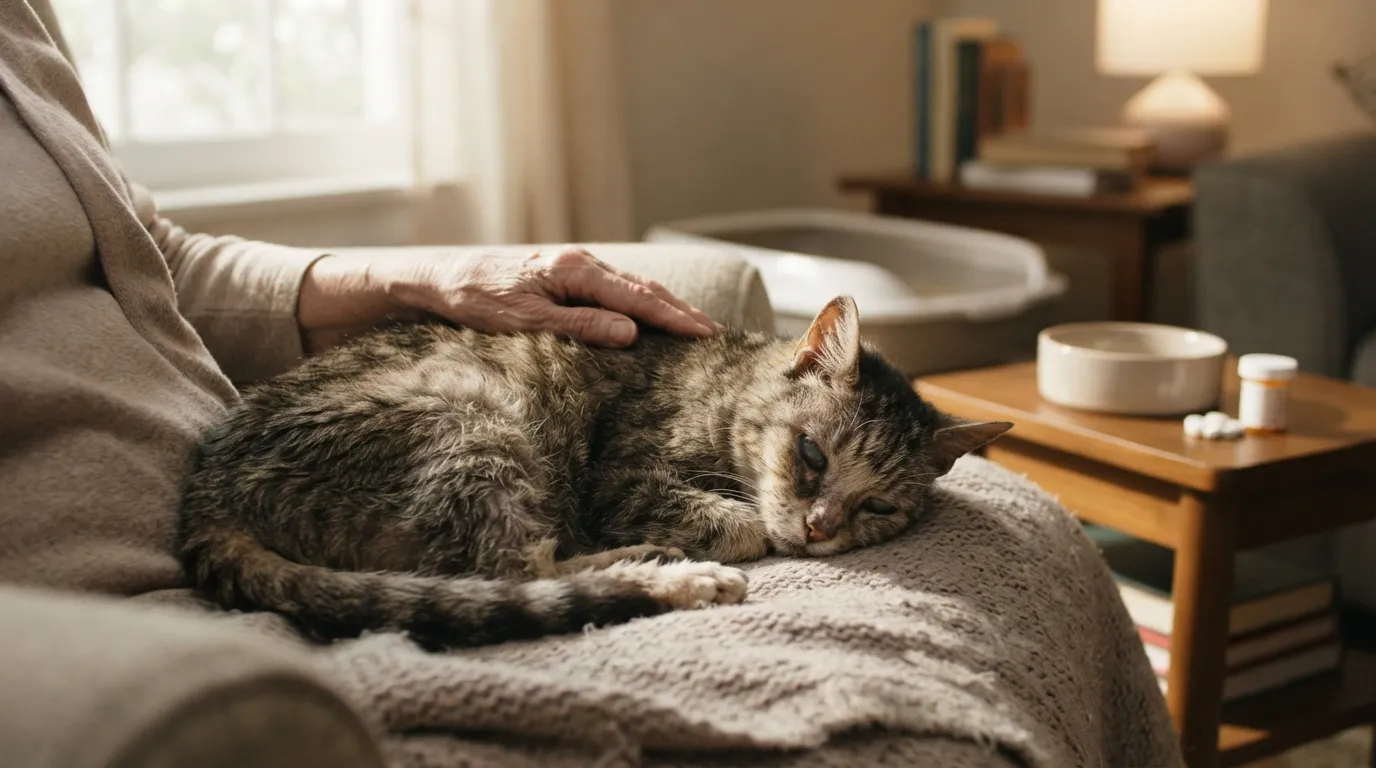
Senior cats aren’t just older versions of their younger selves – they’re a completely different care experience. The cognitive decline catches you off guard, the midnight yowling tests your patience, the vet visits double, and the litter box becomes a health monitor.
Through all of it, the bond becomes something most pet owners never get to feel with a younger animal. The secret most people miss: the earlier you tune in to the changes, the better the outcome for both of you.
True senior cat owners aren’t just caregivers. They’re translators, detectives, and the steadiest presence in an aging animal’s world.
Have we missed an experience only senior cat owners will recognize? Drop it in the comments – we’d love to hear it.