14 Mistakes Cat Owners Make That Veterinarians Privately Wish They Could Undo
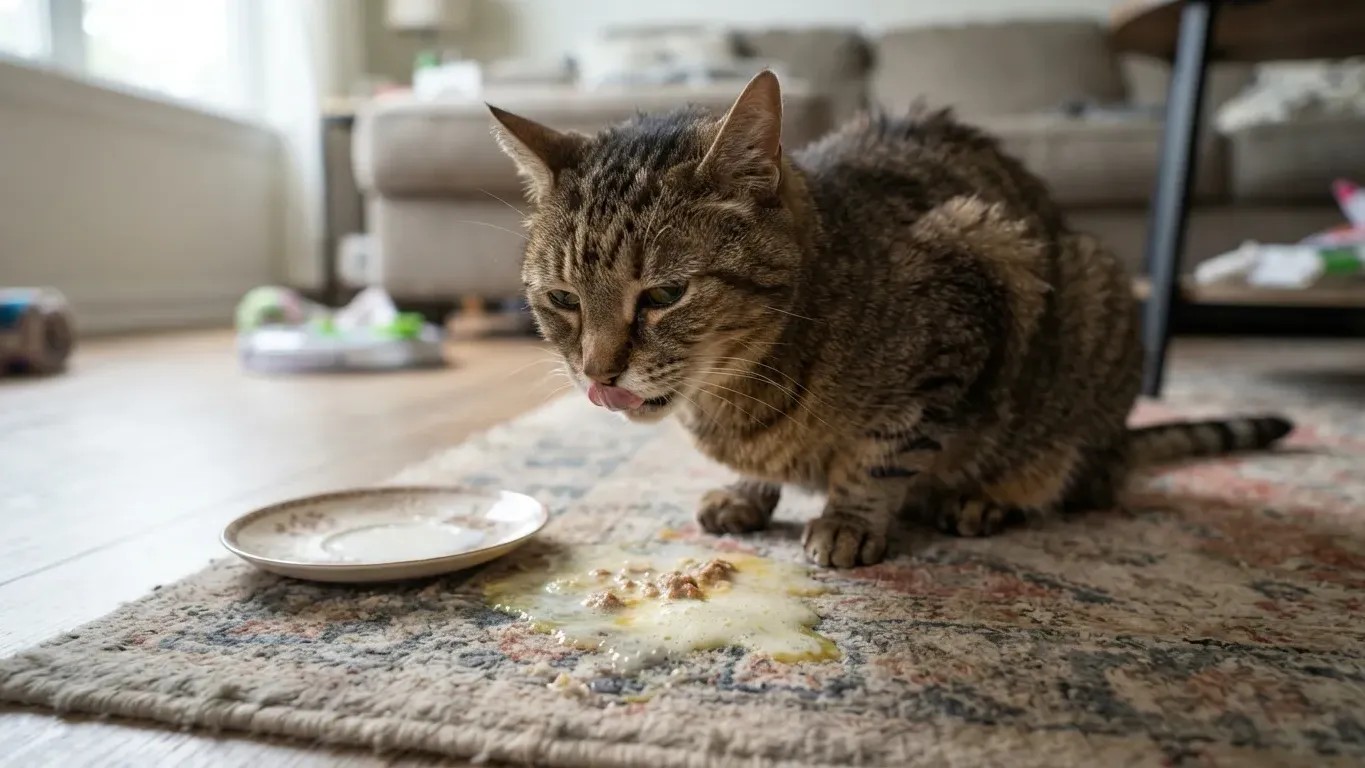
Most cat owners are convinced they're doing everything right. Good food, full bowl, a soft spot on the couch - what more could a cat need?
Vets see a different story. The same slow-motion disasters repeat in exam rooms every week, and almost none of the owners saw them coming.
These aren't mistakes made out of carelessness. They're mistakes made out of not knowing - which is exactly why they're so easy to fix once you see them clearly. Here's what actually sends cats to the vet, ranked from sneaky to devastating.
#14 - Switching Food Without a Transition Period
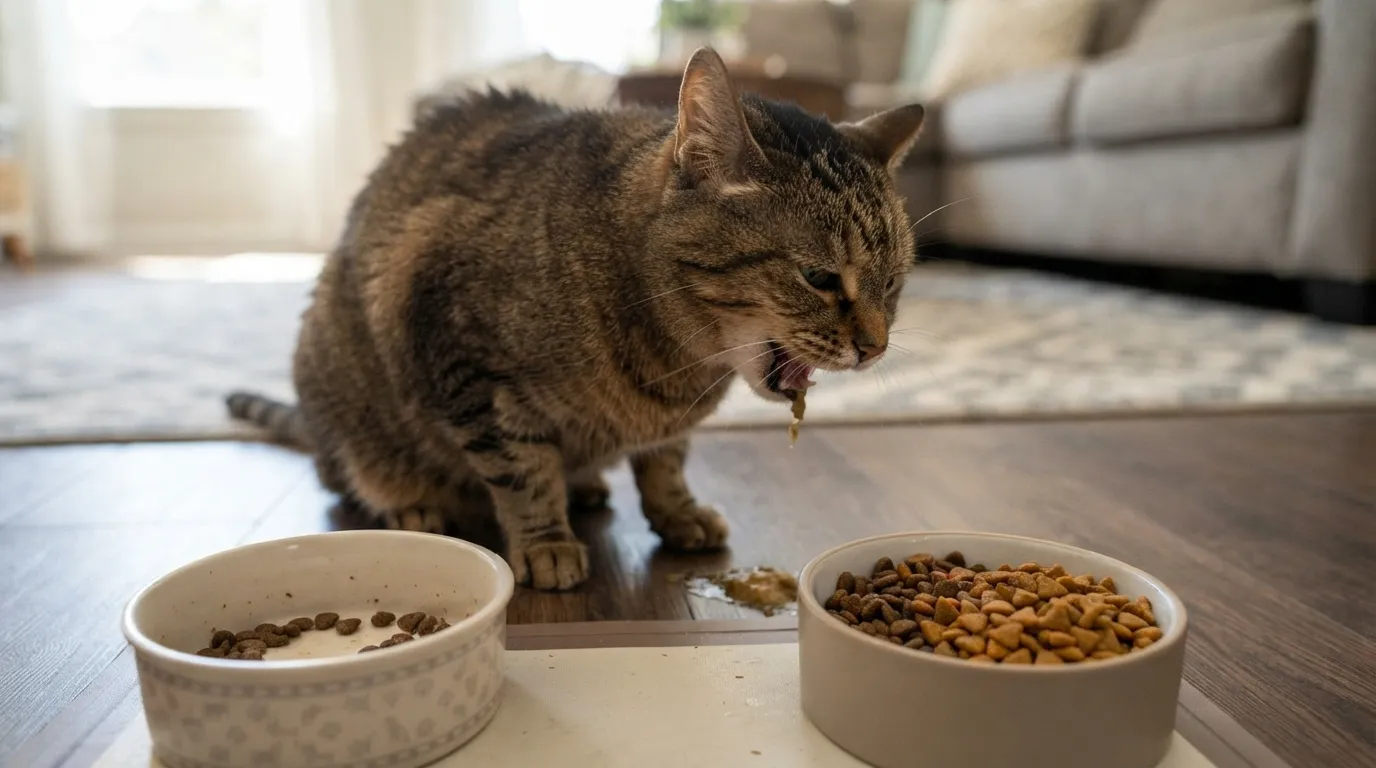
Sudden diet changes are one of the most common reasons cats end up in emergency vet visits with vomiting or diarrhea. A new bag of kibble grabbed on a whim can wreck a cat's stomach within hours.
The fix is almost embarrassingly simple. Blend old and new food over 7 to 10 days, shifting no faster than a 25% swap every two days.
It seems trivial - until it isn't. The next mistake costs cats something even harder to see.
#13 - Skipping the Annual Vet Visit Because "She Seems Fine"
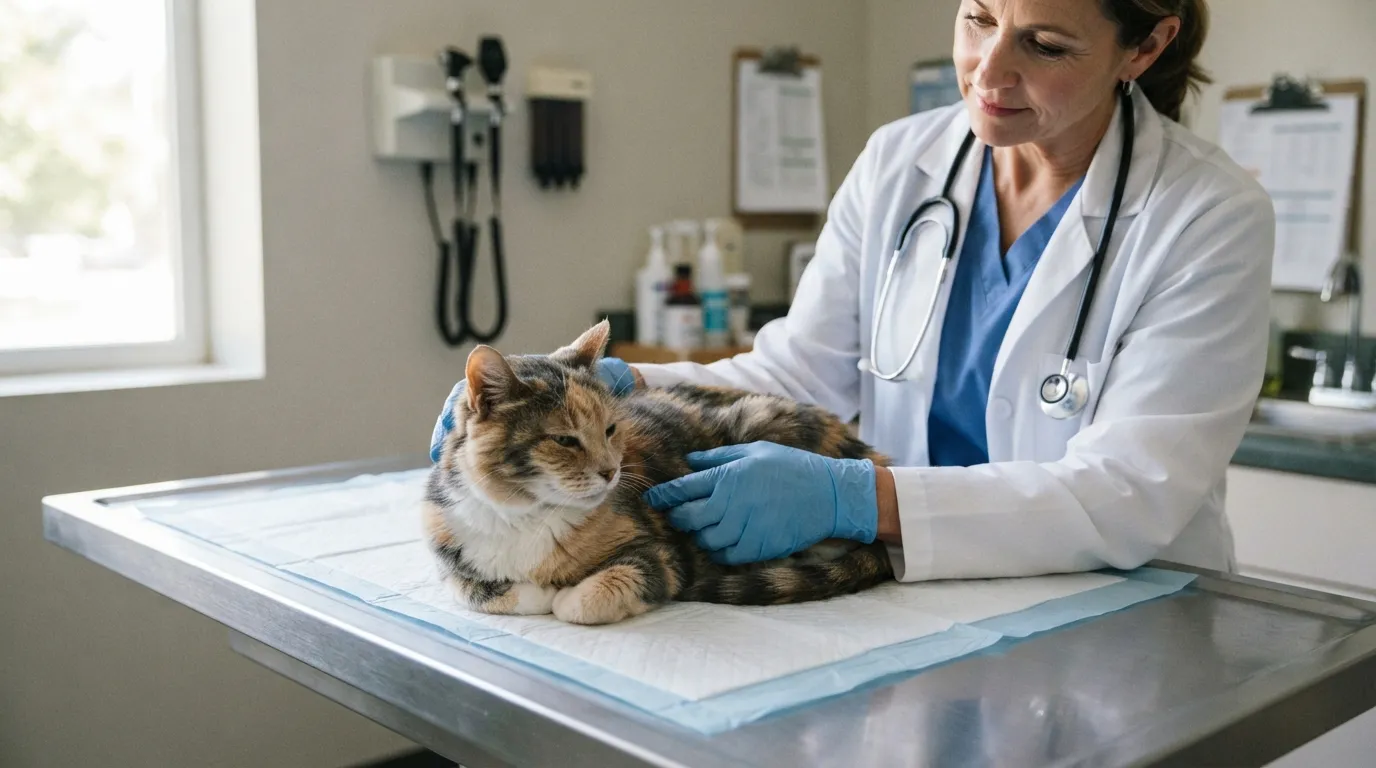
Cats are professional symptom-hiders. By the time you notice something's wrong, the problem has often already been building for months.
Routine exams catch what owners can't see at home - kidney disease, hypertension, early tumors, all found before they become emergencies. An older cat sleeping more isn't always contentment.
Sometimes it's the first visible sign of something that's been quietly progressing. Keep reading - the next one is even easier to miss.
#12 - Misreading Pain Signals
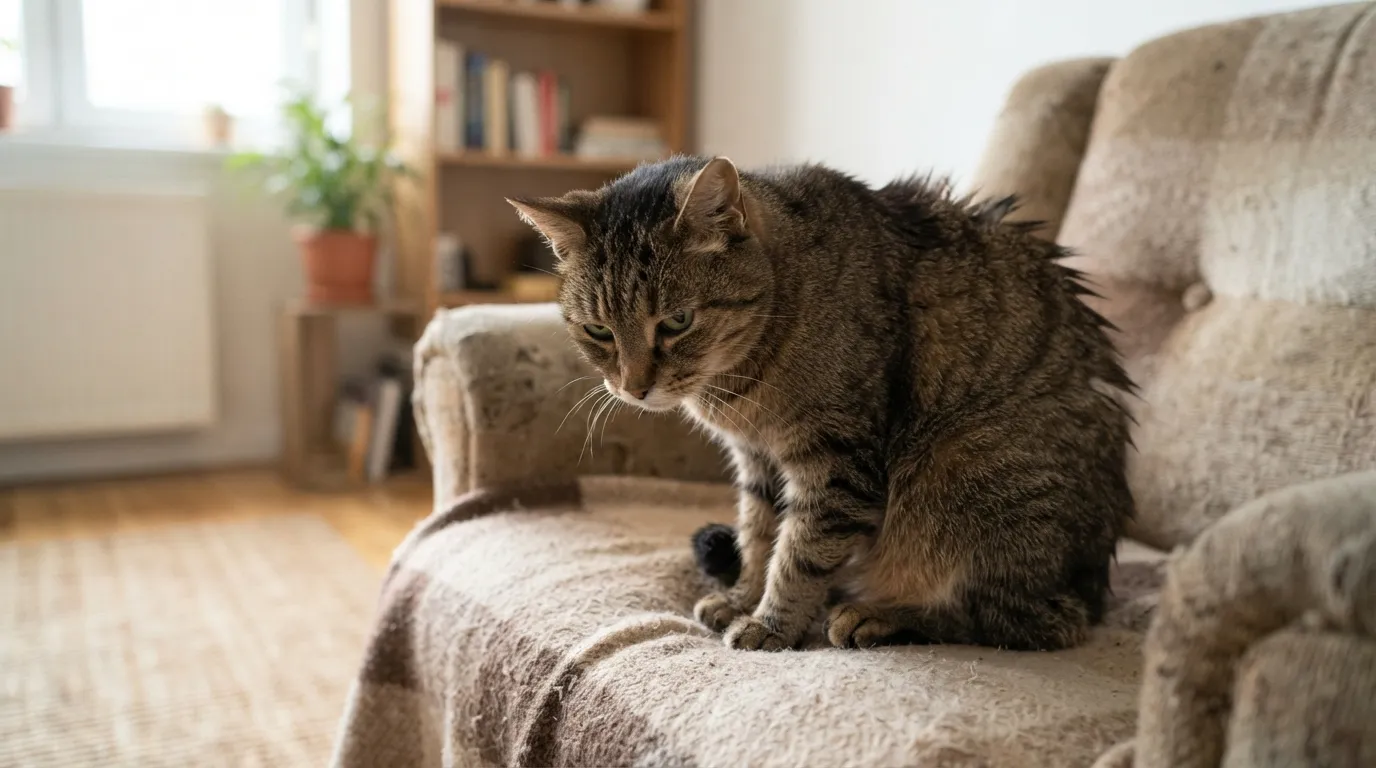
You'd think a cat in pain would limp or cry out. Instead, cats evolved to hide pain completely, because in the wild, showing weakness makes you prey.
Reduced activity, skipped meals, or messy grooming can all be pain in disguise. Owners chalk it up to mood or age instead of discomfort.
That "lazy phase" could be chronic pain your cat has been quietly masking for months. And whatever you do, resist the urge covered in the next mistake.
#11 - Giving Human Painkillers to a Cat
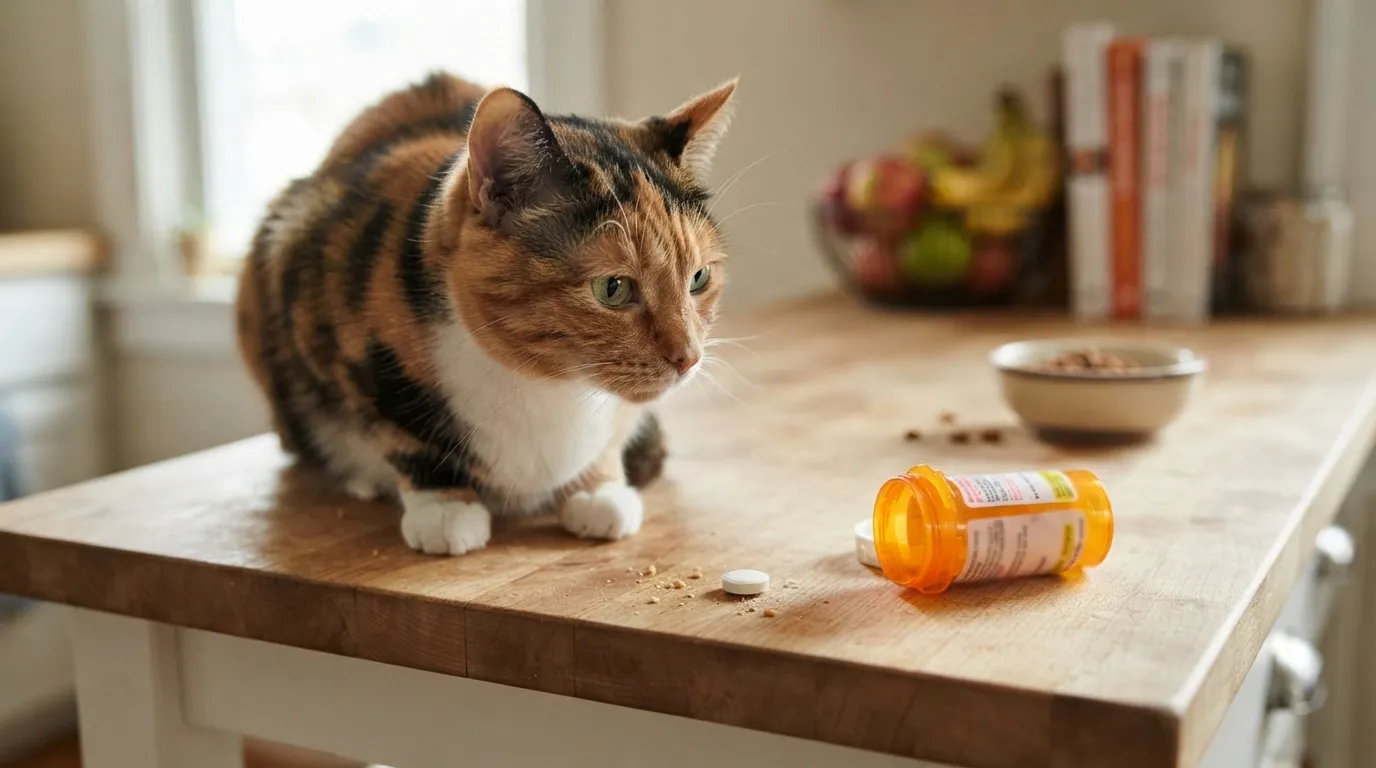
This one has sent cats into irreversible organ failure. Ibuprofen, acetaminophen, and aspirin are all toxic to cats - and often fatal.
Cats lack the liver enzyme needed to break these compounds down safely. A single regular-strength Tylenol tablet can kill an adult cat.
Only ever give medication your vet has specifically prescribed. Now, what about that beautiful lily sitting on your kitchen table?
#10 - Keeping Toxic Plants in the House
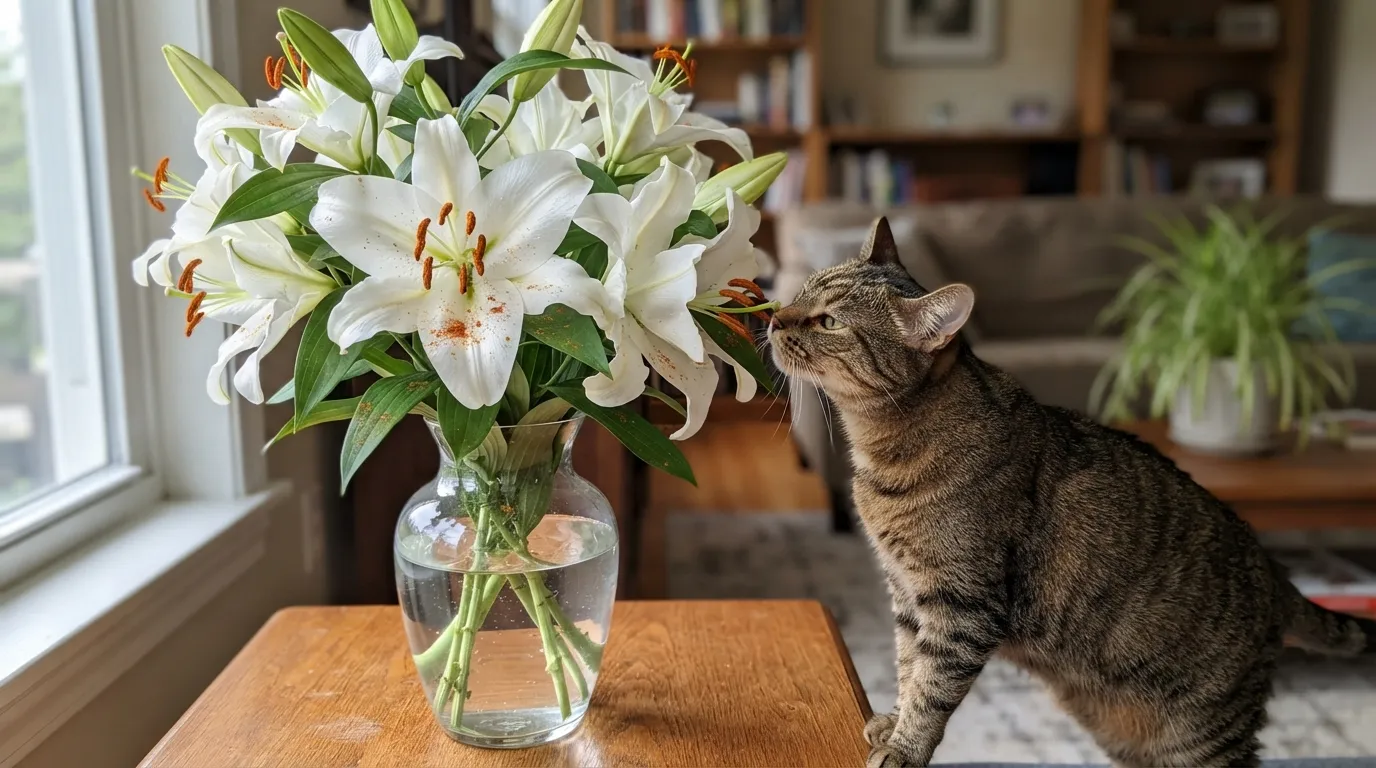
Lily petals, leaves, pollen, even the water in the vase - a small amount can trigger severe, often irreversible kidney failure in cats. This is not an exaggeration.
It's not just lilies either. Tulips, azaleas, and several common houseplants carry real risk, and many owners who've lost cats this way never suspected the bouquet someone gave them as a gift.
If a plant is toxic to cats, assume every part of it is. The next mistake is one nearly every loving owner makes daily.
#9 - Free-Feeding All Day Long
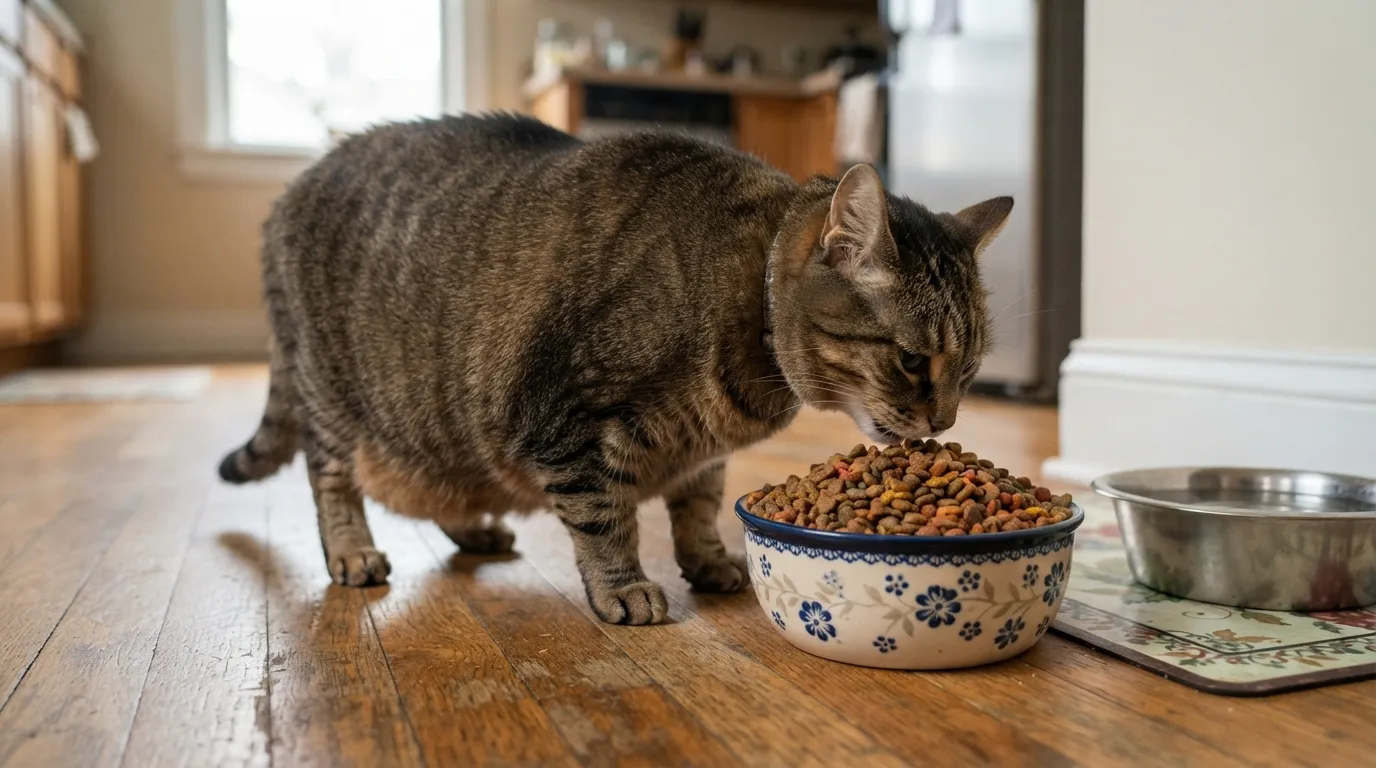
The most common feeding mistake vets see isn't the wrong food - it's too much of it. Over half of cats in veterinary practice today are overweight.
Cats aren't built to graze all day; in the wild, they eat small, controlled amounts. A bowl that's always full is the feline equivalent of a 24-hour buffet.
Fast Facts
- Recent surveys found
Topping it off "just a little" adds up fast, and overweight cats face higher risks of diabetes, arthritis, and liver disease. The next item on this list turns out to be just as sneaky.
#8 - Giving Cow's Milk as a Treat
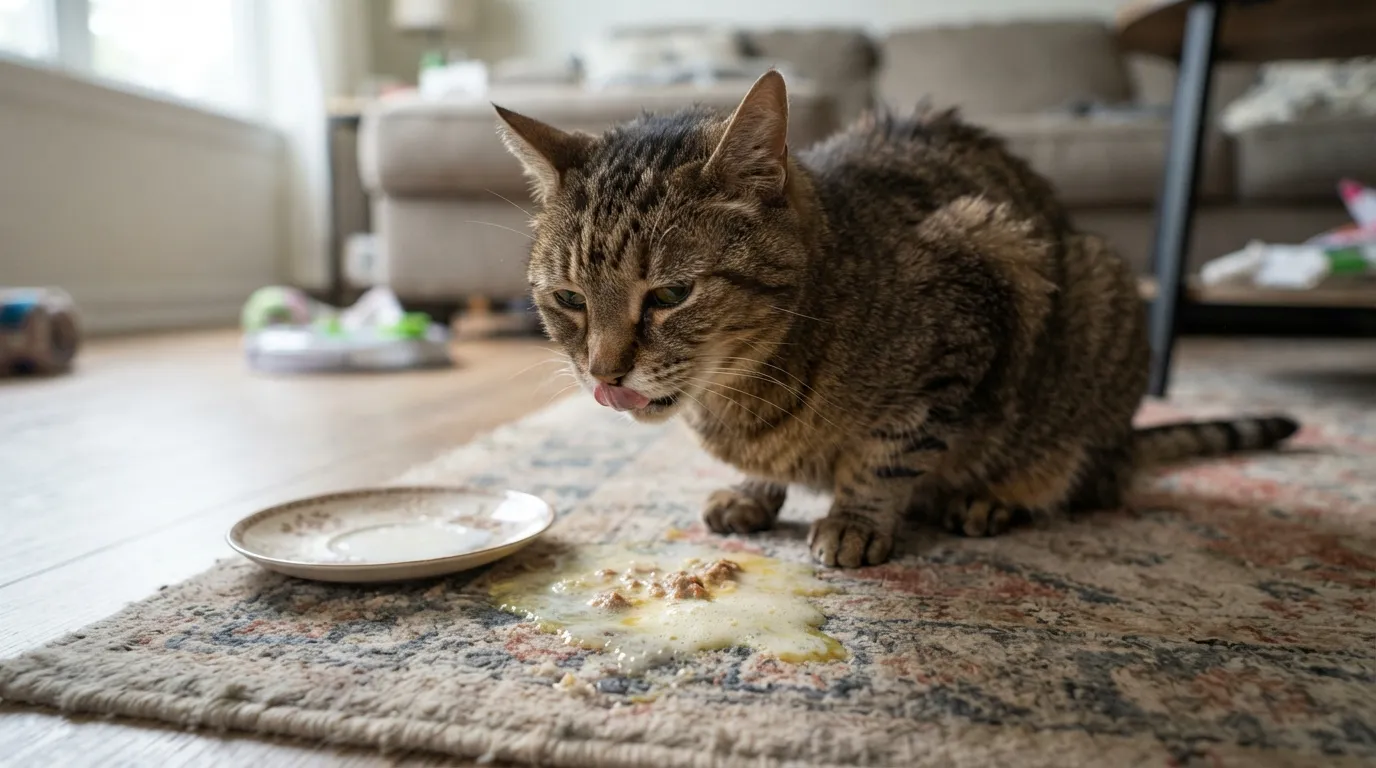
It's one of the most enduring myths in pet ownership. Kittens can digest lactose, but most cats lose that ability by adulthood.
Give an adult cat milk and you're often triggering an upset stomach, vomiting, or diarrhea. That saucer you offer as a reward can act like a laxative in disguise.
The image of a cat happily lapping up cream is pure marketing mythology. Vets clean up the aftermath constantly.
#7 - Ignoring Dental Health Completely
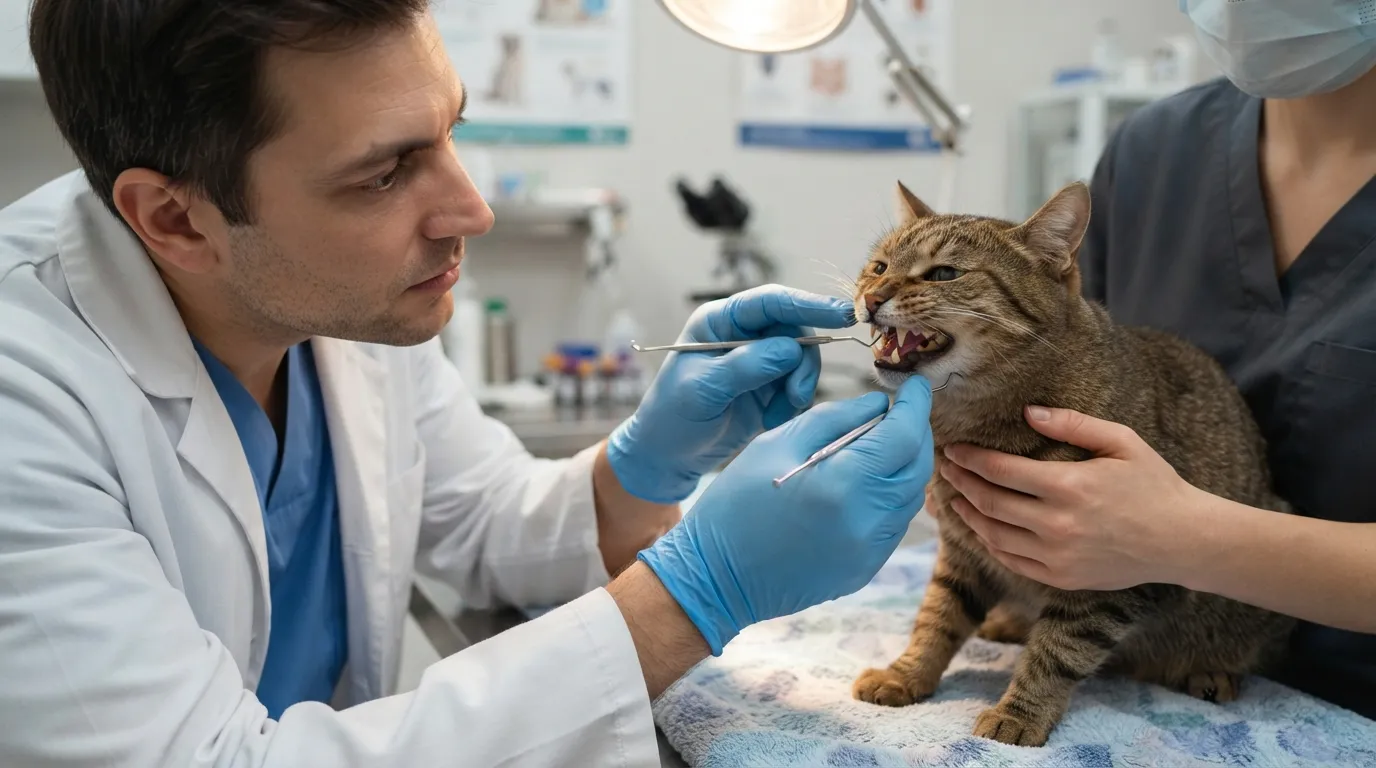
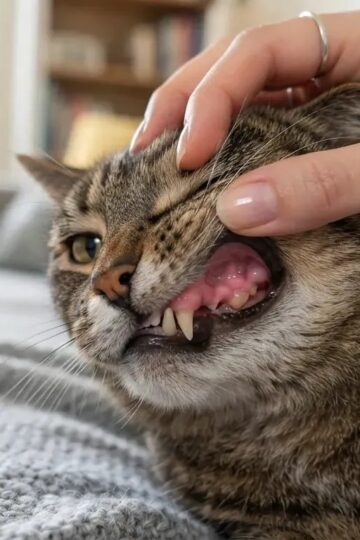
Most cat owners have never actually looked inside their cat's mouth. Most cats, meanwhile, are silently suffering because of it.
Dental disease doesn't stay in the mouth - it's been linked to heart and kidney problems too. By age three, most cats already show signs of it, often with no obvious pain.
Worth Knowing
- More than half of all cats over the age of three have some form of dental disease.
- Some veterinary dental groups put the number even higher, with over 70% of cats showing signs by age 3.
- Many cats show no signs an owner can detect on their own.
- Bacteria from infected gums can eventually spread and affect the heart, kidneys, and liver.
Veterinary dental groups recommend yearly cleanings, and at-home brushing isn't optional - it's damage control. The next mistake directly causes one of the most common behavioral complaints vets hear.
#6 - Having Too Few Litter Boxes
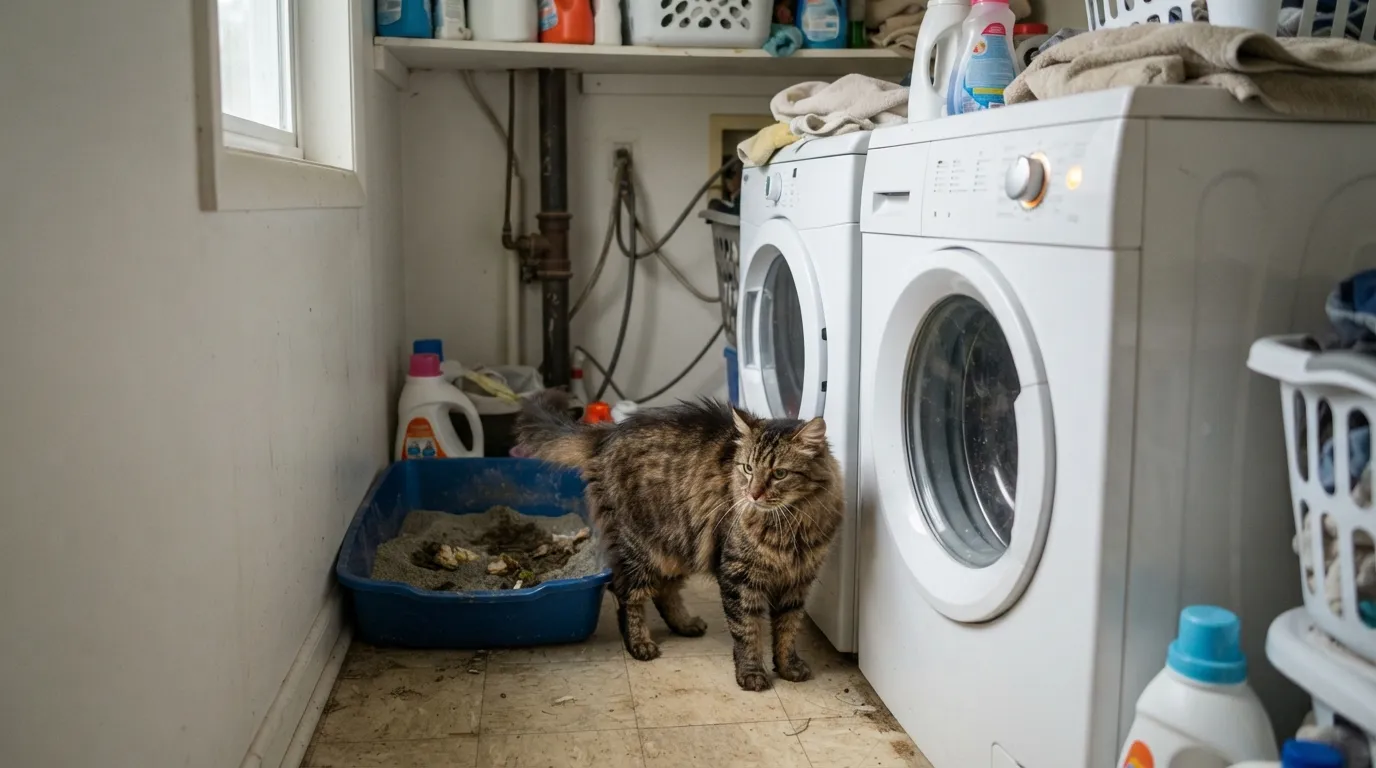
Cats want a clean box every single time. Skip a cleaning or two and a cat may simply refuse to use it at all.
The rule vets recommend: one box per cat, plus one extra. A box crammed behind a loud dryer counts for nothing if your cat is too anxious to use it.
Placement matters as much as quantity - open sightlines, low noise, no ambushes. Litter avoidance can escalate into real medical trouble fast.
#5 - Assuming Indoor Cats Don't Need Parasite Prevention
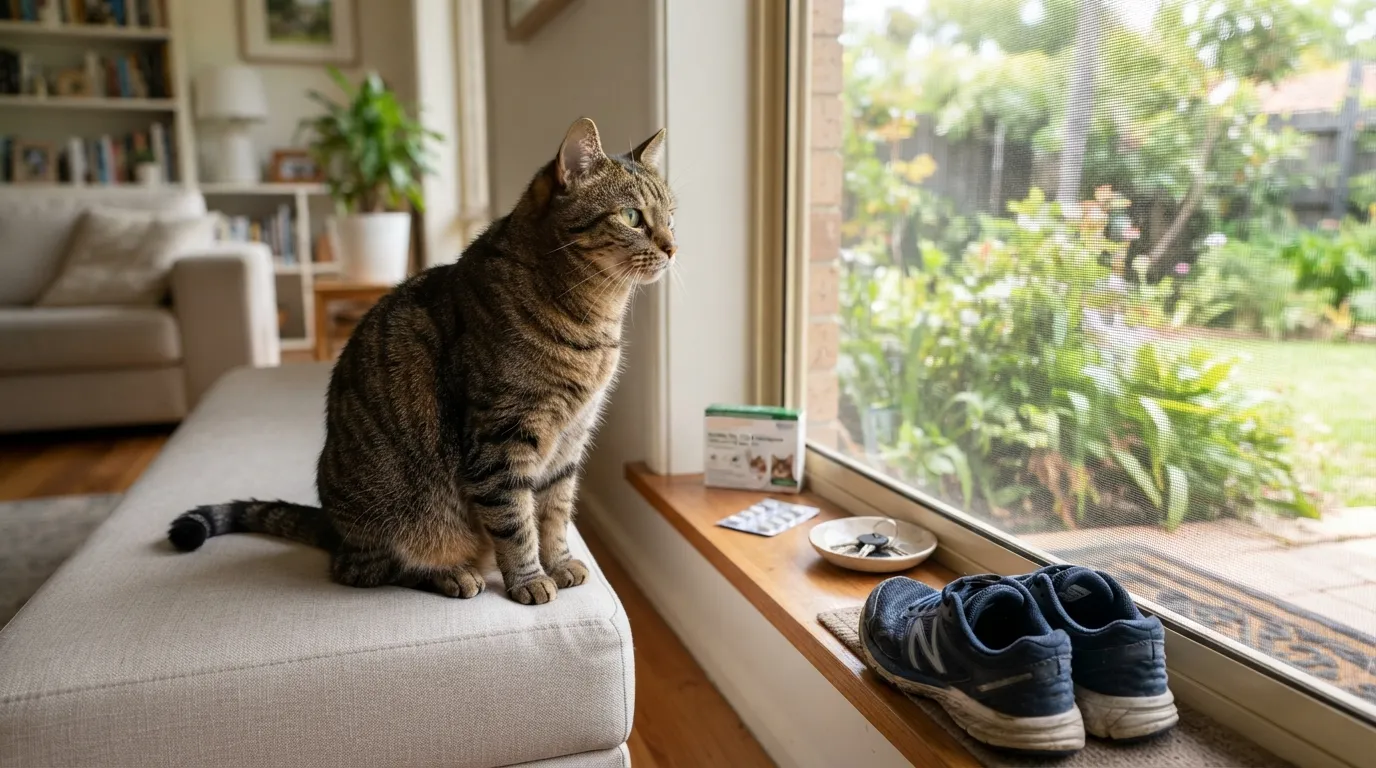
Year-round flea, tick, and heartworm prevention is recommended even for cats that never step outside. Many owners are genuinely shocked to hear this.
Fleas hitch rides on shoes. Mosquitoes slip through window screens, and both can expose an "indoor-only" cat to heartworm or Lyme disease.
Monthly preventives are cheap insurance against something that seems impossible until it happens. The next mistake quietly shortens cats' lives and is almost never talked about.
#4 - Feeding Only Dry Food
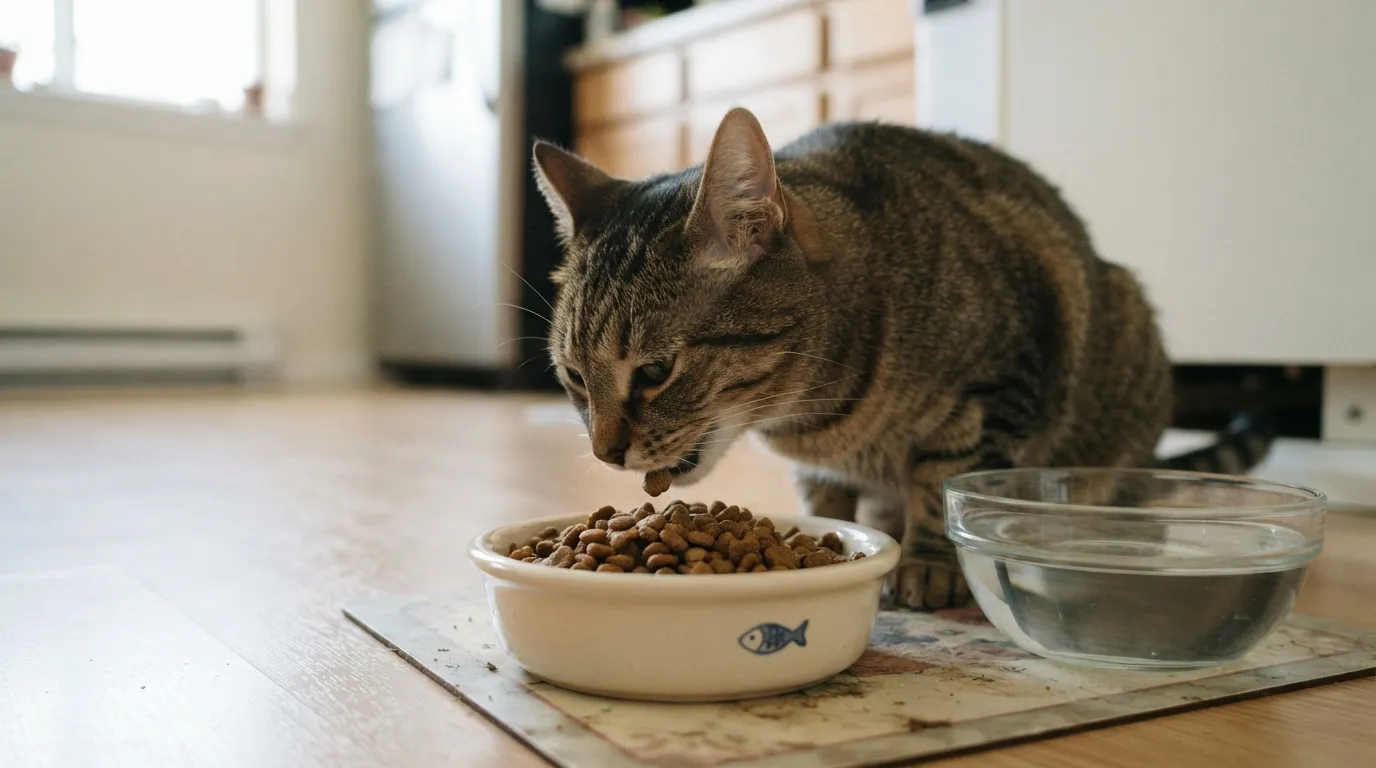
Kibble is convenient, but cats evolved to get most of their hydration from prey, not a water bowl. An all-dry diet leaves many cats in a state of chronic mild dehydration.
That low-grade dehydration is a direct path to kidney disease and painful urinary blockages. Cats are obligate carnivores built for moisture-rich meat, not crunchy pellets alone.
Mixing in wet food or adding water to dry food is a cheap fix with real long-term payoff. But the next mistake is even more preventable - and just as damaging.
#3 - Skipping Spaying or Neutering
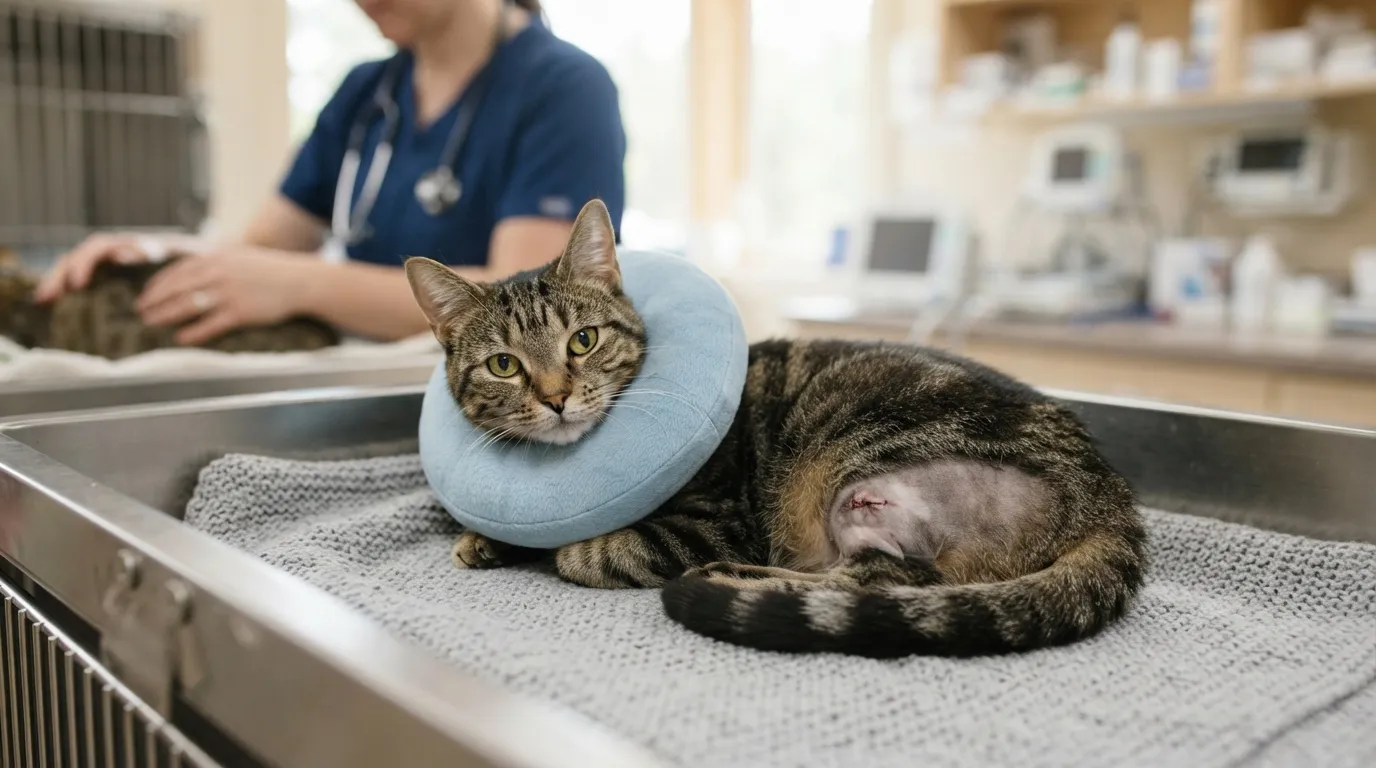
Overpopulation numbers get thrown around a lot, and while the exact math varies, everyone agrees unchecked breeding spirals fast. But population control isn't even the main reason vets push this so hard.
Unspayed females face sharply elevated risks of mammary tumors and uterine infections. Unneutered males roam more, fight more, and catch more infectious diseases.
Vets see the lifespan difference routinely. "Just a little longer" is one of the most common regrets owners voice later.
#2 - Not Microchipping or Using ID
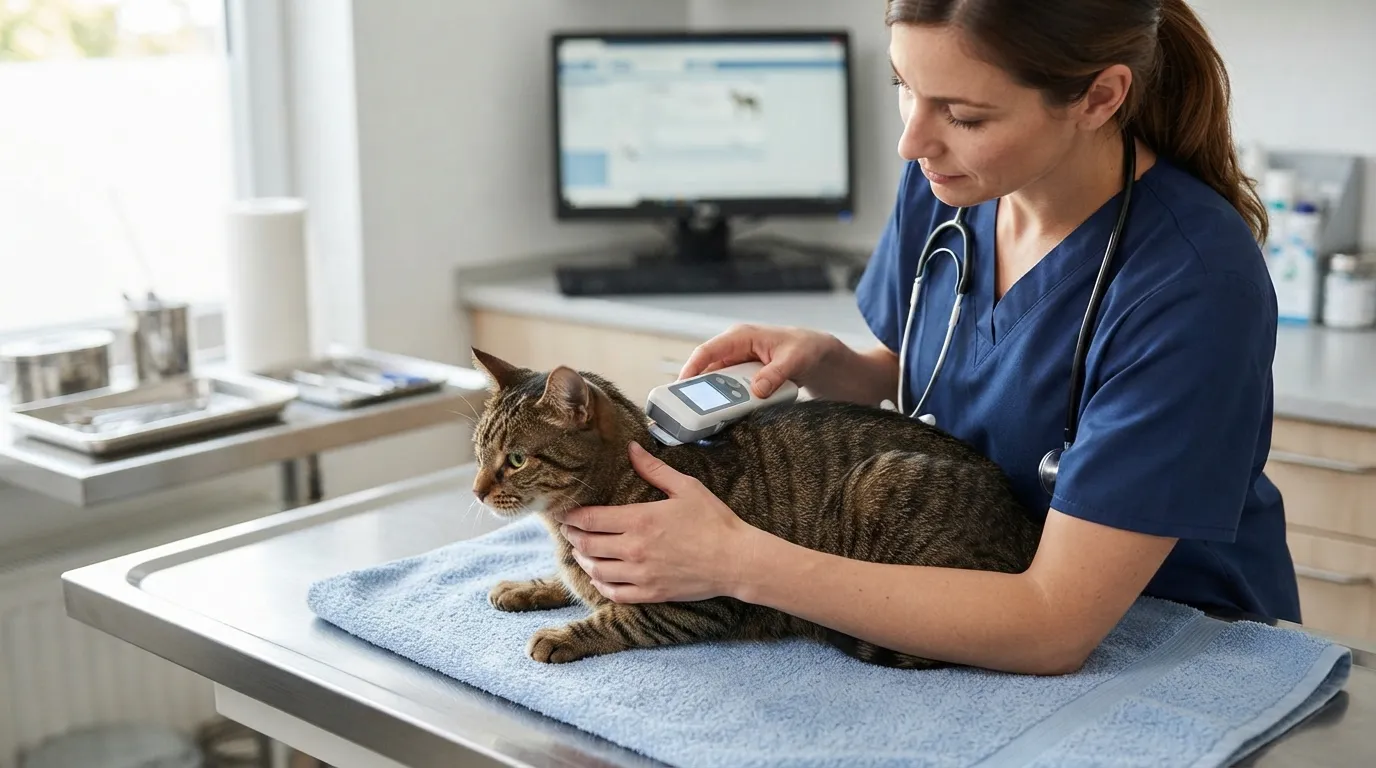
Indoor cat or outdoor wanderer, it only takes a few seconds for one to slip through an open door and vanish. Panic sets in fast when that happens.
Collars can slip off or get removed, but a microchip is permanent and takes only seconds to implant. It costs less than most routine vet visits.
Quick Compare
- Cats without microchips were reunited with their owners only 1.8% of the time, whereas microchipped cats went back home 38.5% of the time.
- The return-to-owner rate for cats was 20 times higher for microchipped pets than for all stray cats entering shelters.
- A microchip only works if the registration stays current after every move or new phone number.
Cats don't get lost because owners are careless. They get lost because doors exist.
Common veterinary refrain
Vets have sat across from devastated owners certain their indoor cat would never get out. What follows is the mistake veterinarians say they wish they could undo more than any other.
#1 - Dismissing Vomiting as "Just a Hairball"
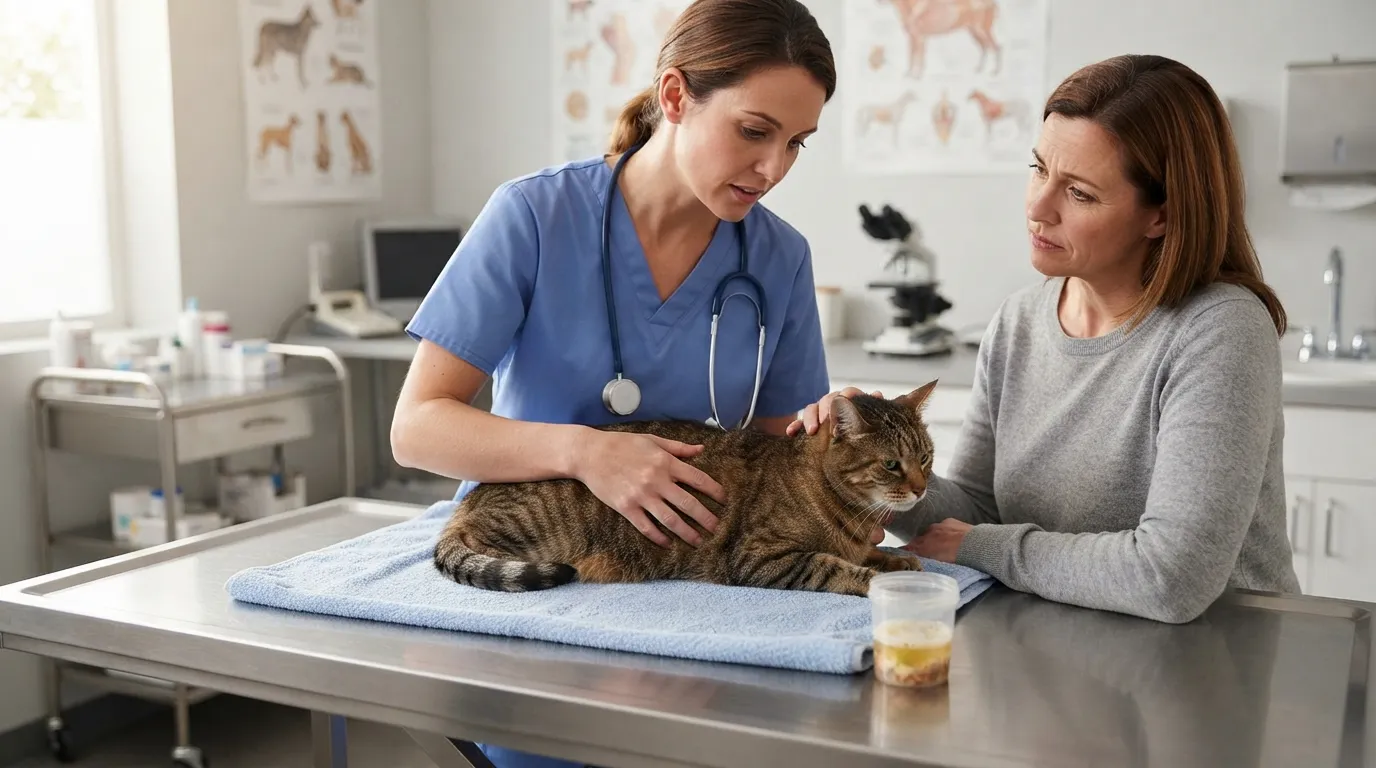
Because cats occasionally cough up hairballs, owners assume regular vomiting is just part of the package. It isn't - vomiting is never truly normal, even if your cat seems fine five minutes later.
Vets repeatedly see cases where owners waited months, sometimes years, to mention it. By the time they finally did, conditions like inflammatory bowel disease, early kidney failure, or hyperthyroidism had already progressed significantly.
If your cat vomits more than once or twice a month, tell your vet. Every single time, no exceptions.
The Bottom Line
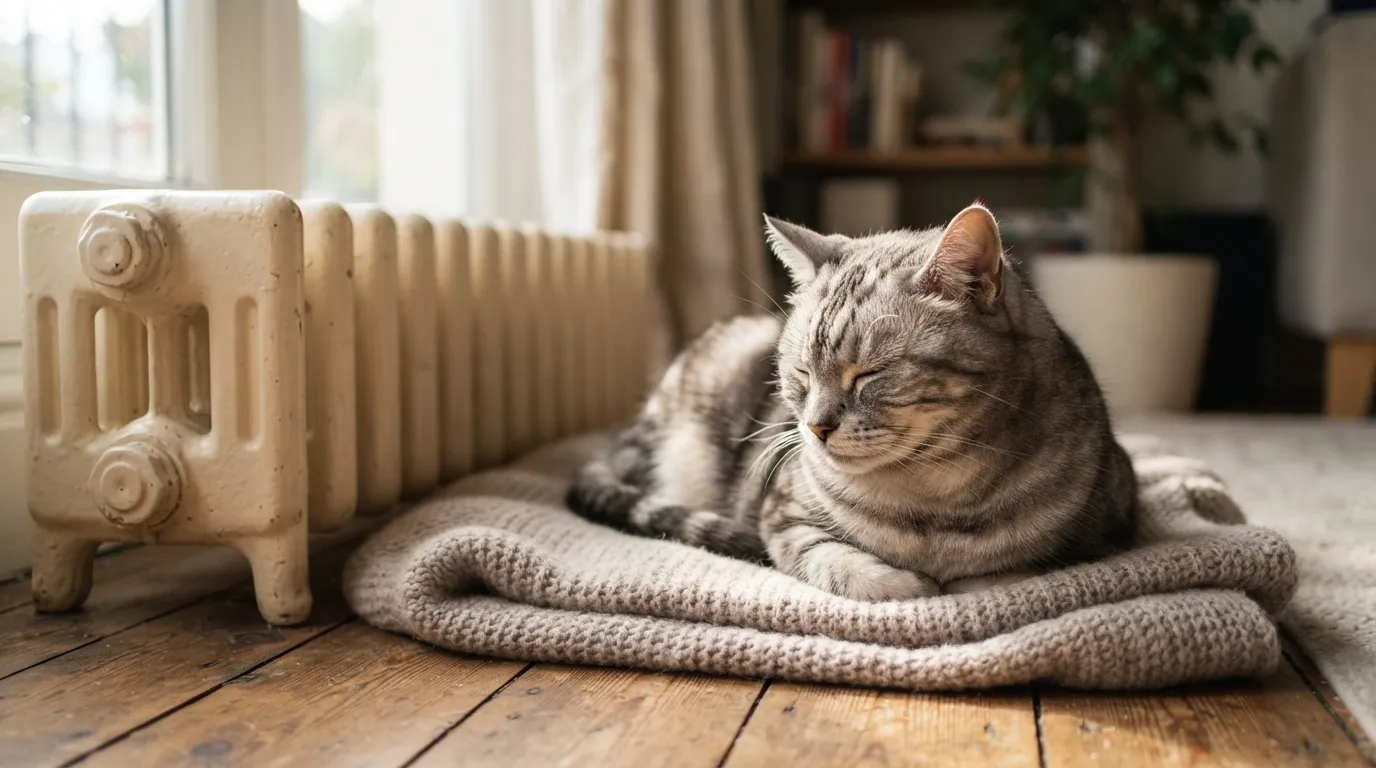
Veterinarians aren't frustrated with cat owners - they're frustrated for them. Cats hide everything: a limp becomes a careful sit, a toothache becomes eating on one side, kidney strain becomes one more long nap by the radiator.
That survival instinct is exactly why small mistakes compound quietly until a crisis appears out of nowhere. The good news is that every mistake on this list is fixable the moment you know it exists.
Schedule the visit. Switch to wet food. Stop topping off the bowl. Get the microchip.
None of it is complicated - it just requires knowing where the real risk was hiding all along.