15 Signs Your Senior Cat Is Thriving More Than Owners Ever Realize
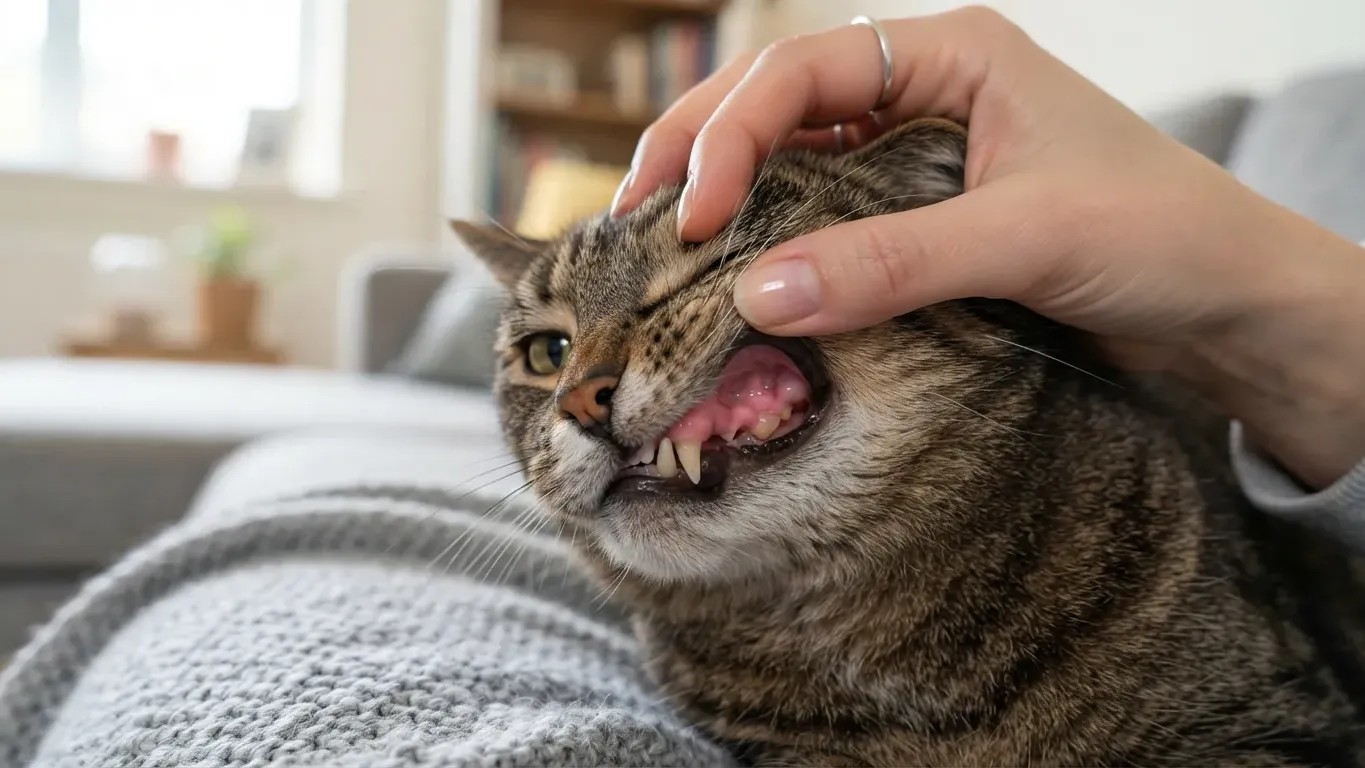
Most cat owners assume their senior cat is just "slowing down" - but vets know something you don't. A 2026 University of Wisconsin study found that every single senior cat examined had abnormalities their owners never spotted, some quietly building for years.
That gap between what owners see and what's actually happening inside an aging cat is bigger than almost anyone realizes. But here's the flip side: the very habits owners write off as "just old age" are often proof a cat is thriving beautifully - and the 15 signs below prove it, starting with the one hiding in plain sight.
#15 - Their Grooming Is Still Consistent
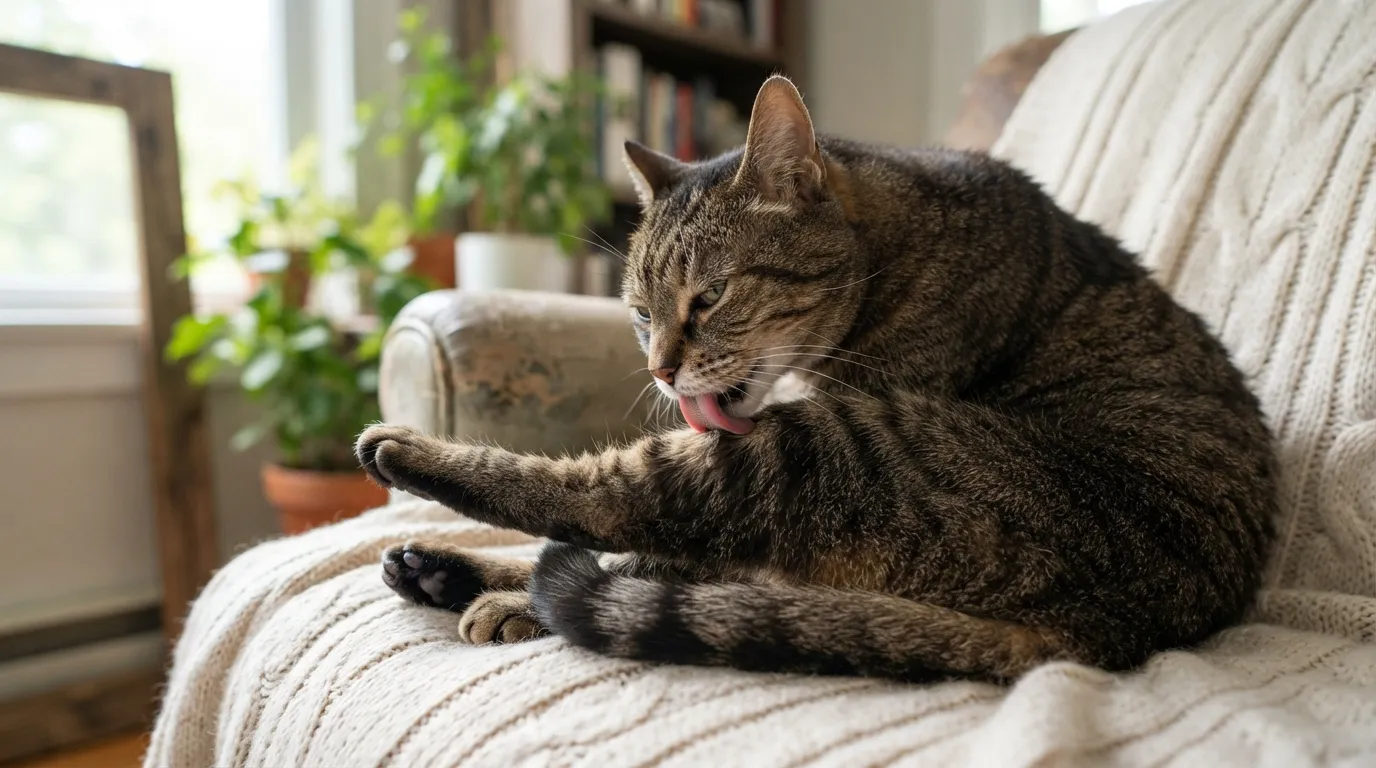
Most owners take a clean coat for granted. Turns out, it's one of the most powerful health signals you can observe.
A healthy senior cat's coat should still feel smooth - matted, dull, or coarse fur can mean pain or illness. Self-grooming into old age proves your cat still has the mobility, energy, and comfort to pull off a surprisingly demanding routine.
Consistent grooming without over-licking points to both physical health and psychological calm. It's a small daily habit that says more than it seems.
Don't dismiss a shiny coat as luck - it's your cat quietly telling you everything feels okay. But sign #14 is even more telling, and most owners read it completely backward.
#14 - They Still Show Curiosity About Their Environment
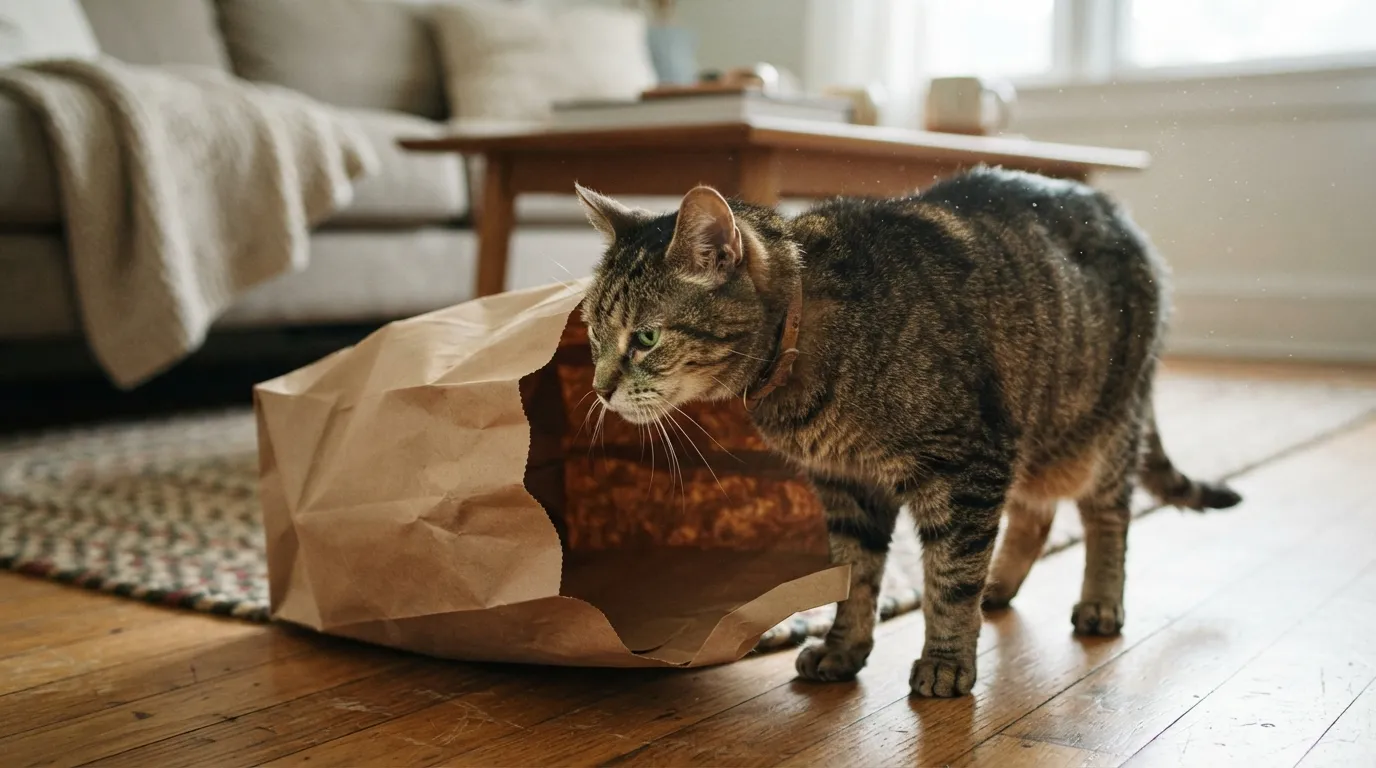
A senior cat investigating a grocery bag or tracking a bird outside isn't being nosy. That's a neurological green light.
Play and exploration activate hunting instincts - chasing, pouncing, stalking - that double as mental stimulation. A cat that still initiates play or checks out a new toy is showing balanced energy and real emotional contentment.
Environmental curiosity is one of the clearest signs a senior brain is still firing on all cylinders. Research on feline cognitive aging ties mental engagement directly to overall health span.
Don't mistake a slower pace for a lack of interest - the speed changes, the drive shouldn't. And that connects straight to what #13 reveals about their social life.
#13 - They Seek You Out More Than Before
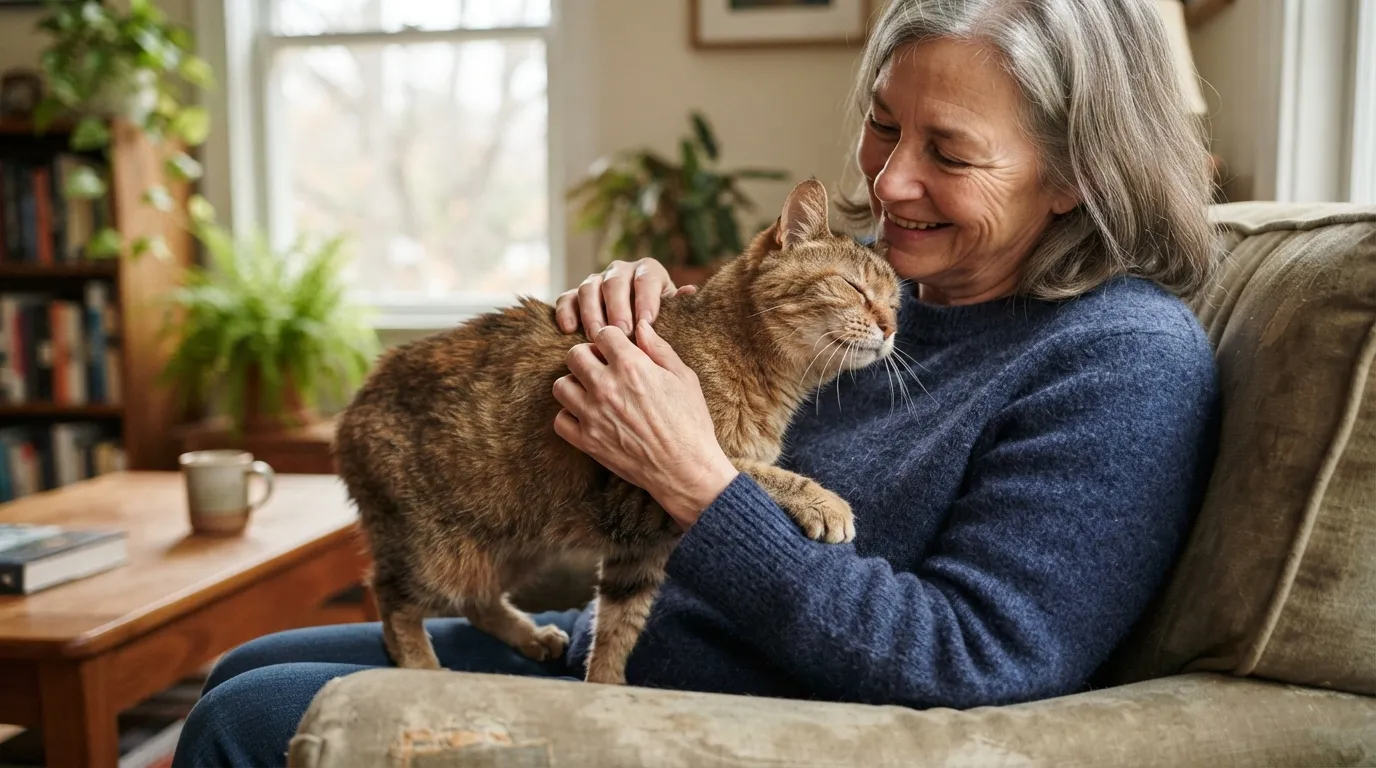
Here's one most owners misread completely. If your senior cat suddenly seems clingier, you might assume something's wrong.
Experts say it's usually the opposite. Aging often makes cats more affectionate, not less - and that's a genuinely great sign.
A cat that follows you room to room or nudges you for attention is showing trust, comfort, and emotional security, not distress. Research shows the least healthy super-senior cats actually show less affectionate behavior toward their caregivers.
Cherish the clinginess - it means your bond is strong, and so is your cat. But #12 is what separates a genuinely thriving senior from one that's merely comfortable.
#12 - Their Appetite Is Steady and Predictable
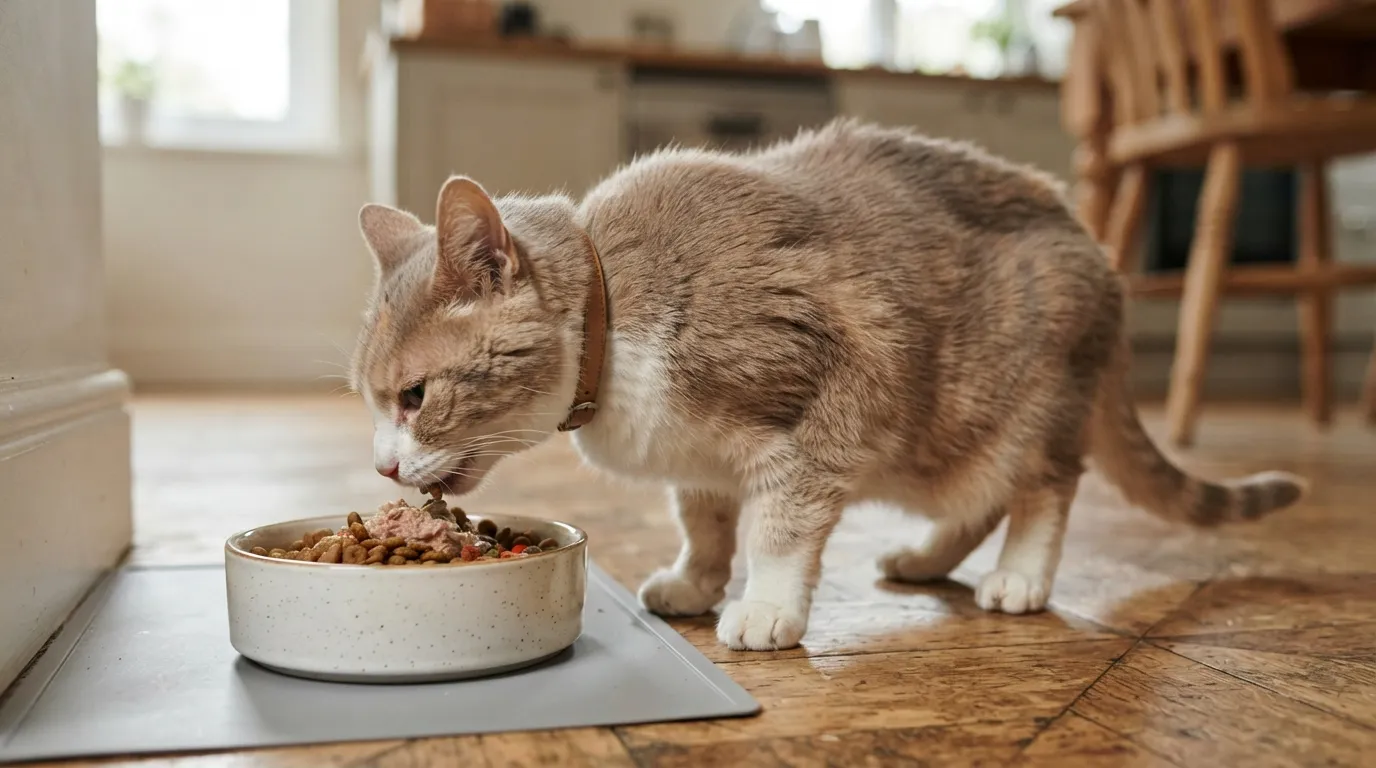
Everyone knows a sick cat stops eating. Fewer owners realize a steady, predictable appetite is an active marker of health, not just a baseline.
A senior cat eating the same amount at the same time every day is showing you its metabolism, organ function, and stress levels are all cooperating. That kind of consistency is genuinely hard-won in an aging body.
A sudden change in eating or drinking is a real red flag - it can signal pain, nausea, or failing organ function. Stability, on the other hand, is the word to watch for.
Don't take a boring, predictable appetite for granted. Combine it with sign #11, and a much clearer picture starts to form.
#11 - Their Weight Has Stayed Stable
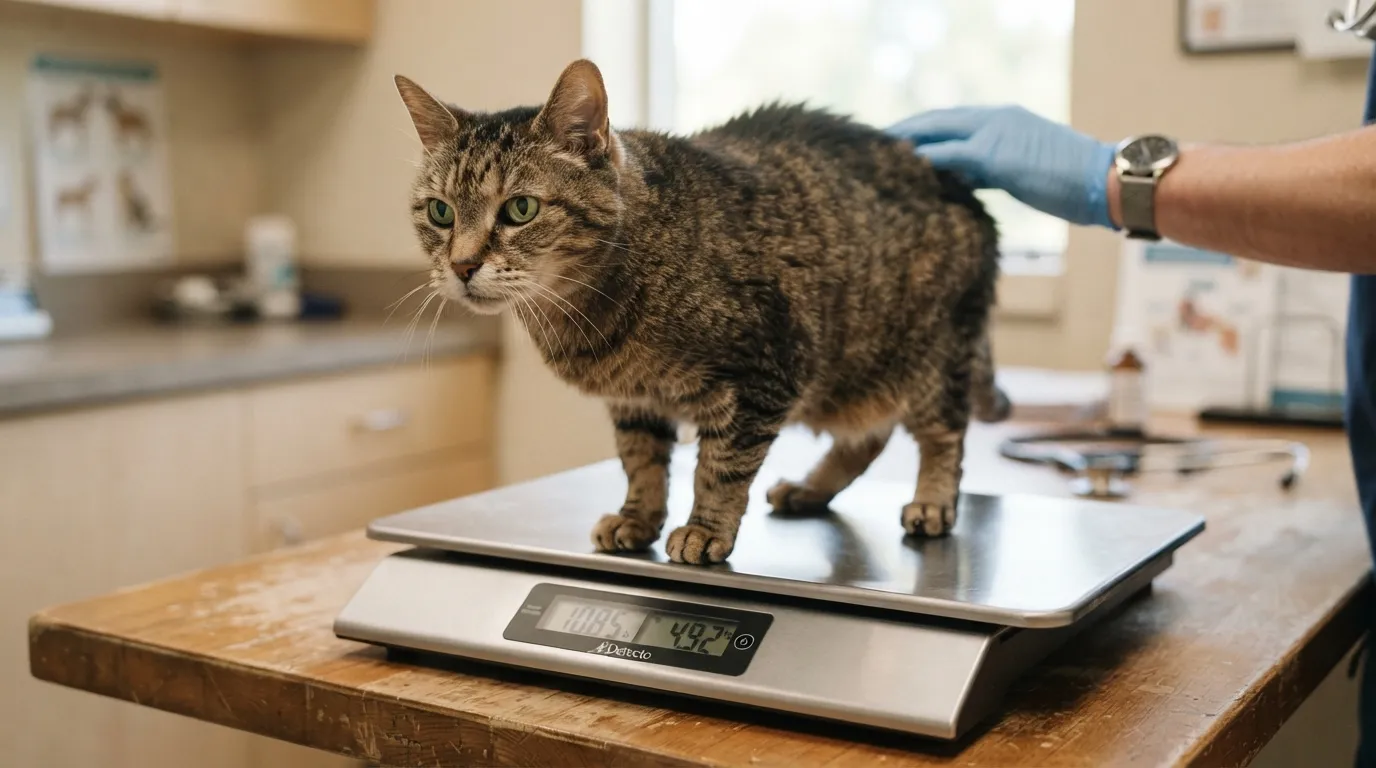
Weight stability is one of those signs that looks like nothing's happening - which is exactly the point.
Unexplained weight loss or gain is often the first hint of underlying disease, and many senior cats quietly become too thin. A cat that holds its ideal weight for months is beating real odds.
Kidney function, thyroid levels, digestion, and metabolism all have to cooperate for that scale to stay still. Run your hands along your cat's body now and then - bony ribs or a sudden change is worth a vet visit.
Fast Facts
- A steady number on the scale is one of the simplest free health checks you can do at home.
- In one large screening study, roughly 4 in 10 cats were quietly overweight even though their owners considered them perfectly healthy.
- More than 60% of senior cats with zero reported symptoms were later found to have chronic kidney disease once bloodwork was run.
- That's why a scale that barely moves month to month is worth celebrating, not ignoring.
A thriving senior cat holds its weight, and that stability tells you more than a blood panel sometimes can. Next up, #10 - and this one surprises nearly every owner.
#10 - They Still Purr Regularly
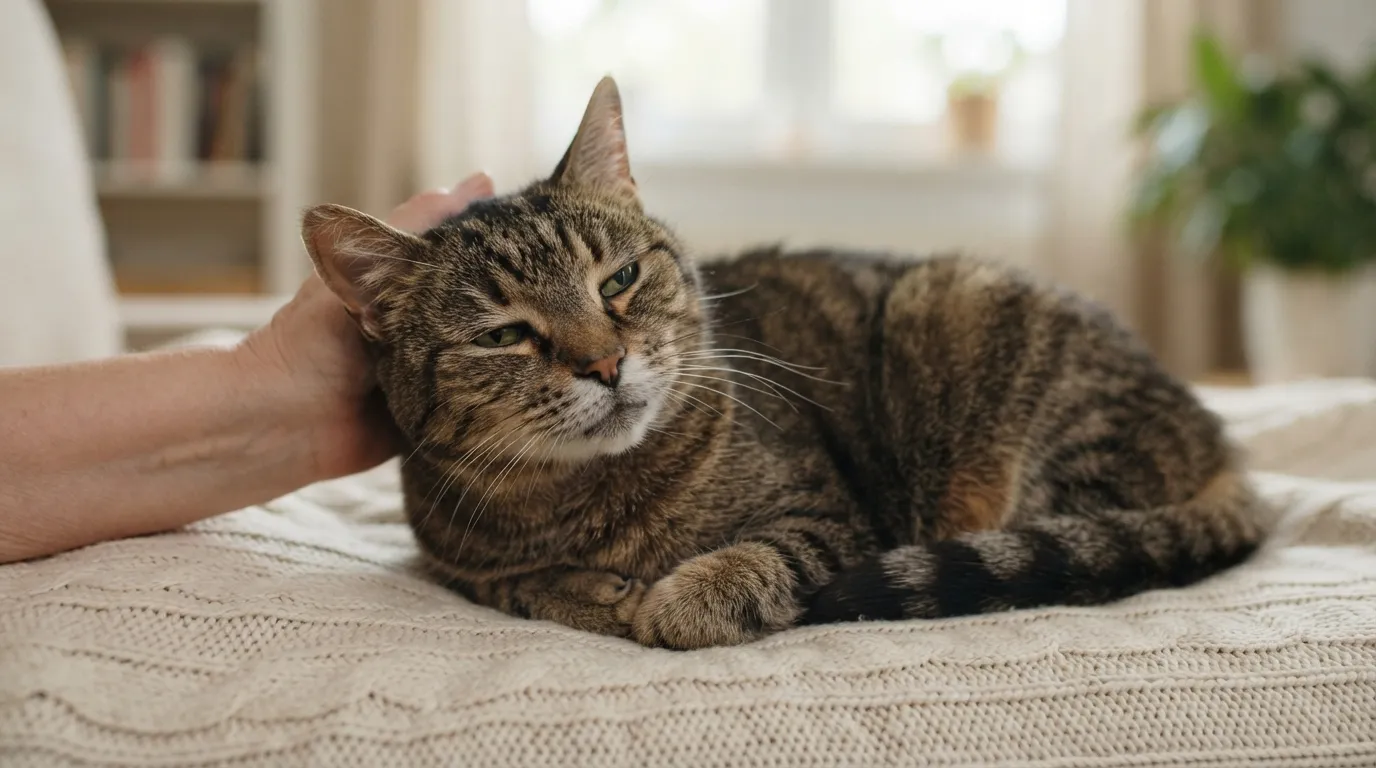
It sounds obvious, but it's loaded with meaning. A senior cat that purrs easily and often is telling you something profound about its internal state.
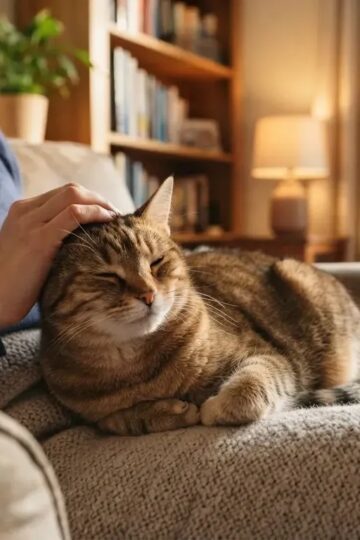
Purring is linked to low stress hormones and a calm nervous system - the body's version of "rest and restore" instead of fight-or-flight. Cats in real pain rarely purr spontaneously.
A senior cat that purrs when petted or settled is showing you its pain levels are low and its nervous system is at ease. Pair that with loafing, a relaxed tail, and slow-blinking, and you've got a cat that's genuinely content.
Which brings us to #9 - a sign that's almost always overlooked.
#9 - They Follow a Consistent Daily Routine
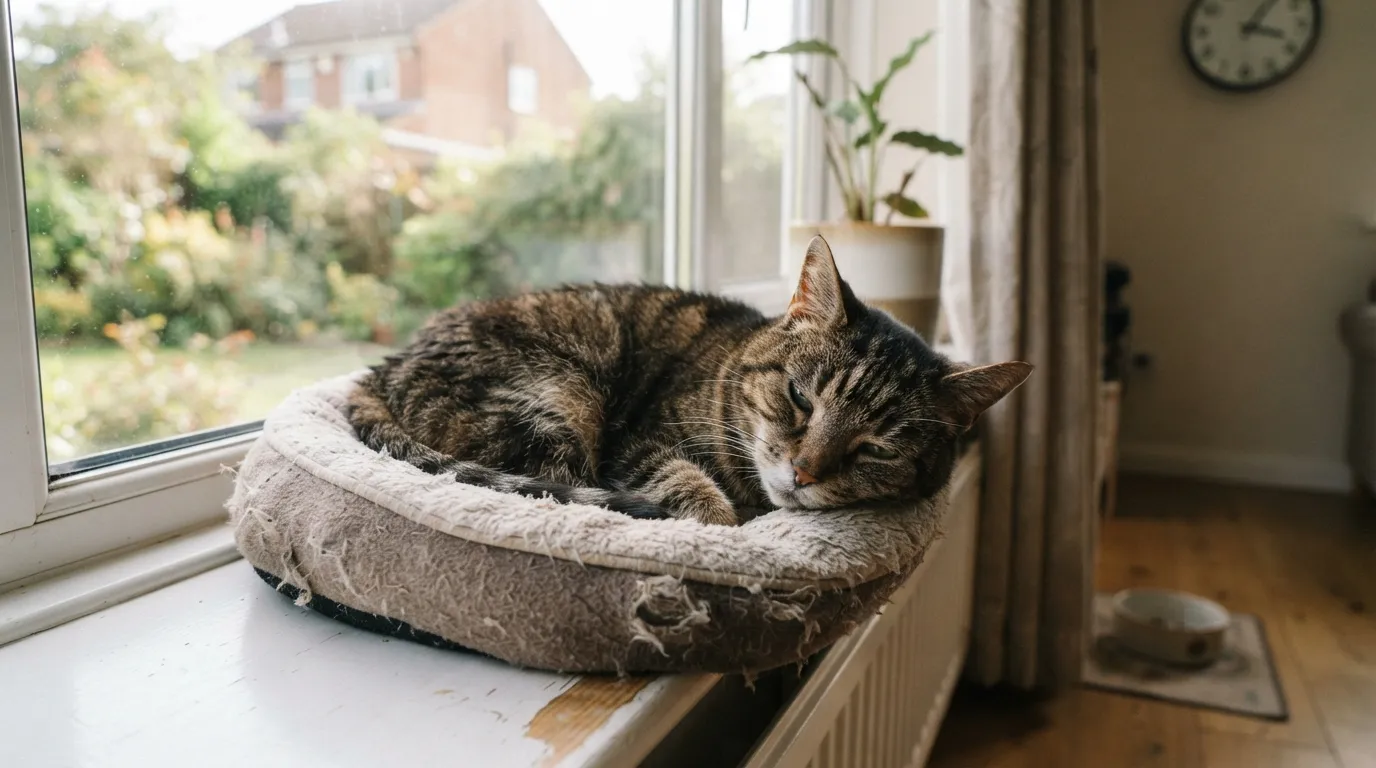
Senior cats that stick rigidly to a schedule aren't boring - they're showing you something medicinal. Experts say routine itself is a health indicator.
Older cats grow strongly attached to predictable days: same nap spots, same feeding times, same greeting rituals. That predictability actually reassures an aging brain.
Sudden changes - rearranged furniture, a new pet - can genuinely stress a senior cat. A stable, familiar environment is where they feel most in control.
A cat that knows its day and greets you on schedule has cognitive and emotional health fully intact. That's not "old cat boring" - that's a win, and #8 digs into something even more specific.
#8 - Their Litter Box Habits Are Unchanged
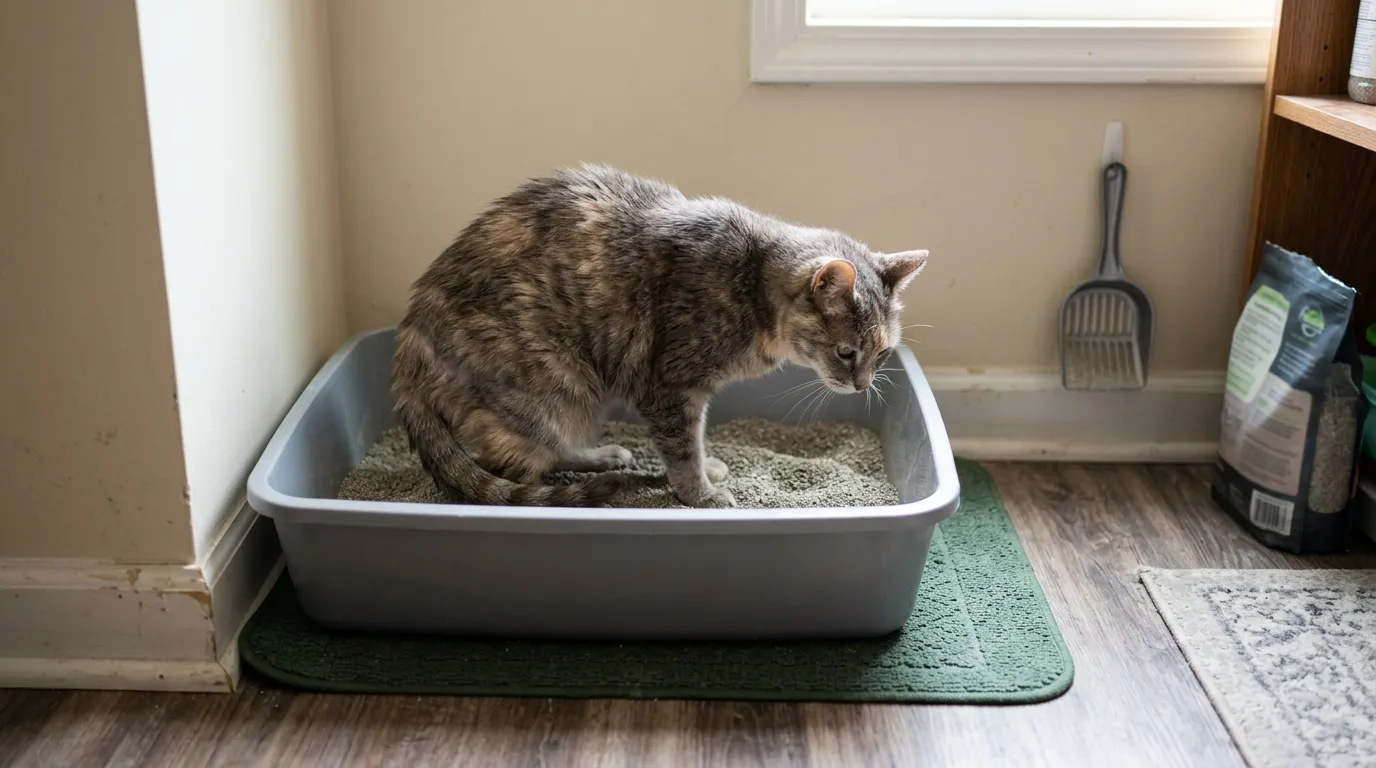
This one's unsexy, but vets rank it among the most important indicators - and most owners never think about it until something goes wrong.
Kidney disease, hyperthyroidism, and diabetes often show up in litter box changes before they show up anywhere else. A cat using its box consistently, with normal output, is clearing a surprisingly high health bar.
Litter box accidents or avoidance can also point to confusion or feline senility, not just physical illness. Either way, it's worth a vet's attention.
If your senior cat's litter box habits have stayed normal for years, that's one of the clearest signals their kidneys, bladder, and cognition are holding steady. Boring? Yes. A genuine sign of thriving? Absolutely - and #7 builds directly on this.
#7 - Their Eyes Are Bright and Reactive
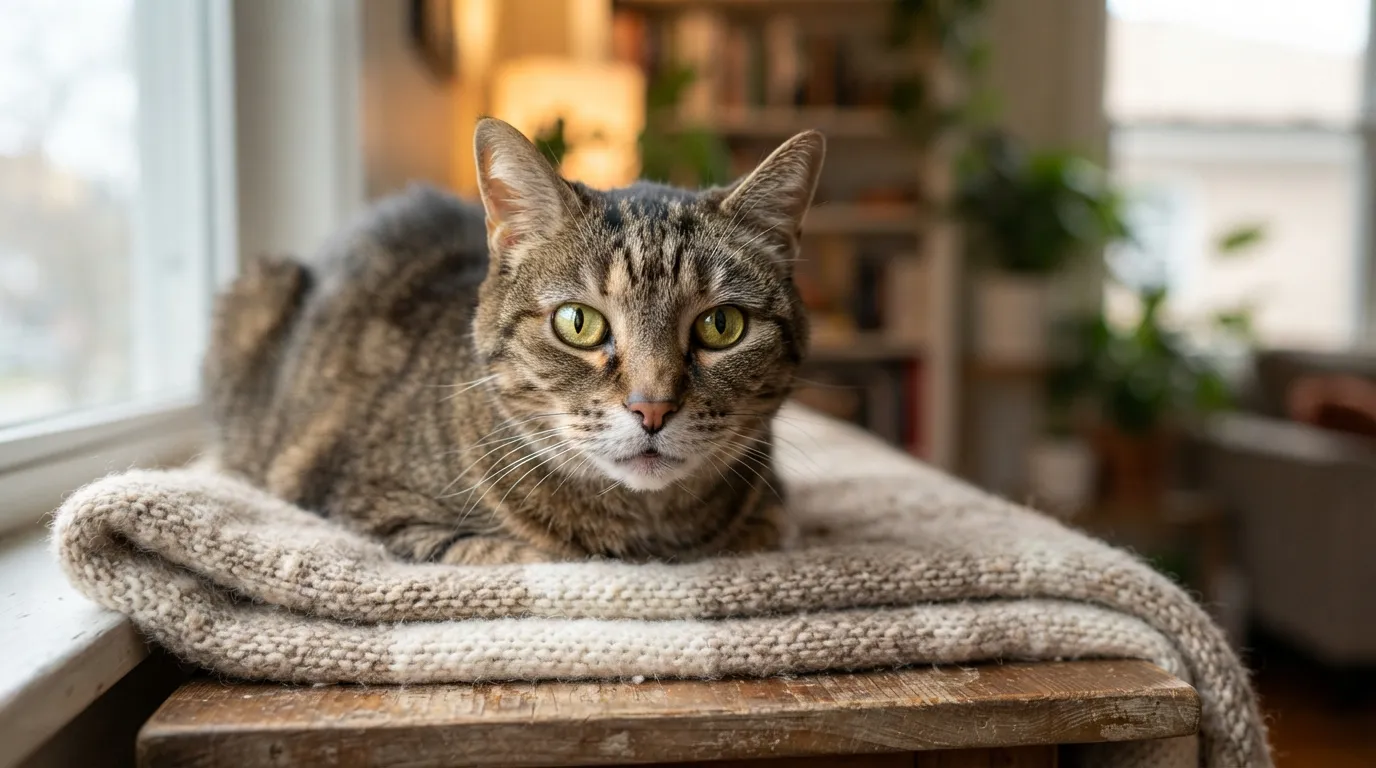
Eyes are windows - in senior cats, they're also a fast diagnostic tool. A thriving cat's eyes look noticeably different from a struggling one.
Healthy senior eyes stay clear and bright and react normally to light. Cloudiness, discharge, or a glazed look can point to anything from hypertension to neurological decline - one study found hypertension in 96.4% of senior cats their owners believed were perfectly healthy.
A quick check of the gums adds more evidence - pink is good, pale or unusual coloring can mean anemia or poor circulation. Bright eyes plus pink gums tells an encouraging story about heart and organ health.
A senior cat with clear, engaged eyes is broadcasting internal health in real time. What #6 reveals next is something most owners only discover at the vet - if at all.
#6 - They Still Engage in Short Play Sessions
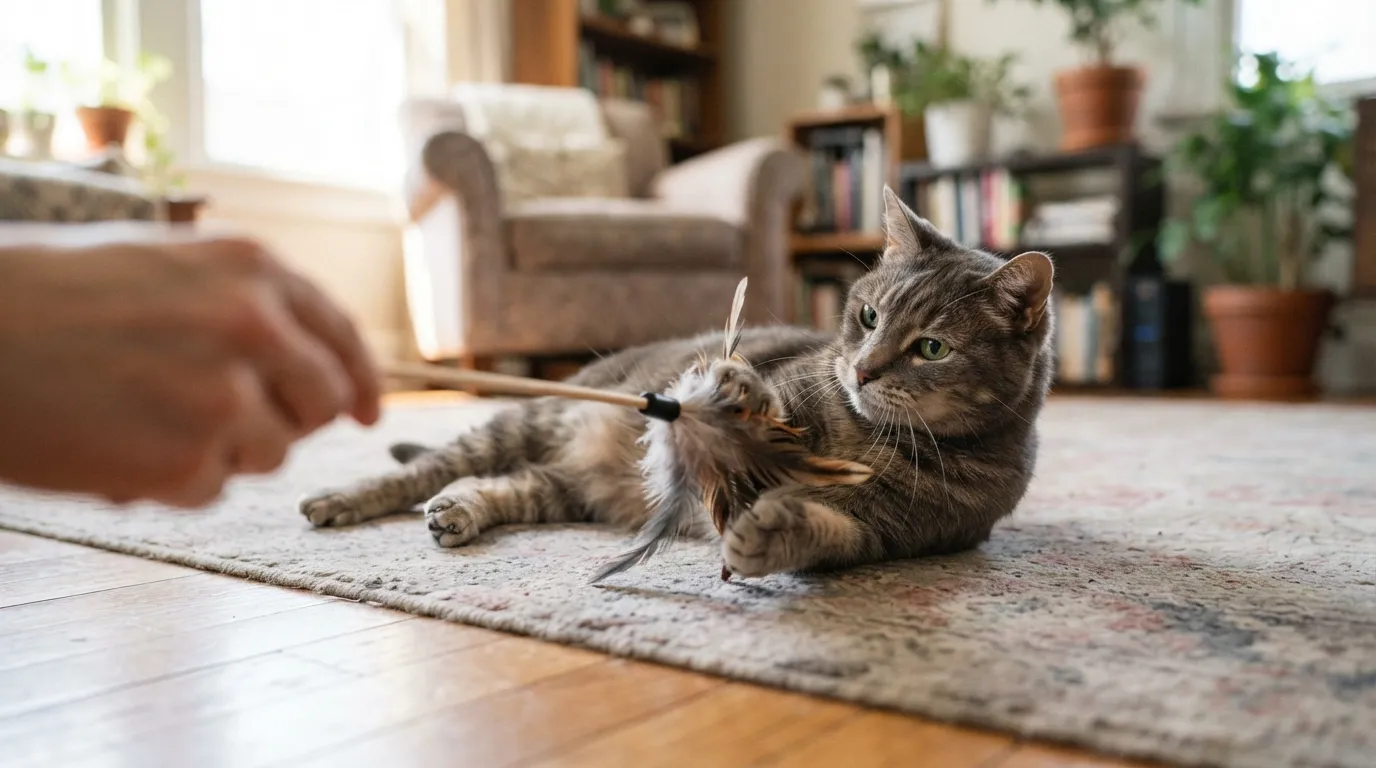
Owners often assume a senior cat that plays occasionally is just "having a good day." Experts say it's far more significant than that.
Senior cats still have a playful spirit - slow-moving toys, puzzle feeders, and gentle feather wands match their abilities perfectly. A short, low-intensity session that ends with her walking away satisfied, not limping or winded, says she's aging well, not shutting down.
It's not the length that counts, it's the quality. A cat that initiates, engages, and calmly walks away is showing joint mobility, sharp reflexes, and emotional willingness all at once.
Quick Compare
- Thriving senior: Starts the game, then walks away calm and satisfied.
- Struggling senior: Avoids toys entirely or seems agitated afterward.
- Thriving senior: Breathing stays quiet and even during and after play.
- Struggling senior: Labored breathing, limping, or stiffness follows mild activity.
Contrast that with research showing sicker super-senior cats initiate play far less often. When your senior still wants to bat that feather wand, take it seriously - the sign at #5 happens quietly every single night.
#5 - They Sleep Deeply But Wake Easily
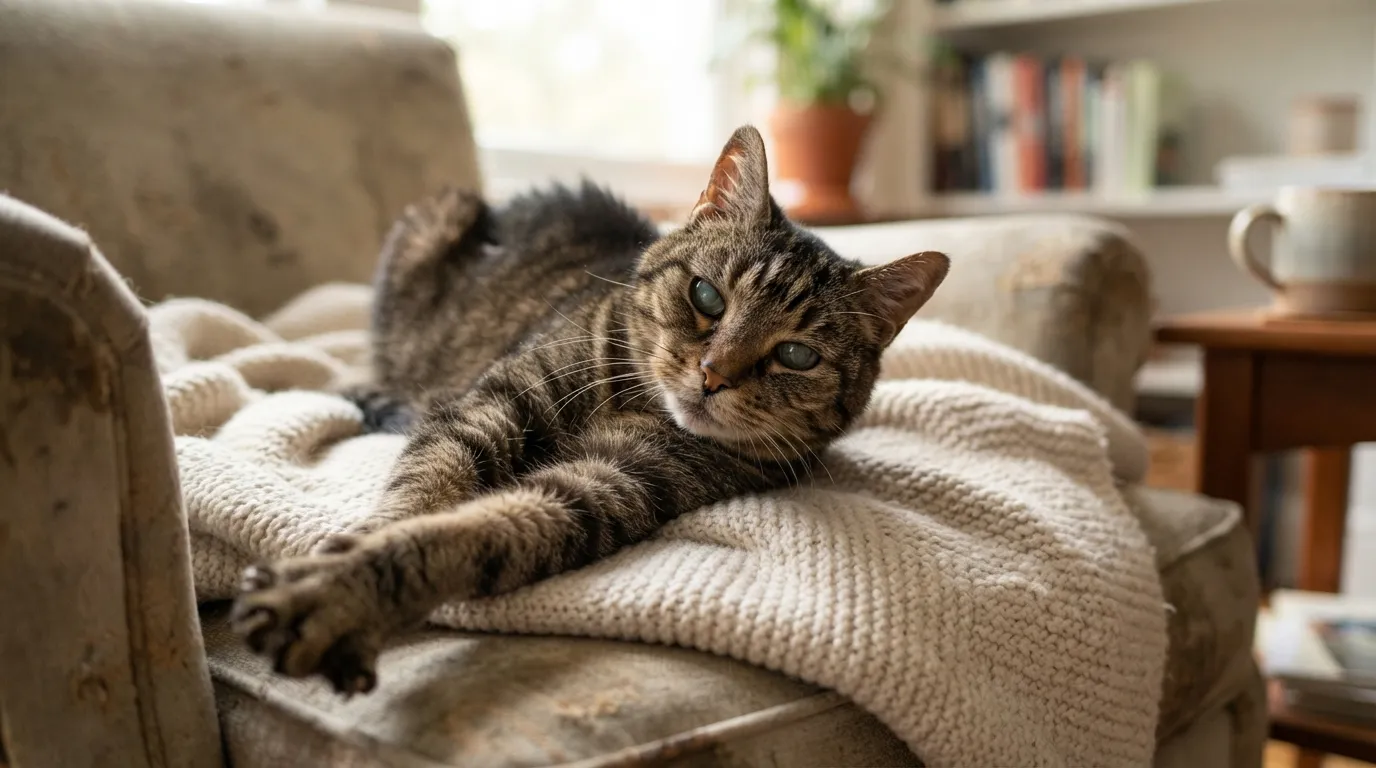
Here's one that trips owners up. A senior cat sleeping a lot looks exactly like a sick cat sleeping a lot.
The difference is in how they sleep and how they wake. Adult cats already sleep around 16 hours a day, and seniors often sleep even more - sometimes harder to rouse as hearing and vision fade.
The real indicator is whether they wake alert and oriented, not groggy or confused. A cat that stretches and immediately gets its bearings is showing healthy neurological function.
Watch the breathing too - it should stay quiet and unlabored while they rest. Calm breathing, an easy wake-up, and a good stretch together signal genuine rest, not a retreat from life - and that connects directly to what #4 tells us about their mental state.
#4 - They Vocalize in Ways That Feel Communicative
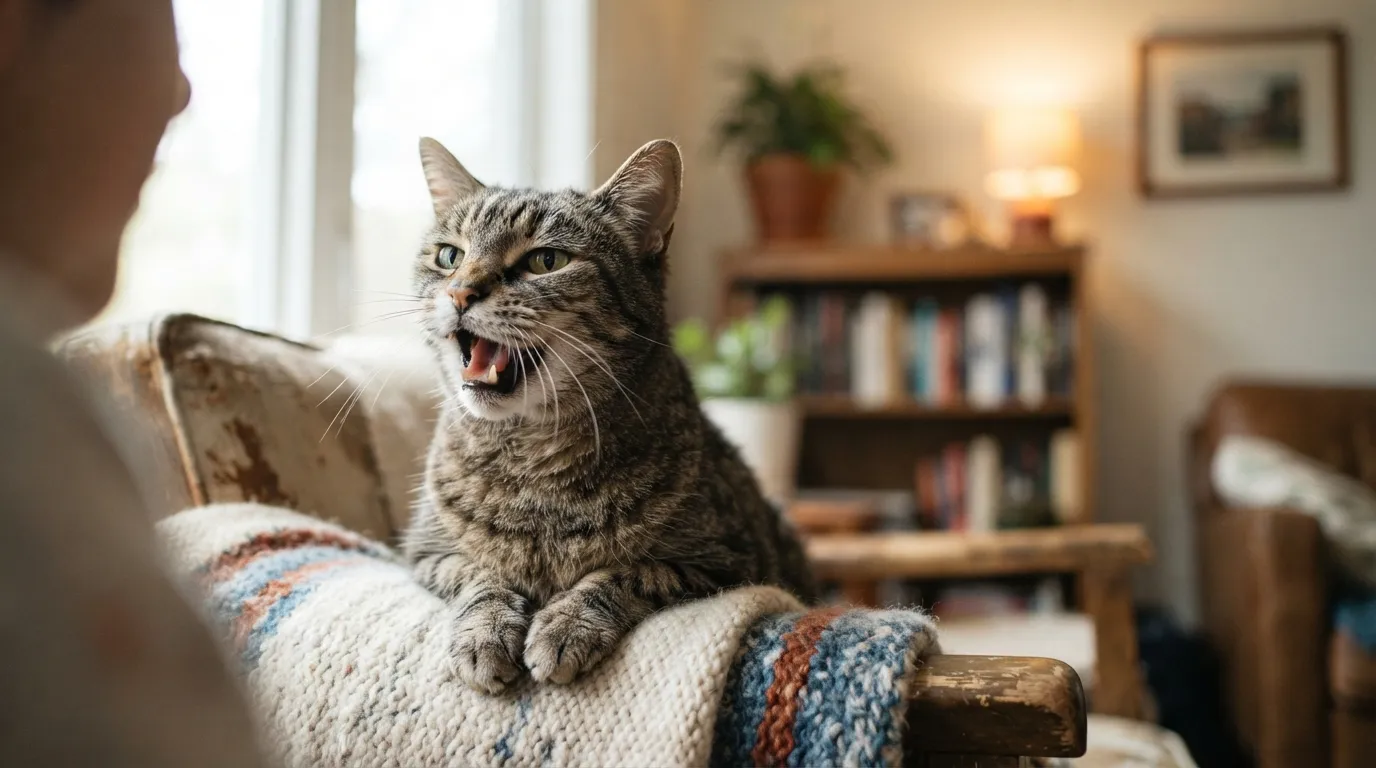
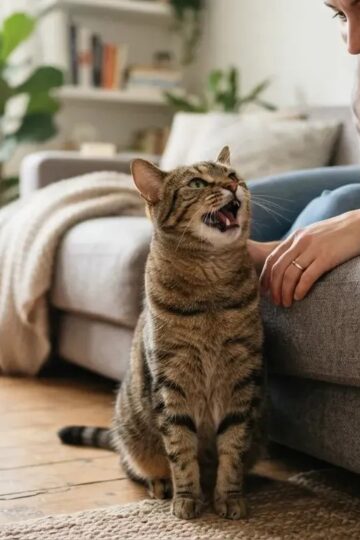
Not all senior cat sounds are red flags. A cat that "talks" to you in normal, context-appropriate ways is showing off a healthy brain.
Trills - that delightful mix between a meow and a purr - signal joyful, intact communication. A cat that chirps at birds or trills when you walk in is proving its awareness of the world is still sharp.
The red-flag version looks different - a sudden change in pitch or a spike in vocalizing can mean pain, hyperthyroidism, or cognitive decline. Purposeful, calm chatter that fits the moment is the opposite: a cognitive health signal wearing a charming disguise.
A senior cat that still "talks" to you on its own terms has a mind very much engaged with the world. Sign #3 is one most owners never connect to aging at all.
#3 - Their Gums Stay Pink and Moist
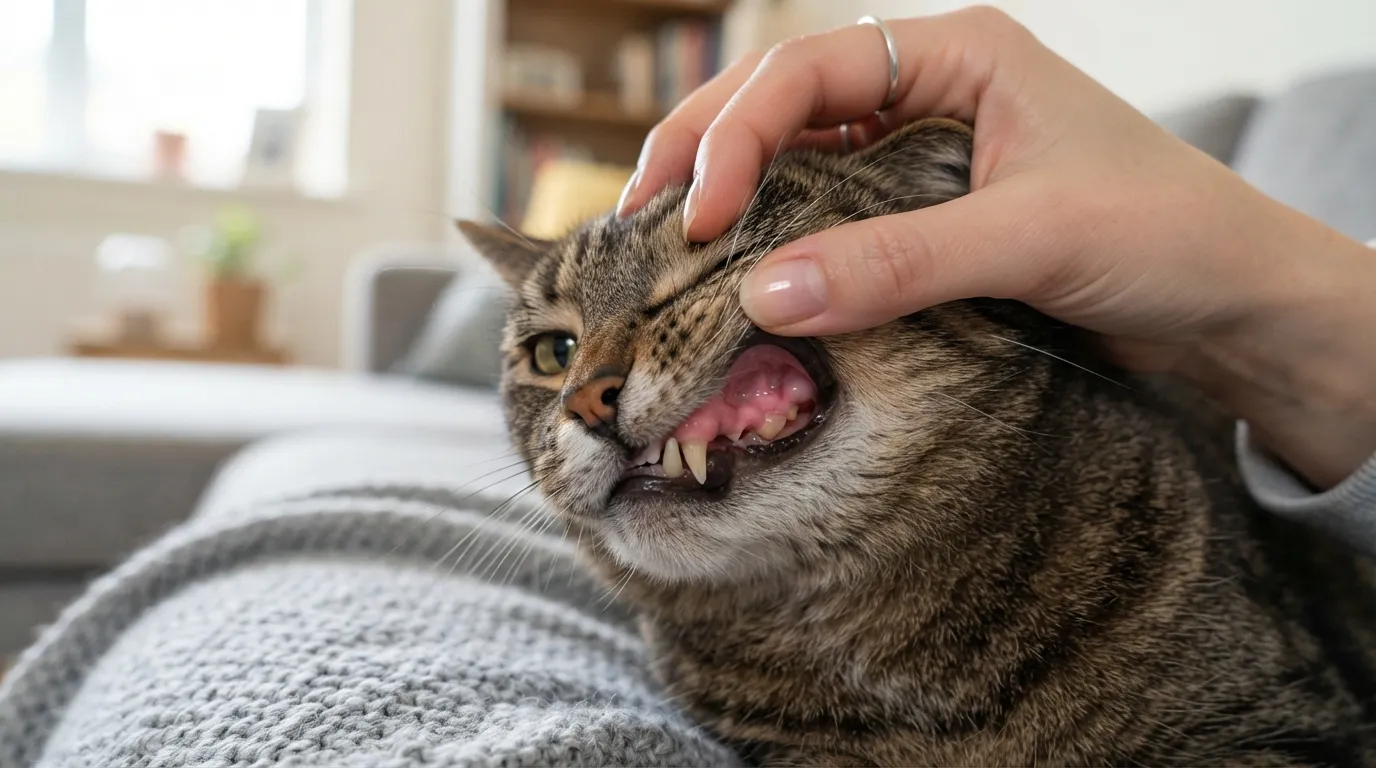
This one is almost never on an owner's radar - until a vet shows them what to look for. Gum color is a rapid-read vital sign you can check at home in ten seconds.
Gently lift your cat's lip - healthy gums are pink, while pale or unusual coloring can point to anemia or circulation problems. It's a two-second check with real diagnostic weight.
Pink, moist gums signal strong cardiovascular circulation, healthy red blood cells, and good oxygenation - exactly the systems that tend to fail silently in aging cats. A cat that passes this quick visual check is clearing a bar vets specifically look for during wellness exams.
Regular vet exams catch problems before they turn serious. But healthy gums between visits? That's your at-home green light - and sign #2 will shift how you see your cat's whole relationship with you.
#2 - They Maintain a Strong Bond With You
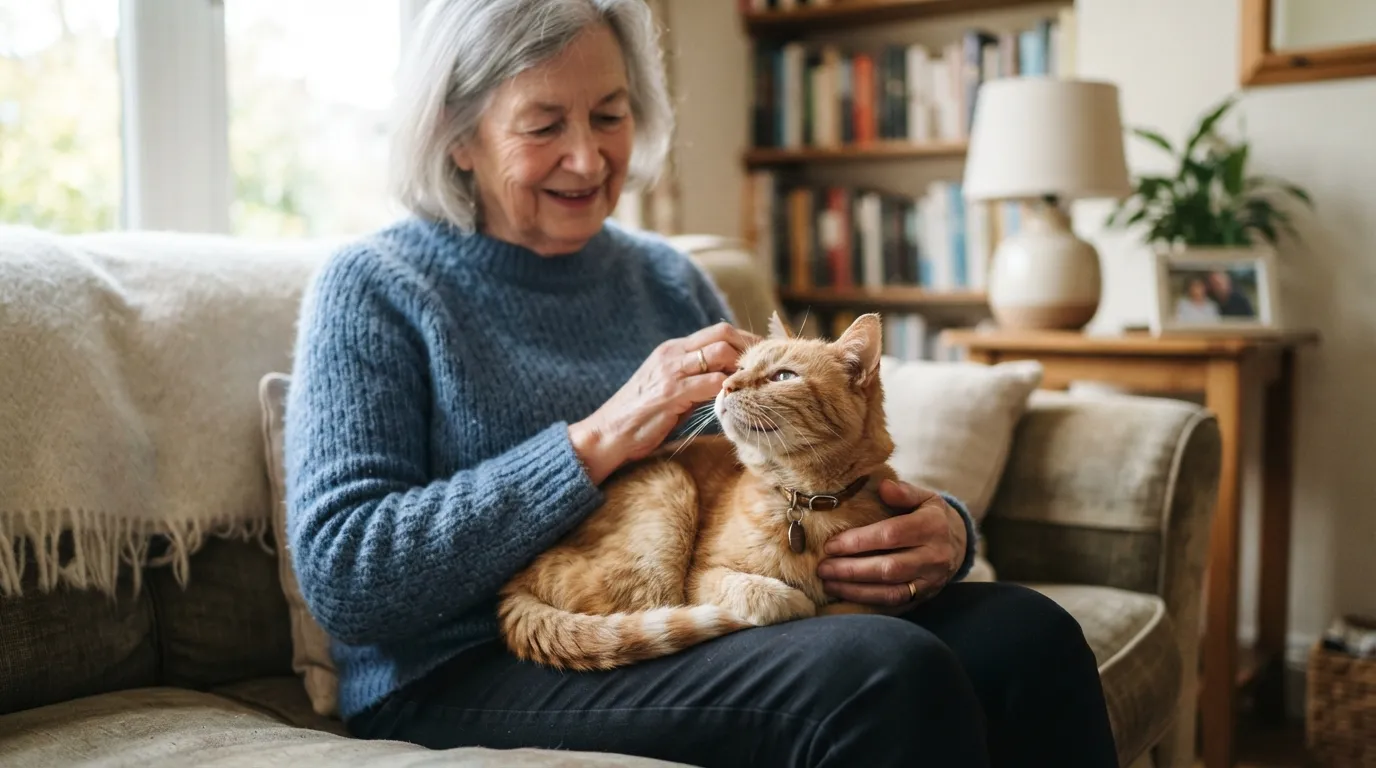
This is not sentimental filler. Science has actually measured it - a senior cat's bond with its owner is a genuine health metric.
Research found that super-senior cats in poorer health showed diminished affection toward their caregivers in 68% of cases. A weakening bond is one of the clearest markers of decline in aging cats.
The inverse holds too - a cat that still greets you, seeks contact, and engages socially is mentally present and emotionally regulated. Experts specifically point to cognitive screening and client education as ways to protect that bond as cats age.
A cat that still chooses you is telling you something real. And the #1 sign that your senior cat is truly thriving? It's the one that surprises every owner who hears it.
#1 - They Pass Regular Vet Checks Without New Surprises
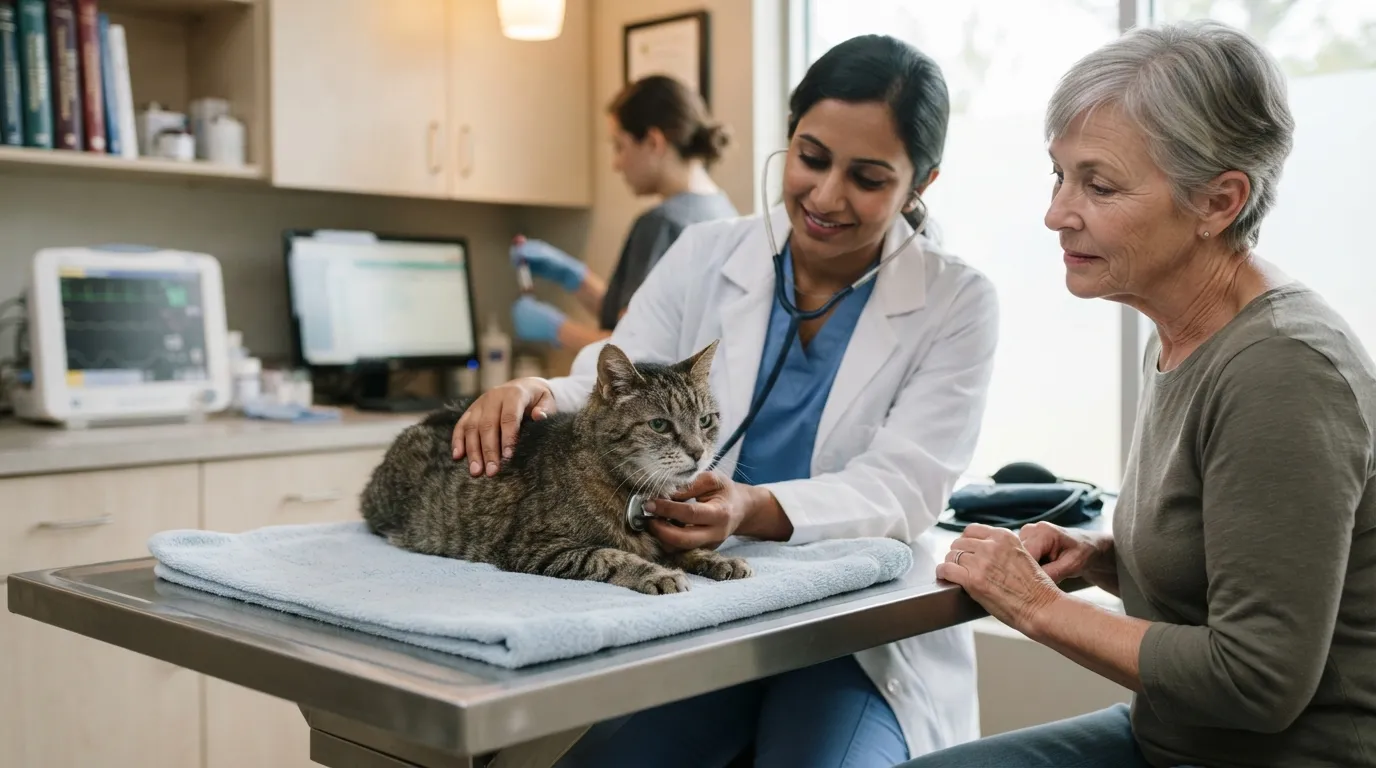
This is the sign that actually seals the deal - and it's the one that requires your action, not just your observation.
A 2026 study found that 100% of senior cats examined had physical abnormalities, most commonly dental and orthopedic disease. Diagnostic testing also uncovered widespread, previously unrecognized chronic kidney disease and hypertension - in cats their owners believed were perfectly healthy.
Worth Knowing
- Most veterinary guidelines call for twice-yearly wellness exams once a cat turns ten or older.
- A full senior panel typically includes bloodwork that checks organ and tissue function, plus a urinalysis and blood pressure reading.
- These extra screenings exist specifically to catch kidney disease, thyroid problems, and hypertension before obvious symptoms appear.
- A cat that comes back stable, visit after visit, is clearing a bar many outwardly healthy seniors quietly miss.
A senior cat that goes to the vet every six months and comes back with stable, manageable results is genuinely beating the odds. That's not a given - that's a victory, and it's exactly why twice-yearly senior checkups are recommended.
Routine bloodwork can even track subclinical inflammation tied to cognitive aging long before symptoms show. A cat that stays stable across those checkups, year after year, is the true definition of thriving - not just surviving.
The Bottom Line
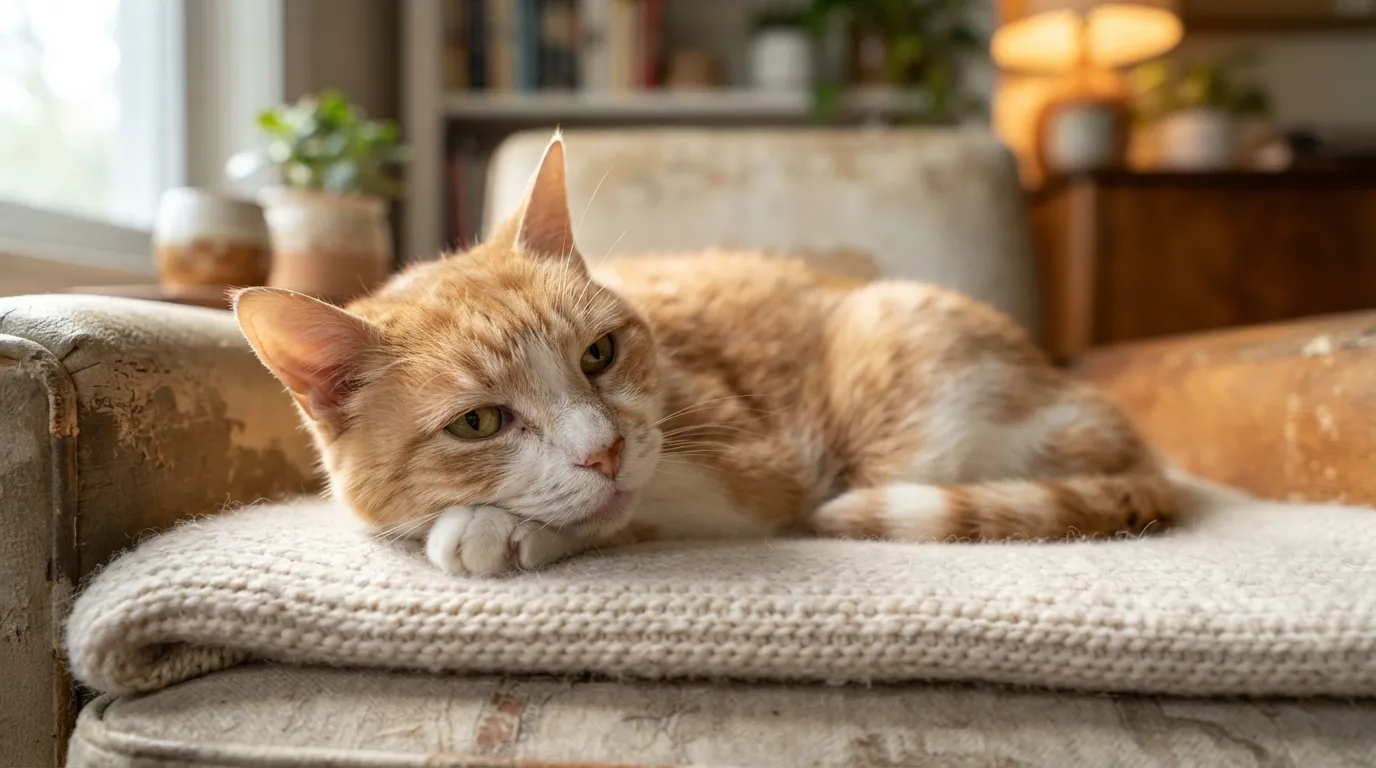
Most owners measure their senior cat's health by what they don't see - no limping, no vomiting, no obvious distress. But the real signs of thriving are far more specific: steady grooming, stable weight, pink gums, regular play, a strong bond, and clean vet results.
Turns out, senior cats hide problems far better than we realize, which means the presence of positive signs matters even more than the absence of bad ones. Your senior cat is likely doing more right than you ever give them credit for - but they need you paying attention to keep it that way.
Did we miss a sign you've noticed in your own senior cat? Drop it in the comments - we'd love to hear what your cat has been telling you.