5 Animals That Can Defeat A Lion
#1 African elephant
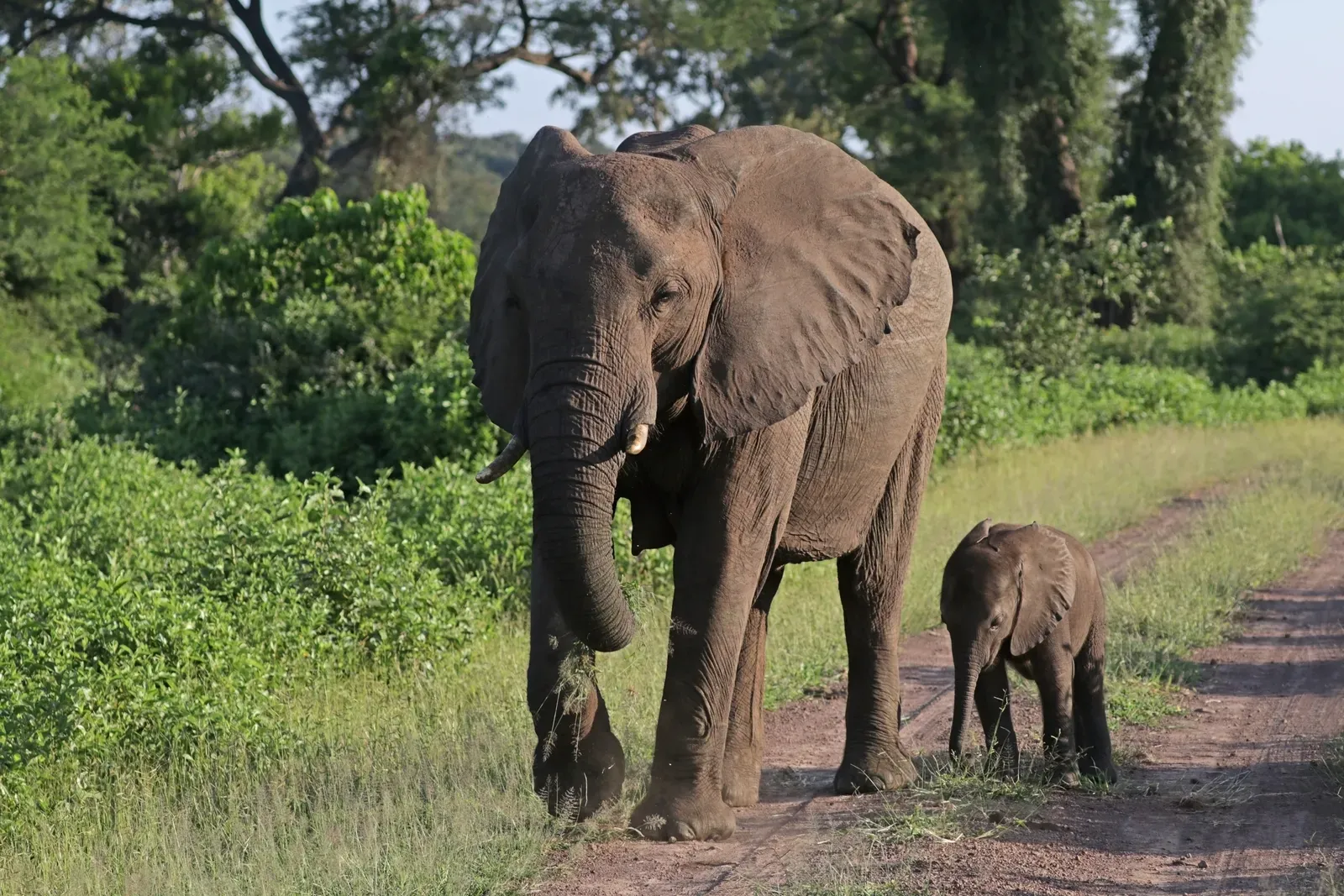
There is a reason lions rarely test an adult elephant, and it comes down to basic physics. A bull elephant can weigh somewhere in the range of six tons, dwarfing that might tip the scales at under five hundred pounds. Add in a trunk capable of delivering a bone-crushing blow, tusks that can gore or toss an attacker several feet, and thick, tough skin that blunts claws and teeth, and you have an animal that simply does not fear the way smaller prey does.
Lions do occasionally target elephant calves, especially during droughts when other prey is scarce, but that is a gamble against the mother and the herd, not a one-on-one contest. Documented encounters, including footage from parks in Botswana and Zambia, show adult elephants charging, trumpeting, and physically driving lion prides away from watering holes without much hesitation. In a straight physical matchup, an elephant's combination of mass, strength, and protective instinct for its young puts it firmly out of reach for any lion.
#2 Hippopotamus
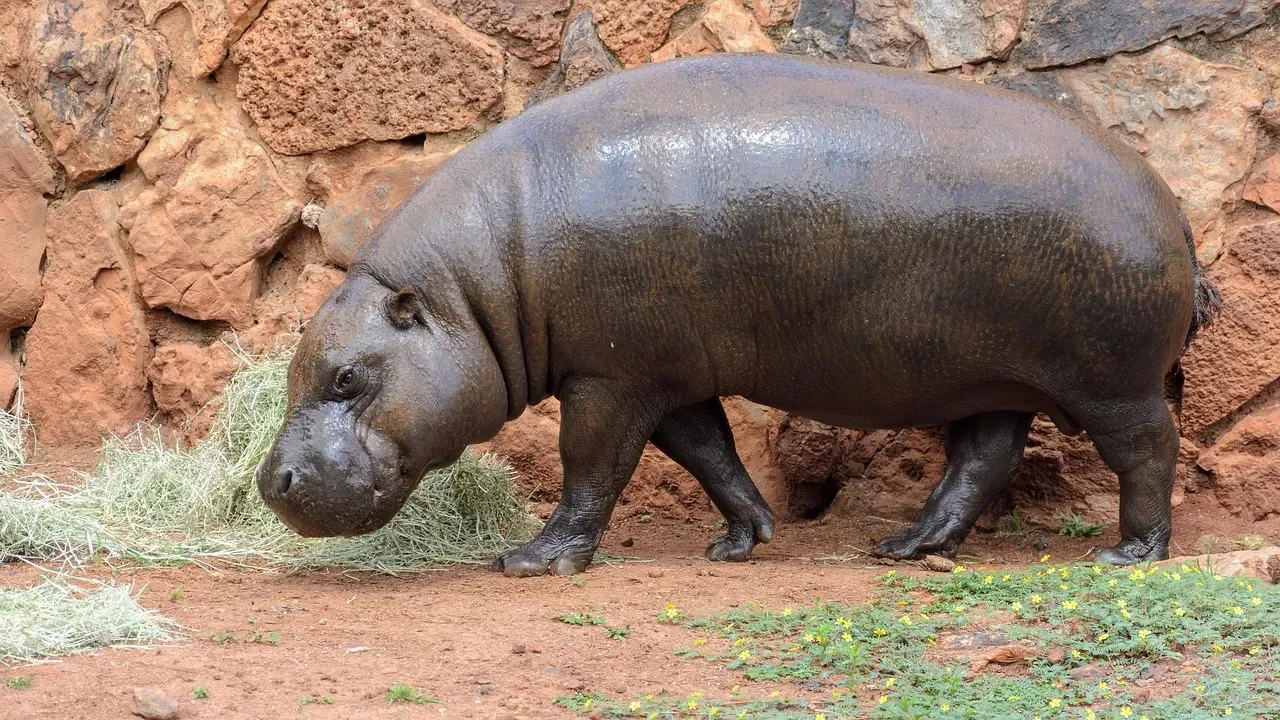
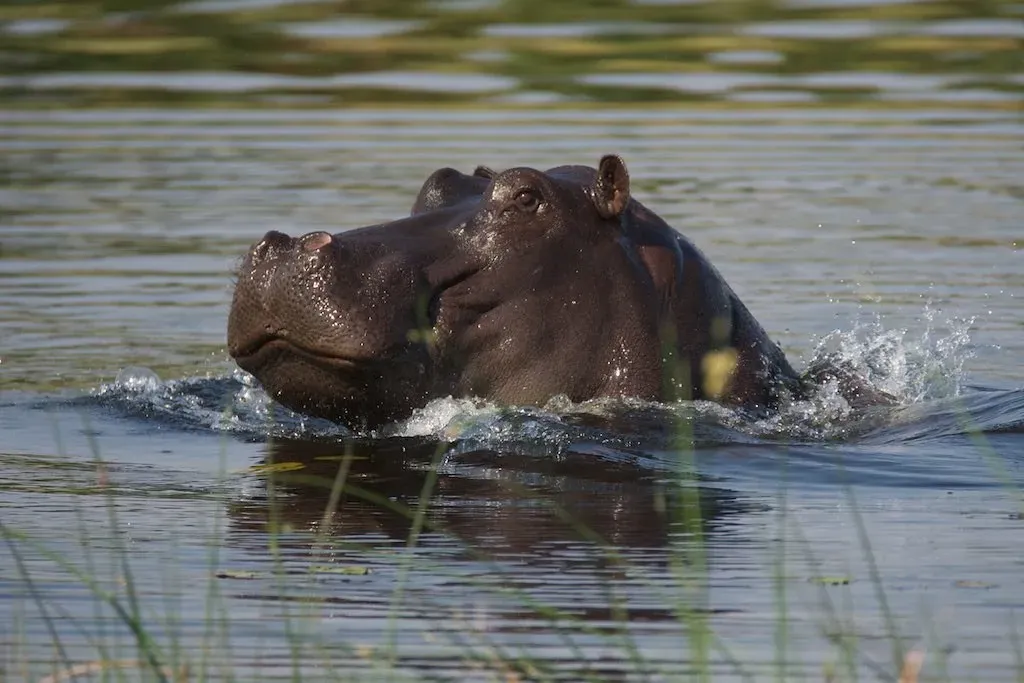
Hippos have a reputation among African wildlife for being short-tempered, and that reputation is earned. They are territorial around water, aggressive when threatened, and armed with jaws that can open nearly one hundred eighty degrees, housing canine teeth long enough to puncture through muscle and bone. A hippo's bite force is among the strongest of any land mammal, and its sheer bulk, often exceeding three thousand pounds, means trying to wrestle one down is fighting a losing battle from the start.
Lion prides have been recorded attempting to take down hippos, usually young or isolated individuals, but success is rare and the risk is enormous. A single well-placed bite from a hippo can snap 's spine or crush its ribcage instantly. Most lions seem to understand this calculus instinctively, giving hippos a wide berth even when hunger might otherwise push them toward riskier prey.
#3 Cape buffalo
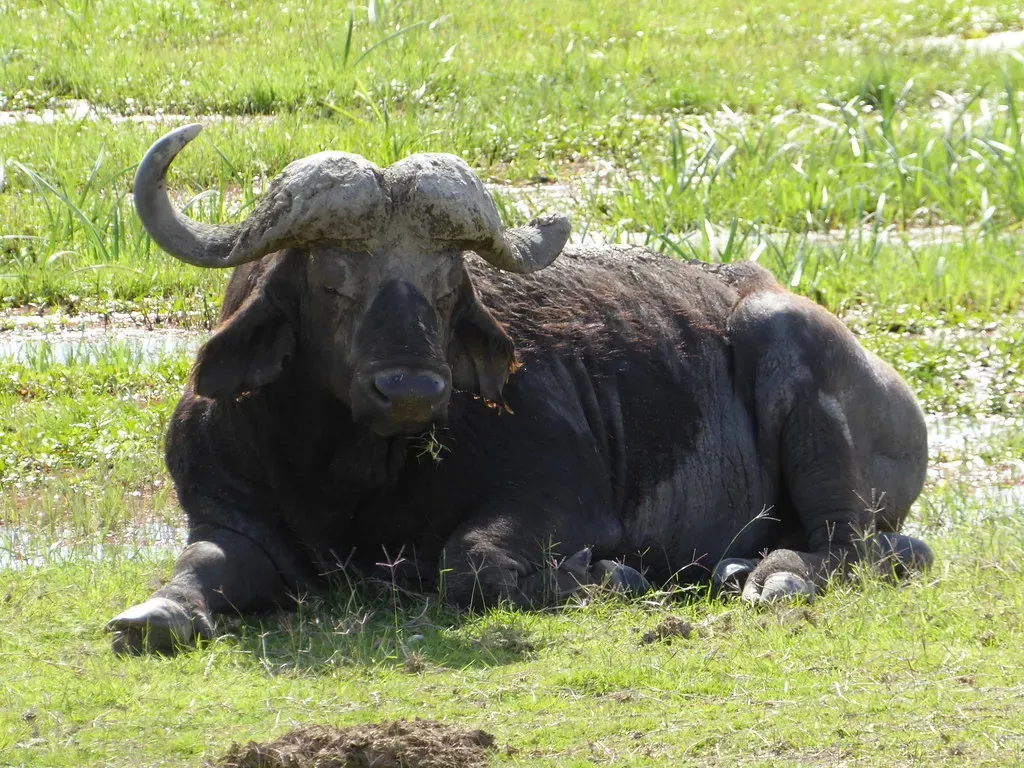
The Cape buffalo has earned a nickname among hunters and guides: "the animal that never forgets." Unlike many prey species that flee at the first sign of danger, buffalo herds are known to turn and fight, sometimes chasing down and goring the lions that attacked them minutes earlier. Their curved horns, fused into a thick boss across the skull, act like a natural helmet and weapon combined, capable of flipping several feet into the air.
What makes buffalo especially dangerous is their herd behavior. A lone buffalo might fall to a coordinated pride, but a herd will often circle back to rescue a member under attack, trampling and goring any lion unlucky enough to be caught in the open. Documented cases, including the well-known footage from South Africa's Kruger area often referred to informally as the "Battle at Kruger," show buffalo herds successfully driving off lions and even freeing a calf that had already been pulled down. It is one of the clearest examples in nature of strength in numbers overcoming raw predatory skill.
#4 Rhinoceros
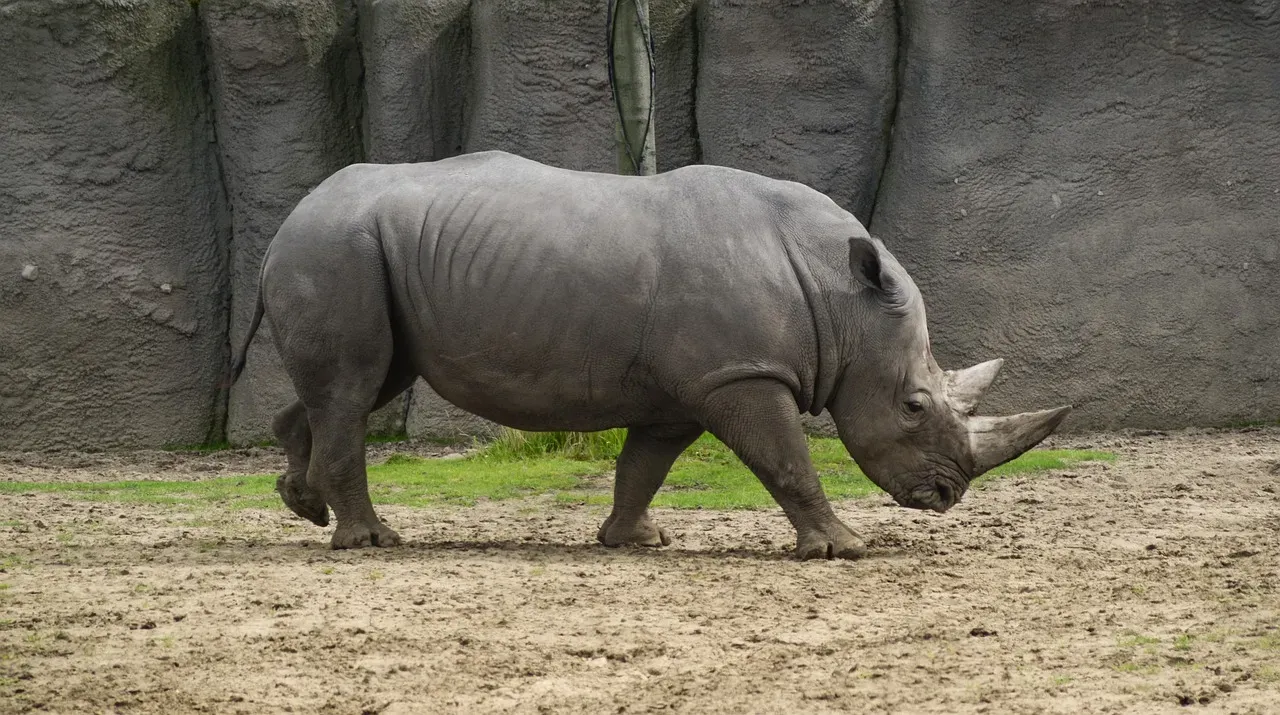
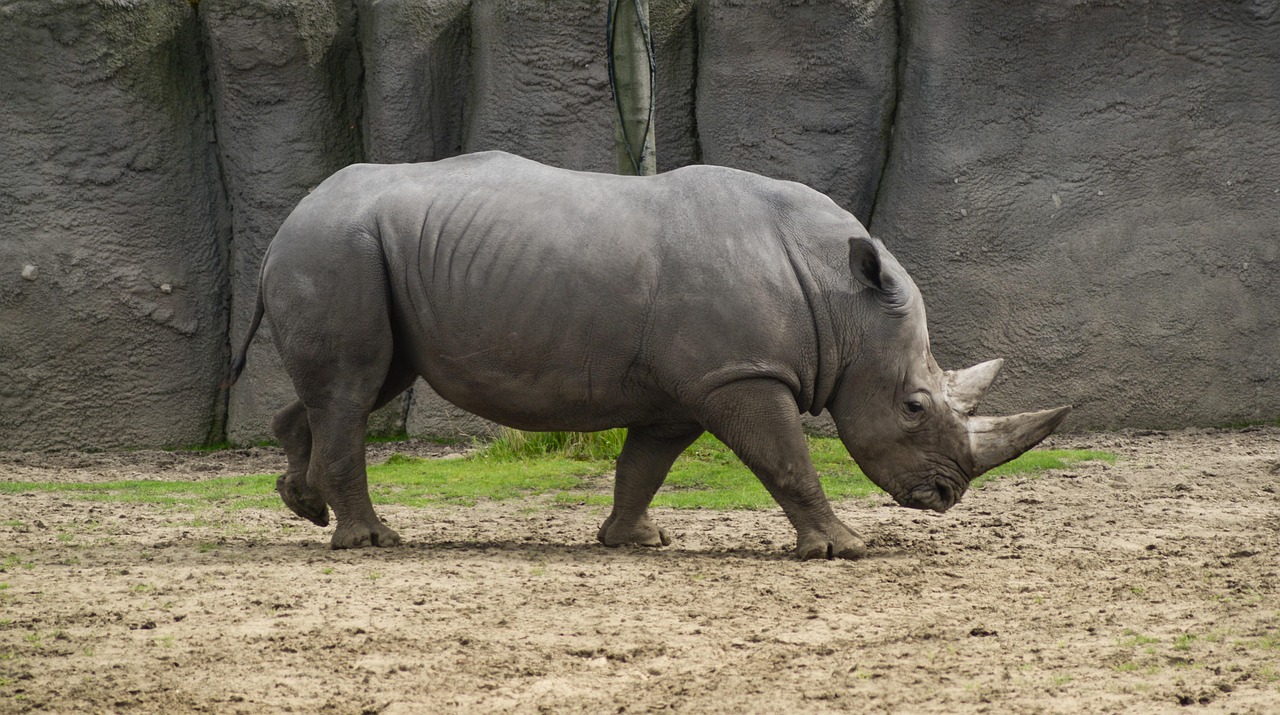
Both white and black rhinos carry a built-in advantage that few animals on the savanna can match: a solid horn made of keratin, backed by a neck and shoulder structure built for ramming. Combined with skin that can be several centimeters thick in places, a rhino is essentially walking armor. Lions know this, and attacks on healthy adult rhinos are exceedingly rare in the wild.
Where lions occasionally succeed is against very young calves separated from their mothers, and even then it usually takes a large, coordinated pride. Adult rhinos, despite having relatively poor eyesight, compensate with sharp hearing and smell, often charging toward a perceived threat rather than fleeing. That aggressive, ram-first temperament, paired with a horn capable of impaling an attacker, makes a full-grown rhino one of the least appealing targets could choose.
#5 Nile crocodile
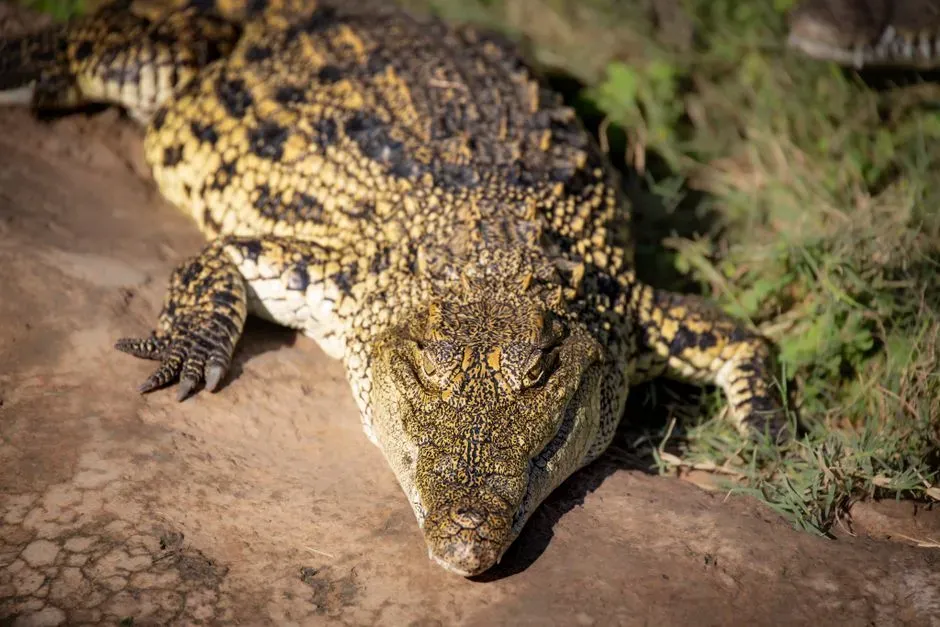
The Nile crocodile represents a different kind of threat altogether, one that strikes from water rather than open ground. Lions crossing rivers or drinking at the water's edge have been recorded getting seized by crocodiles waiting just below the surface, their powerful jaws locking on before the lion even registers what is happening. A crocodile's bite force ranks among the highest of any living animal, and once it clamps down, a death roll can drown or dismember prey within seconds.
What tips the fight further in the crocodile's favor is home terrain. Lions are strong swimmers when they need to be, but water is not their domain the way it is for a crocodile, which can hold prey underwater far longer than can hold its breath. Several documented incidents in parks like Kruger and South Luangwa show crocodiles successfully ambushing and killing lions at river crossings, a stark reminder that even apex predators become vulnerable the moment they step onto someone else's turf.
Final Thoughts