5 Mind-Blowing Facts About The Tiger, Nature's Ultimate Apex Predator
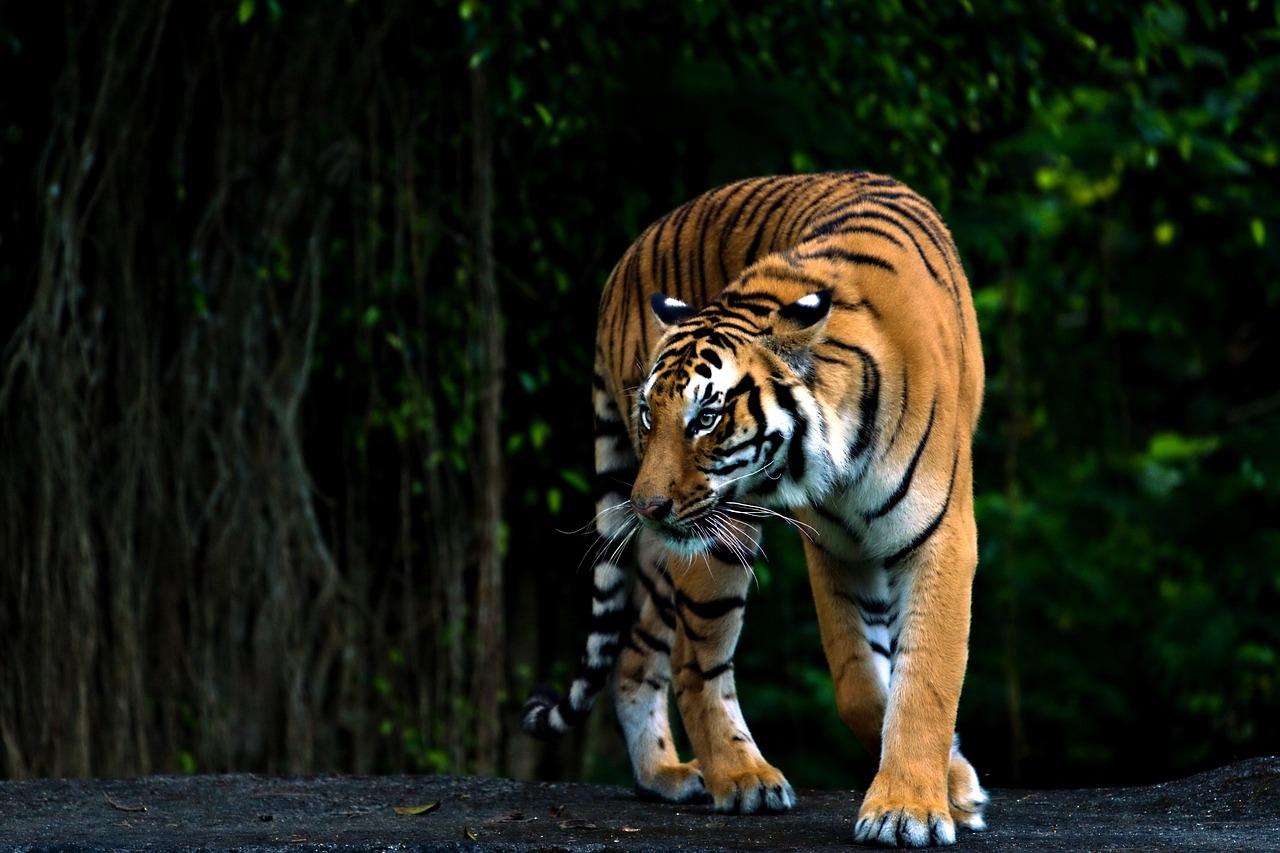
#1 Their Roar Carries a Sound Weapon Humans Can't Even Hear
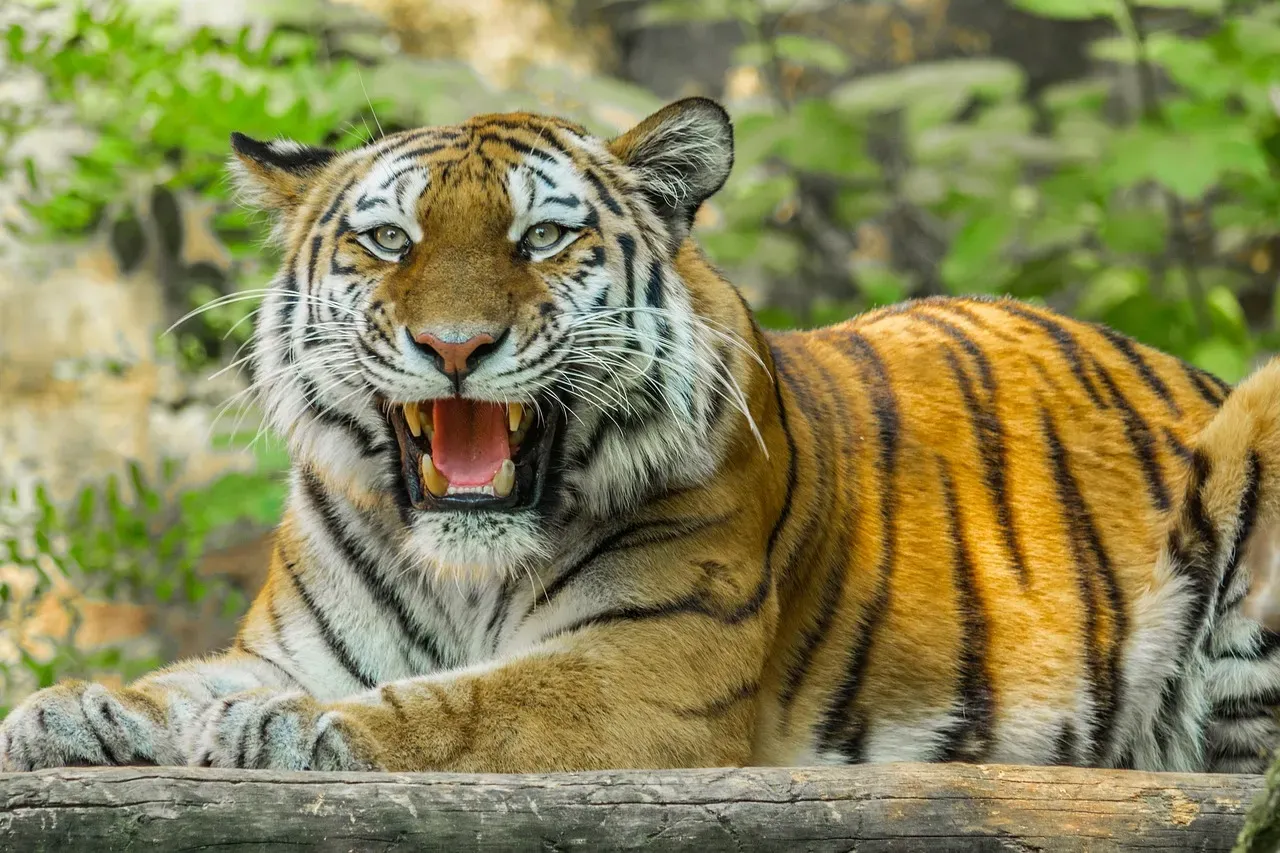
Most people know tigers roar loudly enough to travel long distances through dense forest. What's less known is that buried inside that roar is a layer of infrasound, frequencies so low that human ears simply cannot register them as sound. Researchers recording tigers found they can create sounds at about 18 hertz and produce frequencies significantly lower still when roaring, well below the 20 hertz threshold of human hearing.
The effect of this hidden layer is genuinely eerie. Bioacoustics researcher Elizabeth von Muggenthaler has described how a tiger's roar can rattle and effectively paralyze anyone nearby, and this reaction has reportedly happened even to experienced trainers who work with the animals daily. Infrasound travels differently than normal sound, cutting through solid objects and even passing through mountains, which means the vibration you feel from a tiger's roar might arrive before the sound you consciously hear does. It's less a warning than a full-body event, and it may explain why prey animals sometimes freeze in place rather than flee at the first sign of danger.
#2 Every Tiger's Stripes Are a One-of-a-Kind Fingerprint, Right Down to the Skin
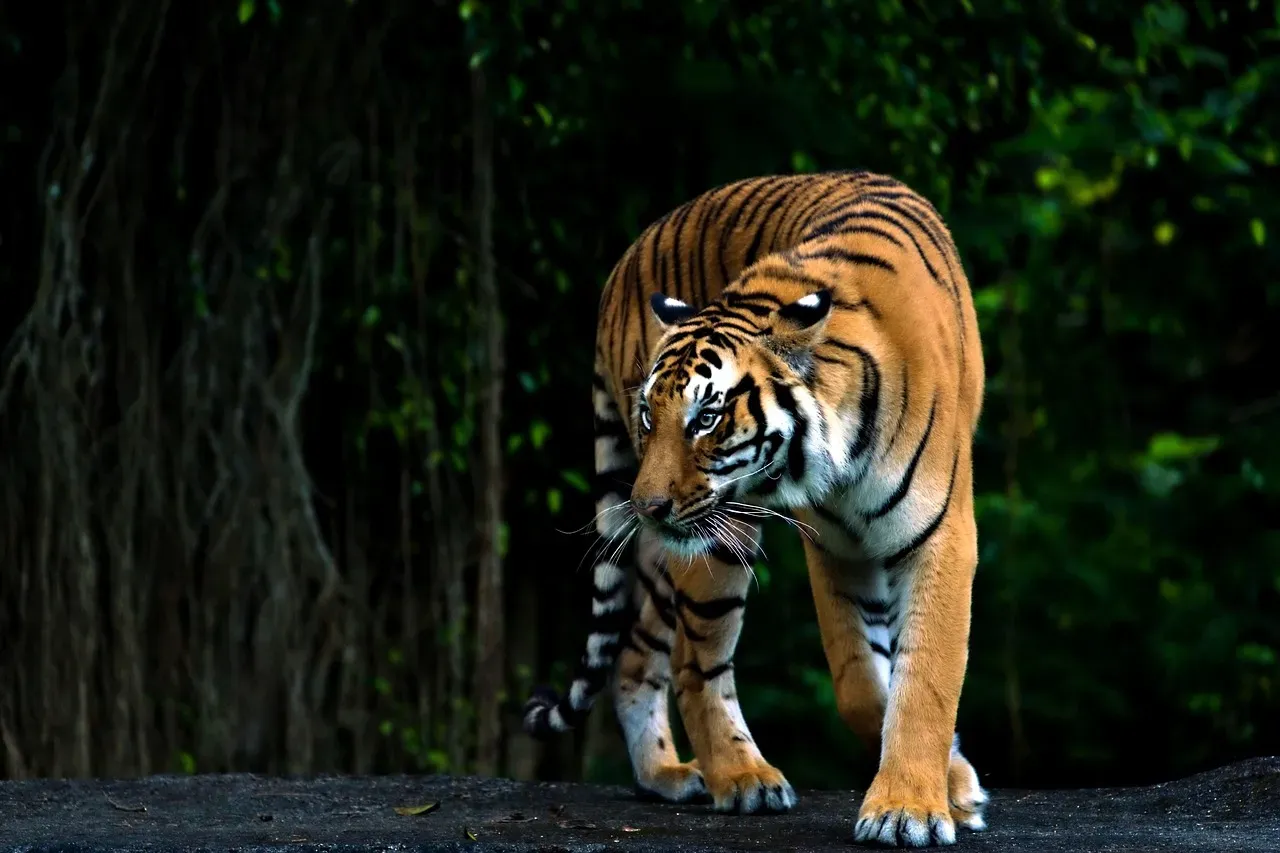
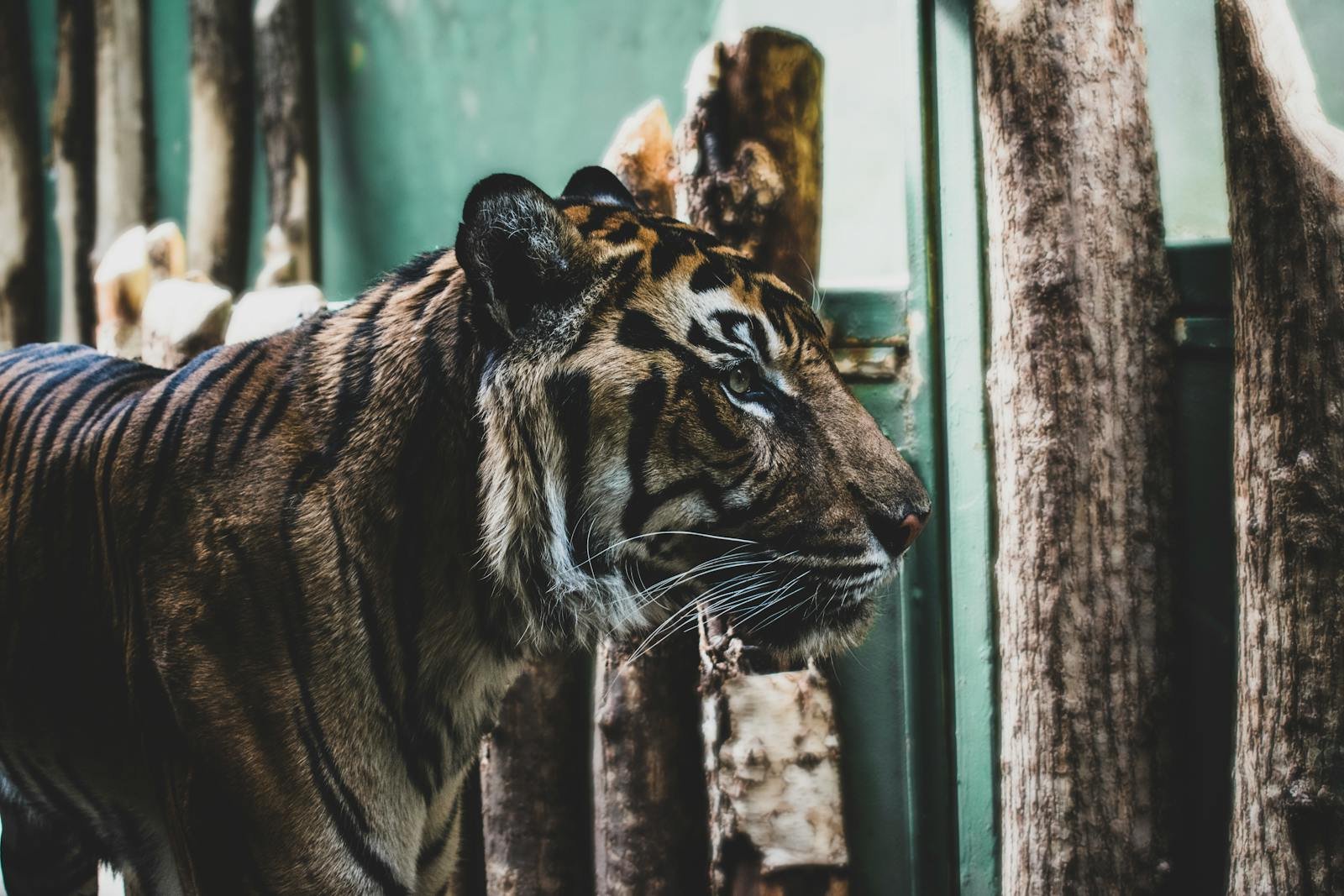
The image of tiger stripes is so familiar that it's easy to overlook how unique each pattern actually is. Like human fingerprints, a tiger's stripe pattern is completely individual, no two tigers share the same arrangement of bars and swirls across their coat. Scientists have leaned on this fact heavily, using camera-trap photographs of stripe patterns to identify and track specific wild tigers across vast territories without needing to physically capture them.
What tends to surprise people is that this uniqueness goes skin deep, literally. A tiger's skin carries the same striped pattern as its fur, so even if a tiger were somehow shaved, the markings underneath would mirror what was visible above. The stripes also aren't just decorative; they function as disruptive coloration, breaking up the tiger's outline against tall grass, bamboo stands, and the dappled light of a forest floor. It's a camouflage system so effective that a tiger can be within a few body lengths of unsuspecting prey before anyone notices something orange and black is watching.
#3 A Tiger's Bite Can Pierce a Buffalo's Skull
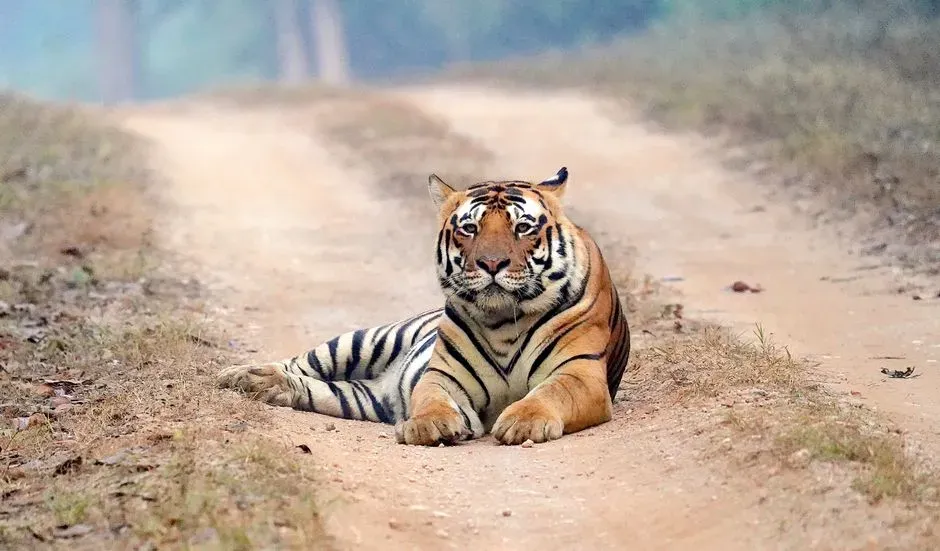
Tigers don't just rely on speed or ambush, their jaws are built for genuinely brutal mechanical work. Their canines are strong enough to have been recorded piercing the skull of a water buffalo, an animal that can outweigh the tiger delivering the bite by a significant margin. That kind of bite force isn't just for show; it's the difference between a successful hunt and a tiger going hungry for days.
Tigers generally prefer prey close to their own body weight, but their willingness to take on much larger animals is where the real drama lives. They can and do hunt animals far larger than themselves, including water buffalo and gaur, and occasionally even Asian elephants or rhinos. This isn't reckless behavior so much as calculated risk, tigers typically use a precise bite to the throat or nape depending on the size and position of the prey, aiming to end the struggle as quickly as possible rather than engage in a prolonged fight that could leave them seriously injured.
#4 They're Surprisingly Solitary But Not Nearly as Antisocial as You'd Think
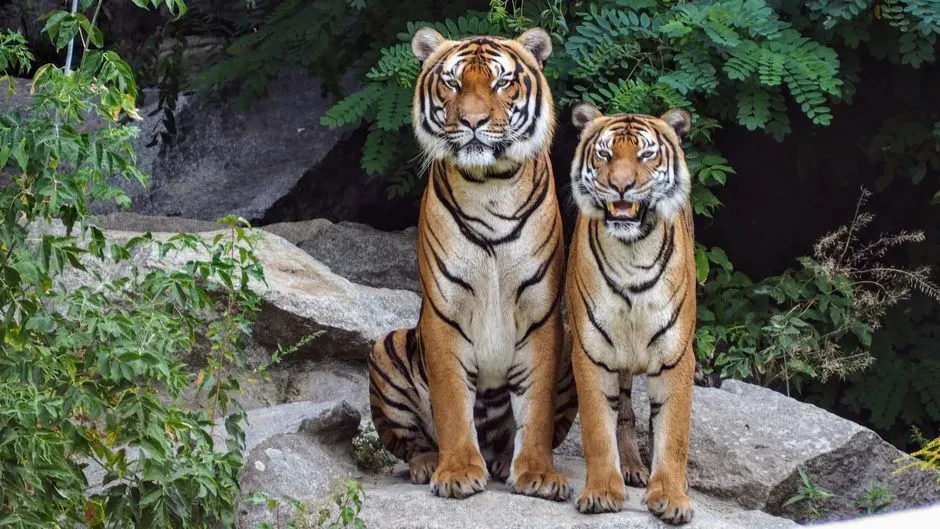
Tigers carry a reputation as loners, and in many ways that's accurate, adult tigers generally maintain separate territories and hunt alone. But the picture isn't quite as cold as the stereotype suggests. Unlike lions, which often fight bitterly over a shared kill, tigers that encounter one another while hunting have been observed sharing the catch rather than fighting over it, and male tigers often let females and cubs eat first before taking their own share.
Tigers also communicate in ways that feel almost tender compared to their fearsome public image. Beyond the roar, they use a soft, breathy sound called chuffing as a friendly greeting between mates or between mothers and cubs, functioning something like a feline handshake or a quiet acknowledgment of trust. They can even purr, though only while exhaling rather than on both the inhale and exhale the way house cats do. None of this makes tigers social animals in the way wolves or lions are, but it does complicate the idea that they're simply solitary killing machines with no capacity for cooperation or gentleness.
#5 Fewer Than 6,000 Remain in the Wild, and India Holds Most of Them
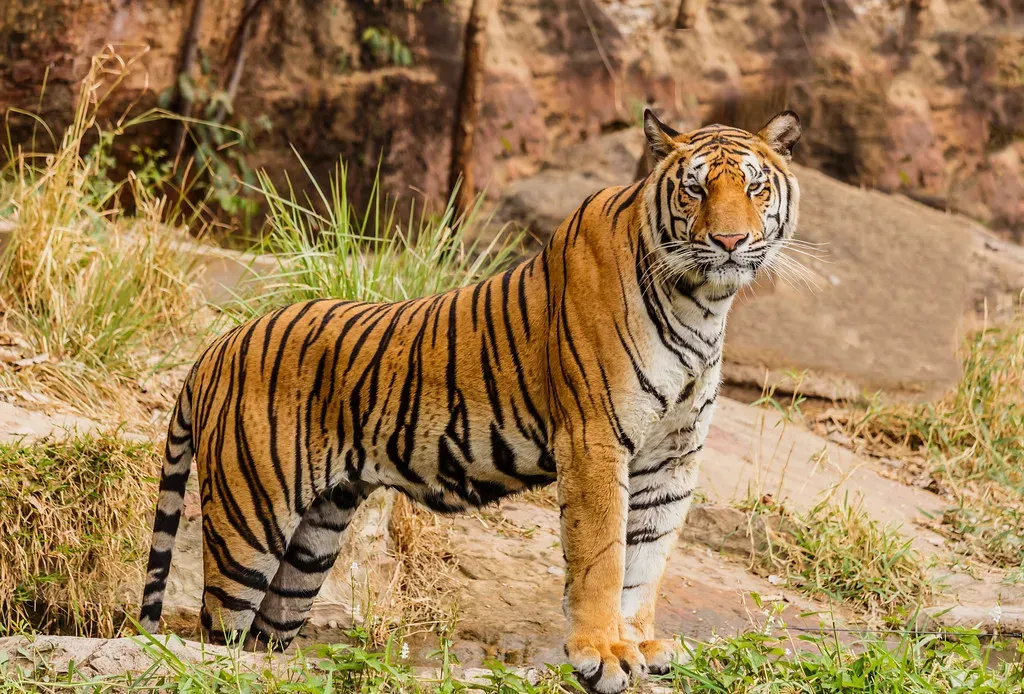
For an animal so dominant at the top of its food chain, the tiger's population numbers are sobering. At the start of the twentieth century, an estimated 100,000 tigers roamed across Asia. Today, according to recent global estimates, fewer than 6,000 wild tigers remain, a decline steep enough that the species is currently classified as Endangered by the IUCN Red List, with a widely cited estimate placing the total population between roughly 3,700 and 5,600 individuals of all ages.
What makes the current moment notable is that the trend line, for once, is bending in a more hopeful direction in several countries. Tiger populations are considered stable or increasing in India, Nepal, Bhutan, Russia, and China, and the Global Tiger Forum's 2023 estimate of about 5,574 wild tigers represented a substantial increase since the international TX2 initiative launched in 2010 with the goal of doubling wild tiger numbers. India alone is now home to roughly three-quarters of the world's wild tigers, largely thanks to a network of dedicated reserves that has expanded dramatically since the country's conservation program began decades ago. Three tiger subspecies, the Bali, Javan, and Caspian tiger, have already gone extinct, a reminder of exactly what's at stake if these gains aren't sustained.
Why This Animal Still Matters
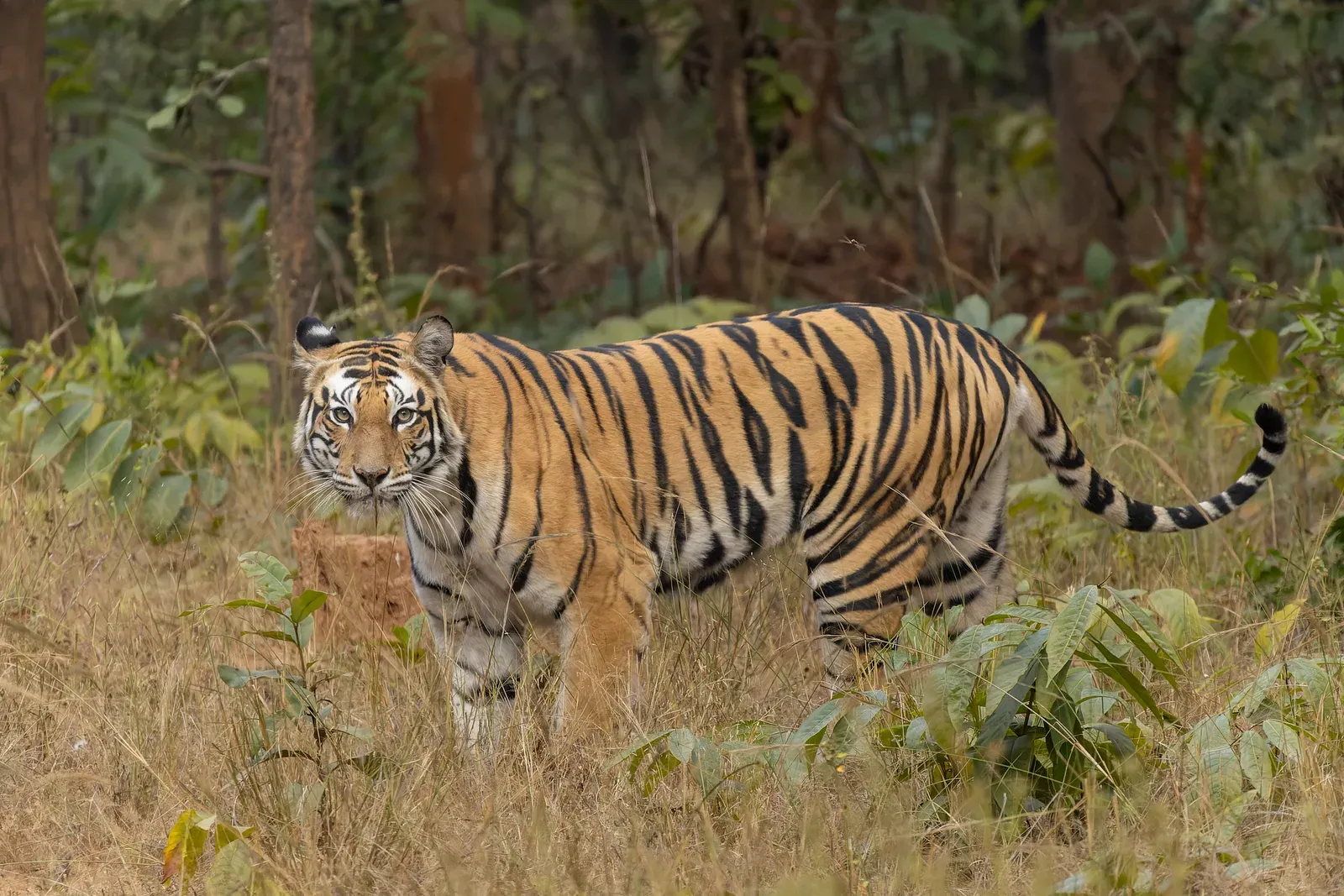
There's something almost humbling about an animal this powerful being this fragile. A creature capable of dropping a water buffalo with a single bite, of moving through a landscape essentially invisible thanks to a fingerprint of stripes, still depends entirely on habitat that keeps shrinking and human tolerance that isn't guaranteed. The tiger's biology is a masterclass in evolutionary engineering, but biology alone hasn't been enough to save it.
What strikes me most is how recent the recovery signs actually are. A species can spend a century sliding toward extinction and still turn a corner within a couple of decades if the right protections are enforced and actually funded. That's not a guarantee of a happy ending, Southeast Asia's tiger populations remain in real crisis even as India's numbers climb, but it's proof the trajectory isn't fixed. The tiger has survived by being nearly perfect at what it does. The least we can do is stop making that not enough.