7 Reasons Why The Jaguar Is The Terror Of The Amazon
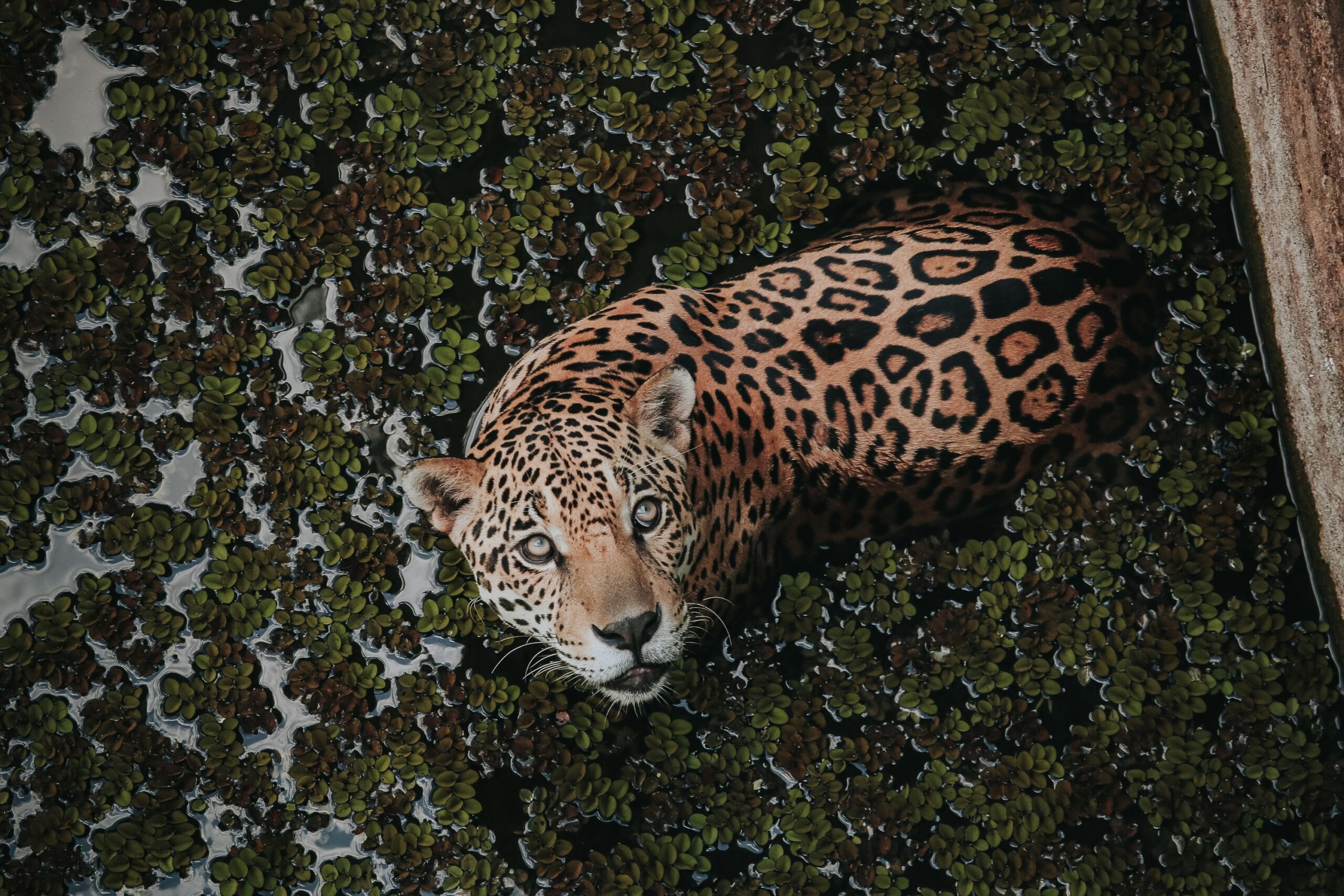
#1 A Bite Force Unmatched By Any Other Big Cat
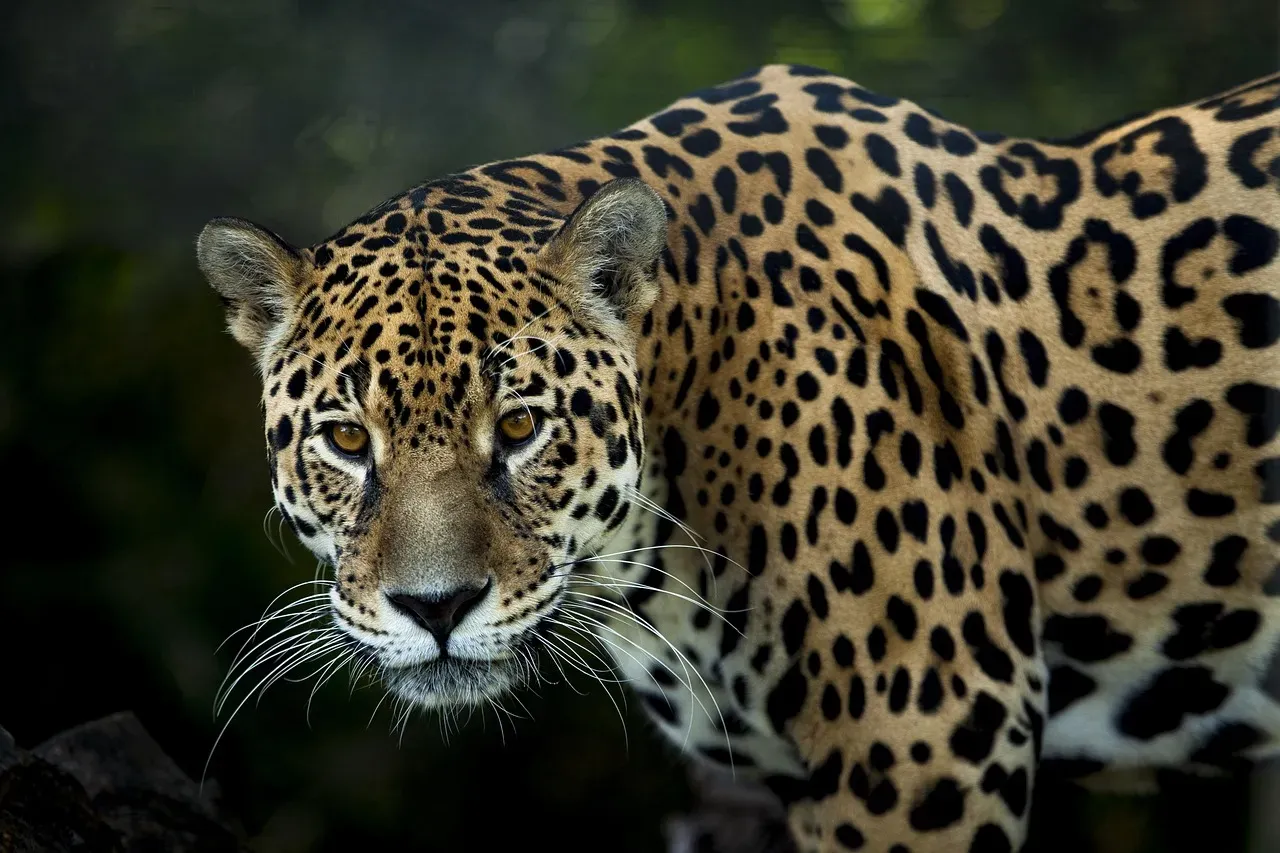
Numbers rarely tell the full story with predators, but this one is hard to ignore. The jaguar's bite force is truly extraordinary, measuring approximately 1,500 pounds per square inch, the highest bite force relative to body size of any big cat, with lions exerting about 1,000 psi and tigers around 1,050 psi. That gap matters because it changes what a jaguar is capable of killing in the first place.
While lions suffocate their prey and tigers typically attack the neck, jaguars have evolved a uniquely powerful bite that allows them to crush the skulls of their victims, penetrating directly into the brain, an adaptation that has made the jaguar one of the most efficient and feared predators in the Americas, capable of taking down prey much larger than itself with a single, devastating bite. Scientists measure this using something called the Bite Force Quotient, which weighs raw power against body mass rather than looking at brute numbers alone. On that scale the jaguar exhibits a BFQ of about 118.6, which is higher than that of the lion or the tiger, a metric that confirms pound for pound, the jaguar has the most powerful bite among all living cats.
#2 A Skull Built Like A Sledgehammer
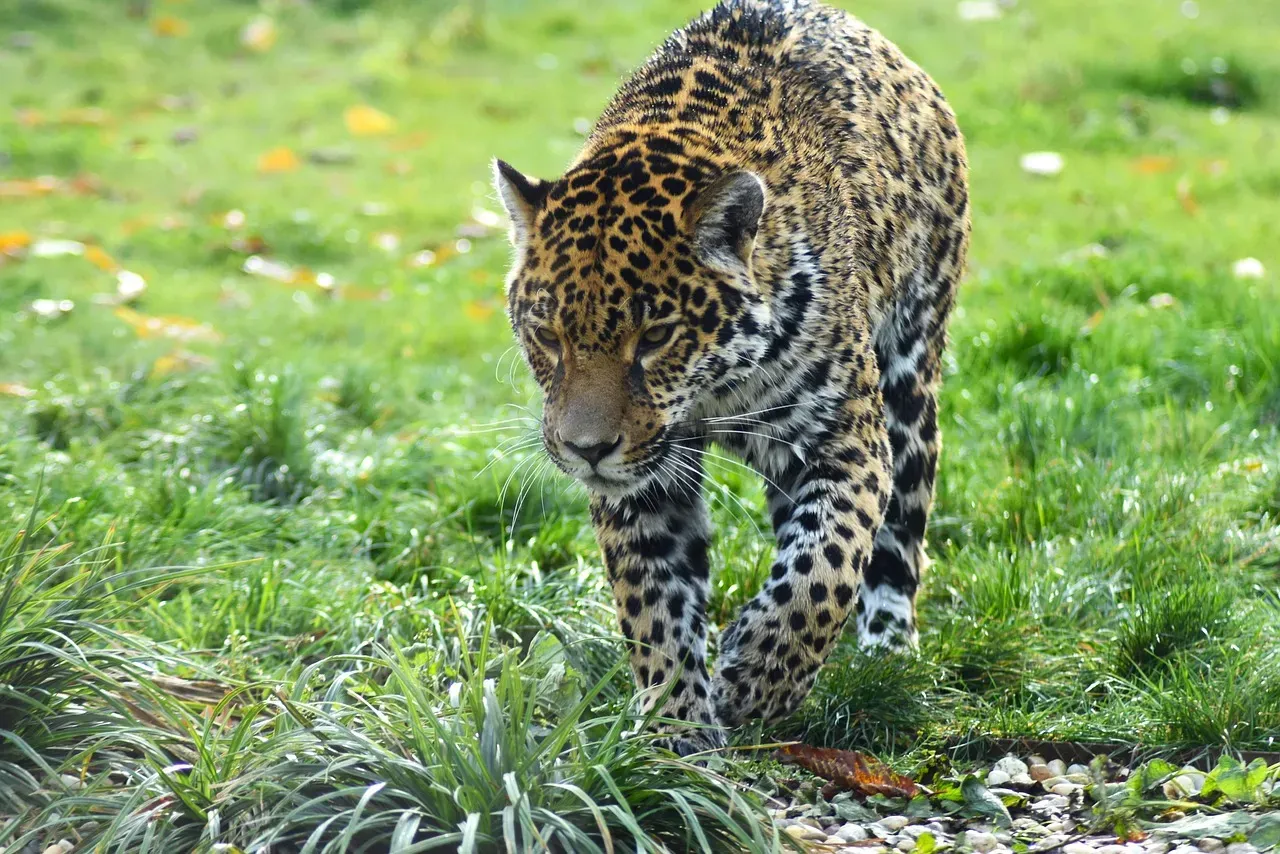
Power alone doesn't explain everything. The architecture behind that bite is just as important as the muscle driving it. Compared to other big cats of similar size, jaguars have exceptionally broad heads and powerful jaw muscles, their skull is shorter and wider, providing greater mechanical advantage when biting, and the temporal muscles, which power jaw closure, are particularly massive in jaguars, anchoring to a pronounced sagittal crest on top of the skull.
The teeth themselves are engineered differently from those of lions or tigers, too. Its canines are shorter and thicker than those of lions or tigers, less optimized for slashing, more for puncturing and holding. Even the jaw hinge is positioned to squeeze out extra leverage, since its mandibular condyle sits higher relative to the tooth row, increasing mechanical advantage. Every piece of this design points toward one purpose, delivering maximum crushing force in a single, close-range strike rather than a prolonged wrestling match.
#3 A Killing Technique No Other Cat Uses
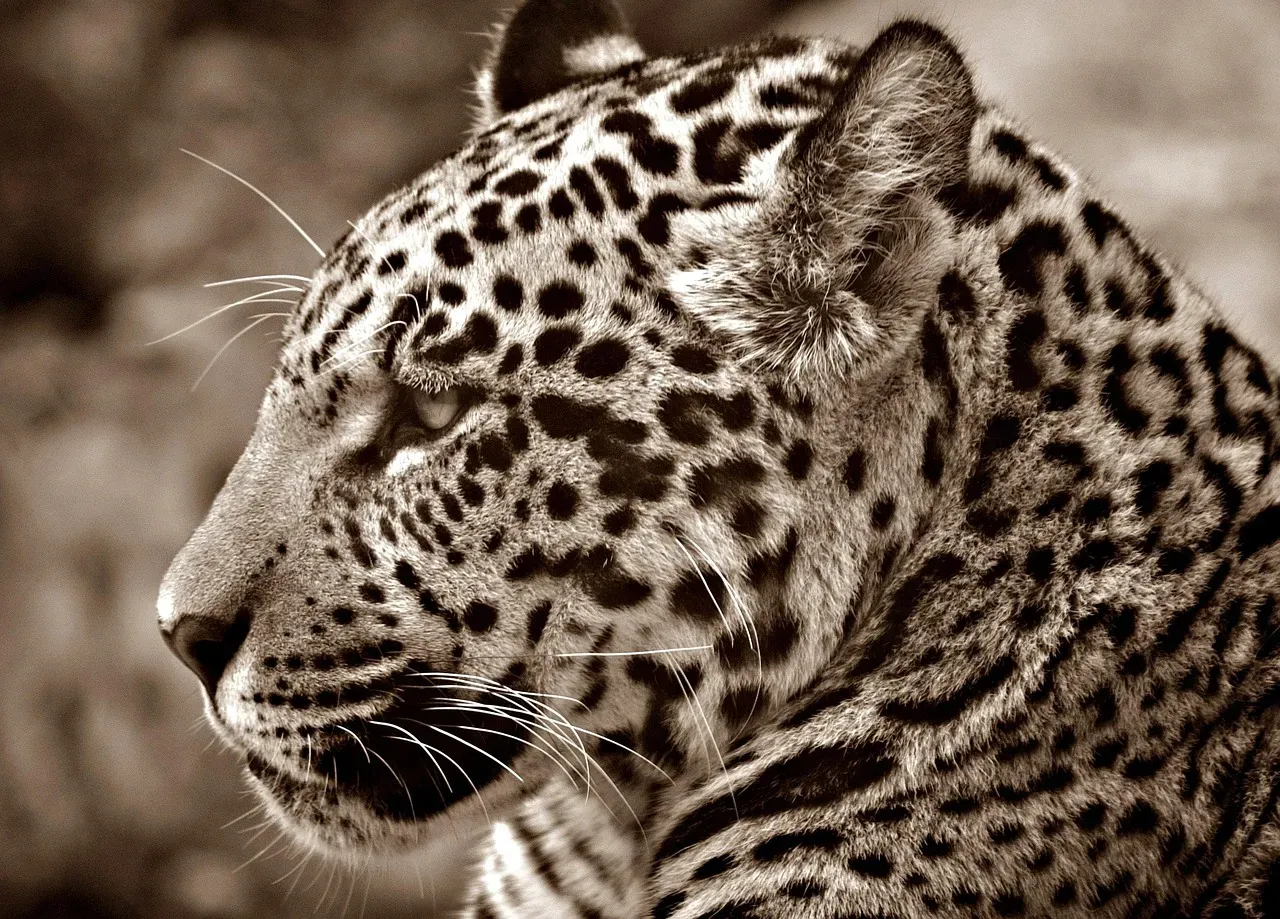
Most big cats aim for the throat and rely on suffocation, a method that takes time and leaves the predator exposed. Jaguars skip that step entirely. Jaguars hunt using a combination of stealth, raw power, and a signature killing technique found in no other big cat, crushing the skull of their target and driving canine teeth directly into the brain rather than suffocating prey with a throat bite like lions or leopards, an approach that reflects a predator built for explosive, close-range ambush rather than prolonged chases.
This isn't just a stylistic choice. It's a survival strategy shaped by dangerous prey. A suffocation bite can take several minutes and leaves the predator vulnerable to kicks, horns, or the arrival of other animals, while a direct brain strike ends the fight immediately. When your dinner has tusks, claws, or armored plating, ending things fast isn't a luxury, it's a necessity.
#4 An Apex Predator That Hunts Other Apex Predators
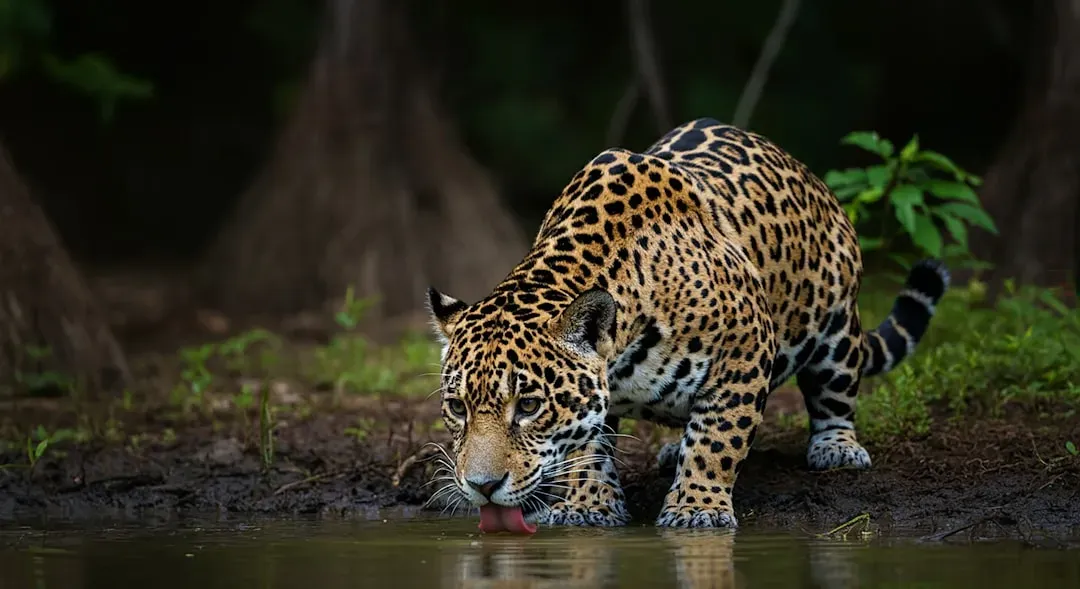
Perhaps nothing captures the jaguar's fearsome reputation better than its willingness to go after animals most creatures wouldn't dare approach. Caimans, the Amazon's own armored reptilian hunters, regularly end up on the menu. Jaguars are specifically adapted to hunt neotropical reptiles, and besides caimans, they have been recorded hunting very large crocodilians such as the Orinoco crocodile, as well as turtles, tortoises, and prey as large as boa constrictors and anacondas.
Watching this play out in the wild has genuinely stunned researchers and filmmakers alike. The caiman is an ancient crocodilian that grows to more than twelve feet long, its thick skin protected by an armor of bony plates, and for millions of years it had been the apex predator, then the hunter became the hunted. There's something almost poetic about a cat toppling a creature whose lineage predates the dinosaurs' extinction, and it says everything about where the jaguar sits in the food chain.
#5 A Surprisingly Gifted Swimmer
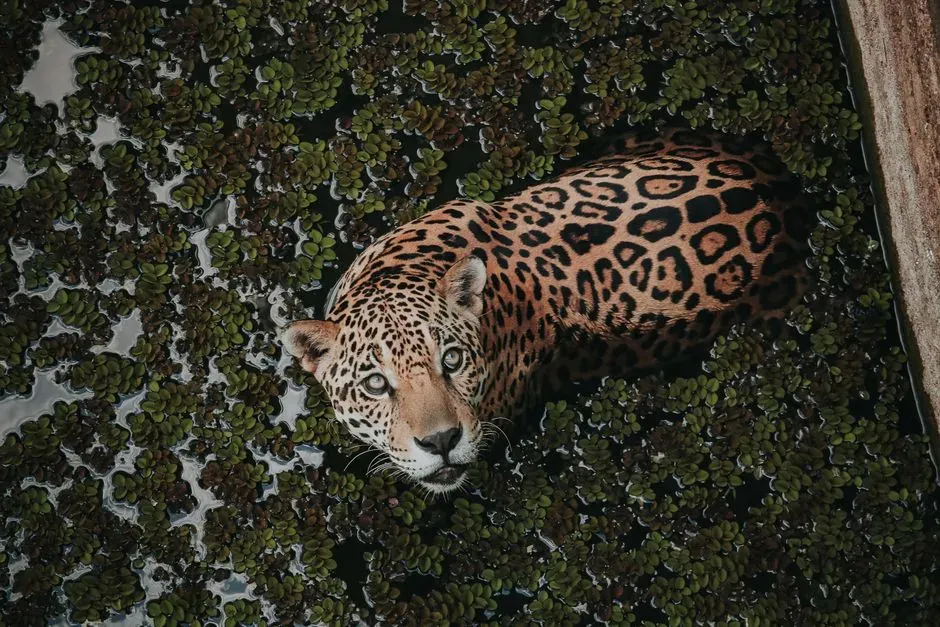
Most cats avoid water like it's an inconvenience. Jaguars treat it like home turf, and that difference alone opens up an entire category of prey unavailable to lions or tigers. Unlike many other big cats, jaguars are highly adept swimmers and comfortable in aquatic environments.
The numbers behind this ability are genuinely impressive for a land mammal. Jaguars have been known to paddle hundreds of yards, crossing open water to get to tropical islands, and in captivity, they can dive for more than thirty seconds, even consuming food while they're underwater. That comfort in the water lets them ambush prey from an angle most animals never see coming, whether that means slipping into a river to surprise a basking caiman or crossing a flooded stretch of forest that would stop a less capable predator cold.
#6 A Precision Hunting Strategy Honed For Ambush
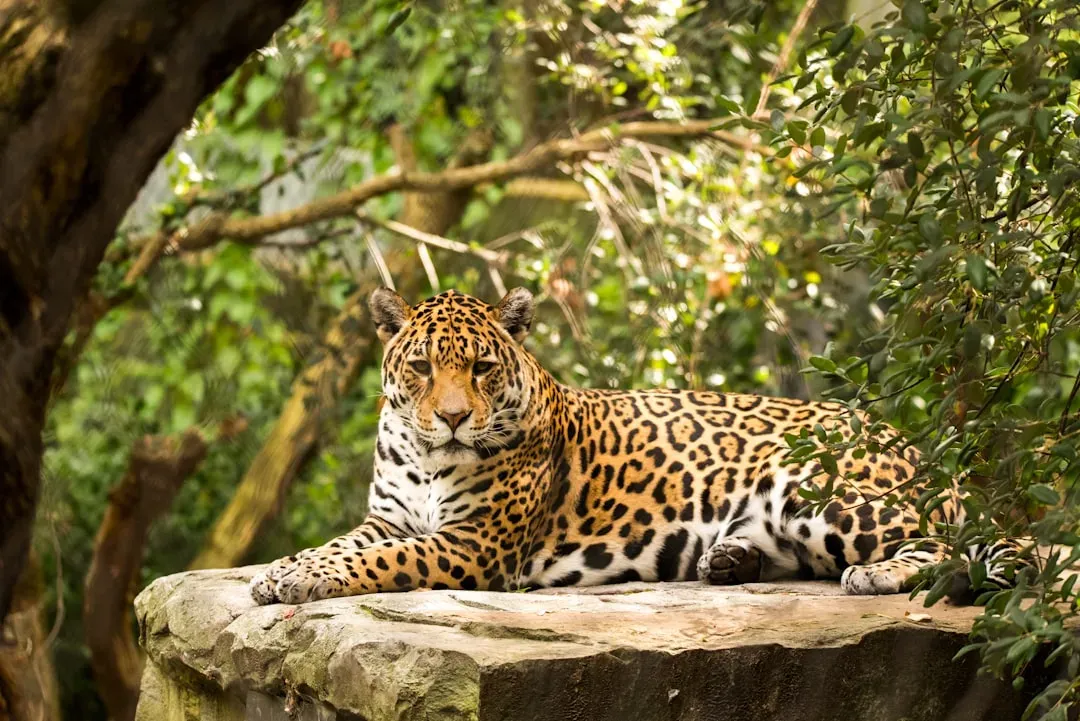
Speed isn't really the jaguar's game. Patience is. The approach is methodical rather than frantic, built around stealth and a single decisive moment. Jaguars employ precise and powerful hunting strategies when targeting caimans, using a stalk-and-ambush technique that relies on camouflage and stealth to approach undetected, waiting near riverbanks or directly entering the water, where their swimming prowess provides a distinct advantage, before moving through the water to surprise caimans basking on shores or swimming.
Once the moment arrives, there's no hesitation. The final strike is delivered with accuracy and force, as a jaguar leaps onto the caiman, delivering a fatal bite directly to the back of the neck or skull, a powerful bite that pierces the caiman's thick scales and skull, leading to immediate paralysis or death, and this technique minimizes the risk of injury to the jaguar. It's a strategy built entirely around minimizing risk to itself while maximizing lethality, which is really the hallmark of any predator that has survived at the top of its ecosystem for this long.
#7 A Diet Broad Enough To Dominate Every Corner Of Its Territory
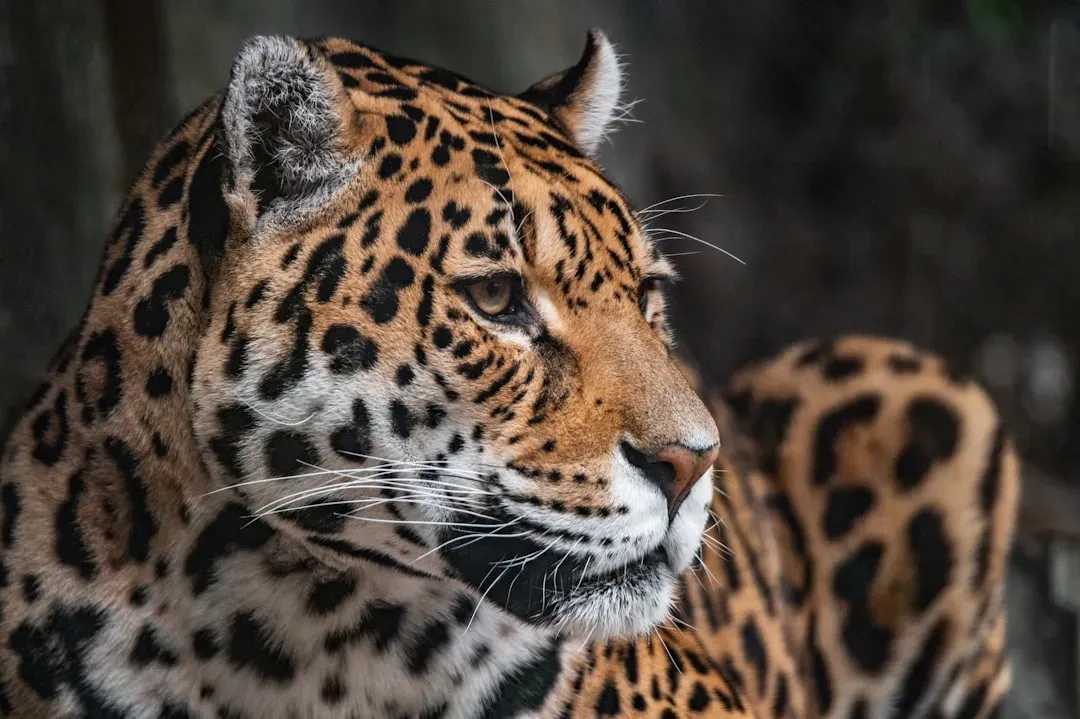
Specialists can be vulnerable when their preferred prey disappears. Jaguars sidestep that problem by eating almost anything worth eating. Jaguars are generalists with one of the most diverse diets of any big cat, with a prey list including over a dozen key species, though peccaries and deer make up the bulk of their caloric intake across most of their range, from the Amazon basin to Central American forests.
That flexibility is precisely what allows them to thrive in habitats where other predators would struggle. The jaguar's powerful bite opens up prey that other cats simply can't access, so they regularly eat caimans, river turtles, armadillos, and capybaras, and have been documented killing anacondas and livestock, a dietary flexibility that is a survival advantage since in areas where large mammals are scarce, jaguars can shift to reptiles and smaller prey without starving. Few predators anywhere can claim that kind of adaptability, and it's a big reason the jaguar remains the undisputed ruler of the Amazon's food web.
The Verdict On The Amazon's Reigning Predator
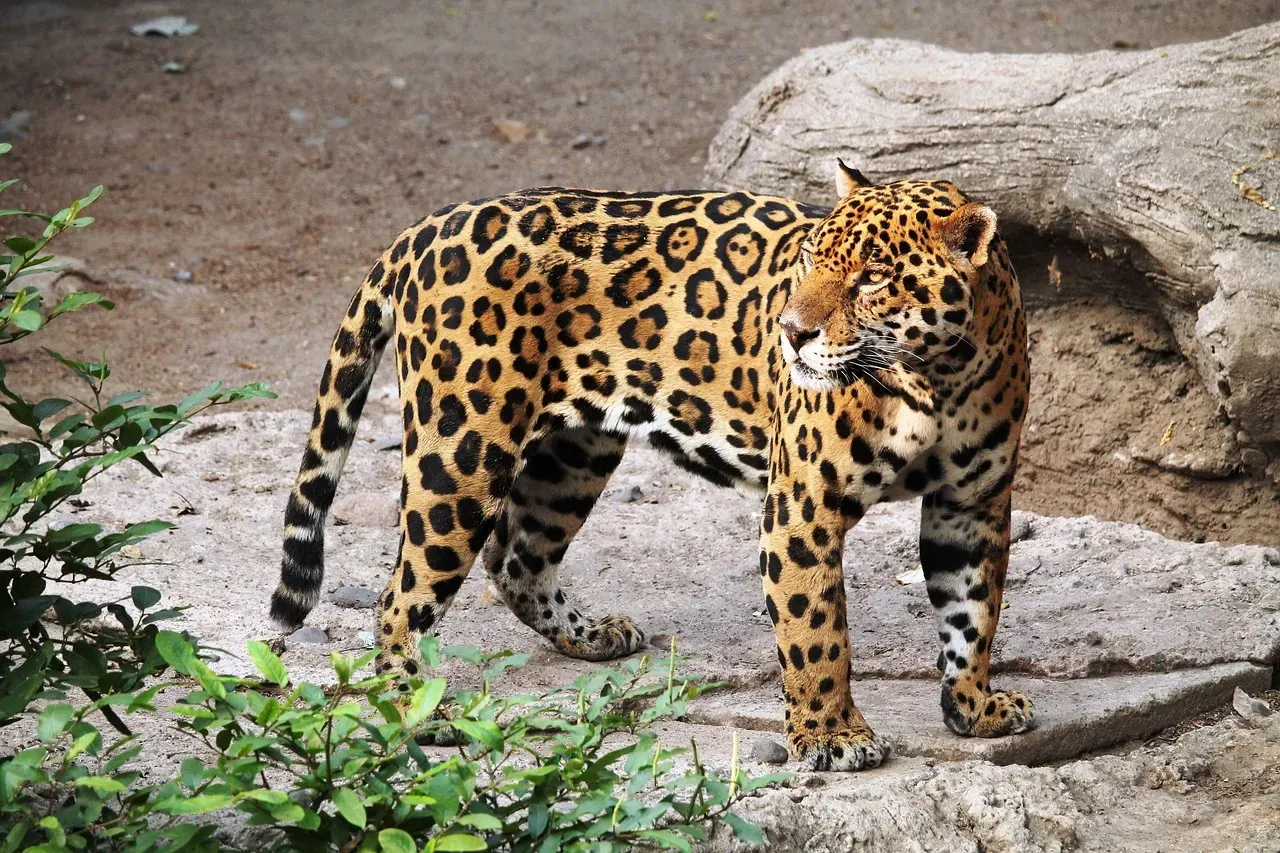
Put all seven of these traits together and it stops looking like coincidence and starts looking like design. Nature spent roughly two million years fine-tuning this animal into something that can crack a turtle shell, drop a crocodile-like reptile with one bite, and swim across a river without breaking stride. That's not a résumé many predators on Earth can match, and honestly, none of the Amazon's other big names, not the anaconda, not the caiman, come close to matching that combination of versatility and raw stopping power.
What strikes me most isn't just the strength, it's the efficiency. The jaguar doesn't waste energy on prolonged struggles or unnecessary risk. Every part of its anatomy, from the shortened skull to the reinforced canines, exists to end a fight in seconds rather than minutes. If the Amazon has a true final word on who's in charge, it's not the snake wrapped around a branch or the reptile lurking in the shallows. It's the cat that neither of them ever sees coming.