16 Silent Signals Your Cat Gives When It Wants You Closer
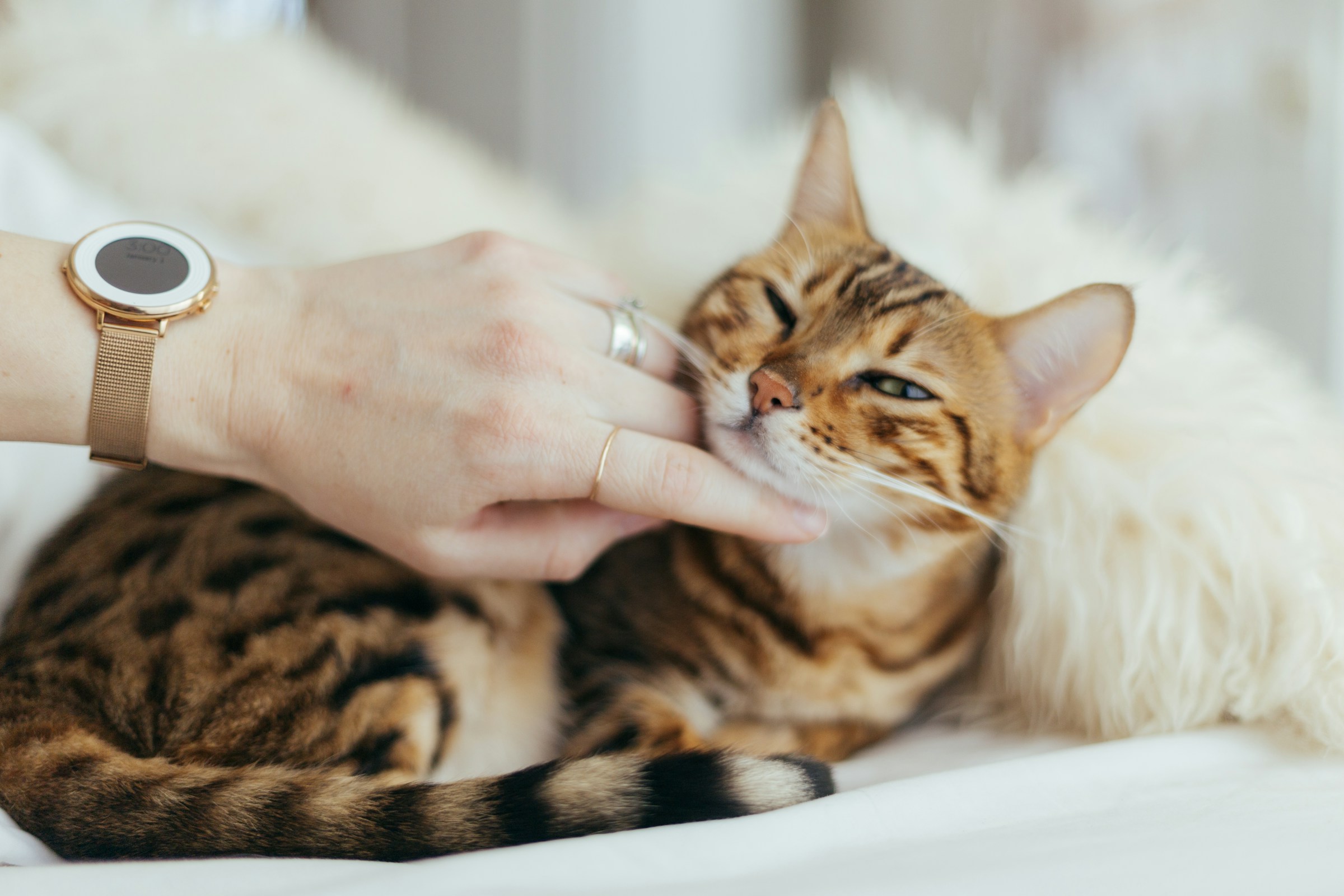
You just watched your cat glance at you, blink slowly, and settle down three feet away instead of jumping in your lap. Your brain probably filed that under "meh, whatever, cats are like that." Here's the uncomfortable truth: that exact moment was your cat asking to be closer to you, in a language you were never taught to read.
Most people assume a cat's coolness is just cats being cats. But behaviorists and university researchers have spent years decoding the tiny movements - a blink, a tail curl, a single paw tap - that cats use instead of the obvious, in-your-face affection dogs throw at us. Once you learn the pattern, you can't unsee it. By the time you hit #16, you'll probably realize your "standoffish" cat has been quietly asking for your attention for years.
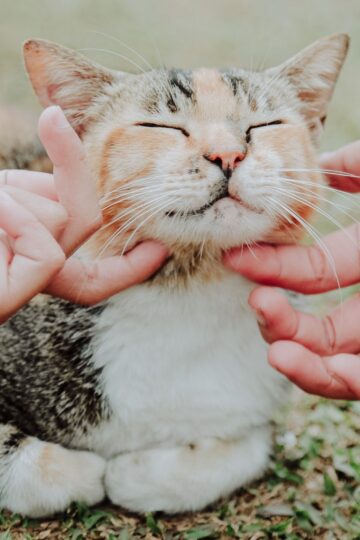
#1 - The Slow Blink Isn't Random. It's a Cat Saying "I Trust You."
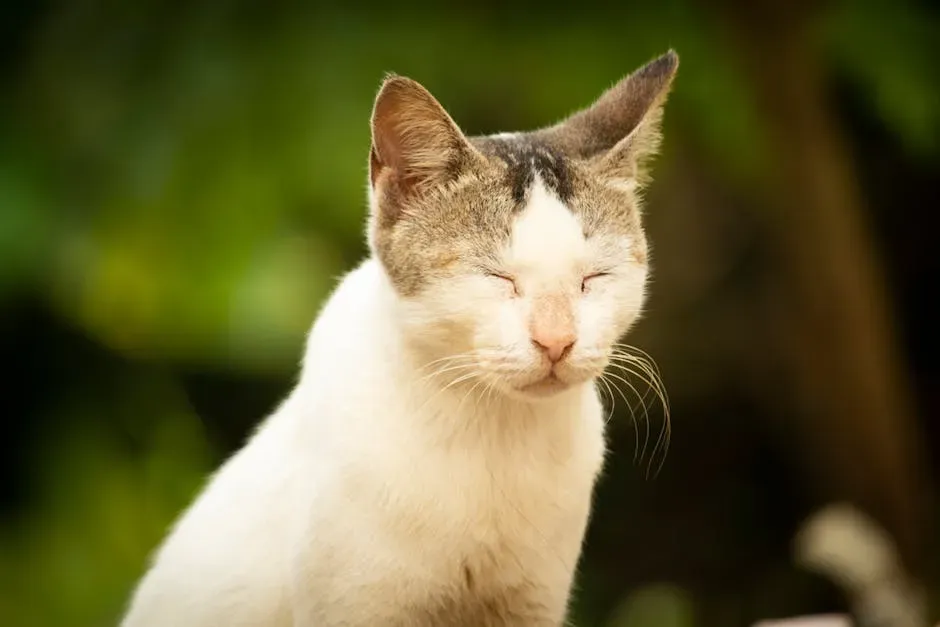
Most people think a sleepy-looking cat is just tired. Turns out, that slow eye-narrowing sequence is one of the most scientifically validated affection signals a cat can give a human.
Researchers at the University of Sussex ran controlled experiments and found something remarkable: cats narrowed their eyes more often in response to a human's slow blink, and were more likely to approach that person afterward than after a neutral expression. This isn't folklore - it's published behavioral science.
The reason it works is rooted in vulnerability. In the wild, closing your eyes near another creature is basically disarming yourself - it blocks your ability to spot danger. A cat that slow-blinks at you is doing exactly that, on purpose, aimed at you. Vets describe these blinks as "cat kisses," a small, deliberate signal of trust and calm.
You can start the exchange yourself. Narrow your eyes like you're mid-smile, hold it, then close them slowly for a beat or two. Cats often blink right back - and once that back-and-forth starts, you've entered a conversation your cat has been trying to have with you the whole time.
#2 - Head Bunting Is a Scent-Marked Invitation, Not Just a Bonk
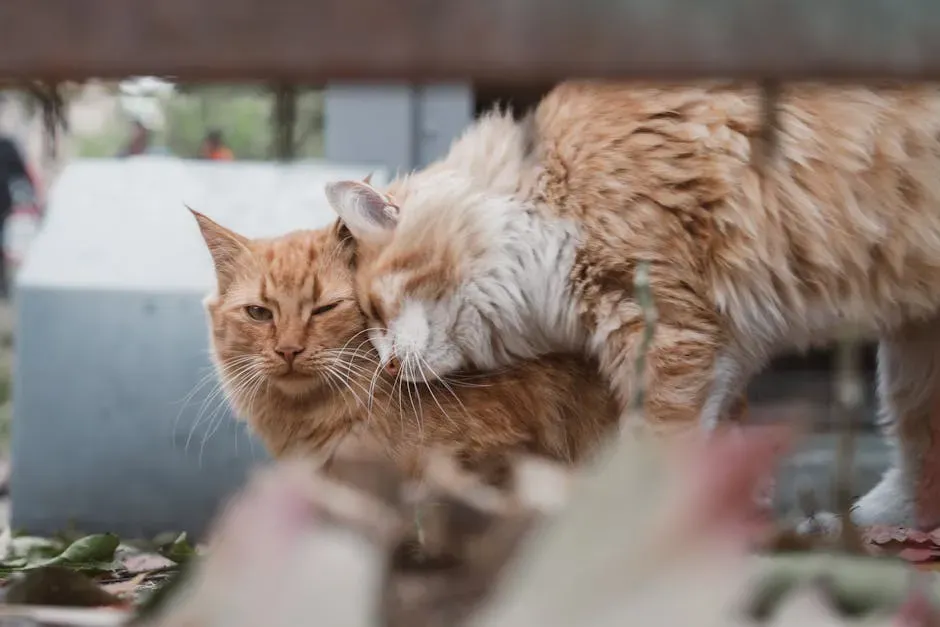
A cat pressing its skull into your shin or forehead isn't clumsy affection - it's a deliberate biological handshake. Most owners never realize their cat is essentially claiming them the moment it happens.
Headbutting, or "bunting," is one of the clearest ways cats show love, greet family, and mark territory - all at once. It isn't sentimental, it's chemical. Cats carry scent glands on their face specifically for this kind of contact, and every headbutt leaves a little of that scent behind.
Cats have nine scent glands scattered across the body, with some of the strongest concentrated on the face, tail, paws, and base of the tail. When your cat rubs its cheek against your leg, it's broadcasting a message to every other animal in the house: this human belongs to me.
Fast Facts
- Facial scent glands sit on the cheeks, chin, forehead, and around the lips.
- Cheek marking deposits a calming pheromone, different from the alarm scent released by scratching.
- Bunted objects often get re-marked repeatedly because the scent fades within hours.
- The same glands power the head bunt, the ankle rub, and the doorframe cheek swipe.
That's a bigger compliment than most people give it credit for. And it's only the warm-up act compared to what your cat does next when it starts kneading you.
#3 - Kneading Isn't a Kitten Habit They "Forgot" to Outgrow
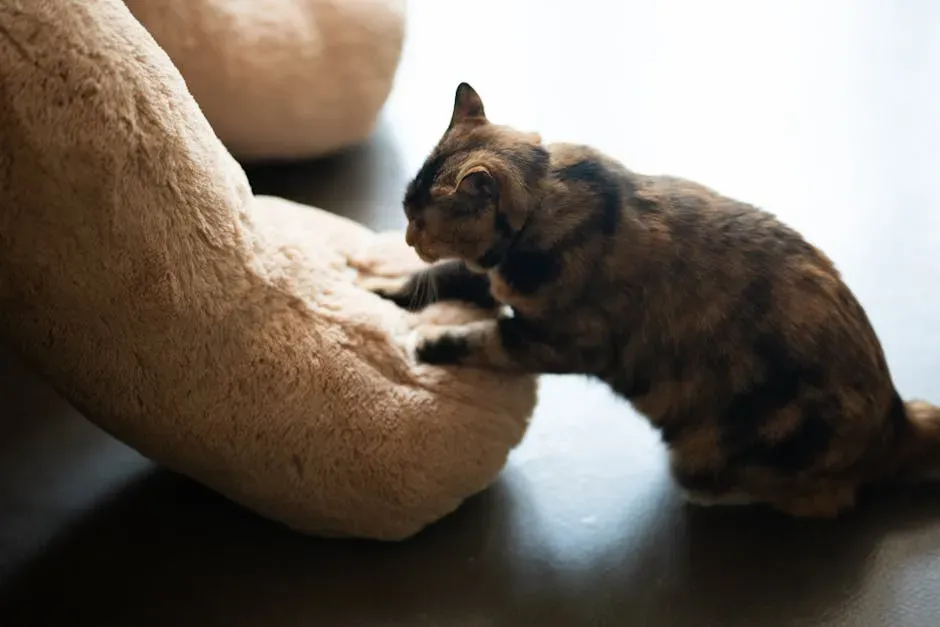
Almost every cat owner has felt tiny paws pressing rhythmically into their lap and assumed it's just a leftover quirk. The truth is more emotionally loaded than that.
Kneading traces back to kittenhood, when kittens press against their mother's belly to help milk flow. When an adult cat does it on you, it's slipping back into the safest, most comforted state it has ever known - not out of habit, but on purpose.
Veterinary behaviorists point out that cats knead specifically when they feel content, adored, and relaxed. It rarely shows up alone, either - kneading paired with purring and a fixed, soft stare is a full stack of trust signals fired at once, not a coincidence.
Think about what that means: your cat is voluntarily replaying its most vulnerable newborn memory, using you as the safe surface. Few gestures say "I trust you completely" more literally than that.
#4 - A Tail Held High With a Curved Tip Is a Deliberate Greeting
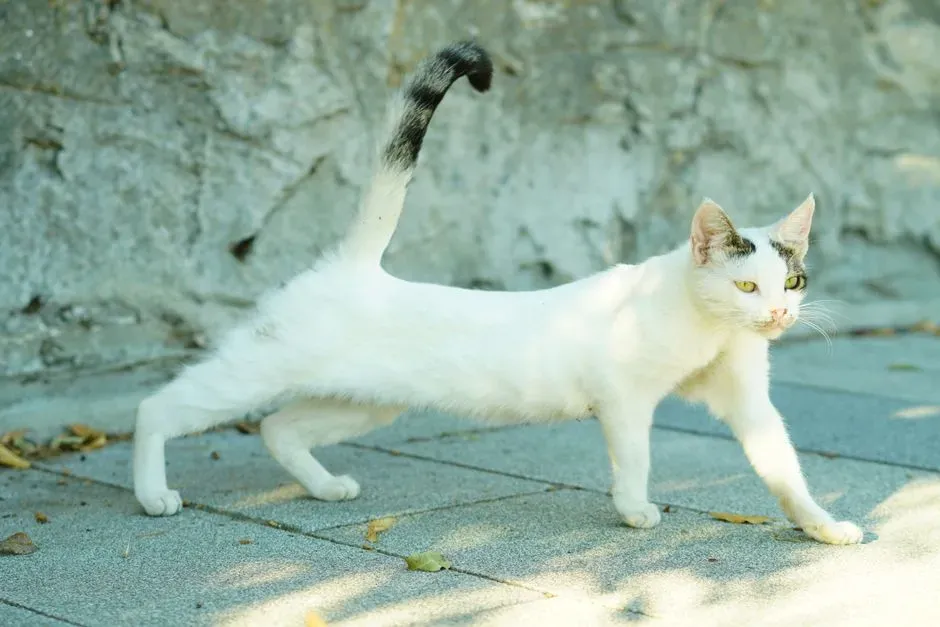
Forget guessing games - cats have one body part that works almost like a mood meter, and most owners never bother to check it. The tail is quietly the most honest thing about your cat.
A cat's tail is the most expressive part of its body language. Held straight up while walking toward you, it's an unmistakable greeting - happy to see you, approaching on friendly terms, no ambiguity involved.
Add a slight curl or hook at the tip, and the message gets warmer. Cats showing genuine affection will often circle you in loose figure eights, tail high, tip curved, sometimes brushing against your legs on every pass.
A stiff, straight tail means friendly. A curved tip walking directly at you is your cat's version of running to the door to greet you - and it's one of the easiest signals to spot if you just glance down.
#5 - Room-to-Room Shadowing Means You've Become Their Safety Base
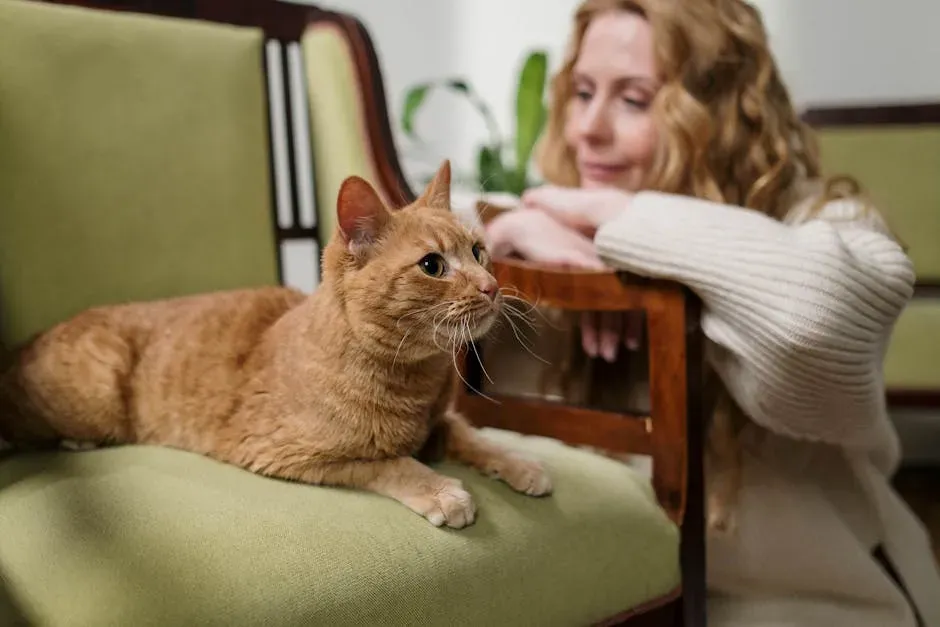
Cats that trail you from the kitchen to the bathroom to the bedroom aren't being nosy. They've quietly made you their territory anchor - and most owners misread it as annoying instead of flattering.
Dogs follow out of instinct and obedience; cats don't work that way. When a cat chooses to shadow one specific person around the house, it's picking proximity over independence, which runs against everything people assume about feline aloofness.
This pattern shows up strongest in cats with deep trust bonds - the kind built from repeated positive experiences and simple time spent together. It's less about needing you and more about choosing you, room after room.
Here's the part worth arguing about: plenty of owners shoo their cat away mid-shadow, assuming it's needy behavior. That's backwards. Shadowing is a quiet request for closeness, and shutting it down over and over can chip away at the very trust that built it.
#6 - Sitting Just Out of Arm's Reach Is Still a Closeness Signal
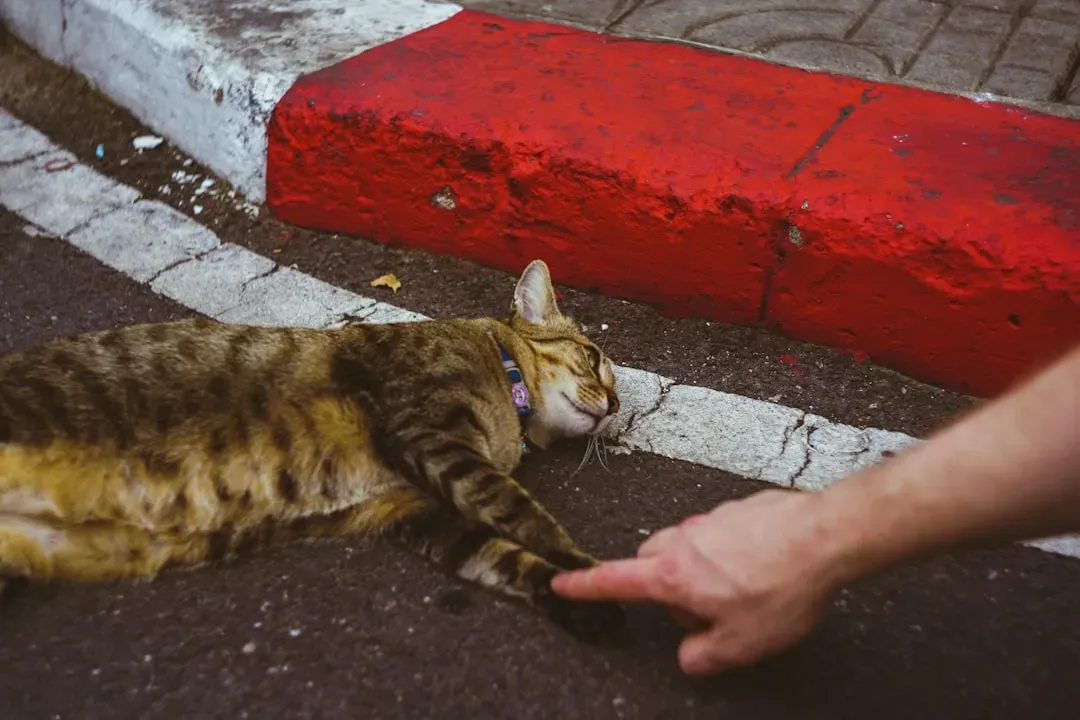
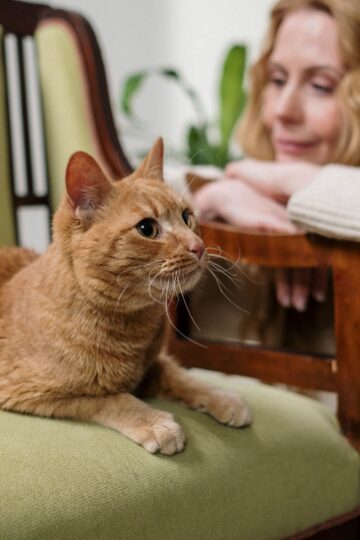
Here's something that trips up almost every cat owner: a cat sitting three feet away, not on your lap, reads like disinterest. It's actually a calculated compromise between independence and connection.
Cats calculate distance the way dogs rarely do - based on comfort, not obligation. A cat parked just outside touching distance, facing you, ears relaxed, tail loosely curled, picked that exact spot on purpose. It wants your presence without full contact.
Let your cat set the terms here. Some cats tolerate cuddling without actually enjoying it, and forcing full-contact affection on a cat that prefers "near but not touching" can push it further away over time.
Respecting that middle-distance choice, oddly enough, tends to earn more trust long-term than insisting on lap time ever will.
#7 - Chirps and Trills Are a Vocabulary Reserved Almost Exclusively for Humans
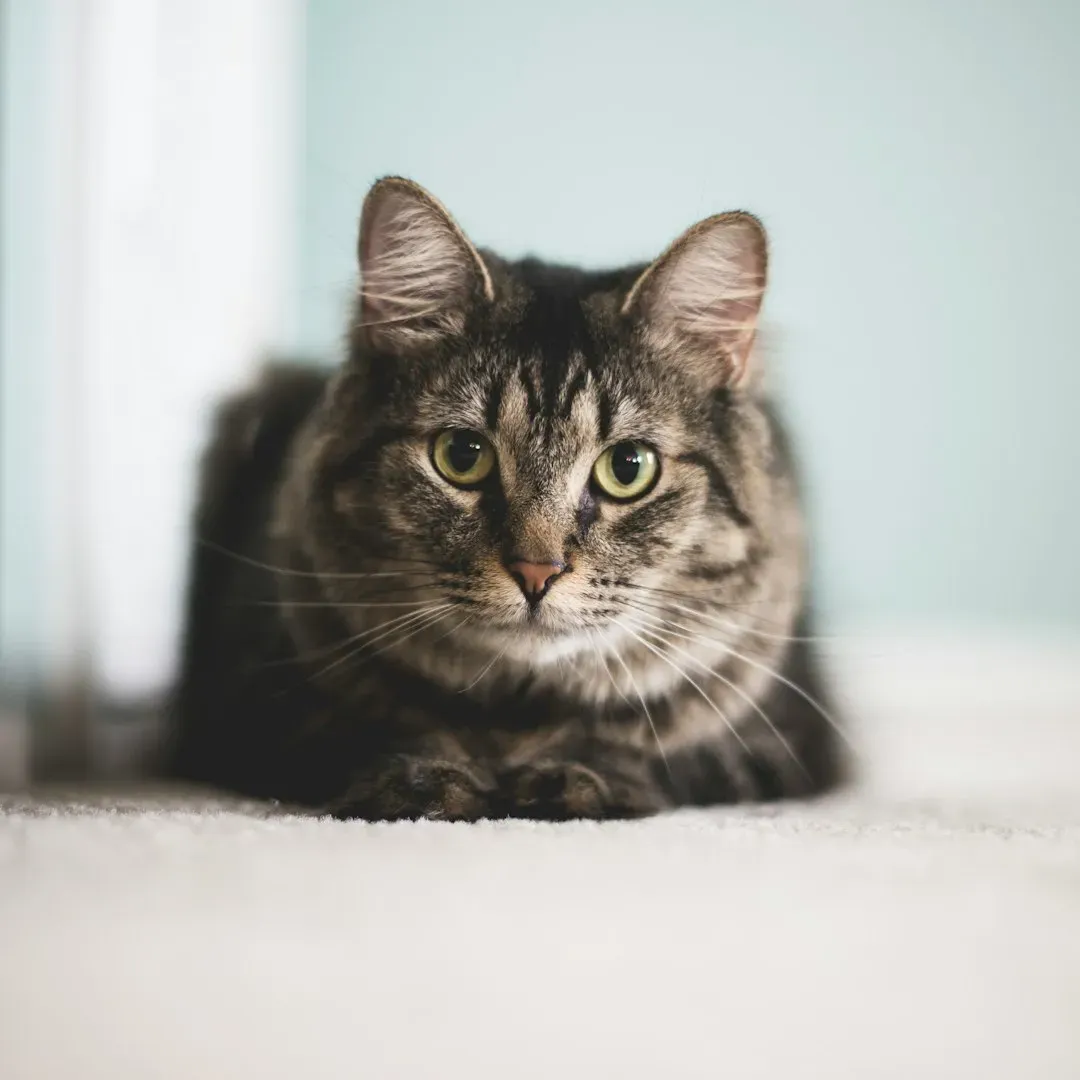
Most people lump every cat sound into one bucket labeled "meowing." That flattens a surprisingly rich vocabulary your cat may have built specifically for you.
In the wild, cats mostly rely on body language and scent, not vocal sounds, to communicate with each other. Domestic cats adapted their vocal behavior specifically for humans, learning that meowing - and its variations - gets a reaction.
Chirps and trills sit near the top of that human-directed vocabulary. A trill, essentially a high-pitched purr layered with a meow, is a friendly greeting sound cats rarely waste on anything but people they like.
Research on cat-human interaction backs this up: cats increase eye contact and vocalization specifically around humans, far more than they do with other cats. A chirp instead of a flat meow means your cat built a dialect just for you.
#8 - A Slow, Deliberate Tail Sway While Watching You Signals Focused Affection
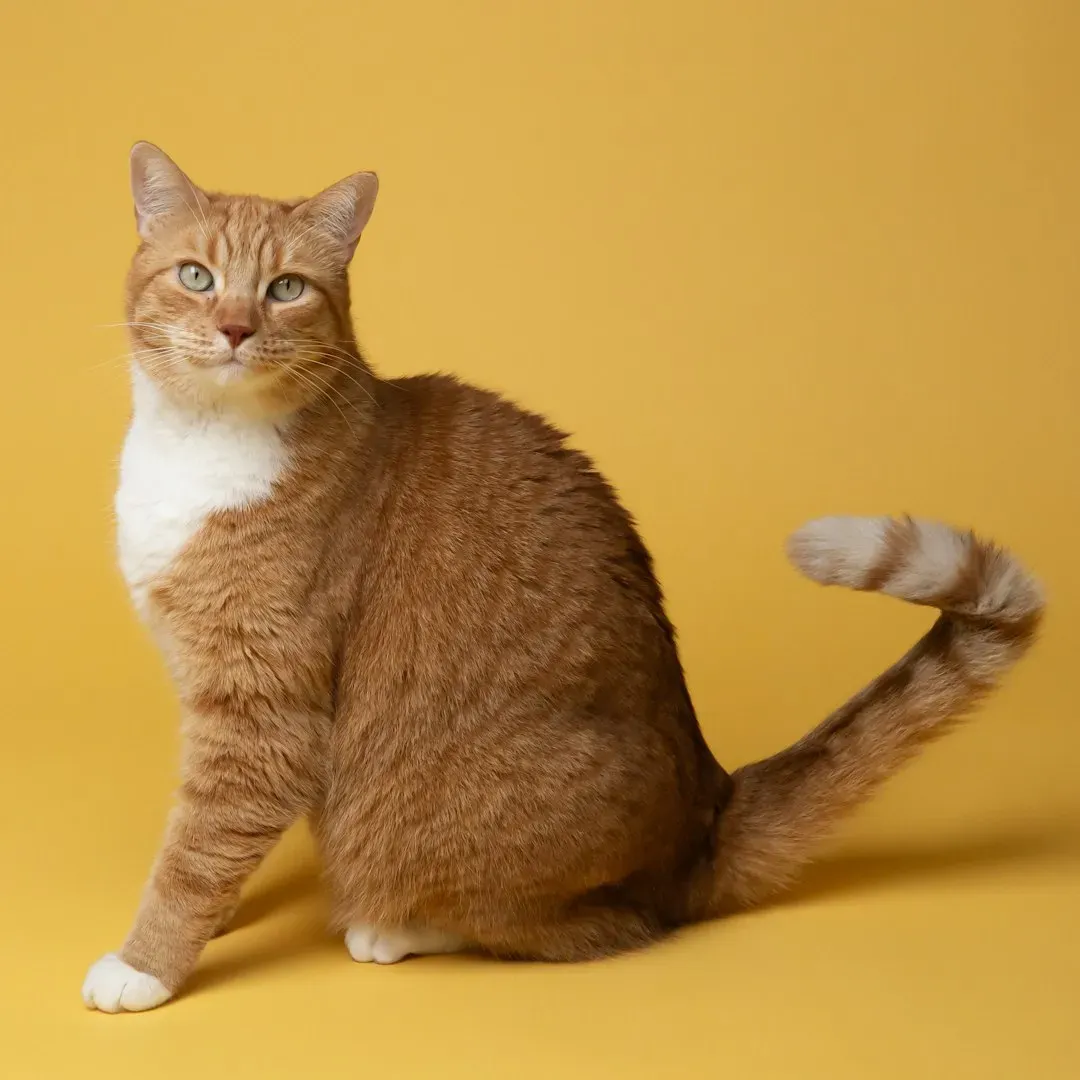
Context changes everything with tail movement, and this is where most owners get confused. The same muscle group can mean either "back off" or "I'm locked onto you," depending entirely on speed.
A slow, wide swish usually shows up when a cat is intently focused on something - a toy, a bug, movement outside a window - right before it pounces. But that same slow sway, aimed at you during a quiet moment with no obvious prey around, reads differently.
Quick Compare
- Fast, tight flick: irritation, overstimulation, or hunting focus
- Slow, wide sway toward you: calm fixation, often aimed at a favorite person
- Puffed or thrashing tail: fear or aggression - give space
- Tail wrapped around your arm or leg: a feline version of holding hands
Speed is the tell. A fast, tight flick usually means irritation or hunting focus. A wide, unhurried sway paired with soft eyes and forward-facing ears, aimed squarely at you, is a fixation signal - your cat's predator brain, redirected entirely onto your presence.
It's subtle, but once you clock the difference between an annoyed flick and an affectionate sway, you'll never confuse the two again.
#9 - Belly Exposure Isn't Always a Petting Invitation - But It's Still About You
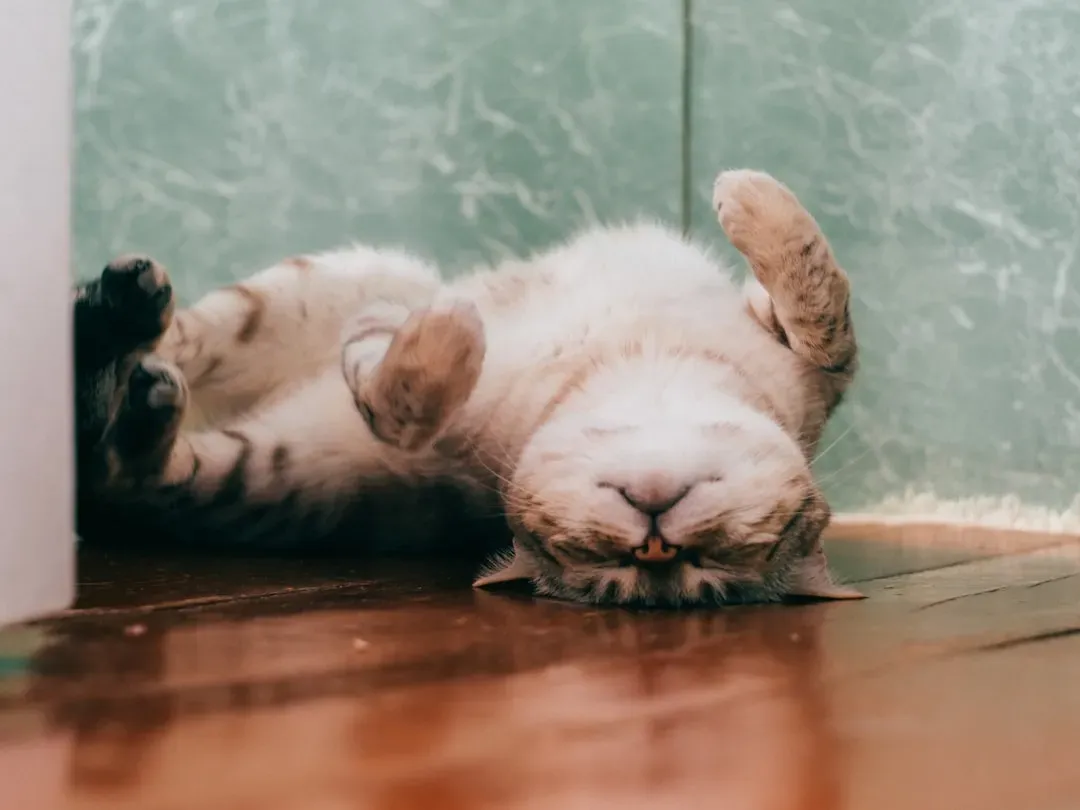
The exposed-belly pose might be the most misread affection signal in the entire feline vocabulary. Most owners either ignore it or dive straight in for a rub - both responses miss the point.
The belly is a vulnerability zone, plain and simple. If a cat exposes it around you and lets you get close, that alone is a trust signal, whether or not it actually wants to be touched there.
Here's the controversial part: plenty of owners treat a belly-up cat as an automatic green light for petting, and that habit quietly damages trust over time. The rollover is often a display, not an invitation - a way of showing comfort, not requesting contact.
Read the rest of the body first. Relaxed ears and slow blinks alongside the rollover suggest touch is welcome; tense muscles and a stiff tail suggest you should just admire the trust from a distance.
#10 - Gentle Paw Taps Are a Cat's Quiet Alternative to Shouting
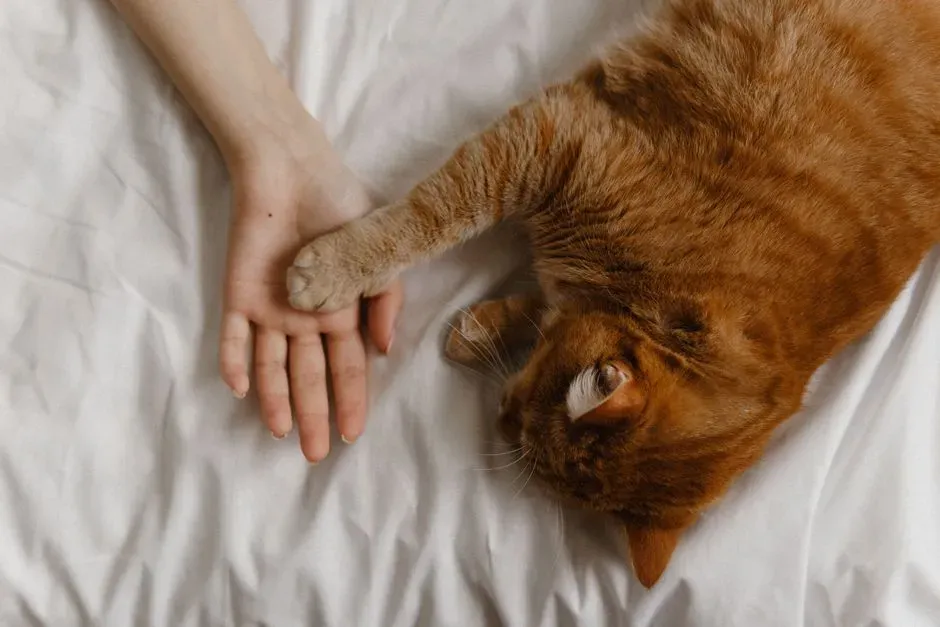
Cats that tap you softly with a single paw, claws tucked away, aren't testing your reflexes. They've built a quiet communication shortcut because meowing doesn't always get results fast enough.
A gentle paw tap aimed at your hand, arm, or face during a calm moment is a direct request for attention - fundamentally different from a swat, which serves the opposite purpose entirely.
This behavior tends to show up most in cats with strong existing bonds, since reaching out physically requires more trust than simply meowing from across the room.
There's a pattern behind the timing, too: cats that have learned tapping works usually escalate to it only after eye contact and a quiet meow have already been ignored. By the time the paw comes out, your cat has already tried twice.
#11 - Grooming You Is the Same Ritual Cats Reserve for Trusted Group Members
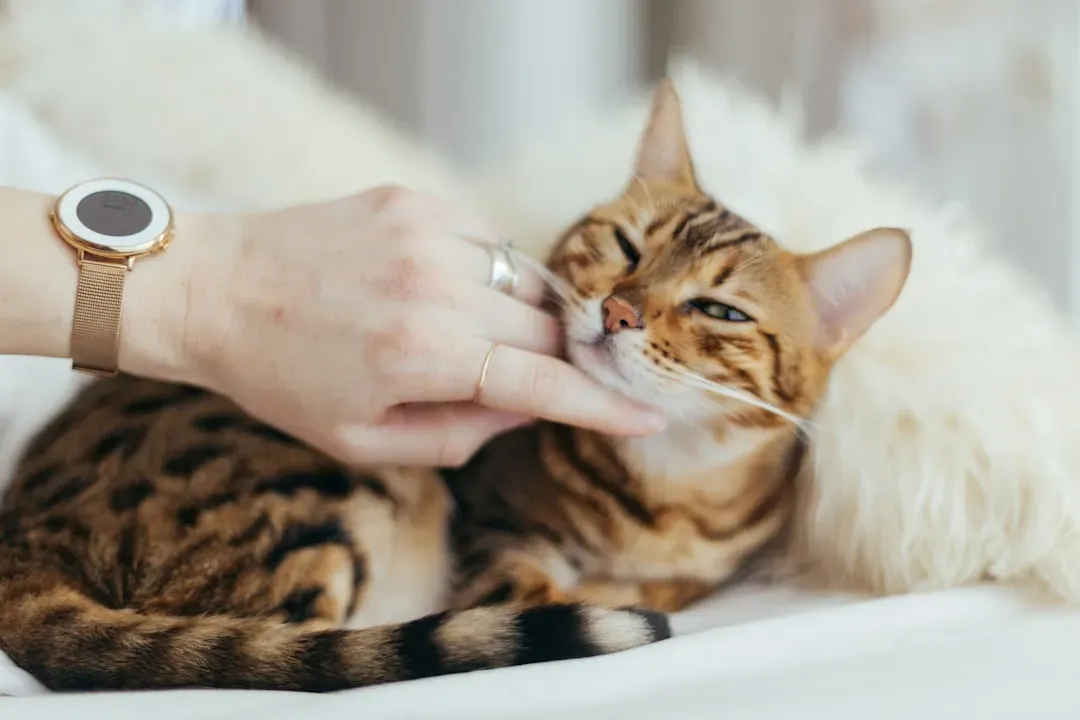
Few signals carry as much weight as a cat licking your hand or hair. This isn't hygiene behavior gone rogue - it's a ritual normally reserved for cats within the same trusted social group.
Allogrooming, as behaviorists call it, reinforces bonds between cats that consider each other close companions. When a cat extends that same ritual to a human, it's placing that person inside its inner circle instead of treating them as staff.
Worth Knowing
- Allogrooming most often targets the head, neck, and ears - spots a cat can't easily reach solo.
- Cats that groom each other regularly tend to rest touching one another afterward, reinforcing the bond.
- Mutual grooming can also ease minor tension between cats sharing a household.
- A cat licking your hair or hands mirrors that same head-and-neck focus.
What makes this signal stand out is the effort behind it. A slow blink costs nothing. A headbutt takes a second. Grooming requires sustained closeness and repeated action - a cat simply won't do this for someone it wants distance from.
If your cat has ever licked your hand unprompted, mid-nap, for no obvious reason, that's a bond marker most owners scroll right past without realizing what they just witnessed.
#12 - Sleeping Near You (Not On You) Still Counts as a Closeness Choice
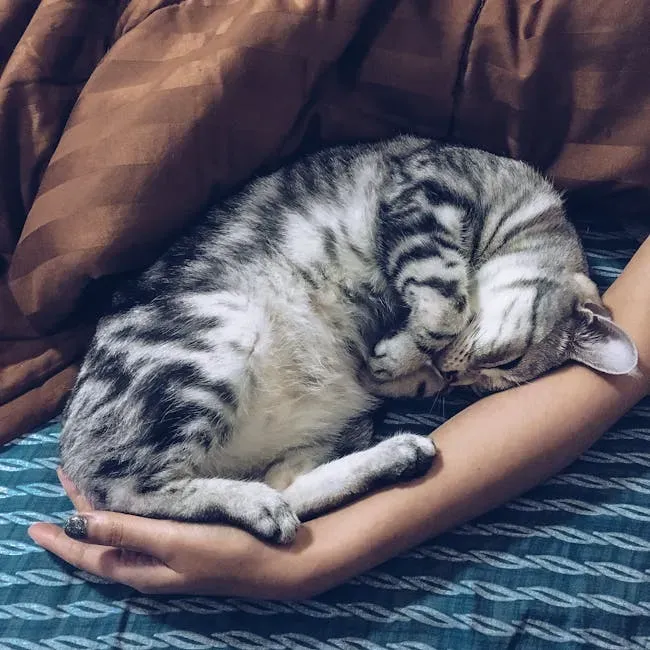
Owners often feel snubbed when their cat picks the armrest instead of their lap during naptime. That's a misreading - proximity sleeping is its own affection category, separate from full-contact cuddling entirely.
Cats are more vulnerable during sleep than at almost any other point in the day, which makes location choice genuinely meaningful. Choosing to sleep within a few feet of one specific person, night after night, over every other available spot in the house, is a calculated safety decision.
It ties back to the same trust foundation behind every signal on this list - built from early experiences and reinforced by time spent together.
Here's a slightly controversial take: full-contact lap sleeping gets treated online as the "gold standard" of cat affection, but plenty of behaviorists would argue that a cat choosing to sleep nearby, on its own terms, night after night, is just as strong a signal - sometimes stronger - than occasional lap time.
#13 - "Gift" Bringing Is a Provisioning Instinct Redirected at You
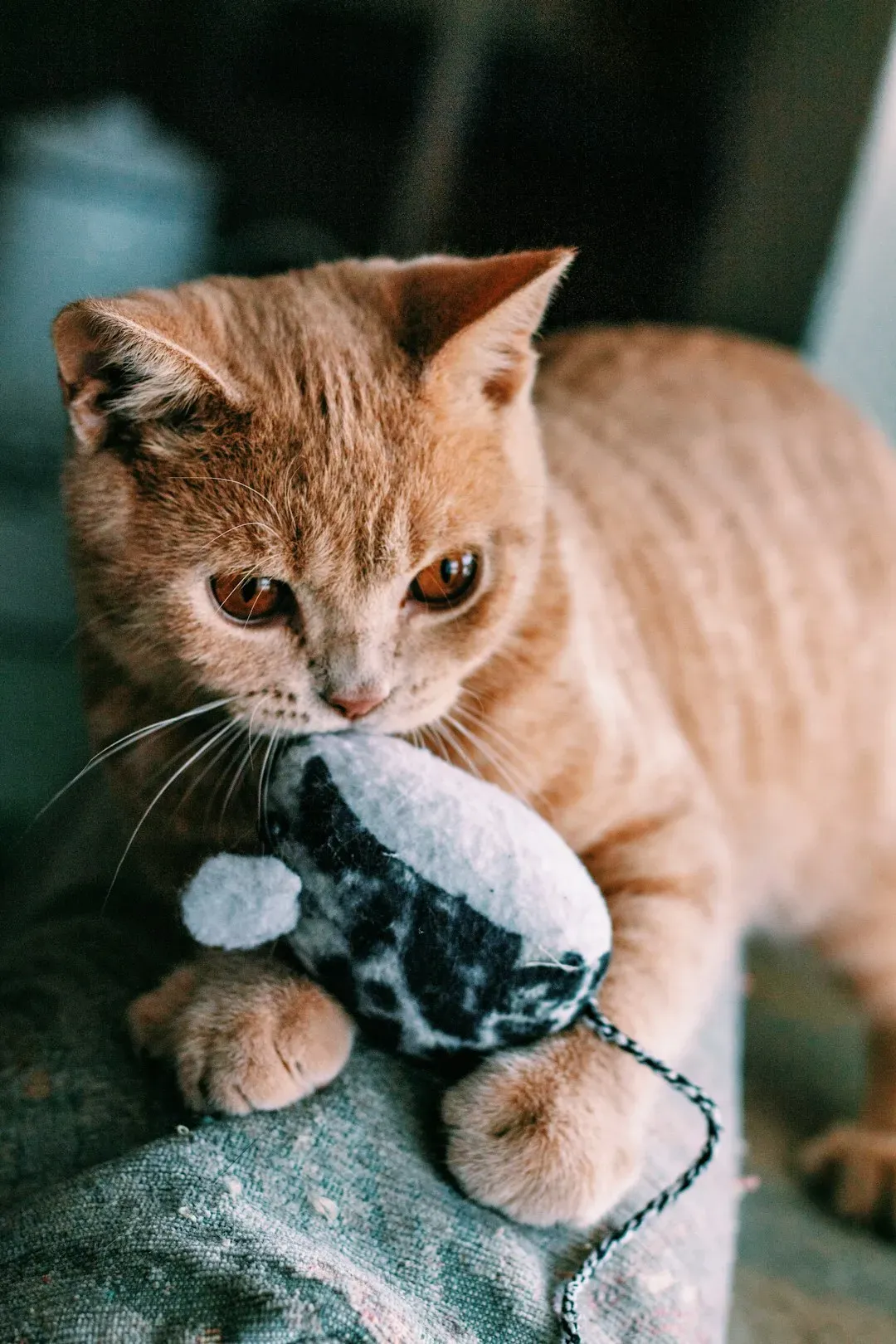
A dead bug or a random sock dropped at your feet isn't a mess to apologize for. It's one of the clearest signals that your cat has mentally filed you under "someone worth providing for."
This behavior draws directly on hunting and provisioning instincts that mother cats use with kittens, redirected toward humans a cat considers part of its social unit. It's the same wiring behind crouching, wiggling, and pouncing during play - just aimed at delivery instead of entertainment.
When that hunting drive gets pointed toward bringing something to you specifically, rather than just playing with it alone, the behavior shifts from personal enjoyment to a social offering.
Most people react with disgust or nervous laughter. Few realize they're witnessing a provisioning display that many wild cat species reserve exclusively for close kin.
#14 - Sitting on Your Laptop or Paperwork Is a Targeted Bid for Attention
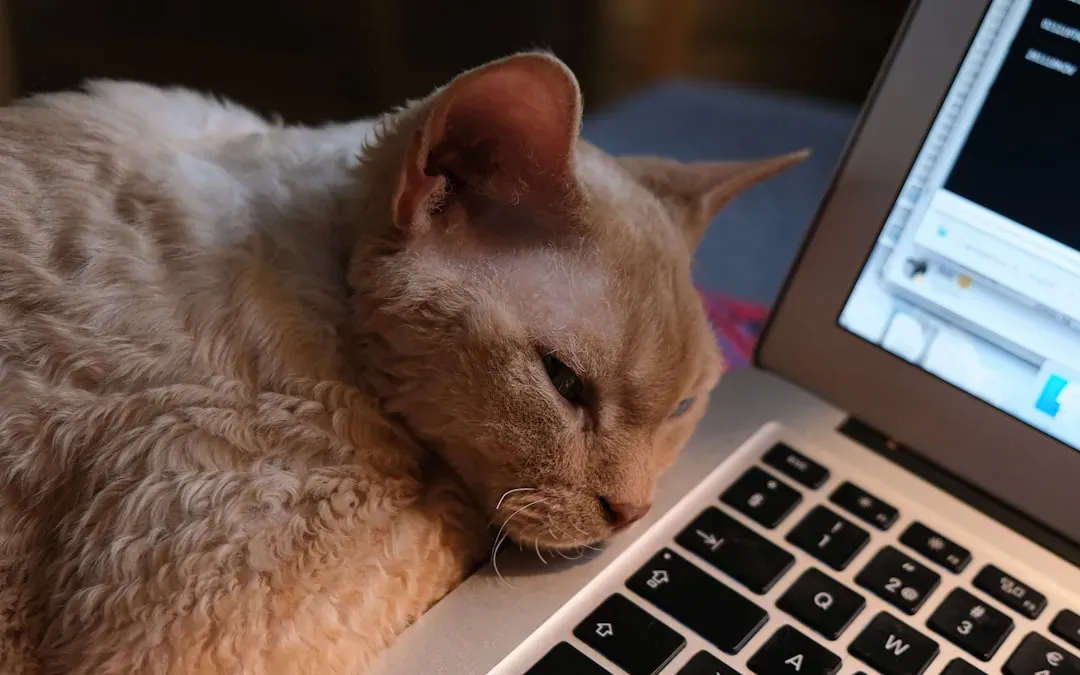
It feels like sabotage every single time, but this behavior is far more calculated than random mischief. Cats target the exact object commanding your attention - not just any warm surface in the room.
This connects to the same logic behind knocking objects off shelves: cats learn fast that certain actions reliably produce an immediate human reaction. Sitting directly on an active keyboard follows the identical pattern. It's not comfort-seeking, it's interruption-seeking.
Behaviorists flag this as a pattern worth taking seriously: cats who repeatedly do this while making direct eye contact are often under-stimulated and craving interaction. Structured daily play sessions can redirect the behavior fast.
In other words, the laptop sabotage isn't spite. It's a cry for playtime wearing a very annoying disguise.
#15 - Standing Up Against Your Leg Is a Physical Escalation, Not Impatience
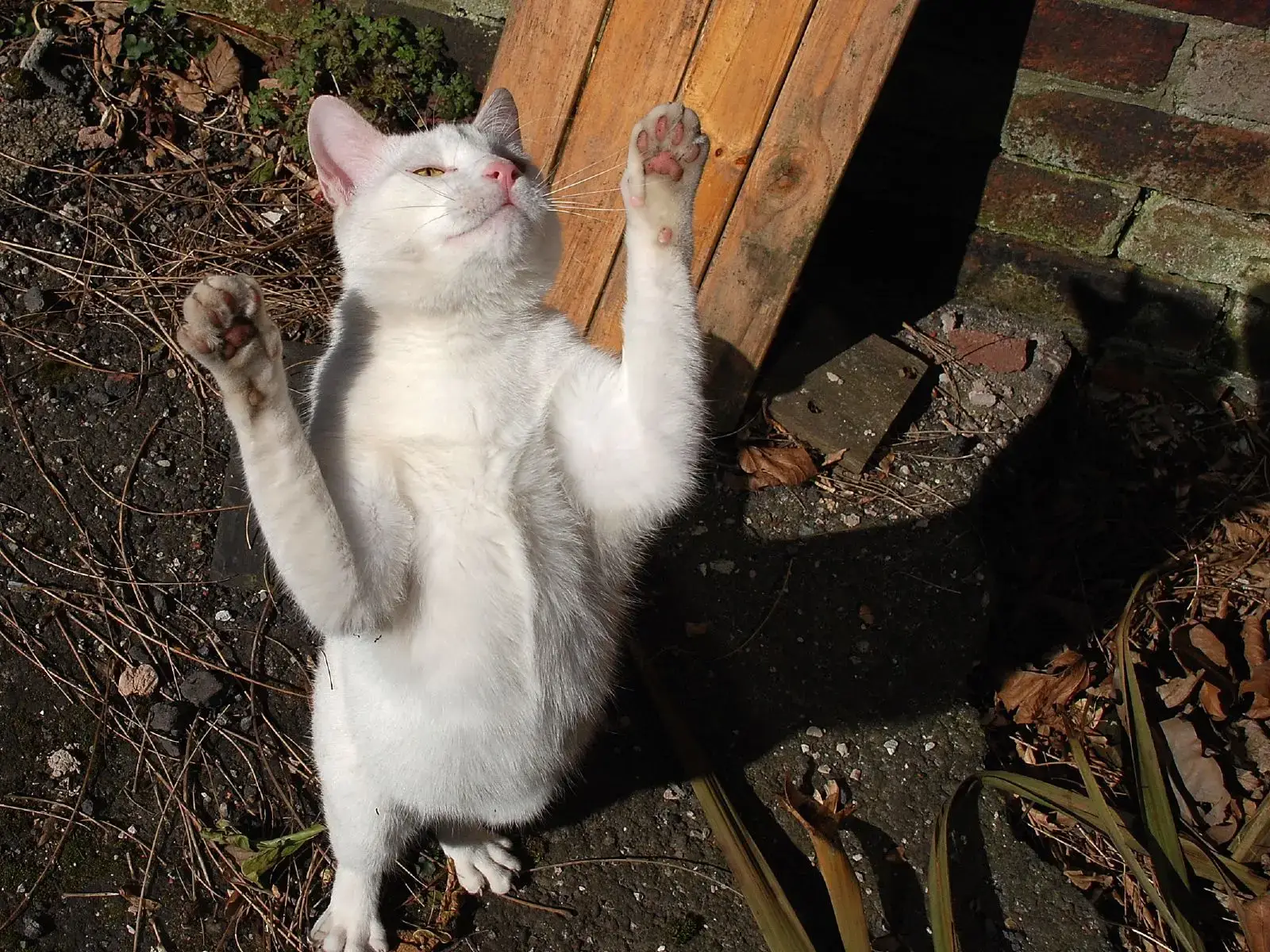
When a cat rises onto its hind legs and presses against your shin, it's crossed from passive signaling into active physical contact. This sits one step above meowing and one step below jumping into your lap - a deliberate middle-ground request.
Short meows and purrs are typical sounds cats use when begging for attention, and standing against your leg often follows a failed attempt at quieter signals like eye contact or a single meow.
It frequently overlaps with vocal escalation, too. Some cats can shift the pitch of their purr closer to the frequency of a human infant's cry - a sound almost engineered to trigger a nurturing response - especially when paired with a gentle nudge against your leg.
Cats that combine leg-standing with a modified purr have essentially built a multi-sensory request system, aimed squarely at getting you to look up from whatever you're doing.
#16 - A Purr Directed Specifically at You Is the Deepest Closeness Signal of All
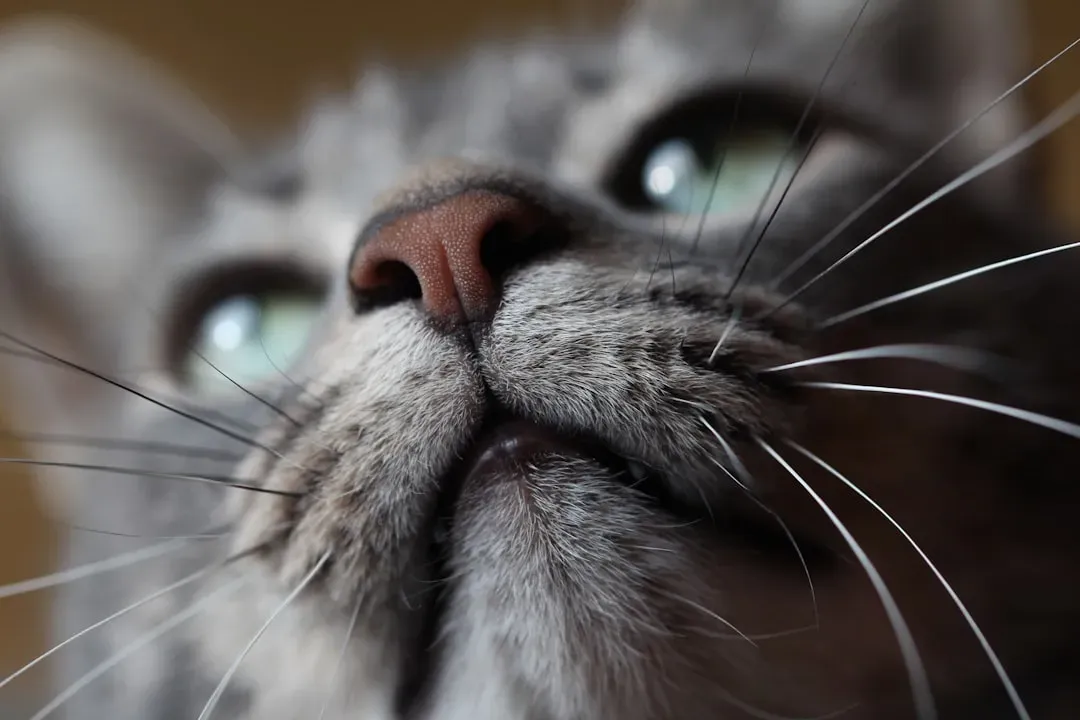
Save the heaviest signal for last: a purr that starts the moment you walk into a room, aimed at you and nobody else. This is the closest thing to a spoken "I want you here" that a cat is biologically capable of producing.
Cats purr to express contentment and safety most of the time, but purring carries more emotional range than owners usually assume - it's not a single, simple happiness button.
At a Glance
- Typical purring frequency runs roughly 25 to 150 Hz, a range some researchers link to bone and tissue healing.
- Purring can appear during contentment, hunger, stress, labor, and even severe illness.
- Kittens can purr within days of birth, often while nursing.
- A directed purr paired with slow blinks or kneading signals comfort; a purr with a tense, flattened body signals something else entirely.
Here's the genuinely controversial part: purring gets treated online as automatic proof of happiness, and that's an oversimplification that sometimes leads owners astray. A cat's purr can also signal distress - illness, pain, even the final stages of a serious decline. The sound itself is a self-soothing mechanism, not exclusively a joy signal.
The real tell is context. A purr that shows up specifically when you sit down, layered with slow blinks, kneading, or a headbutt, is the genuine closeness signal. A standalone purr paired with a tense, flattened body is something else entirely - and treating the two the same is a mistake worth correcting.
The Bottom Line
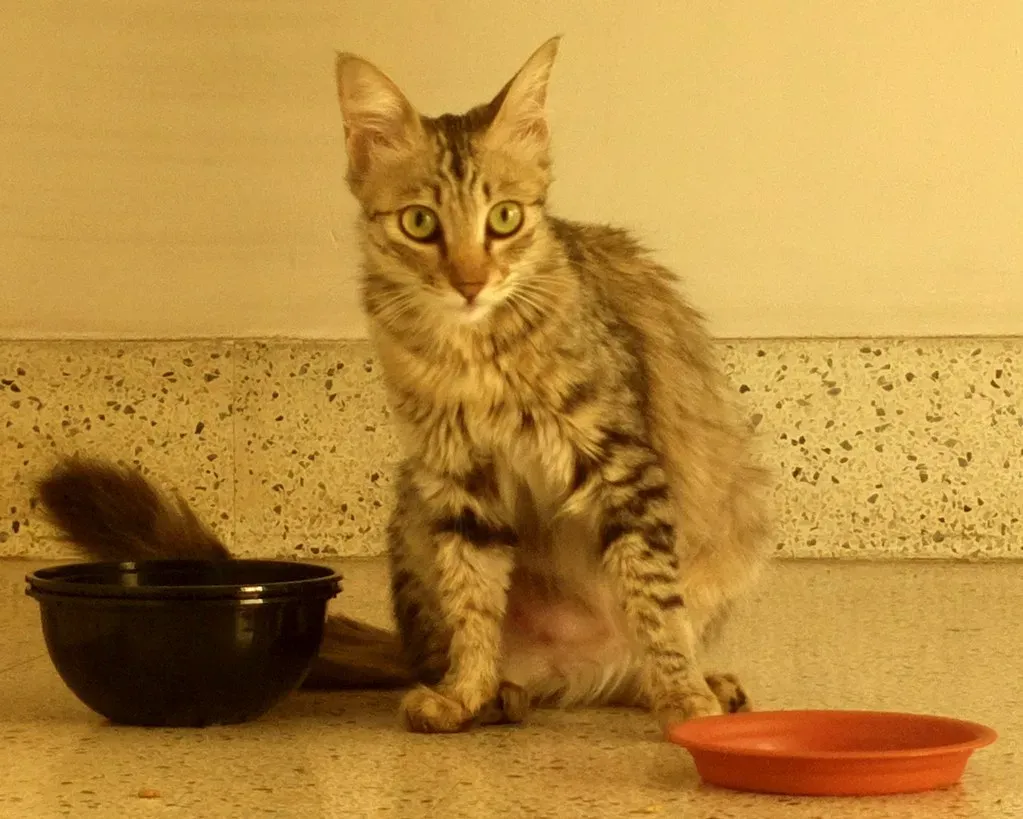
Cats never stopped talking to us. We just stopped listening for the right frequency.
The slow blink, the head bunt, the tail curl, the quiet paw tap - these aren't quirks, they're a full vocabulary built on trust, and most of it happens in under two seconds, easy to miss if you're staring at your phone instead of your cat. Science backs several of these directly, especially the slow blink, which researchers have tied to genuine, measurable trust between cats and the people they choose.
Here's my honestly opinionated take: the "independent, aloof cat" stereotype has done real damage. It's convinced generations of owners to ignore signals a dog owner would never miss, and it's let people believe their cat doesn't care when the opposite is almost always true. Cats aren't choosing independence over affection - they're proving, signal after signal, that they never saw those two things as opposites in the first place.
Once you start noticing these 16 behaviors, you can't go back to assuming your cat is indifferent. Which one does yours do the most? Tell me in the comments - I'd bet it's not just one.