17 Things Your Cat Does Only for the Person It Loves Most
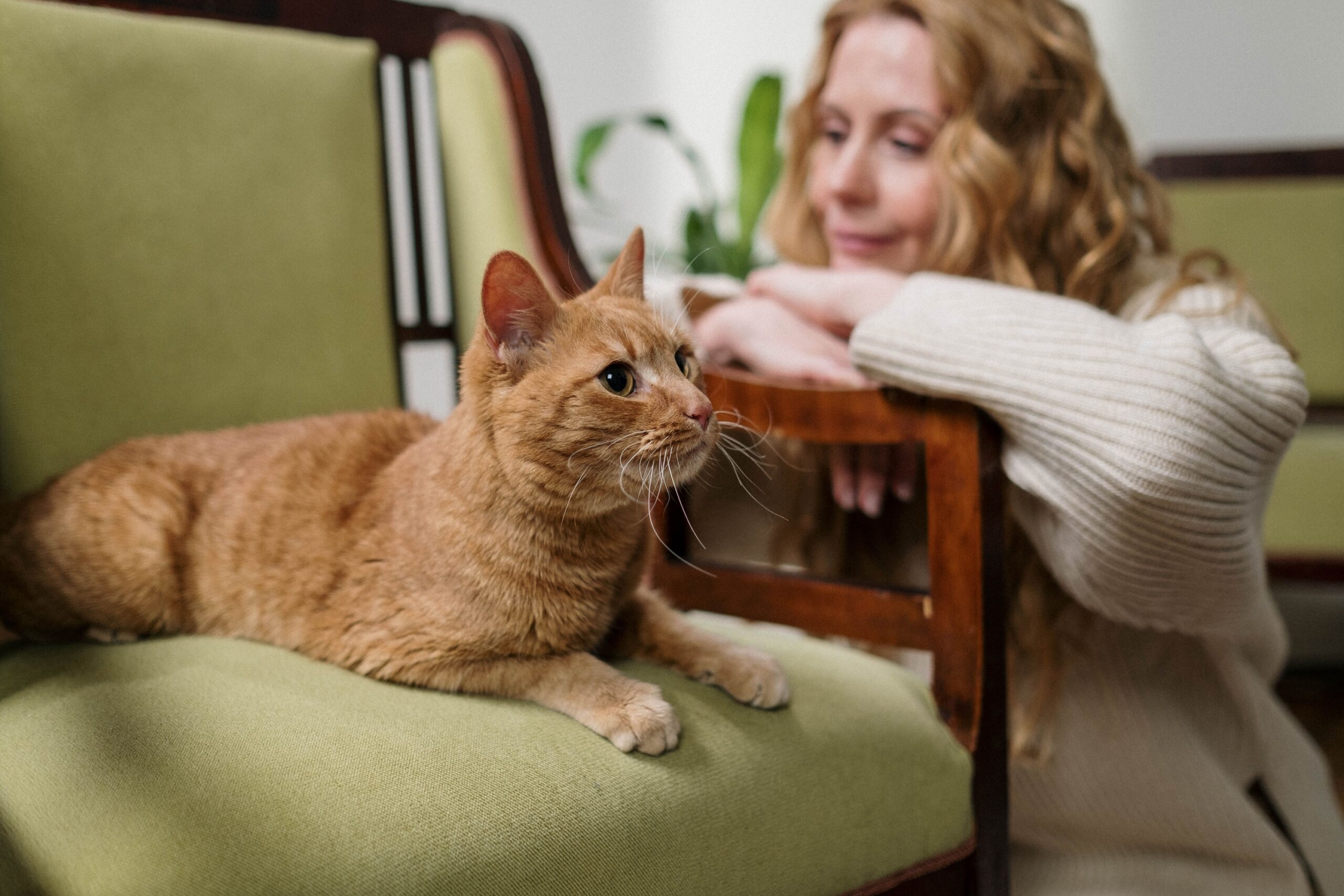
Your cat rubs against your roommate's ankles, naps on the arm of the couch when your partner walks in, and lets your kid haul it around by the tail without so much as a hiss. So when people insist cats don't play favorites, it sounds almost believable - until you notice the one thing your cat does only for you, and never, ever for anyone else in the house.
Feline behaviorists have spent years cataloguing exactly this, and the pattern isn't subtle once you know what to look for: cats quietly build an entire private language reserved for a single favorite person, while everyone else just gets tolerated. Some of these signals are so understated that owners walk past them for years without realizing they were being told something important. Here are the 17 tells that prove exactly who your cat has chosen - and what each one is actually saying.
#1 - The Slow Blink, Also Known As The "Cat Kiss"
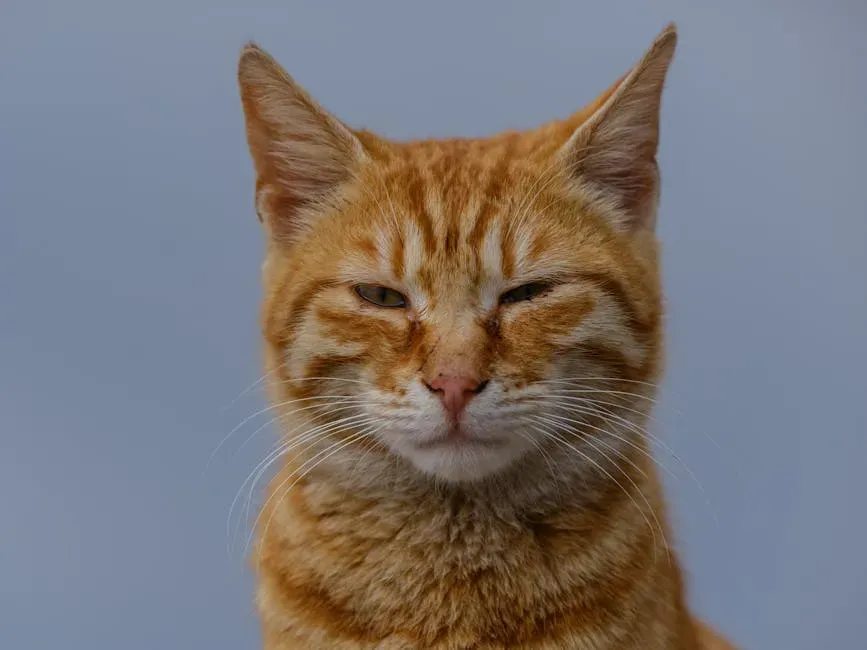
If your cat looks at you and slowly lowers its eyelids, don't ignore it - you're being kissed. Cats who feel safe and loved will look at you with half-closed eyes and blink slowly, and researchers have called this the "cat kiss." This isn't random blinking; it's a deliberate, repeated gesture that most cats save for one specific human.
A 2020 peer-reviewed study confirmed this is real, measurable science. The study, published in Scientific Reports, found that cats are more likely to slow blink at their owners than at strangers, and that humans who slow blink back increase the likelihood of a positive interaction. The behavior even influences adoption outcomes in shelters, where researchers found cats that responded to human slow blinking by using eye closures themselves were rehomed quicker than cats that closed their eyes less.
Try returning the gesture next time your cat offers it. Most cats will only initiate this with the person they trust most in the household, ignoring everyone else entirely - even people who feed them just as regularly.
#2 - Head Bunts That Leave Their Scent Only On You
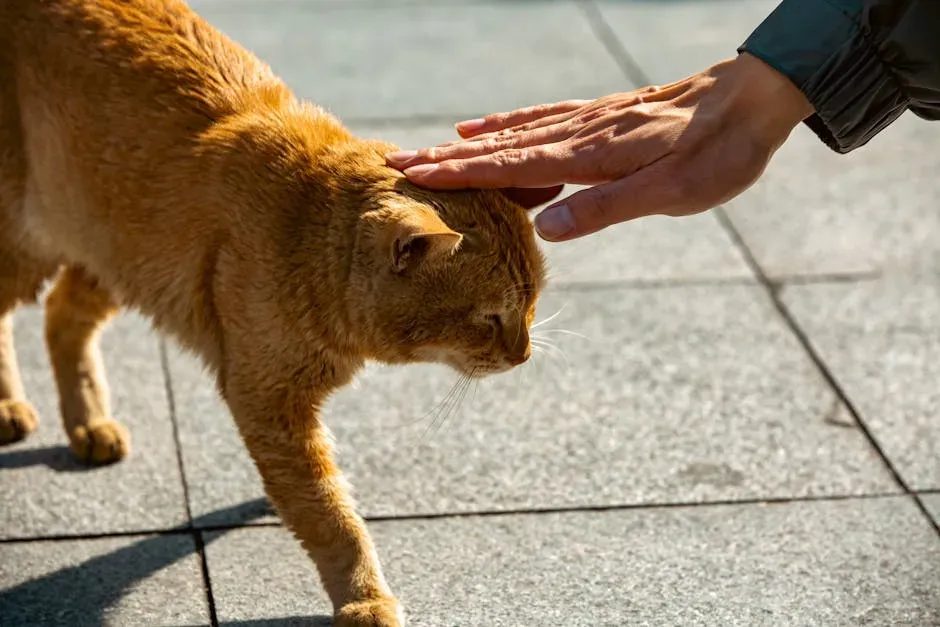
A headbutt from a cat isn't cute clumsiness - it's a biological signature. When your cat bumps their head against your face, hand, or leg, they are depositing pheromones from scent glands on their forehead and cheeks, a behavior cats typically reserve for members of their social group.
Most people don't realize this is essentially a claiming ritual. Your cat presses its forehead firmly against yours, and you laugh it off as cute, but what you just received is actually a territorial claim - and a deeply affectionate one at that. Cats don't hand this out to every guest who walks through the door. It's typically directed at the one person whose scent they want mixed with their own.
The behavior also has real-world consequences beyond the home. A study showed that shelter cats who frequently rubbed against people were adopted more quickly. If your cat is bunting you specifically and skipping over your roommate, that's not a coincidence - it's a scent-based declaration of ownership that took time and trust to build.
Fast Facts
- Cats carry concentrated scent glands on their forehead, cheeks, and chin
- Researchers call this behavior "bunting," distinct from ordinary rubbing
- Scent-marking identifies members of a cat's trusted social group, not just territory
- Shelter cats that rub or bunt against visitors are often adopted faster
#3 - Kneading Your Lap Like It's Bread Dough
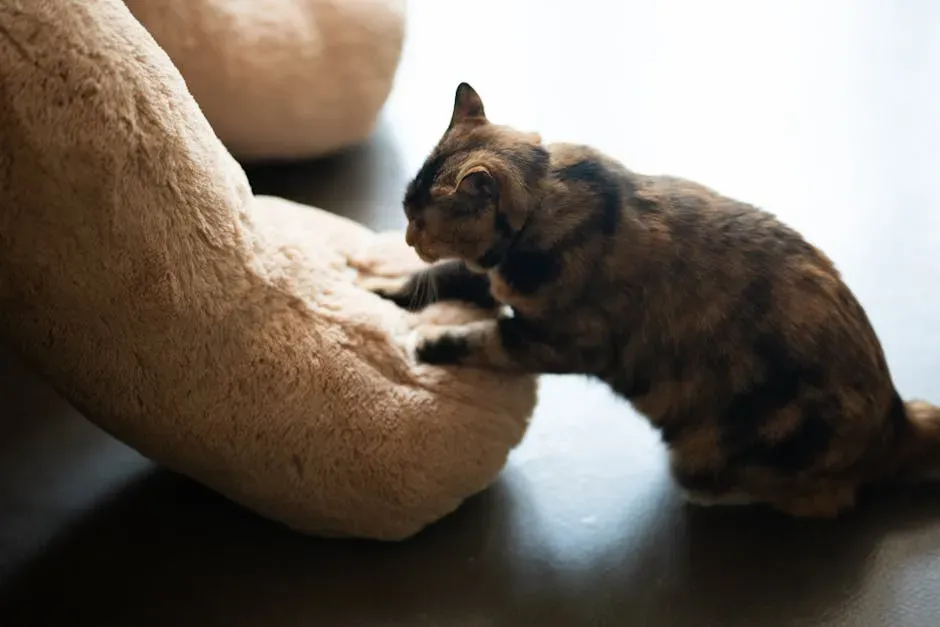
Kneading looks strange to outsiders but it's rooted in infancy. It's a leftover kitten habit, a muscle memory from nursing that never fully switches off. When it's paired with purring, experts say it signals something deeper than comfort.
Here's the surprising detail: many cats won't recreate this ritual with anyone else. When a cat combines rhythmic pawing with a slow, chest-rattling purr, it's recreating the safest feeling it has ever known - and it only does that in front of the person who feels like home. Trying to recreate the exact same lap, blanket, and lighting with another family member often doesn't work.
Some owners even notice a change in the sound itself, which can drop into a lower, almost meditative rhythm during these sessions, as if the cat has settled somewhere it never has to be on guard. This isn't a behavior performed for an audience - it needs the person, not just the comfort. That distinction matters more than most owners think.
#4 - Following You From Room To Room
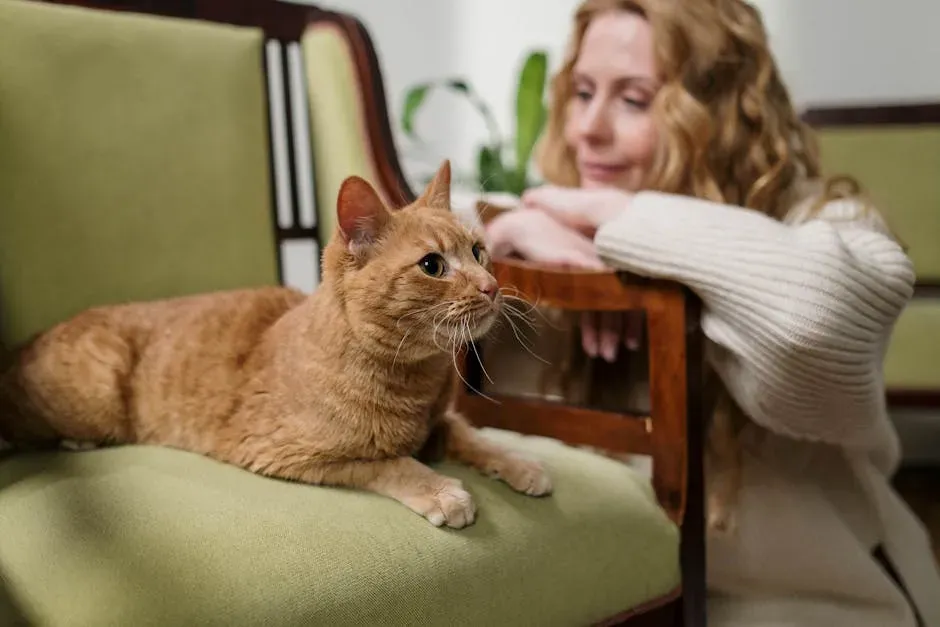
A cat that trails you through the house isn't bored - it's choosing your company over solitude, which is a big deal for an animal descended from solitary hunters. Their affection is built on trust and scent rather than pack-style devotion.
This is exactly why constant shadowing is such a strong signal. Cats do not shadow people they are indifferent to - following behavior signals trust, companionship, and affection. If your cat gets up from a nap just to relocate to whatever room you walked into, it's not confusion. It's a preference.
Notice which family member gets followed and which one doesn't. Many multi-person households report the cat trails one specific human obsessively while barely acknowledging when someone else leaves the room. Experts frame this as active pursuit of your unique presence rather than a general need for supervision or food.
#5 - Sleeping On Or Beside You Specifically
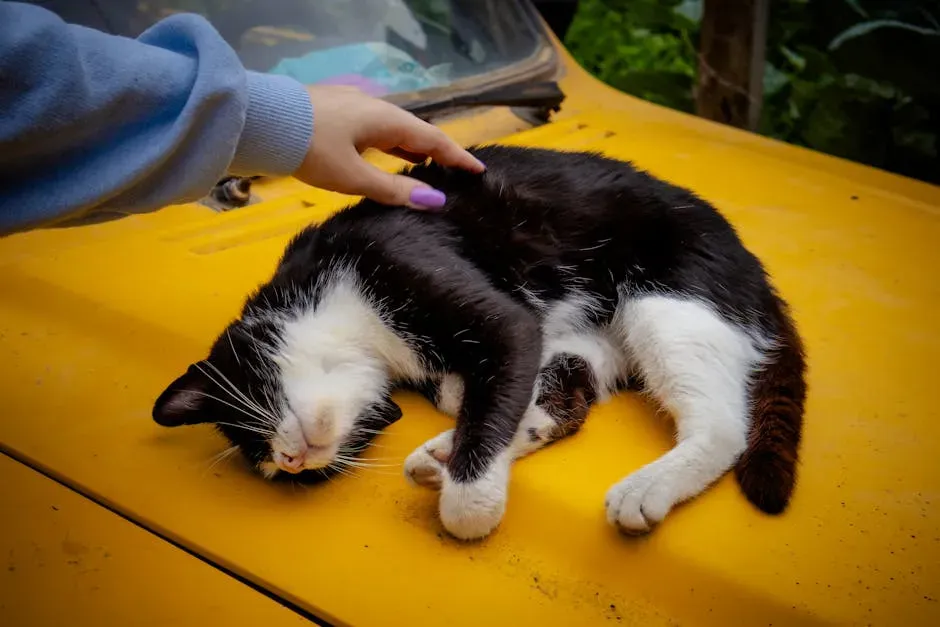
Sleep is the most vulnerable state an animal can be in, which is exactly why cats are so selective about where they do it. A cat sleeping on or beside you isn't simply a Kodak moment - animals are most vulnerable when they sleep, so choosing to nap on your lap, chest, or beside you means you're seen as a source of safety and comfort.
Most owners underestimate how deliberate this choice really is. A cat with an entire house of soft furniture, sunbeams, and empty beds will still climb onto one specific person's chest. That's not laziness - it's a calculated decision about where predators can't reach them while they're defenseless.
If your cat consistently chooses your side of the bed, your lap during movie nights, or the exact spot next to your pillow over anyone else's, you've likely been selected as the household's designated safe zone - a title that isn't handed out lightly in the feline world.
#6 - Rolling Over To Expose Their Belly Around You
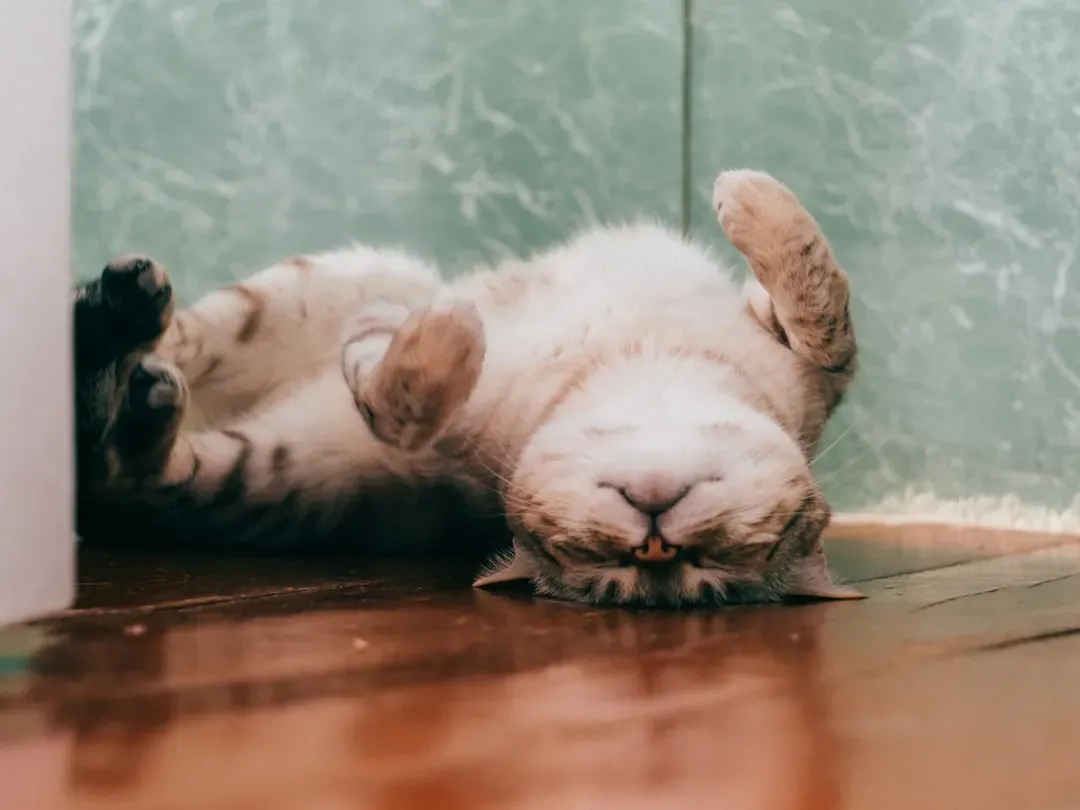
Belly exposure looks like an invitation, but it's actually a trust test your cat has already decided you've passed. Rolling over and exposing their vulnerable underbelly is one of the clearest signs a cat has ultimate trust in you.
Here's the twist most owners get wrong: it's rarely an invitation to touch. Cats prefer to be petted on the head and neck area, so this is not usually a request for a belly rub, and attempts to stroke a cat's belly will often result in a hasty retreat, or even claws.
Belly-up doesn't mean 'rub me.' It means 'I trust you enough to be defenseless in front of you.'
Common veterinary behaviorist framing
Cats reserve this pose almost exclusively for the person or people they consider part of their innermost circle, and it disappears fast around anyone who makes them feel unsafe.
#7 - Bringing You "Gifts," Dead Or Alive
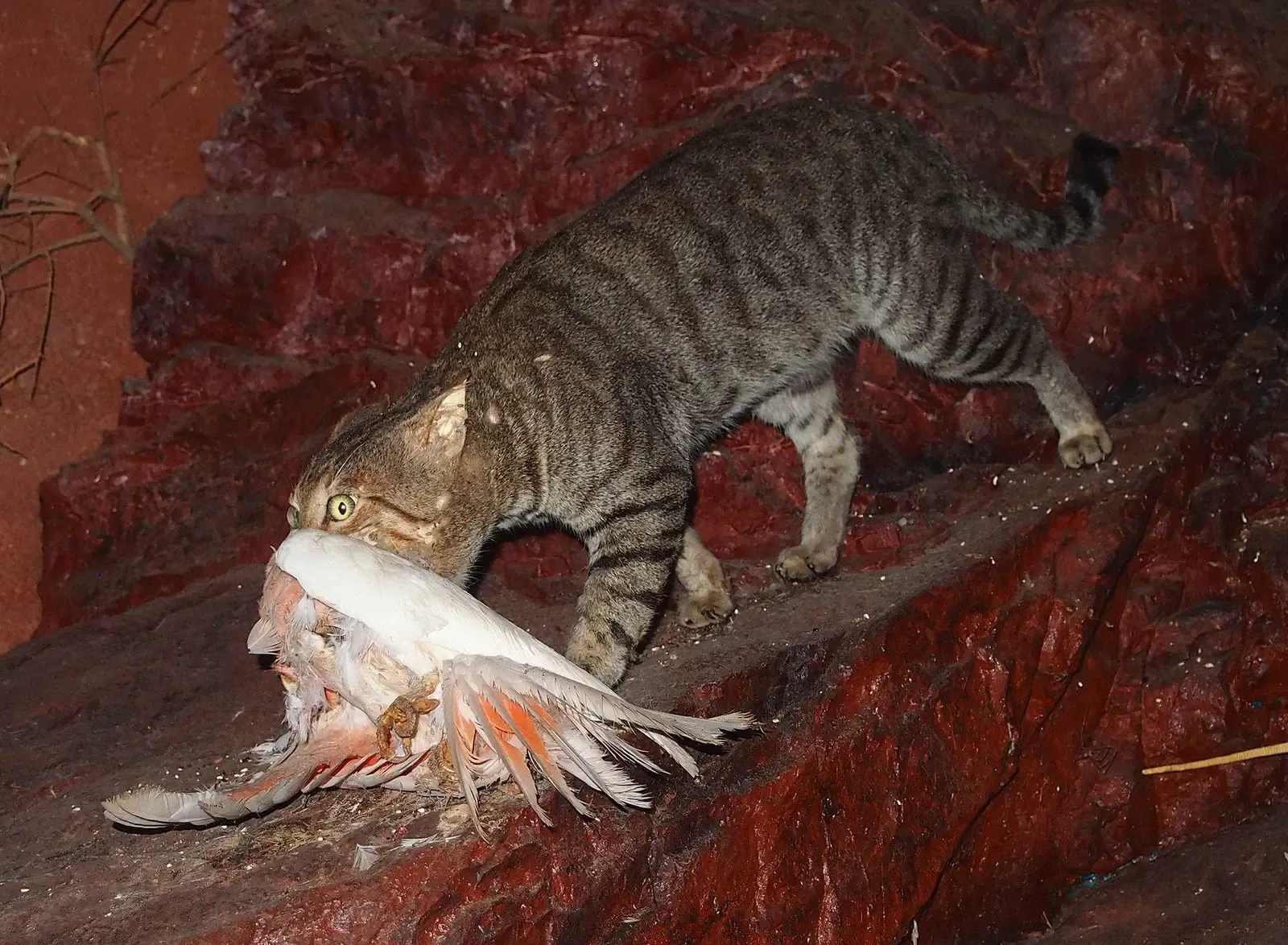
Nothing tests an owner's composure quite like waking up to a dead mouse on the pillow, but experts insist it's a genuine act of devotion. When your cat brings you gifts, dead, alive, intact, or in pieces, they are sharing a prize possession as a sign of friendship and love.
Most people find this creepy instead of flattering, which is understandable - but it's actually one of the highest compliments a cat can pay. Cats don't hunt for humans out of obligation; they do it because they're extending an instinctive provider behavior to someone they consider family.
This gifting instinct usually targets one person in the household, not everyone equally. If your cat leaves toys outside your bedroom door but never anyone else's, that's a pattern worth noticing, not dismissing as random behavior.
Worth Knowing
- Even well-fed indoor cats retain a strong instinctive hunting drive
- Mother cats bring prey to kittens specifically to teach hunting skills
- Domestic cats often redirect this same "provider" instinct toward trusted humans
- Gift-dropping tends to target one favorite person, not the whole household
#8 - Greeting You With A Chirrup Or Trill
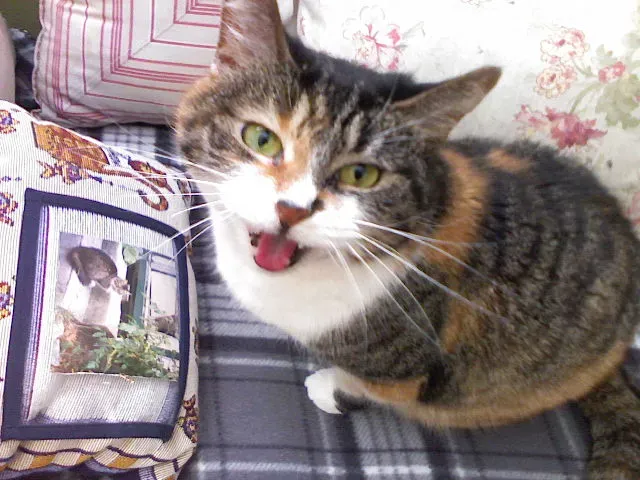
There's a specific sound cats make that has nothing to do with hunger or annoyance - it's reserved for hello. The chirrup or trill is a melodious greeting cats make for preferred individuals, so if your cat sings to you this way, be assured they are pleased to see you.
This vocalization is notably different from a standard meow, and cats are choosy about who gets it. It's warmer, more musical, almost like a question, and it typically greets one specific person walking through the door rather than anyone who happens to be nearby.
If your cat trills at you every single time you walk in but stays silent for other household members, you're witnessing a personalized greeting ritual - one that took time to develop specifically toward you.
#9 - Meowing Specifically At You, Not At Other Cats
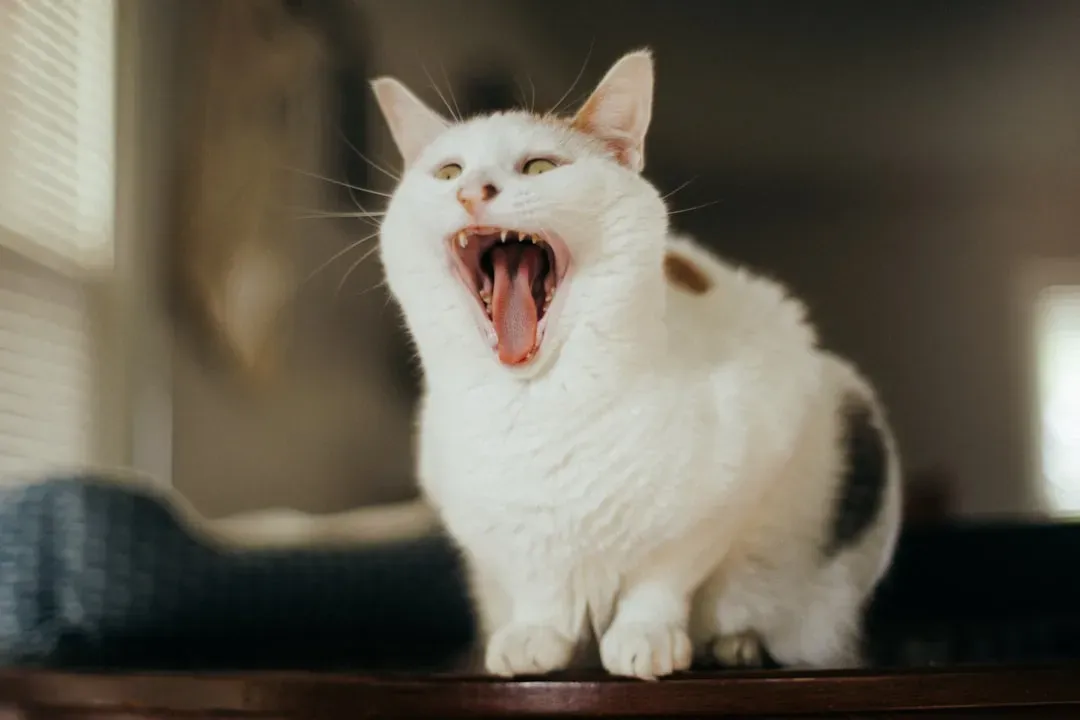
Meowing is one of the most misunderstood cat behaviors, and the truth surprises most owners. "Cats rarely meow to other cats," one veterinarian explains, noting that this vocal behavior is largely reserved for humans - meaning a cat that greets you with high-pitched noises has learned to communicate specifically with you.
This means the entire meowing behavior was invented by your cat, for you. Kittens meow at their mothers, but adult cats largely abandon meowing toward other cats once they mature. The fact that your cat still meows at all is essentially proof it built a custom communication system exclusively for your relationship.
If your cat has an entire "vocabulary" of different meows for different requests - one for food, one for attention, one at the door - and doesn't bother using any of them on other family members, that's evidence of a language built for one specific audience.
#10 - Wrapping Its Tail Around Your Leg Or Calf
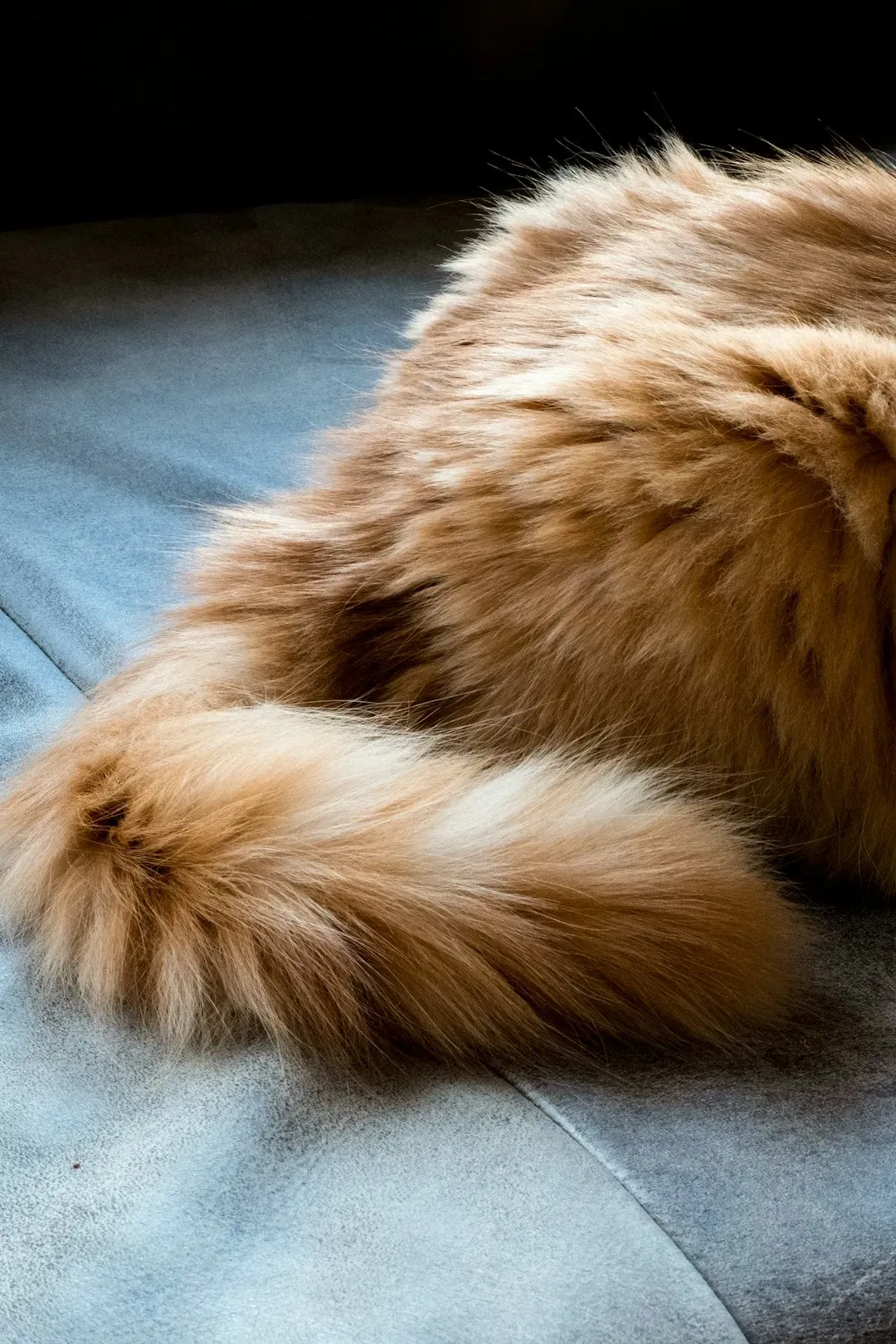
Tail-wrapping might be the most literal expression of feline affection there is. Cats sometimes intertwine their tails as a sign of friendship, and the human equivalent is wrapping their tail around your calf.
Most owners feel the sensation without realizing what it actually represents. The soft brush against your calves is your cat identifying you as a friend, and it's a huge compliment. In cat society, tail-wrapping is typically shared between bonded cats within the same colony - extending it to a human is a significant behavioral leap.
This gesture rarely appears randomly. It tends to happen during specific moments - while you're cooking, standing at the sink, or waiting by the door - and cats are consistent about which person receives it. If it's always the same ankles getting wrapped, you've found your cat's favorite.
#11 - Checking In On You Throughout The Day
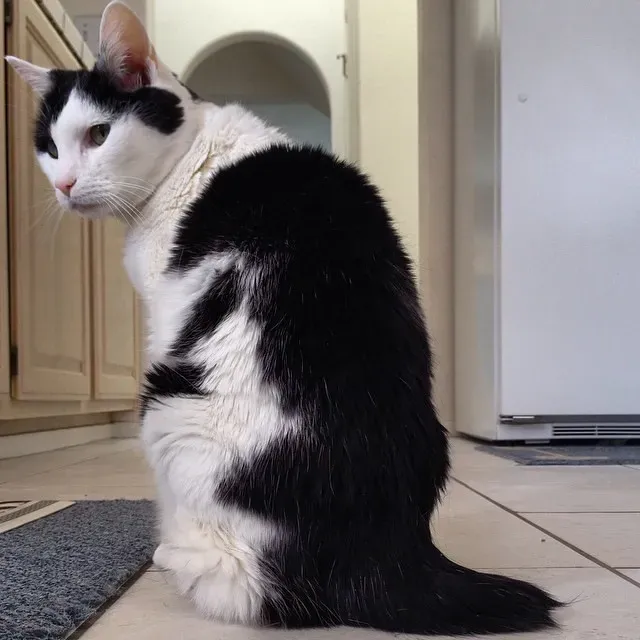
Cats are famous for sleeping up to sixteen hours a day, but even in their limited waking hours, they make time for the people they care about most. Cats prowl around the house to ensure nothing is new or out of place, but they also check in on their favorite people specifically.
This "check-in" behavior is a clear and specific marker of attachment. If your cat takes time out of its day to check in on you, it's a sign of trust and attachment - its way of communicating that you're its favorite person and it's happy you're around.
Owners often describe this as their cat briefly appearing in a doorway, sniffing them, and wandering off again - seemingly pointless, but deliberate. It's less about needing something and more about confirming that their person is still there, safe, and accounted for.
At a Glance
- Adult cats typically sleep between 12 and 16 hours a day
- Even brief "check-ins" during waking hours can signal attachment
- Favorite-person check-ins often happen before a cat explores anything else
- This habit is separate from hunger-driven or food-motivated attention
#12 - Greeting You At The Door
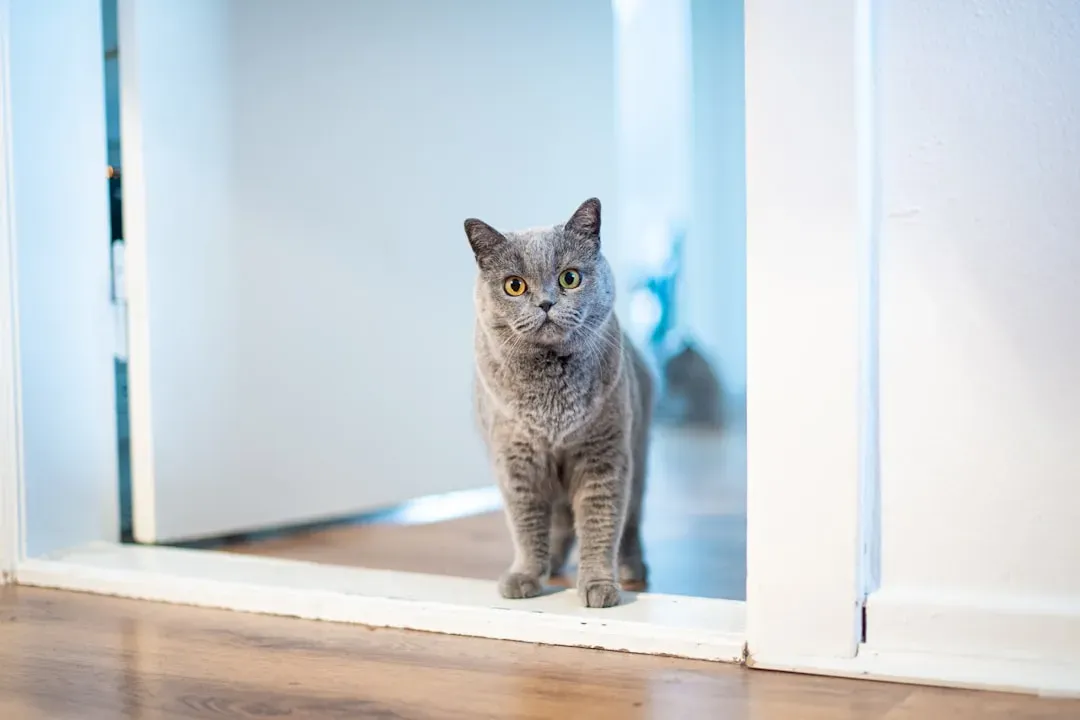
Not every cat does this, which is exactly why it's such a meaningful gesture when it happens. Not all cats greet their humans at the door, but when they do, it's a sweet sign of affection - a clue that they feel safe and happy with you.
The controversial opinion many behaviorists hold: door-greeting is a far stronger love signal than purring. Purring can happen for multiple reasons, including self-soothing during stress, but choosing to interrupt a nap and physically walk to the door specifically because you arrived is an intentional, effortful act.
Cats that only greet one household member at the door - while ignoring everyone else's arrivals entirely - are making a clear statement about hierarchy. This is one of the easiest behaviors to track over time, and one of the most telling.
#13 - Sitting Calmly On You Instead Of Pouncing
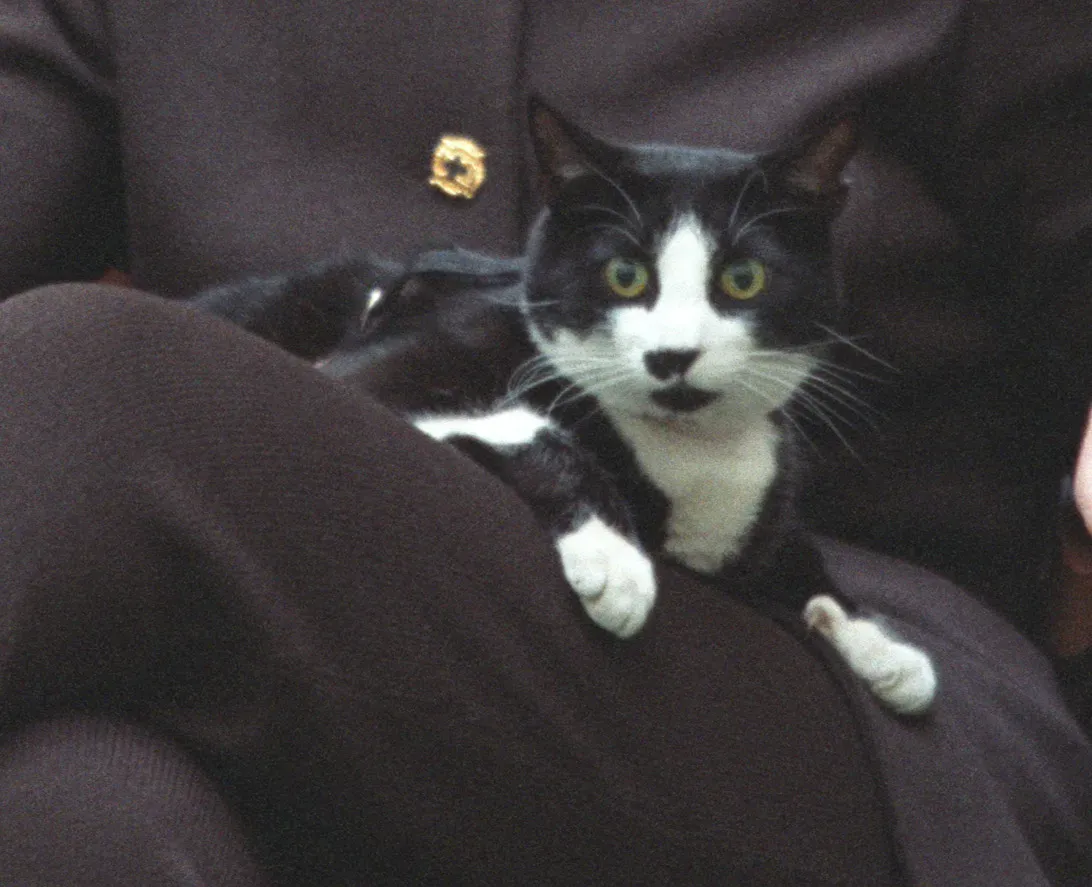
There's a difference between a cat perching near you and a cat deliberately settling its full body weight on top of you, and experts say that difference matters. Cats pounce on their prey, but if your kitty comes and sits on you calmly, it's an indicator of trust and affection.
This calm, deliberate settling is fundamentally different from playful or predatory behavior, and cats reserve it almost exclusively for people who make them feel unthreatened. A cat's entire nervous system is built around detecting danger; voluntarily going still and heavy on a lap is the opposite of a defensive posture.
This behavior gets overlooked because it seems passive. But passivity, in a species this alert, is actually rare and significant. If your cat only fully relaxes its body weight on you and stays alert on everyone else's lap, that's a meaningful distinction.
#14 - Grooming You Like You're Part Of Its Colony
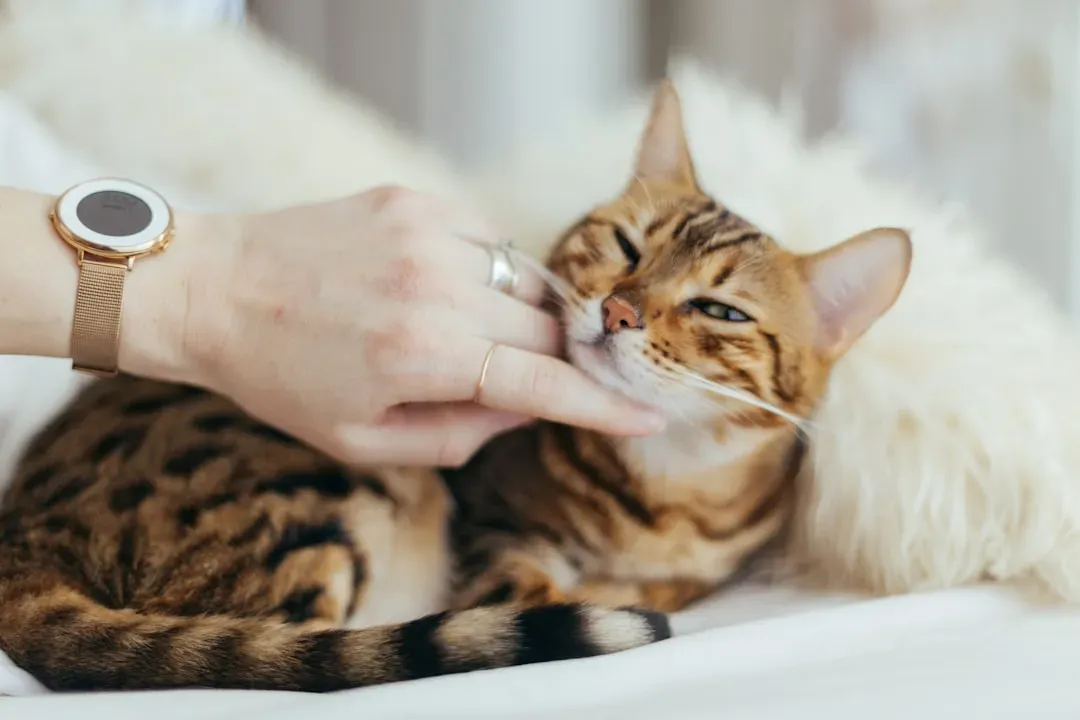
Allogrooming - when cats lick each other - is a social bonding behavior borrowed straight from feral cat colonies. This grooming mirrors how cats in the wild establish social groups and bond.
Most owners assume being licked is just an odd quirk, but it's actually one of the clearest bonding signals in the entire feline behavioral toolkit. Cats in colonies groom members they consider family, reinforcing group scent and social cohesion. When a cat licks your hand, hair, or face, it's applying that exact same colony logic to you.
This behavior is rarely distributed evenly across a household. A cat will typically groom the one person it considers closest to its inner circle, while merely tolerating pets from everyone else. If your cat licks your hair while ignoring your partner sitting three feet away, you already know who won.
#15 - Bumping The Back Of Your Knee
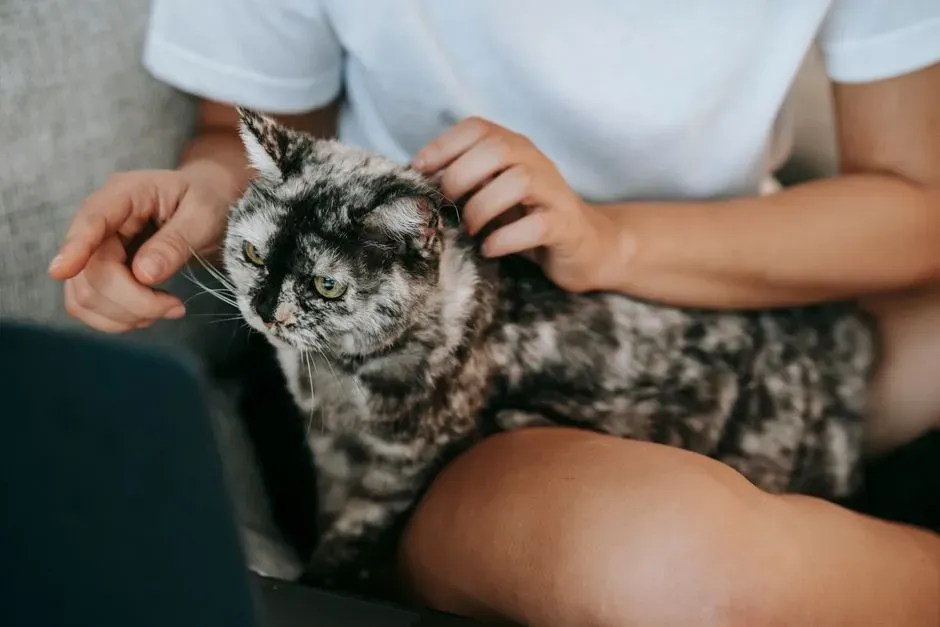
This specific gesture gets almost no attention compared to headbutts or slow blinks, yet experts say it carries the same emotional weight. That familiar feeling when your cat hits the back of your knee can also be a sign that they feel an extremely close bond to you.
It's essentially a walking version of the headbutt, and it requires far more coordination and intention than a stationary nuzzle. A cat has to time its movement precisely to bump you mid-stride, which means it's actively tracking your body and choosing the moment. That's not accidental contact - it's a deliberate act of connection woven into your daily movement through the house.
This behavior tends to be one of the most consistent "favorite person" indicators, because cats rarely bother timing this kind of contact with someone they're indifferent toward. If it happens to you every single time you walk past, take it as one of the strongest compliments in the feline playbook.
#16 - Choosing Your Specific Spot Over Anyone Else's
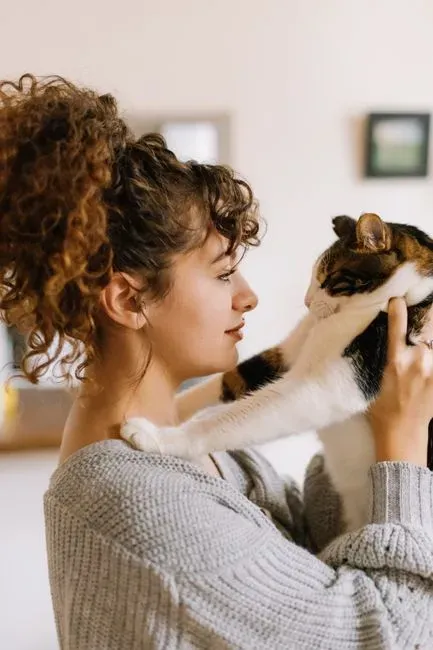
Cats are territorial by nature, yet they'll voluntarily abandon their favorite windowsill or cat tree just to occupy the one chair, side of the bed, or lap belonging to a specific person. This preference isn't about comfort alone - soft blankets and warm laps exist throughout most homes - it's about proximity to a particular scent and presence.
Here's an opinion that tends to spark debate among multi-pet households: cats aren't being "unfair" when they pick a favorite, they're being honest. Unlike dogs, who often distribute affection generously across an entire household, cats operate on a far more discerning system, and that selectivity is actually part of what makes their affection feel so earned.
Owners who feel snubbed by a cat that clearly favors someone else in the home aren't imagining it. The cat isn't confused about who feeds it - it has simply made a preference-based decision, the same way humans naturally gravitate toward certain people over others in a shared space.
Quick Compare
- Dogs: affection is typically spread generously across the whole household
- Cats: affection is selective, usually concentrated on one or two trusted people
- Dogs: greetings tend to be loud, immediate, and consistent with everyone
- Cats: greetings are quiet, deliberate, and reserved for a chosen favorite
#17 - Showing Total Vulnerability In Your Presence
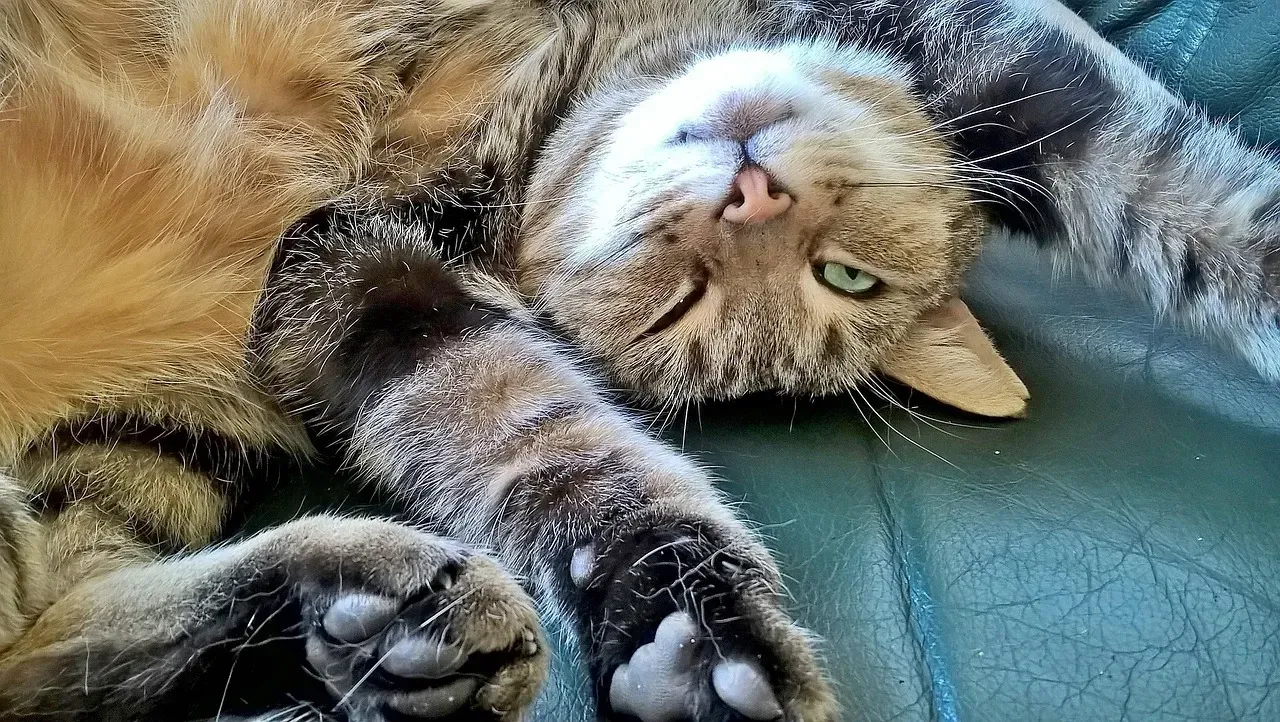
The final and arguably most powerful sign has nothing to do with a single dramatic gesture - it's about consistent, everyday vulnerability. Cats show vulnerability in many ways, including exposing their belly, eating, voiding, or relaxing around you.
This is the behavior experts consider the ultimate marker of trust, because it spans every part of a cat's daily existence, not just one moment. A cat that eats calmly in front of you, uses the litter box without hesitation while you're nearby, and fully relaxes its muscles in your presence is signaling, over and over, that it does not perceive you as a threat.
This kind of trust builds slowly and rarely gets handed to more than one person in a household. Cats who've had negative experiences with humans may need months to feel safe, but the investment pays off in a relationship where affection is never performed for approval, only given when genuinely felt. If your cat has reached full-body ease around you specifically, you're not imagining the bond - you've earned the rarest form of feline trust there is.
The Bottom Line
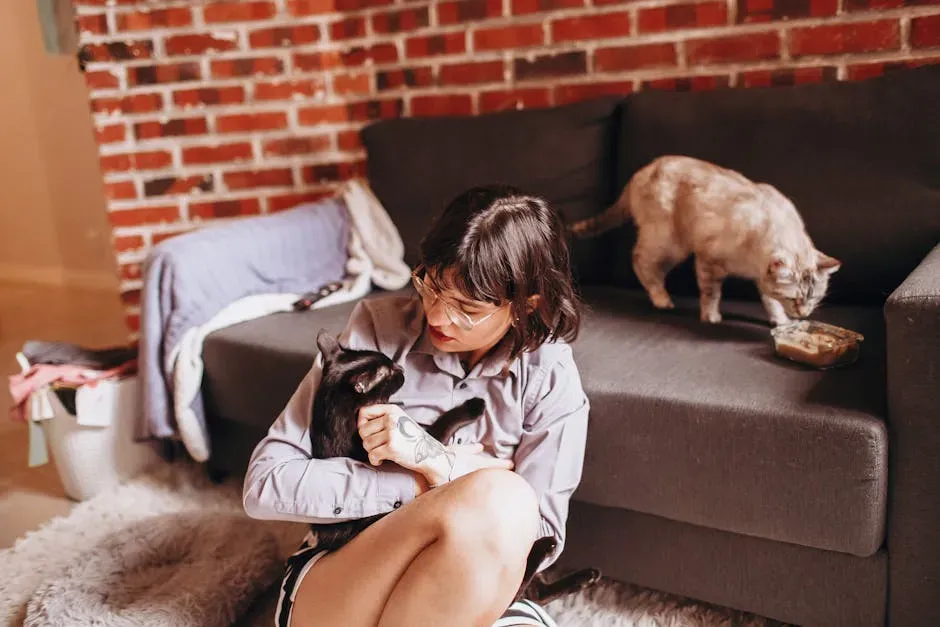
Cats don't fake affection to get treats - they're simply quieter about it than dogs, expressing love through slow blinks, scent-marking, kneading, and calculated vulnerability instead of tail wags and full-body enthusiasm. The most surprising truth here is that cats build an entire personalized communication system - custom meows, specific greeting rituals, one designated safe lap - for exactly one favorite person.
Feline attachment research now confirms cats form real, measurable bonds, and that bond is earned through patience, respect, and reading their cues correctly - not through who fills the food bowl. If your cat does even five of these things exclusively for you, you've officially been chosen, and no amount of extra treats from anyone else in the house is going to change that. Which one does your cat do only for you? Drop it in the comments.