21 Things Rescue Cats Do Once They Realize They Are Home for Good
Most people assume a rescue cat is "settled" the moment it stops hiding under the bed. Animal behaviorists say that's actually just Phase One. True comfort - the kind where a cat believes, deep in its nervous system, that this house is permanent - can take anywhere from three weeks to over a year to fully show up.
And when it finally does, the signs aren't loud. They're small, specific, almost secretive shifts in body language that most owners miss entirely - a blink, a tail curl, a stretched-out nap that would've been unthinkable months earlier. Here's what shelter workers, vets, and feline behaviorists actually say to look for, roughly in the order most cats tend to reveal it.
#1 - The Slow Blink Starts Showing Up

A rescue cat's first slow blink at you is a milestone, not an accident. Researchers at the University of Sussex found that cats use slow blinking as a form of positive communication toward humans, almost like a small, feline smile.
In a shelter or a new home, a stressed cat rarely blinks slowly at anyone. Its eyes stay wide, alert, tracking every movement in the room. The first genuine slow blink usually means the cat's stress hormones have finally started to drop.
This isn't a one-time event either. Once a rescue cat feels safe, the slow blink becomes a regular greeting - something they'll do across a room, from a windowsill, or right before falling asleep near you. It's one of the clearest, most scientifically documented signs that a cat has stopped viewing you as a threat and started viewing you as family.
#2 - They Start Kneading Like Kittens Again
Kneading - the rhythmic pressing of paws into a blanket, a lap, or a couch cushion - is a behavior cats carry over from nursing as kittens. It's tied to comfort, contentment, and safety.
A newly rescued cat often won't knead at all for weeks or months. The behavior requires a level of vulnerability and relaxation that a stressed animal simply doesn't have access to. When kneading finally shows up, it's a strong signal the cat has emotionally "unclenched."
Some cats knead blankets before naps. Others knead a person's lap, purring loudly, eyes half-closed. Either way, it's considered one of the purest indicators of feline contentment - right up there with purring itself - and it rarely appears until a cat feels fully secure in its environment.
#3 - They Sleep in Genuinely Vulnerable Positions

Sleep position is one of the most honest signals a cat can give. In the wild, sleeping on your back with your belly exposed is an invitation to predators. Cats know this instinctively.
A newly adopted rescue cat almost always sleeps curled tight, paws tucked, positioned near an exit. The moment that same cat starts sprawling on its back with all four paws in the air, it's telling you something huge: it no longer feels it needs an exit plan.
This shift often happens gradually. First it's sleeping fully stretched out instead of curled. Then it's sleeping with its back to the room instead of facing the door. Eventually, full belly-up naps become normal. Each stage represents a real, measurable drop in the cat's baseline vigilance.
Fast Facts
- Curled tight with paws tucked near an exit: highest alert, lowest trust
- Stretched out but still facing the room: early comfort stage
- Back turned to the room while sleeping: a meaningful trust jump
- Full belly-up with paws in the air: maximum relaxation, zero perceived threat
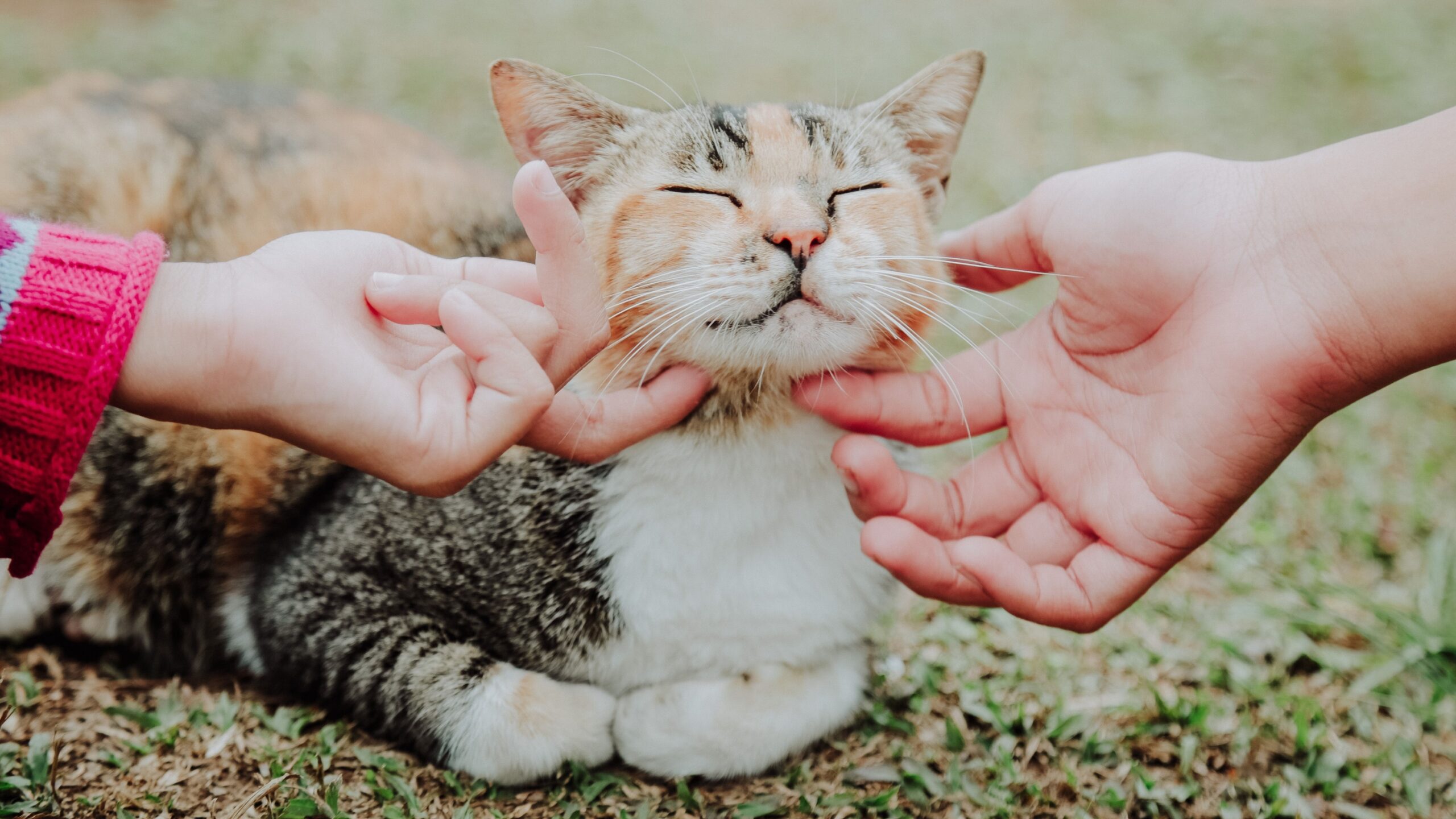
#4 - Head-Bunting Becomes a Daily Ritual
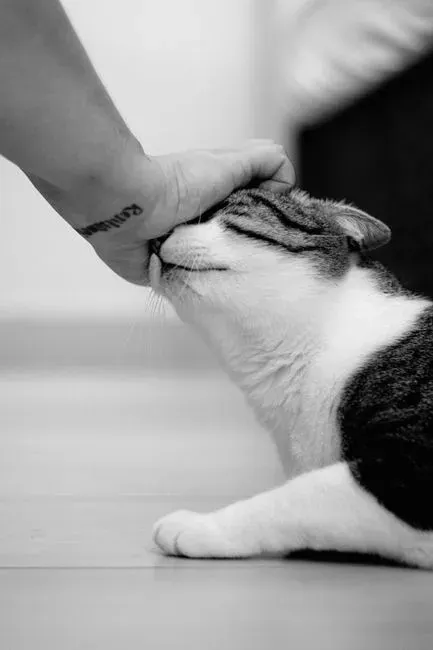
Head-bunting - pressing the head or cheek against a person - isn't affection in the abstract sense. It's scent-marking. Cats have scent glands around their face, and bunting deposits their scent onto you, essentially marking you as part of their territory.
Rescue cats rarely bunt strangers or new owners right away. Trust has to be established before a cat willingly marks a human as "theirs."
Once it starts, it tends to escalate quickly. A single cheek-rub against your hand can turn into full head-first bunts against your shins every morning, or persistent bunting against your face when you're lying down. Shelter staff often say this is one of the fastest-forming bonding behaviors once a cat truly relaxes, sometimes appearing within days of a real trust breakthrough.
#5 - They Start "Talking" Constantly
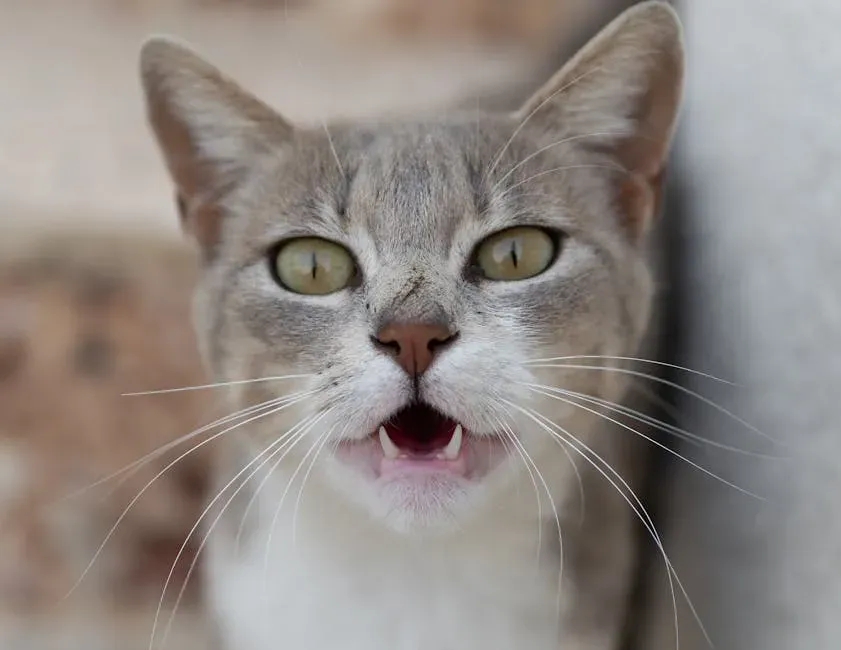
Adult cats rarely meow at each other. Meowing is largely a behavior cats developed specifically to communicate with humans. A cat that suddenly becomes vocal - chirping, trilling, meowing at you across rooms - is often expressing comfort, not distress.
Many rescue cats are almost silent for the first weeks in a new home. Vocalizing requires confidence; a cat that isn't sure of its surroundings tends to stay quiet and observe.
Once settled, some cats develop an entire "vocabulary" specific to their household - different chirps for food, different trills for greeting, distinct meows for attention. Owners often describe this as their rescue cat "finding its voice," and it's frequently one of the most noticeable personality shifts in the entire adjustment process.
#6 - They Claim a Specific Spot as Their Own
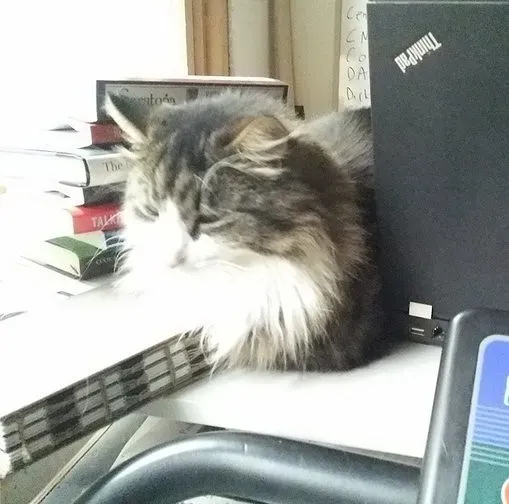
Territorial behavior in cats isn't about aggression - it's about security. Once a cat feels safe, it starts identifying specific resources and spaces as reliably "theirs."
This might be a particular cushion, a windowsill, or even a specific spot on the bed. The consistency matters more than the location. A cat that sleeps in a different random spot every night is often still assessing its environment; a cat that returns to the same exact spot repeatedly has decided the space is safe and permanent.
Shelter behaviorists frequently point to this as a subtle but reliable sign of settling in. It's the feline equivalent of unpacking your bags instead of living out of a suitcase - a signal the cat has stopped treating the home as temporary.
#7 - They Start Bringing You "Gifts"
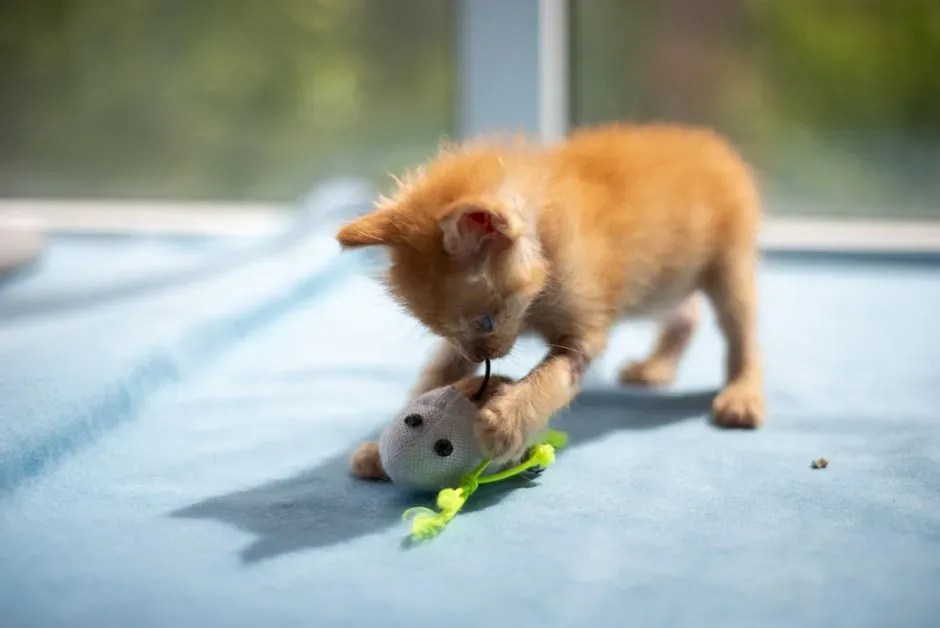
The behavior of dropping a toy, a sock, or occasionally a dead insect at your feet traces back to instinctual prey-sharing. In feral and semi-feral colonies, cats sometimes share food with trusted members of their group.
A rescue cat bringing you a toy mouse is, in its own language, treating you like a member of its colony. This behavior almost never appears in the early adjustment period, since a stressed or uncertain cat isn't thinking about sharing resources - it's thinking about survival.
Once it starts, it tends to repeat. Some cats develop a nightly ritual of retrieving the same toy and leaving it on a pillow or at the foot of the bed. Owners often laugh this off as quirky, but behaviorists consistently frame it as a genuine bonding gesture.
#8 - They Demand a Feeding Schedule
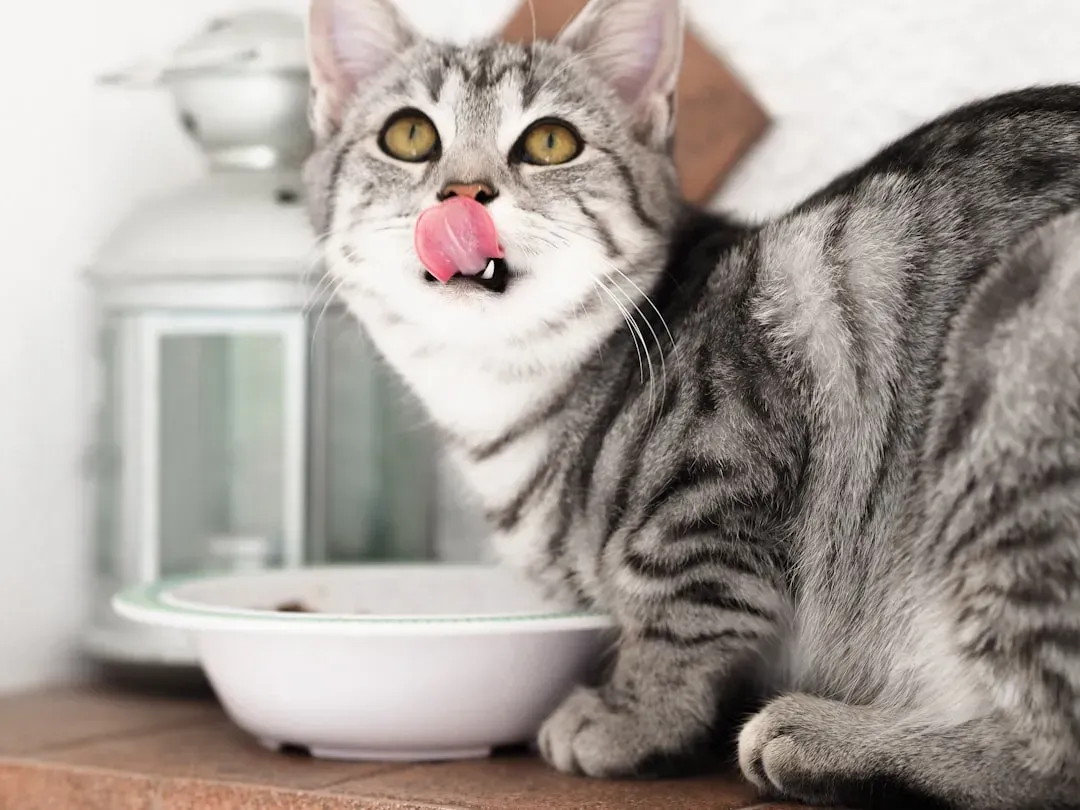
Cats are creatures of routine, and food is one of the clearest ways they express expectations. A rescue cat that eats quickly, quietly, and without complaint in its first weeks is often still in "survival mode," uncertain whether food will reliably reappear.
Once a cat starts meowing at a specific time each day for food, it's actually a sign of trust, not impatience. That level of demand requires confidence that the routine will be honored.
Some cats take this further, developing elaborate morning rituals - following an owner to the kitchen, sitting on the counter, or tapping a food bowl. While mildly annoying, most veterinarians agree this behavioral shift reflects an underlying sense of security most rescue cats didn't have in their previous environment.
#9 - They Start Grooming Their Owners
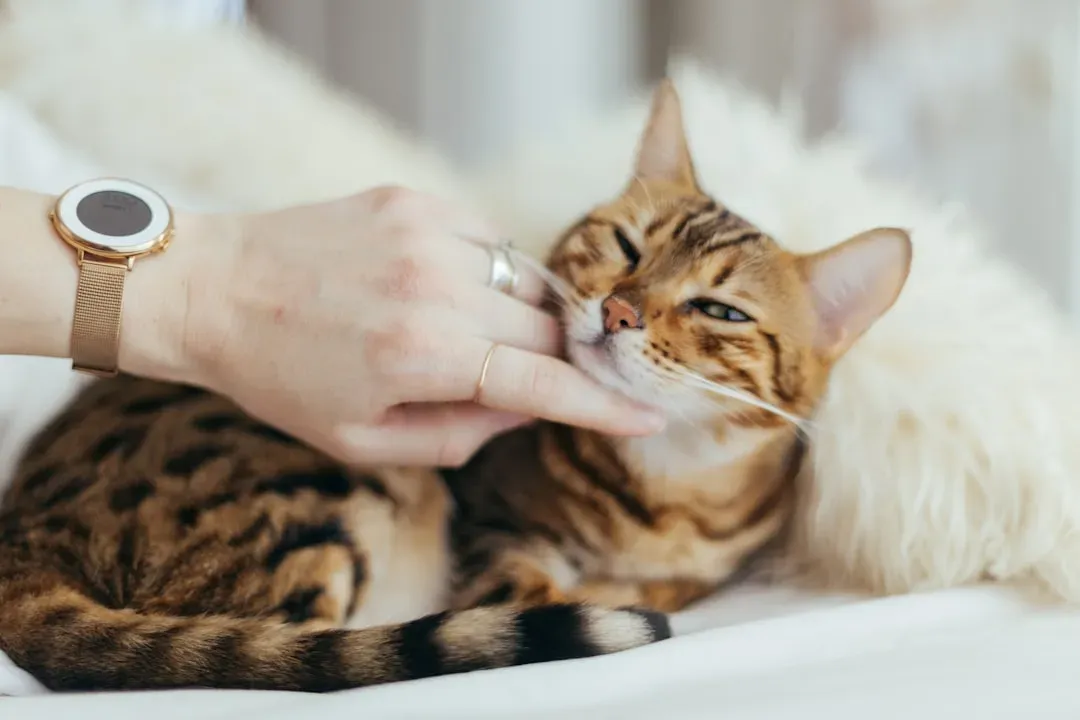
Allogrooming - social grooming between animals - is typically reserved for bonded pairs in multi-cat households. When a cat starts licking a human's hand, hair, or arm, it's essentially extending that same bonding behavior to a person.
This is one of the last trust behaviors to appear, not one of the first. Rescue cats often take months before they attempt this, since it requires closeness that a nervous cat instinctively avoids.
Some owners describe the sensation as slightly unpleasant - cat tongues are rough - but behaviorists are clear that this is a significant compliment in feline terms. It places the human in the same social category as another cat the animal considers family.
#10 - They Stretch Fully in Front of You
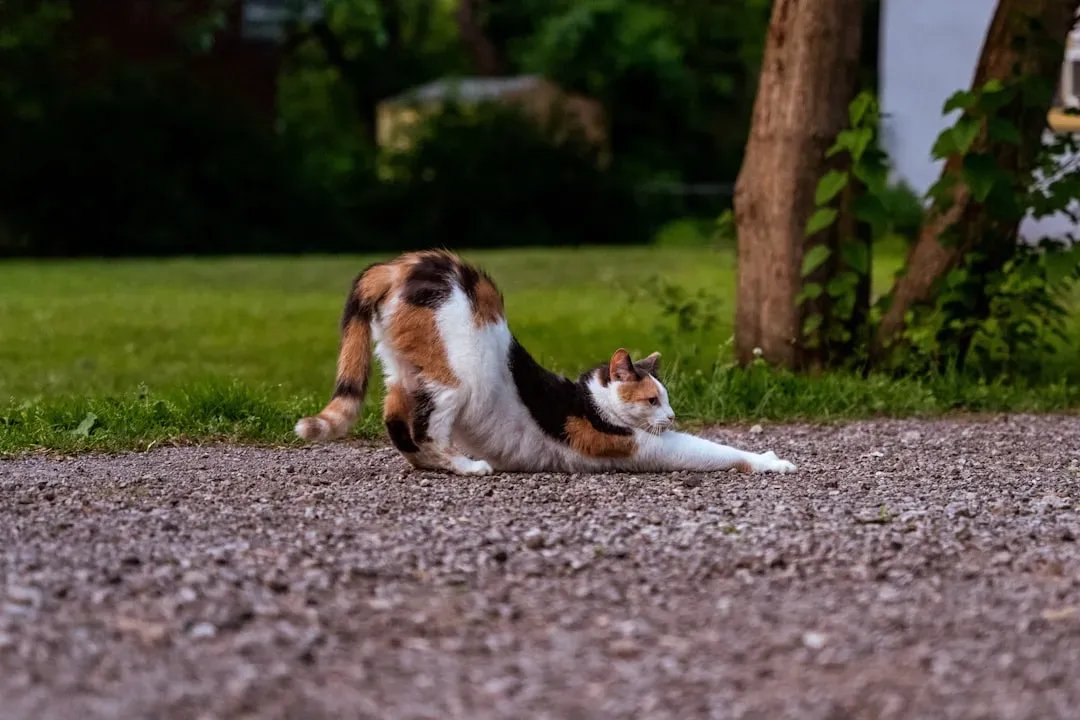
A full-body stretch - front paws extended, back arched, tail up - requires a cat to be completely off-guard. It's a posture that leaves them slow to react if startled, which is why cats rarely do it around people or animals they don't trust.
Rescue cats often avoid full stretches in shared spaces for weeks, opting instead for smaller, more guarded movements. When the full stretch finally appears in front of an owner, it signals the cat has stopped monitoring the room defensively.
This behavior tends to appear alongside other relaxed postures - lying on a side, tail loosely draped, ears in a neutral position. Together, these signals paint a clear picture of a nervous system that has finally downshifted.
#11 - They Start Playing Like a Kitten Again
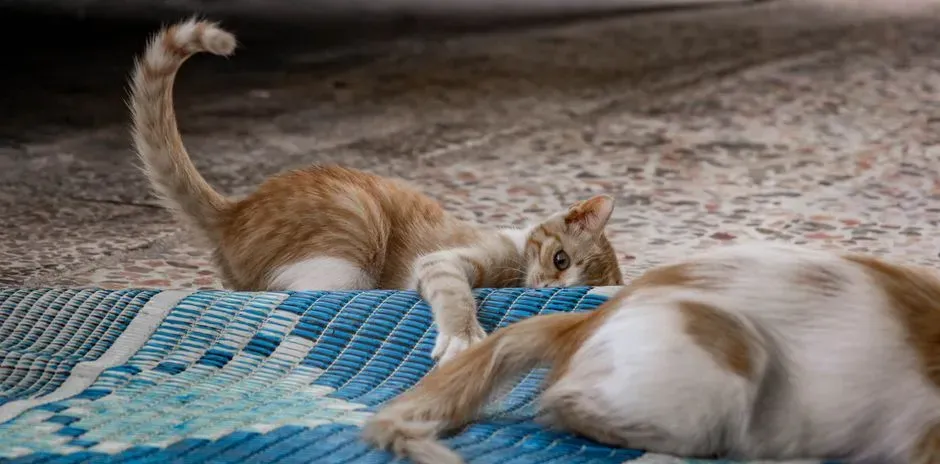
Play behavior is one of the fastest indicators of psychological stress in cats. Anxious or unsettled cats often show little interest in toys, feathers, or laser pointers, since play requires mental bandwidth that stress hormones actively suppress.
A sudden burst of kitten-like play - chasing, pouncing, batting at random objects - often means a cat's cortisol levels have dropped significantly. Shelter workers frequently cite renewed play as one of the clearest non-verbal signs of adjustment.
Older rescue cats sometimes surprise owners by "regressing" into kitten-like zoomies late at night, chasing shadows or toys with unexpected energy. Far from being random, this shift usually tracks directly with the cat's overall comfort level in the home.
Quick Compare
- Stressed cat: ignores toys, watches the room instead of engaging
- Settled cat: pounces, chases, and initiates play unprompted
- Stressed cat: play sessions are short, cautious, easily interrupted
- Settled cat: bursts of kitten-like "zoomies" return, often at night
#12 - Their Tail Position Changes Completely
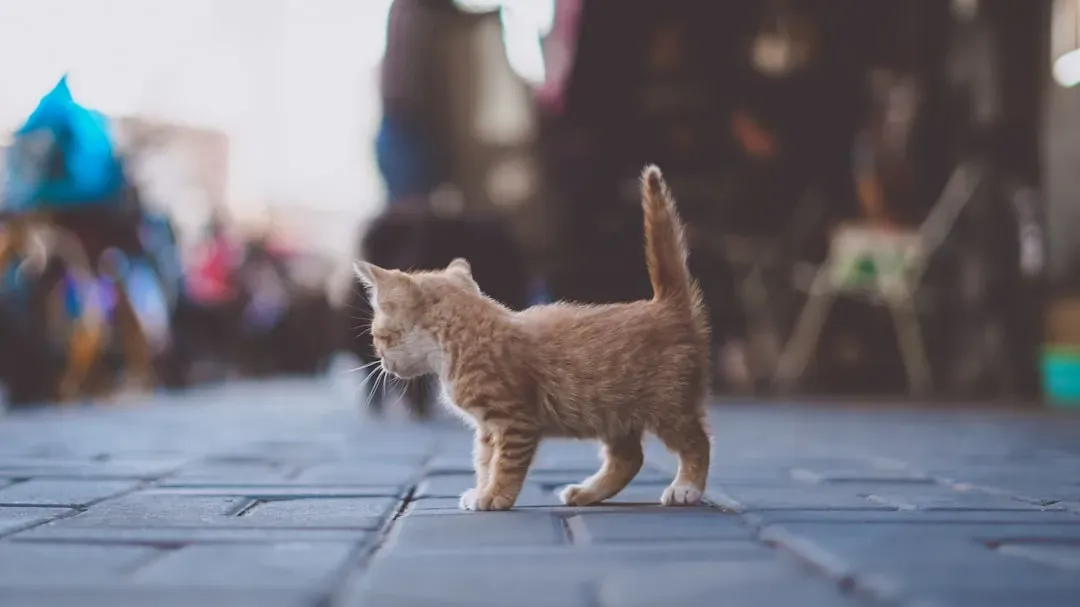
Tail posture is one of the most reliable, least talked-about indicators of feline emotional state. A tense, uncertain cat tends to hold its tail low, tucked, or wrapped tightly around its body.
Once truly settled, a rescue cat's tail posture often flips almost entirely - held high, sometimes with a gentle curl or "question mark" tip, especially when greeting a familiar person. This particular tail shape is strongly associated with friendliness and confidence in feline body language research.
Owners who track this shift often notice it happens gradually, tail height rising bit by bit over weeks, rather than flipping overnight. It's a subtle but consistent marker worth watching for.
#13 - They Stop Hiding When Guests Arrive
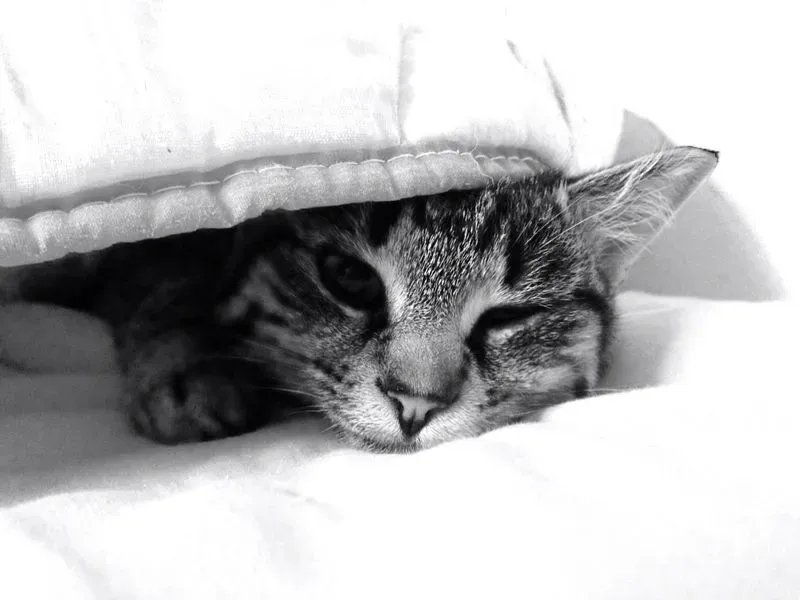
Hiding is a rescue cat's default response to unpredictability, and new people are one of the biggest unpredictable variables in a home. Many rescue cats disappear under beds or into closets for the entirety of a guest's visit, sometimes for months after adoption.
A settled cat doesn't necessarily become a social butterfly, but it usually stops treating every visitor as an emergency. Some cats start observing guests from a distance instead of fleeing entirely; others eventually approach on their own terms.
This shift often correlates directly with how secure the cat feels in its "home base." A cat confident that its territory and resources aren't threatened by a stranger has far less reason to flee at the first knock on the door.
#14 - They Start Following You Room to Room
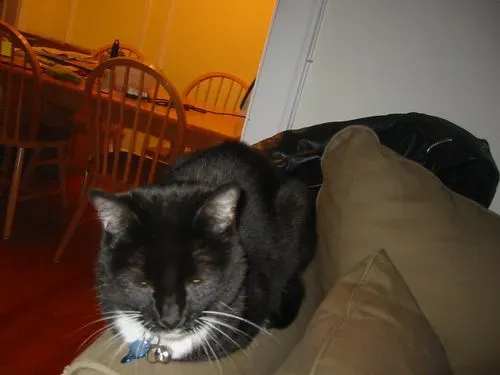
The so-called "velcro cat" phase surprises a lot of new owners, especially those who adopted a cat that initially seemed aloof or independent. Following a person from room to room is a bonding behavior rooted in social attachment, similar to patterns seen in dogs.
This isn't neediness - it's proximity-seeking behavior, and it typically only appears once a cat has identified a specific human as its primary source of safety. Early on, most rescue cats prefer distance and multiple escape routes.
Some cats take this further, waiting outside bathroom doors or sitting just outside a home office during work hours. While it can feel intense, behaviorists frame this as one of the strongest indicators that a cat has formed a genuine attachment bond.
#15 - Their Appetite and Digestion Normalize
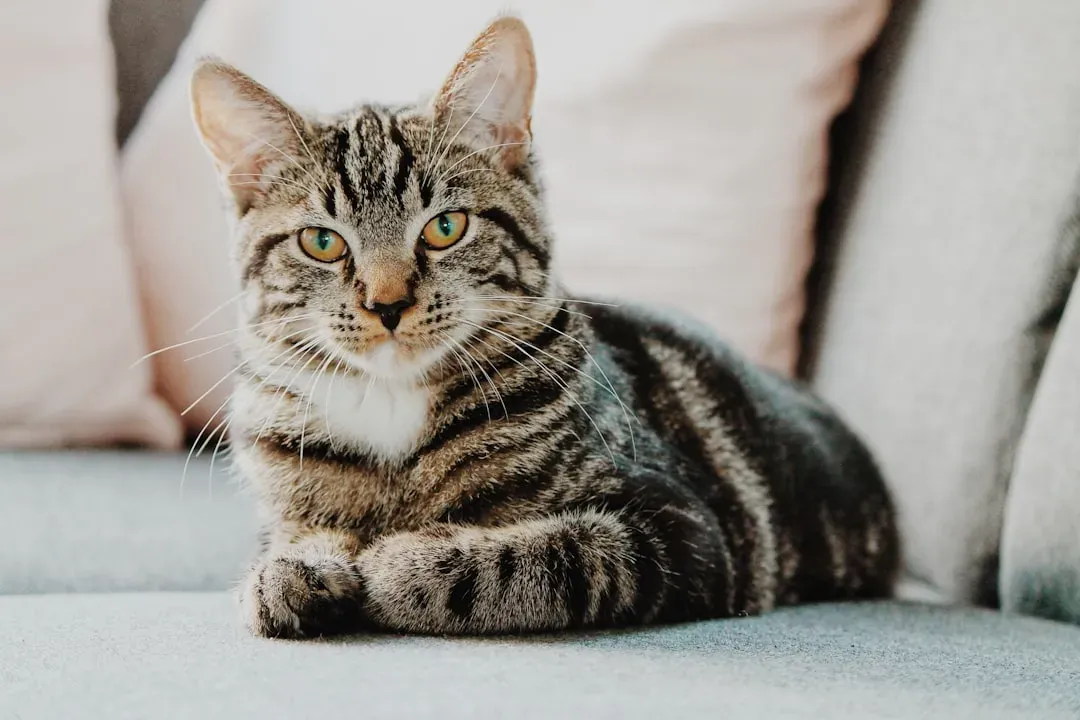
Stress in cats frequently manifests physically before it manifests behaviorally. Many newly adopted rescue cats deal with stress-related appetite changes, occasional vomiting, or irregular litter box habits during the adjustment period.
A steady, consistent appetite - along with regular, predictable litter box use - is often one of the clearest internal signs that a cat's stress levels have dropped. Veterinarians frequently point to digestive normalization as a practical, measurable marker of adjustment, separate from behavior alone.
This shift usually happens gradually over the first few months, and it's one reason vets often recommend patience with rescue cats rather than assuming something is medically wrong at the first sign of an eating or bathroom hiccup.
#16 - They Start Chattering at Birds Again
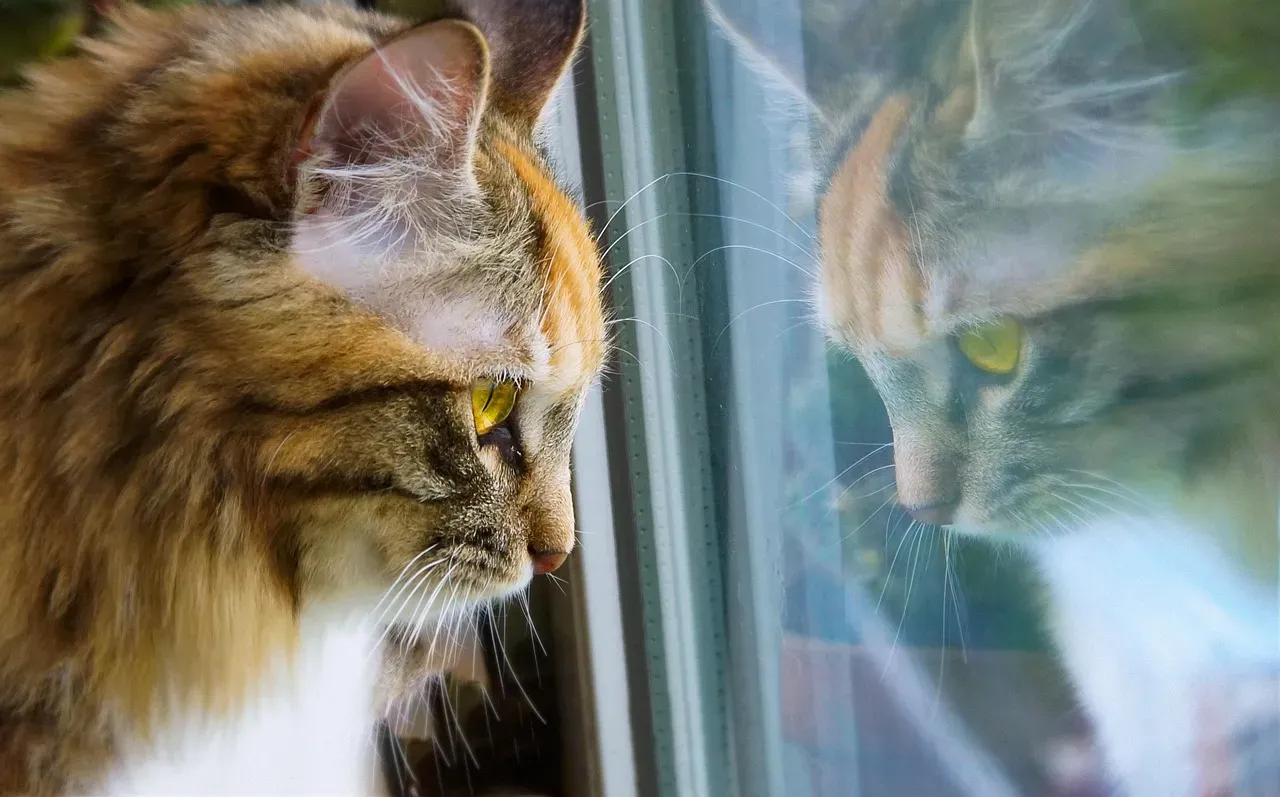
That chattering, teeth-clicking sound cats make while watching birds or squirrels through a window is tied to a mix of predatory instinct and mild frustration. It's a natural, hardwired behavior - but it also requires a level of relaxed engagement with the environment.
A cat still in high-alert mode often ignores window activity entirely, too focused on monitoring the room itself. Once settled, cats frequently return to normal environmental curiosity, spending long stretches perched on windowsills reacting to outdoor movement.
This is sometimes one of the more overlooked signs of adjustment, since owners assume a cat sitting quietly at a window is simply bored. In reality, it often reflects a nervous system finally calm enough to enjoy passive entertainment.
#17 - They Let You Touch Sensitive Areas
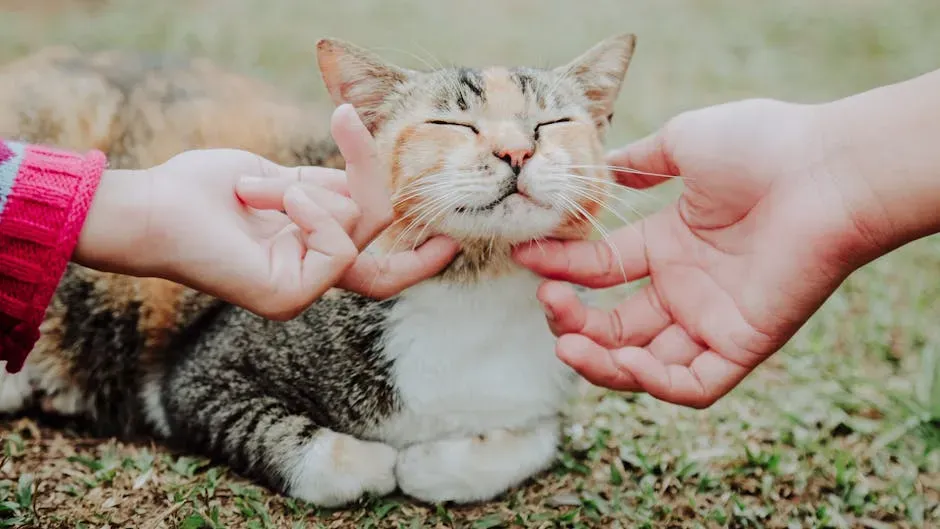
Paws, belly, and tail base are widely considered the most sensitive, trust-dependent areas on a cat's body. Wild instinct treats these areas as vulnerable points, and most cats - rescue or not - are naturally protective of them.
A cat that allows belly rubs or paw handling has usually crossed a significant trust threshold, since these areas are commonly associated with defensive reactions in cats that don't feel secure. Many rescue cats avoid this kind of contact entirely for months.
When it finally happens, it's rarely constant or unconditional - many cats only allow it briefly, or only from one specific person. Even so, behaviorists consistently rank this as one of the strongest indicators of deep trust a cat can show a human.
#18 - They Start Sleeping Near - or On - You
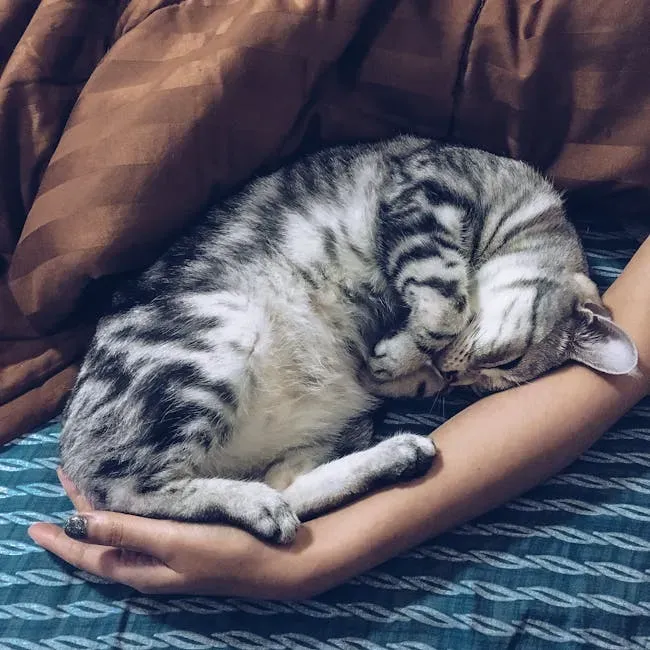
Physical closeness during sleep is one of the most literal expressions of trust a cat can offer, since sleep is the most vulnerable state an animal can be in. A rescue cat sleeping in the same room, let alone the same bed, has made a clear decision about safety.
This progression is often gradual and highly specific - first sleeping at the foot of the bed, then closer to the legs, eventually curling up against a chest or shoulder. Each step tends to represent a genuine decrease in the cat's need for personal space and vigilance.
Some rescue cats never fully reach the "sleeping on you" stage, and that's normal too. Personality plays a large role, and forcing closeness too early can actually delay this kind of bonding rather than accelerate it.
#19 - Their Personality "Flips" Almost Completely
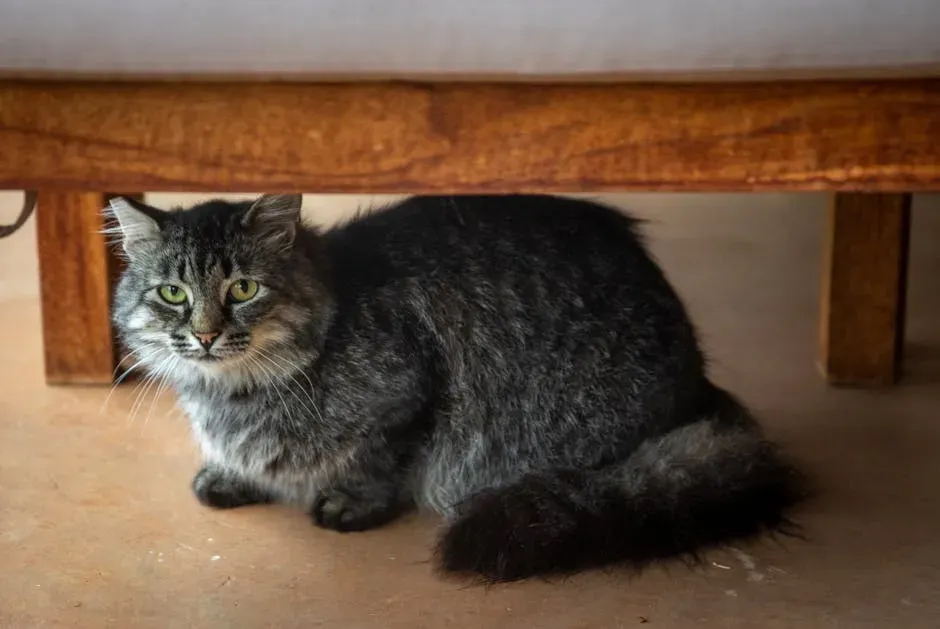
One of the most commonly reported experiences among rescue owners is watching a shy, withdrawn cat transform into an outgoing, even demanding personality months later. This isn't the cat "changing" - it's the cat finally revealing who it was all along.
Shelter environments are inherently stressful, and stress actively suppresses personality expression in cats, sometimes for extended periods. A cat labeled "quiet" or "reserved" in a shelter setting may simply have been overwhelmed, not naturally timid.
There are two means of refuge from the miseries of life: music and cats.
Albert Schweitzer
Owners often describe this shift as almost jarring - waking up one day to a cat that suddenly seeks attention, initiates play, or vocalizes constantly, when the same animal barely moved for its first few weeks home. It's widely considered one of the most rewarding parts of rescue adoption.
#20 - They Stop Guarding Food and Resources
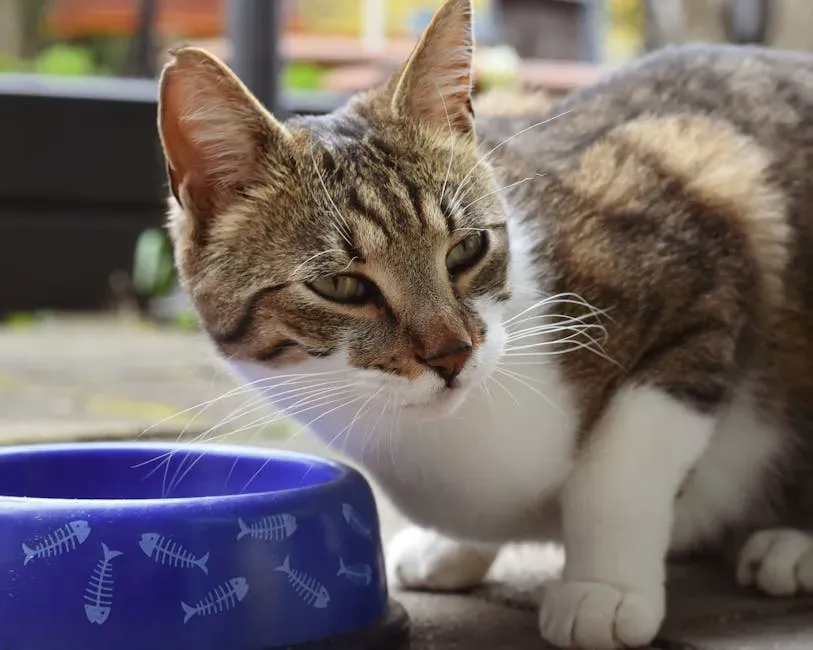
Resource guarding - eating quickly, hissing near food bowls, or tensing up during feeding - is common in cats with uncertain histories, particularly those that may have experienced scarcity before rescue. This behavior is protective, not aggressive in intent.
A cat that eats calmly, allows a person nearby during feeding, or stops rushing meals has usually resolved a very specific, very deep-rooted anxiety. This shift often takes longer than other trust behaviors, since it's tied to survival instincts rather than simple social comfort.
Veterinary behaviorists frequently note that resource guarding around food is one of the slowest issues to fully resolve, sometimes taking the better part of a year, even in otherwise well-adjusted rescue cats.
Worth Knowing
- Common signs include fast eating, hissing near the bowl, or hovering close during meals
- Often linked to past scarcity or competition for food before rescue
- One of the slowest trust behaviors to resolve - sometimes nearly a year
- A calmer eating pace usually appears before the guarding fully disappears
#21 - They Choose You, Every Single Day
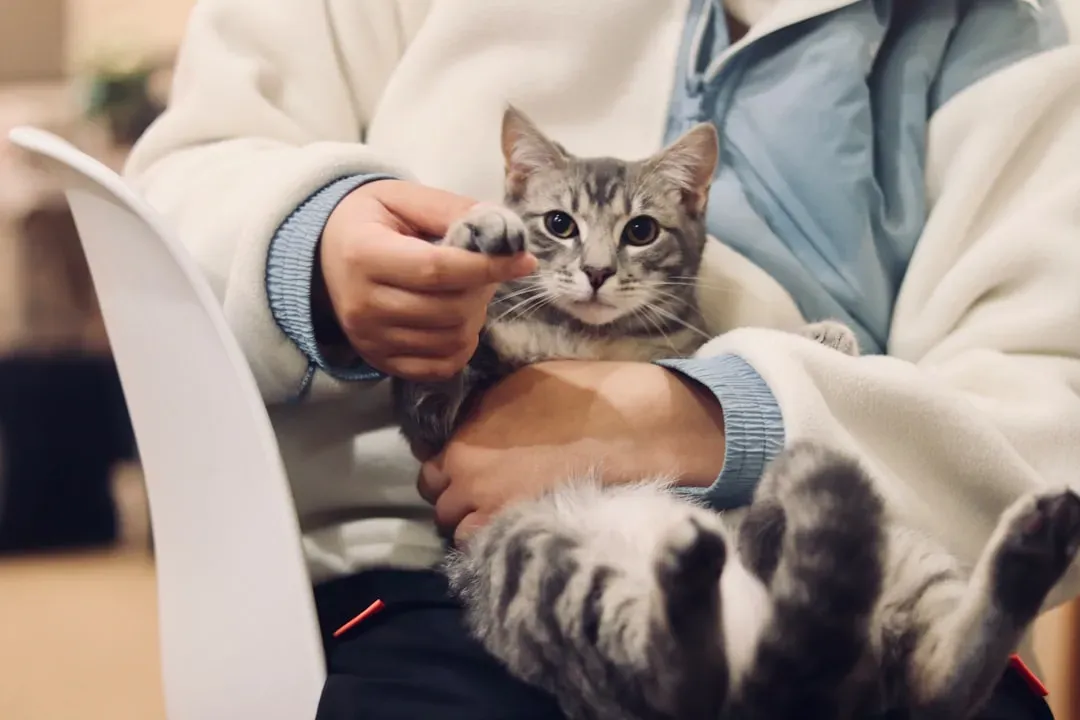
The final, clearest sign a rescue cat considers itself permanently home isn't dramatic - it's consistent, everyday choice. Given the option to be anywhere else in the house, a settled cat repeatedly, deliberately chooses proximity to its person.
This isn't about forced closeness or dependency - it's active, ongoing selection. A cat that could easily nap alone in a sunny room but instead chooses a lap, a nearby chair, or a spot within eyesight is expressing something behaviorists describe as genuine attachment, not habit.
This behavior tends to be the culmination of every other shift on this list. The slow blinks, the kneading, the belly-up naps - they all build toward this quiet, daily decision. Most owners don't notice it as a single moment; they notice it as the new normal, and by the time they do, the cat has usually been "home" for a while.
The Bottom Line
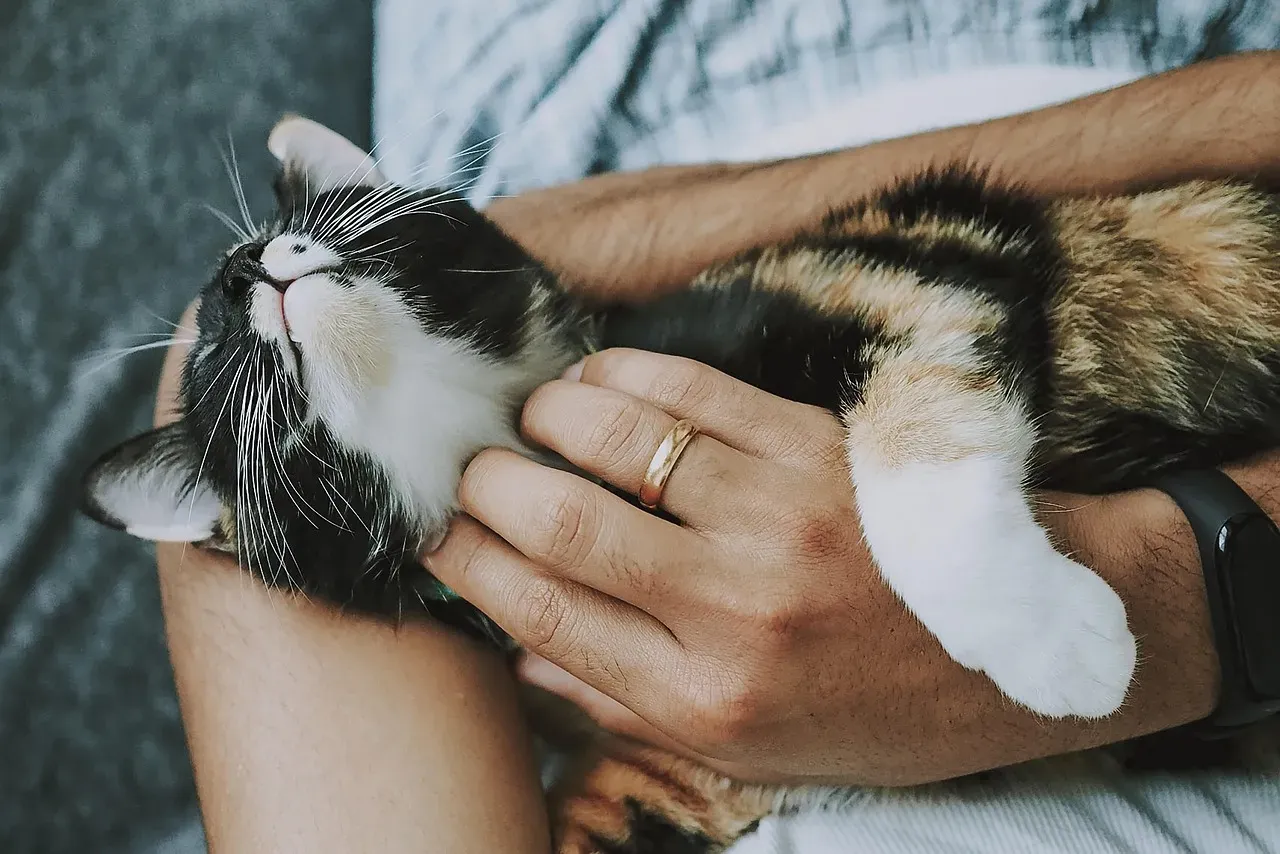
Rescue cats don't announce their trust with fanfare - they reveal it in small, deliberate signals most people overlook. The slow blink, the belly-up nap, the sudden kneading session - these are the real markers of emotional safety, not just time spent in a home. What surprised us most researching this is how physical the process is: appetite, digestion, and sleep posture often shift before "obvious" affection ever does.
If your rescue cat hasn't hit all 21 signs yet, that's not a failure - some cats take a year or longer, and that's still completely normal. What matters is the trajectory, not the timeline. Which of these did your cat show first? Drop it in the comments - we're curious which sign shows up earliest across different households.