What It Means When Your Cat Suddenly Freezes and Stares at Something You Can’t See
#1 The predator brain never fully switches off
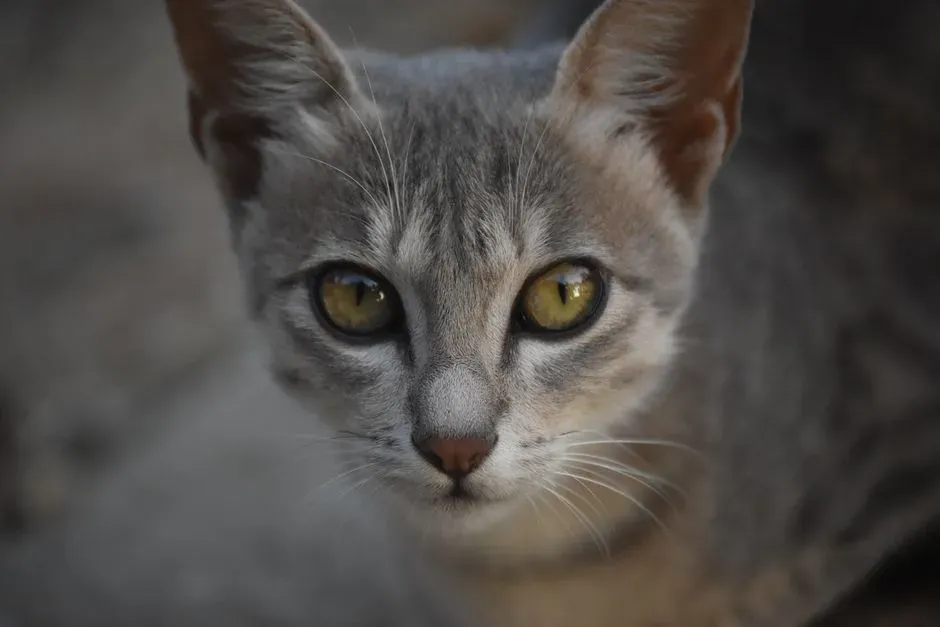
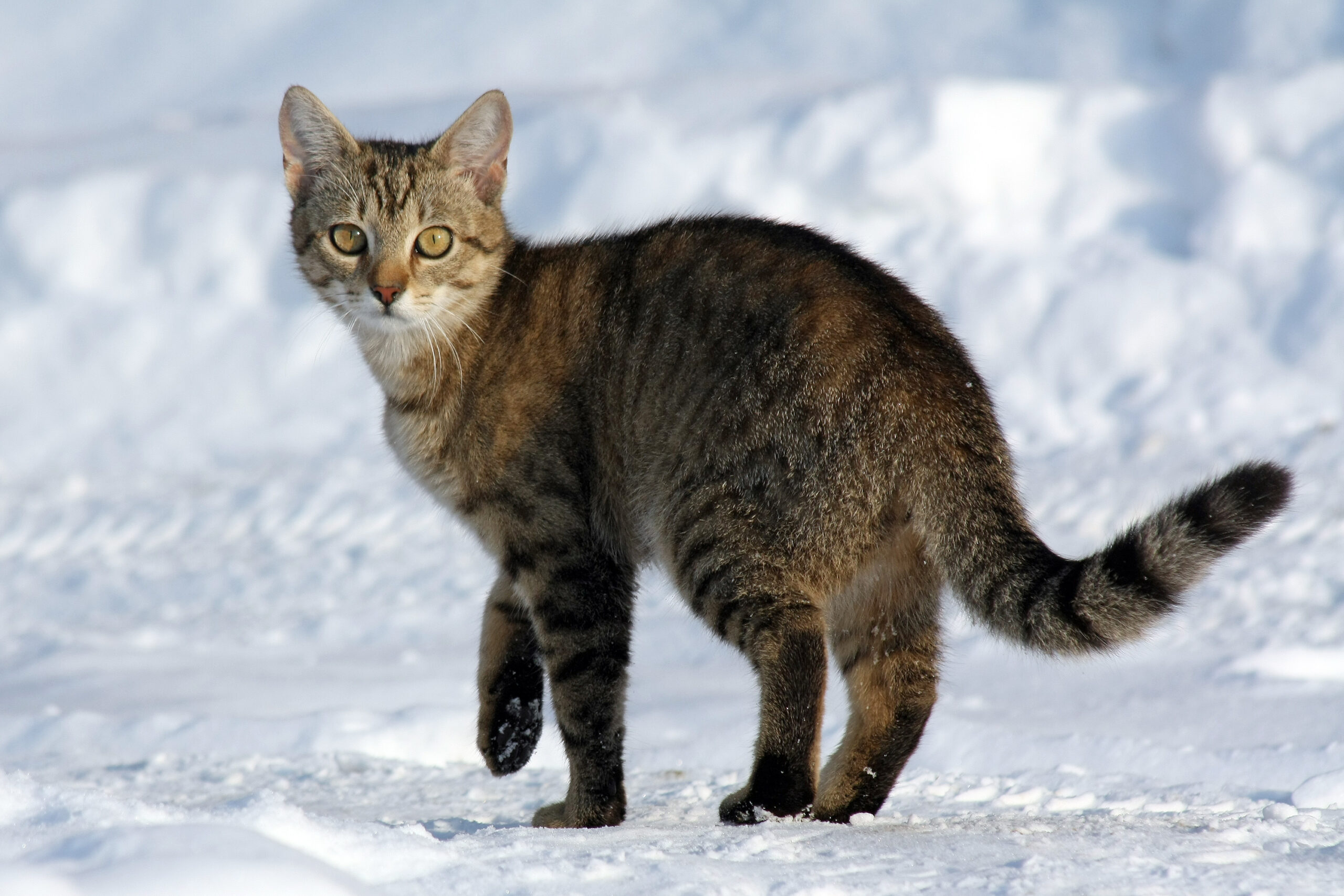
Cats spend a huge amount of their waking hours in a state of quiet readiness, even when they look completely relaxed. That freeze and stare is often just their orienting response kicking in, the same reflex wild cats use to decide whether something is worth chasing, avoiding, or ignoring entirely. Cats are simply engaging their drive for predation or self-preservation, noticing an odd noise and orienting towards it to determine if they should pursue, retreat, or do nothing.
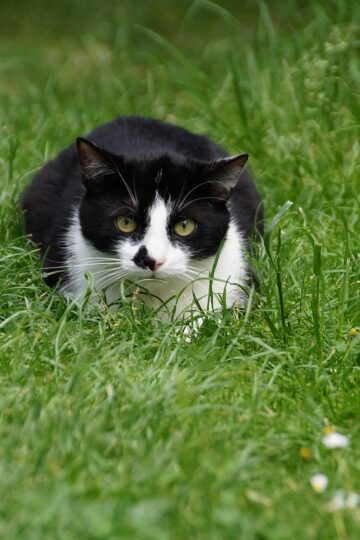
This instinct is built for catching prey that barely moves, so it's tuned to notice things far smaller than what a human eye would bother registering. When cats stare intensely at nothing, their keen senses may reveal something as minor as an insect, a leaky pipe in the wall, or a flash of light. The stillness itself is the giveaway. A relaxed cat fidgets and blinks. A hunting cat holds its whole body like a coiled spring, and that's exactly what you're watching when the stare seems to come from nowhere.
#2 Ears that catch what we never will
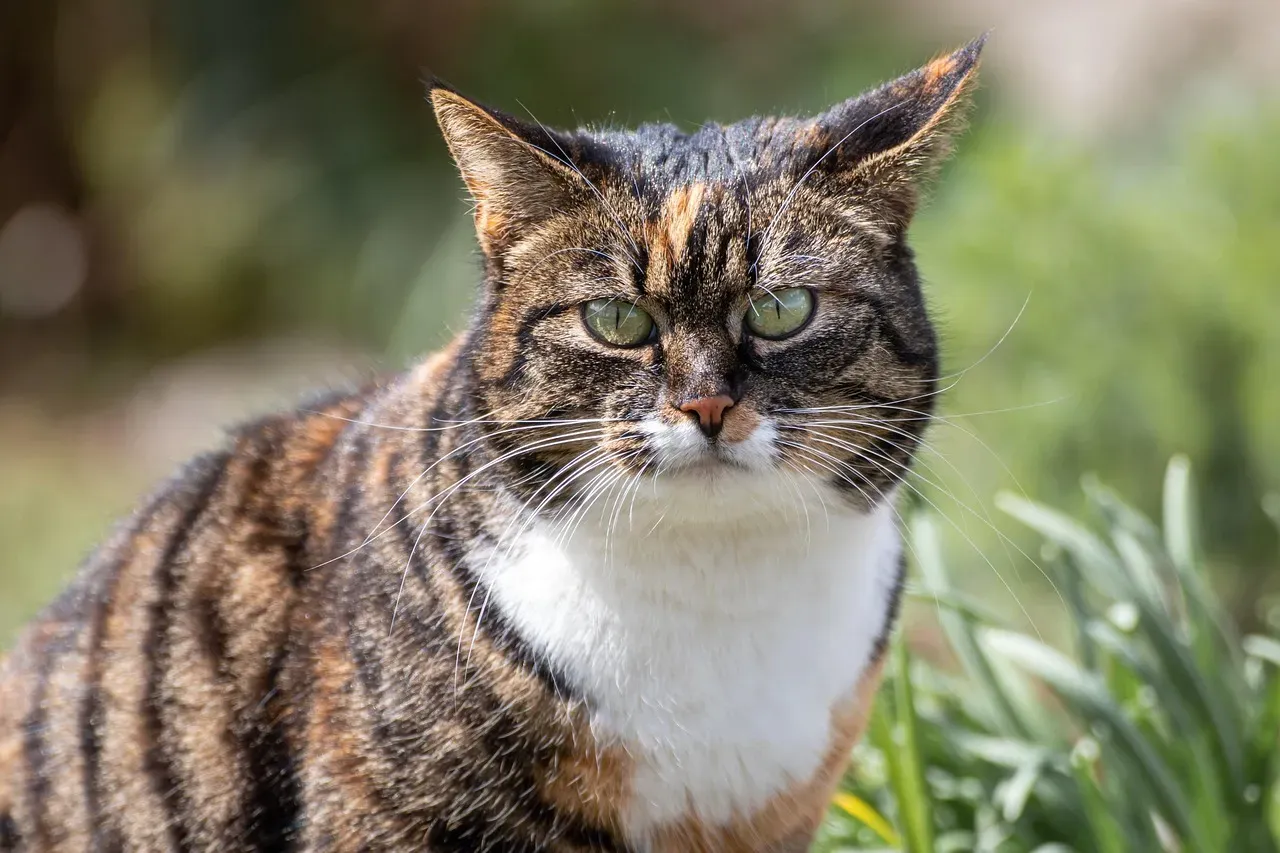
Long before the eyes lock onto something, the ears usually got there first. Cat hearing operates on a much wider band than ours, stretching well past the range most humans could ever pick up. Their hearing ranges from 63 kHz at the lowest frequency to 79 kHz at the highest frequency, meaning cats can hear ultrasonic sounds and detect things humans can't, such as rodents squeaking or wires buzzing in the walls.
If you want proof that a "nothing" stare is actually a "something" stare, watch the ears rather than the eyes. If you catch your cat looking intently in a random direction, watch their ear pinnae, as they stare their ears will orient in the direction of your cat's gaze to help them localize the sound source, telling you they heard something you didn't. A dripping faucet two rooms away, a mouse behind drywall, even the faint whine of an appliance winding down, all of it can hold a cat's attention while the room feels silent to everyone else in it.
#3 A visual world tinted with ultraviolet
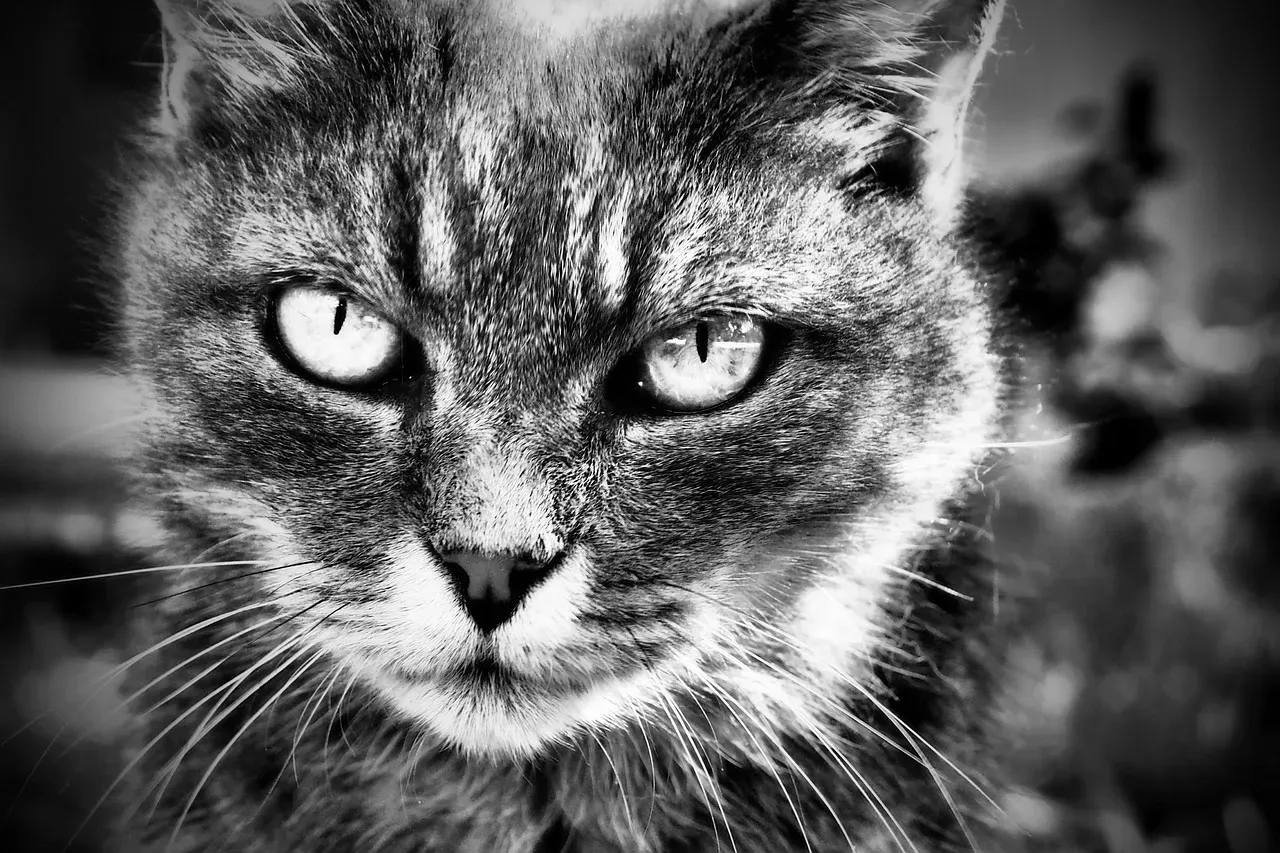
Here's where things get genuinely strange, in a good way. Research published in the Proceedings of the Royal Society B found that cats, along with several other mammals, can perceive ultraviolet light that is completely invisible to the human eye. The lens of the human eye blocks ultraviolet light, but in animals with UV-transparent lenses, ultraviolet light reaches the retina, which converts the light into nerve signals that travel to the brain where the visual system perceives them.
That means dust motes drifting through a sunbeam, faint stains from a previous pet, or even patterns on fabric can look wildly different to a cat than they do to us. While humans block UV with our eye lenses, a large majority of ultraviolet light reaches a cat's retina, revealing patterns invisible to us. It's tempting to call this a superpower, and in a narrow sense it is one, though it's worth remembering it evolved for tracking prey and reading scent trails, not for detecting anything supernatural.
#4 Whiskers reading currents in the air
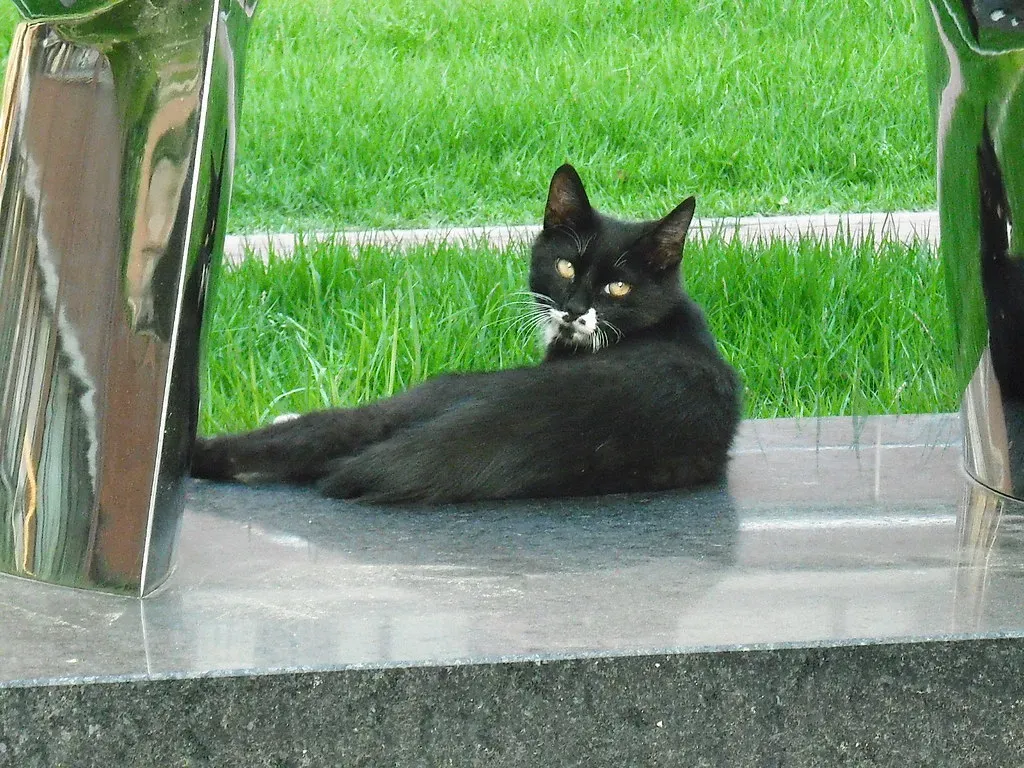
Vision and hearing get most of the credit, but a cat's whiskers are doing quiet work of their own during that motionless stare. These vibrissae are exquisitely sensitive to changes in air pressure and movement, essentially letting a cat feel a draft shift or sense an object nearby without touching it. When a door opens elsewhere in the house or a fan kicks on, the resulting air current can register on a cat's whiskers well before it's consciously noticed by anyone else in the room. This sense works in tandem with hearing and vision rather than replacing them, layering another stream of information onto whatever triggered the freeze in the first place. It's part of why a cat's stare sometimes tracks something moving through open air with no visible source, since what looks like empty space to a human may carry a detectable current or pressure change to a cat's whiskers. None of it requires anything mysterious, just a sensory system built with more inputs than ours.
#5 When the stare is a sign worth watching
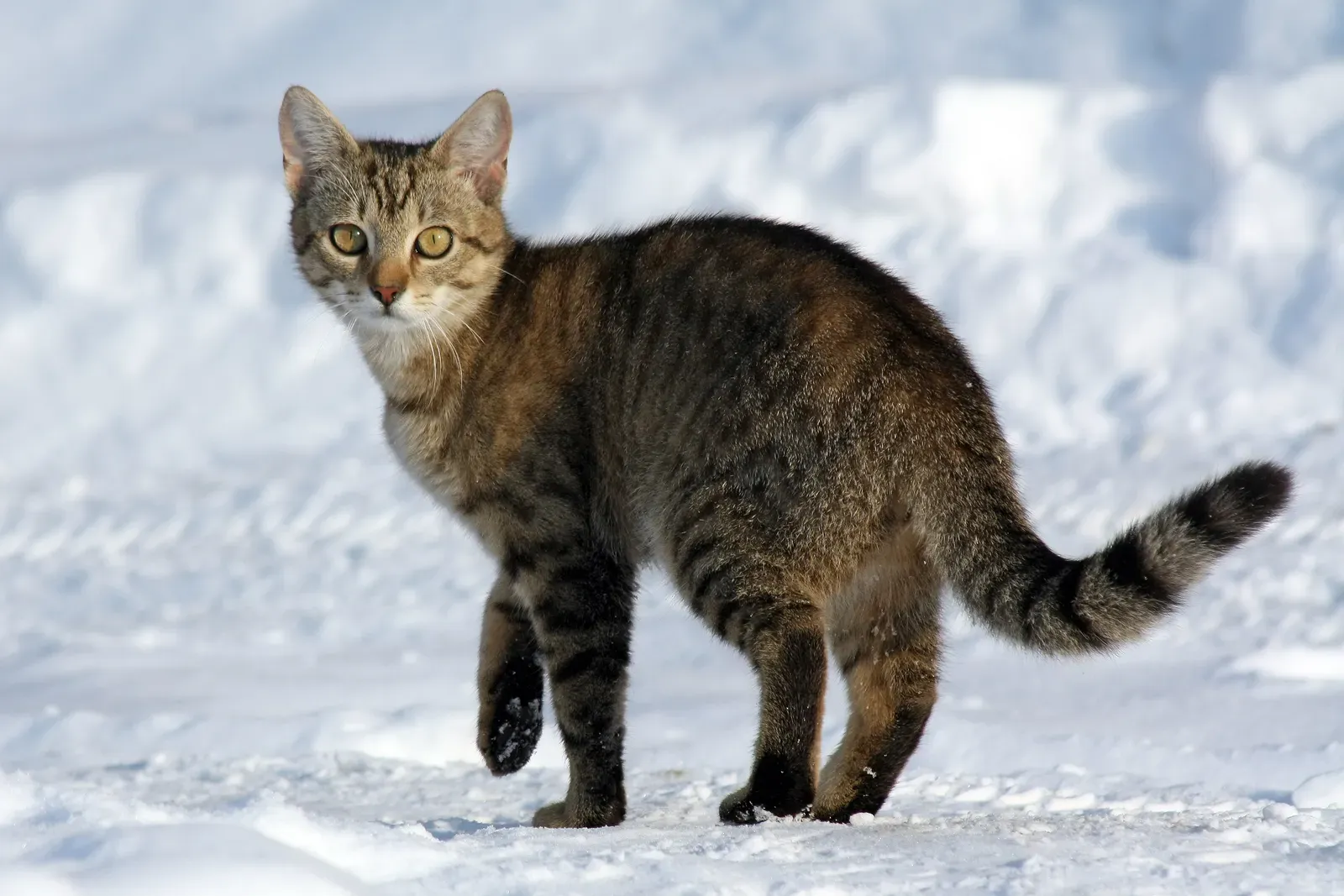
Most of these freezes are harmless curiosity, but there are cases where a blank stare points to something medical rather than environmental. Cognitive changes tied to age are a real factor in older cats, and vets do see this pattern show up as part of a broader shift in behavior. Cognitive dysfunction is a common occurrence as cats age, with most cats experiencing some form of cognitive decline over 11 years old, including memory, awareness, learning ability, and sensory perception potentially failing gradually.
There's also a less common but important possibility worth knowing about. Altered mentation may happen during a focal seizure, causing a cat to appear to stare blankly or seem disconnected from its surroundings for a brief period. If the staring episodes are frequent, paired with disorientation, unusual vocalizing, or a change in appetite, that's a reasonable moment to bring it up with a veterinarian rather than assume it's just sensory curiosity.
#6 Reading the rest of the body, not just the eyes
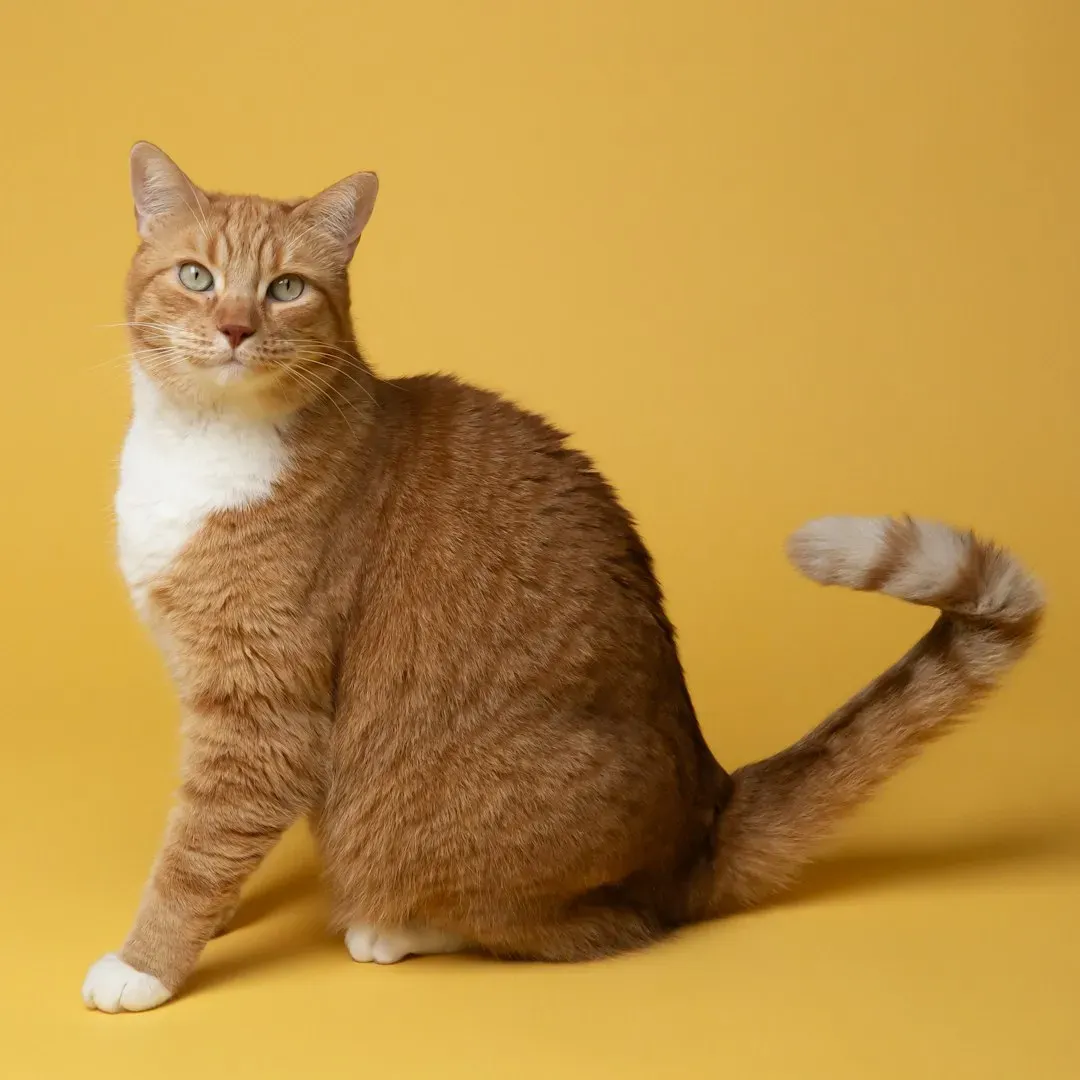
The eyes tell only part of the story, and the rest of the body usually fills in the context. A cat that's simply tracking a bug or a dust particle tends to have a loose, engaged posture, maybe a twitching tail tip or a slight forward lean. A cat that's genuinely startled or wary carries tension through the shoulders, flattens its ears, and often refuses to approach the area afterward. Paying attention to what happens next matters just as much as the stare itself. Does the cat relax within a few seconds and wander off? That's ordinary sensory processing doing its job. Does it stay rigid, retreat, or avoid the spot entirely for the rest of the day? That pattern is worth noting, less because anything otherworldly is happening and more because it hints at a genuine environmental trigger, whether that's a pest, a mechanical noise, or simply a scent that lingered longer than expected.
The Verdict on Those Ghostly Stares
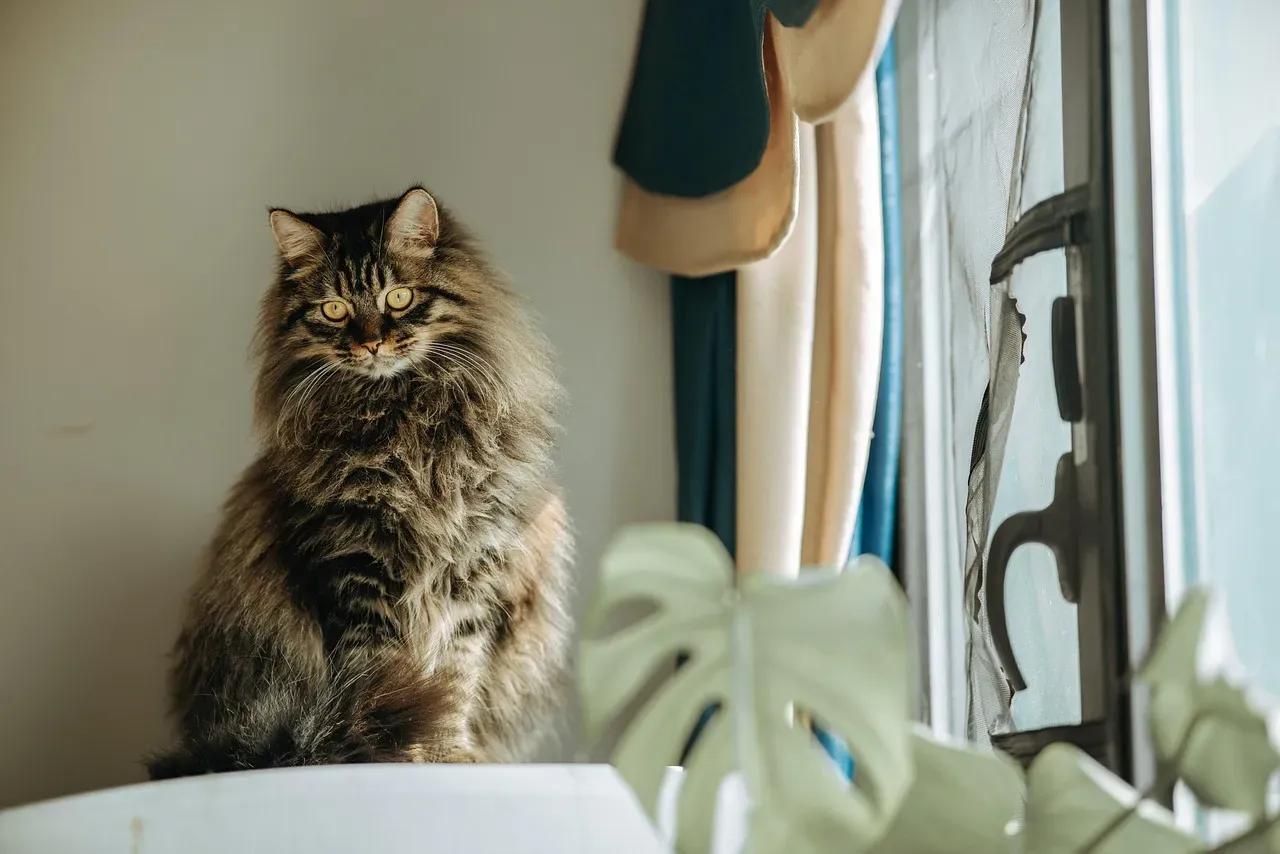
After sorting through the sensory science, my honest take is that the mystery mostly dissolves once you account for how differently a cat's body is built to perceive the world. Sharper hearing, a wider light spectrum, whiskers reading air currents, and instincts that never fully rest all add up to a creature that notices far more than we do, not one that's tapped into anything paranormal.
That said, I don't think the wonder should disappear along with the mystery. There's something genuinely humbling about sharing a living room with an animal whose senses reach into corners of reality we simply can't access. The next time your cat locks eyes with an empty patch of air, it's worth remembering that empty is doing a lot of heavy lifting in that sentence, and to your cat, it almost certainly isn't.