Most cat owners assume a dead mouse on the doorstep is either a gruesome accident or a bizarre feline joke. But animal behaviorists say something far more calculated is happening every time your cat drops a "gift" at your feet. **Nearly every offering - from a squeaky toy to an actual bird - is a coded message rooted in 10,000 years of hunting instinct.** Most people think their cat is just being weird or messy. Turns out, your cat has a specific reason for every single item it brings you, and once you know what they are, you'll never look at that hairball-covered sock the same way again. Here's what feline behavior experts actually say.
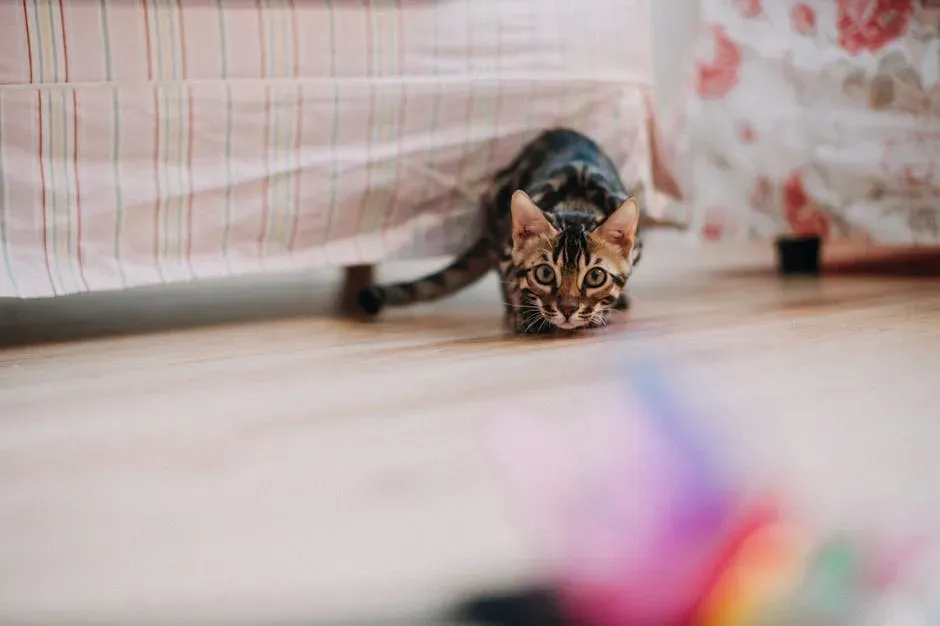
#1 - Your Cat Genuinely Thinks You Need Hunting Lessons
#1 - Your Cat Genuinely Thinks You Need Hunting Lessons (Image Credits: Pexels)
Here's the uncomfortable truth: your cat may see you as a hopeless student who still hasn't learned to catch food.
This isn't a joke among cat owners - it's an actual working theory among behaviorists. Your cat might think you are a clumsy kitten who needs to learn how to hunt. The logic tracks perfectly with feline biology. In the wild, mother cats bring dead or injured prey to their kittens to teach them how to eat and kill, and when your cat presents you with a dead mouse, they may view you as a beloved - but terribly incompetent - member of their family.
It gets more specific than that. They've noticed you never catch your own mice, so they are trying to teach you survival skills. That's not sentimentality - it's a genuine assessment of your competence as a fellow predator. Your cat has watched you open cans and bags for years and drawn its own conclusions.
**The most surprising fact:** cats aren't randomly dropping prey - they're running a structured curriculum they think you desperately need. But that's nothing compared to what we found about #2...
#2 - It's One of the Highest Compliments in the Animal Kingdom
#2 - It's One of the Highest Compliments in the Animal Kingdom (Image Credits: Pexels)
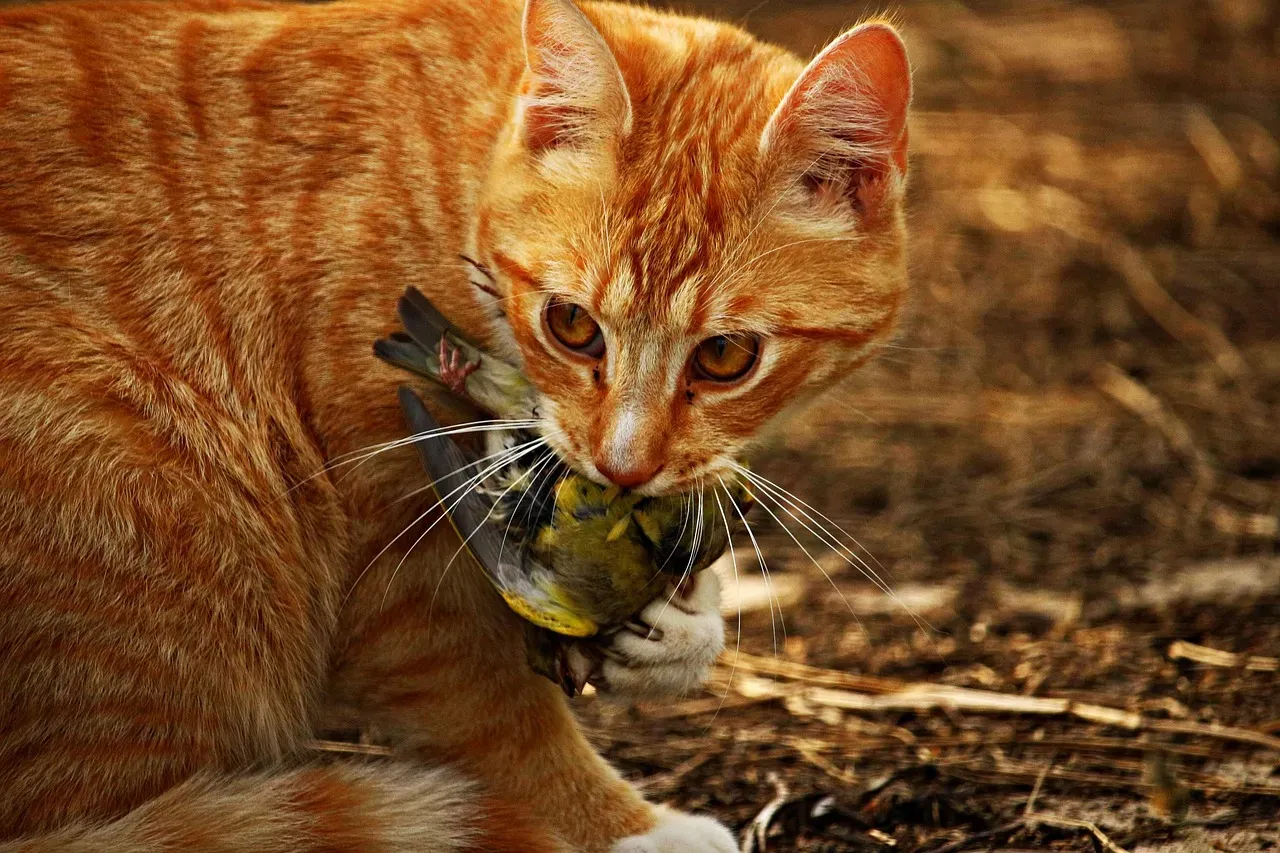
Bringing you a dead animal is actually a massive vulnerability move, and almost no other species will do it for a non-relative.
Sharing a kill is a huge social risk in the wild - it means announcing a valuable resource to potential competitors. Dead prey delivery is high-stakes vulnerability in the animal kingdom, and wild cats only do this with family members, meaning your cat bringing you gifts means you've been promoted to their inner circle.
This isn't automatic, either. Rescue workers have watched it develop in real time. Rescue cats have taken 6-12 months before bringing their first "gift" to their new owners, and the moment it happened was the breakthrough - the moment trust was finally established.
**Most surprising:** the "gift" isn't a gesture of politeness - it's a formal trust ceremony your cat only performs once it fully accepts you as family. But that's nothing compared to what we found about #3...
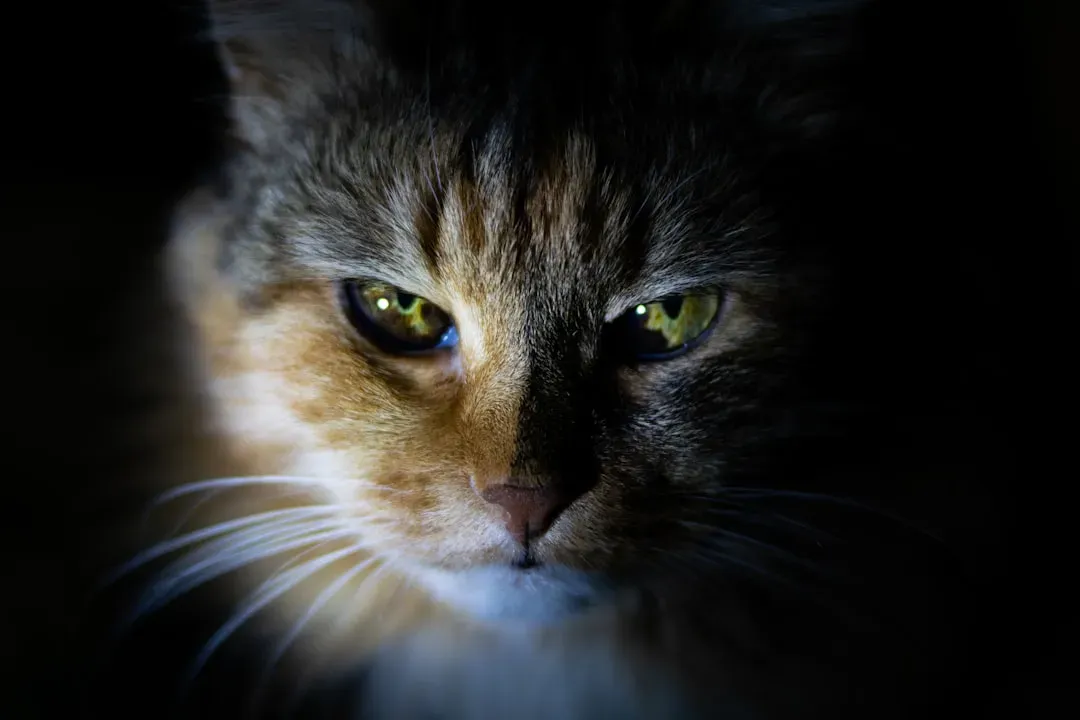
#3 - Spayed Females Are the Biggest Culprits
#3 - Spayed Females Are the Biggest Culprits (Image Credits: Unsplash)
If your female cat is the most prolific gift-bringer in the house, there's a specific biological reason for it.
Spayed female cats are most likely to bring "gifts" to their owners, but unable to have kittens of their own to pass on their knowledge to, their humans are the next best thing. The maternal teaching program doesn't just switch off because there are no kittens to teach - it gets redirected.
Real-world reports back this up in oddly specific ways. One cat owner described: "My cat has had kittens and she is bringing me leaves every time she comes in the house she shows me a leaf and brings it in and drops it in the room." Whether it's leaves, socks, or actual prey, the underlying wiring is the same - she's a mother without a nursery, and you've become the substitute.
**Surprising twist:** it's not aggression or dominance driving this - it's an interrupted maternal instinct looking for somewhere to go. But that's nothing compared to what we found about #4...
#4 - Indoor Cats Are Compensating for "Predatory Frustration"
#4 - Indoor Cats Are Compensating for "Predatory Frustration" (Image Credits: Pexels)
Cats that never step outside still have the same killer instinct running in the background - and it has to go somewhere.
Behaviorists have a specific term for what happens when that drive gets bottled up. Cats bringing toys isn't just cute, it's compensation - indoor cats experience what behaviorists call predatory frustration, the biological need to hunt without access to actual prey. So they improvise with whatever's lying around.
This explains the parade of socks, hair ties, and crumpled receipts you find scattered by the couch. If your cat brings you toys, socks, hair ties, or crumpled paper, the core motivation is the same - but the execution reveals different needs. The item itself barely matters; the delivery ritual is what counts.
There's a fix, and it's measurable. Cats who engage in 10-15 minutes of "hunt play" daily are 40% less likely to develop destructive behaviors. Skip the play sessions, and that pent-up drive turns into 2 a.m. sock deliveries instead.
**The surprising fact:** an indoor cat's sock obsession isn't random mischief - it's a documented substitute for a hunting session it never got to have. But that's nothing compared to what we found about #5...
#5 - Your Bedroom Is Considered the Safest Vault in the House
#5 - Your Bedroom Is Considered the Safest Vault in the House (Image Credits: Pixabay)
Ever wake up to a "gift" specifically placed next to your pillow? There's a territorial logic behind that exact spot.
Cats aren't randomly dropping items - they're choosing the most secure location they know. When your cat brings dead animals to your bed, they're not being creepy - they're storing valuable resources in the safest place they know: next to you.
This lines up with how wild cats handle a kill. They bring prey home because it's the safest place to eat or store it, away from other predators. Your bedroom, in feline logic, is the deepest, most defended part of the den - which is exactly why it gets chosen over the kitchen floor.
There's also a timing pattern that reinforces the "storage" theory. Once your cat has made their catch, they often want to share it right away, and bringing it to you while you sleep ensures you are in one place while placing the gift in what they consider the heart of their territory - your bedroom.
**Most surprising:** the placement isn't about shock value - it's a deliberate choice of the most protected square footage in your entire home. But that's nothing compared to what we found about #6...
#6 - The 2 A.M. Delivery Isn't a Coincidence
#6 - The 2 A.M. Delivery Isn't a Coincidence (Image Credits: Unsplash)
If your cat's gift-giving always seems to happen in the dead of night, that's not bad luck - it's biology on a schedule.
Cats operate on a hunting clock inherited straight from their wild ancestors. Cats are crepuscular, meaning they are most active at dawn and dusk, and late night and early morning hours are prime time for hunting behavior, even in indoor cats. Your 2 a.m. wake-up call isn't random insomnia on the cat's part - it's peak predator mode.
Wildlife such as mice, voles, and birds tend to be more active at night and early in the morning, and preventing your cat from going outdoors during this time will reduce his chances of a successful kill. If your outdoor cat is bringing home actual prey, blocking overnight access is one of the few things that actually reduces the frequency.
**The surprising fact:** your cat's "gift schedule" isn't erratic at all - it's synced to the exact hours its wild ancestors would have been hunting for survival. But that's nothing compared to what we found about #7...
#7 - It's Secretly an Invitation to Play, Not Just a Gift
#7 - It's Secretly an Invitation to Play, Not Just a Gift (Image Credits: Unsplash)
That dead bug or ratty toy on your pillow might not be a present at all - it could be an invitation you're supposed to accept.
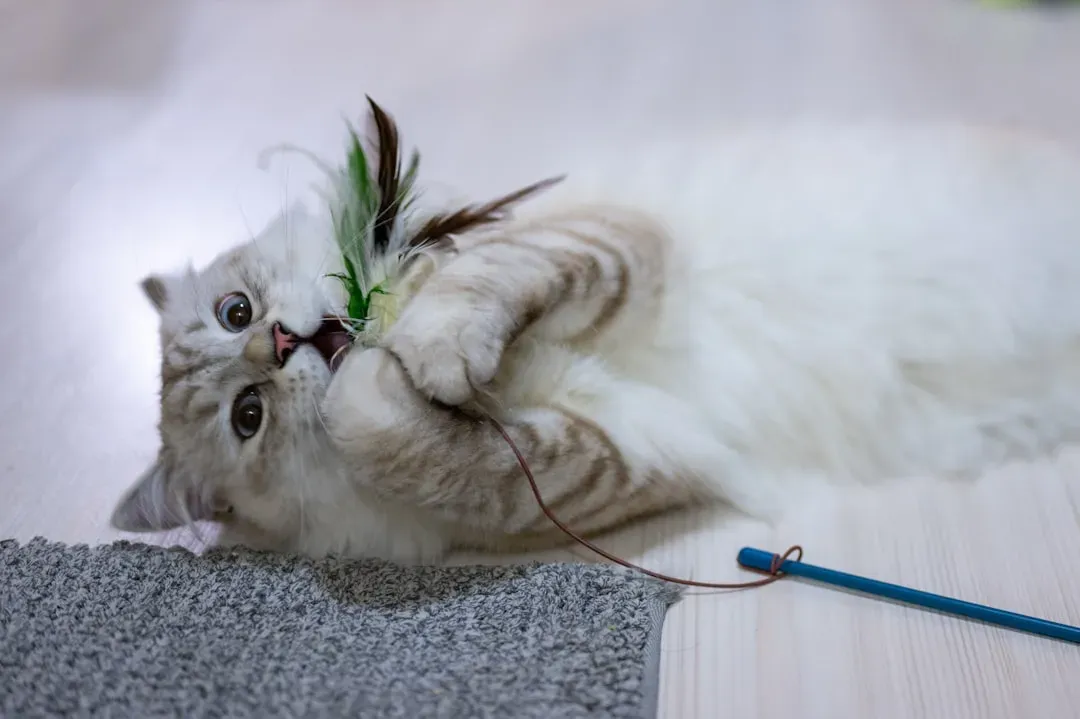
Cats naturally treat their catches as interactive objects, not just food. Because cats will often play with their prey before eating it, your cat might bring you dead animals or toys to engage in a play session with you. The delivery is the opening move, not the end of the interaction.
Some behaviorists take this even further, framing it as a literal invitation to join the hunt. Some behavioralists theorize that cats bring us their prey to get us to get up and join them in the playful thrill of the hunt, because from a cat's point of view, who wouldn't want to stalk small creatures in their spare time?
Anyone who's tried to hide a wand toy knows this pattern firsthand. Cats love the wand toy with the feathers or stuffed animal at the end of a long string, and in between play sessions, owners have to hide the whole thing or the cat will retrieve it and bring it endlessly.
**Surprising twist:** ignoring the "gift" instead of playing with it might actually be disappointing your cat more than the dead mouse itself ever could. But that's nothing compared to what we found about #8...
#8 - You've Accidentally Trained This Behavior Yourself
#8 - You've Accidentally Trained This Behavior Yourself (Image Credits: Unsplash)
Here's the controversial part most owners don't want to hear: your own reactions may be the reason this keeps happening.
Cats are relentless pattern-recognizers, and gift-giving is no exception. Expert Tip: Cats with stronger bonds to their owners bring gifts more frequently. Every gasp, laugh, or excited "what did you bring me?!" tells your cat the behavior worked. Praise it once with real enthusiasm, and you've likely built a habit that repeats for years.
This is where things get genuinely divisive among pet owners. Many people insist their cat's gifts are pure, spontaneous affection - but a growing number of behaviorists argue that consistent human reactions are doing more to drive the frequency of this behavior than instinct alone. If you cheer every sock delivery, don't be surprised when the deliveries multiply.
**Most surprising:** the "sweet gesture" everyone credits to instinct might actually be a learned behavior you personally reinforced without realizing it. But that's nothing compared to what we found about #9...
#9 - A Sudden Stop Can Be a Warning Sign
#9 - A Sudden Stop Can Be a Warning Sign (Image Credits: Pixabay)
If your gift-bringing cat suddenly goes quiet, that change deserves more attention than most owners give it.
Behaviorists treat this shift as a legitimate red flag rather than a coincidence. If your cat suddenly stops this behavior, it might signal stress or a wellbeing issue worth investigating - anything from a household change to an underlying health problem can interrupt the routine your cat has built around gift-giving.
Because this behavior is tied so closely to bonding and confidence, as covered in reason #2 and #3, a disruption often means something in that emotional foundation has shifted. A new pet, a move, a schedule change, or stress in the home can all quietly shut the behavior down long before other symptoms appear.
**Surprising twist:** the absence of gifts can actually be more diagnostically useful than the gifts themselves ever were. But that's nothing compared to what we found about #10...
#10 - Outdoor Cats Are Doing Real Ecological Damage With This Habit
#10 - Outdoor Cats Are Doing Real Ecological Damage With This Habit (Image Credits: Pixabay)
This is the part of the "cute gift" story most viral posts conveniently leave out.
The scale of outdoor hunting isn't a minor side effect - it's a documented wildlife crisis. According to the American Bird Conservancy, cats kill 2.4 billion birds in the U.S. every year. Every "gift" left on the porch represents a fraction of that number.
There are real health risks tucked inside this behavior too. Small rodents that a cat might put in its mouth can carry parasites like tapeworms or might have ingested rodenticide poisons, and the cat could be injured if the prey animal bites or scratches them.
This is where the controversial opinion comes in: while plenty of cat owners treat outdoor hunting as a harmless quirk, wildlife experts increasingly argue it's one of the most overlooked environmental problems tied to pet ownership in America. The best way to prevent your cat from bringing you dead animals is to keep your pet inside.
**Most surprising fact:** the same instinct that makes your cat's gifts touching is also driving one of the most significant, least-discussed wildlife death tolls in the country. But that's nothing compared to what we found about #11...
#11 - At Its Core, It's Genuine Love You're Not Supposed to Question
#11 - At Its Core, It's Genuine Love You're Not Supposed to Question (Jeshyr, Flickr, CC BY 2.0)
Strip away the instinct theories, the training theories, and the territorial theories, and you're left with one motive that behaviorists keep circling back to.
When cats bring gifts, they're often expressing affection and trust, demonstrating that they consider you part of their family group, and this behavior helps strengthen the bond between cat and owner, even if the gifts themselves aren't always appreciated. Every other reason on this list - the teaching, the storage, the play invitation - folds back into this single core motivation.
The behavior only exists because cats form far deeper attachments than their aloof reputation suggests. This behavior reveals fascinating aspects of feline psychology and demonstrates that cats form much deeper bonds with their human families than their reputation for aloofness might suggest. A species famous for independence is choosing, repeatedly and deliberately, to hand over its most valuable resource to you.
**The most surprising fact of all:** the "gross gift" that makes you groan every morning is, according to the animals bringing it, the single clearest way a cat knows how to say "you're mine, and I'm yours."
The Bottom Line
The Bottom Line (Image Credits: Pixabay)
Strip away the myths, and one thing is clear: **your cat isn't confused, mocking you, or acting randomly** - it's running an ancient instinct program built around teaching, trust, territory, and love. From the 2 a.m. delivery schedule to the specific reason spayed females do it most, every piece of this behavior traces back to real feline biology. The one opinion we'll stand behind: punishing your cat for this instinct is a bigger mistake than any sock left in your shoe. So - what's the weirdest "gift" your cat has ever brought you? Drop it in the comments.