Cats have a long-standing reputation for being cold, indifferent creatures who tolerate their owners more than they love them. It’s a stereotype that persists, but feline behaviorists and veterinary researchers have been quietly dismantling it for years. Scientific studies confirm that cats form deep attachment bonds with their human caregivers – bonds that mirror the secure attachment observed between human infants and their parents.
Cats show love differently than humans do, often expressing affection through subtle behaviors. They are much more subtle in showing their love, though that doesn’t mean the shared bond between cats and humans is any less meaningful. The trick is knowing what to look for. Once you do, you’ll likely realize your cat has been telling you they love you all along.
The Slow Blink: Your Cat’s Version of a Kiss
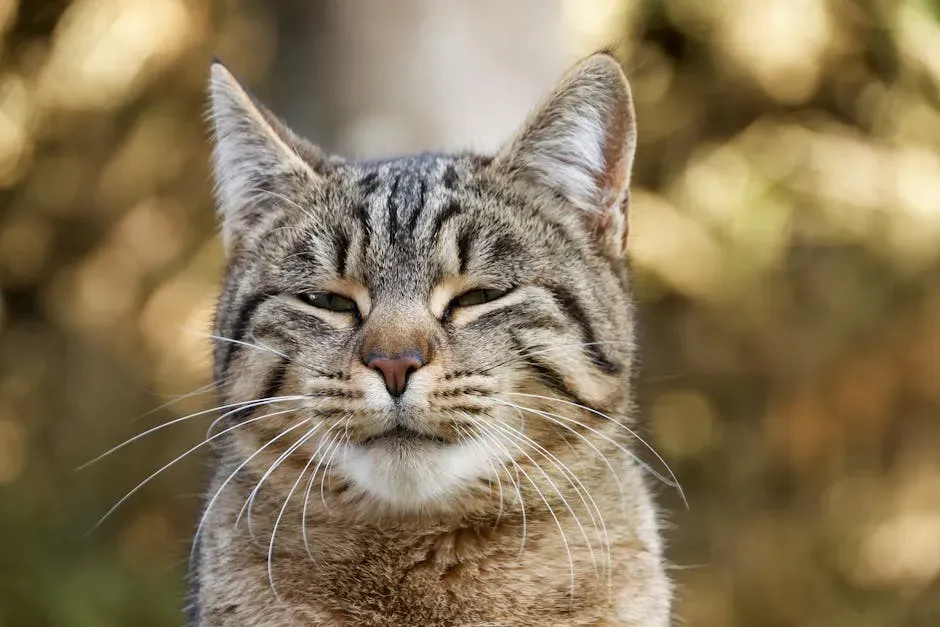
When your cat sits across the room, makes eye contact, and then lets their eyelids drop in a long, drowsy blink, it can look like boredom. It’s anything but. Cats who feel safe and loved will look at you with half-closed eyes and blink slowly. Researchers have called this the “cat kiss,” and a 2020 study published in Scientific Reports found that cats are more likely to slow blink at their owners than at strangers, and that humans who slow blink back increase the likelihood of a positive interaction.
According to feline behaviorist Cristin Tamburo Coll, a slow blink is your cat’s way of showing you that they trust you and feel safe with you. When a cat slow blinks at you, they are showing you that they feel calm and safe in your presence. You can actually return the gesture. Cats interpret a slow blink as a sign of goodwill and relaxation, and reciprocating with a slow blink of your own can further deepen the bond between you and your feline friend.
Head Bunting: You’ve Been Claimed as Family
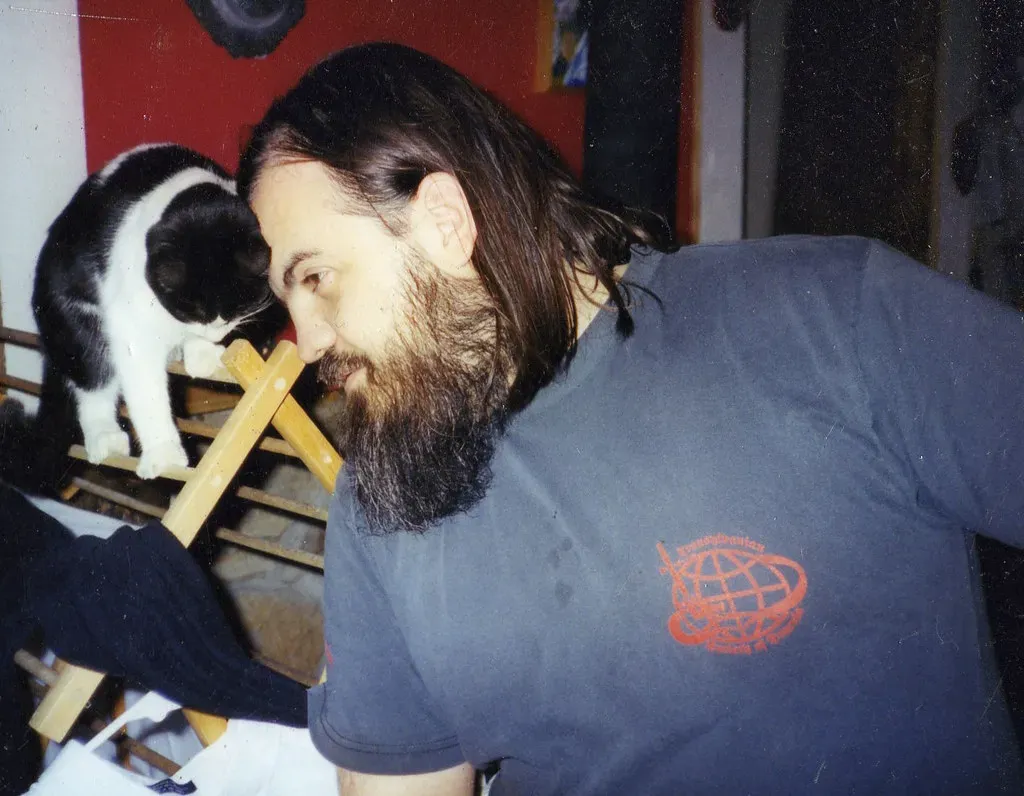
When your cat bumps their head against you or rubs their cheeks on your hand or leg, they’re doing more than being cute. This behavior deposits scent from glands on their face, marking you as familiar and safe. It has a name: bunting. And what it actually communicates is far more significant than a casual greeting.
When your cat bumps their head against your face, hand, or leg, they are depositing pheromones from scent glands on their forehead and cheeks. Head bunting is a behavior cats typically reserve for members of their social group. Your cat is marking you as safe, familiar, and loved. This scent exchange creates a shared “family smell,” which reduces stress for your cat and reinforces your bond. Cats bunt only with individuals they feel comfortable with.
Kneading: The Biscuit-Making Ritual of Deep Comfort
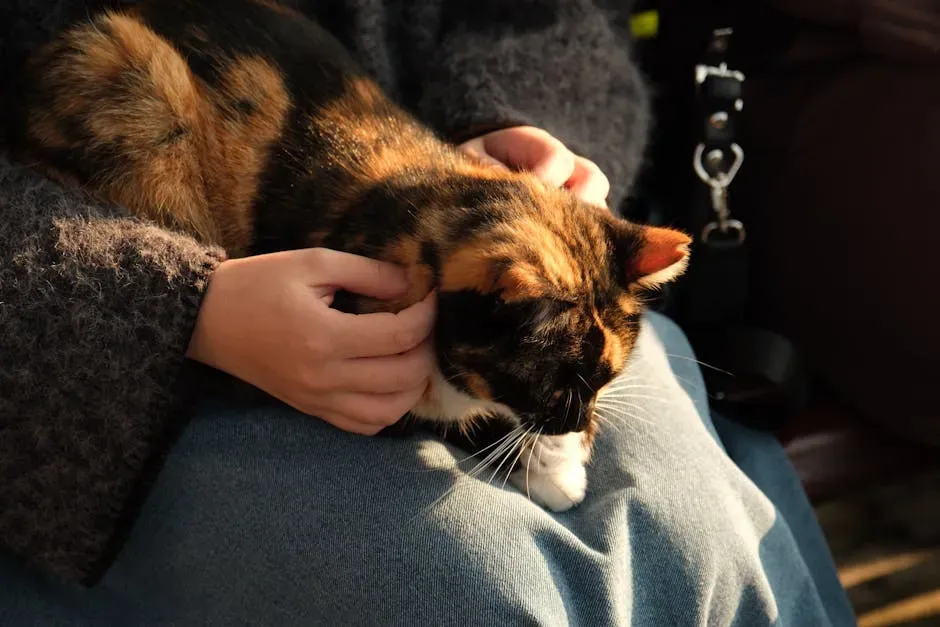
Kneading, also known as “making biscuits,” is when cats rhythmically push their paws against soft surfaces, alternating between left and right. While it might look quirky, this behavior has deep-rooted meaning. Kneading is instinctive and stems from kittenhood, when kittens knead their mother’s belly to stimulate milk flow. Adult cats continue kneading to feel safe and relaxed.
Kneading is a deeply ingrained behavior from kittenhood. Kittens knead their mother’s belly to stimulate milk flow, so when they perform this rhythmic pushing motion on your lap, it indicates that they feel safe and content. When your cat kneads you, it’s a sign they feel safe and happy – just like they did with their mother. It’s a behavior linked to comfort and trust, so if your cat chooses your lap for this ritual, you’re clearly someone special.
Sleeping On or Near You: Total Vulnerability, Total Trust
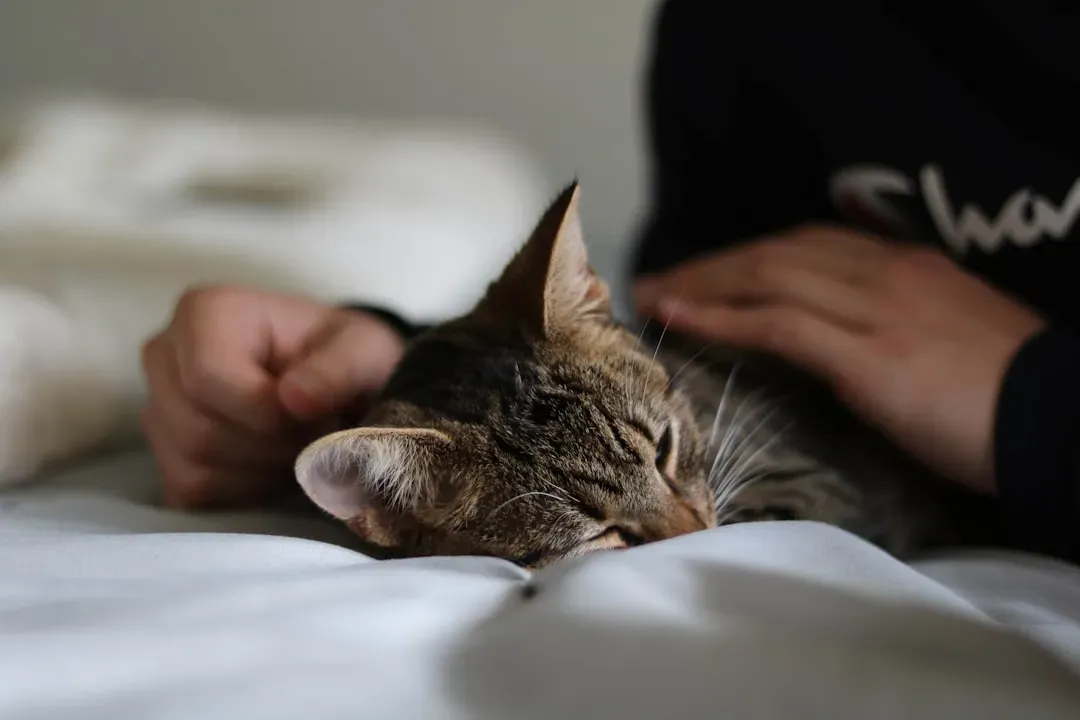
Sleep is a vulnerable state for cats. Choosing to nap next to you – or even in the same room – is a strong indicator of trust. It’s not about warmth or convenience. It’s a deliberate choice that communicates something much deeper about how your cat sees you.
When your cat chooses to nap on your chest, your lap, or curled up right beside your head, they are placing their safety entirely in your hands. Choosing to sleep near you is one of the strongest indicators of trust and affection. Sleep is when cats are most vulnerable, so where they choose to sleep says a lot. A cat that curls up on your chest, beside your legs, or even just at the foot of the bed is showing a high level of trust. The foot of the bed still counts – they want to be in your space.
Grooming You: The Highest Compliment a Cat Can Pay
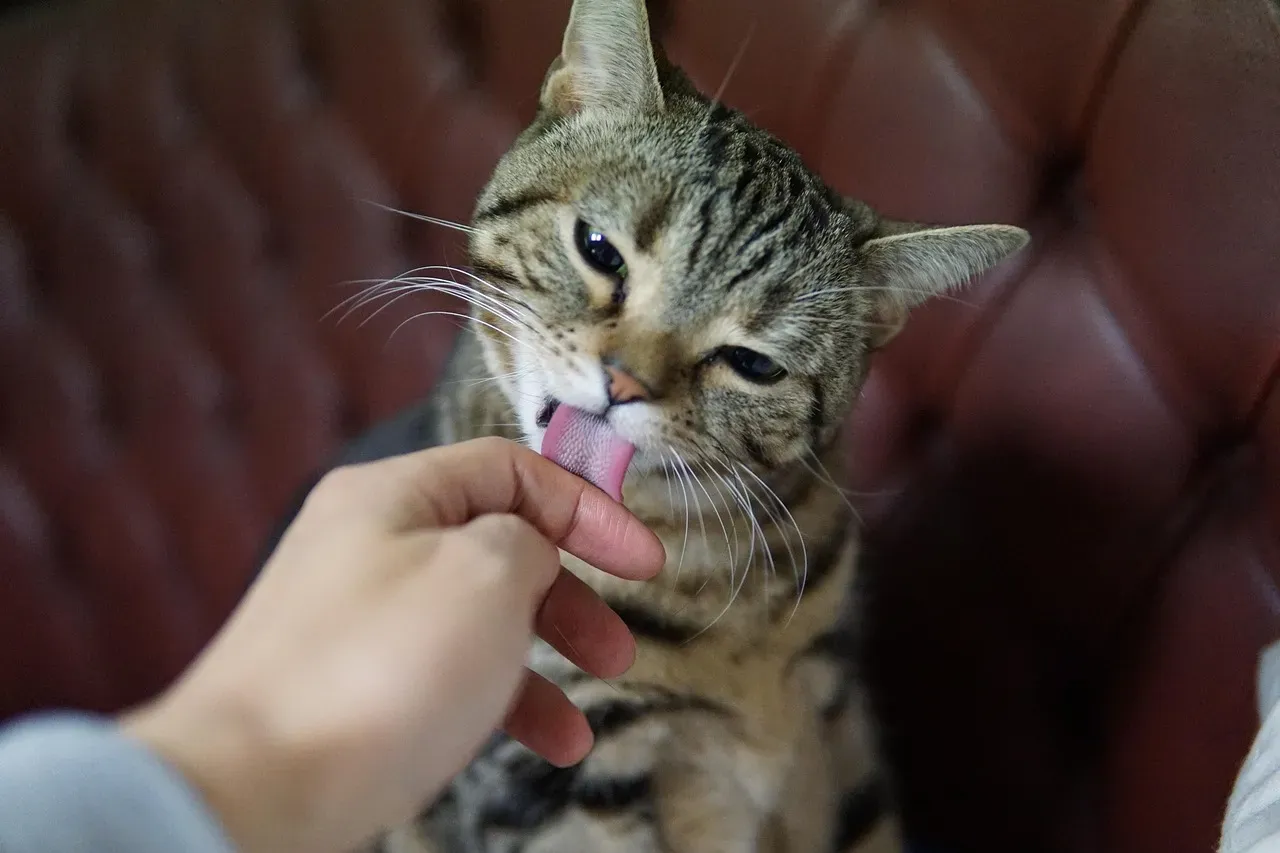
Cats groom each other as a display of affection, and this behavior will extend to humans when trust is built. Cats will often lick their people or allow them to brush them. Licking is similar to the grooming cats perform on their feline friends, allowing them to mark each other and build their bond.
Cats groom the members of their social group – other cats, and sometimes their humans. If your cat licks your hand or hair, they’re treating you like one of their own. It’s an intimate behavior that not all cats extend to people. Grooming you, be it through gentle licking or nibbling, is an act of reciprocation, as cats reserve this behavior for individuals they consider part of their social circle. Additionally, grooming helps strengthen the bond between cats living in the same household, so when your cat grooms you, they are essentially treating you as part of their family.
Following You Around: Quiet Companionship, Not Coincidence
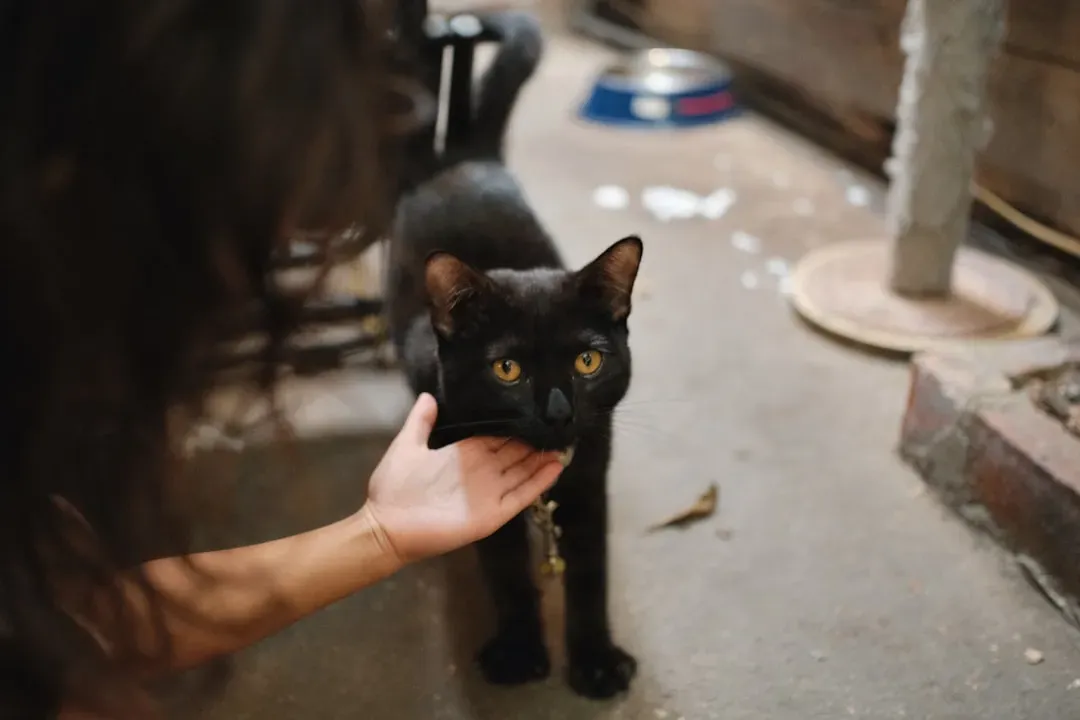
A cat who trails you from room to room simply wants to be near you. A cat who follows you wants to be near you. Cats do not shadow people they are indifferent to. Following behavior signals trust, companionship, and affection. Given how fiercely independent cats are by nature, the fact that yours keeps turning up wherever you are carries real weight.
There can be many reasons for this – from wanting food to being anxious – but there are many cases in which your cat simply enjoys your company and wants to be with you. If it’s not close to feeding time, and your cat isn’t acting like they want anything, chances are they are just trying to bask in your presence. Cats are selective about where they spend their time. Their independence can be one of their most admired qualities. That makes choosing to share space with you a quiet but powerful sign of attachment.
Conclusion: Learning to Read the Language Your Cat Already Speaks
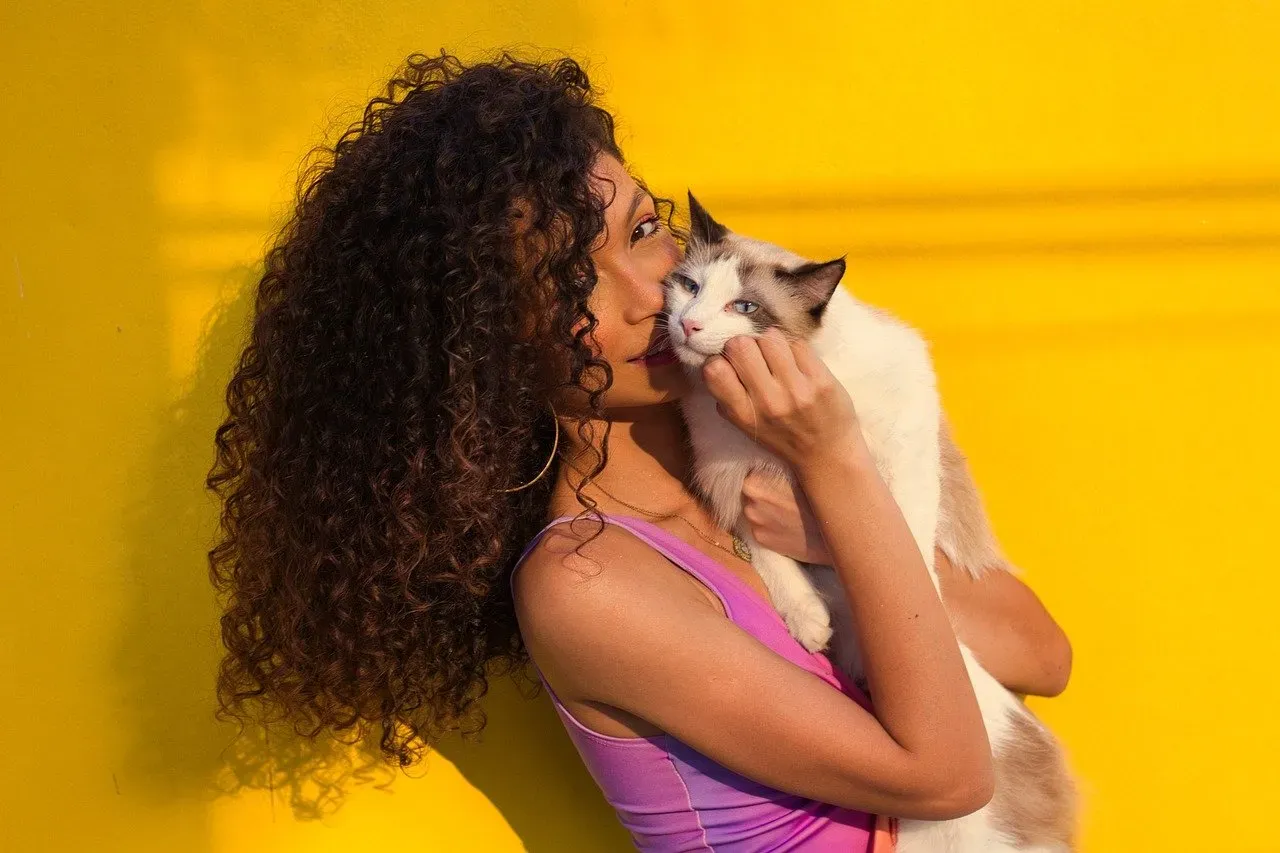
Cats show love differently than humans do, often expressing affection through subtle behaviors. Every cat expresses affection in their own way, so learning to read your cat’s body language cues makes all the difference. None of these signals are loud or dramatic. They’re measured, deliberate, and real.
Cats are naturally cautious animals. Closing their eyes around you, exposing their belly, or grooming you are all acts that make them vulnerable. When your cat offers these gestures, they are communicating deep trust, which in cat terms is the highest form of love.
Once you recognize these behaviors for what they are, the relationship shifts a little. Your cat isn’t aloof. They’re simply saying “I love you” in a language that rewards patience and attention. When you finally start to hear it, it means that much more.
Kristina is a young writer from India. An arts graduate and an avid content creator, Kristina is passionate about animals and wildlife. She enjoys exploring topics related to pet care, animal behavior, conservation, and nature, combining thorough research with engaging storytelling.