When you feel your cat’s gentle paw reaching out to touch your face, arm, or leg, you might wonder what message they’re trying to convey. This seemingly simple gesture is actually a complex form of communication that reveals fascinating insights into feline behavior and the special bond between you and your furry friend.
Cats use their paws to communicate and interact with humans, thinking of it as the feline equivalent of tapping your shoulder. Whether it’s a gentle touch during your morning coffee or a more insistent paw tap when you’re trying to sleep, your cat is actively trying to tell you something important.
The Science Behind Paw Communication
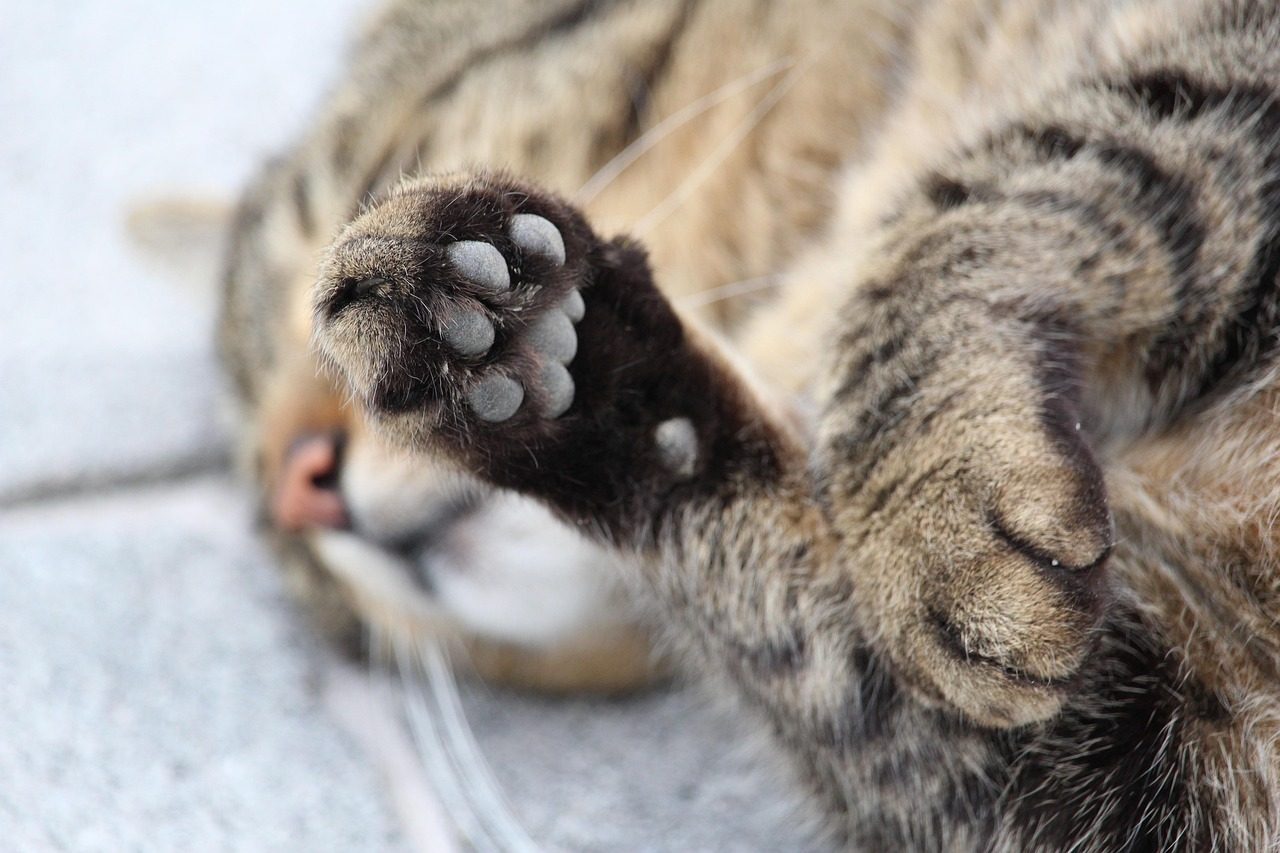
Cat paws are incredibly sophisticated sensory tools, equipped with sensitive nerve endings and specialized scent glands known as interdigital glands. These scent glands are located on their paw pads, along with others on their cheeks, lips, forehead, flanks, and tail.
When your cat touches your face with their paw, they’re not just making physical contact – they’re also gathering information through their sensitive paw pads and potentially marking you as part of their social group. These glands release pheromones (chemical messages used to communicate) that carry important information about bonding, identification, and health status.
Seeking Your Attention
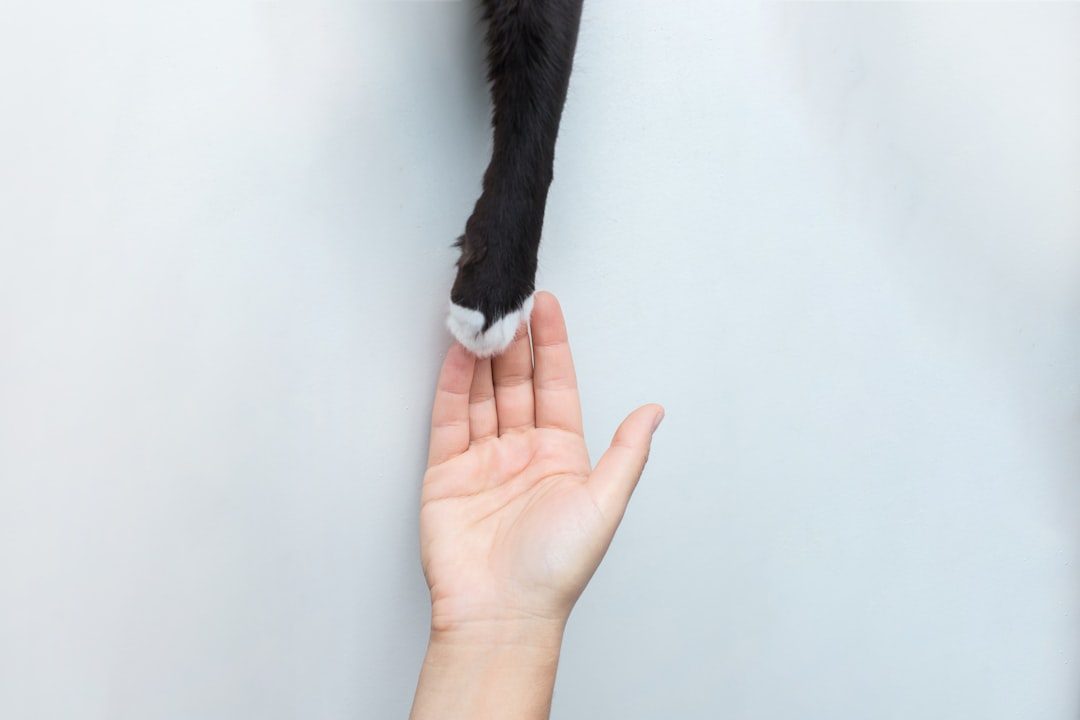
One of the biggest reasons a cat taps you with their paw is that they need something, which is classified as attention-seeking behavior. This behavior is particularly noticeable during feeding times or when they want to play.
Cats learn quickly that a gentle paw tap to the face is an effective way to wake their humans or prompt a response. Think of it as their polite way of saying “excuse me” before making their request known. Cats may put their paws on you if they want your attention for either love, play or food.
Expressing Love and Affection
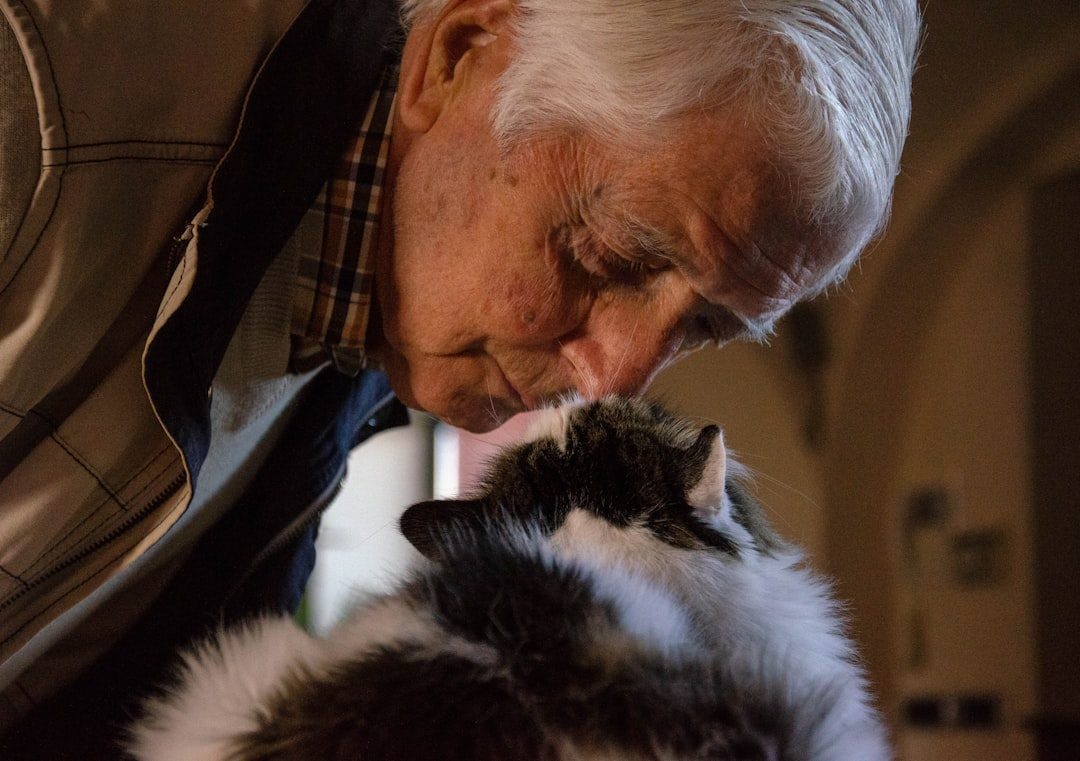
If you notice your cat putting its paw on your face with claws retracted, this is one of the many ways cats show affection and love, communicating that they want to be close to you. When a cat kneads at you, they likely associate you with the love of their mother or the comfort of a cozy place to relax, telling you that they love and trust you.
Kneading on your lap is a cat’s way of saying “we’re affiliated” or “you’re in my social group,” or to be very human about it, “you’re my person.” This behavior stems from their earliest days as kittens. Kittens will knead on their mother’s stomachs when breastfeeding to make sure they are getting a good supply of milk, and this behavior derives from kittenhood when kittens knead on their mothers’ mammary glands to stimulate milk flow.
Territory Marking and Claiming Ownership
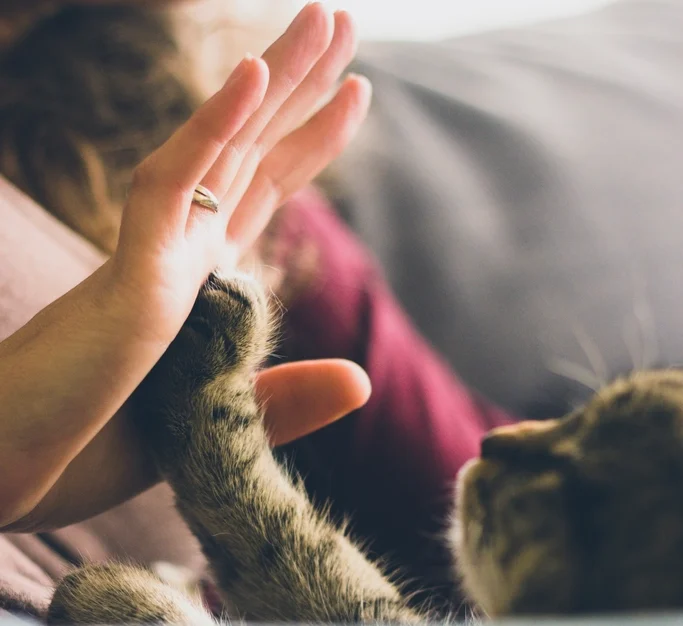
Cats have scent glands in their paws, so if they put a paw on your face they may be marking you with their scent. When your cat rubs up against you, they’re marking you as their personal property, marking you as part of their territory so that should another neighborhood cat come calling, they will smell your cat’s pheromones on you.
Cats have scent glands in their paws that release their scent as they knead or scratch, and by kneading on your lap, they’re making sure their cozy spot smells of their odor to make them feel safe and reassured. In addition to kneading for comfort, cats knead to leave their scent on objects they consider their own, as cats have scent glands on their cheeks, foreheads, lips, flanks, tails, and paws which secrete pheromones used as a form of communication.
Initiating Playtime
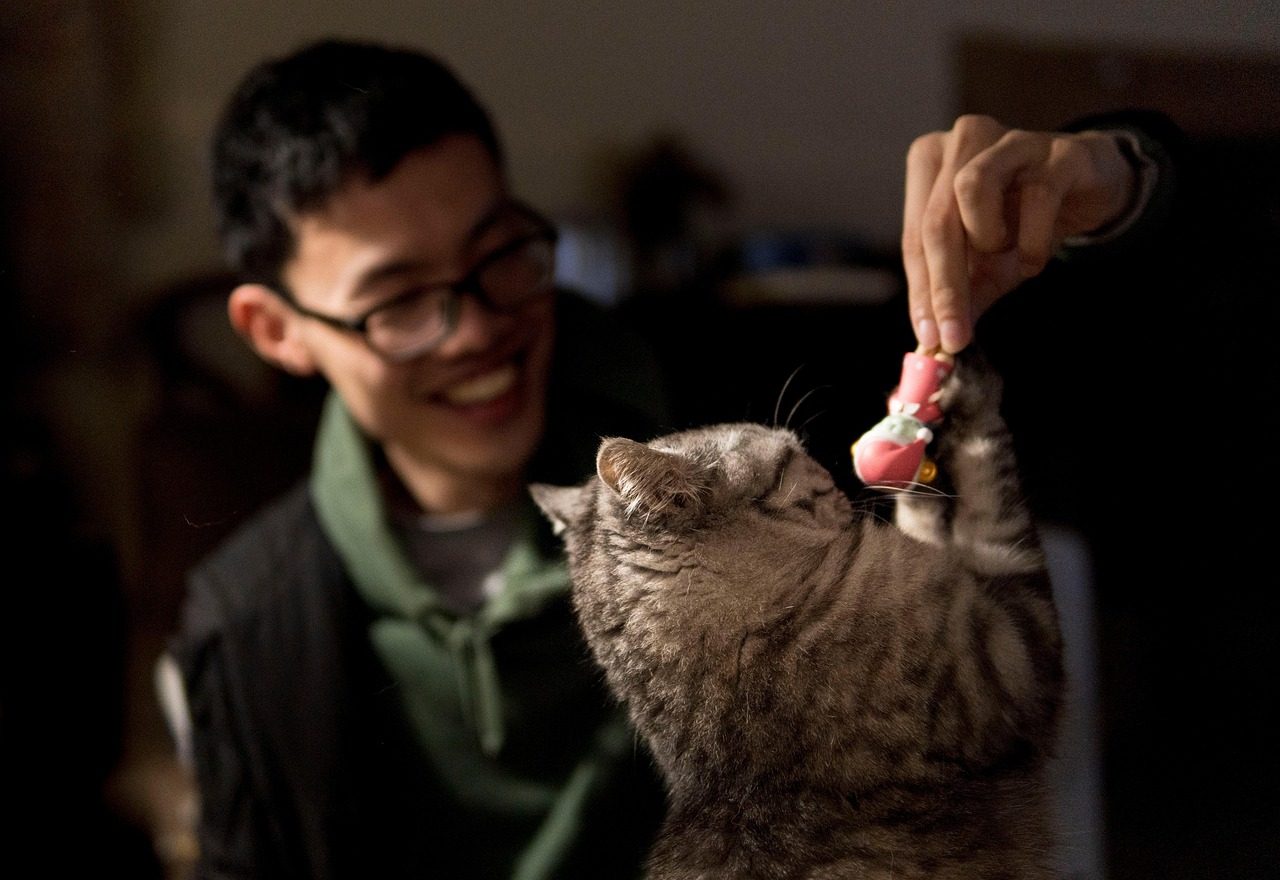
Cats may paw at your face to initiate playtime since they use their paws to play with toys, and just as cats use their paws to play with toys, your cat may put their paw on you to initiate playtime. Another reason to be softly pawed at by your cat is playing, as cats are animals who love to play fight with other animals and even their humans, and cats don’t always rely on toys to play since swatting at you can be just as fun.
You may notice other playful behaviors such as nudging you with their head, rolling on the floor or crouching down, ready to pounce and chase an object, and cat parents can introduce a toy to see how they respond to determine whether this is the reason. However, it’s important to note that it is never a smart idea to use your hands as a toy because it can teach the cat that it is okay to bite and scratch.
Setting Boundaries and Communication Limits
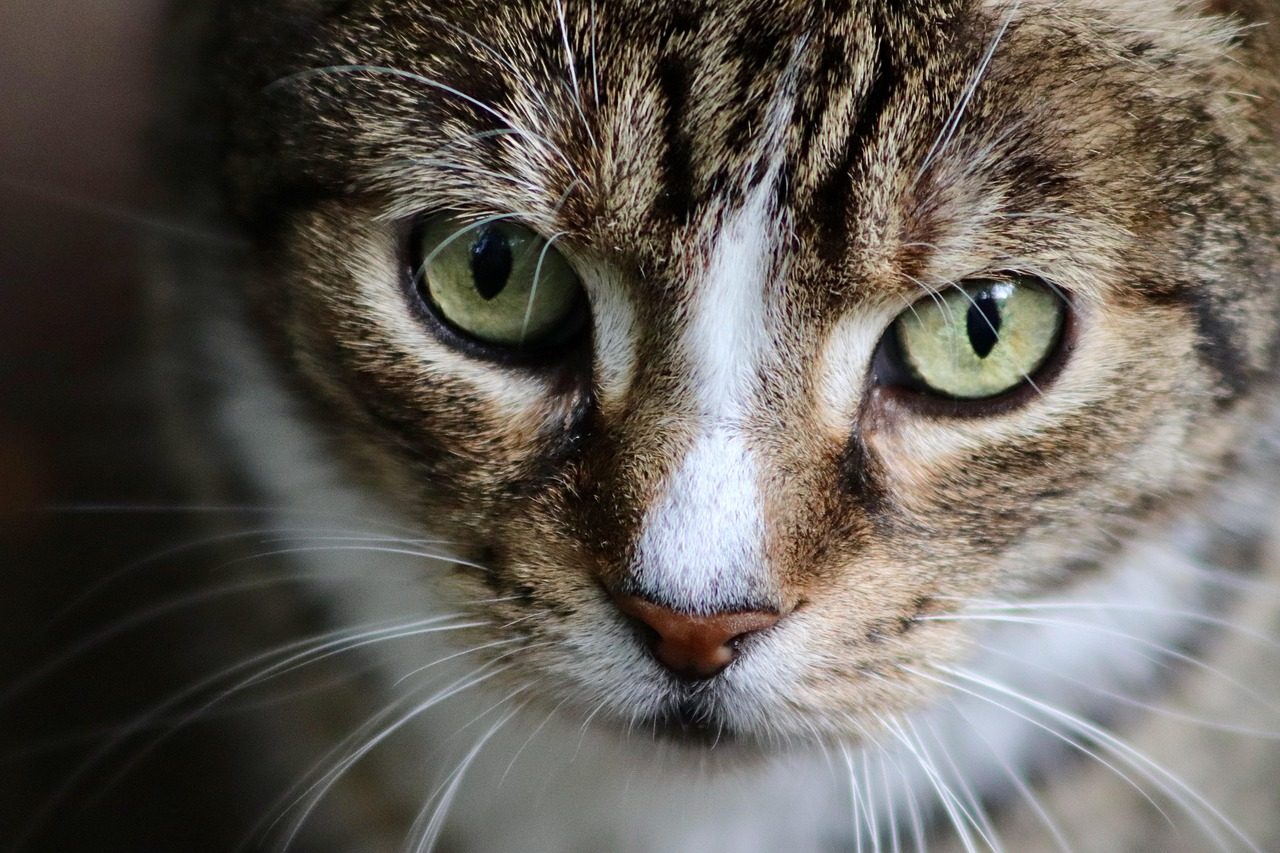
Sometimes your cat’s paw placement serves as a gentle but firm boundary-setting gesture. It’s more of a rigid, outstretched leg that seems to be saying, “I don’t want you to come too close with that thing in your hand.” The firm paw to the face might mean that some cats may tolerate more petting from us than they really enjoy, as humans love to touch to show affection, but cats are not dogs and are very individual when it comes to how much petting they really enjoy.
Some generous cats will allow you to pet them until they just can’t stand another minute of it. A cat tapping your face can also be a way of strengthening social bonds or setting gentle boundaries during close contact. Looking at their overall body language helps interpret the message – relaxed posture, purring, and soft eyes indicate affection, while tense body language or flattened ears suggest they’re setting boundaries.
Indicating Stress or Discomfort
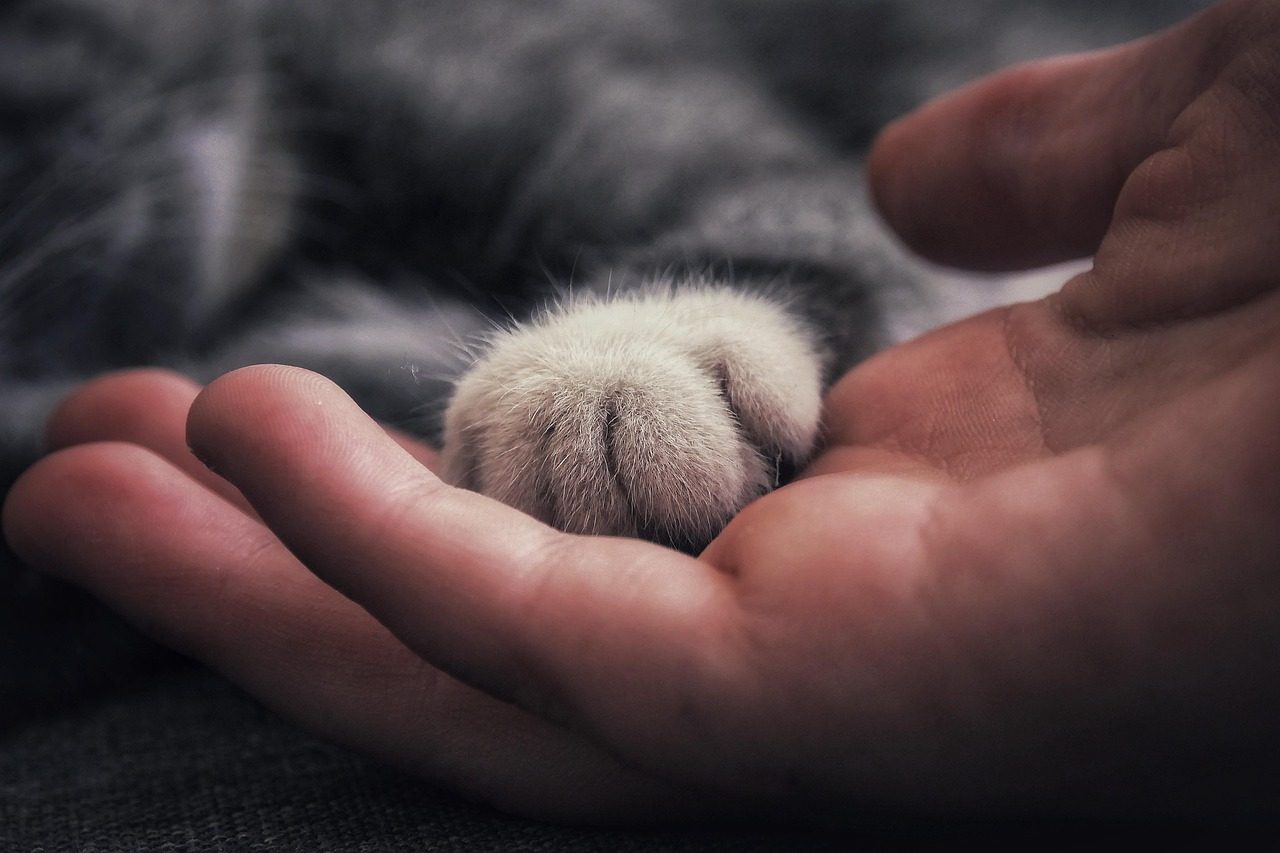
A cat may indicate stress or discomfort by tapping you with a paw, as kneading can be a self-soothing mechanism to release tension and calm down. Unfortunately, pawing isn’t always a cute thing cats do, as cats will often stretch out when they are sore, and this can result in accidental pawing.
Pay attention to your cat’s body language to see what the pawing is communicating, and if it’s coupled with any signs of distress. If the kneading and especially sucking occur very frequently, for a long time, appear compulsive or are beginning to damage your cat’s paws, legs or mouth, it may be a sign your cat is stressed or in pain and needs to see a vet.
Accidental Contact and Natural Behavior
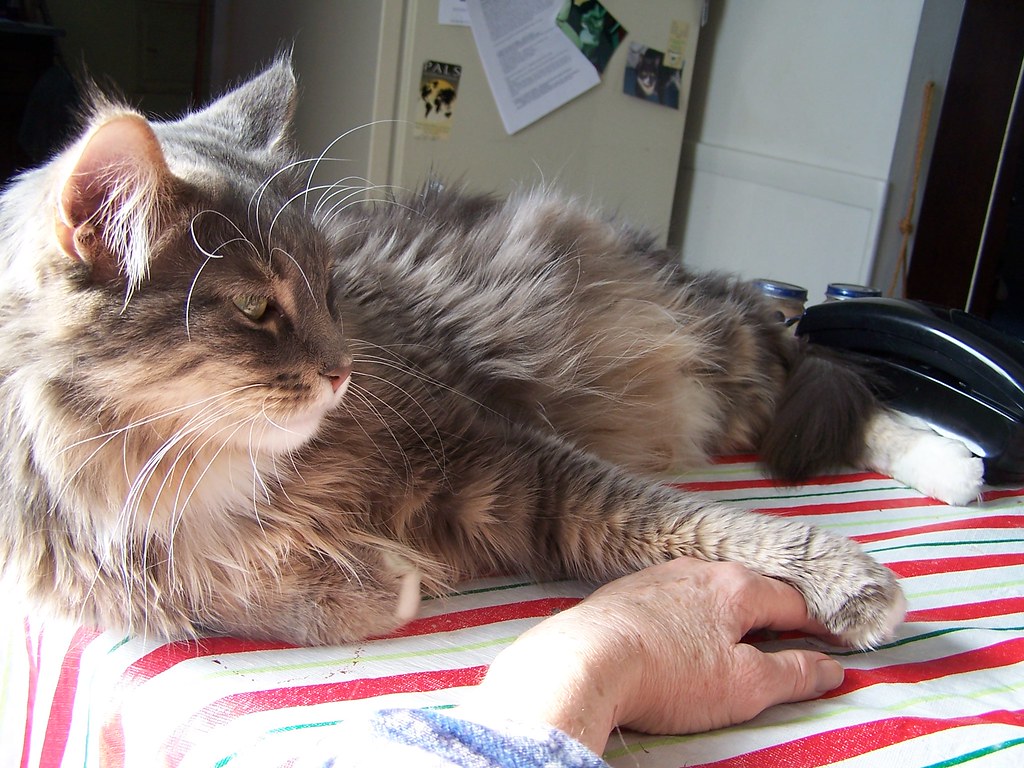
Not every paw touch carries deep meaning. In some cases, your cat may just paw at you on accident, as cats love to stretch and tend to extend their paws all the way out while doing so, and if your cat is stretching near you and paws at you, it was likely just an accident.
Furthermore, if they fail to make eye contact with you or display another action after the pawing, it is a tell-tale sign that they didn’t mean to paw at you. It’s an entirely normal behavior in cats and usually not a cause for concern. In most cases, kneading likely indicates your cat is comfortable.
Conclusion
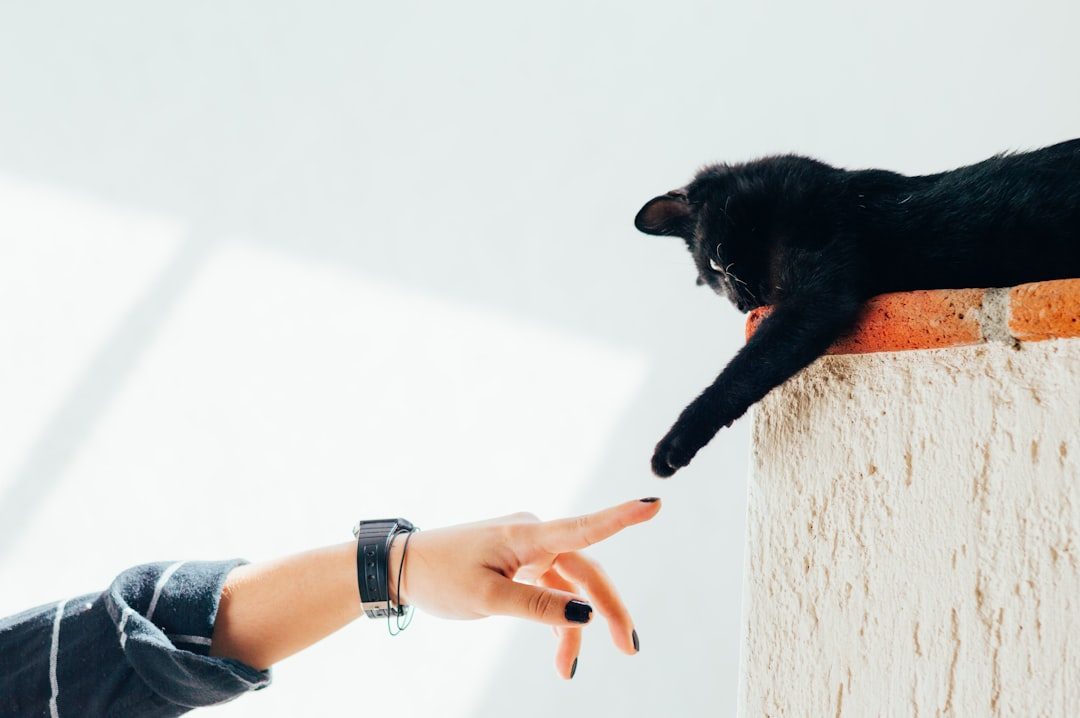
Understanding what it means when your cat places its paw on you opens up a whole new dimension of communication with your feline companion. From expressing deep affection and claiming you as family to seeking attention or setting gentle boundaries, each paw touch tells a story about your cat’s emotional state and needs.
Looking at your cat’s body language helps you understand what they might be trying to communicate, and figuring out what your cat needs is important – whether they need attention, affection, food, or play. The next time you feel that familiar gentle paw reaching out to you, take a moment to appreciate this special form of feline communication.
What do you think about your cat’s paw communication? Does your feline friend have their own unique way of reaching out to you?