Your cat can be stretched out, perfectly relaxed, completely in their element, and then a single sound sends them bolting under the sofa like something is chasing them. You probably watched it happen and had no idea what set them off.
Cats are startled by sudden, loud, or high-pitched sounds, and their extreme sensitivity comes down to biology. With a hearing range that extends from 48 Hz up to 85 kHz, cats have one of the broadest hearing ranges of any mammal. For comparison, humans top out around 20 kHz. That gap matters more than most people realize. What you dismiss as background noise may genuinely overwhelm your cat’s auditory system every single day.
1. The Vacuum Cleaner
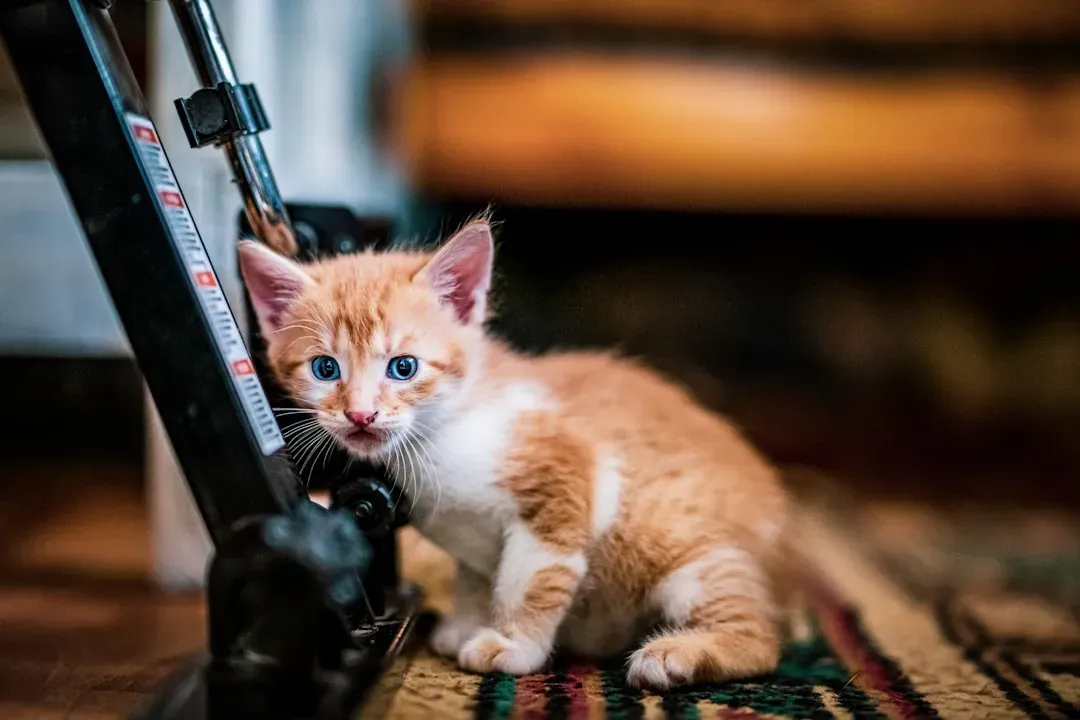
Of all the household gadgets that unsettle cats, the vacuum cleaner earns a consistent top spot. The high-pitched whine and powerful suction are often perceived as a direct threat. It moves unpredictably, it’s loud, and it invades spaces your cat thought were safe.
Some cats associate other cues with loud sounds and may begin reacting before the noise actually starts. Cats may hide when you pull out the vacuum cleaner before turning it on. That’s how deeply this particular piece of equipment can affect them. If yours disappears the moment you reach for the cord, that’s an entirely normal stress response, not drama.
2. Thunderstorms
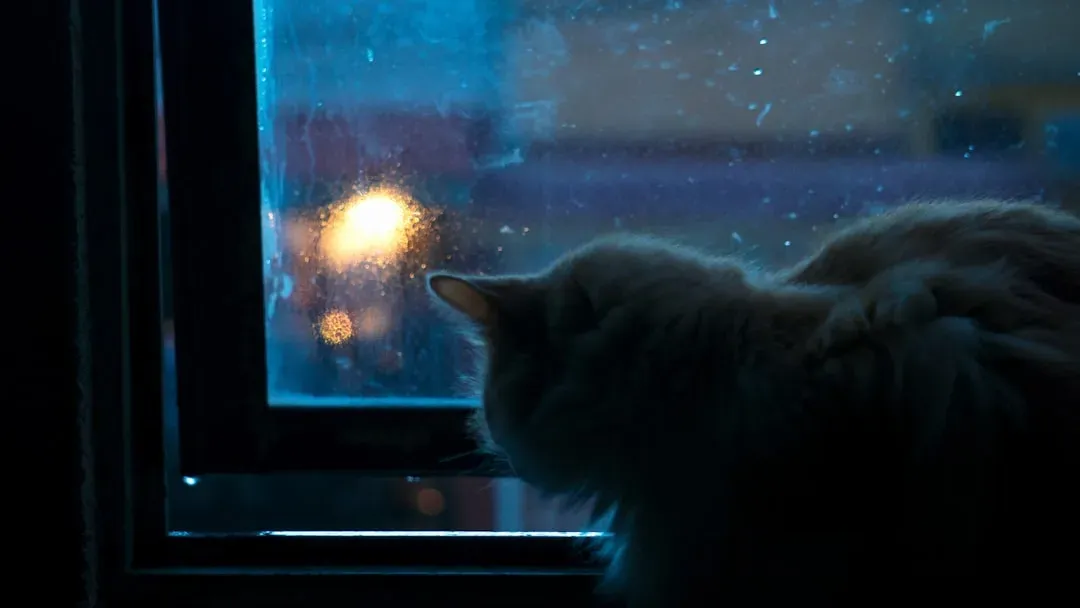
Thunder is low, deep, and often felt as much as heard. Combined with lightning flashes and gusting winds, a storm becomes an overwhelming sensory event for felines. It’s not just noise; it’s vibration running through floors and walls, pressure shifts in the air, and an overall sense that something enormous is happening outside.
Generations of wild ancestors passed down the instinct to fear sudden storms, since they often brought flooding, falling trees, or predators on the move. Even cozy indoor cats can’t quite shake that inherited caution. So when your cat hides during a storm, they’re responding to something that runs much deeper than the rain on your roof.
3. Fireworks
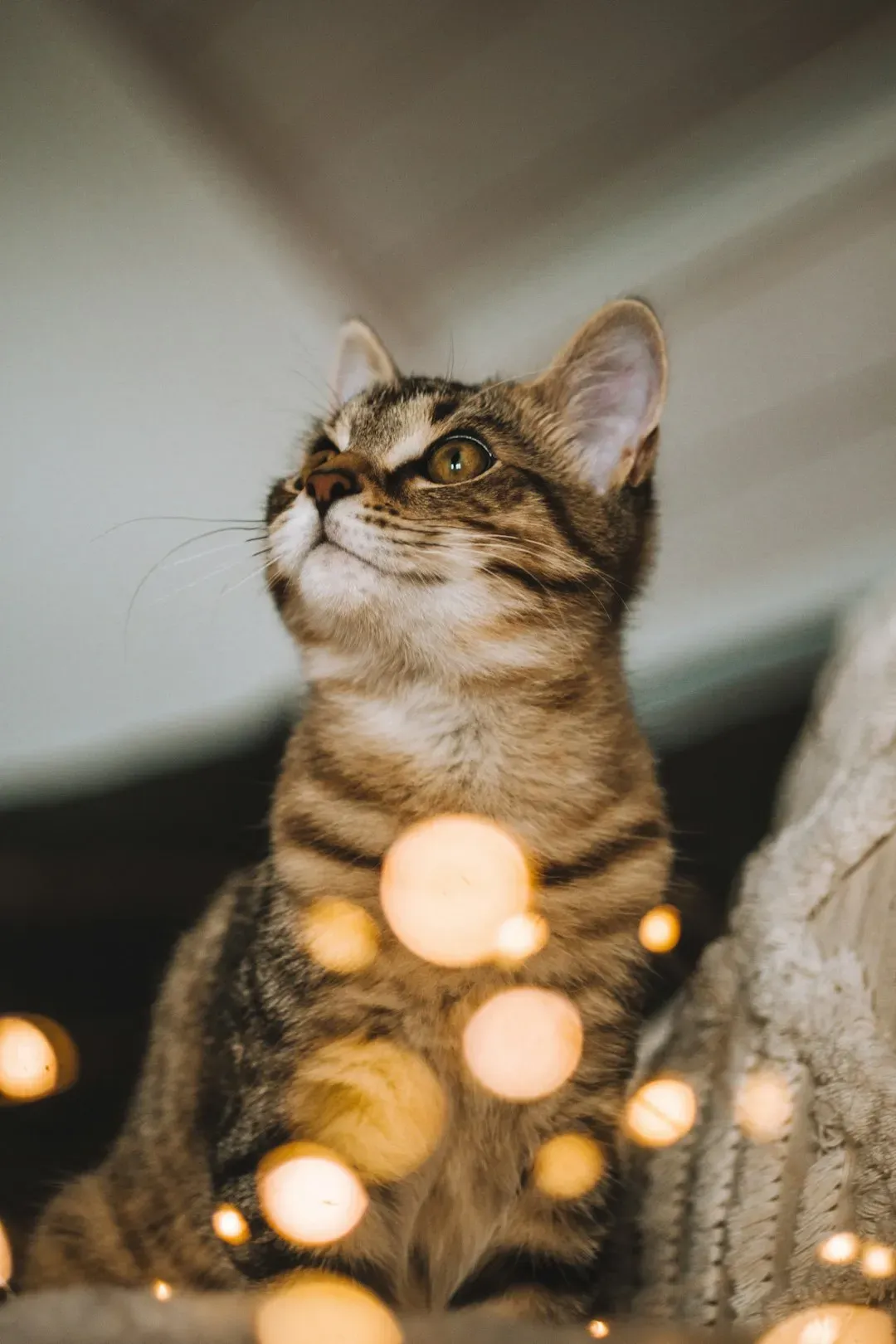
Fireworks are a nightmare for sensitive feline ears. They’re not only deafening, but also unpredictable and accompanied by vibrations and bright flashes. The combination of all those elements at once is genuinely overwhelming for an animal whose senses are finely calibrated to detect even subtle environmental changes.
Fireworks can be stressful because the loud, sudden noises and bright flashes are unpredictable and may cause cats to feel threatened. Some cats may become significantly stressed or anxious while the fireworks are happening and may take a long time to settle afterward. If your cat seems jittery for hours after a display ends, that lingering tension is real, not overreaction.
4. The Kitchen Blender

Blenders, food processors, or mixers create shrieks and whirs that overlap a cat’s most sensitive hearing ranges. Add in the unpredictability – sometimes it’s silent, then suddenly roaring – and it’s no wonder many cats dart away the moment the blender lid clicks shut. You’ve probably never thought twice about making a smoothie. Your cat, on the other hand, may already be halfway down the hallway.
Sustained loud noises like blenders combine high volume with unpredictable patterns, which keeps a cat on edge because the “threat” doesn’t go away. Unlike a single startling bang, these appliances keep going, giving your cat no clear signal that the danger is over.
5. Slamming Doors
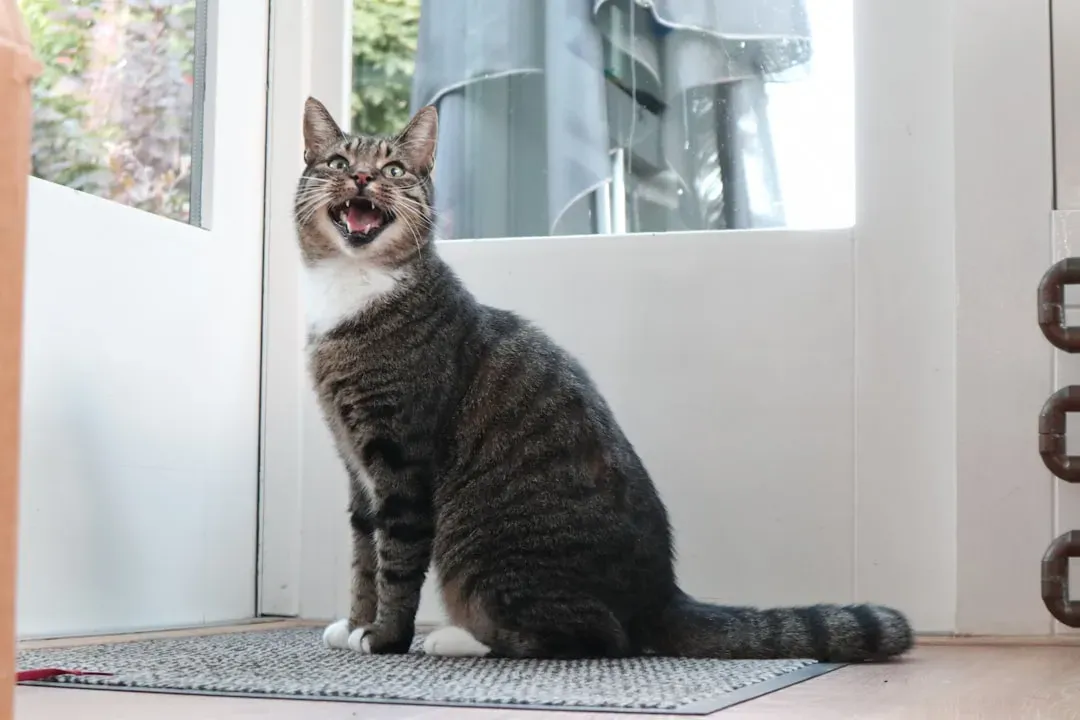
The sudden slam of a door can send vibrations through the whole house, startling a cat into hiding. These abrupt, out-of-place sounds flip a feline’s mental switch from “relax” to “prepare for trouble.” It happens fast, with no warning, and the physical vibration adds an extra sensory layer that compounds the shock.
Another thing to consider with loud banging sounds is that usually there are vibrations that your cat can also feel, something they also find stressful. So a slammed door isn’t just heard; it’s physically felt. For a cat already in a calm state, that sudden combination is a significant jolt to their nervous system.
6. The Doorbell
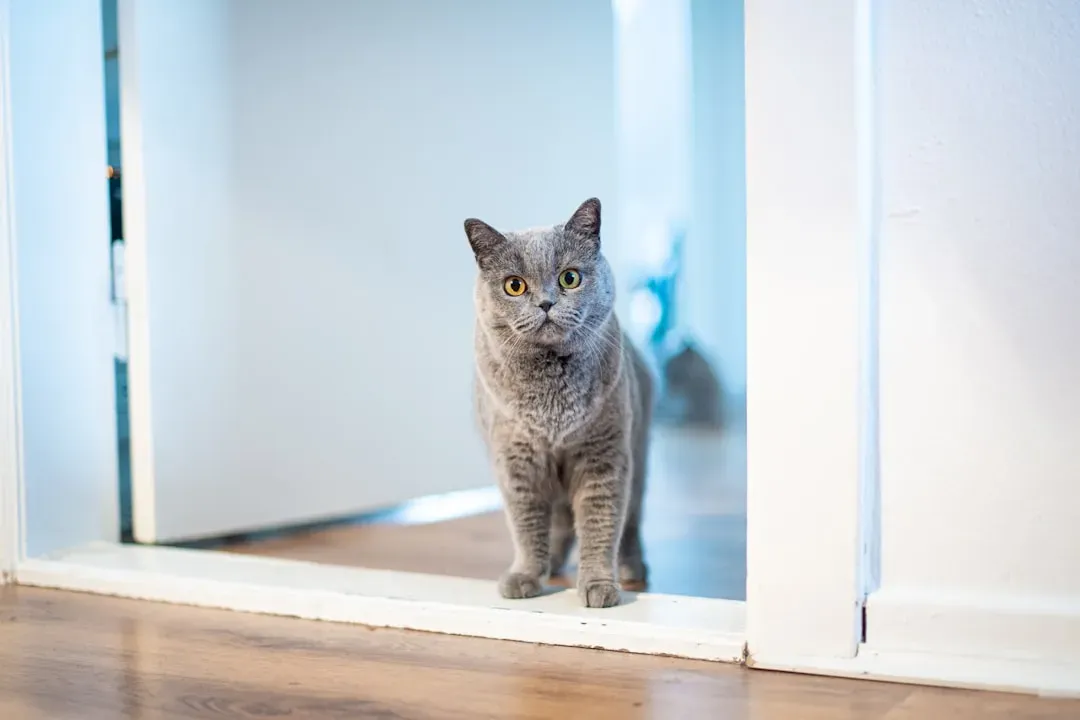
The sudden ringing of a doorbell can jolt your cat into a state of alertness. Cats are naturally curious but also cautious creatures, and unexpected sounds can trigger a startling response. There’s also a social layer to this one: after the bell rings, strangers often appear, which compounds the stress considerably.
A cat who’s shy around strangers, for example, might become especially anxious when the doorbell rings or someone knocks. For these cats, the bell itself becomes a signal that something unpredictable is coming. Over time, the sound alone can trigger anxiety even before the door opens.
7. Aerosol Cans and Hissing Sprays

The pressurized hiss of aerosol sprays mimics threatening sounds in nature, specifically the warning hiss of hostile animals. Cats communicate aggression and fear through hissing, so anything that replicates that sound is going to register as a potential threat rather than a household product.
Cats associate hissing sounds with negative interactions and outcomes, so if they hear anything that resembles a hiss, they will more than likely react. You might be surprised by how many things in and around your home replicate the hissing noise, including hair spray or aerosol cans. Even a quick spritz of air freshener can send the wrong signal entirely.
8. Crinkling Plastic Bags and Aluminum Foil

Foil is a perfect storm for cats. The crinkling produces a burst of high-frequency sound that’s far more vivid through feline ears. The texture is unpredictable underfoot, and the reflective surface looks strange and unfamiliar. All of that lands on your cat at the same moment, making it one of the more reliably unsettling everyday items in your home.
Some cats develop phobias around plastic bags, hiding whenever they hear that distinctive crinkle. Others might become oddly fascinated, a stress response disguised as curiosity. Either way, the high-frequency crackling hits a range their hearing is particularly sensitive to, and that reaction, whatever form it takes, is physiologically driven.
9. Smoke and Alarm Clocks
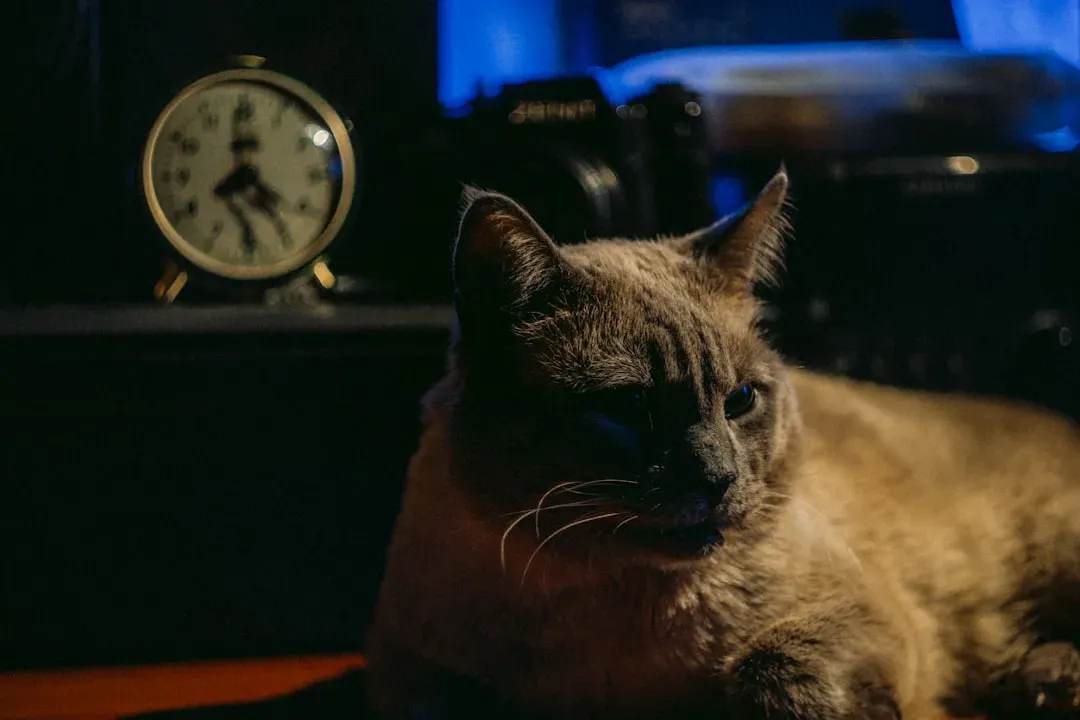
You might think alarm clocks are just for waking us up, but for cats, they’re a whole different story. The sudden, high-pitched beeping of an alarm clock can be startling for cats, making them jump out of their fur. This is because cats are naturally alert and responsive to their surroundings, and sudden noises can catch them off guard.
Alarms are loud, sudden, and high-pitched, three things cats instinctively associate with danger. Smoke detectors, in particular, combine an ear-piercing pitch with genuine unpredictability since they rarely go off at convenient moments. For a cat sleeping nearby, that alarm is experienced at a volume and intensity well beyond what you’re registering.
10. Phone Ringtones and Notification Sounds
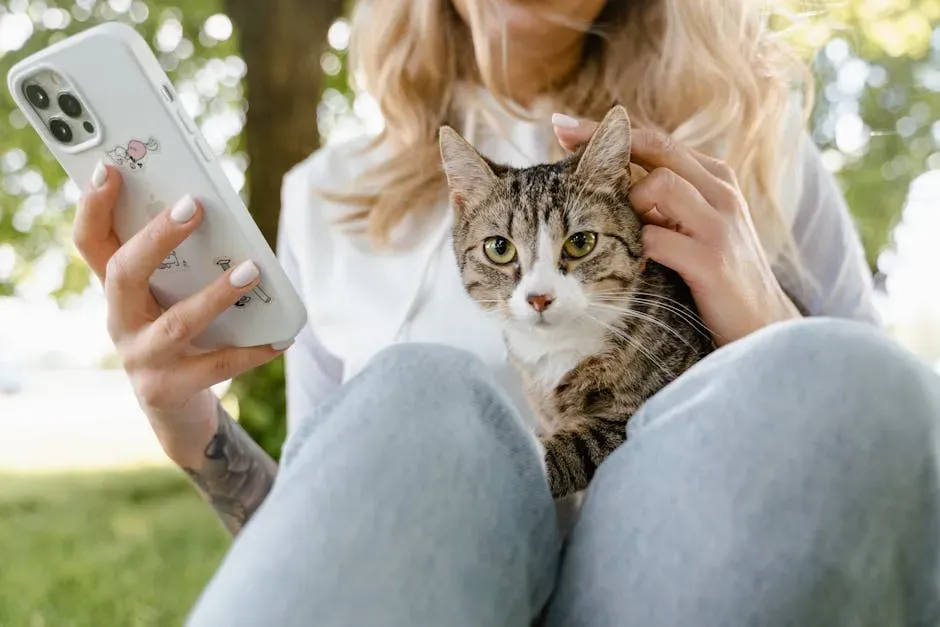
The sudden, unexpected nature of ringtones, especially those with high frequencies or unusual patterns, can startle cats out of peaceful sleep or trigger anxiety. Modern smartphones produce sounds in ranges perfectly calibrated to grab attention, including your cat’s. The sounds are deliberately engineered to cut through background noise, which works exactly as intended on feline hearing.
Phone ringtones often contain high-frequency tones that are uncomfortable for cats. The sudden startle effect can also trigger a fear response. You can often reduce the impact simply by switching to vibrate mode at home, or by choosing softer, lower-frequency tones that don’t land so sharply on sensitive ears.
11. High-Pitched Electronic Sounds
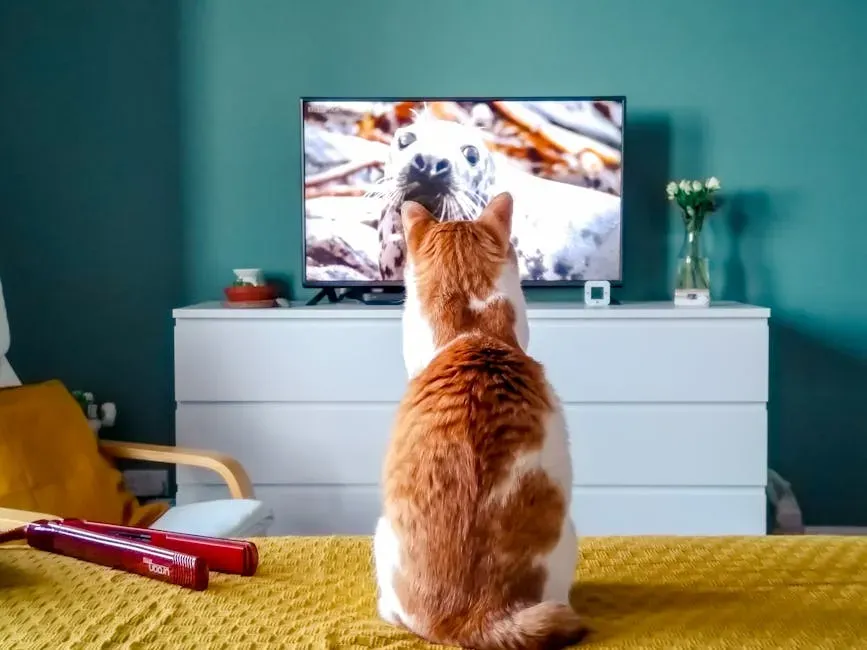
Scientists say cats hear a broad range of sounds, including high-pitched ones. This means cats can hear ambient sounds like fluorescent light bulbs, video computer monitors, and dimmers on light switches that we simply cannot detect. Your cat may be living with a persistent, irritating hum from your own electronics that you’ve never once noticed.
It’s worth checking whether any electronics in your home are emitting high-pitched tones you can’t hear. If your cat consistently avoids a specific room or corner, an ultrasonic emission from a device could be the reason. A quiet room to you may be anything but quiet to your cat.
12. Baby Cries and Children’s Shrieks

To humans, a baby’s cry calls for nurture and comfort. To cats, it can feel like a piercing alarm. These sounds often fall directly in their most sensitive hearing range, making them impossible to ignore. Children’s shrieks carry the same effect, adding unpredictability and suddenness to the mix.
While a crying baby may not be a threat, the loud and unfamiliar noise can make cats uneasy. Cats that live with infants or young children may become chronically unsettled if they have no quiet retreat available. Giving your cat a calm, accessible space away from the noise can make a meaningful difference to their daily comfort level.
What You Can Do to Help Your Cat

Long-term exposure to noisy environments can cause a feline to suffer from chronic stress. Startle responses aren’t just about a moment of fright. When cats are exposed to loud, unpredictable noises over and over, it can cause long-term anxiety. Their bodies release stress hormones that keep them on high alert, leading to changes in appetite, sleep, and behavior.
One of the most effective ways to help cats feel less afraid of noises is to use behavior modification techniques called desensitization and counterconditioning. Over multiple sessions, you can get your cat used to the alarming noise by gradually increasing the volume of the sound until the cat is able to remain completely relaxed while the sound occurs at its typical volume. This takes patience, but it’s grounded in how cats actually learn.
Beyond active training, you can reduce everyday noise stress by giving your cat access to a quiet room during predictable loud events like parties or construction. Soft background music or white noise can help mask sudden sounds. Small adjustments to the home environment often have a noticeable effect, especially for cats that seem perpetually on edge.
Final Thought
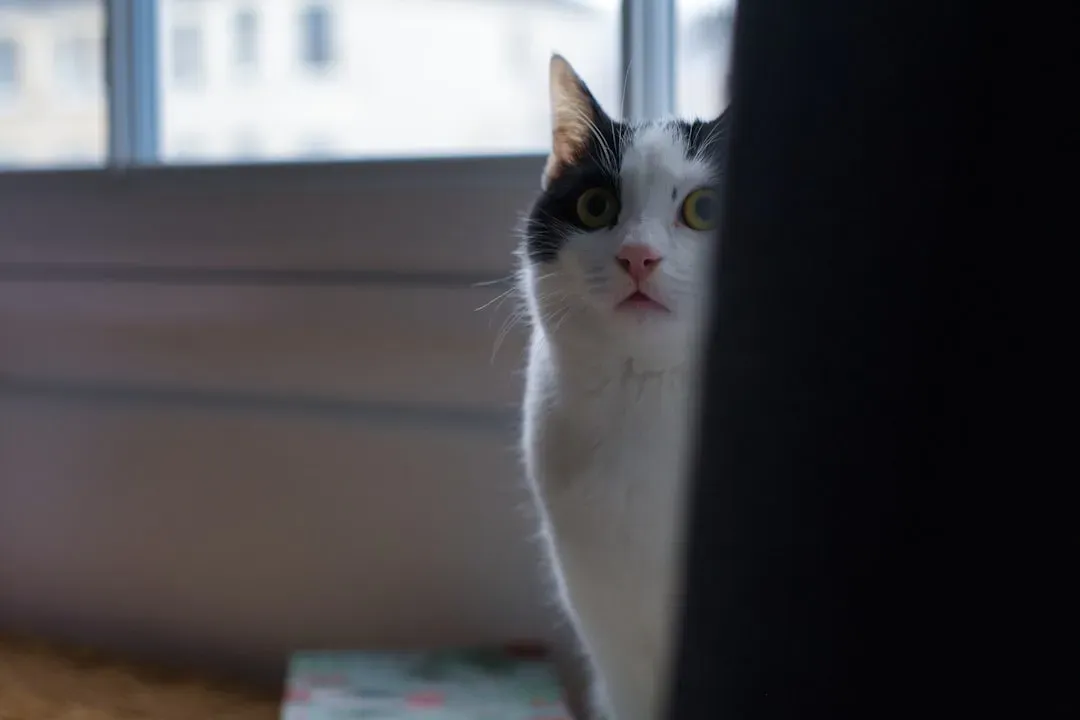
Your cat isn’t being dramatic. The trade-off of having extraordinary hearing is that they live in a much louder, more detailed acoustic environment than we do. Sounds that register as mild background noise to you can land with real intensity for a cat.
Understanding that simple fact changes how you see your cat’s behavior. When you know why a sound causes a reaction, you can make smarter choices about your home environment without feeling confused or frustrated. By reducing aversive stimuli and providing a quiet haven, you improve your cat’s health and well-being. Understanding their sensitivity to sound is, ultimately, a way of showing them love and respect. That’s really the whole point.
Kristina is a young writer from India. An arts graduate and an avid content creator, Kristina is passionate about animals and wildlife. She enjoys exploring topics related to pet care, animal behavior, conservation, and nature, combining thorough research with engaging storytelling.

![10 Cat Breeds That Love to Talk [and 5 That Prefer Quiet Cuddles]](https://felinefam.com/wp-content/uploads/2026/04/1777115208475_pexels-photo-10626405-150x150.jpeg)