You’ve probably noticed it. You make a questionable decision – maybe you stayed up too late binge-watching something, ate cereal for dinner, or skipped the gym again – and your cat just sits there, staring at you with that completely unreadable expression. It’s unnerving. It feels personal. You start wondering if there’s actual disapproval behind those narrowed eyes.
Here’s the thing about cats: like human beings, they reveal their inner states through their body language. The challenge is learning to decode what those states actually mean. Cats are sophisticated communicators, but their signals are subtle – and more than a few cat owners have mistaken a simple stress response for cold, deliberate judgment. Before you take it personally, it helps to know what you’re actually looking at.
The Unblinking Stare: When Your Cat Looks Right Through You
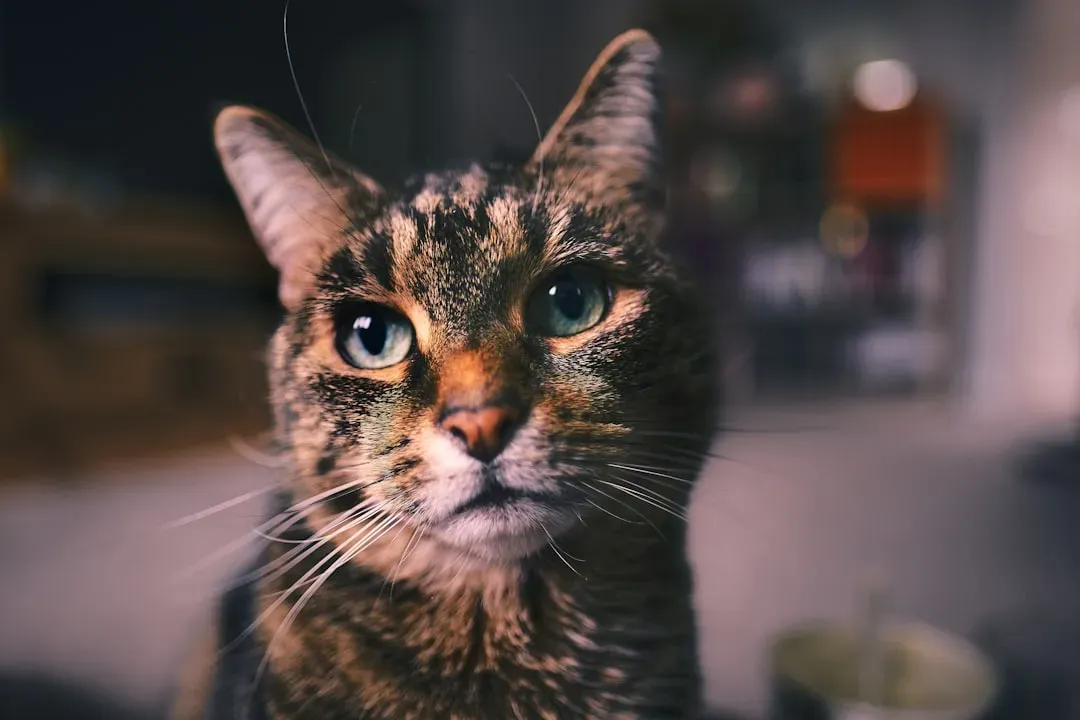
Few things feel quite as loaded as a cat staring at you without blinking. You’re sitting on the couch, minding your own business, and you look up to find your cat locked onto you like a surveillance camera. It’s hard not to feel a little scrutinized.
A continuous stare has an unsettling effect on cats themselves – it’s threatening, and cats use it effectively to maintain territorial distance. When your cat directs a steady, unblinking gaze at you, the chances are they’re either alerting to something in the environment or establishing some kind of social boundary. The key is to look at the whole picture when a behavior is occurring, because depending on the context, one posture or behavior can mean different things.
Ears Pulled Back: The Feline Version of a Frown
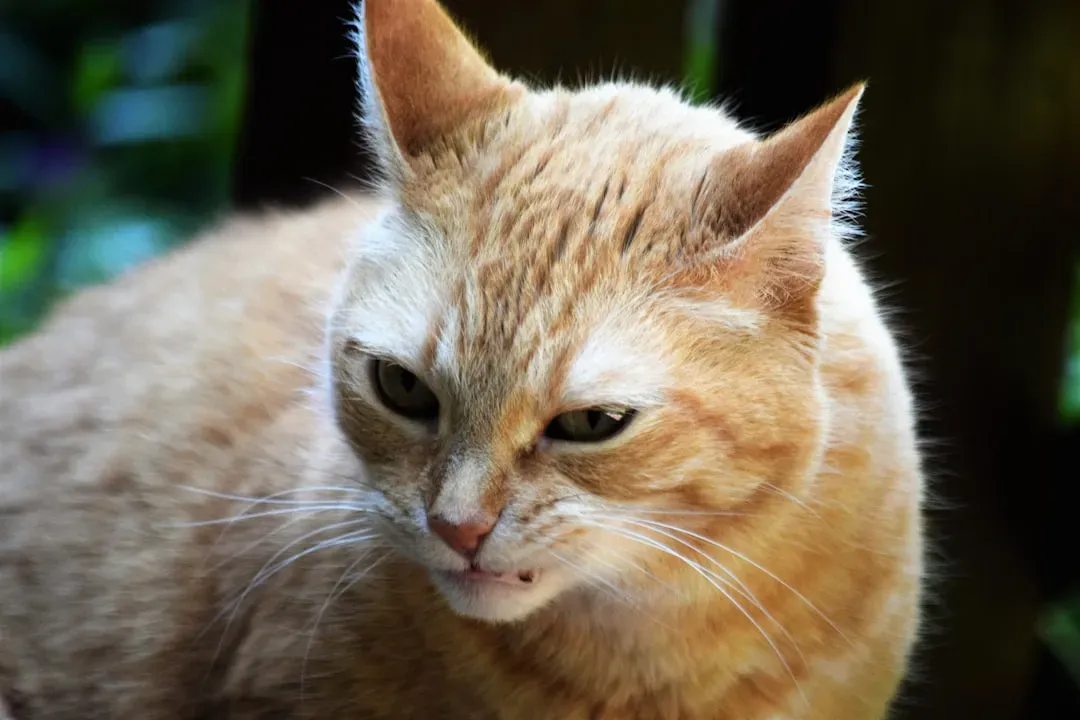
If you’ve ever been mid-conversation with your cat and noticed their ears slowly rotating backward, that’s worth paying attention to. Ears moved backward show distaste and a desire to not engage with the situation, and cats show disapproval by moving their ears back – it’s the equivalent of a human frown.
A cat’s ears are like radar, constantly scanning their surroundings and reflecting their emotional state, and when a cat’s ears are facing forward and erect, it indicates a positive and friendly disposition. The reverse, naturally, tells a different story. Sideways ears serve as a warning sign, indicating annoyance, fear, or potential aggression – and when a cat’s ears are sideways, it’s best to remove any potential stimulus causing discomfort and give the cat some space to calm down.
The Tail Tell: Reading Irritation Through Body Movement
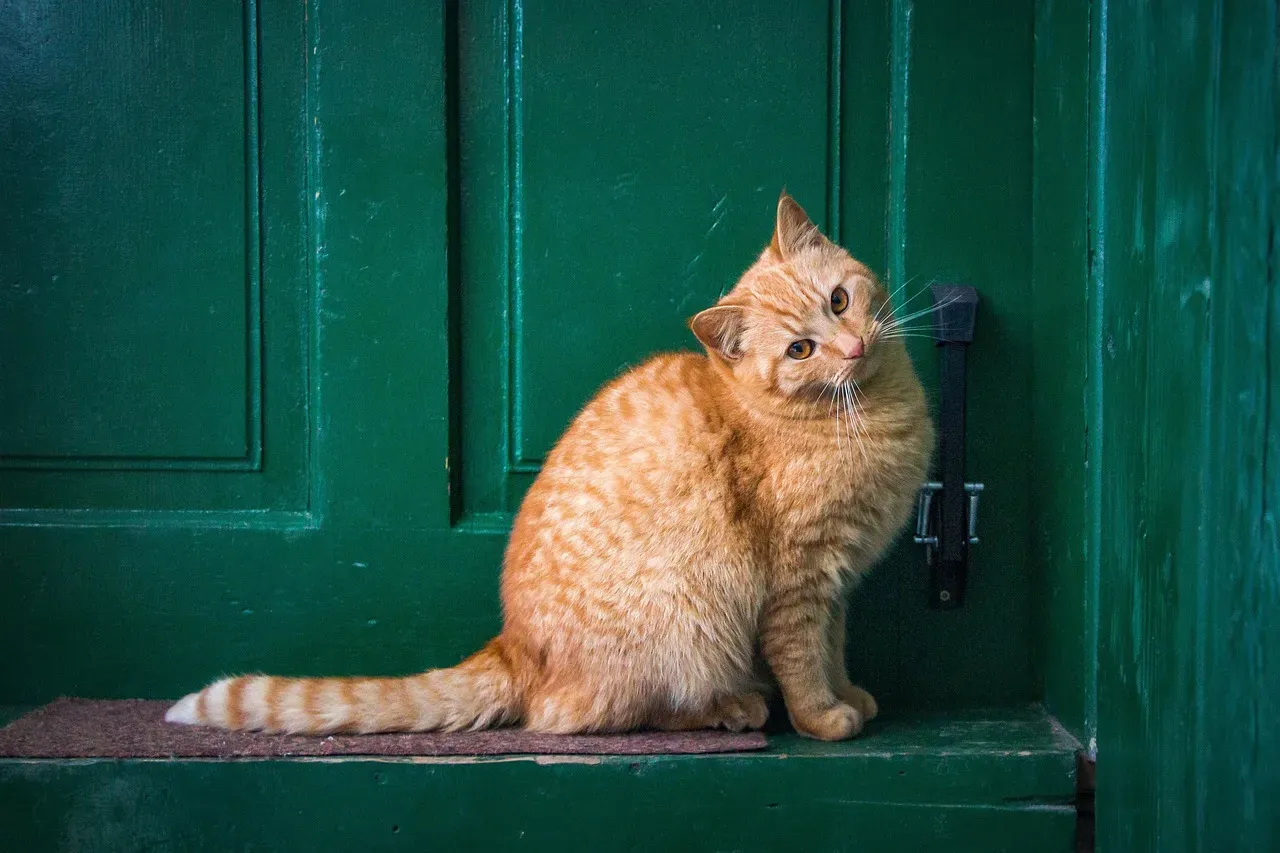
The tail is one of your cat’s most honest communicators. You might notice a sharp, rhythmic flicking when you’re talking too loudly, playing music they hate, or otherwise disrupting their carefully managed peace. The tail flicks of a seated cat often indicate irritation, and tail wagging can range from small irritated flicks expressing indecision to more pronounced forms signaling conflict.
Cats who are engaged in hunting behaviors will often flick their tail from side to side as they watch whatever is captivating their attention, but a flicking tail when the cat is not stalking something most likely means the cat is annoyed. So if you’re just sitting there and their tail starts going, you don’t need a behavioral science degree to understand the message.
The Slow Blink: Trust or Tolerance?
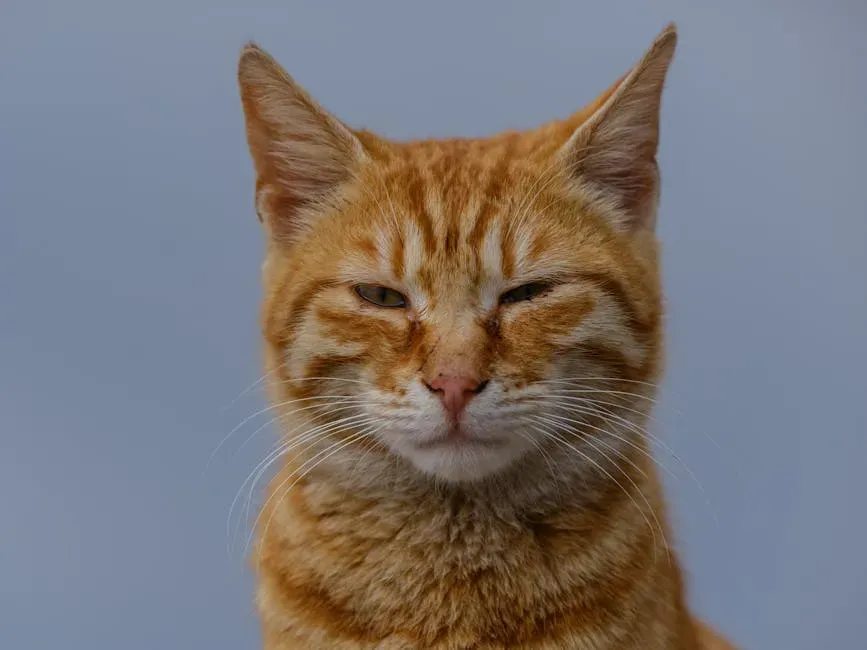
The slow blink gets a lot of positive attention, and for good reason. Research has examined the communicatory significance of the slow blink sequence, which typically involves a series of half-blinks followed by either a prolonged eye narrowing or an eye closure – and cats were found to produce slow blink responses more frequently in response to owners’ slow blink stimuli. This is a good sign.
When a cat slow blinks at you, they are often expressing a sense of trust, contentment, and affection – because in the feline world, closing their eyes in the presence of another creature makes them vulnerable, as they are unable to detect potential threats. The absence of the slow blink, however, doesn’t automatically mean judgment. Not all cats slow blink, and if your cat doesn’t slow blink at you, there’s nothing to worry about – it doesn’t mean they’re uncomfortable around you or don’t trust you.
Turning Their Back on You: Dramatic Exit or Healthy Boundary?
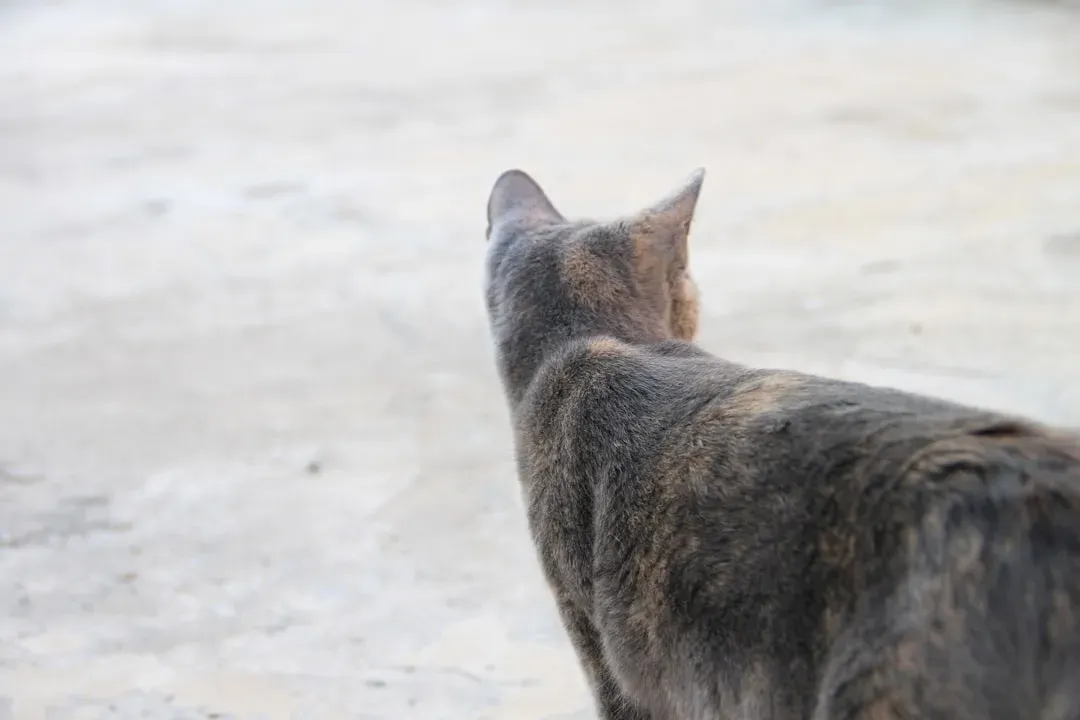
Your cat walks into the room, looks at you, then turns around and walks straight back out. Or they’re sitting nearby and slowly shift their entire body so they’re facing the wall instead of you. That feels pointed. Cats crouch and turn their backs to a situation to indicate disinterest or unhappiness. So yes, in some contexts, the turned back is a genuine signal of withdrawal.
Still, the picture isn’t always that simple. A cat who faces away from you may not necessarily be disinterested – their letting their guard down around you can also signal comfort and willingness to be touched, so it helps to get a feel for the context. The whole-body posture, combined with ear position and tail behavior, tells a far more complete story than a single gesture on its own.
Ignoring You Completely: The Silent Treatment Is Real
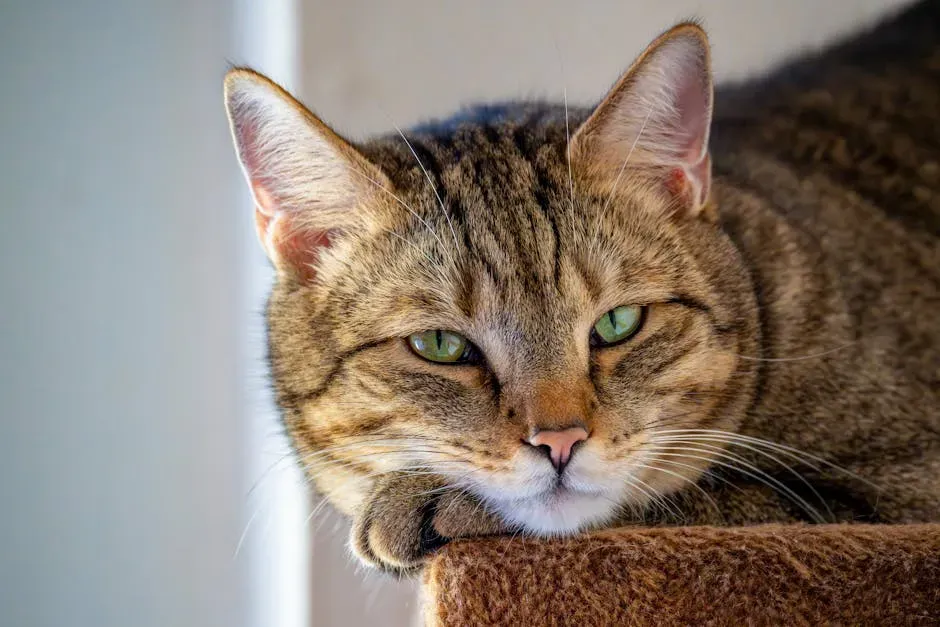
You call your cat’s name. Nothing. You call again. One ear twitches faintly. You walk over. They stretch, yawn, and continue staring at the middle distance. Cats can recognize their names, although they choose to ignore them a lot of the time. That’s not a myth – it’s just how they operate.
The most typical indication of feline displeasure is when they suddenly decide to ignore you – they might stop responding to your calls, reject your attempts at affection, or retreat to another room. Whether this reflects genuine unhappiness or simply a feline preference for autonomy is worth considering. Sometimes it’s not about dislike at all – it’s about discomfort, fear, or a need for space.
The Whisker Report: Subtle Signals You’re Probably Missing
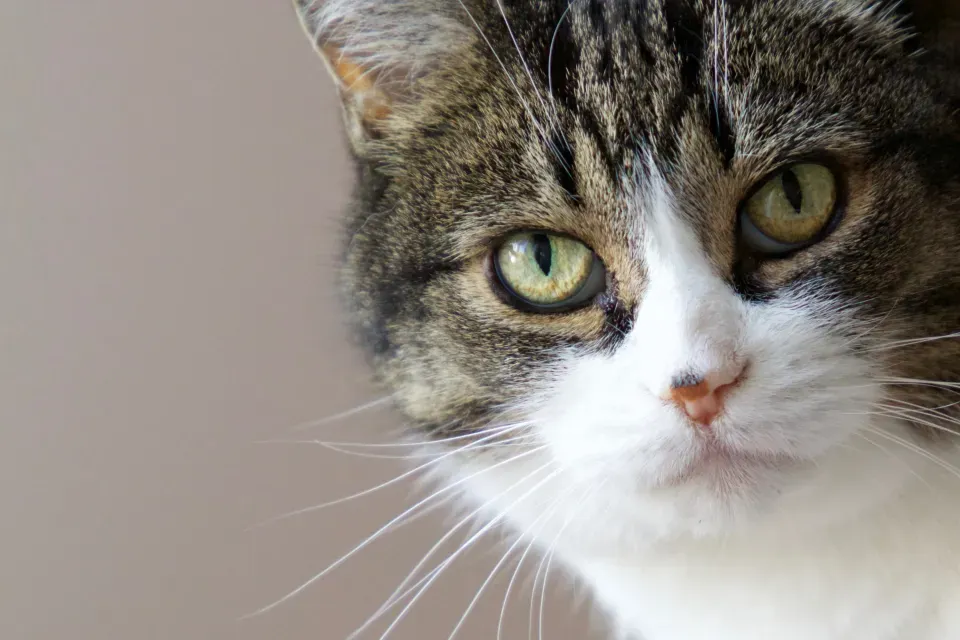
Whiskers are far more expressive than most people realize, yet they’re easy to overlook. Cats use their whiskers to judge proximity and express their mood – relaxed whiskers held off to the sides and slightly lowered indicate a relaxed state, while whiskers pointing forward indicate interest and curiosity. Whisker position shifts in real time, responding to whatever your cat is registering around them.
When a cat is frightened, angry, or ready to strike, its whiskers will pull back against its cheeks, serving as a warning sign. If you notice whiskers pulled tightly back while you’re attempting to cuddle or pick them up uninvited, that’s a clear ask for more distance. To understand a cat’s emotional state and intentions, it’s worth considering body posture, behavior, facial expressions, and context together.
What Looks Like Guilt (But Isn’t)
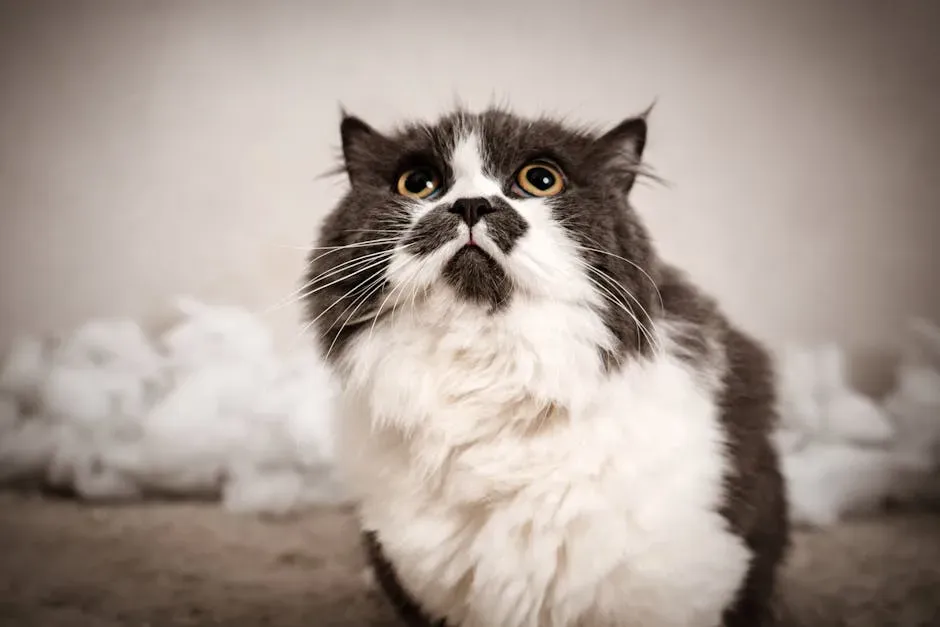
You come home to find something knocked off the counter or a mess in an unexpected place. Your cat sees you, flattens their ears, and assumes a low, tucked-in posture. That’s the guilt face, right? Owners often interpret a cat’s body language as guilt or shame after scolding, and that “guilty look” – ears flattened, eyes wide, crouched posture – might seem like remorse, yet research shows this reaction is more likely fear or confusion rather than true guilt.
Cats are highly perceptive to tone of voice, body language, and facial expressions – when an owner scolds them, cats pick up on those emotional cues and react accordingly, and the “guilty” behavior is usually a response to the owner’s anger or tension present at that moment rather than an acknowledgment of wrongdoing. In other words, they’re reading you, not confessing to anything.
The Real Science Behind Feline Disapproval
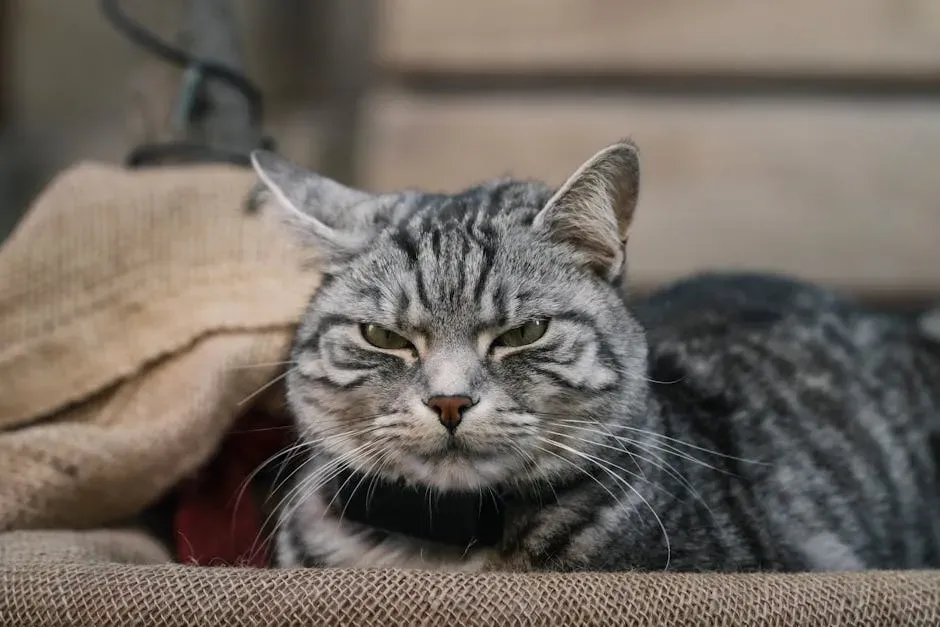
The idea of a cat “judging” you is partly a projection, and that’s worth being honest about. Humans tend to anthropomorphize pets, assigning human emotions and reasoning where they don’t exist, and this can lead to misconceptions about feline behavior. What looks like a disapproving glance is usually a behavioral response to something specific and immediate in the environment.
Cats can express their feelings through 276 distinct facial expressions, with changes in head position revealing signs of pain or discomfort. That’s an impressive emotional range – just not one organized around your life decisions. Cats are subtle and complicated in the way they communicate, but taking the time to learn their body language can help to strengthen the relationship, and learning the signs that they are happy or when they just want to be left alone can be a big help to you both.
Conclusion
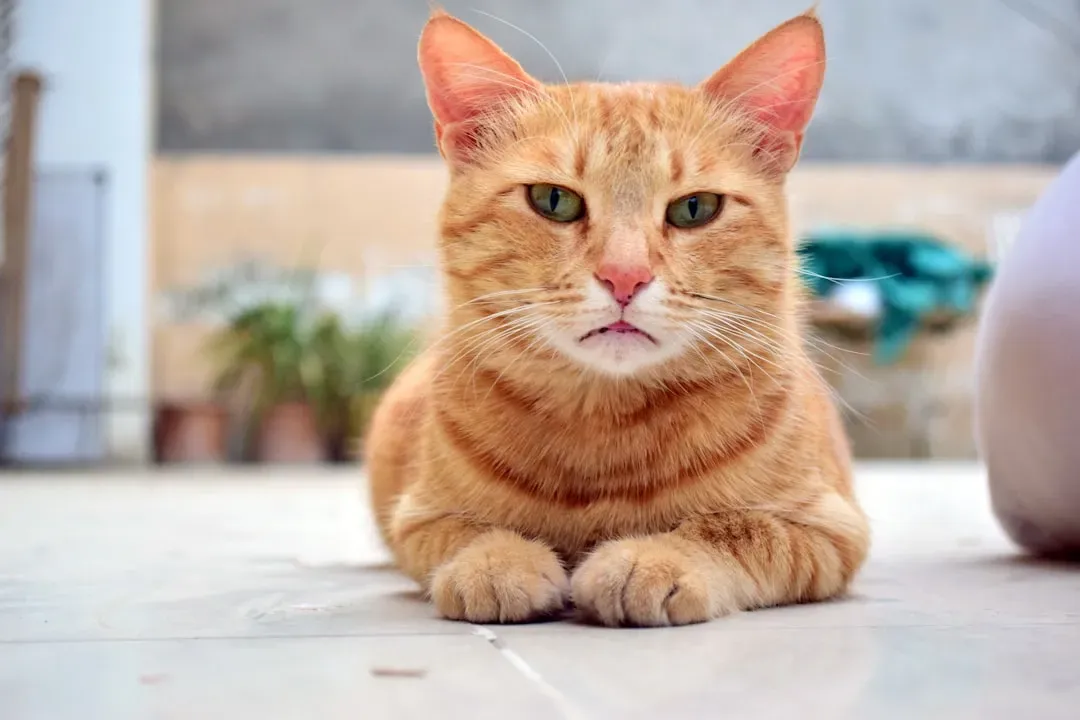
Your cat probably isn’t judging you. At least, not in any philosophical sense. What they’re almost certainly doing is responding to their environment in real time, offering a constant stream of signals that most of us only partially understand. The flattened ears, the flicked tail, the long stare – these are a language, and a remarkably consistent one once you learn to read it.
The more you pay attention to the whole picture rather than a single gesture, the clearer your cat becomes. And ironically, learning to understand what they’re actually communicating tends to improve the relationship considerably. Whether your cat thinks your 11pm snack choices are wise is probably beside the point. What matters is that you’re both speaking the same language, even if only one of you was born knowing the words.
Kristina is a young writer from India. An arts graduate and an avid content creator, Kristina is passionate about animals and wildlife. She enjoys exploring topics related to pet care, animal behavior, conservation, and nature, combining thorough research with engaging storytelling.