Most dog owners would tell ing is one of the hardest parts of early pet ownership. Waking up at odd hours, rushing outside in the rain, cleaning up accidents on the living room rug. Cat owners, surprisingly, rarely deal with any of that. There’s a good reason for it, and it goes deeper than cats just being naturally tidy creatures.
Cats are hardwired for cleanliness. In the wild, burying their waste was a survival mechanism to hide their scent from predators and rivals. That powerful instinct is your greatest ally in the housebreaking process. The short answer to the question of whether you can housebreak a cat is yes, and for most cats, you barely need to do much at all. Understanding why that’s the case, and what to do when it isn’t, will make you a far more confident and prepared cat owner.
The Natural Instinct That Does Most of the Work for You
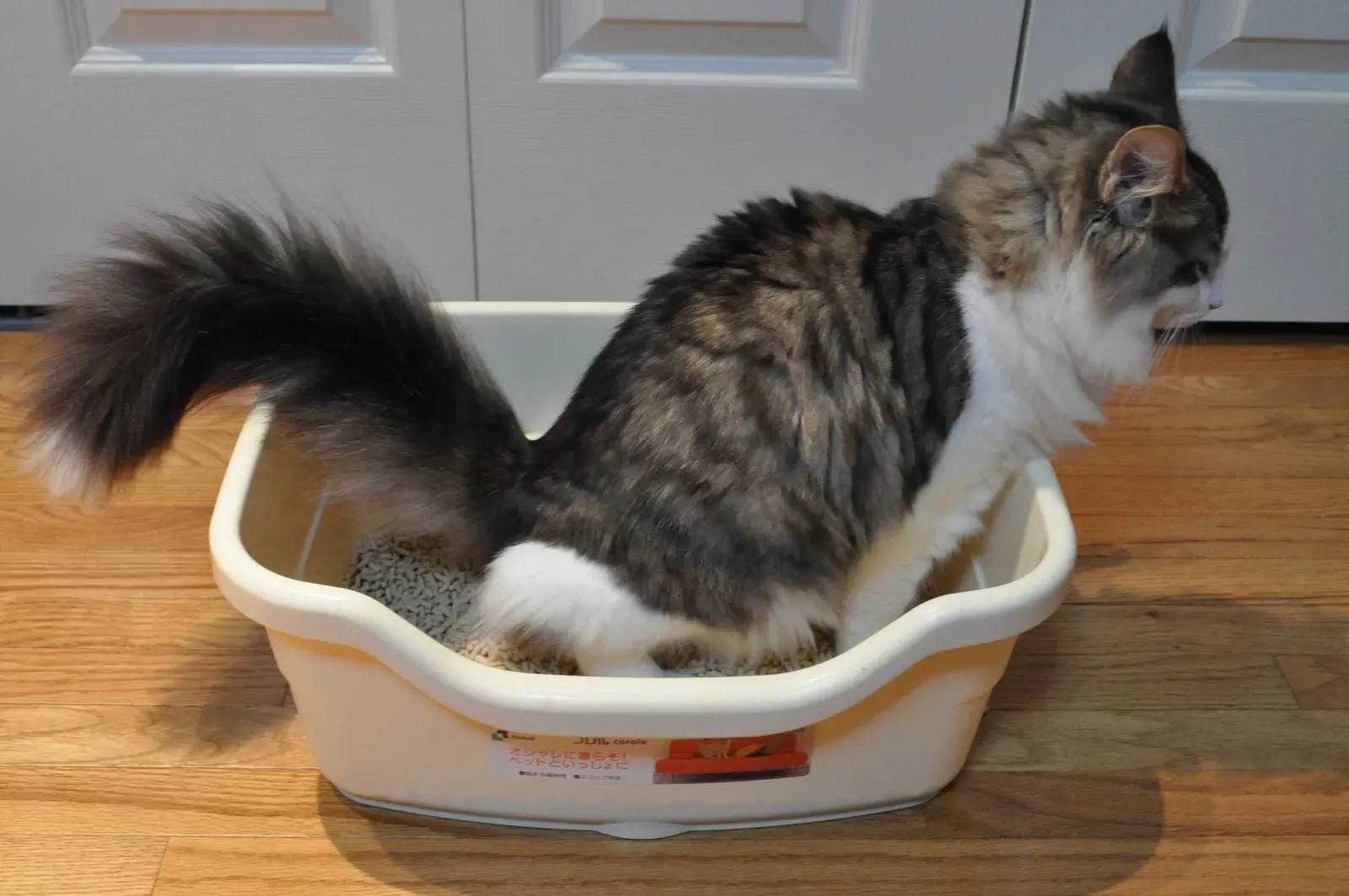
Cats are creatures of habit and survival, and their litter box behavior is deeply tied to their wild ancestry. In the wild, cats are both predators and prey, which means they need to be cautious about leaving traces of their presence. Burying their waste helps them avoid detection by predators and competitors. This instinct to bury their feces and urine is hardwired into their DNA, making litter box use a natural behavior for domesticated cats.
Cats prefer substrates with a grainy or sandy texture so they can bury their waste. They choose their location based primarily on the substrate. They’re picky about this because they like to bury their waste. This gives cat owners a huge advantage over dog owners when housebreaking. All cat owners have to do is create a bathroom area that offers a more appealing substrate than anything else does, and then teach the cat where to find it.
When Kittens Start Learning and Who Teaches Them

Kittens develop control over their bladder and bowels between three and four weeks old. This is the ideal time to introduce a litter box. Before this stage, a mother cat stimulates elimination by licking her kittens’ bellies. Once a kitten gains independence, it begins seeking out a proper place to eliminate. By eight weeks old, most kittens are fully litter trained, provided they’ve had consistent access to a clean, well-placed litter box.
While instinct plays a significant role, early socialization also contributes to a cat’s ability to use a litter box. Kittens learn many behaviors from their mother, including grooming, hunting, and using a litter box. If a kitten is separated from its mother too early, it may require additional guidance from its human caretaker to develop this habit. In those cases, that guidance is simpler than you might expect.
Choosing the Right Litter Box and Litter Type
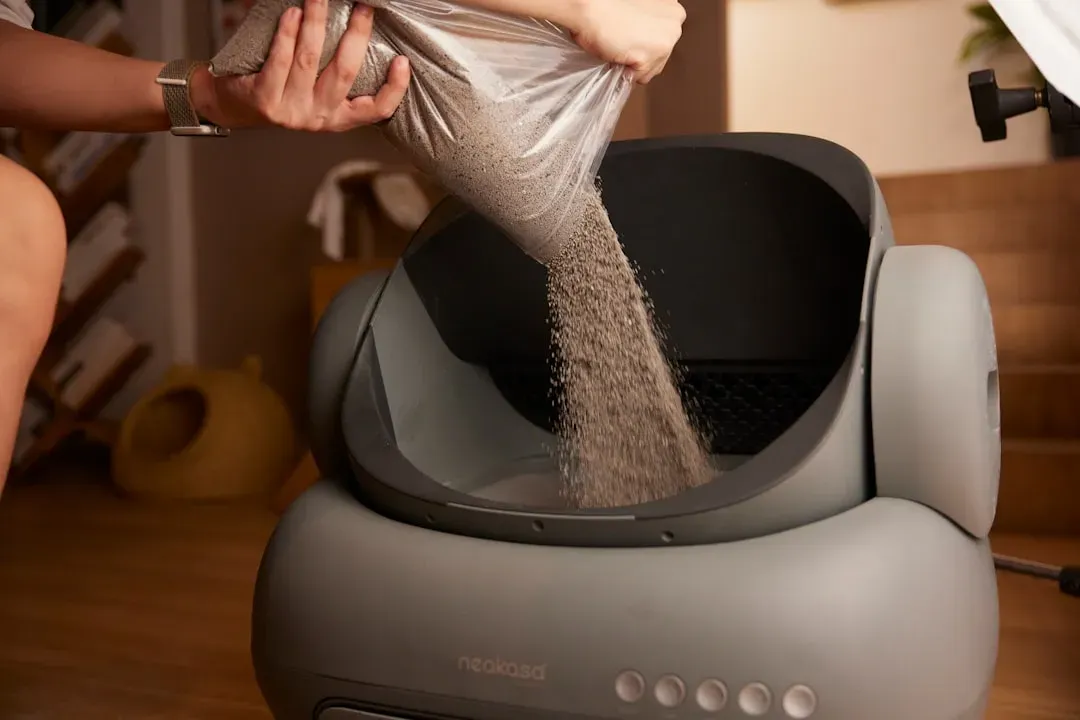
Size matters when it comes to how to potty train a cat, because no cat wants to be cramped when doing their business. Make sure the litter box is large enough for your cat to stand in and fully turn around without bumping the box. Baby kittens and senior cats should have boxes with low sides that they can easily hop over. Avoid using covered litter boxes. Many cats are reluctant to use them.
Most cats prefer unscented, fine grit clumping style litter, a deep box with at least three inches of digging material, a large area inside the box, and boxes located in quiet areas that are easily accessible. Use plain, unscented clumping litter. Once you have found a litter that seems to please your cat, don’t switch. Consistency in litter type is one of the easiest things you can do to keep your cat reliably using the box over the long term.
Where You Place the Litter Box Matters More Than You Think
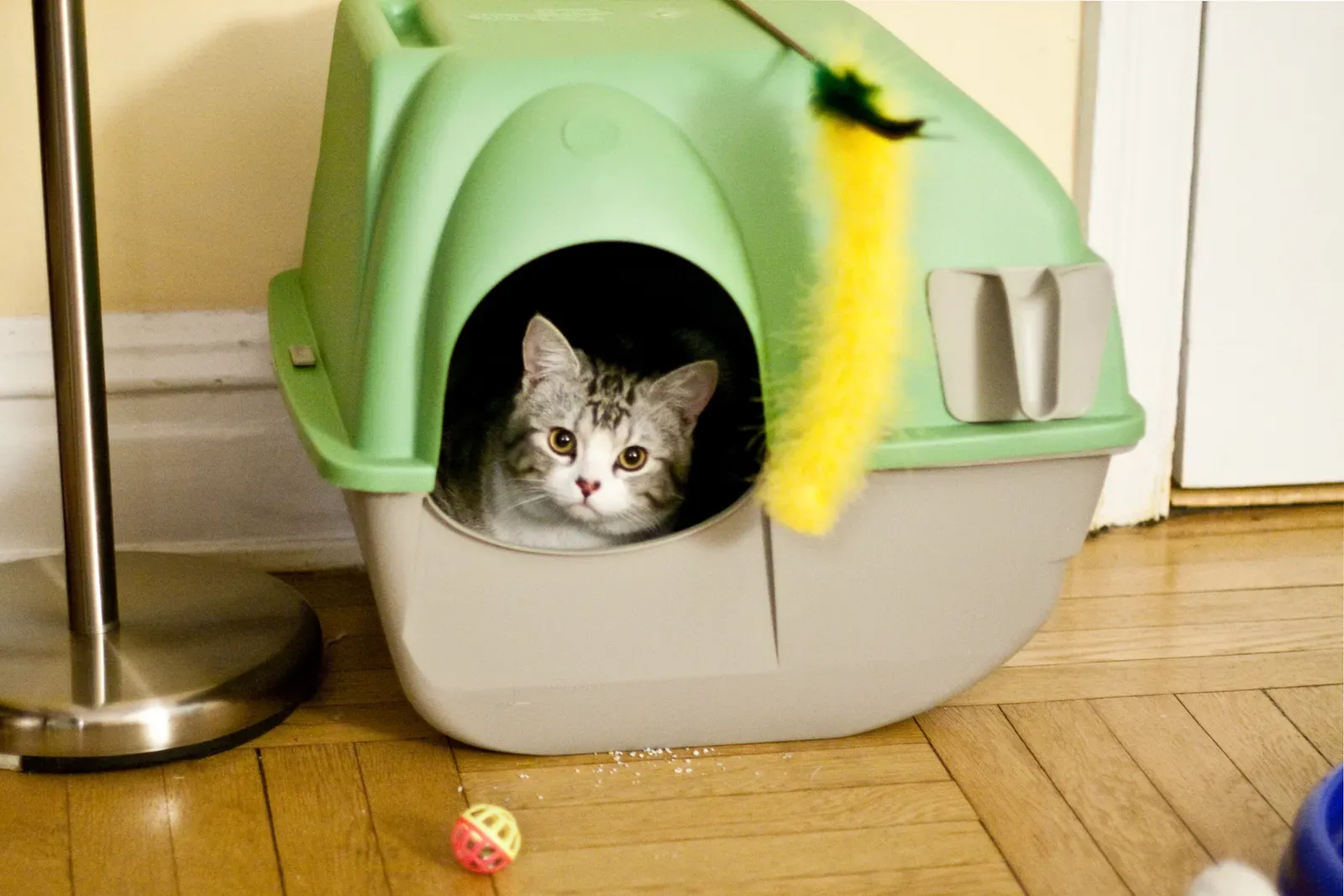
Cats are meticulous about their environment, and their choice of a litter box location is no exception. They prefer quiet, private areas where they feel safe and undisturbed. If a litter box is placed in a noisy or high-traffic area, a cat may avoid it altogether. A laundry room right next to a running dryer, for example, is not a great choice.
Place the litter box in a semi-private area, away from lots of traffic. Keep kittens in a small room with a litter box for a few days until they use it consistently. Avoid placing the box next to your cat’s food or water, or near loud noises such as washing machines that may be startling or scary. Avoid corners and tight areas like closets where your cat might feel trapped.
How to Use Confinement to Speed Up the Process
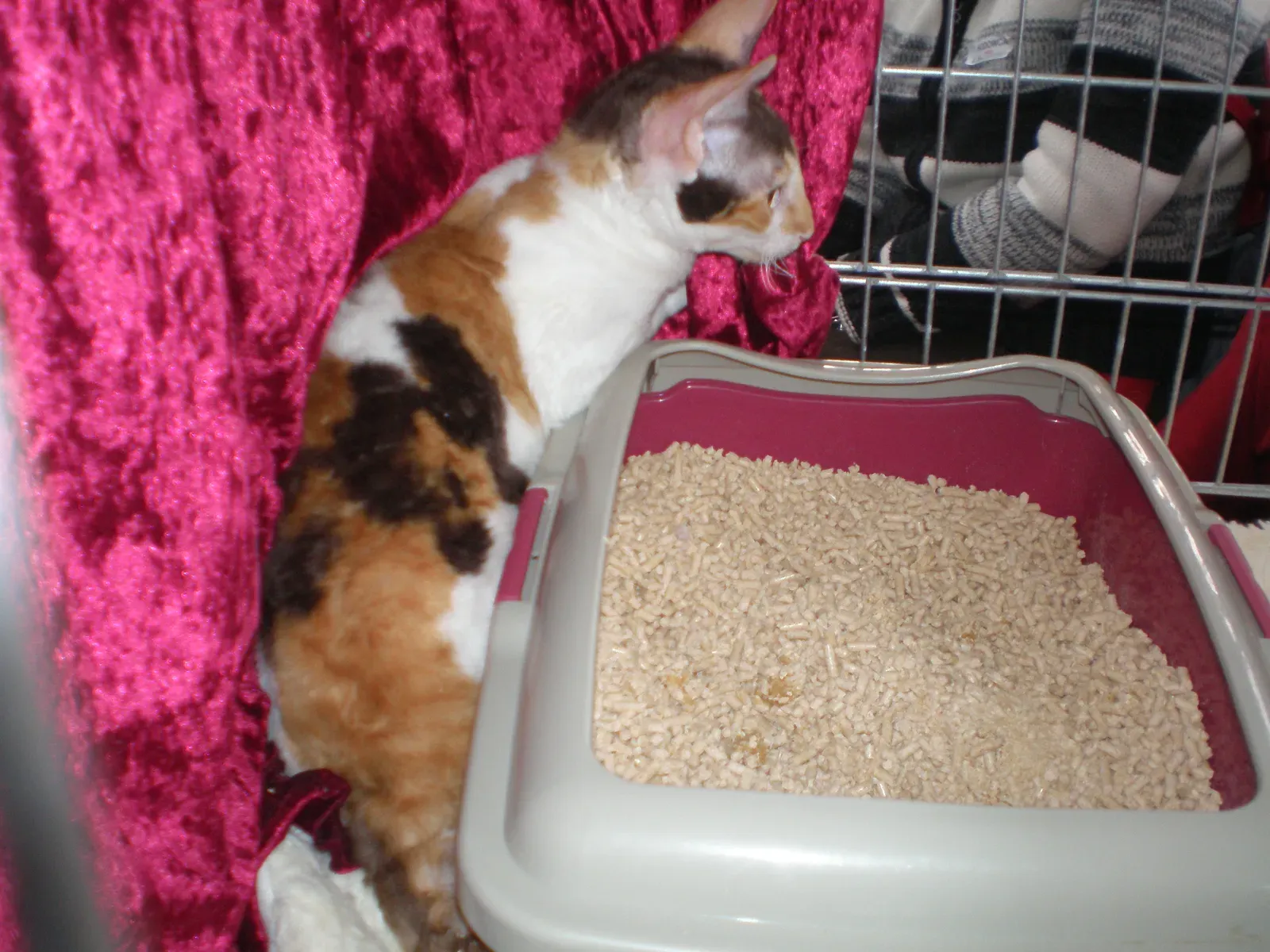
Start by confining your cat to a small room, like a bathroom. A small room will more easily help to facilitate their instinctual behaviors for eliminating in a substrate that they can easily dig and bury their waste. It will also train them to start going in a consistent location. Set up the small room so that it’s complete with food, water, toys, a place to rest, and a litter box. The idea is that your cat will eventually learn to live in this space with all their necessities, including a designated spot for elimination.
Once your kitten has finished eliminating, you may allow her to explore other areas of the home with supervision. When you are too busy to supervise, take her back to her well-stocked room. She should not be free to move around unsupervised until she consistently uses the litter box. Tiny kittens may not be able to travel far in time to reach a box, and too much space early on can lead to accidents.
The Role of Positive Reinforcement in Housebreaking

When your kitten finally uses the litterbox, reward them with multiple small treats all in a row. Slowly phase out the treats over time, but be sure to offer them on occasion to reinforce using the litterbox. When your kitten uses the litter box correctly, offer quiet praise or a small treat. Keep the reward calm and gentle. Loud celebrations can startle young kittens and create negative associations with the box.
Punishing a cat after the fact teaches her to be afraid of you. Never rub your cat’s nose in a mess, or bring her over to it for a reprimand. She will have no idea why she’s being reprimanded. She may instead be inclined to eliminate in hidden spots, such as behind the sofa, to avoid another reprimand. Basically, punishment doesn’t work with cats. Prevention and praise for getting it right are the keys to training.
Keeping the Litter Box Clean Enough to Use
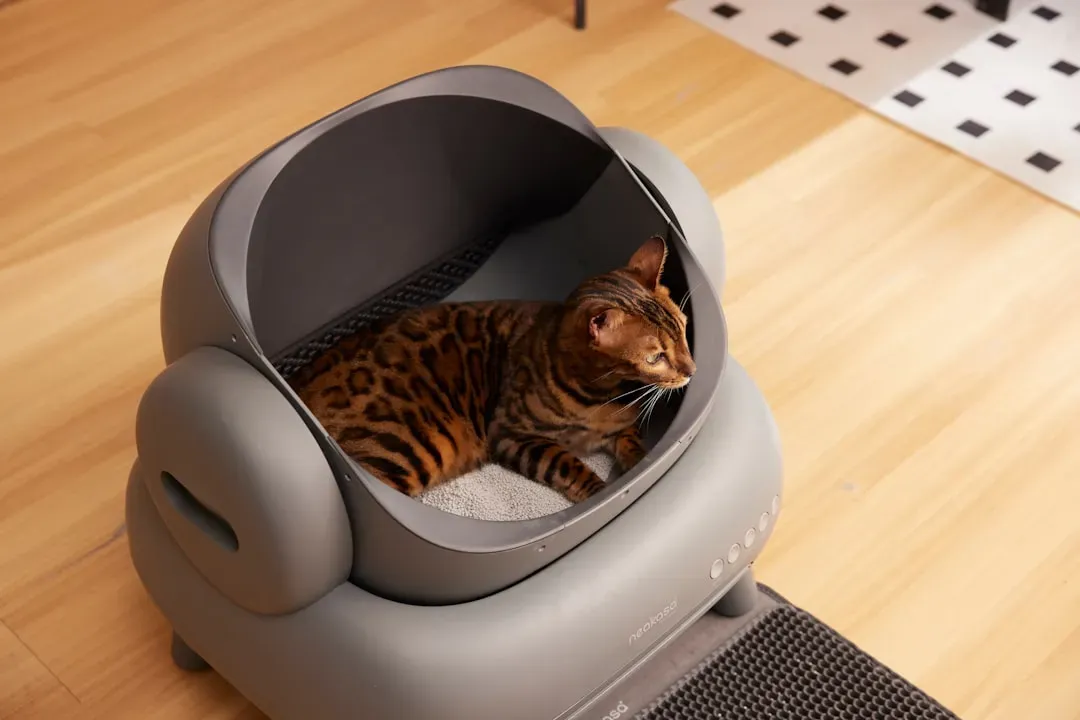
Doing your best to keep the litter clean and appealing to cats is one of the most important factors in maintaining good elimination habits in your pets. Scoop the litter boxes at least twice daily and wash them once a week with soap and warm water only. Do not use a strong-smelling disinfectant. Strong chemical scents can be just as off-putting to a cat as a dirty box.
Clean soiled areas with an enzyme-based cleaner. Regular cleaners will not break down the urine and stool traces, so your cat may continue to use those spots. While you should be regularly cleaning the litter box, it’s a good idea to add a tiny bit of soiled litter on top while house training a cat until they are using the litter box unaided. This will help to further reinforce the notion that this is where your cat must relieve themselves.
When Something Goes Wrong: Medical Issues and Behavioral Problems

A sudden change in litter box habits can be one of the first signs of a medical problem, such as a urinary tract infection, bladder stones, or other issues that cause pain during elimination. If you’re struggling with related issues, your first step should always be a visit to the veterinarian to rule out any underlying health conditions. Cats are often stressed by change, including big changes like moving, grief, and new pets, and smaller changes like rearranged furniture, a litter box moved a few feet, and new household cleaners. Giving your cat extra attention, playtime, care, and reassurance in times of stress will help with adjustment.
When tackling any litter box problem, taking your cat to the veterinarian should always be your first step. So if you haven’t done so already, schedule a vet visit to rule out physical problems. Even if your cat received a clean bill of health a few weeks or months ago, it’s important to have them examined again. It can sometimes be difficult to identify medical reasons for house soiling, and a new physical problem may have appeared since your cat’s last visit.
Conclusion

Housebreaking a cat is, in most cases, far less of a battle than new owners expect. You’re not teaching a completely new concept but rather channeling a natural behavior into an appropriate location, the litter box. That framing matters, because it shifts your mindset from trainer to facilitator. Your job is mostly to set the right conditions and get out of the way.
House training is best accomplished with patience and positive reinforcement. Teaching a cat to be well house-trained makes them a more enjoyable pet and a welcome guest. Many cats nearly house train themselves, but it’s important to meet cats’ needs to ensure they maintain desirable habits for a lifetime.
The biggest takeaway here is simple: when you work with a cat’s nature instead of against it, the process tends to take care of itself. Provide a clean, well-placed, appropriately sized litter box with the right kind of litter, and in most cases your cat will figure out the rest. The moments when they don’t are usually signals worth paying attention to, not failures that call for frustration.
Kristina is a young writer from India. An arts graduate and an avid content creator, Kristina is passionate about animals and wildlife. She enjoys exploring topics related to pet care, animal behavior, conservation, and nature, combining thorough research with engaging storytelling.