There’s a reason people say cats don’t have owners – they have staff. Unlike dogs, cats were never selectively bred to follow commands or seek approval. The domestication history of cats played a significant role in shaping their current behavior. Unlike dogs, who were actively bred for specific tasks, cats largely domesticated themselves, drawn to human settlements by the abundance of rodents, with humans tolerating their presence for pest control. That independent streak runs deep, and in certain breeds, it runs even deeper.
If you’ve ever shared your home with a cat who treats your carefully issued “no” as a minor suggestion, you already know what this article is about. Some breeds come hardwired with a level of self-determination that makes training feel more like negotiation. The twelve cats below are from mildly headstrong to genuinely, impressively defiant – and every single one of them is still worth loving.
#12. Russian Blue
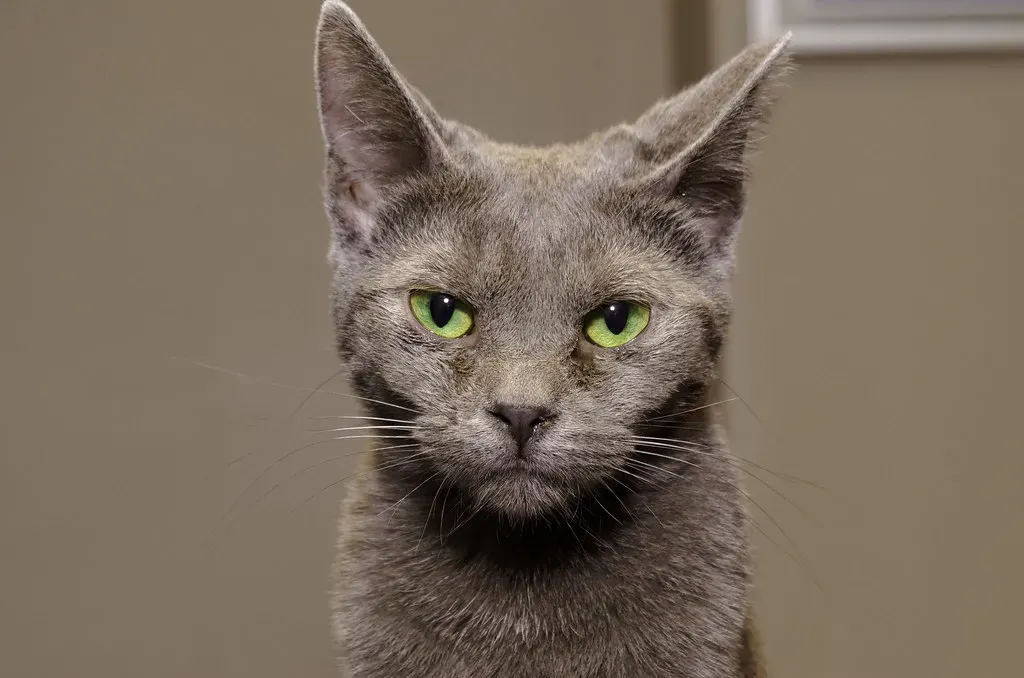
Russian Blues are independent cats that also have low grooming needs, making them a great pet for people with busier lifestyles. These cats take time to warm up to strangers and tend to form strong bonds with just one or two people. That selectivity, while endearing, also makes them resistant when things don’t go their way.
Unlike some attention-demanding cats, the Russian Blue does not seek to be the center of attention. In fact, they may refuse to come out from under the bed on a whim. These cats become stubborn when you try to change up their routine or invite new people over. You won’t win that standoff. They’ll outlast you every time.
#11. British Shorthair
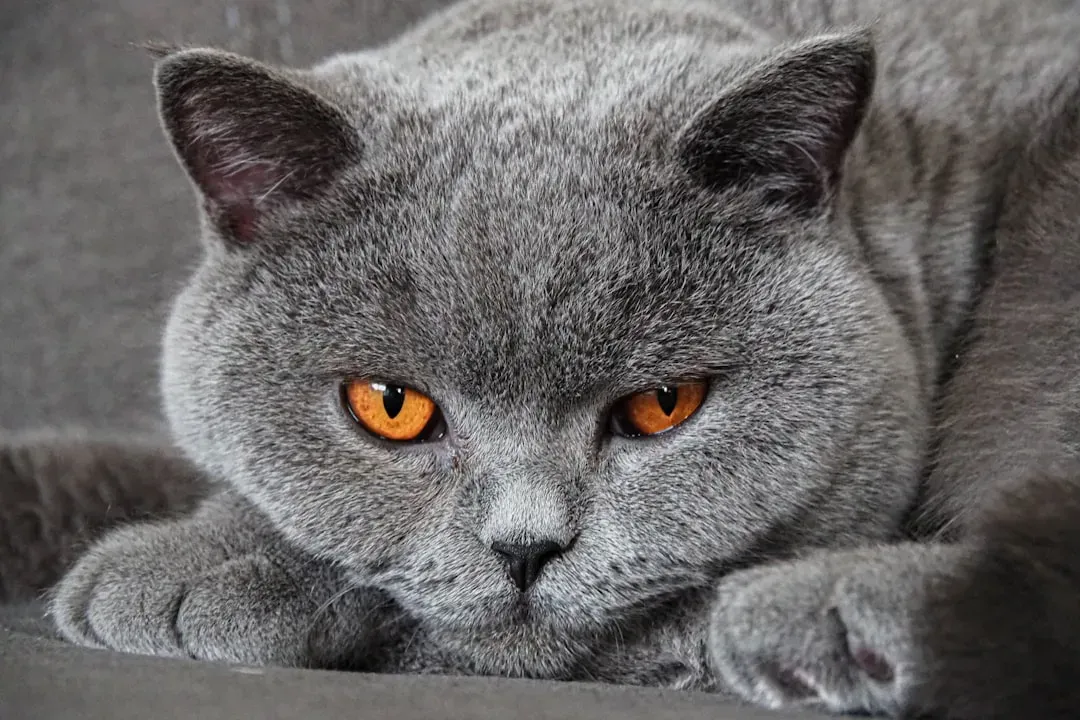
A British Shorthair is an independent cat breed with a laid-back, easygoing personality. While this sounds appealing, their extreme independence can work against training efforts. These cats prefer to do things on their own terms and in their own time. Don’t let that calm exterior fool you.
Their naturally calm demeanor might fool you into thinking they’ll be easy to train, but the opposite is often true. British Shorthairs have perfected the art of polite indifference. They’ll acknowledge your training attempts with a slow blink and then proceed to do exactly what they intended to do originally. It’s hard not to admire the composure, honestly.
#10. Norwegian Forest Cat
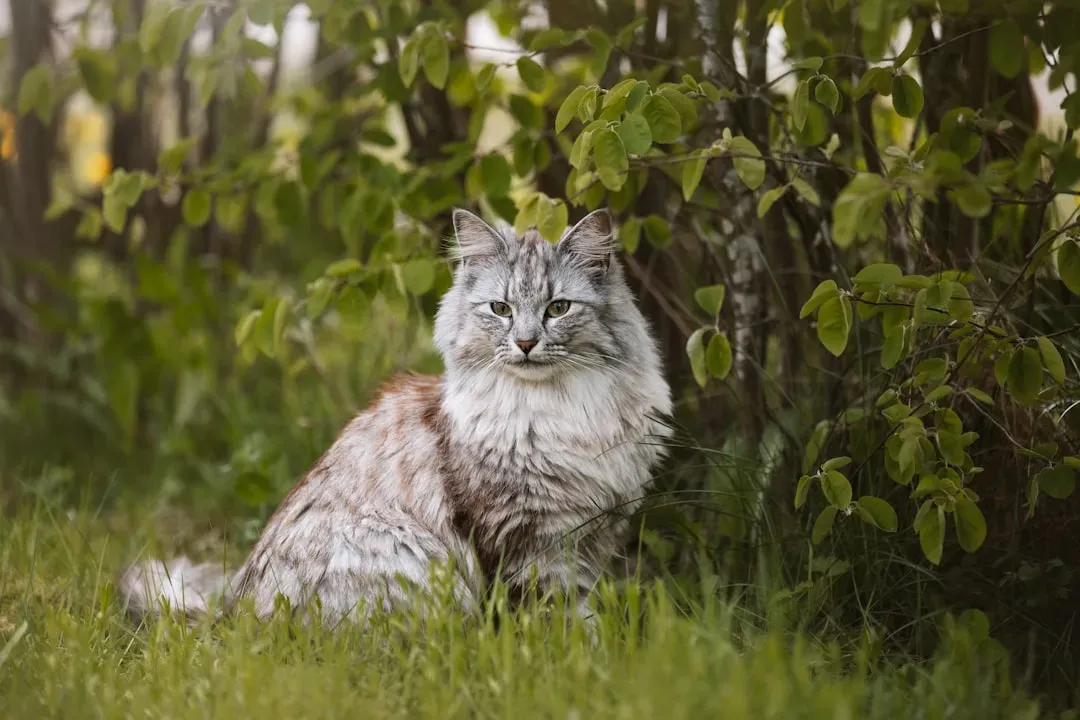
Hailing from the cold climates of Norway, the Norwegian Forest Cat is a sturdy, strong breed with a thick, waterproof coat. These cats are known for their independent nature and their ability to thrive both indoors and outdoors. They form strong bonds with their owners, but their hunting instincts make them self-sufficient and happy to explore on their own.
This undemanding cat breed developed naturally in Scandinavia is well known for its gentle and friendly demeanor. Because of their semi-domestic nature, the Norwegian Forest Cats can cope well if their owners are often away. When you call them, they’ll consider the invitation. Whether they accept it is entirely their decision.
#9. Abyssinian
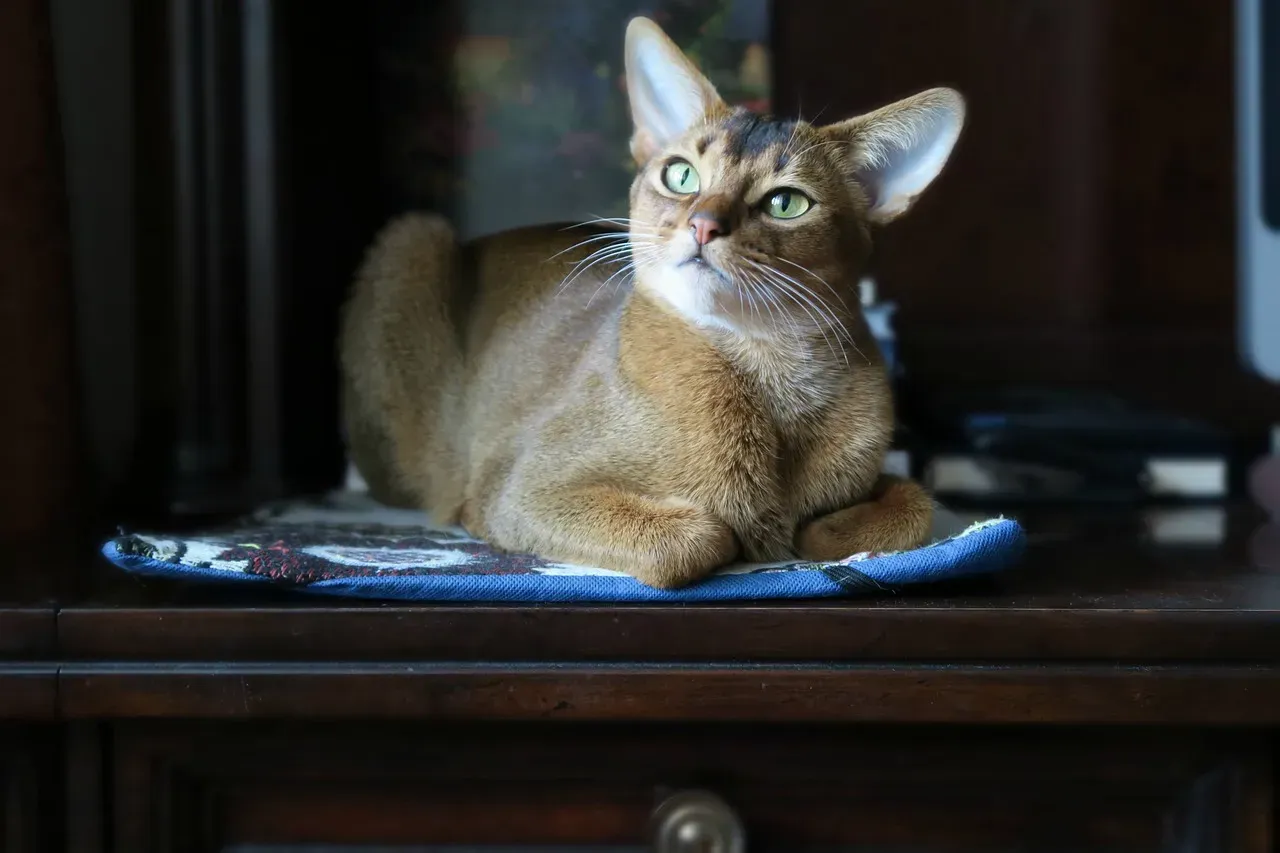
An ancient breed that retains its instincts as a solitary hunter, the Abyssinian is affectionate and enjoys spending time with their humans, but their independent streak keeps them from being clingy. Highly active, Abyssinians love to climb, run, and play, and their intelligence and curiosity lead them to explore their home, checking everything out and investigating new things.
Abyssinians are very intelligent and curious cats, and they tend to have a lot of confidence. Rather than demanding your attention, they often prefer exploring their surroundings. Their disobedience isn’t aggressive – it’s more like cheerful selective hearing. They heard you. They just had better things to do.
#8. Persian
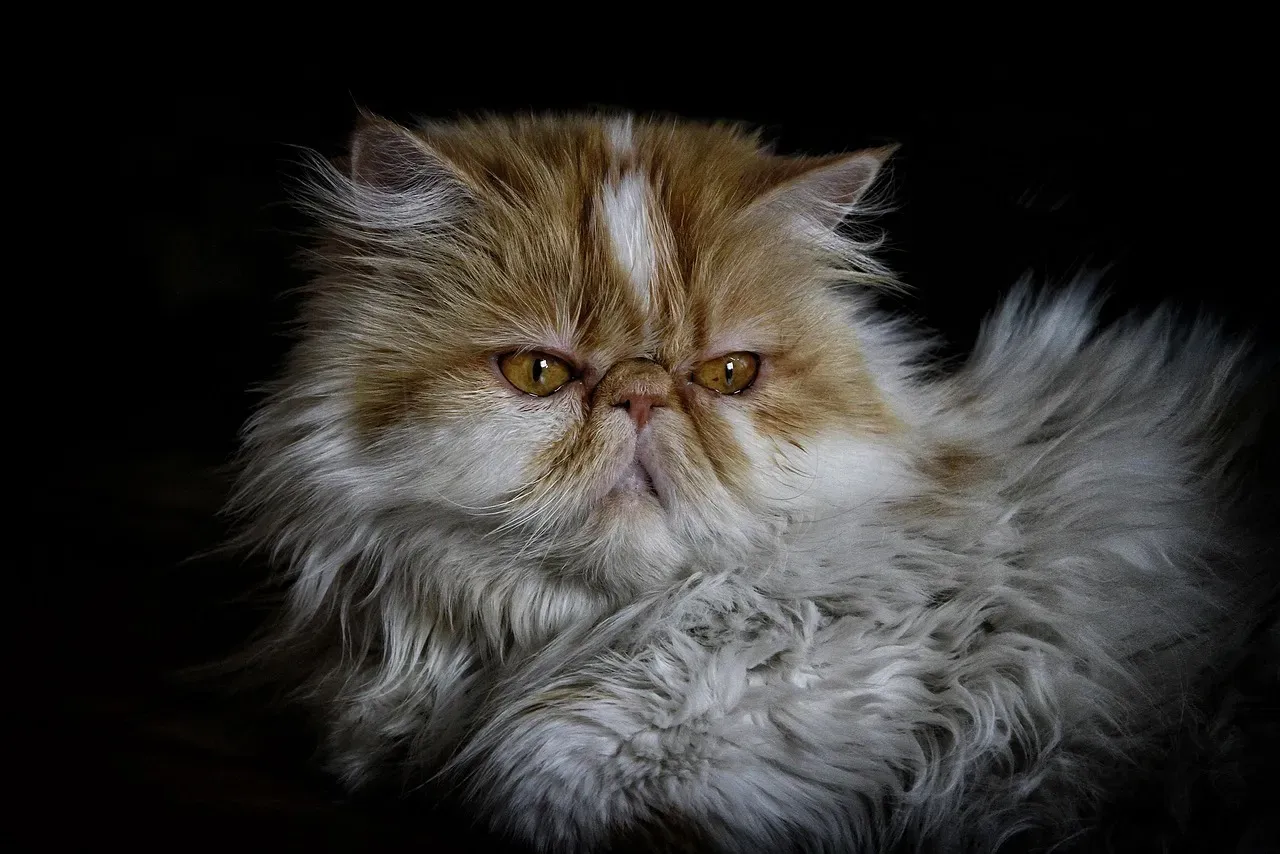
Getting a Persian cat to listen to their owner will be incredibly difficult unless training starts when they are kittens. It’s highly unlikely that you’re going to find a Persian jumping through rings of fire. Those cats simply take a more relaxed view of life. Their laid-back nature often translates to complete disinterest in pleasing their humans through tricks or commands.
Persian cats are known for their luxurious, long coats and sweet, expressive faces. They are a popular breed for their affectionate yet independent nature. Persians enjoy the company of their owners but are also perfectly content to spend time alone, grooming their magnificent fur or lounging in a favorite spot. Ask a Persian to move. Come back in an hour. You’ll find them in the exact same spot.
#7. Maine Coon
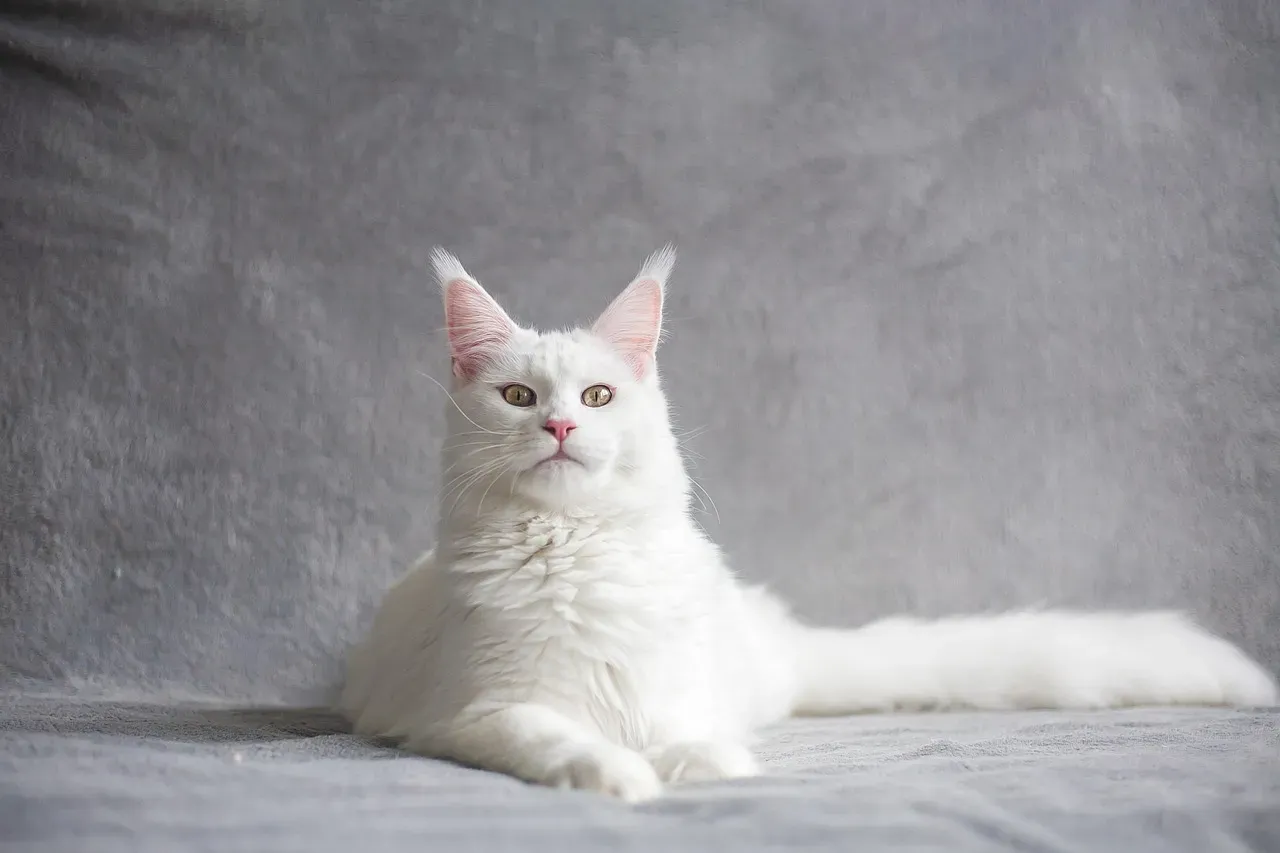
The Maine Coon is a large breed native to the United States that has an independent and friendly nature. Despite their size, they are surprisingly agile and enjoy climbing and exploring. While affectionate with their family members, they are also content to spend time alone, making them ideal companions for anyone who wants an independent feline friend.
Maine Coons are often described as dog-like in loyalty, but that comparison has limits. While they have bursts of energy, they’re happy to spend a good chunk of their day snoozing and don’t require constant attention. This breed is quite content to entertain themselves as long as they have plenty of toys and puzzles to keep them occupied. They’re friendly on their terms, not yours.
#6. Himalayan
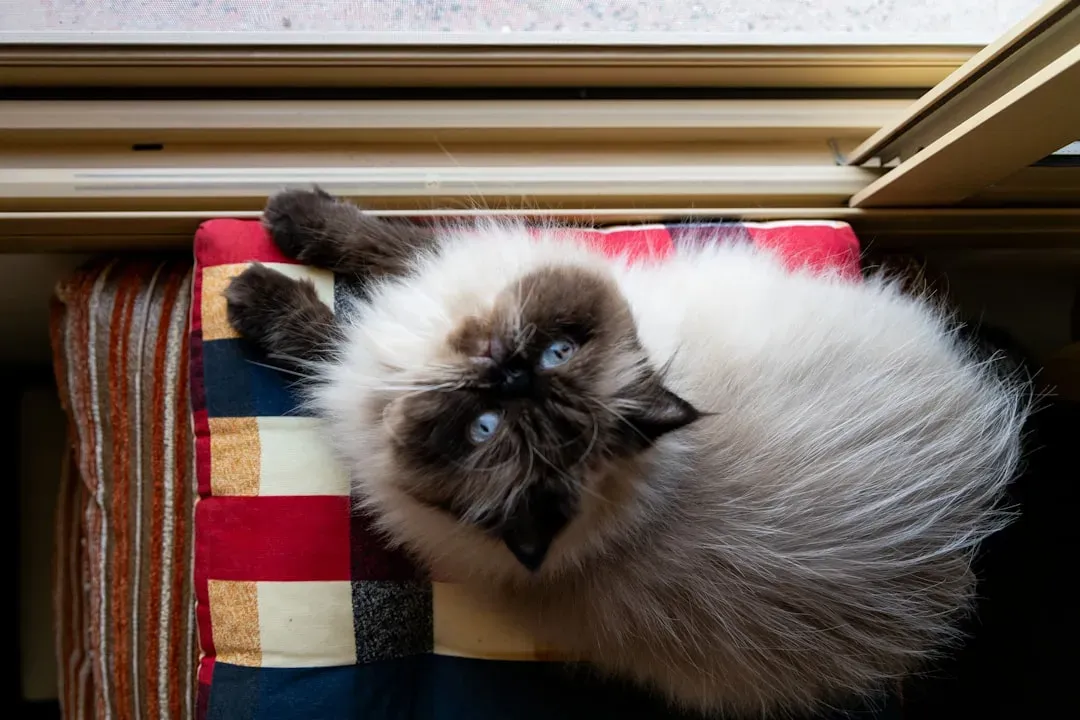
Himalayan cats are a combination of Persian and Siamese. They are incredibly stubborn animals with loving hearts. The breed is highly intelligent in most categories but frequently dismisses their owners’ commands. Despite proving capable of problem solving, they prefer to wait for their owners to solve their problems for them.
This breed combines the worst training traits from both parent breeds. They inherit the Persian’s disinterest in pleasing humans and the Siamese’s strong-willed nature. You get all the beauty and charm of both breeds, wrapped up in a creature that will look you dead in the eye and do exactly what it wants.
#5. Turkish Angora

The elegant Turkish Angora developed naturally in the mountains of Turkey, which helped shape the breed’s balanced mix of independence and affection. Known for their silky, semi-long coat and plumed tail, Turkish Angoras are graceful, athletic cats that love to climb and explore their surroundings. They are intelligent problem-solvers who find creative ways to entertain themselves when left alone.
True to their independent nature, Turkish Angoras typically don’t like to be held, but they’re known to be playful throughout their life. They’ll engage with you enthusiastically – right up until you try to redirect their behavior. At that point, they’ll simply invent a new activity you hadn’t anticipated and hadn’t cat-proofed against.
#4. Scottish Fold
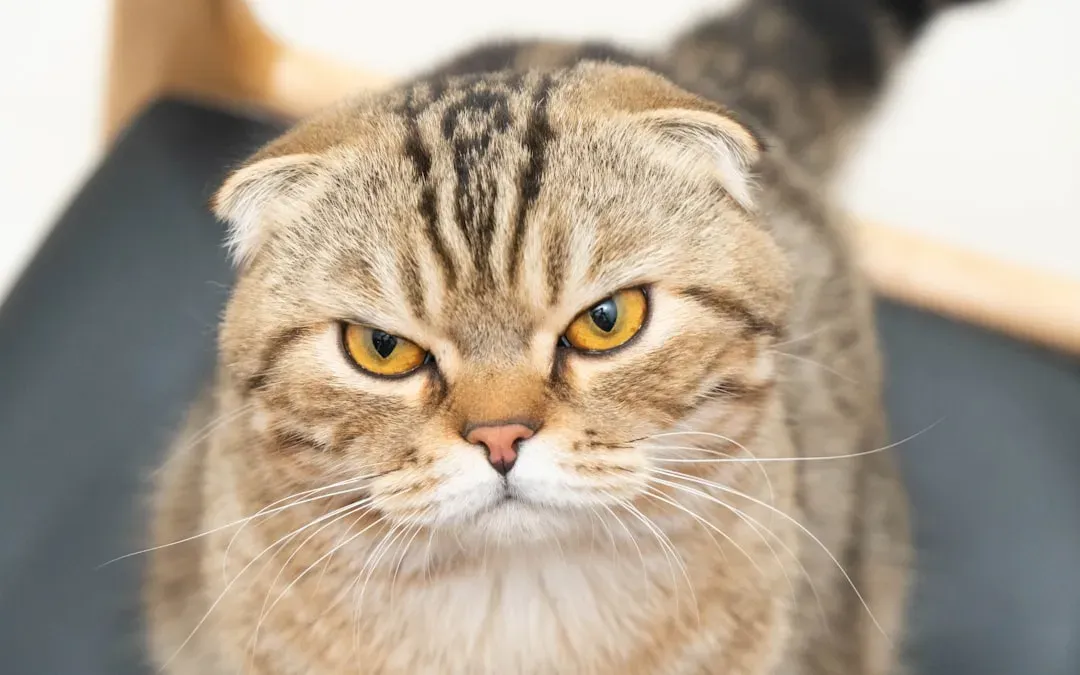
Scottish Fold owners debate whether the breed has trouble hearing or prefers to just ignore their owners. Veterinarians indicate Scottish Folds have good hearing to assess their surroundings, making it likely the breed is simply stubborn. That debate has never really been resolved, though most owners quietly know the answer.
Scottish Folds are a calm and easy-going cat breed. They love human interaction, but they’re not known to be demanding or pushy about receiving attention. These cats also don’t have particularly active lifestyles, so they’re pretty content with lounging around. If anything, you’ll have to be on top of encouraging your Scottish Fold to exercise to prevent excessive weight gain. The defiance here is quiet and persistent – the kind that wears you down over months, not minutes.
#3. Sphynx
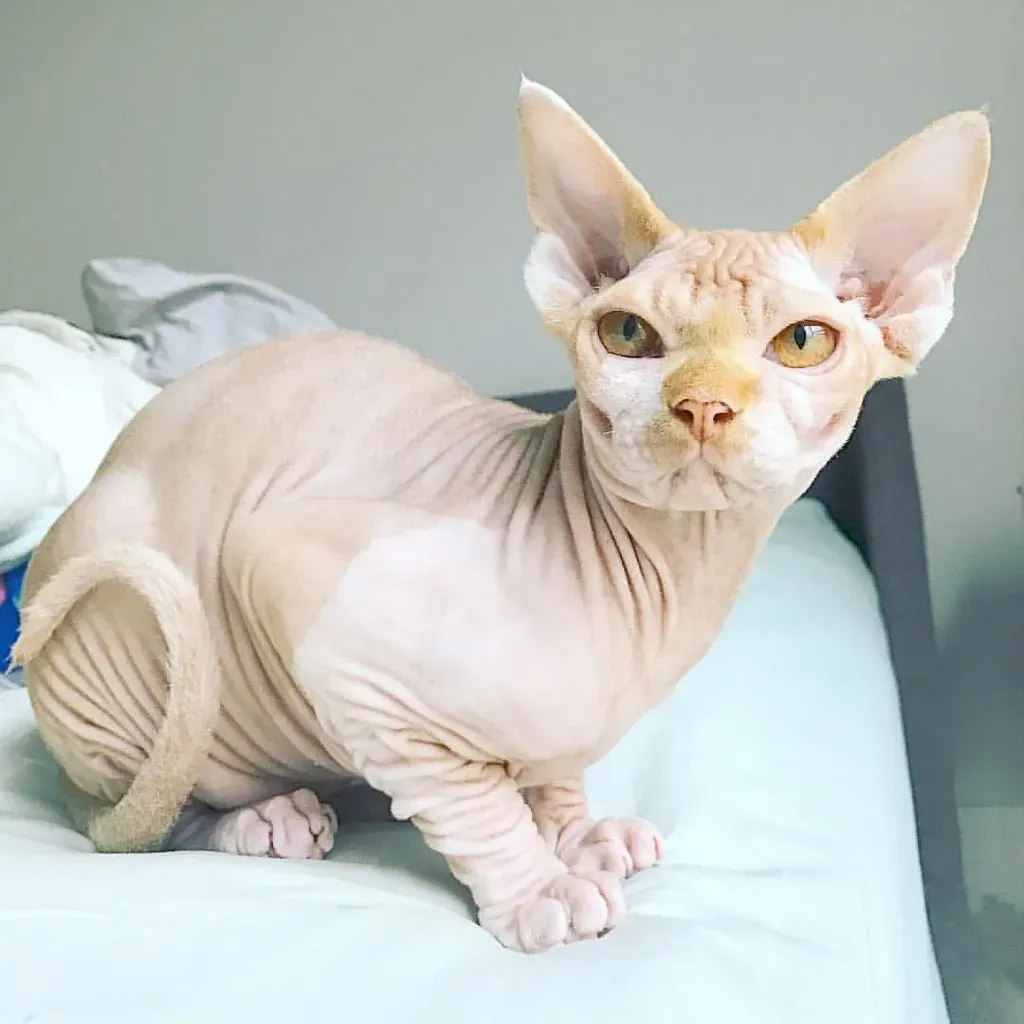
The Sphynx, known for its hairless appearance, is a breed that’s hard to ignore. Originating from Canada, these cats stand out with their exposed skin, large ears, and prominent cheekbones. Their appearance might suggest fragility, but their personality is anything but.
Sphynx cats often divide opinion due to their appearance, and there is hardly a middle ground. Personality is always what turns skeptics. They are some of the most loving, human-oriented cats in the market – they demand warmth at all times, they lie on people, and they tend to form strong attachments to their owners. That attachment, however, comes with demands. Ignore those demands and you’ll find out just how persistent a Sphynx can be.
#2. Devon Rex
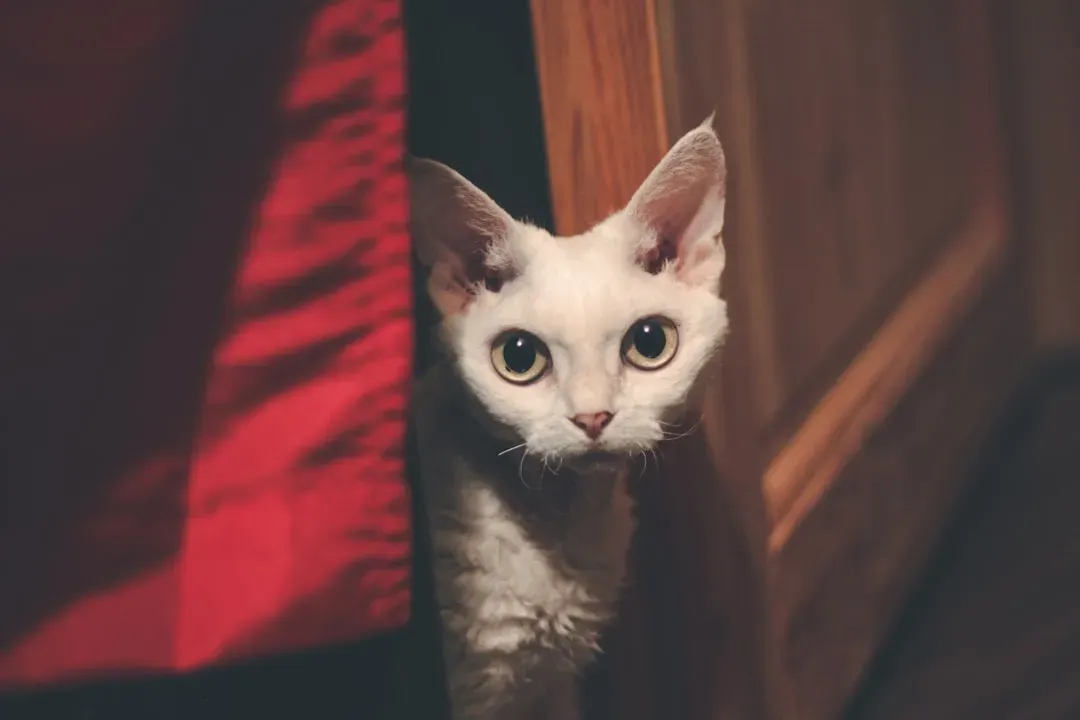
You know nothing about strong-willed cats unless you meet a Devon Rex breed. They do not stop bothering you until they get what they want. They can beg you forever for food and attention and are very vocal until you give it to them. If you think that by ignoring them you teach them obedience, you are very wrong. They can and will become destructive if things don’t go their way.
Their persistence works both ways when it comes to training. While they might learn commands quickly, they’re equally likely to train you instead. The Devon Rex is extraordinarily clever and deeply opinionated. Living with one means accepting that the house rules are negotiable at best.
#1. Siamese
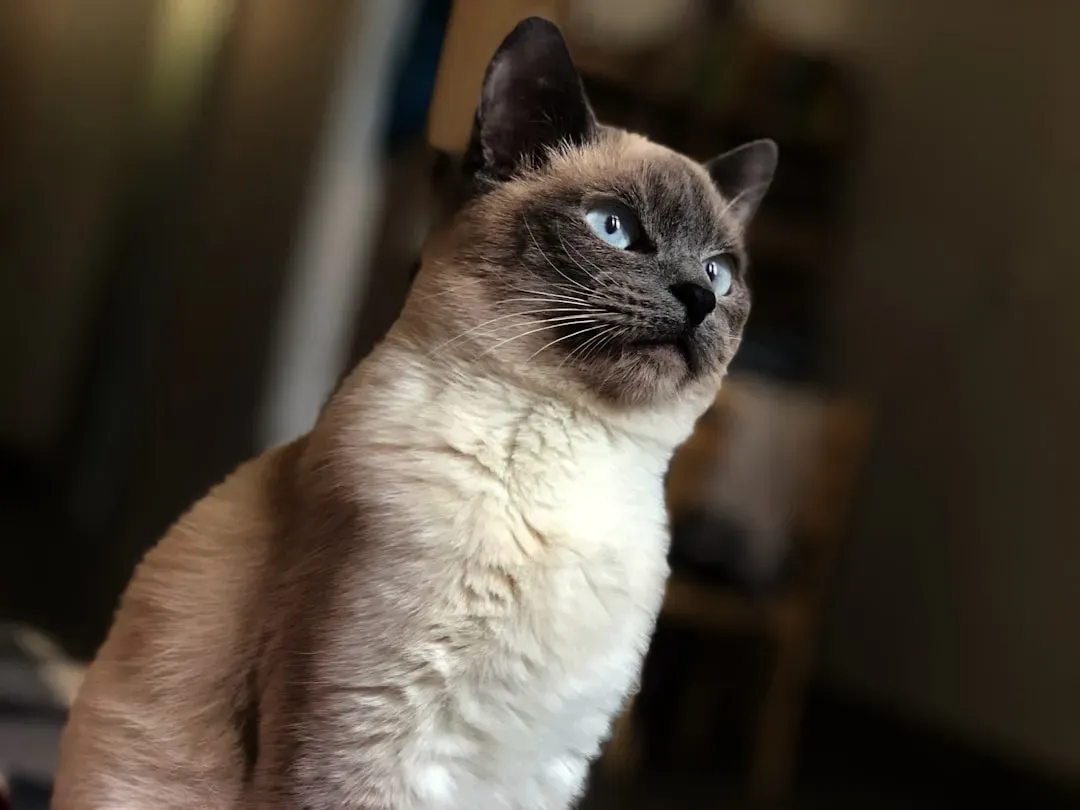
Siamese cats, originating from Thailand, are one of the oldest and most popular cat breeds worldwide. They are famous for their striking features, including deep blue almond-shaped eyes, sleek bodies, and contrasting coat colors. Apart from their physical traits, Siamese cats are also known for their strong-willed and obstinate personalities.
Vocalization is a trait for which cat people already know who will lead the list: the Siamese. This breed ranks significantly above all others except the Oriental and Tonkinese when it comes to being vociferous. They won’t just ignore your commands – they’ll argue back. Leaving a Siamese cat alone for long stretches of time will likely mean destruction and irritation once you return home. At the top of any disobedience ranking, the Siamese earns its place not through laziness or indifference, but through sheer, vocal, relentless force of will.
Understanding the Rebellious Feline Mind
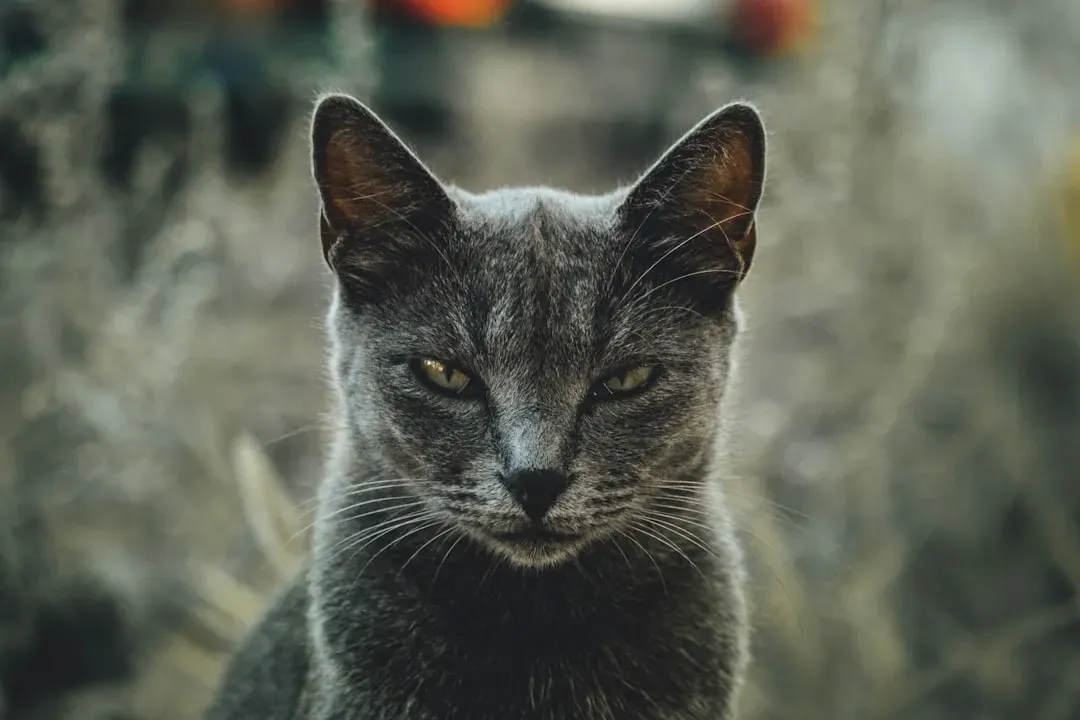
Cats are perfectly capable of learning, but their evolutionary history has shaped them to be more independent and less inherently driven to please humans. Their motivation stems from personal gain such as treats and comfort, whereas dogs are often motivated by a desire to cooperate. Disobedience in cats, then, isn’t really defiance in the human sense. It’s just cats being cats.
Stubbornness isn’t necessarily a bad thing – it’s just one of many unique traits that make cats the intriguing creatures they are. From endearing obstinacy to the downright refusal to adhere to your plans, understanding what might constitute a stubborn cat breed forms an essential part of successful cat ownership. Working with a cat’s natural tendencies, rather than against them, makes all the difference. Independent cats still need daily love, care, attention, and enrichment to be happy. The secret isn’t breaking their spirit – it’s learning the art of mutual respect.
Every cat on this list will test your patience at some point. They’ll ignore your voice, claim your furniture, and redesign your schedule without notice. The catch is that most people who share a home with one of these breeds wouldn’t have it any other way. There’s something quietly compelling about an animal that chooses you freely, on its own terms – even if those terms are completely unreasonable.
Kristina is a young writer from India. An arts graduate and an avid content creator, Kristina is passionate about animals and wildlife. She enjoys exploring topics related to pet care, animal behavior, conservation, and nature, combining thorough research with engaging storytelling.