Cats have never been accused of doing what you tell them. That much is well understood. Yet some breeds take independence to a level that can genuinely test your patience, reorganize your furniture, and rearrange your daily schedule around their demands. If you’ve ever owned one of these cats, you probably nodded along to every word of that sentence.
The most stubborn cat breeds all have one thing in common: an unflinching dedication to their activity of choice. Basically, these cats choose a lane and refuse to merge, no matter how hard you might try to persuade them otherwise. Whether you’re a first-time owner or a seasoned cat person, knowing what you’re walking into makes a real difference.
1. Siamese: The Loudest Opinion in the Room
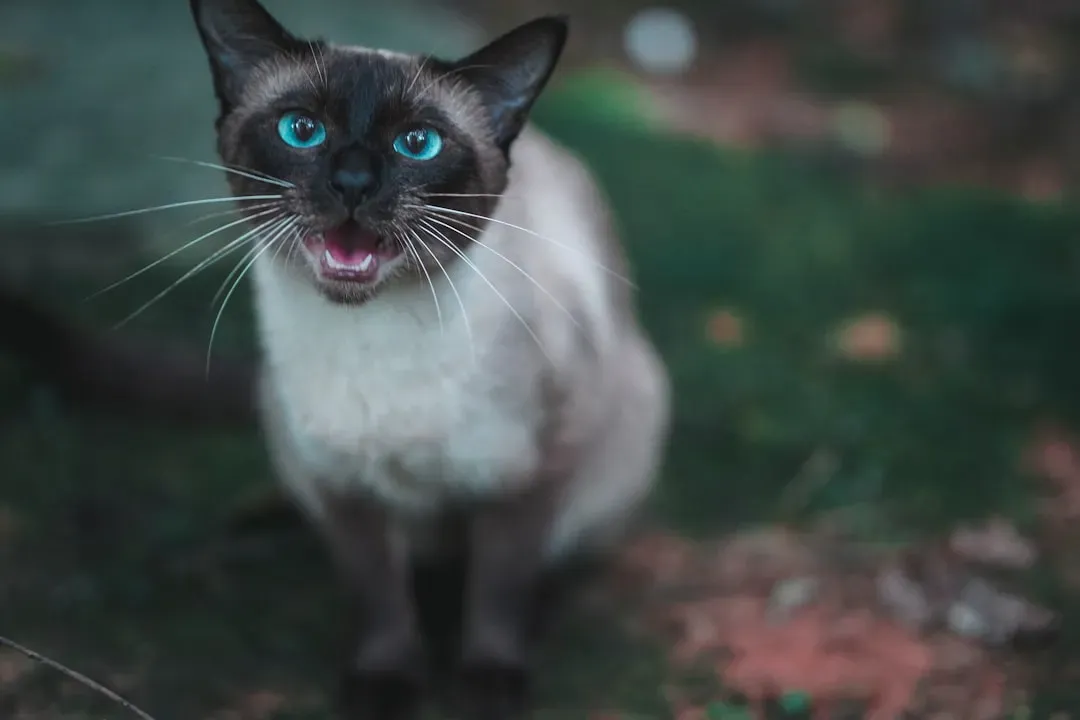
When it comes to personality, Siamese cat behavior is unlike any other. These cats are known for their chatty nature, with meows that are often loud, expressive, and almost conversation-like. Highly social and people-oriented, they form deep bonds with their families. Their personality is affectionate, playful, and at times, demanding.
You should keep in mind that their need for attention often triggers needy or downright clingy behavior. So if you’re someone who wants a cat that’s happy on its own and enjoys solitude, a Siamese cat probably isn’t the breed for you. If left to entertain themselves, these cats can learn to turn on faucets, open cabinets, and become destructive. You’ve been warned.
2. Bengal: Wild at Heart, Wild in Your Home
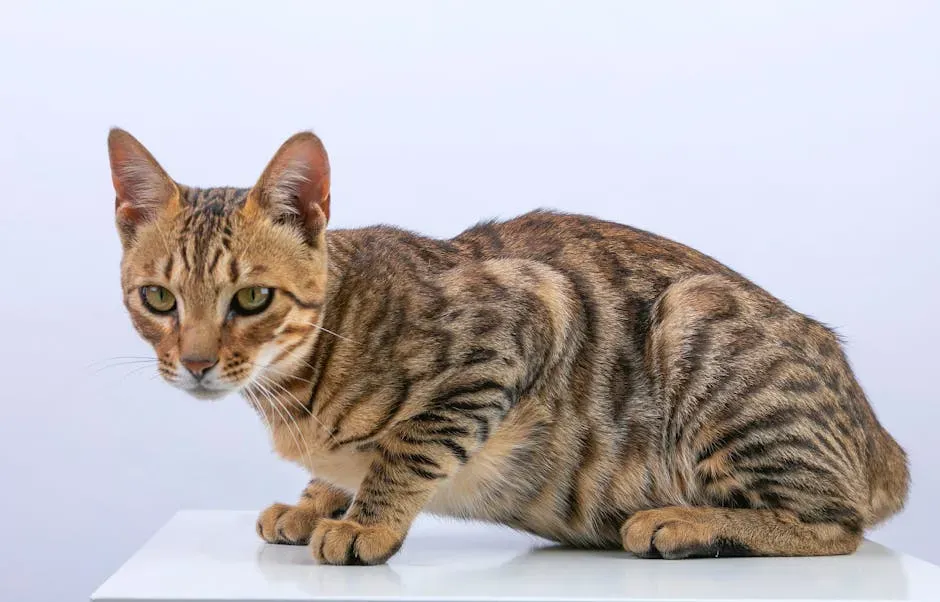
The Bengal breed was developed by crossing domestic cats with wild Asian Leopard cats, creating a companion with extraordinary energy, intelligence, and drive. While generations of selective breeding have softened their wild edges, the core temperament remains: Bengals are hardwired to move, climb, hunt, and explore constantly.
Intelligence and hyperactivity make these gorgeous felines more mischievous than many other cat breeds. They are highly inquisitive, enjoy getting into drawers and cabinets, and love to see how objects react if they hit or bite them. Bengals also get bored quickly. If you leave them alone all day without enough stimulation, you could be in for a surprise when you get back. When Bengals have nothing to do, they scratch furniture, knock over decorations, chew on shoes and cushions, and wreak all sorts of havoc.
3. Devon Rex: Won’t Take No for an Answer
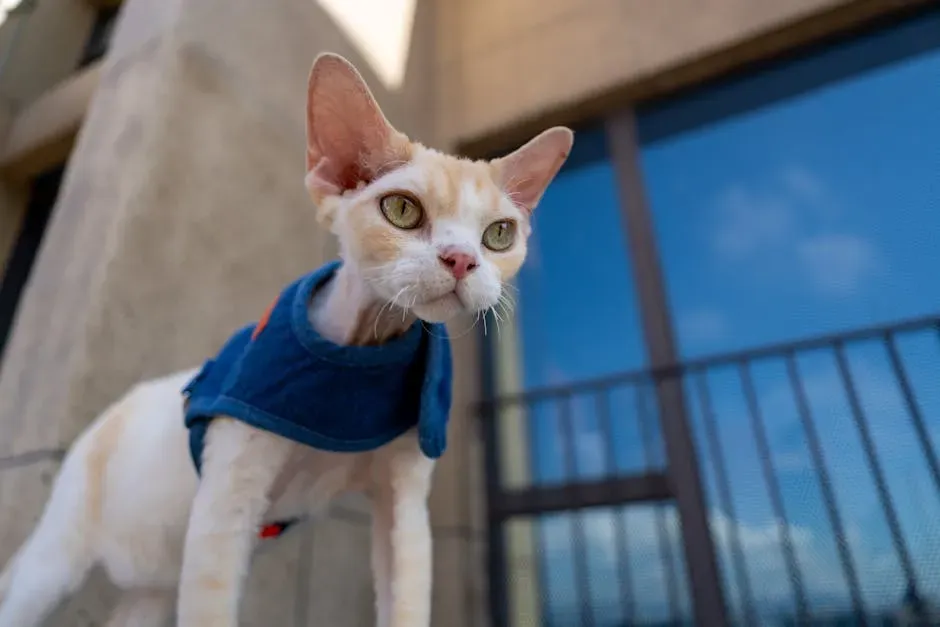
You know nothing about strong-willed cats unless you meet a Devon Rex. They do not stop bothering you until they get what they want. They can beg you forever for food and attention and are very vocal until you give it to them. If you think that by ignoring them you teach them obedience, you are very wrong.
The Devon Rex is one of the strongest willed cats around. These kitties are known for begging for food off your dinner plate and meowing at you as though you’ve neglected their appetites completely. Devons will try to wear you down with their big, pleading eyes and intensely devoted dispositions. Living with one is part charm, part endurance sport.
4. Siamese-Descended Oriental Shorthair: The Drawer-Opener
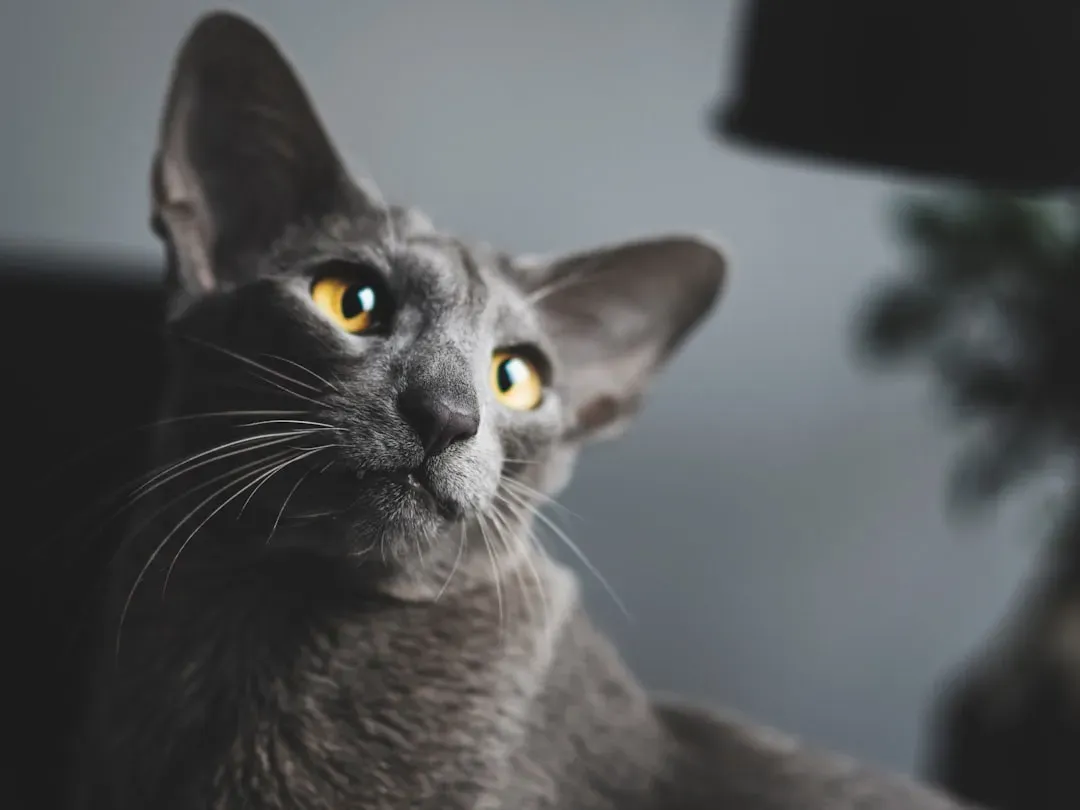
Oriental Shorthairs thrive when surrounded by their family members. In fact, if you’re not around enough, these cats happily become destructive until you get home and play with them. Like their Siamese ancestors, they will meow, chirp, and trill often. They will not only interrupt your activities; they’ll open drawers if it means getting your attention. Their attention-seeking behavior means they’re more interested in disrupting your activities than participating in structured training.
Opening drawers is not a metaphor. Oriental Shorthairs can be found in just about any and every color. They thrive when surrounded by their family members. If you’re not around enough, these cats happily become destructive until you get home and play with them. Like their Siamese ancestors, they will meow, chirp, and trill often, and the CFA confirms they will not only interrupt your activities, they’ll open drawers if it means getting your attention.
5. Balinese: The Separation-Anxiety Specialist
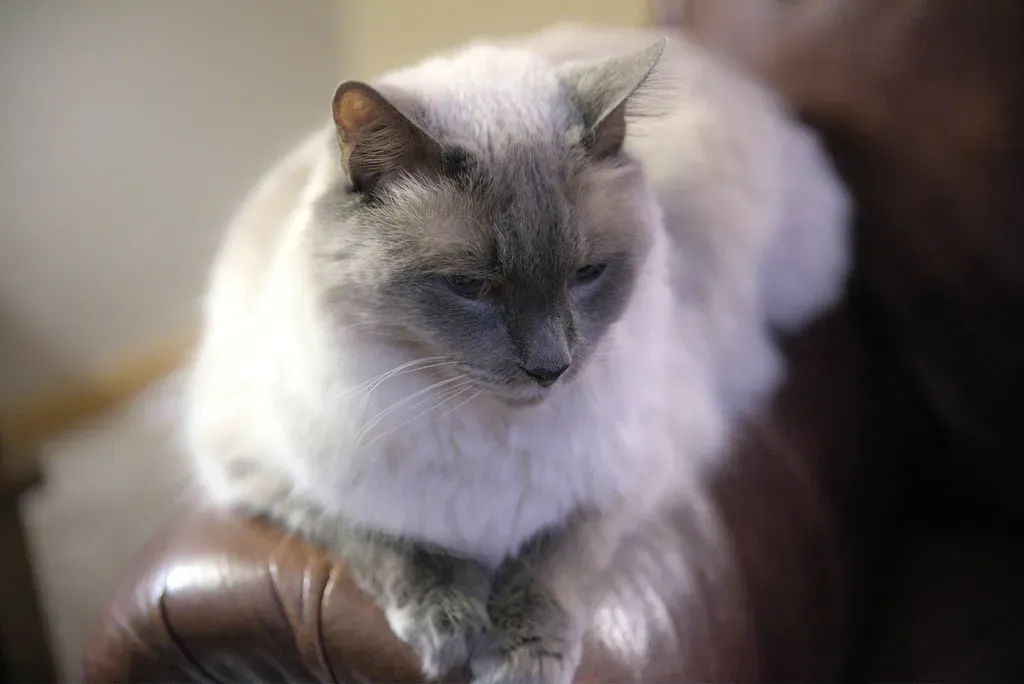
Do you spend many hours of the day outside your home? If so, having a Balinese cat may not be a good idea. This breed demands a lot of attention and will follow you everywhere. Not only that, but they will make sure you know where they are, as they are very vocal and like to talk with their human friends.
The Balinese is a vocal cat that enjoys talking with family. They demand a lot of attention and get into mischief, so they should not be left alone for long periods of time. Balinese are also prone to progressive retinal atrophy, asthma, and other health concerns. Your Balinese may insist on venturing outdoors, so consider leash training. That’s not optional advice – it’s a survival strategy.
6. Russian Blue: Stubbornness Through Silence
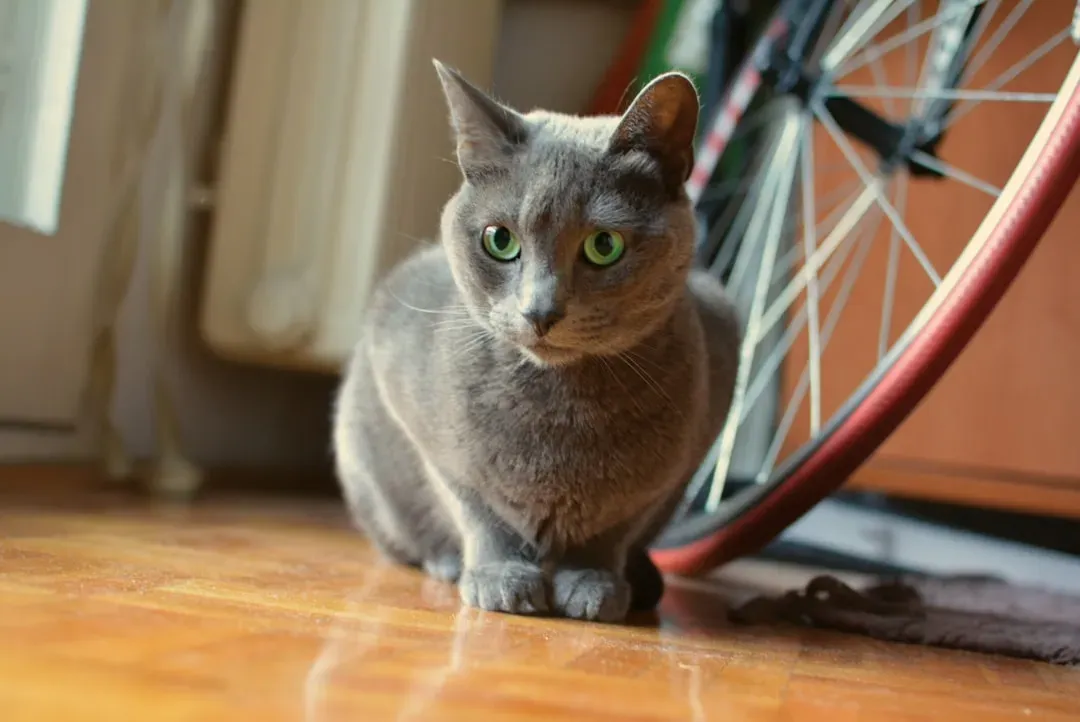
Unlike other cats, the Russian Blue does not demand being the center of attention. In fact, they may refuse to come out from under the bed on a whim. These cats become stubborn when you try to change up routine or invite new people over. They need plenty of alone time and much prefer watching from the outside before deciding to join in the party.
Russian Blue cats are described as intelligent, playful, and reserved. Their reserved nature makes them particularly challenging to train because they simply don’t see the value in performing for humans. They’d rather observe from a distance than participate in what they might view as unnecessary human activities. The stubbornness here is quiet but absolute.
7. Sphynx: High Maintenance, Zero Apologies
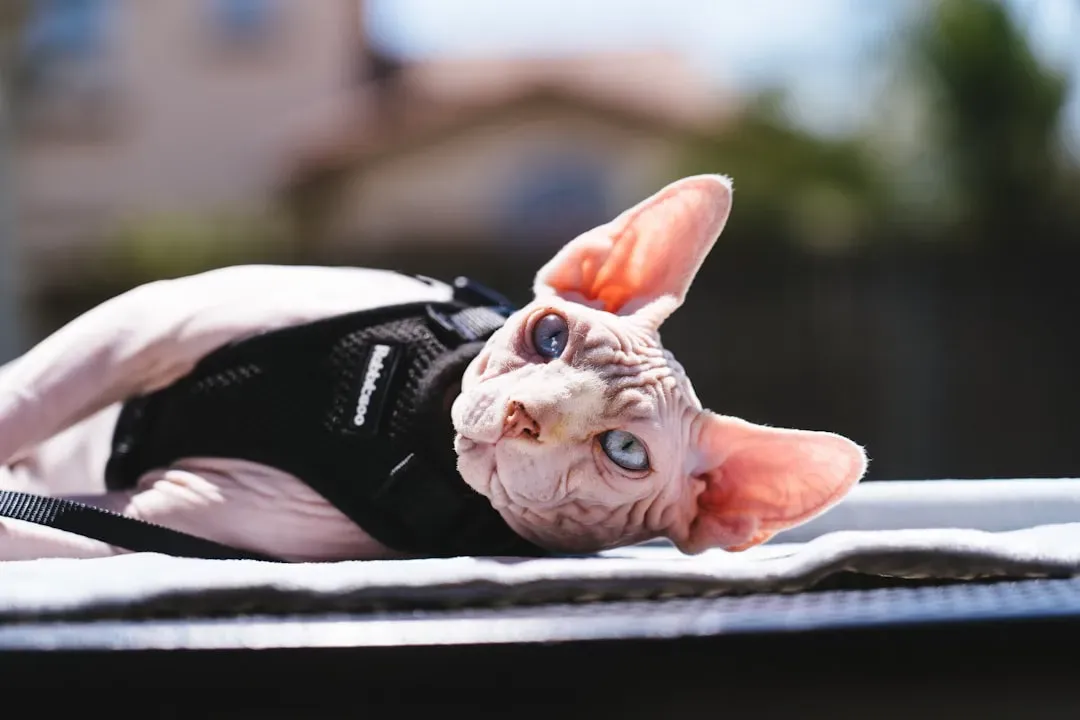
Due to their lack of fur, these cats have a really bad reputation for being aggressive. This couldn’t be further from the truth, though. Sure, they are not easier to deal with, but they love interacting with humans and love games. Additionally, they have large appetites and will demand more food than other cat breeds. That’s why you should feed them a bit more, but be careful of their weight.
Health-wise, you need to pay close attention to their hygiene, as they can’t absorb body oils. Therefore, you need to bathe them frequently and also clean their ears and nails. These deceivingly delicate cats have a high metabolism and hearty appetites, with a higher daily calorie intake than the average coated cat. Being so food-driven, it is important to always keep an eye on their weight.
8. Himalayan: Intelligent Enough to Dismiss You
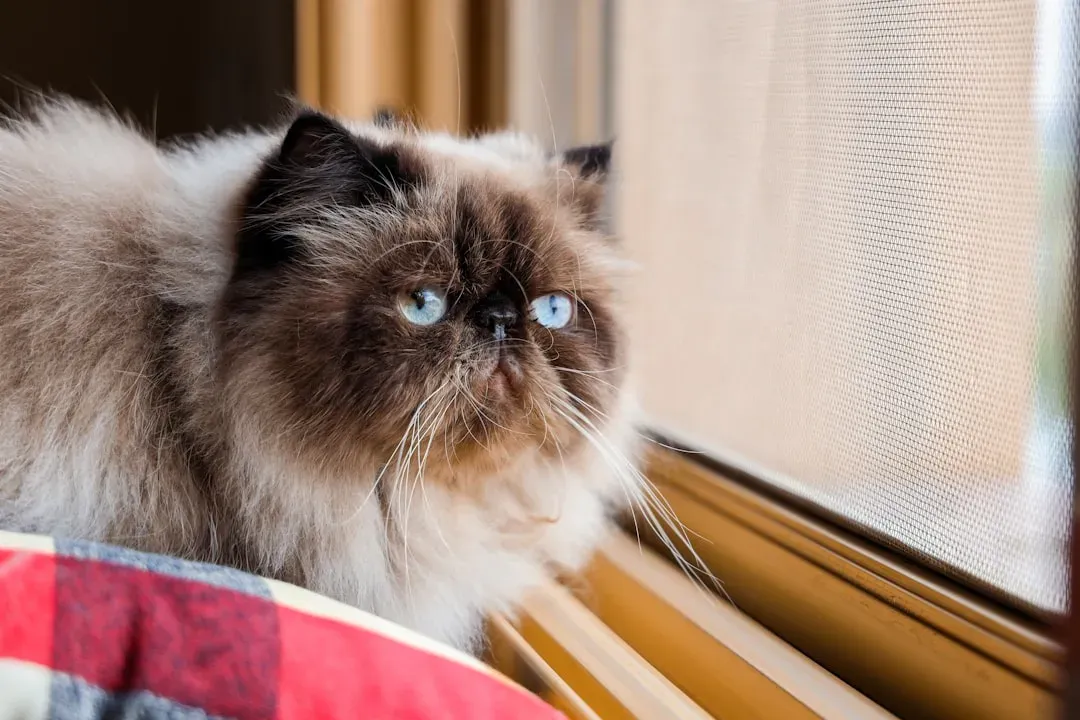
Himalayan cats are a combination of Persian and Siamese, and they are incredibly stubborn animals with loving hearts. The breed is highly intelligent in most categories but frequently dismisses their owners’ commands. Despite proving capable of problem solving, they prefer to wait for their owners to solve their problems for them.
This breed combines the worst training traits from both parent breeds. They inherit the Persian’s disinterest in pleasing humans and the Siamese’s strong-willed nature. While their independent personality makes them less clingy than some other breeds, Himalayans have a long fur coat that needs daily brushing to stay free of matting and tangles. Their grooming needs often take priority over any training efforts.
9. British Shorthair: Politely Uncooperative
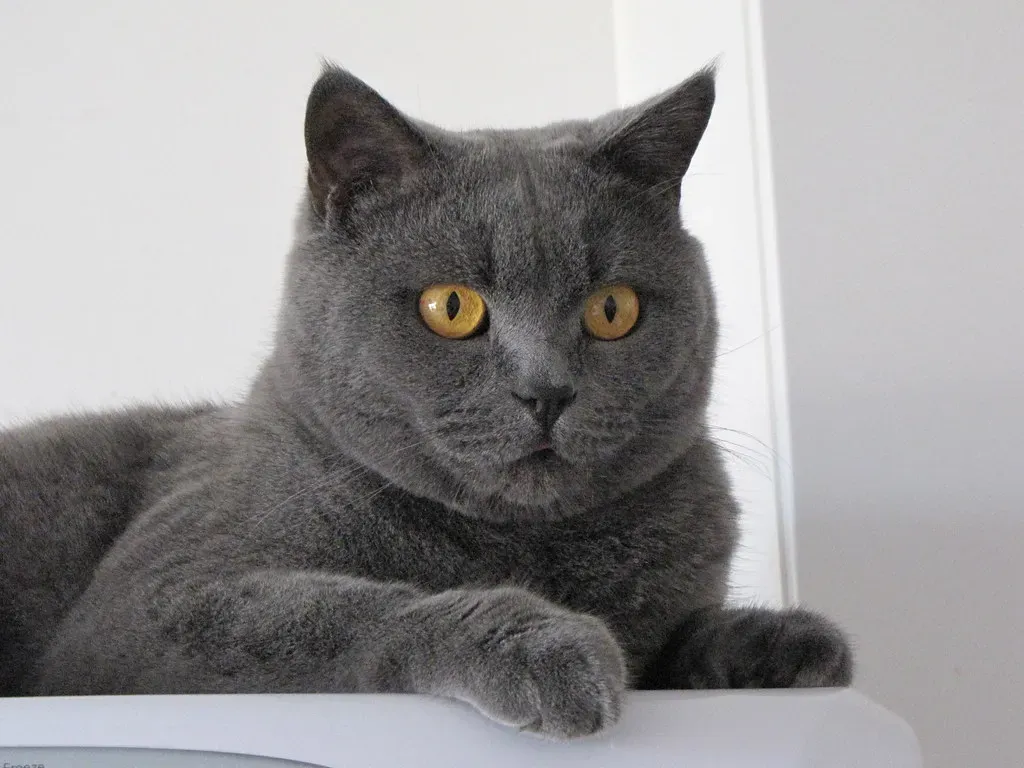
A British Shorthair is an independent cat breed with a laid-back, easygoing personality. While this sounds appealing, their extreme independence can work against training efforts. These cats prefer to do things on their own terms and in their own time. Their naturally calm demeanor might fool you into thinking they’ll be easy to train, but the opposite is often true.
British Shorthairs are highly stubborn when learning commands like stop or no. They sleep anywhere they please, ignoring their owner’s pleas to avoid curling up on their laptop. British Shorthairs were found to be less sociable toward people and less likely to look for human contact in a study examining heritable behavioral traits in cats. They’re pleasant company, on their schedule, not yours.
10. Singapura: Small Body, Relentless Energy
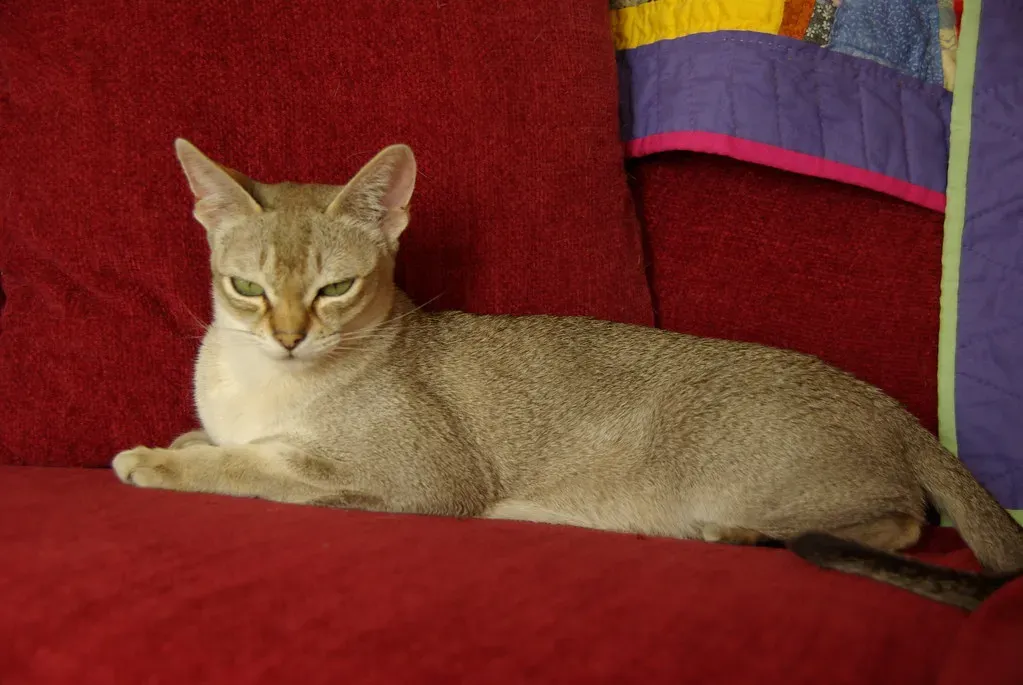
Singapura cats have a varied life expectancy of nine to eighteen years. While they are one of the smallest cat breeds, weighing only five to eight pounds, they have enough energy to outplay a cat three times their weight. Sleeping all day isn’t their thing, and they want human interaction. The positive thing is that they won’t destroy your house while you’re away. They’ll just explore every inch of it. Lastly, they won’t give up and will demand more playtime even if you say no.
It may be tempting to adopt a Singapura, as their alien-like appearance makes them different from just about any other breed you could own. However, they’re strong-willed and skittish, and if you surprise them, they can react with a flurry of claws and teeth. They also have a tendency to hide if not properly socialized. Don’t let the tiny frame fool you. This cat has opinions, and it will act on every single one of them.
A Final Note on Living with a Stubborn Cat
Understanding these challenging breeds doesn’t mean they’re bad pets or impossible to live with. Rather, it helps set realistic expectations about what you can accomplish with them. What seems like stubbornness is often just a lack of motivation or unclear communication.
Every cat is an individual, and breed tendencies don’t guarantee specific behaviors. Some cats surprise their owners with eagerness to learn, while some typically trainable breeds can be remarkably stubborn. The key lies in working with your cat’s natural personality rather than against it.
Every breed on this list can make a genuinely rewarding companion. The challenge is going in with your eyes open. These cats don’t bend to your will – they invite you to understand theirs. Once you accept that shift, you stop fighting your cat and start actually living with them.
Kristina is a young writer from India. An arts graduate and an avid content creator, Kristina is passionate about animals and wildlife. She enjoys exploring topics related to pet care, animal behavior, conservation, and nature, combining thorough research with engaging storytelling.