You’ve probably heard them all. Maybe your grandmother warned you about black cats crossing your path. Or you’ve watched countless cartoons showing cats happily lapping up bowls of milk. These stories have been passed down through generations, sometimes whispered with a knowing smile, other times with genuine concern.
Here’s the thing though. Most of what we’ve been told about cats over the centuries is spectacularly wrong. The truth is far more interesting than the myths, and understanding the reality can actually make you a better cat companion. Let’s separate the old wives’ tales from what science and veterinary medicine actually tell us.
Black Cats Bring Bad Luck
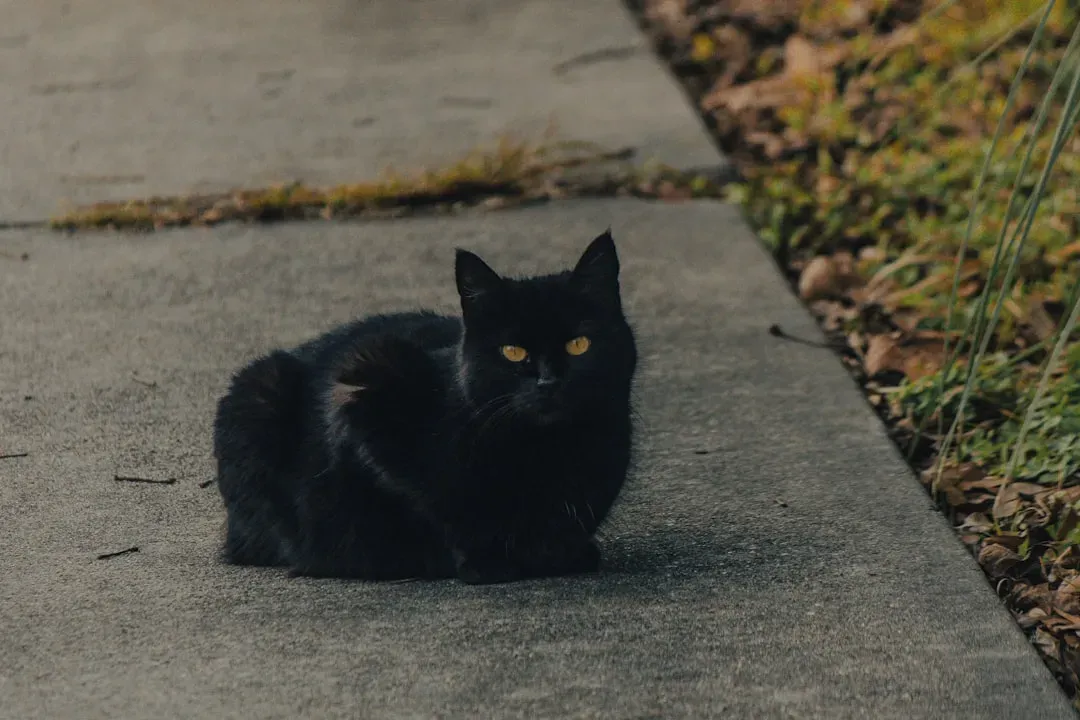
Black cats have been the subject of myth and folklore for centuries, with their history with people remaining mostly positive until the hysteria surrounding witches began. In 1233 C.E., Pope Gregory IX issued the bull Vox in Rama, which described a heretical ritual involving veneration of a black cat as Satan.
The irony is almost painful. In UK folklore, black cats symbolise good luck, and in the Celtic nations and England, a black cat crossing one’s path is considered good fortune. In Scotland, it’s lucky for a strange black cat to arrive at your doorstep, while in Japan, the black cat meaning is associated with helping single women find suitors. The same creature that terrified Europeans was considered a blessing elsewhere. There’s absolutely nothing unlucky about these sleek, gorgeous felines except perhaps their adoption rates at shelters, which remain frustratingly low because of this baseless superstition.
Cats Always Land on Their Feet
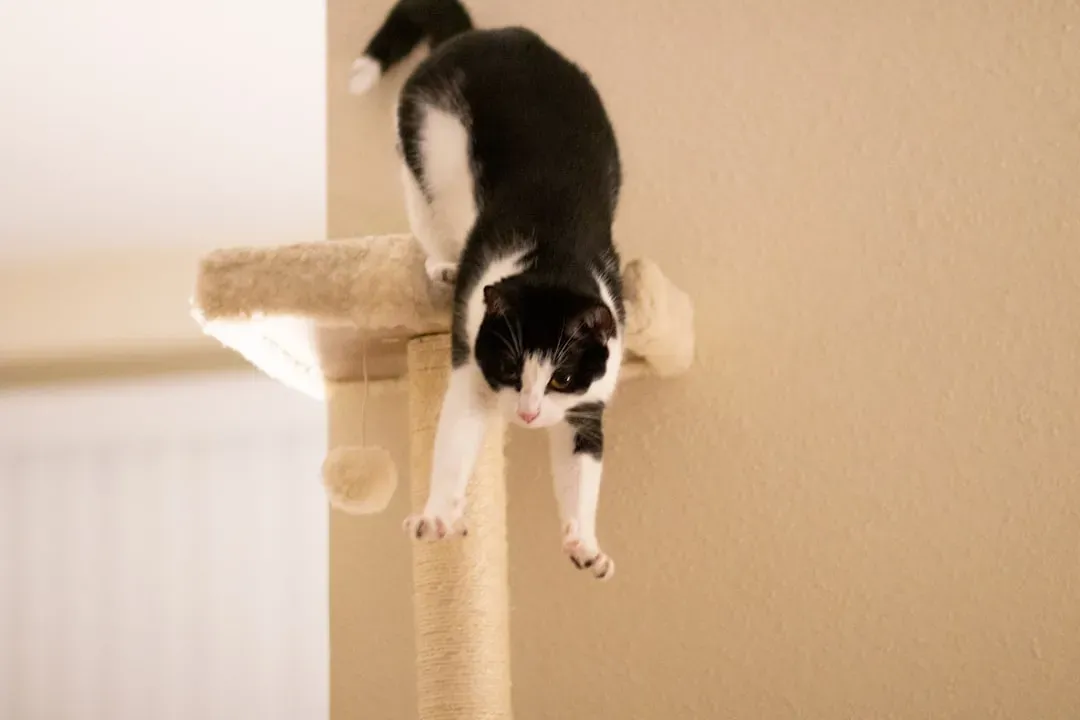
This one sounds convincing because there’s a kernel of truth hiding inside the exaggeration. Cats have an innate ability called the righting reflex to orient themselves as they fall, which begins to appear at three to four weeks of age and is perfected at six to nine weeks. Their flexible spines and lack of a functional collarbone allow them to twist midair with remarkable grace.
Here’s what the myth leaves out. Cats can still break bones or die from extreme falls. Cats tend to have the most difficulty with short falls, as the decreased falling time means they don’t have enough time to activate the righting reflex, giving them a greater chance of experiencing injury. Overweight cats, elderly cats, or those with health issues may not execute the reflex properly. Even when they do land on their feet, the impact can cause serious internal injuries. The righting reflex is impressive, but it’s definitely not a safety guarantee.
Milk Is Good for Cats
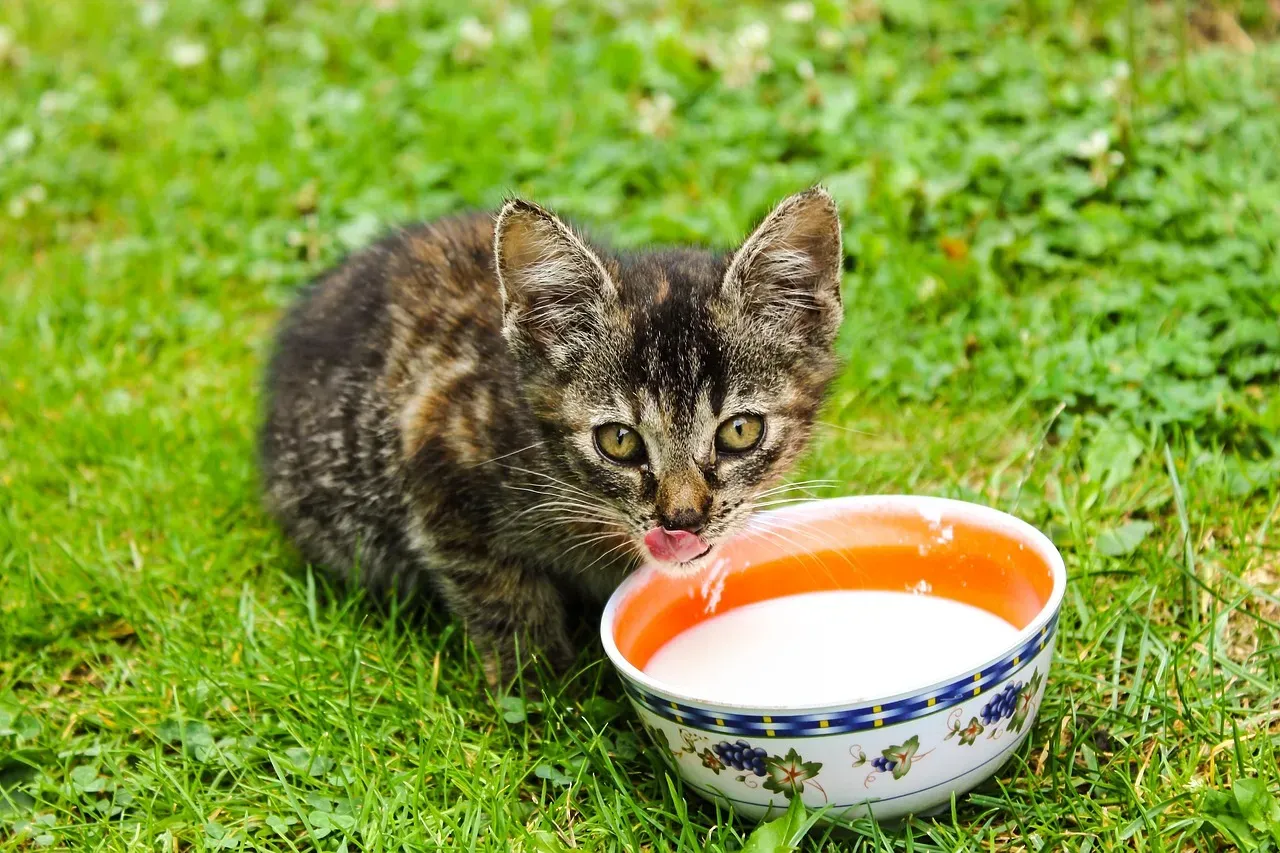
That iconic image of a cat lapping cream from a saucer? It’s been lying to us for generations. Most cats are actually lactose intolerant because once weaned off their mother’s milk, cats lose the enzyme to digest milk lactose. The biology is straightforward but devastating to the myth.
Kittens produce lactase during nursing, but once they’re weaned around eight weeks old, their production drops off significantly, and after the first year of life, the enzyme is no longer produced in most cats. What happens when you give milk to a lactose-intolerant cat? The undigested sugars pull water into the intestines, often resulting in diarrhea. The most common symptom is diarrhea, usually within eight to twelve hours. Even cats who seem to tolerate milk don’t actually need it, and honestly, you’re just setting them up for digestive discomfort they’re too polite to complain about.
Cats Have Nine Lives
Let’s be real. If cats actually had nine lives, veterinary clinics would be far less busy. Like the rest of us, cats only have one life. The origins of this persistent myth are fascinatingly diverse, though nobody knows for certain where it started.
It has been suggested that the idea has roots in Ancient Egypt, where the sun god Atum-Ra was said to take the form of a cat when visiting the underworld. Atum-Ra gave birth to eight other gods and also took the form of a cat, so the nine lives connection may have come from this symbolism. This myth was likely started because cats always seem to land on their feet and often appear able to have serious accidents without being seriously wounded, with nine being chosen because it’s a magic number and cats were thought to be magical creatures. Interestingly, not everyone agrees on the number. Some cultures say seven lives, others say six. The takeaway? Your cat is mortal, magical as they may seem.
Cats Are Nocturnal Creatures
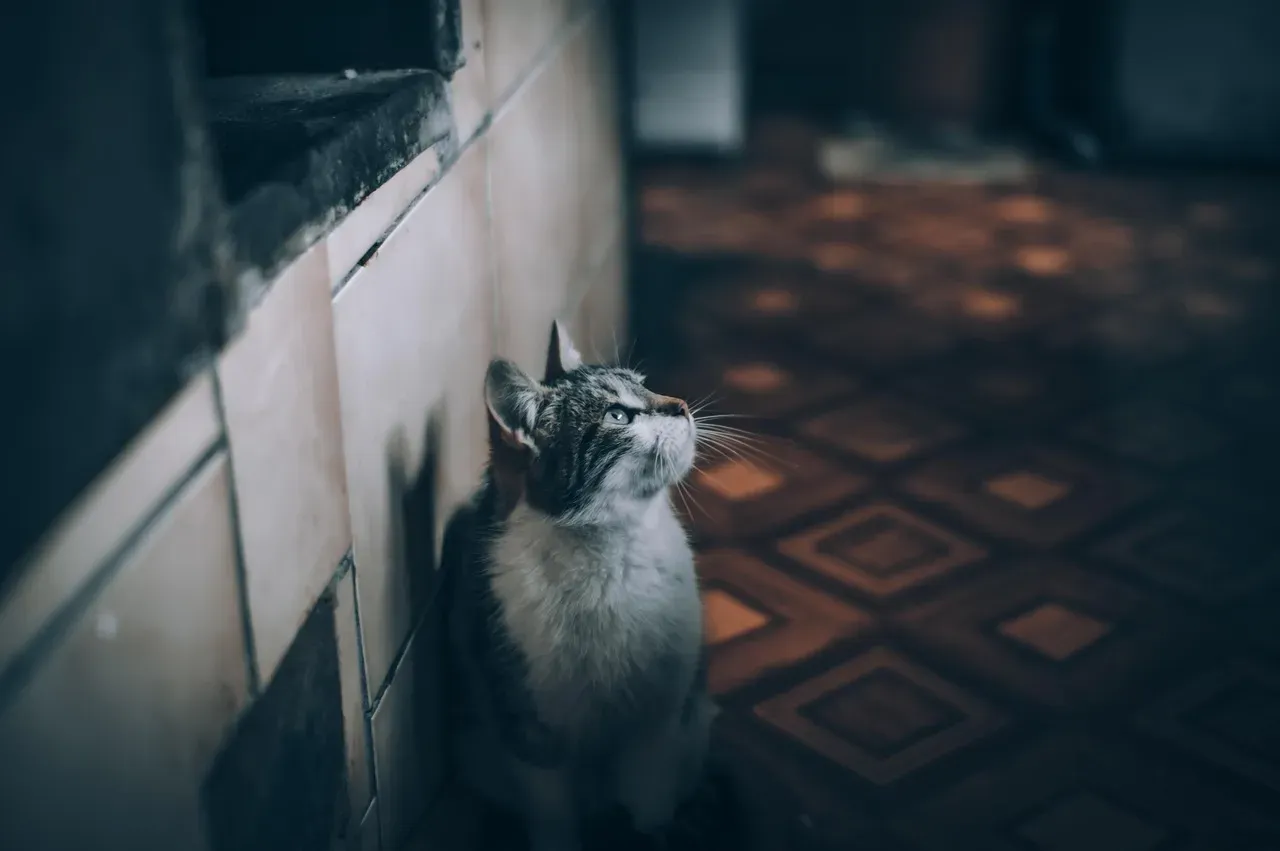
Your cat sprinting through the hallway at three in the morning might make you think otherwise, but cats aren’t actually nocturnal. Cats are actually crepuscular, meaning they are most active at the beginning and end of the day, and they sleep both at night and during the day. This makes perfect sense from an evolutionary standpoint.
Birds and mice are very active at dawn, and cats evolved to take advantage of this by developing the ability to see in low-light conditions, getting the bulk of their hunting done while it’s mostly, but not entirely, dark. So when your cat wakes you up at dawn demanding breakfast, they’re simply following millions of years of evolutionary programming. You can try redirecting this behavior with play sessions before bed and small feedings to mimic their natural hunting cycle. It won’t change their biology, but it might let you sleep a bit longer.
Purring Always Means a Happy Cat
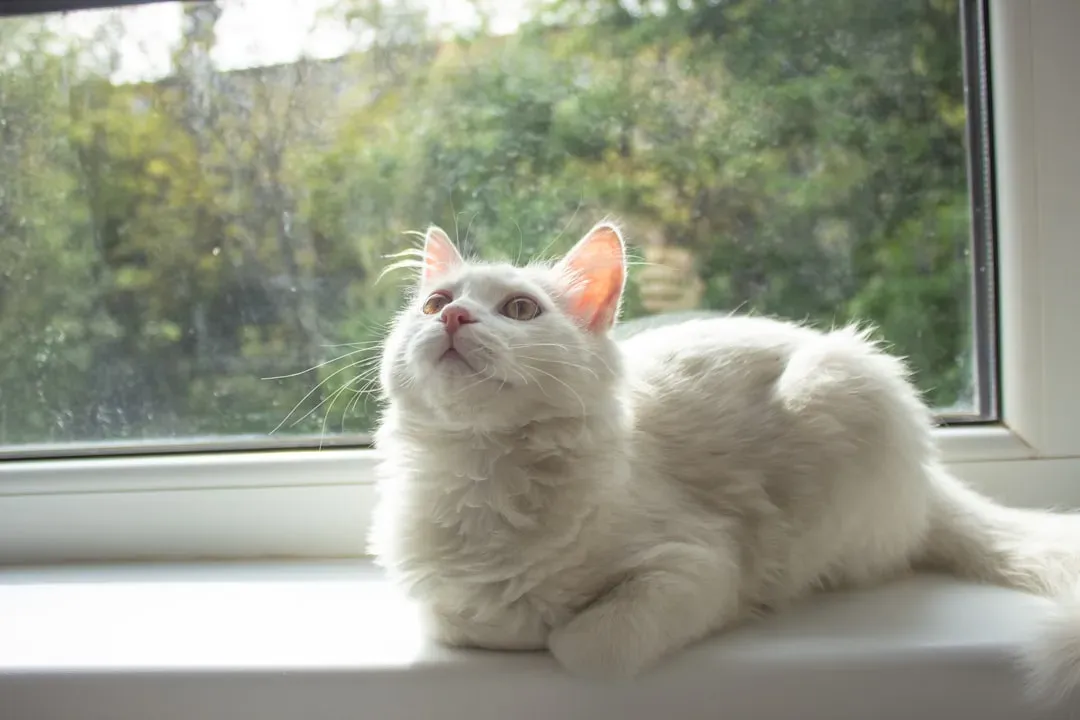
This myth is particularly sneaky because purring does often indicate contentment. The problem is that’s not the whole story. Purring can express contentment but can also mean a number of other things, with cats purring when they’re stressed as a way of self-soothing, and also purring when they’re in pain for the same reason.
Cats have also been known to purr as a way to ask for food, or as a way to help themselves fall asleep. I think this is one of the most important myths to debunk because misunderstanding purring can mean missing signs that your cat is unwell. You can’t assume that a purring cat is a happy cat, you’ll have to pay attention to the other ways cats communicate, like body language, to understand what’s going on. Context matters enormously with cats.
Cats Are Aloof and Don’t Bond with Humans
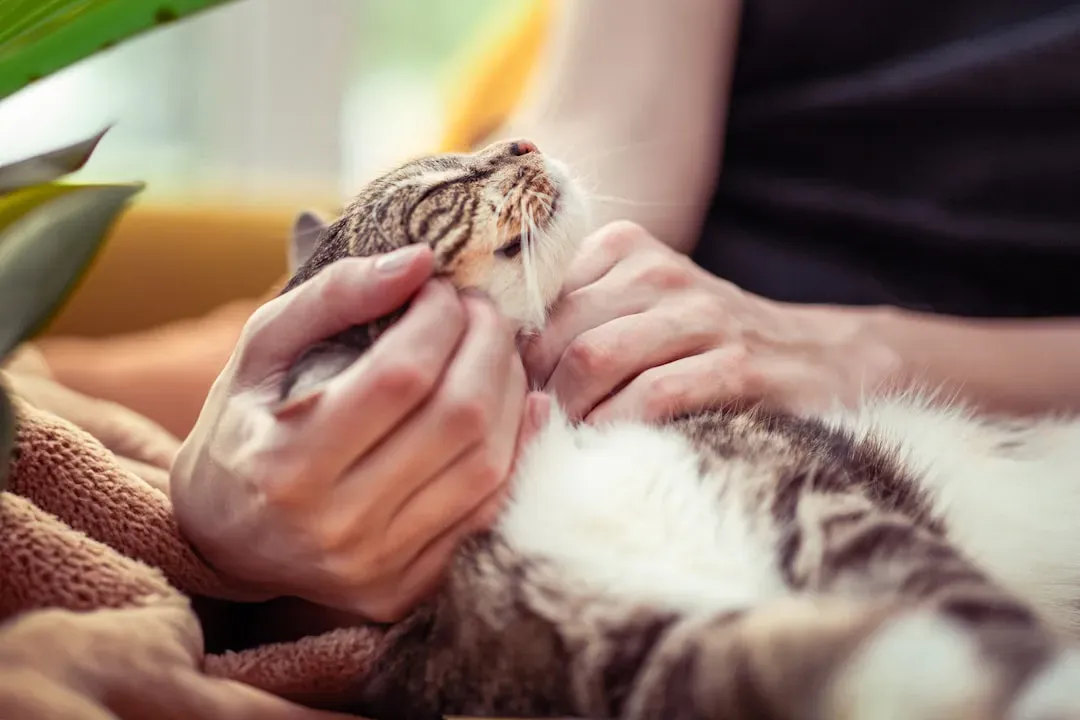
This old chestnut really needs to be retired. The stereotype of the cold, indifferent cat has persisted for far too long, especially when research shows something completely different. Research published in 2019 by feline researcher Dr Kristyn Vitale shows cats develop attachments to their caregivers in much the same way dogs do.
Cats with a secure attachment to their human caregivers showed reduced stress while the caregiver was present, with Vitale stating that when cats live in a state of dependency with a human, that attachment behavior is flexible and the majority of cats use humans as a source of comfort. Your cat might not greet you with the unbridled enthusiasm of a golden retriever, but that doesn’t mean they don’t love you. They simply express it differently, with slow blinks, head bumps, and the profound honor of being chosen as their favorite napping companion. Cats are affectionate on their own terms, which honestly makes their affection feel even more special.
Conclusion
The myths we’ve believed about cats say more about human storytelling than they do about actual feline biology. From medieval witch hunts to ancient Egyptian worship, cats have been wrapped in supernatural explanations for behaviors that are actually quite natural. The reality is more grounded but no less fascinating.
Understanding the truth helps us care for our cats better. We skip the milk and offer fresh water instead. We don’t assume a purring cat at the vet is calm. We appreciate their crepuscular nature instead of labeling them nocturnal troublemakers. Most importantly, we see black cats for what they truly are: beautiful animals deserving of homes, not bearers of imaginary curses.
What other cat myths have you heard that turned out to be completely wrong? Share your thoughts in the comments below.
Kristina is a young writer from India. An arts graduate and an avid content creator, Kristina is passionate about animals and wildlife. She enjoys exploring topics related to pet care, animal behavior, conservation, and nature, combining thorough research with engaging storytelling.