Cats are notoriously mysterious creatures. One moment they’re ignoring you with the dignity of a royal, and the next, they’re headbutting your shin at two in the morning. If you’ve ever watched your cat blink slowly at the wall and wondered “is this thing actually okay?”, you’re definitely not alone. Reading your cat’s emotional state can feel like decoding an ancient language – one nobody fully taught you.
The truth is, cats communicate happiness in dozens of subtle, fascinating ways that most pet owners never think to look for. Purring is just the tip of the iceberg, honestly. So if you’re ready to understand your feline companion on a deeper level, you’re going to love what’s coming. Let’s dive in.
1. That Unmistakable Slow Blink
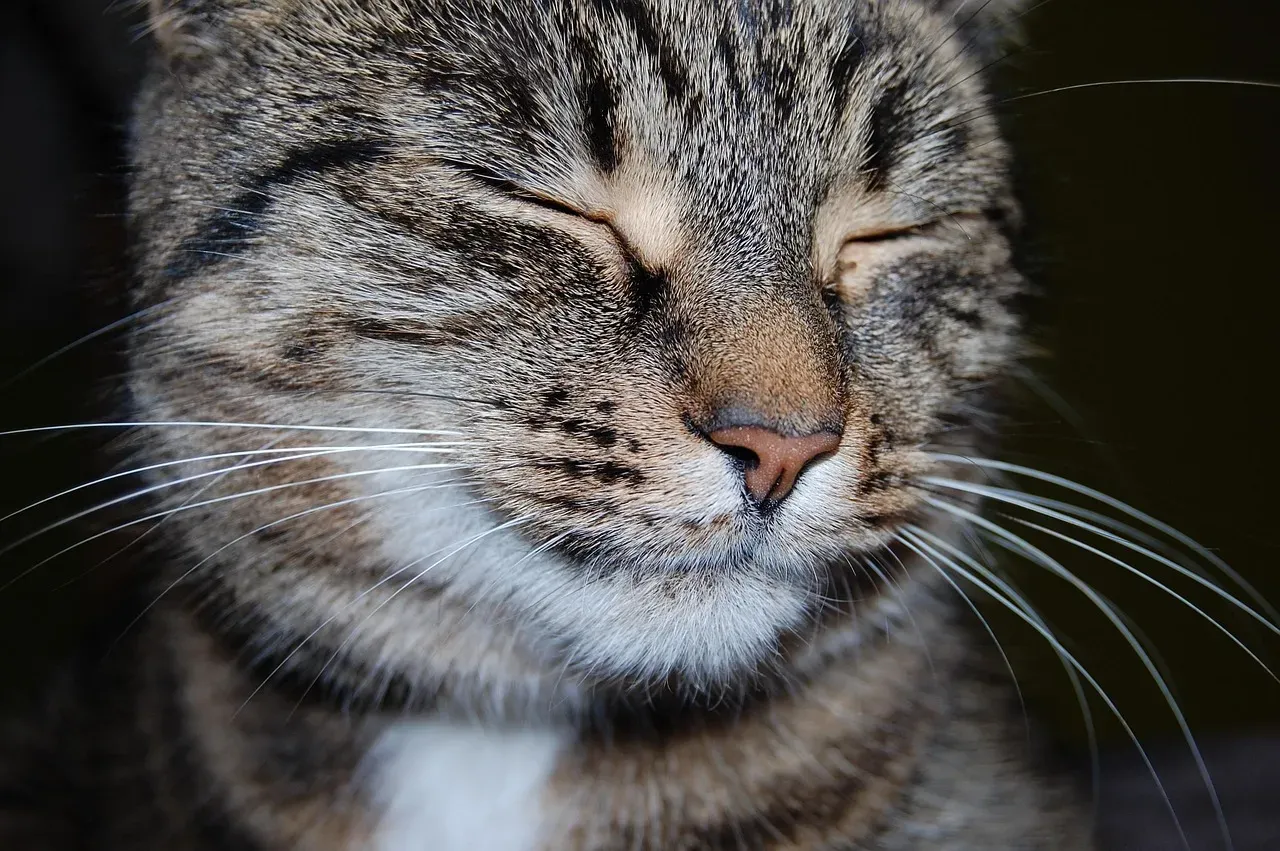
You’ve probably caught your cat staring at you from across the room, eyes half-closed, blinking like they’re barely staying awake. Here’s the thing – that’s not boredom. Slow blinking in cats signals “I trust you, and I’m super relaxed right now.” It’s like the feline version of a warm hug, subtle yet deeply meaningful. When your cat slow-blinks at you, they’re signaling that they feel safe and content in your presence.
Slow blinks are a cat’s way of communicating their happiness with your bond. You might have noticed your cat making direct eye contact with you and slowly blinking – this can be a sign of friendliness and an indicator of positive emotions. Try slow-blinking right back at your cat the next time it happens. You might just be having a whole silent conversation neither of you knew was possible.
2. The High Tail Greeting
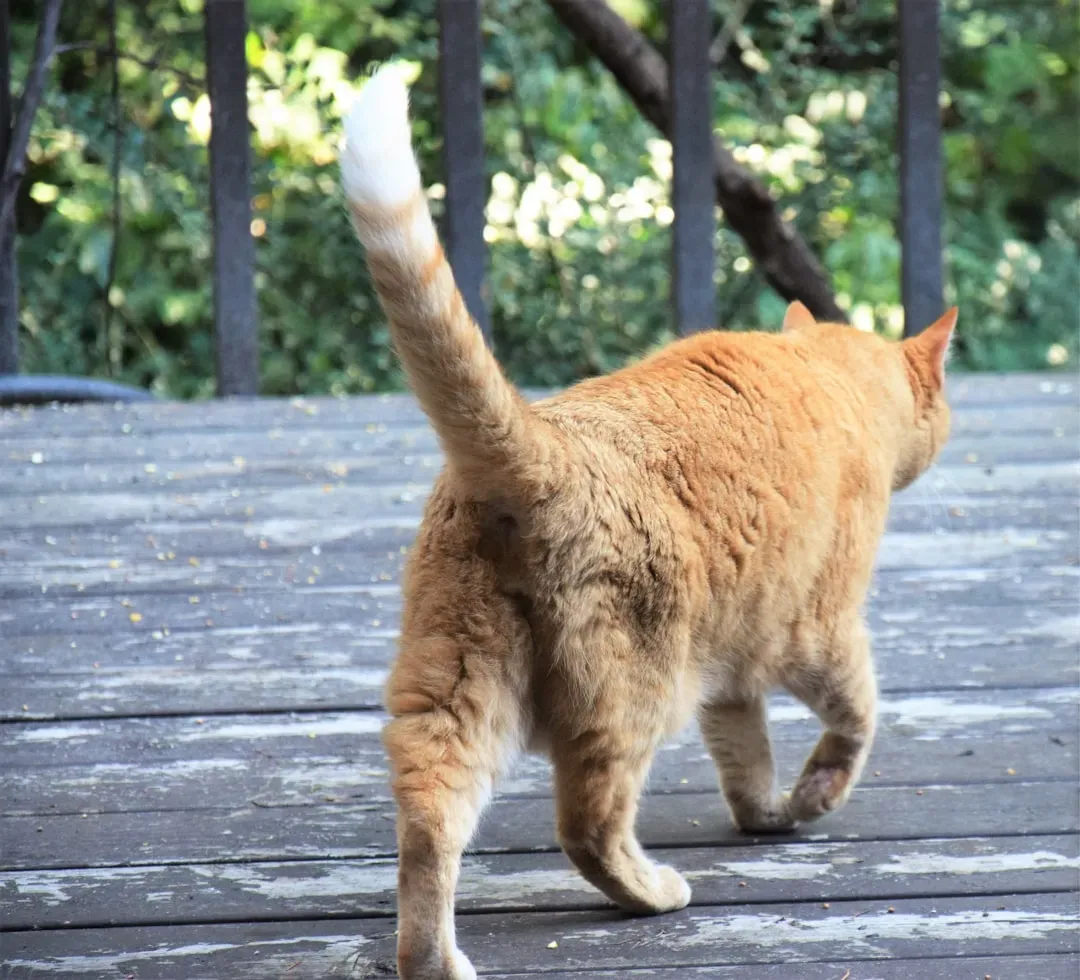
Happy cat tail signs include an upright tail, which is basically a cat’s way of saying “Hi! Nice to see you!” A quivering tail pointed up and held high is also usually a declaration of happiness and excitement. Think of it like a dog wagging its tail, except way more restrained and dignified, because, well, cat.
A tail held high with a slight curve or hook at the end demonstrates confidence and contentment. When your cat greets you with an upright, gently quivering tail, they’re expressing excitement and joy at your presence. So next time your cat trots toward you with that tail pointing straight to the sky, know that you are genuinely loved. Cherish it.
3. The “Making Biscuits” Kneading Ritual
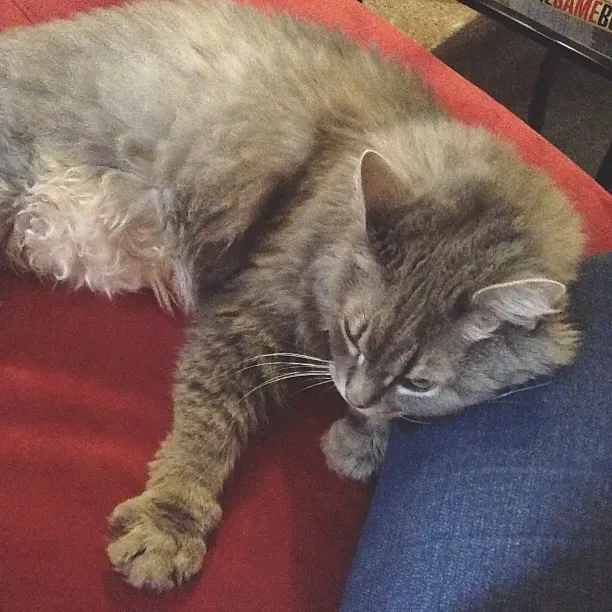
If your cat has ever pressed their paws rhythmically into your lap, your blanket, or even your actual stomach, you already know this behavior. It’s adorable, occasionally painful, and deeply meaningful. Kneading often accompanies purring. It’s known as “making biscuits” because cats make the same motion as if they were kneading dough. Cats might knead a blanket or their favorite people, and it’s often the height of contentment – thought to be a throwback to the security that kittens feel when kneading on their mother.
Kneading is also an instinctive skill. Kittens knead while nursing to increase the flow of their mother’s milk. The happy feelings cats associate with nursing – safety and nourishment – are believed to be connected with kneading during adulthood. So when your cat treats your thigh like a lump of pizza dough, take it as the highest possible compliment.
4. Curious, Exploratory Behavior
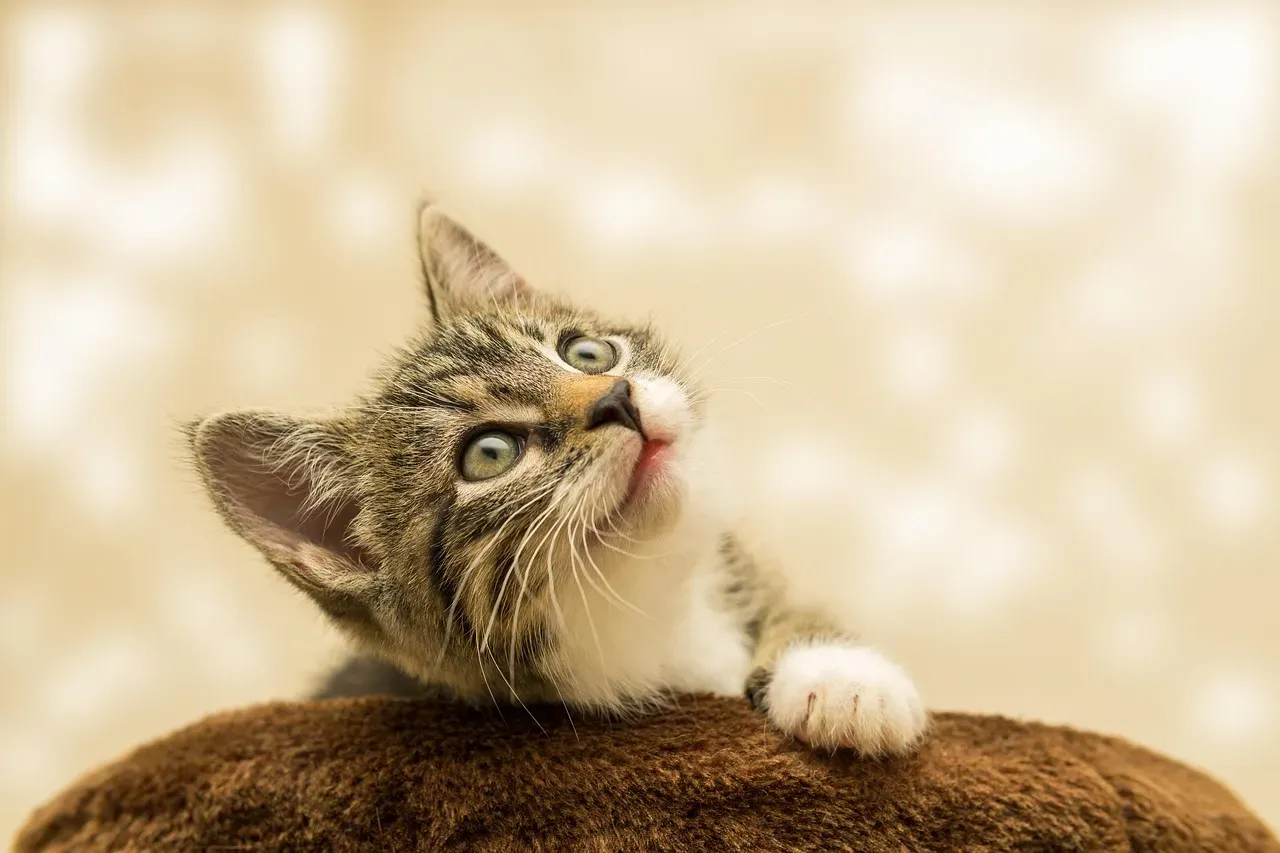
Cats are built to explore, and a happy cat is often a curious cat. Confident kitties driven by their curiosity will be more likely to engage in interactive play with their human, other cats, or toys. They’ll also be more likely to investigate their environment, poking their noses into closets and cupboards and stuffing themselves into the tiniest of cardboard boxes.
Think about it like this – a happy person gets up in the morning and wants to do things, explore things, taste things. A cat that’s content works exactly the same way. Conversely, stressed and fearful cats are more likely to hide and cautiously observe the world from a safe spot. If your cat is sniffing every new grocery bag you bring home, count your blessings.
5. Relaxed, Open Body Posture
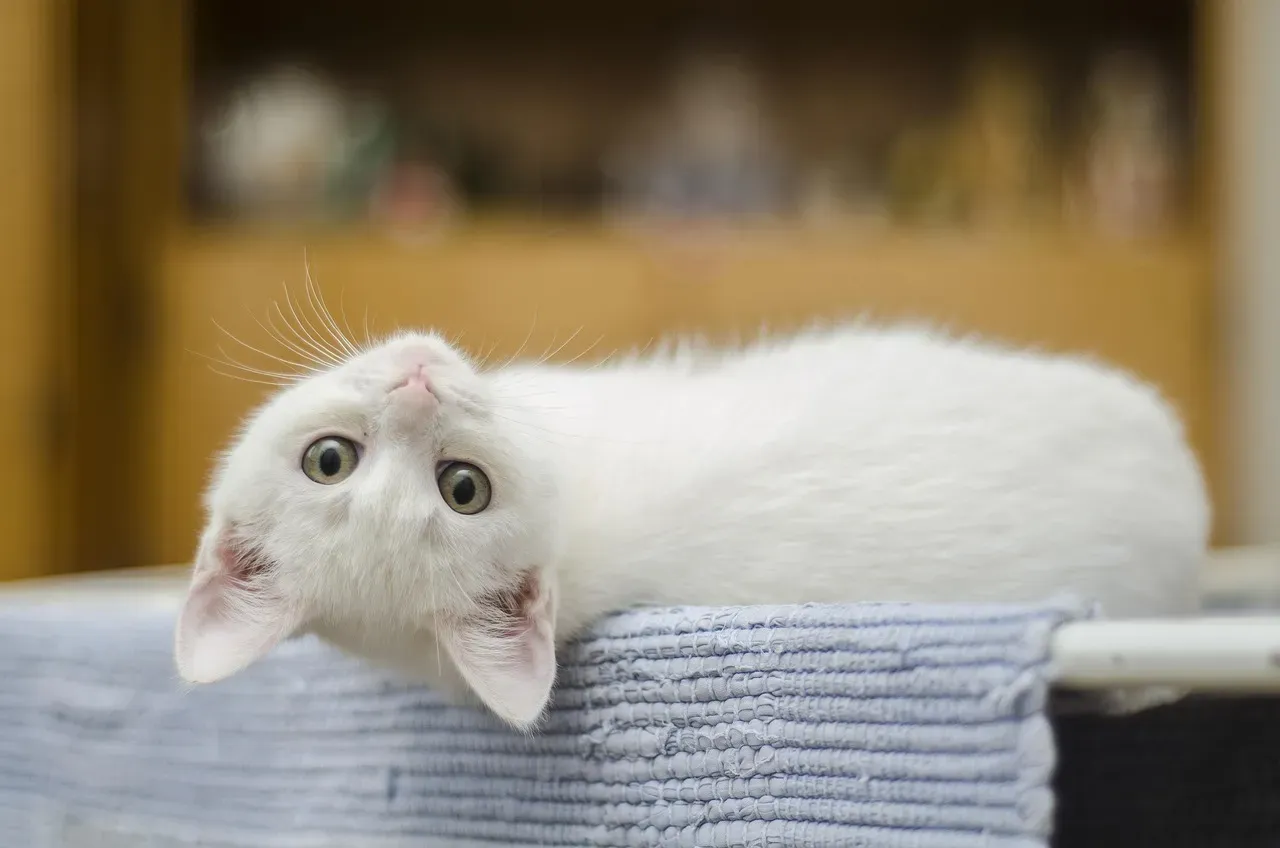
When a cat is happy, their posture is typically loose, with their limbs and tail stretched out away from their body when lying down. This is one of those signs that’s easy to miss because it seems so ordinary. Your cat is just… lying there. But the way they’re lying there? That’s everything. A cat who is lying on their side or their back with their legs stretched out, their tail loose and out, and their belly on show is relaxed.
When your cat stretches out fully or lounges with their belly exposed, it’s a strong indication they feel safe and happy in their environment. Here’s the catch though – seeing the belly does not mean you should touch it. It’s an honor, not an invitation. Proceed with caution, or risk the wrath of a very offended cat.
6. Regular and Calm Self-Grooming
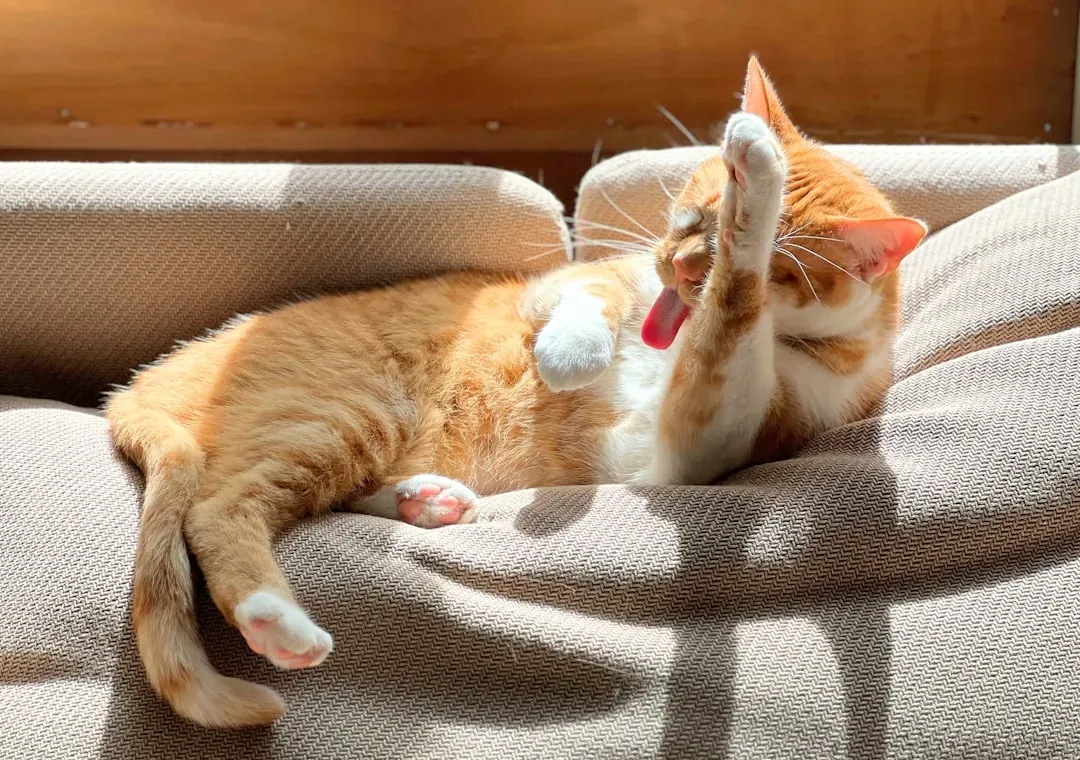
Healthy, happy cats do a great job of grooming themselves. When cats groom themselves, it is a sign of contentment. A cat that grooms regularly in a relaxed setting is essentially telling you everything is right in their world. It’s the feline equivalent of humming to yourself while making coffee on a slow Sunday morning.
A cat’s physical appearance can serve as a strong indicator of their overall contentment and well-being. When a cat is happy, their coat is likely to be sleek, clean, and free of mats, showing that the cat is engaged in regular grooming – an activity often associated with contentment. Cats that groom regularly and in a calm manner are usually in a good mood. If the grooming suddenly stops or becomes excessive, that’s when it’s time to pay closer attention.
7. Enthusiastic Playtime and Active Engagement
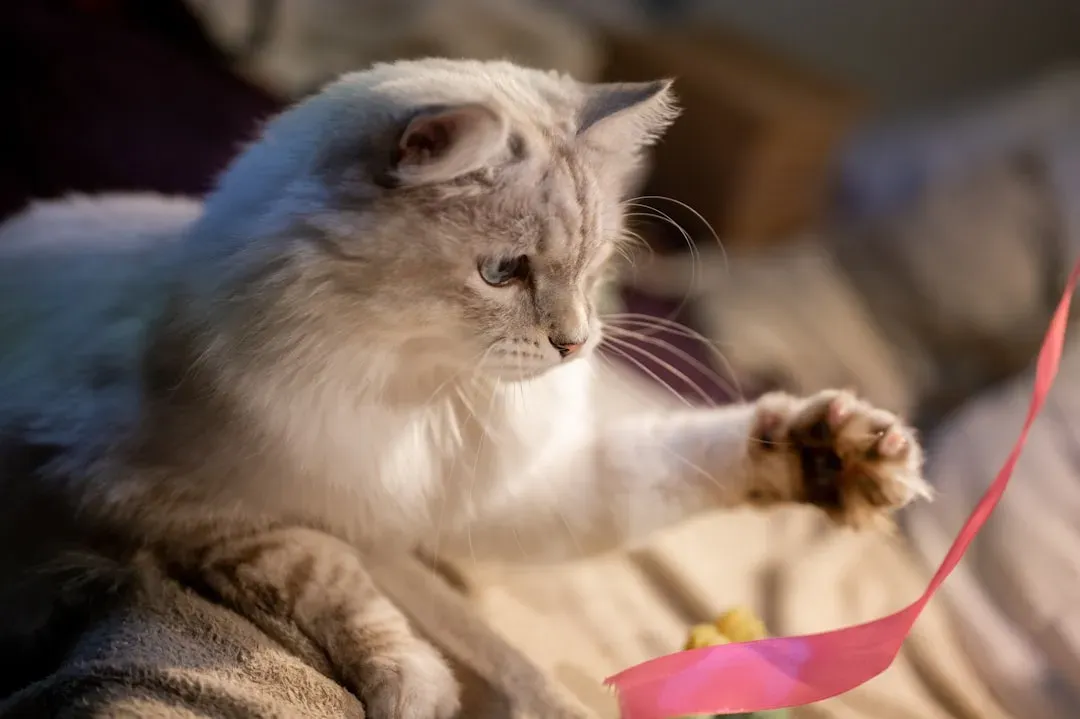
When your cat suddenly pounces on their toys or initiates a game of “catch the feather,” it’s not just about burning energy – it’s a showcase of contentment and well-being. A playful cat is a happy cat, hands down. Playfulness indicates that your furry friend is not only in good physical health but also mentally stimulated and content.
When cats are stressed or unwell, they’re more likely to withdraw and avoid play. So if your feline companion is eager to engage in a playful romp, take it as a glowing sign of their contentment. I honestly think playtime is the most underrated happiness signal out there. It’s pure, uncomplicated joy – and watching a cat absolutely lose their mind over a feather wand is one of life’s great pleasures.
8. Chirping, Trilling, and Happy Vocalizations
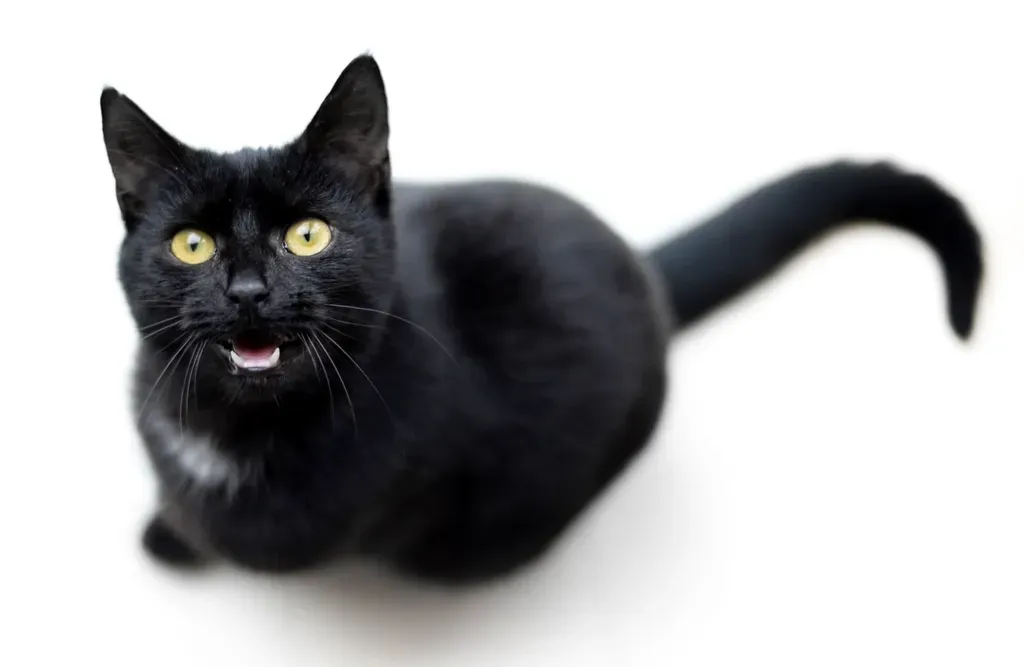
Vocal cues are often a reliable gauge of a cat’s emotional state. While cats aren’t as talkative as some other pets, their unique sounds – like purring, chirping, or soft meowing – can serve as signs that they’re feeling happy. A rhythmic, steady purr is often considered the hallmark of a content cat. Chirps or trills are typically used to greet those they feel safe around.
High-pitched meows and the “prrrrupttt!” sound many cats make is a good indication of a happy cat. Trills, chirrs, chirrups, grunts, and murmurs are used during friendly approach, greetings, and play. High-pitched meows and meows that are greetings are especially cheerful, and you might even find that your cat enjoys engaging in a conversation with you. If your cat sounds like a tiny cheerful bird every time you walk in the door, that’s a win.
9. Head Butting and Scent Rubbing
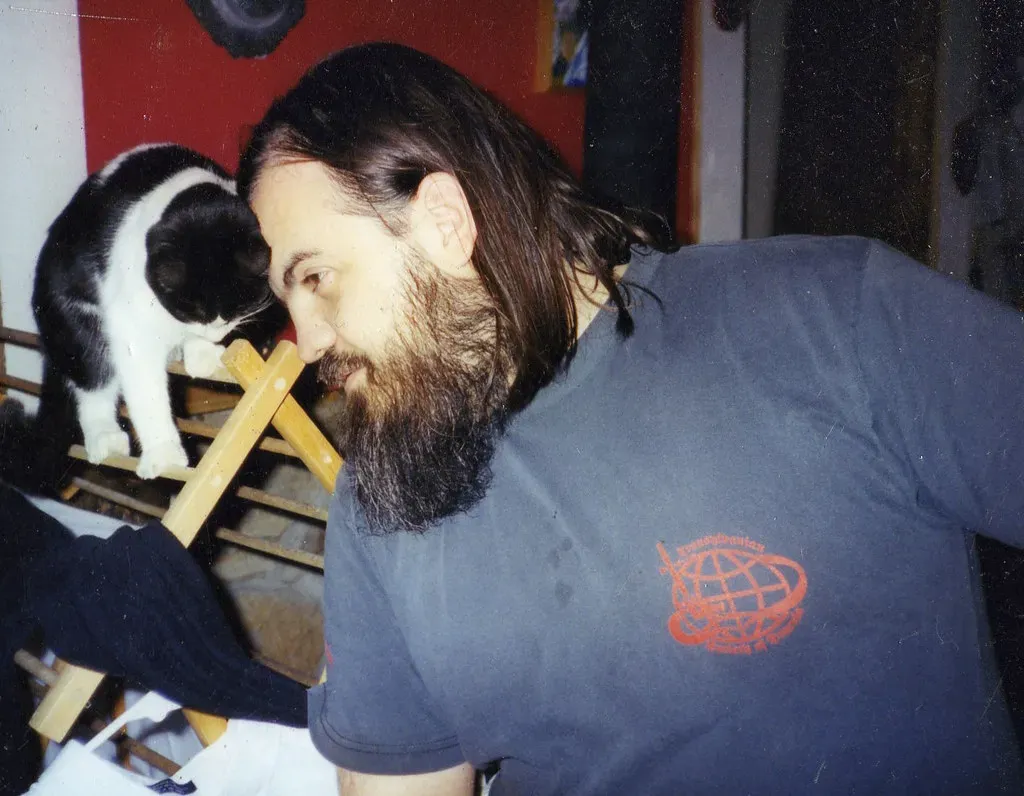
Happy cats have scent glands in the sides of their faces, so when they rub and head-butt you, they are marking you as theirs. It sounds possessive, and it is – but in the sweetest possible way. Being claimed by a cat is genuinely one of the better things that can happen to you in life, and I’ll stand by that opinion.
You can tell if a cat is getting comfortable with you if they seek your company and want to interact with you more. They might rub against you or even try to groom you. When cats rub against and groom each other, it allows for their scents to be swapped and to maintain a group scent. Cats can direct these behaviors toward people they feel friendly with. Basically, if your cat rubs their face on your face, you’ve been officially inducted into their social circle.
10. Choosing to Sleep Near You
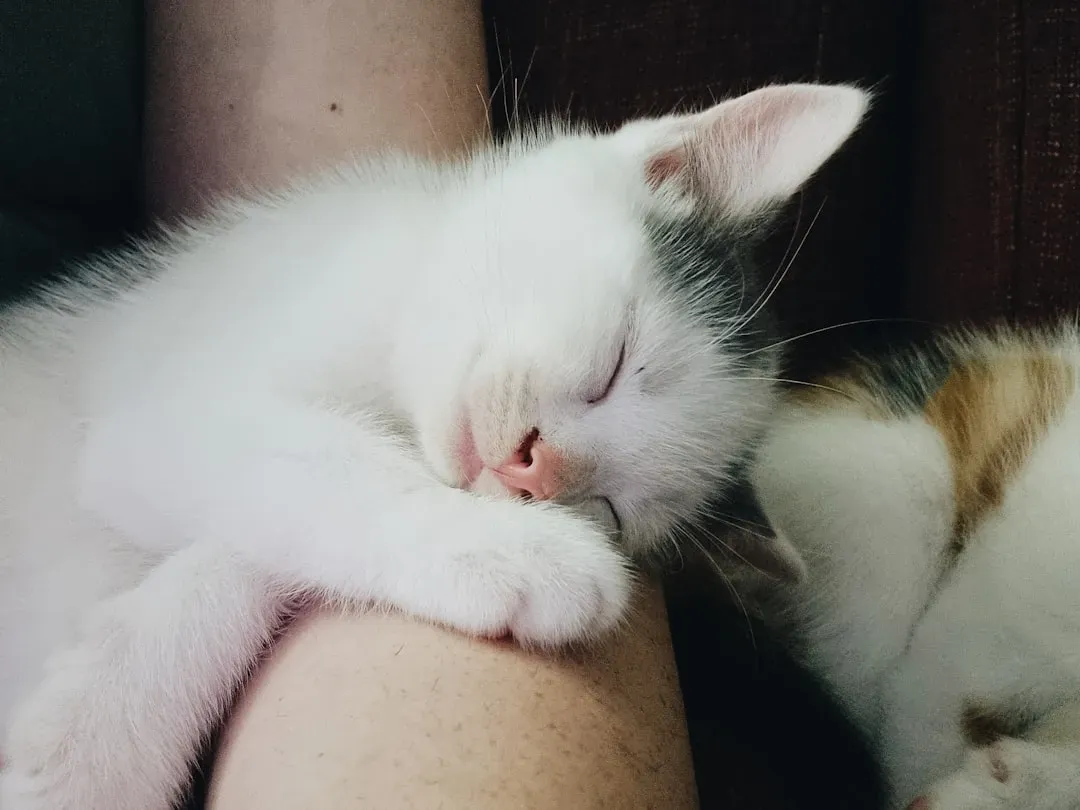
Note where your cat chooses to sleep. If your cat’s chosen nap spot is with you or other cats, this shows positive, happy relationships. Cats are deeply selective about where they rest – it’s tied directly to their sense of safety. A cat that sleeps on your feet, your pillow, or pressed against your side is not just after warmth. They’re after you specifically.
A happy cat maintains a regular appetite and feels comfortable enough to sleep in exposed positions, especially near their trusted humans. A happy cat may show their affection by sleeping on you, curling up on your lap, licking you, or giving you a head butt. It’s hard to say for sure whether cats dream about us during those long nap sessions, but the fact that they choose to be close? That says plenty on its own.
11. Consistent Eating Habits and Litter Box Use
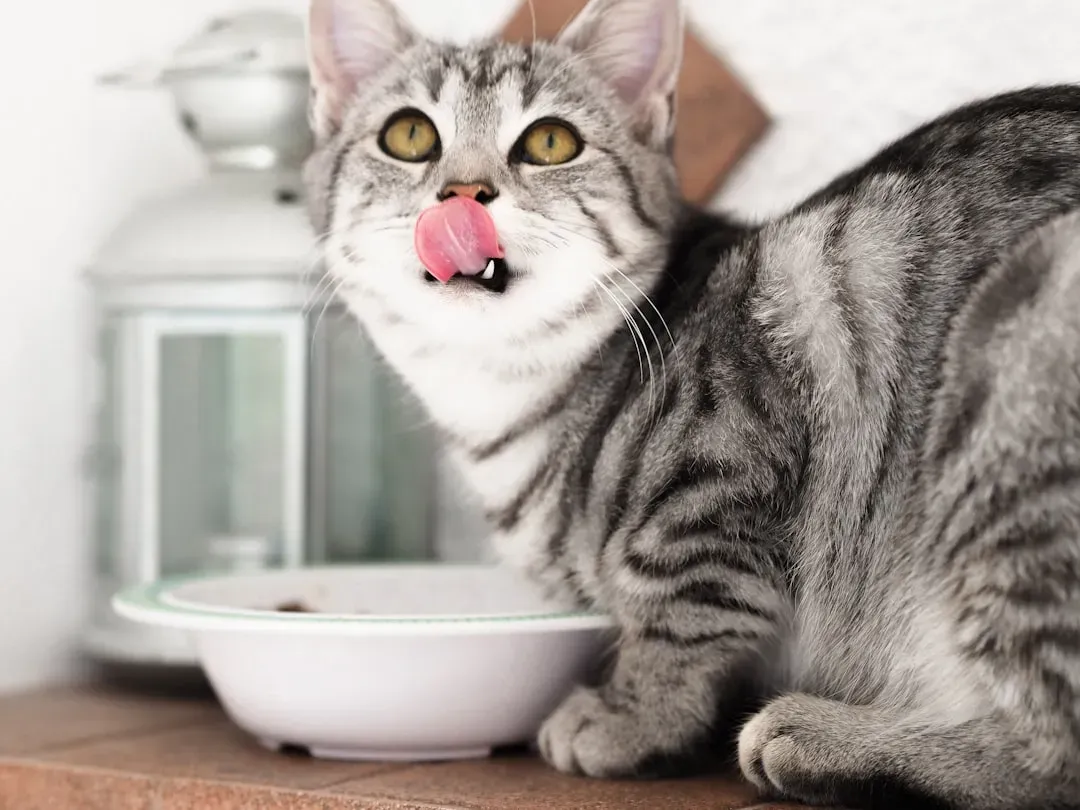
Perhaps the most subtle signs of a happy animal are those that also indicate a healthy animal. A happy cat will do their routine things on schedule – they eat well, sleep an appropriate amount, and keep their coat well-groomed and shiny. Routine matters enormously to cats. They’re creatures of habit, and when everything feels safe and stable, those habits stay intact without drama.
Happy cats use the litter pan as expected. Cats can show stress by urinating or defecating in places they aren’t supposed to, so a cat that isn’t using the litter box is often trying to communicate that something is wrong. A happy cat will use their litter box and is usually more forgiving if its maintenance isn’t quite up to snuff. A cat that is anxious or unhappy may show it by peeing outside the box. So yes, a clean litter box routine is actually something to be grateful for.
Conclusion: Your Cat Is Telling You Everything – You Just Have to Listen
Cats aren’t cold, indifferent creatures who merely tolerate your presence. They’re deeply expressive, emotionally rich animals who communicate in ways that are easy to miss if you don’t know what to look for. The signs of a happy cat are there when you look for them, ranging from audible signs like purring to their body language and playful behavior. Understanding these signs is key to creating a supportive and enriching environment for your feline companion, ultimately improving their quality of life and strengthening the bond you share.
None of these signs exist in isolation, either. The more of them you see layered together – a high tail, a slow blink, a chirp at the door – the more confident you can be that your cat is genuinely thriving. Remember that each cat is unique, and getting to know your individual pet’s happiness signals is key to maintaining a strong, loving bond. Pay attention, stay curious, and enjoy the subtle language your cat is already speaking to you every single day.
So – how many of these signs does your cat show? Drop your thoughts in the comments and let us know which ones surprised you the most.
Kristina is a young writer from India. An arts graduate and an avid content creator, Kristina is passionate about animals and wildlife. She enjoys exploring topics related to pet care, animal behavior, conservation, and nature, combining thorough research with engaging storytelling.