There is something almost otherworldly about watching your cat glide through a pitch-dark hallway without so much as bumping a single piece of furniture, while you are still fumbling for the light switch like a lost tourist. For centuries, humans have been fascinated, honestly a little unsettled, by this particular feline superpower. It feels like magic. It is not.
The truth about how your cat sees in the dark is far more fascinating than any myth, and much of it still surprises even devoted cat owners. From mirror-like eye structures to a secret relationship with ultraviolet light, your cat’s eyes are a marvel of biological engineering packed with little-known surprises. Let’s dive in.
Your Cat Does Not Actually Have True Night Vision
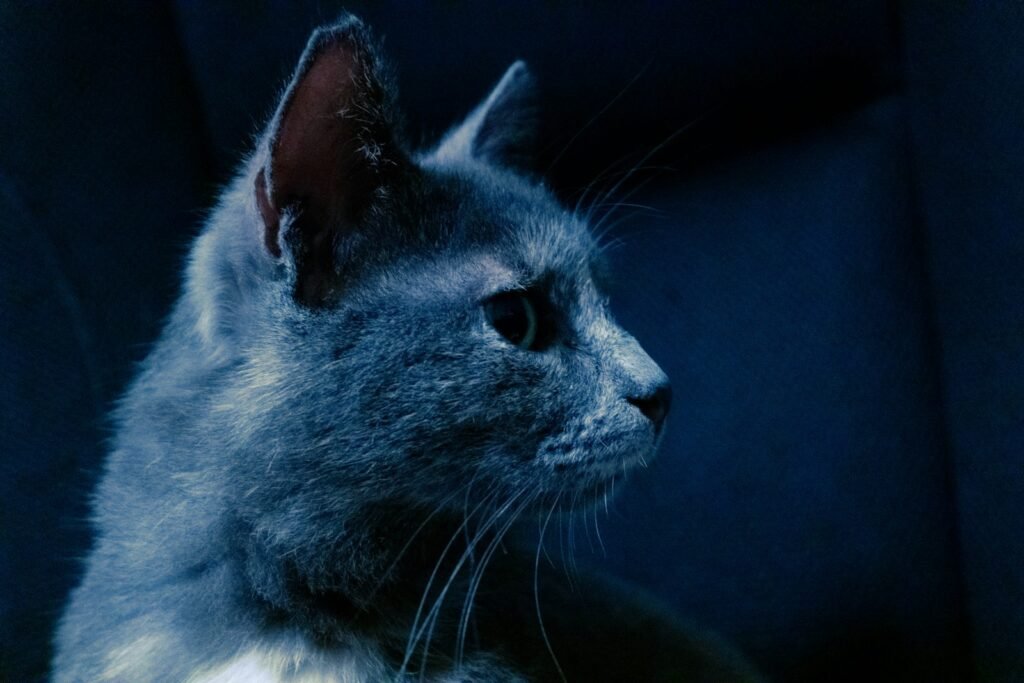
Here is the thing that shocks most people right out of the gate. Contrary to popular belief, your cat cannot see in total darkness, but they do see extremely well in low-light conditions, much better than humans can. Think of it less like a built-in pair of night goggles and more like incredibly finely tuned twilight sensors.
Your cat does have a major advantage over you in near-dark conditions. They require only about one-sixth of the amount of light that humans need to see. So the next time your cat appears to stare confidently into the darkest corner of the room, it is almost certainly picking up on ambient light you cannot even register. Impressive? Absolutely.
The Tapetum Lucidum Is the Real Secret Weapon
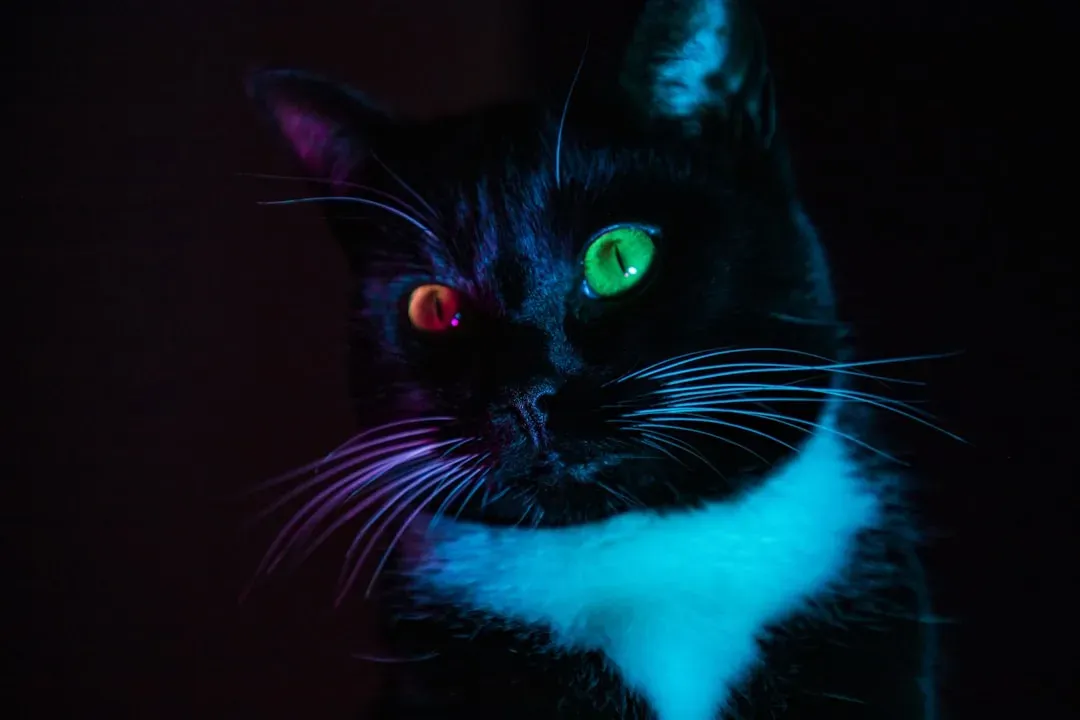
Unique to cats and other animals adapted to see in low-light conditions, the tapetum lucidum is why your cat’s eyes glow at night. It is a reflective membrane situated just behind the retina. When light misses the retina, it bounces off the tapetum lucidum, providing rods with a second chance at absorbing light and thereby improving vision in dim light. Think of it like a biological mirror sitting at the back of the eye, recycling every last photon of available light.
The tapetum lucidum in cats is renowned for its brilliance, even inspiring ancient Egyptians to believe it reflected the sun at night. This reflective layer is composed of 15 to 20 layers of cells arranged in a central pattern, a structure denser than that of dogs, resulting in high reflectance nearly 130 times that of humans. So when your cat’s eyes glow eerily from across the room, that is 130 times more reflected light than your own eyes could ever produce. Let that sink in for a moment.
Your Cat Has Six to Eight Times More Rod Cells Than You Do
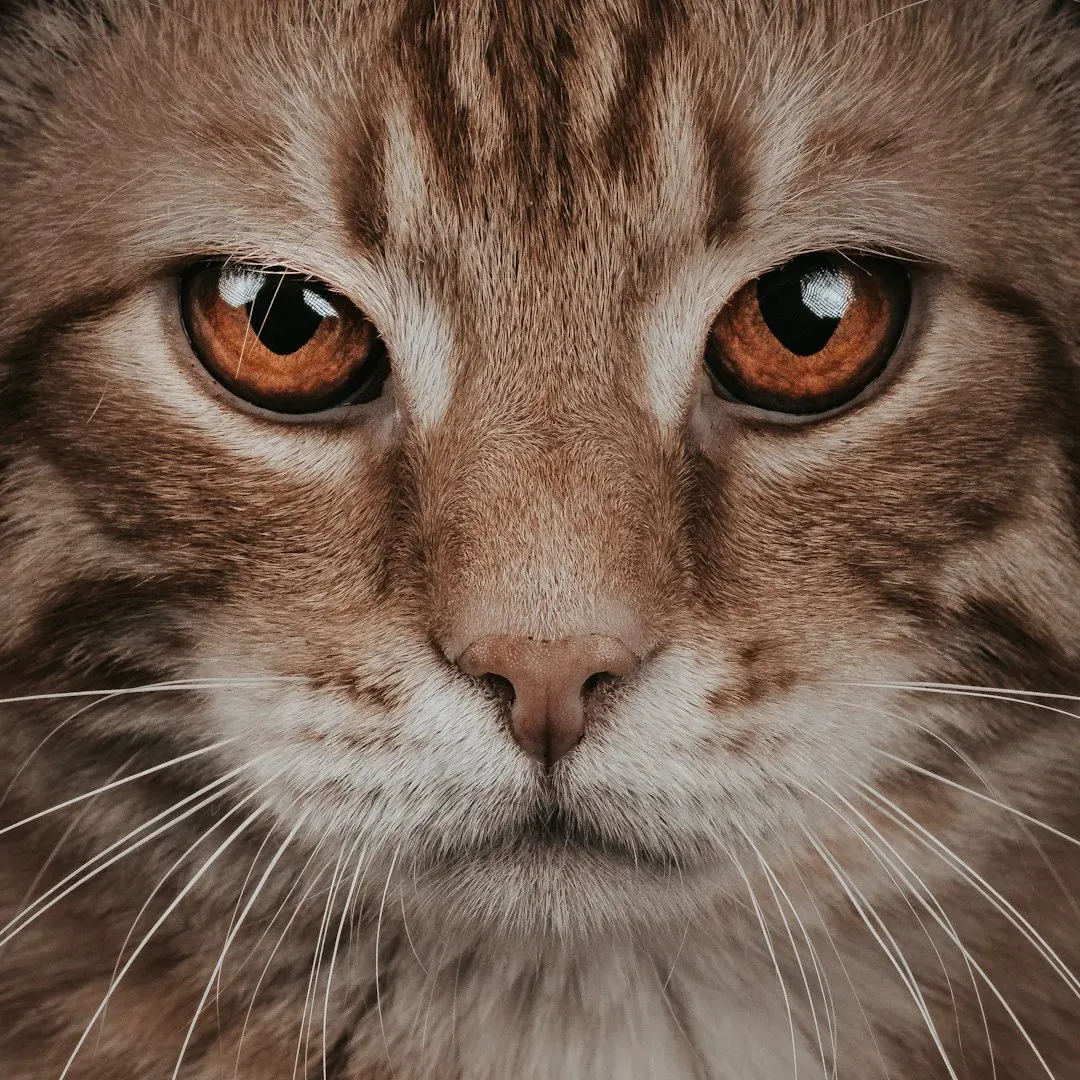
Your cat’s eyes have a higher concentration of rod cells, the type of photoreceptor that works well in dim light. In fact, they have six to eight times more rod cells than humans. This allows them to detect movement and shapes even when lighting is very poor. It is a bit like comparing a basic camera sensor to a professional-grade low-light rig.
Cats have more rods, which are responsible for night, peripheral vision and motion sensing, whereas humans possess more cones which make them better at seeing colors and daylight. This is the fundamental trade-off your cat has made with evolution. Less color, far more shadow. For a predator hunting in the half-light of dawn, it is a spectacular deal.
Those Iconic Slit Pupils Are a Precision Engineering Marvel
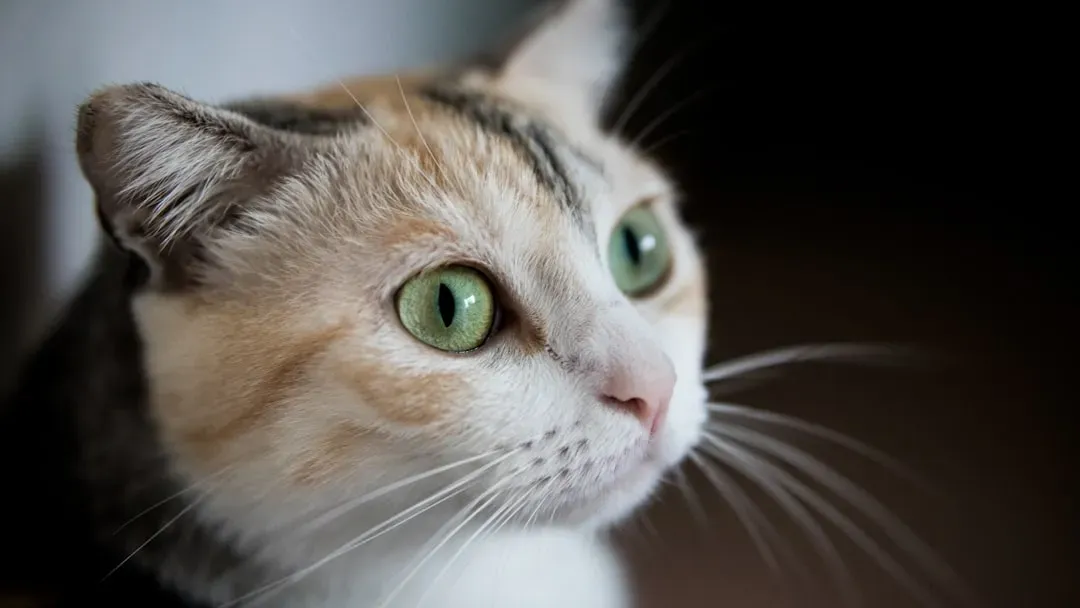
You may have often wondered why your cat’s eyes are mostly a straight vertical line during the day, then expand at night or when they’re feeling playful. This is because when their pupils are vertical slits it allows them to focus, as varying amounts of light can enter the eye through different areas. When a cat’s pupils dilate to their saucer-like state, more light is allowed to enter the eye, meaning they can see in low light situations, though it does make their vision slightly blurrier.
Cats can experience a 135 to 300-fold change in pupil area, whereas humans only experience a 15-fold change. This means cats can adapt their eyes to see in a wider range of light levels than humans. To put that in perspective, imagine the difference between a pinhole camera and a fully opened camera aperture. Your cat is doing that, automatically, in real time, every single day.
Your Cat Is Actually Crepuscular, Not Nocturnal

Many people believe that felines are nocturnal and can see in the dark perfectly, but it may surprise you to learn that cats are actually crepuscular. This means that generally they are more active around dawn and dusk. That 3 AM sprint through your bedroom? That is your cat’s internal clock telling it twilight is hunting time, even if no actual twilight is involved.
A cat’s main prey, small rodents, tends to be most active during the low light hours, and that gives cats a strong reason to be crepuscular rather than diurnal or nocturnal. Though your domestic feline’s next meal is not affected by a mouse’s behavior, they still have the excellent low light vision and natural circadian rhythm of their wild relatives. So your cat is not just being dramatic at sunrise. It is being biologically accurate.
The Glowing Eyes That Inspired Road Safety Technology
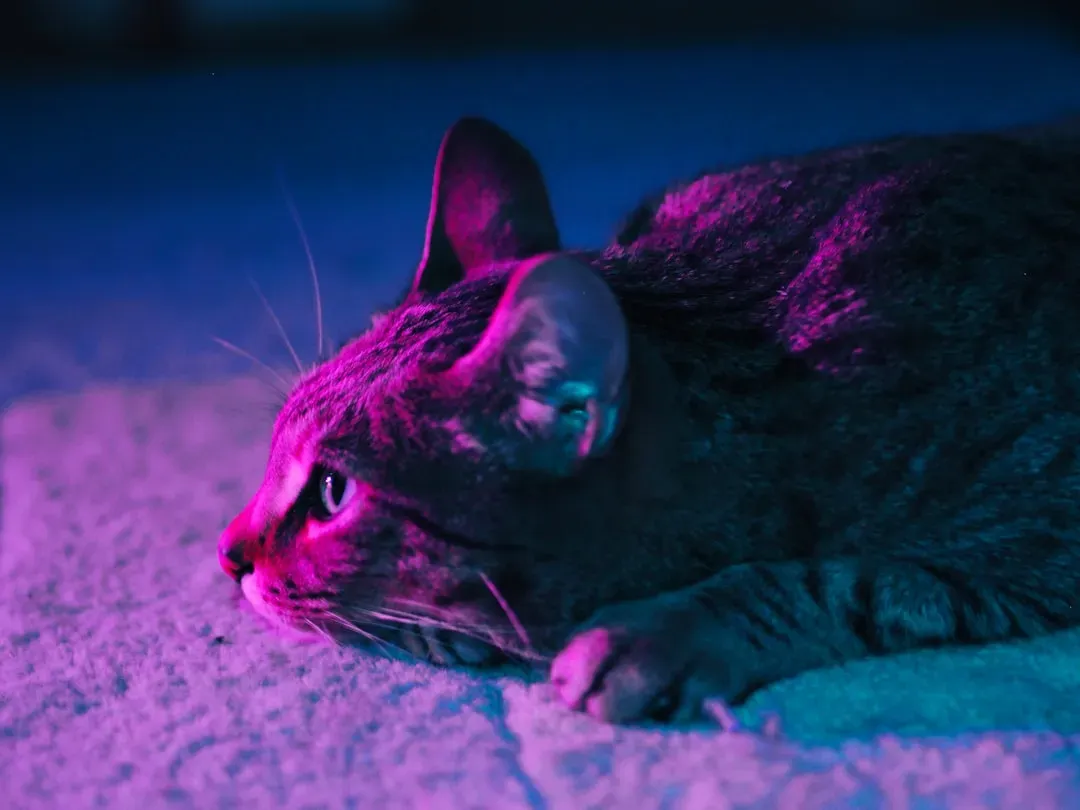
I think this might be the most surprising fact on this entire list, and it is completely true. One foggy night in 1933, a businessman named Percy Shaw was driving home in Yorkshire, England. The road was twisty and hard to see. Suddenly, two bright dots flashed back at him from the roadside. Percy slammed on the brakes. The glowing dots belonged to a cat, and they probably saved his life. If he had kept driving, he could have gone straight off the road.
Within a year, Percy Shaw had invented Catseye reflectors, those studs you still see embedded in roads today. They bounce your own headlights back at you, helping you see where you are going in the dark. So the next time you drive safely down a dark road, you are quite literally benefiting from the biological design of your cat’s eyes. That is a legacy worth appreciating.
Your Cat’s Color World Is Surprisingly Muted
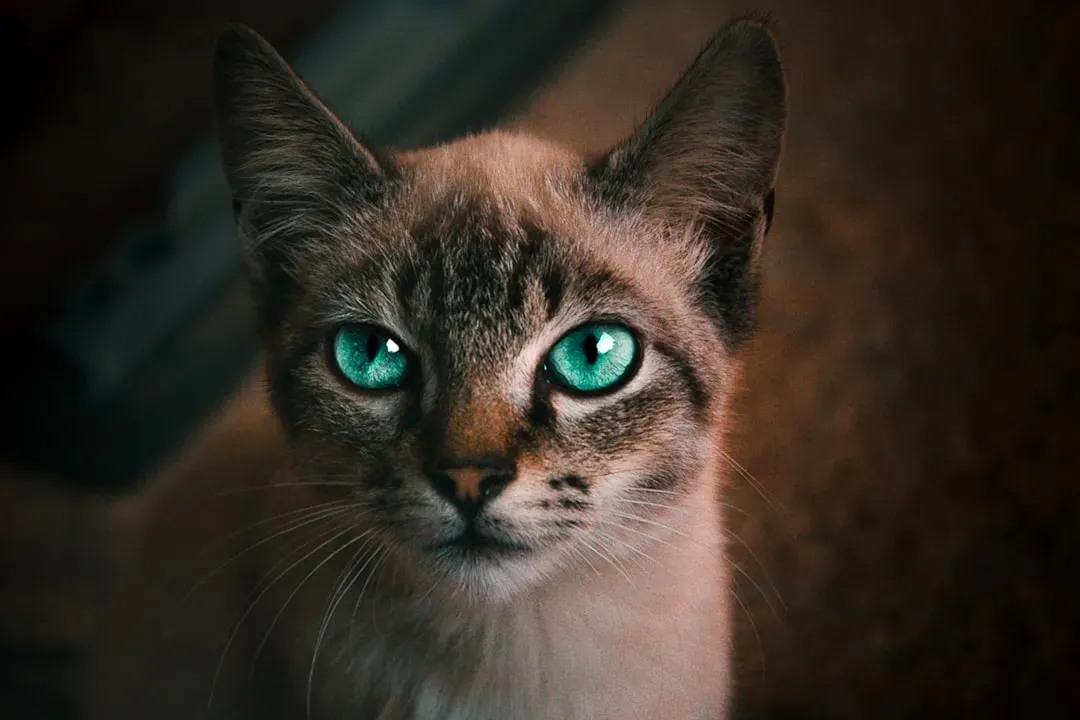
Cats have fewer cones than most humans, and because of this, they see fewer colors than we can. They also have two types of cones, enabling dichromatic color vision, which allows them to identify yellows and blues. In contrast, most humans have three cones, facilitating trichromatic color vision, which recognizes red, blue, and green color combinations. In plain terms, your cat’s world looks softer and more washed out than yours.
In very dim light, your cat’s vision shifts entirely to rod photoreceptors, which cannot distinguish colors. At night, cats see in grayscale. Their dichromatic color vision functions only when ambient light is sufficient to activate cone photoreceptors, typically at dawn, dusk, and indoor lighting conditions. So the bright red toy you wave in front of your cat? It likely looks like a grey blob. Blues and greens, however, are a completely different story.
Your Cat’s Wide Field of Vision Gives It a Tactical Edge
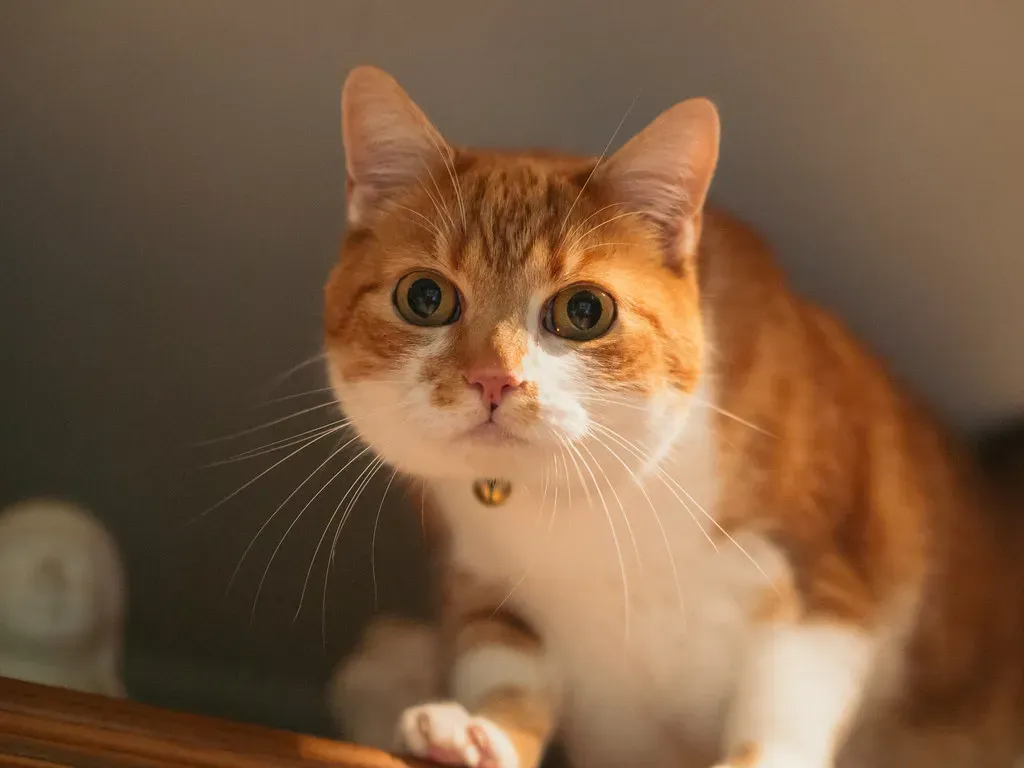
Cats can see a range of about 200 degrees compared to our 180-degree views, which gives them a wider field of vision. Their greater peripheral vision allows them to spot prey better while hunting. It is like the difference between watching a regular TV and a panoramic widescreen, except the widescreen is built directly into your cat’s skull.
Despite their somewhat blurry vision, cats have an impressive field of vision of 200 degrees, compared to the 180 degrees humans enjoy. This wider field enhances their peripheral vision and helps them detect subtle movements. Their keen ability to pick up on slight shifts in light and dark, such as the faint shadow of a mouse darting across the floor, is one of the reasons they are such skilled hunters. Even from the corner of its eye, your cat is watching everything. Everything.
Motion Detection Is Where Your Cat Truly Dominates
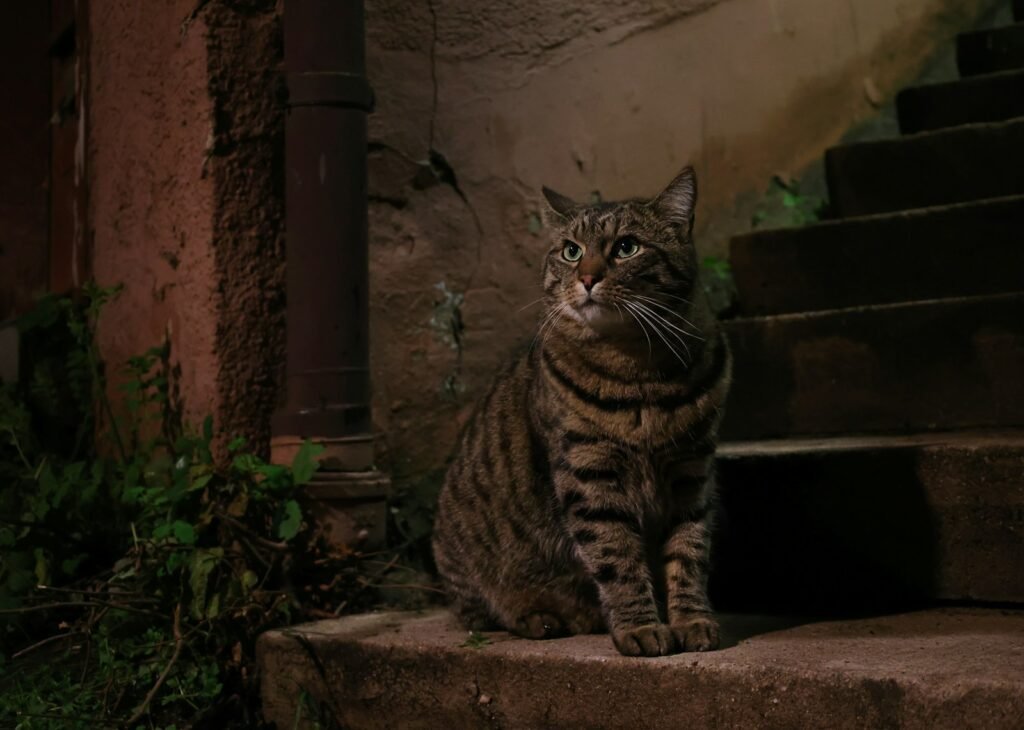
One of the reasons cats are such good hunters is because their eyes are much more sensitive to movement than our own. They can detect objects moving at very fast speeds, helping them to locate and pounce on quick-moving toys with ease. This is why your cat can seem completely indifferent to a stationary toy, yet absolutely lose its mind the moment that same toy twitches an inch. Movement is the trigger.
Cats are incredibly adept at detecting movement, even the slightest twitch. This is particularly helpful for hunting prey, where even the slightest movement can give away their target’s location. Honestly, it is less vision and more a biological radar system. Your cat is not watching the toy. It is waiting for the toy to betray itself with motion.
Cats May Be Able to See Ultraviolet Light
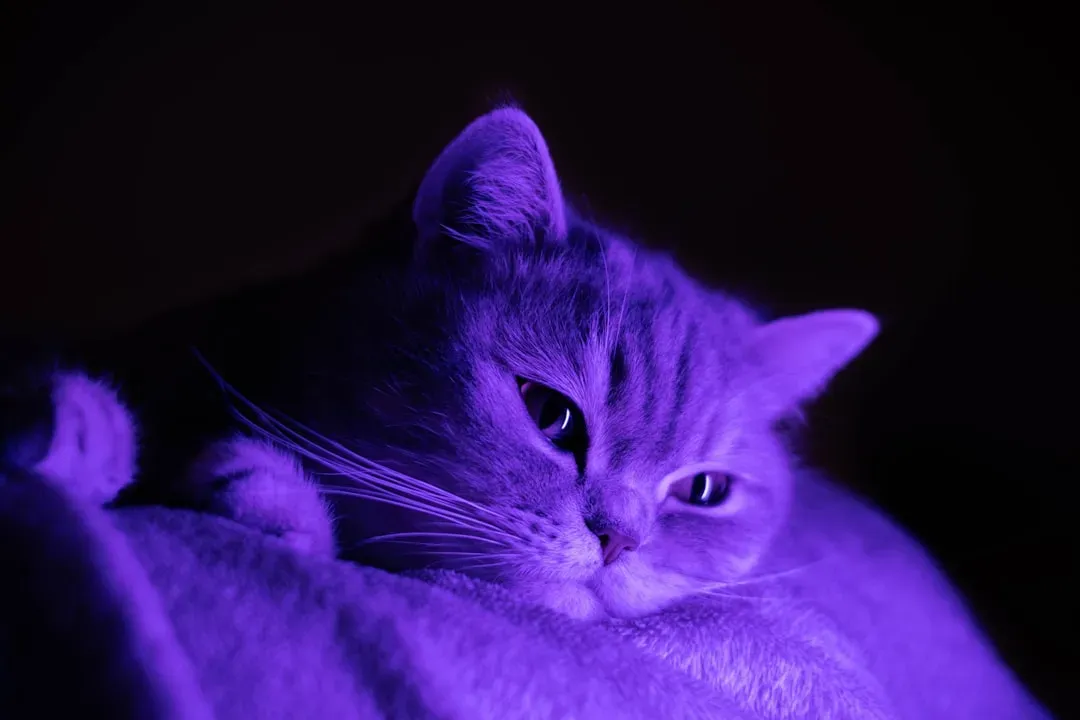
Here is where things get genuinely mind-bending. Your cat may be seeing things that human eyes simply cannot. Unlike humans, many animals see in ultraviolet, and a study suggests that cats, dogs, and other mammals can, too. This is not science fiction. The mechanism is rooted in straightforward lens biology.
Cat lenses are significantly more transparent to UV wavelengths, allowing UV photons to reach the retina and stimulate rod photoreceptors. Research suggests that cat lenses transmit UV light that human lenses block, giving cats access to a visual spectrum slightly wider than our own. Urine trails, certain flowers, and prey animal markings that are invisible to human eyes under normal lighting may be visible to cats under UV-rich conditions, such as dawn and dusk, when the UV component of natural light is proportionally higher. So when your cat stares intensely at what appears to be a blank wall, it might genuinely be looking at something you simply cannot perceive. That is both fascinating and just a little unsettling.
Kittens Are Born Virtually Blind and Develop Night Vision Gradually
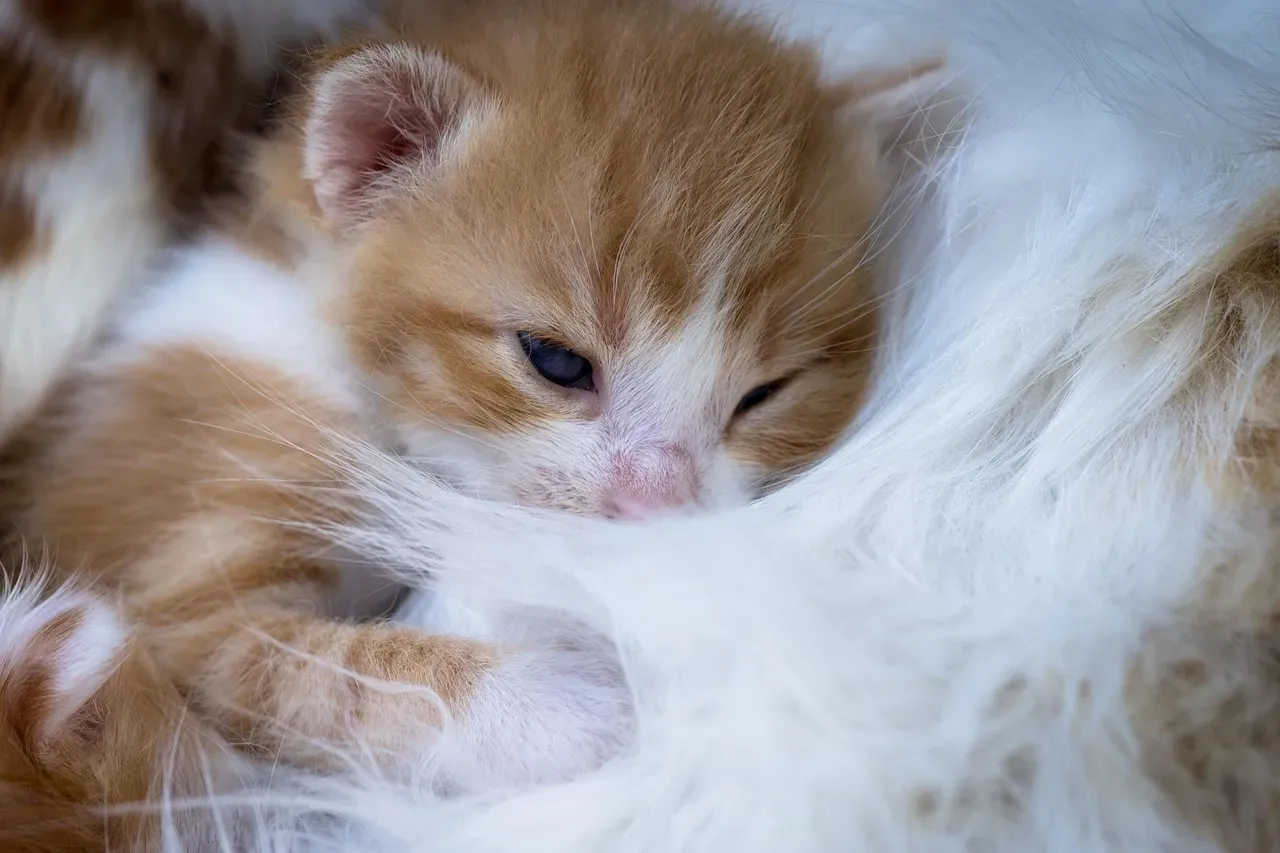
Kittens are born with their eyes closed and gradually open them between 8 and 12 days old. So they have pretty poor vision for the first few weeks of life. Initially nearsighted, kittens develop adult eyesight within a few months. Think of it like a camera slowly coming into focus. The hardware is all there, it just needs time to calibrate.
Young kittens’ eyeshine often appears blue because the tapetum has not fully developed its crystal layers. As the tapetum matures, eyeshine transitions to the adult yellow-green. This developmental timeline explains why very young kittens may struggle in dim light conditions that an adult cat navigates effortlessly. So if you have ever noticed a young kitten being less confident in the dark, this is exactly why. Those mirror layers at the back of the eye are still being built, layer by layer.
Your Cat’s Near-Sightedness Is Actually an Evolutionary Advantage
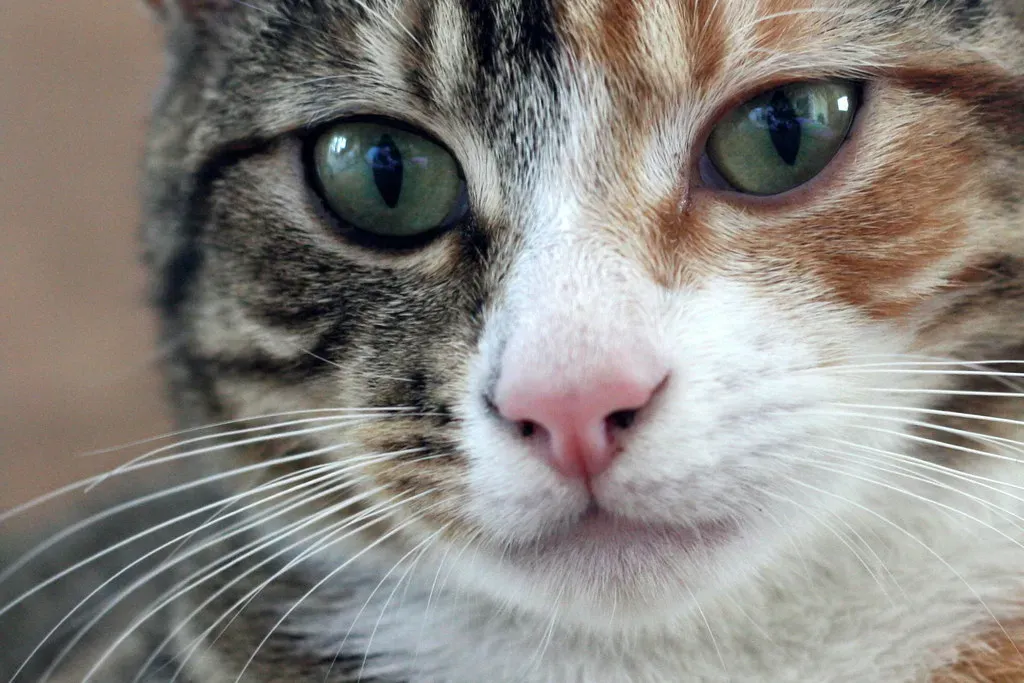
Cats lack the muscles needed to change the shape of their eyes. This means they struggle to focus on objects that are close to them. If you place a toy right in front of your cat’s nose, they will not be able to see it clearly. They will instead use their sensitive whiskers to detect it. This is why cats often sniff at things placed directly in front of their faces. It is not disinterest. It is biology.
Cats are naturally nearsighted and need to be no more than 20 feet away to see an object clearly. Anything further appears blurry to them. Nearsightedness actually benefits cats in their natural environment. It allows them to zero in on their prey and accurately judge distance before pouncing. It is the kind of evolutionary trade-off that makes perfect sense once you think about it. Your cat is not built to admire distant mountain vistas. It is built to calculate the exact arc of a pounce at close range, in near-total darkness, with astonishing precision.
Conclusion
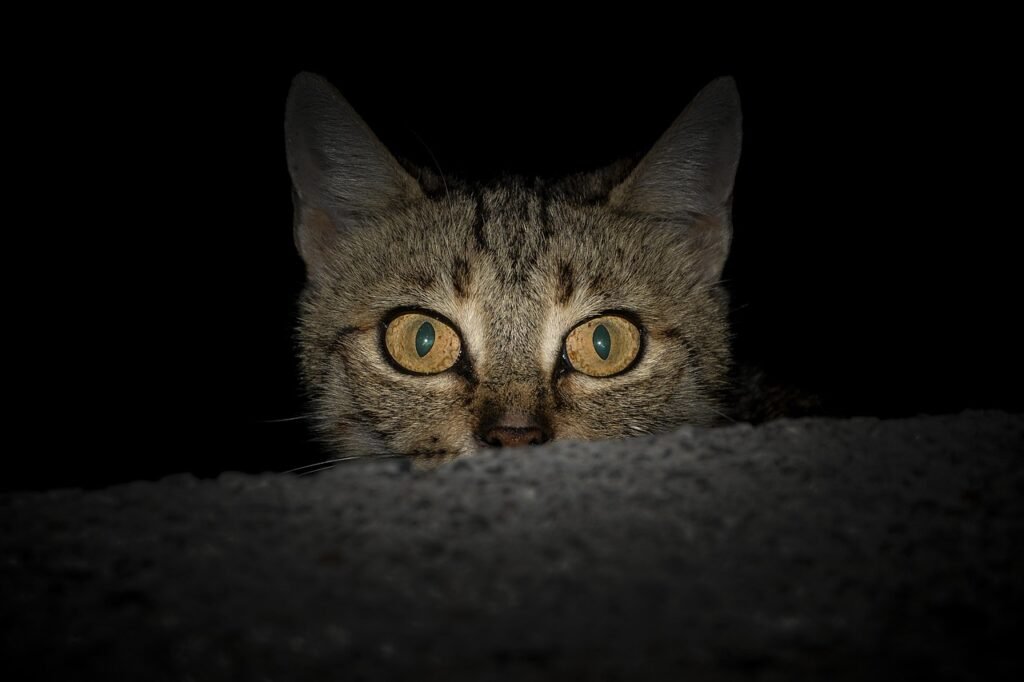
Your cat’s eyes are not just beautiful, they are a masterpiece of evolutionary engineering refined over thousands of years of hunting, surviving, and adapting. From the tapetum lucidum that doubles available light, to slit pupils that out-perform anything humans can produce naturally, to a possible sensitivity to ultraviolet light we cannot even perceive, there is far more happening behind those glowing eyes than most of us ever imagined.
The next time your cat stares into the dark like it owns the night, well, honestly, it kind of does. Every single adaptation in those eyes exists for a reason, and together they form one of nature’s most quietly spectacular visual systems. So here is a question worth sitting with: which of these 12 facts surprised you the most? Drop your answer in the comments, because I have a feeling a few of these will genuinely catch people off guard.
Kristina is a young writer from India. An arts graduate and an avid content creator, Kristina is passionate about animals and wildlife. She enjoys exploring topics related to pet care, animal behavior, conservation, and nature, combining thorough research with engaging storytelling.