There is a rumor that has been circulating for centuries. It whispers that cats are cold, indifferent creatures who tolerate us at best and secretly despise us at worst. You have probably heard it before. Maybe you have even believed it. But here is something worth sitting with for a moment: what if everything you thought you knew about your cat’s emotional life was simply wrong?
Cats are endlessly misunderstood, and honestly, that is a little sad. They love quietly, they trust slowly, and they communicate in a language most of us have never bothered to learn. Once you start paying attention, the signs are everywhere. So let us dive in.
The Aloof Myth: Where It Came From and Why It’s Wrong
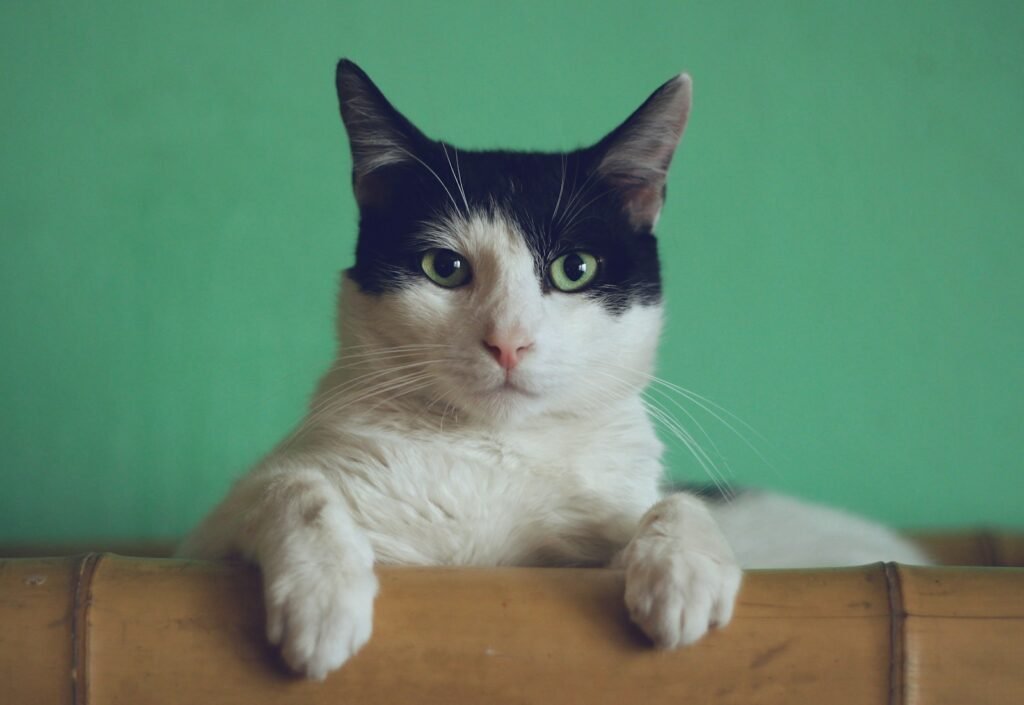
Let’s be real: cats have had a PR problem for a long time. It is a common misconception that cats are not affectionate, mainly because dogs have more explicit ways of demonstrating affection, whereas cats are much more subtle. The comparison to dogs is almost always unfair. Think of it like expecting someone who speaks French to express themselves in Spanish. The emotion is the same. The language is entirely different.
Scientific literature repeatedly highlights a set of recurrent beliefs about cats, such as the perception of cats as independent and non-social animals, incapable of forming emotional bonds with their guardians. Cats have commonly been perceived as independent, solitary, and non-social animals, and these beliefs continue to be widely held today. The problem is not that cats are distant. The problem is that most people are not fluent in what cats are actually saying.
Science Has Settled This: Cats Bond Deeply with You
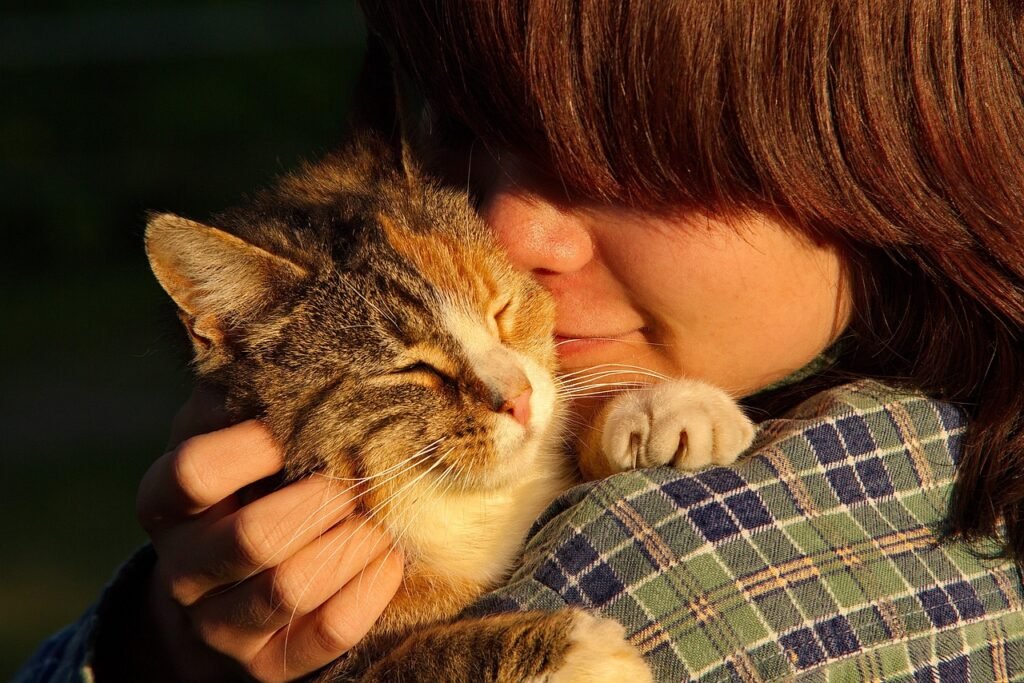
Cats have a reputation for being aloof and independent. A study of the way domestic cats respond to their caregivers suggests that their socio-cognitive abilities and the depth of their human attachments have been underestimated. The findings show that, much like children and dogs, pet cats form secure and insecure bonds with their human caretakers. That is a remarkable finding, and one that should change how you look at your cat entirely.
The percentages nearly mirrored the kitten population, with 65.8% secure and 34.2% insecure. It was surprising to find how closely the proportion of secure and insecure attachments in the kitten and adult cat populations matched the human infant population. In humans, 65% of infants are securely attached to their caregiver. So when your cat seeks you out after a stressful moment, that is not a coincidence. That is attachment, plain and simple.
The Slow Blink: Your Cat’s Version of “I Love You”
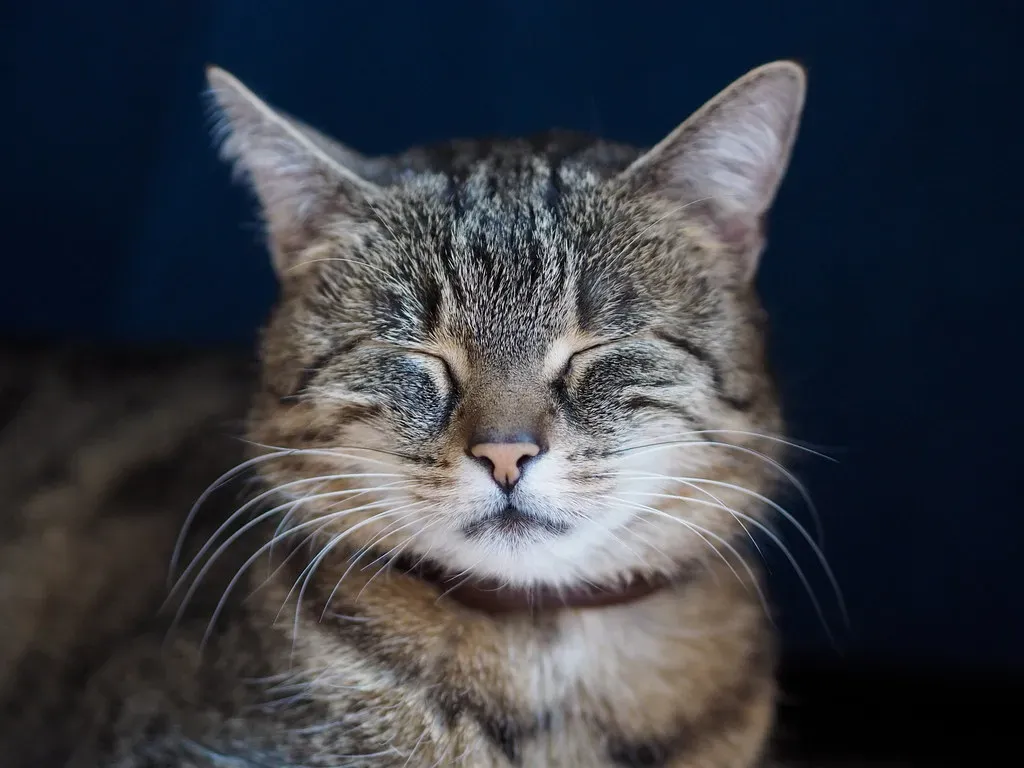
Slow blinking is one of the clearest signs your cat feels relaxed and safe around you. When a cat slowly closes and opens their eyes in your presence, it is a signal of trust. I think this is one of the most beautiful things about cats. In a world where they spend their days prepared for danger, choosing to close their eyes in front of you is an act of profound vulnerability.
Research suggests slow blinks are associated with a positive emotional state and can be a sign of trust, contentment and affection, similar to a human smile. You can even return the gesture. Try slowly blinking back at your cat the next time they do it. The connection you feel in that moment is completely real and completely mutual.
Head Bunting and Cheek Rubbing: Marking You as Family

When a cat bumps their head against you or rubs their cheeks on your hand or leg, they are doing more than being cute. This behavior deposits scent from glands on their face, marking you as familiar and safe. In cat language, that is a sign of social bonding. Think of it like a cat writing your name on their heart. You belong to them now. Congratulations.
That familiar feeling when your cat hits the back of your knee can also be a sign that they feel an extremely close bond to you. The head bump is usually saved for a cat’s closest feline friends and most trusted humans. You are not just someone your cat tolerates. You are someone they have specifically chosen to include in their inner circle. That is not nothing.
Kneading: The Warmest Childhood Memory Playing Out on Your Lap
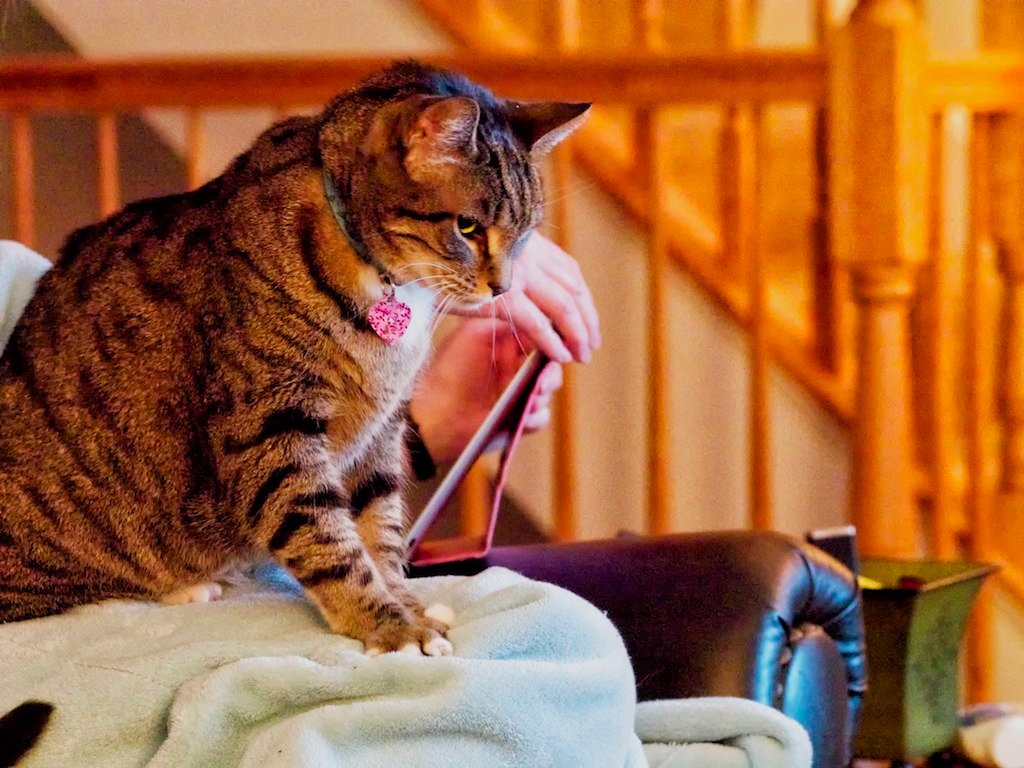
This front paw motion traces its origins back to when kittens are nursing, where they instinctively flex and relax their front paws to stimulate milk flow from the mother cat. For kittens, this behavior is associated with a sense of calm, contentment, and security, and it often carries over into adult cat life. So when your cat kneads your stomach at 11pm, they are essentially telling you that being near you feels like the safest, most comforting thing in the world.
Kneading or “making biscuits” is a cat’s way of showing their love and contentment. This behavior originates from kittenhood when they would knead their mother’s belly to stimulate milk flow and show affection. So if your cat does this, consider yourself one of their loved ones. Honestly, it is one of the sweetest compliments a cat can give. Yes, the claws can be a bit much. Wear thick pants and accept the love.
The Language of the Tail: A Whole Conversation You Might Be Missing
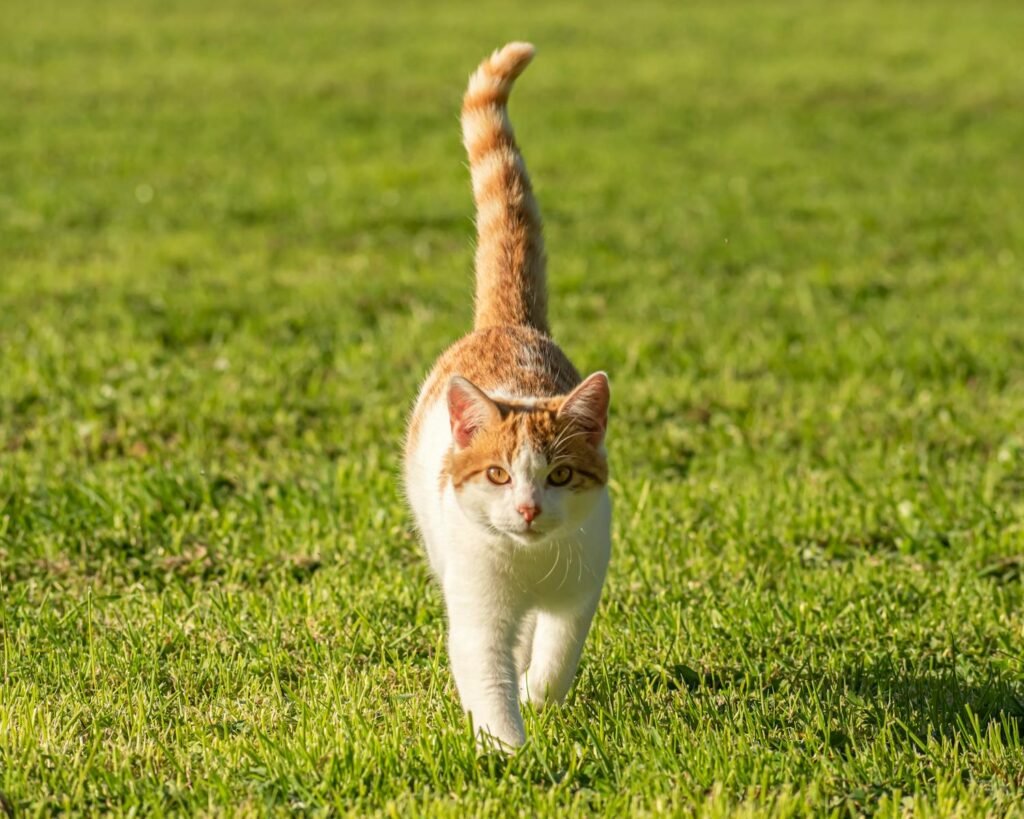
A tail held in the upright flagpole position shows a friendly intention, the feline equivalent of a wave, indicating familiarity, trust, and affection. Some cats also use an upright question mark shaped tail to greet someone they like, or to motion that they want to play. Every time your cat strolls toward you with their tail pointing straight at the ceiling, they are essentially waving hello. It is the feline version of running to the door with excitement.
If a cat uses their tail to wrap around your leg, or perhaps another cat’s tail, this is a sign of close affection. At a biological level, a cat’s tail includes scent glands, so the tail is being used to swap scents with the other creature. This is similar to head-pressing and cheek-rubbing, and it is as if the cat is petting you, in the same way as you pet them when you want to engage. A tail-hug from your cat is the feline equivalent of holding hands. Do not walk past that moment without acknowledging it.
Purring: More Complex and More Loving Than You Think
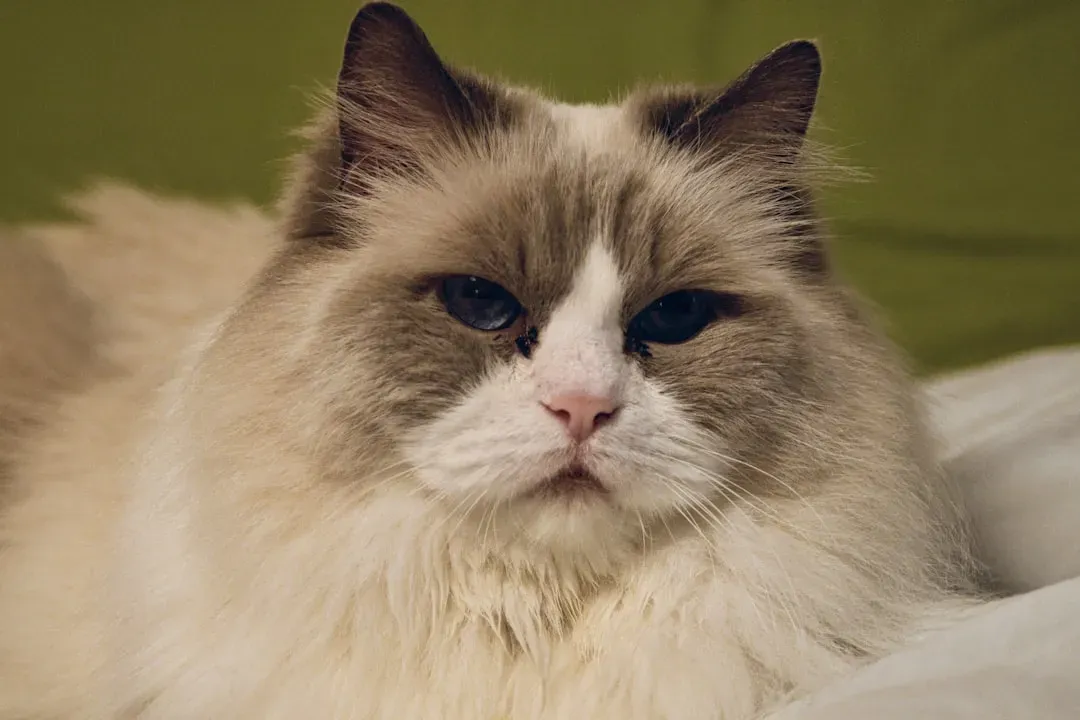
Purring is often associated with contentment and happiness in cats. While purring can indeed indicate happiness, cats may also purr in other situations, including when they are anxious, stressed, or in pain. Cats may purr as a self-soothing mechanism to alleviate stress or discomfort, or as a way to communicate with their human caregivers. This nuance matters. Understanding the full context of your cat’s purr helps you respond more meaningfully to what they actually need.
A cat’s purr can mean a variety of things from happiness to genuine concern. Cats use purrs as another form of communication with humans. In fact, many experts believe that a cat’s purr is a form of submission letting both people and other animals know they offer no sort of threat. When your cat settles next to you in the evening and starts vibrating like a tiny engine, they are communicating something real. Tune in. It is worth it.
Following You Around: Attachment, Not Annoyance
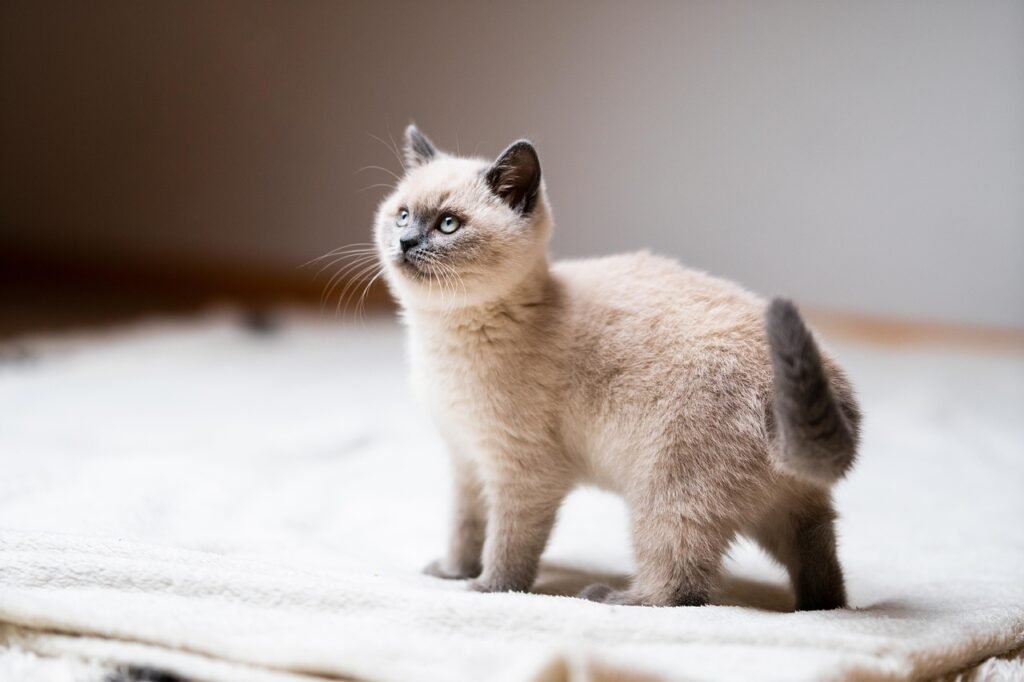
A cat who wants to be nearby may follow you from room to room. Even if he does not need to be in your lap or be touching you, the cat is displaying affection and attachment by choosing to share the space. You might find this mildly baffling, especially when they follow you into the bathroom. But here is the thing: proximity is love in cat culture. They are simply choosing your company over every other option available to them.
Many pet parents might find it odd that their cats follow them everywhere they go, even right into the bathroom. This just means that your cat wants to spend more time with you. A cat that enjoys your company and feels comfortable around you is going to follow you around the house and cling to you like glue. They just want you to know that they see you as a great companion. Still think your cat does not care about you? That shadow trailing you from room to room tells a very different story.
Grooming You: The Ultimate Trust Signal
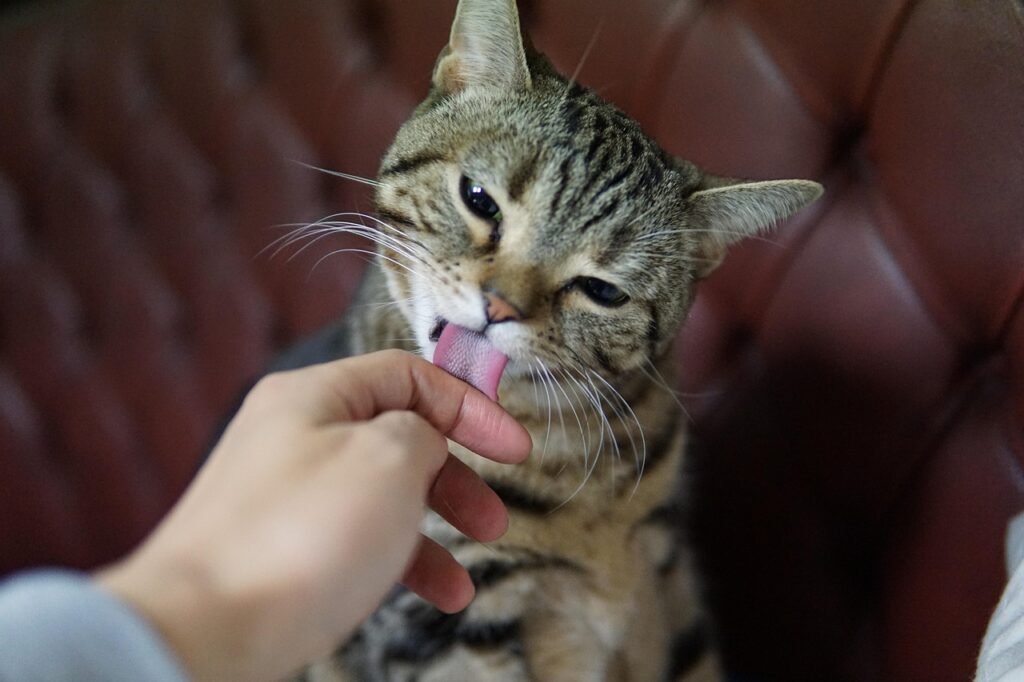
Cats who are bonded often engage in allogrooming. This mutual grooming helps combine scents and creates a familiar identity. Scent plays a vital role in recognition and belonging, and in outdoor life, this is of the utmost importance. When your cat grooms you, it is often a social behavior and an expression of a deep bond. Being groomed by your cat is not a random quirk. You have been admitted into their inner social group. That is a big deal.
If your cat licks your hand, hair, or even your clothing, they may be engaging in social grooming. In multi-cat households, grooming is a bonding behavior. When directed at a person, it is often a sign your cat considers you part of their social group. There is something deeply touching about a creature that could easily spend all its time in solitude choosing to tend to you instead. That sandpaper tongue on your forearm is affection in one of its purest forms.
Respecting Their Terms: The Key to a Deeper Bond
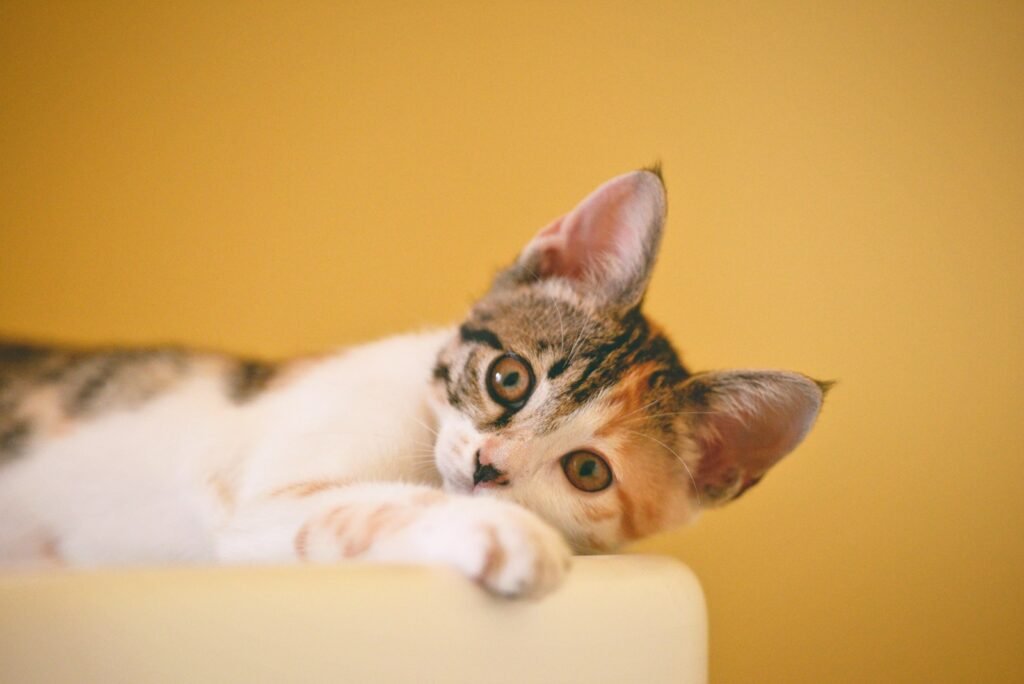
Cats tend to form close bonds with a small number of individuals rather than spreading affection widely. If your cat shows you specific behaviors they do not offer to others, that is often a sign you are one of their chosen few. Think about what that means. Your cat could reserve their trust for no one. Instead, they chose you. That is not aloofness. That is selectivity, and it is a compliment of the highest order.
Domestic cats are not universally anti-social. Rather, they are facultatively social, meaning that their social behavior is flexible and heavily influenced by their genetics, early development, and lifetime experiences. Meeting your cat where they are, rather than forcing interaction on your timeline, is where the magic happens. Your cat spends a great deal of effort getting to know you as a companion, so if you do the same, you increase your chances of having the relationship you have always wanted with your feline family member. Cats are marvelous communicators and your own kitty tells you so much through body language. Pay attention to your cat’s signals and you will help create a stronger, more trusting bond.
Conclusion
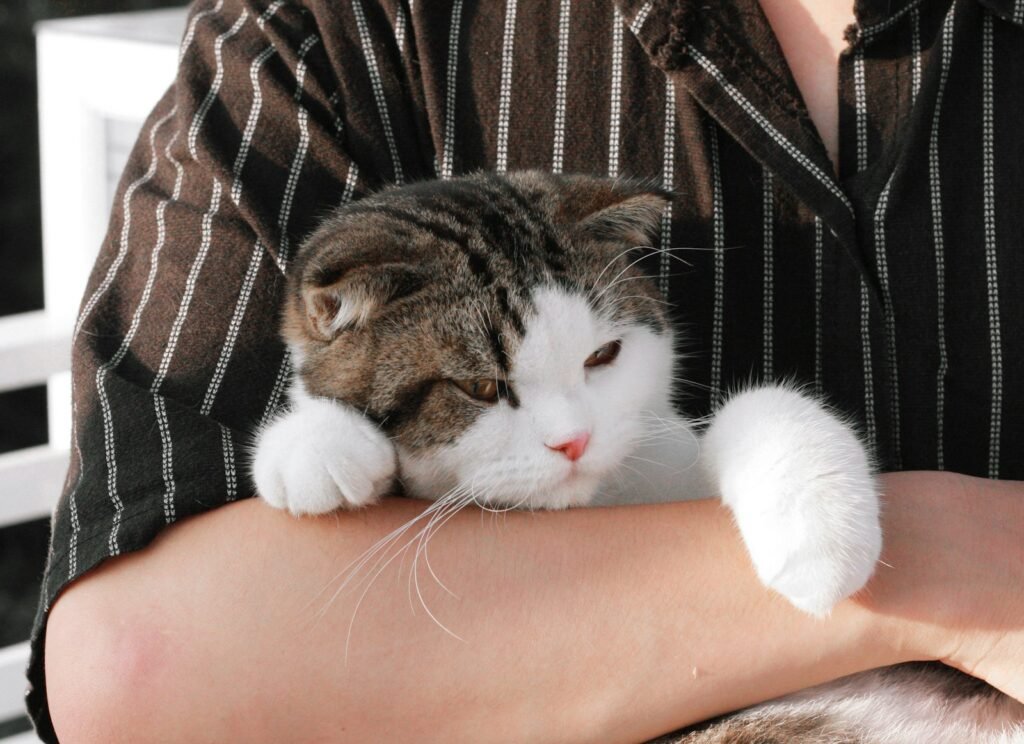
Cats do not love the way dogs love, and they certainly do not love the way humans love. Their affection is quieter, more deliberate, and honestly more earned. Every slow blink, every kneading session, every time they choose your chair over an empty room, they are telling you something important. The only question is whether you are listening.
Understanding your cat is not complicated. It just requires patience, curiosity, and a willingness to learn a language that was never designed to be obvious. Once you see it, you cannot unsee it. And something tells me that once you start noticing all the small, beautiful ways your cat says “I love you,” you will never think of them as aloof again.
Have you ever caught your cat expressing love in a way you had never noticed before? Share your experience in the comments. You might just help another cat owner finally understand what their feline has been trying to tell them all along.
Kristina is a young writer from India. An arts graduate and an avid content creator, Kristina is passionate about animals and wildlife. She enjoys exploring topics related to pet care, animal behavior, conservation, and nature, combining thorough research with engaging storytelling.