You’ve probably never looked at your cat lounging lazily in the afternoon sun and thought, “there goes my garden’s best security guard.” Yet, there’s a genuinely fascinating case to be made that your feline companion might be doing more for your outdoor space than you’ve ever given them credit for. From their stealthy hunting instincts to the invisible chemical signals they leave behind, cats operate in ways that go well beyond just looking pretty on your porch.
The question isn’t as straightforward as it might seem. Cats are complicated, wildly individual creatures. Some are obsessive hunters; others couldn’t care less about what’s scurrying through the flower beds. So before you fire your pest control company and hand your cat a badge, let’s really dig into what’s going on. Let’s dive in.
The Ancient Partnership Between Cats and Crop Protection
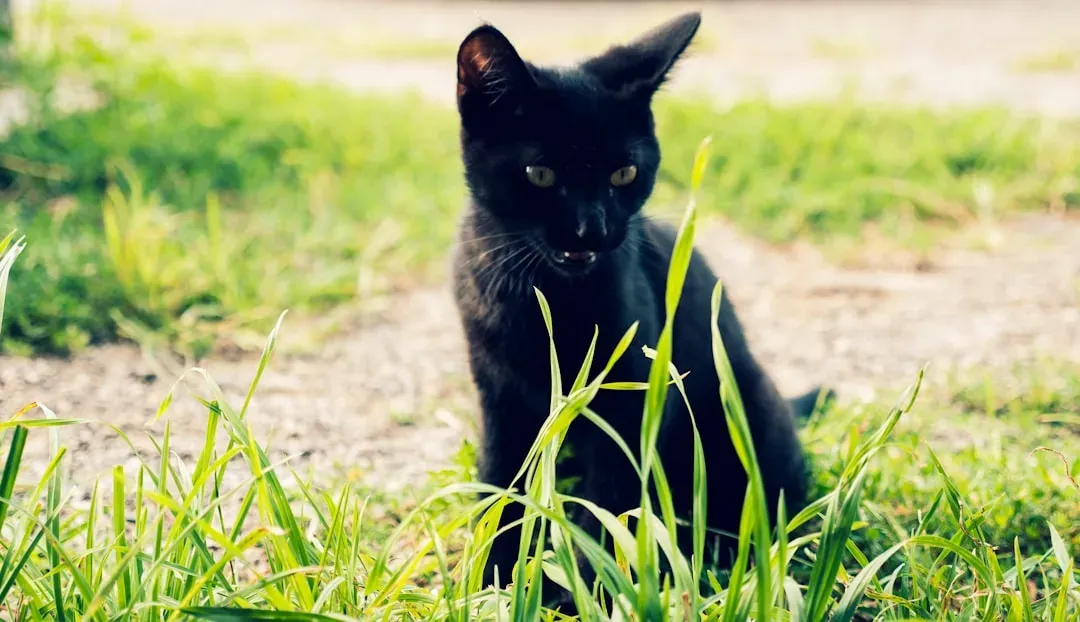
Let’s start at the very beginning, because honestly, this story goes back thousands of years. Cats were domesticated in Egypt more than 4,000 years ago, and in the United States, they were not brought in abundance until the late 1800s, when they were introduced to help control burgeoning rodent populations associated with agriculture. That’s not a coincidence. Farmers figured out early on that a cat patrolling the grain store was worth its weight in harvested wheat.
Across the United States today, programs are being established to encourage the adoption of feral or barn cats, utilizing these animals’ natural tendencies. The Barn Cat Program at the Lodi Animal Shelter in California is one clear example, where the shelter invites people and businesses to adopt stray cats to help manage rats on their property. So this isn’t just folklore. It’s an active, ongoing strategy that real gardeners and farmers still rely on in 2026.
Your Cat’s Hunting Instincts: Built-In Pest Patrol
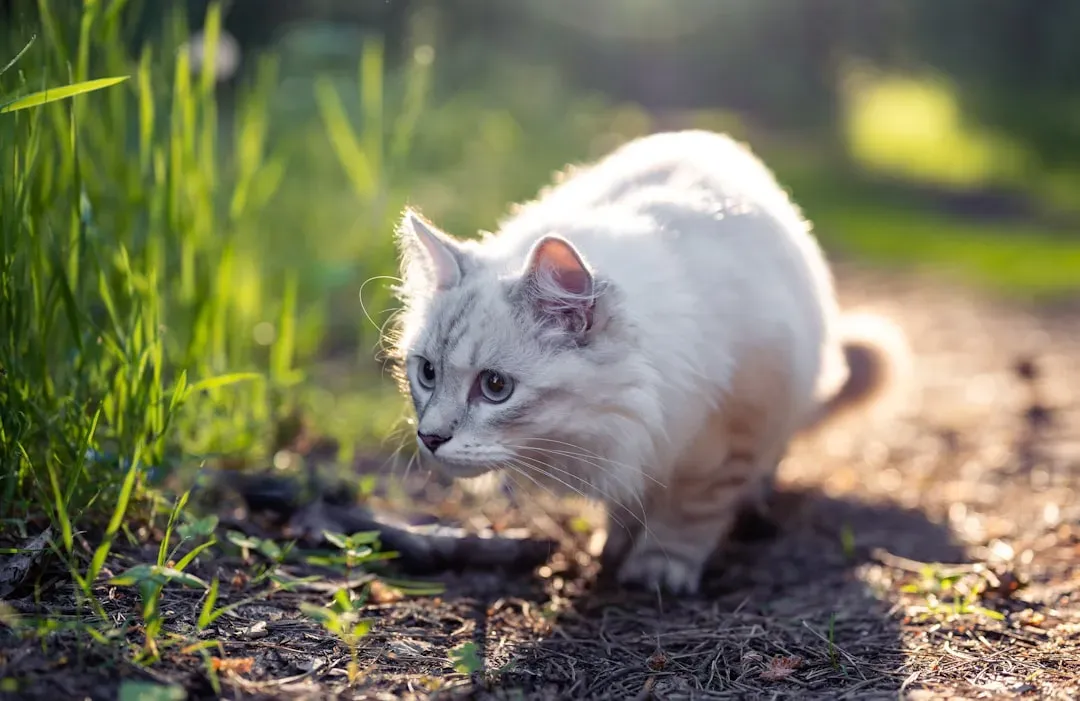
Cats are well known for their predatory instincts, and there is no denying that their hunting prowess is impressive. They are agile, stealthy, and equipped with sharp claws and teeth, which makes them a near-perfect combination for chasing down smaller creatures like mice and rats. This natural hunting behavior has led many to believe that cats are an ideal solution for keeping rodent populations in check. Think of them like a silent, self-motivated security system that also purrs.
Studies show that when cats do hunt, rodents and insects are the prey they hunt and consume most often. Cats are far more efficient hunters when they sit and wait for prey outside a rodent burrow than when they stalk and pounce, and as opportunistic feeders, they are more likely to sit and wait to catch rodents than take their chances chasing birds who can easily spot them and fly away. That patient, ambush-style approach is surprisingly effective right at the edge of your vegetable patch.
The Fear Factor: How Just Your Cat’s Presence Deters Pests
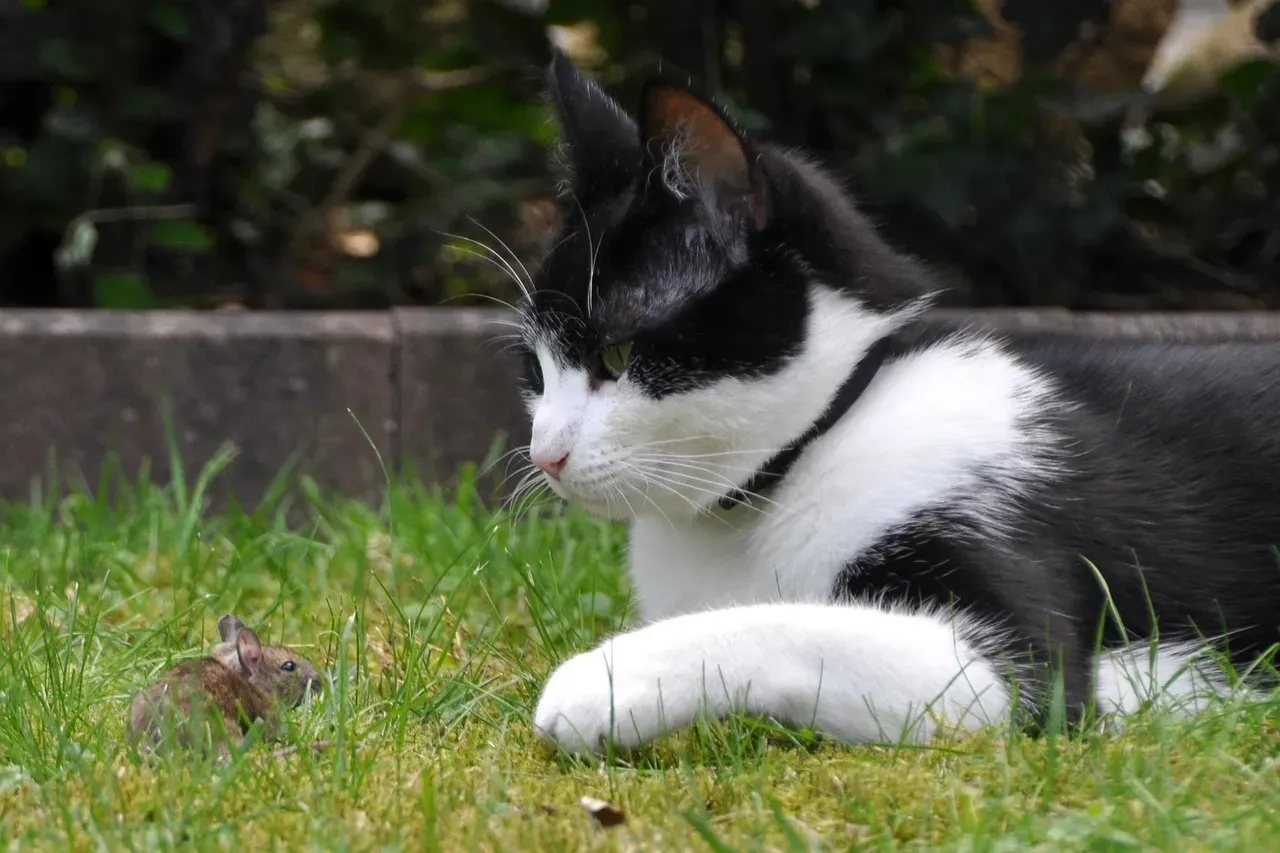
Here’s something that genuinely surprised me when I first came across it. Research shows that just the smell of cats in and around your home deters mice and other rodents, and this remains true even if your cat stays indoors all year. You don’t even need your cat to be physically outside doing anything. Their mere existence in your space creates a chemical message that rodents pick up loud and clear.
Scientists have isolated a class of proteins found in cat urine and secretions known as major urinary proteins (MUPs), which are secreted by cats, snakes, and a variety of other predators. These proteins elicit the same fear response in mice as the whole predator scent. It’s essentially a biological alarm system, and your cat broadcasts it constantly without even trying. Imagine living next door to a lion. You’d probably relocate, too.
What the Science Actually Says About Cats and Rodent Control
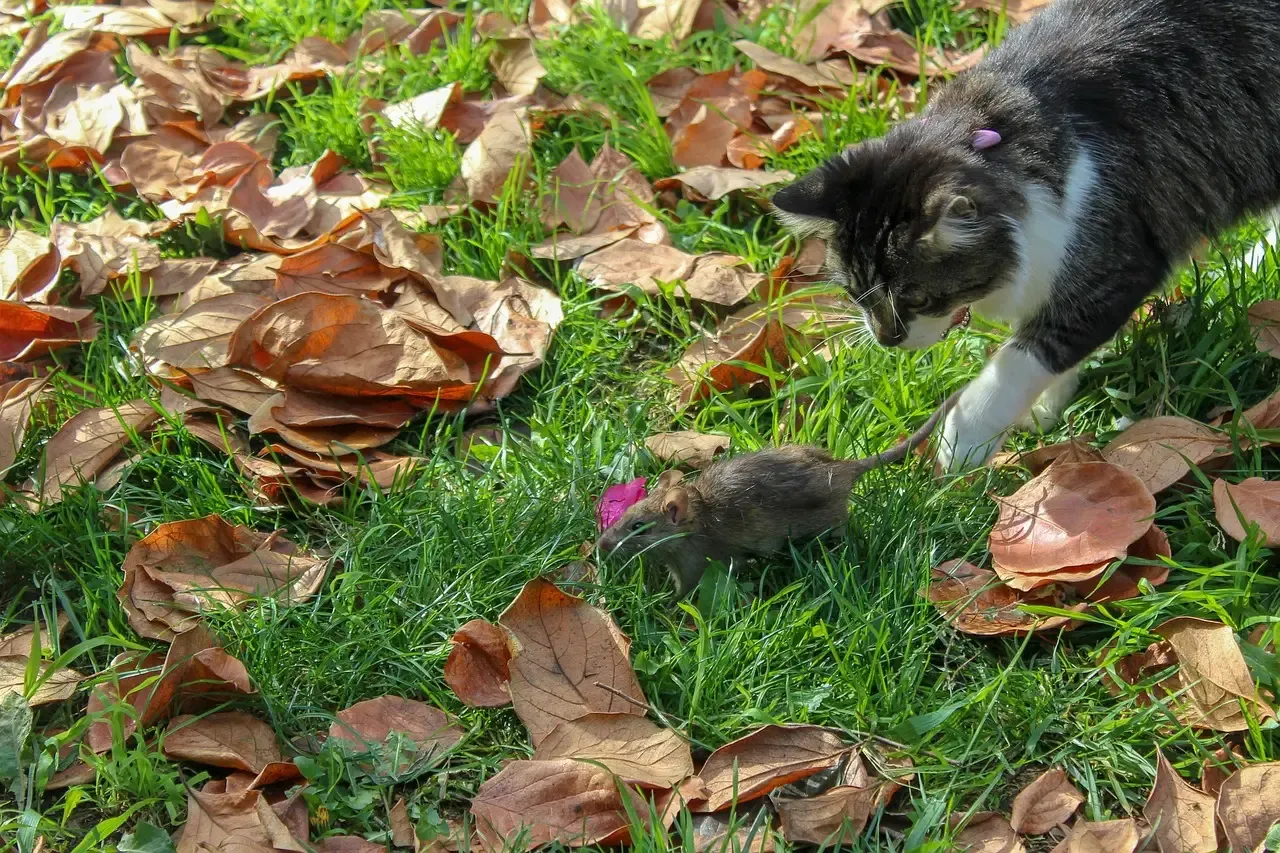
Now, I want to be real with you here, because the science is a little more nuanced than the romantic idea of your cat single-handedly defending your garden. Using domestic predators such as cats to control rodent pest problems around farms and homesteads is common across the world, however, practical scientific evidence on the impact of such biological control in agricultural settings is often lacking. It’s worth knowing this upfront.
Research found that the presence of cats and dogs at the same homestead significantly reduced rodent activity and increased the perception of foraging cost among pest rodent species. However, if only cats or dogs alone were present, there was no observed difference in rodent foraging activity compared to homesteads with neither cats nor dogs. So here’s the thing: your cat works better as part of a team. A cat plus a dog appears to create a much more convincing landscape of fear for garden pests than either animal alone.
Cats as Insect Hunters: The Overlooked Benefit
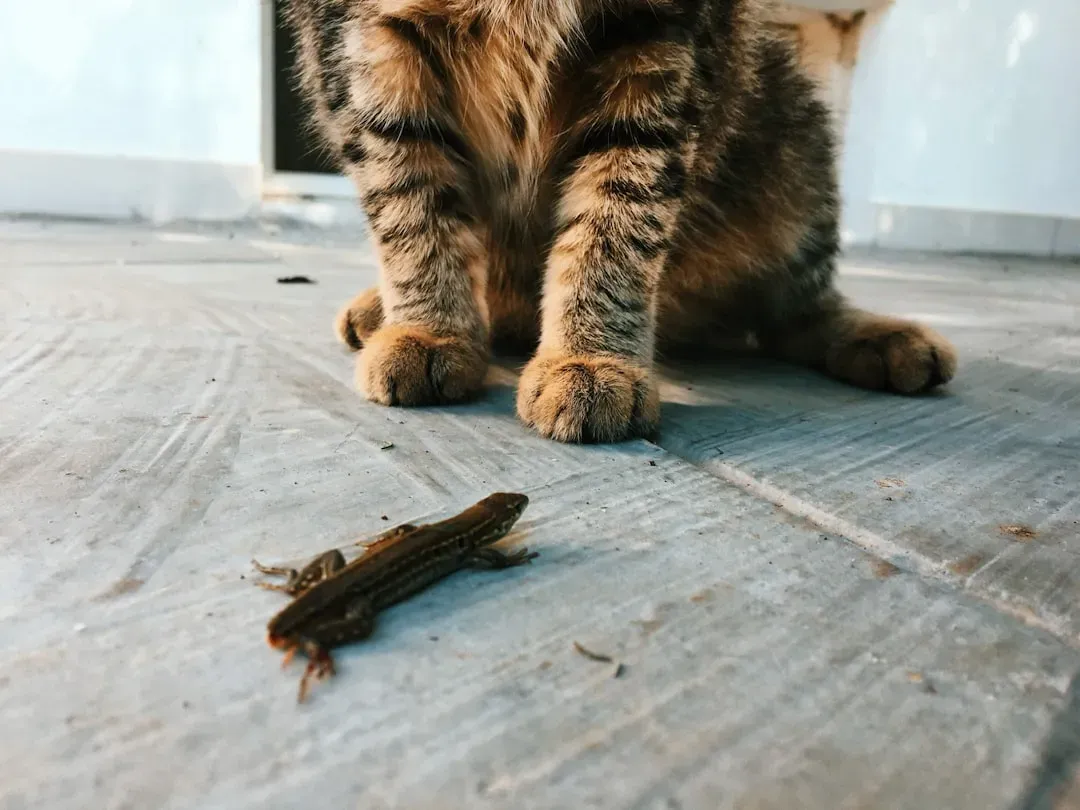
Most people focus on rodents when they think about cats and pest control, but your cat is quietly doing something else that rarely gets the credit it deserves. Cats are also great at noticing insects and will sometimes knock them out of the air and kill them, and they can at least alert you to insect activity you might have missed. That frantic paw-swatting at something invisible that you’ve witnessed a thousand times? That’s your cat working overtime.
If your cat is fixated on something in your home or garden, it is probably a mouse or a bug. Your cat is a great security guard in the fight against pests, alerting you to mouse and insect activity, and possibly even deterring mice from living nearby. Think of it this way: your cat is a living early-warning system. Even when they are not actually hunting, they are pointing you toward problems you might never have spotted on your own.
The Scent Territory Effect on Your Garden
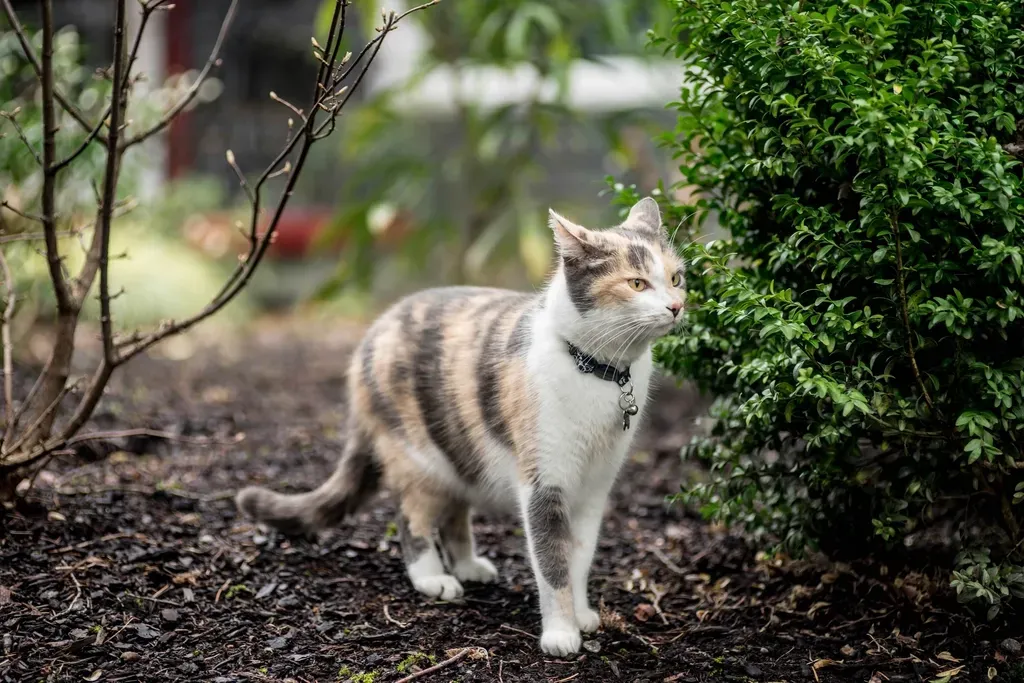
It is the law of the wild that prey avoids predator, and scent plays a critical role in this dynamic. Predators usually mark their territory with urine, and animals they prey upon learn to keep their distance from this fragrance. Your cat does this naturally every time they patrol your yard. It is one of those background processes that happens completely without your involvement, like a Wi-Fi signal you never see but always benefit from.
Rodents have the potential to breed quickly and infest crops leading to serious economic damage, which is why research scientists have conducted tests to find out how effective cat urine is in deterring rodents. Cat litter, specifically that used by a predator like a cat, can deter rodents from entering an area, as the scent of cat urine can simulate the presence of a predator, deterring mice and rats. The biological chemistry at play is genuinely fascinating, and it costs you nothing extra.
The Flip Side: When Your Cat Becomes a Garden Problem
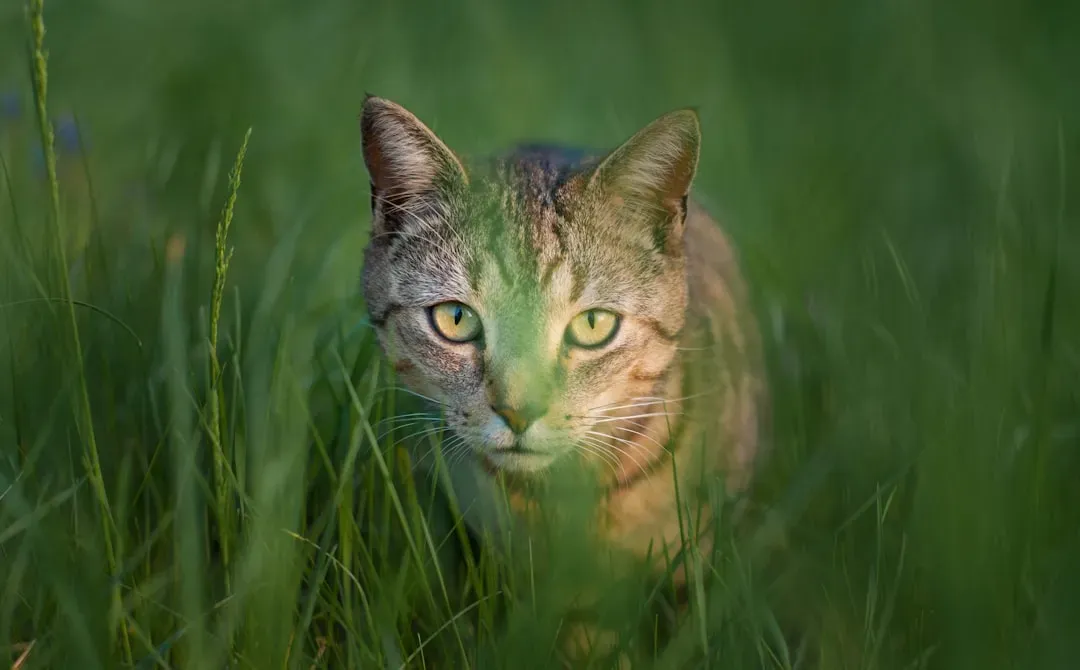
Honestly, it would be unfair to write this article without addressing the other side of the story. Cats are generalist predators that hunt a broad range of prey including mammals, birds, fish, reptiles, amphibians, and invertebrates. One study in Italy found that cats returned 207 different species of prey, while another in Great Britain found cats were hunting 20 different species of mammal, 44 species of bird, four reptile species, and three species of amphibian. That’s not just pest control. That’s indiscriminate hunting on a serious scale.
While bird baths and feeders can make your garden a great place for wildlife, they can also attract cats, which may hunt the birds you want to protect, and this predation disrupts natural food chains and can lead to local ecosystem imbalances. Birds are absolutely critical to the health of functional ecosystems, serving as pollinators, insect controllers, fertilizers, and seed distributors, among many other important functions. So in trying to solve a rodent problem, you might inadvertently be creating a different kind of ecological headache. It’s a genuine trade-off that every cat owner should think carefully about.
How to Maximize Your Cat’s Protective Role Responsibly
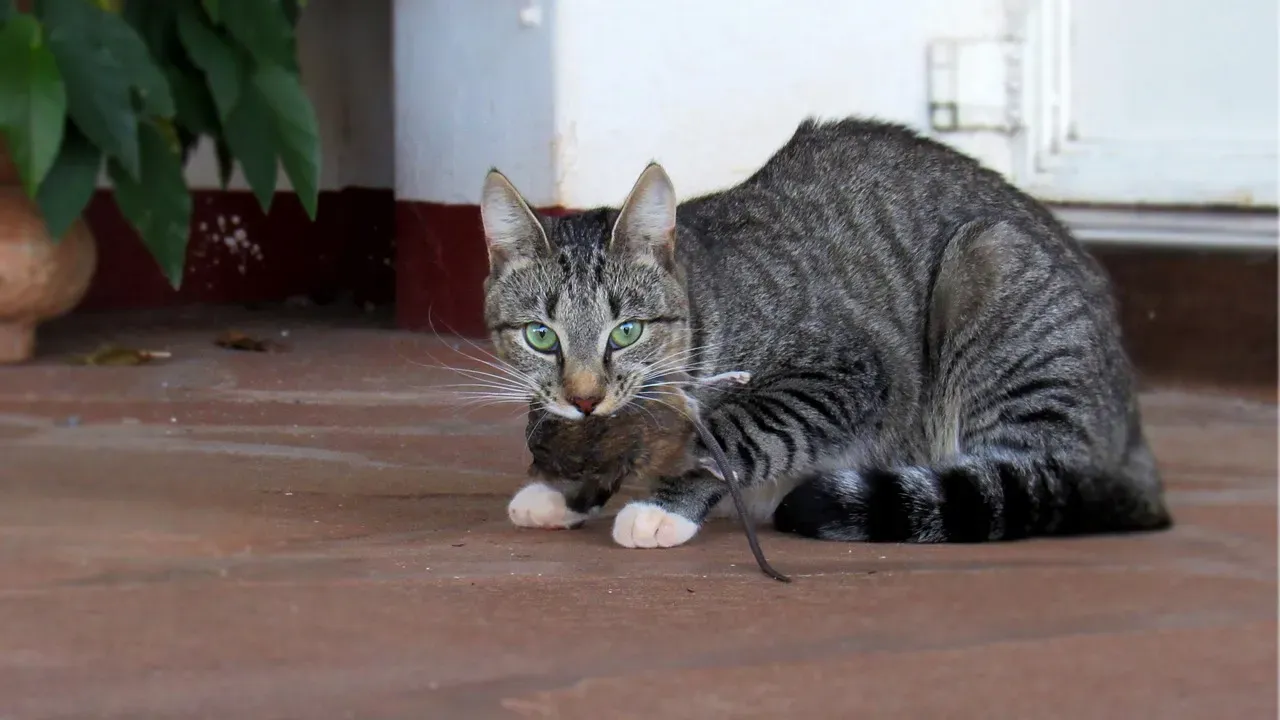
While cats can indeed play a role in keeping rodent populations in check, relying solely on them may not guarantee complete eradication. Homeowners should consider a multi-faceted approach, combining the natural hunting instincts of cats with other pest control strategies for a more thorough and reliable solution to rodent-related issues. Your cat is a powerful tool in the garden ecosystem, but tools work best when combined thoughtfully.
Cats that have lived outdoors are generally better at hunting mice. While not all housecats are good mouse hunters, they can still deter mouse activity with their pheromones. It is also worth considering specially designed collars to reduce wildlife impact. If widely adopted by cat owners, certain collar designs could prevent hundreds of millions, perhaps billions, of bird deaths each year in the US alone, and these collars do not inhibit a cat’s ability to successfully hunt rodents. That’s a solution that keeps your cat useful as a pest deterrent while protecting the birds and beneficial wildlife your garden truly needs.
Conclusion: Your Cat Is More Than a Companion
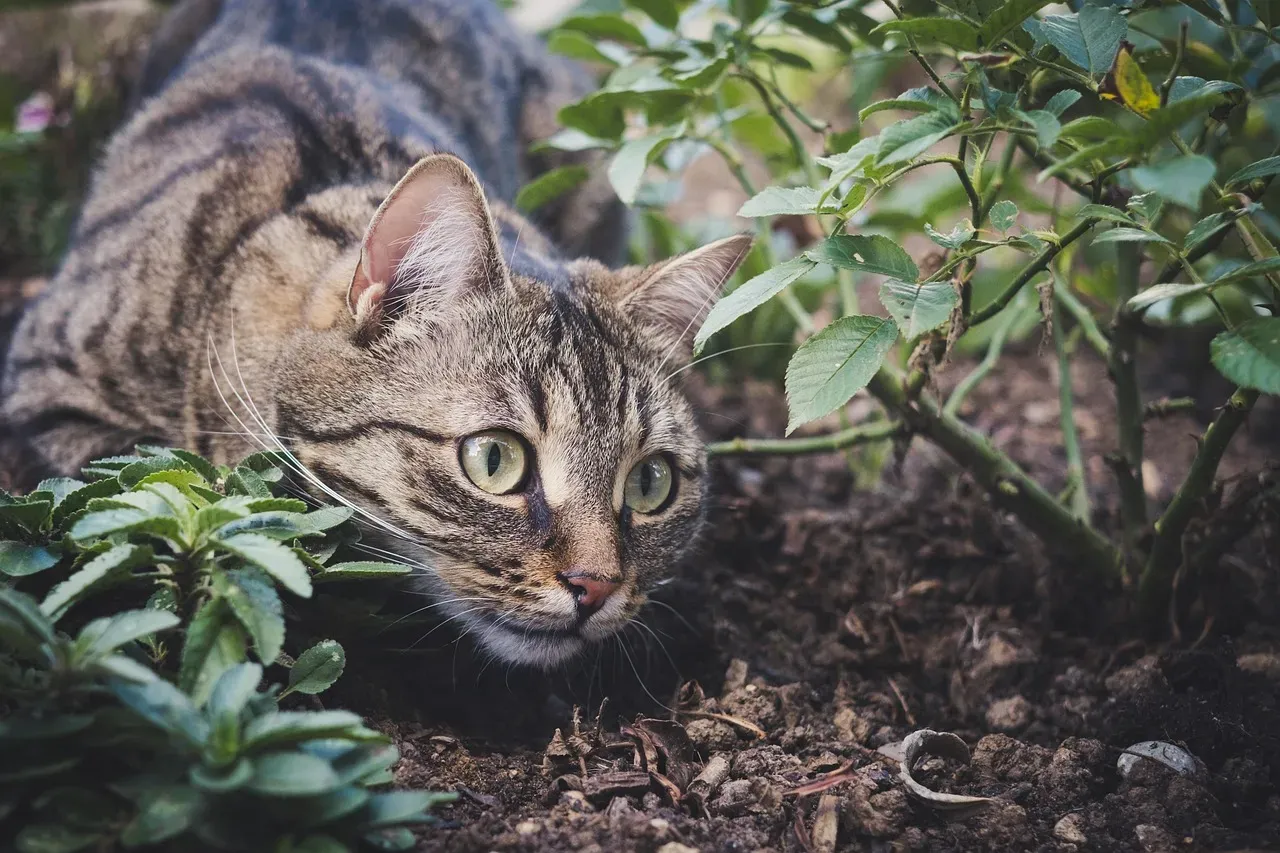
So, The answer is a resounding, if somewhat complicated, yes. From broadcasting fear-inducing chemical signals that send mice packing, to actively hunting insects and small rodents that would otherwise devastate your plants, your cat is doing quiet, effective work that often goes completely unnoticed. It’s not a perfect system, and there are real trade-offs to consider, but the biology is genuinely impressive.
The wisest approach is to treat your cat as one part of a broader garden strategy rather than your only defense. Keep them active, let them patrol, consider responsible measures to protect garden-friendly birds, and pair their natural instincts with other smart pest prevention habits. Your cat is not just a companion soaking up sunbeams. They might just be the most natural, low-maintenance pest deterrent you never knew you had.
Next time your cat stares intensely at a patch of garden soil for ten full minutes, maybe don’t roll your eyes. Maybe just say thank you. Have you ever noticed your cat acting strangely around a part of your garden, only to later discover something lurking there? Tell us in the comments below.
Kristina is a young writer from India. An arts graduate and an avid content creator, Kristina is passionate about animals and wildlife. She enjoys exploring topics related to pet care, animal behavior, conservation, and nature, combining thorough research with engaging storytelling.