Most people assume their cat is perfectly happy lounging around all day, blissfully napping in a sunbeam without a care in the world. After all, isn’t that just what cats do? Well, here’s a thought worth sitting with: your cat might actually be bored out of their mind, and they’ve been trying to tell you for weeks.
Cats are naturally intelligent, curious, and athletic hunters that require plenty of mental and physical stimulation. Without proper outlets for those instincts, things can go sideways fast. The tricky part is knowing what to actually look for. Let’s dive in.
Why Cat Boredom Is More Serious Than You Think
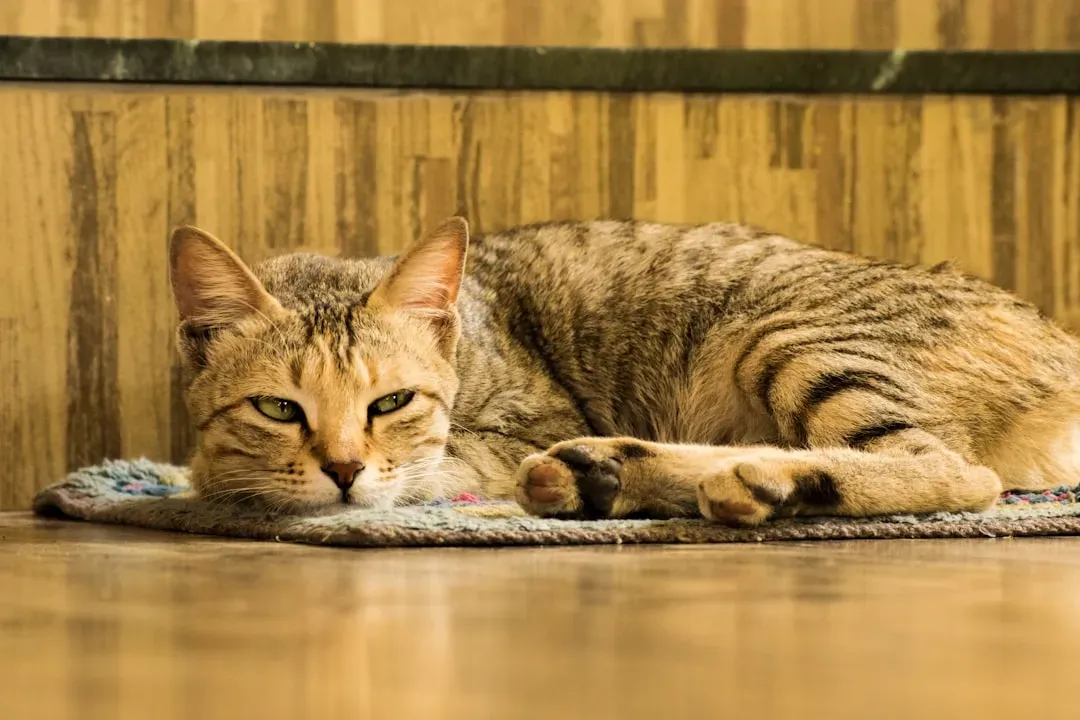
You might be tempted to brush off the idea of a bored cat as something trivial. Honestly, many cat owners do. But the reality is that boredom isn’t just an inconvenience for your feline – it’s a genuine welfare concern.
Indoor cats, especially those without regular play sessions or interactive toys, can suffer from mental stagnation, and this lack of engagement may affect their physical health over time, leading to weight gain or anxiety-related issues. Think of it like leaving a highly intelligent child in an empty room all day with nothing to do. Something is bound to give.
The effects of boredom on a cat range from emotional to physical. On the health side of things, boredom and a lack of activity can lead to weight gain, increasing the chance of diabetes, arthritis, and heart disease. Chronic stress may also weaken a cat’s immune system, making it more likely that they get sick. So yes, this really matters.
Your Cat Sleeps Even More Than Usual
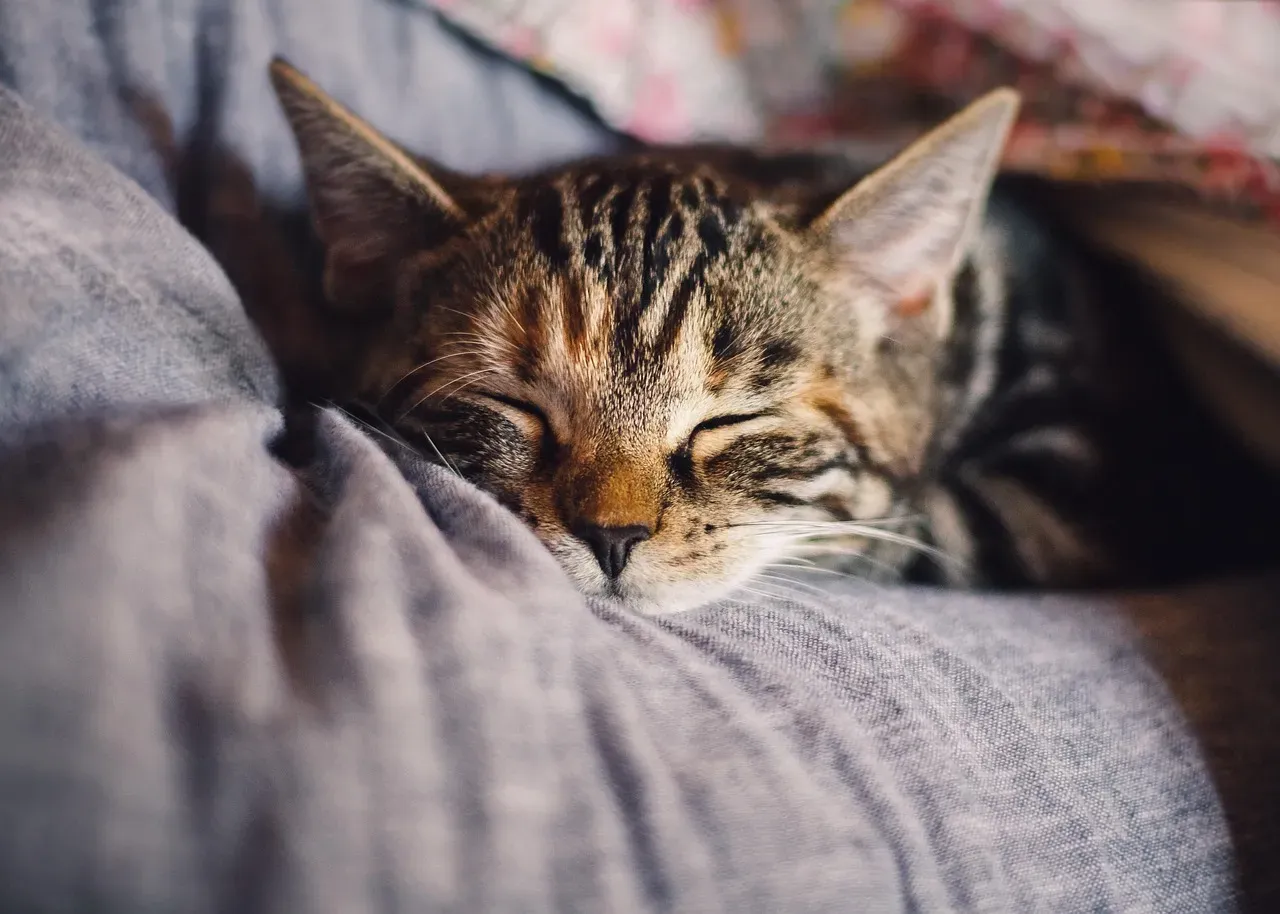
Cats, on average, will spend up to 15 hours a day napping, so catching your cat mid-nap is not uncommon. That much you probably already knew. The line between normal and worrying, though, can be surprisingly thin.
While it’s normal for cats to sleep for extended periods, excessive sleep can be a sign of boredom. Cats sleep to pass the time when they lack stimulation. So if your cat seems to do absolutely nothing but nap from morning to night, day after day, with zero bursts of curiosity or play, that’s your cue to pay closer attention.
They Start Meowing Excessively or Crying Out
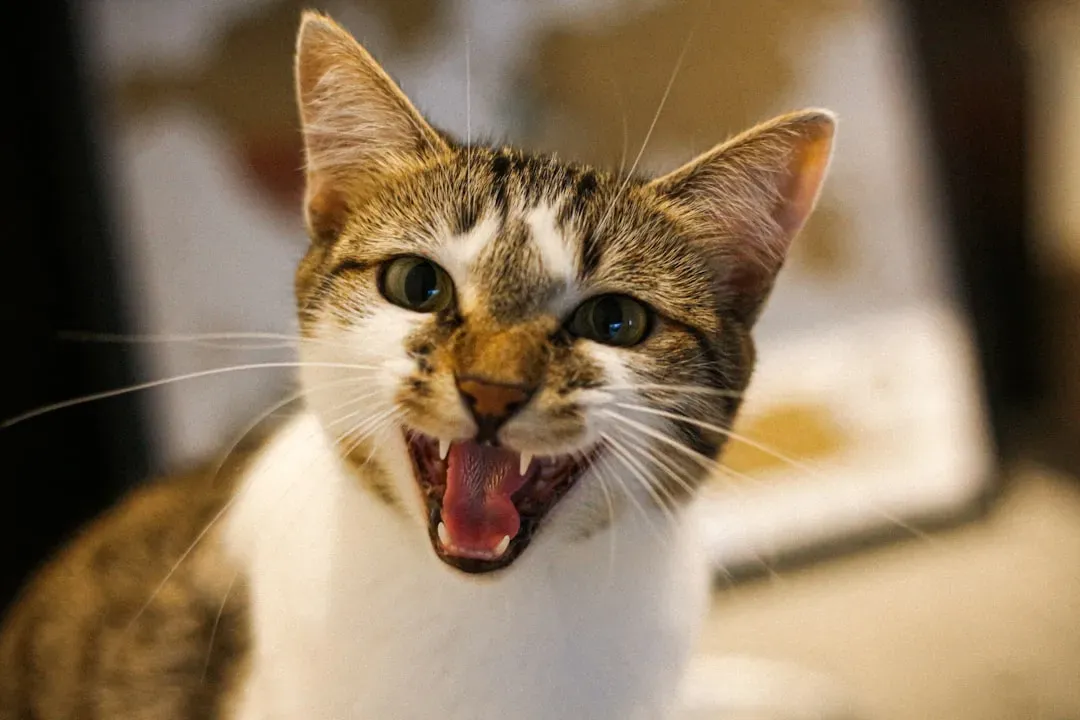
Your cat may literally cry out for attention if they’re bored. Excessive meowing and howling is them expressing their frustration and trying to get you to entertain them. It’s a bit like a toddler tugging at your sleeve nonstop – the message is pretty clear once you know what you’re listening for.
Another way to tell if your cat is bored is if they start “talking” more. Cats generally meow to get attention because they’ve learned that certain sounds get human attention. If your cat is vocalizing more often than normal, particularly making long, drawn-out cries, they may be trying to get you to interact with them. Don’t just ignore it – try engaging your cat with a short play session and see if it helps.
Destructive Behavior Around the House
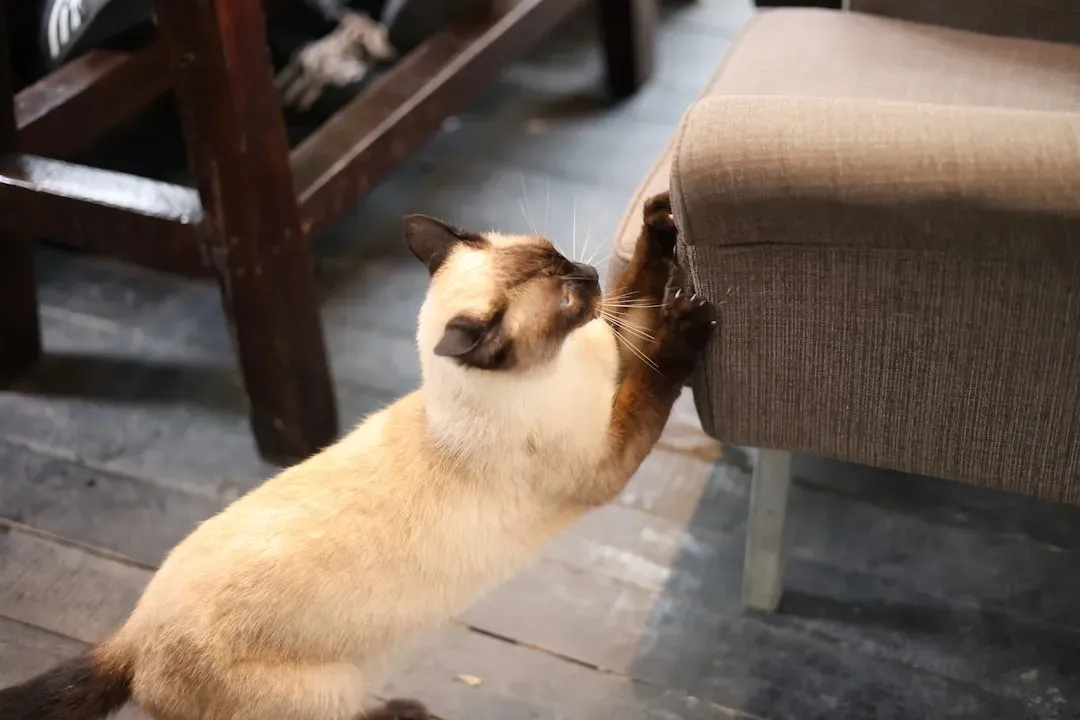
If your cat has begun indulging in destructive behavior, they are likely suffering from boredom. Without enough activity to release all their energy, cats will resort to finding other ways to entertain themselves. Unfortunately, this could take the form of scratching your furniture, carpet, or rugs. They might also delight in climbing up and damaging your curtains.
Has your cat been scratching your couch and gnawing on your chair legs every time you leave the house? They may be bored. This kind of behavior isn’t your cat being spiteful or naughty. It’s actually a very logical response to having nothing better to do. Think about it: if you were cooped up with zero entertainment, you’d probably redecorate the walls too.
Overgrooming and Compulsive Licking
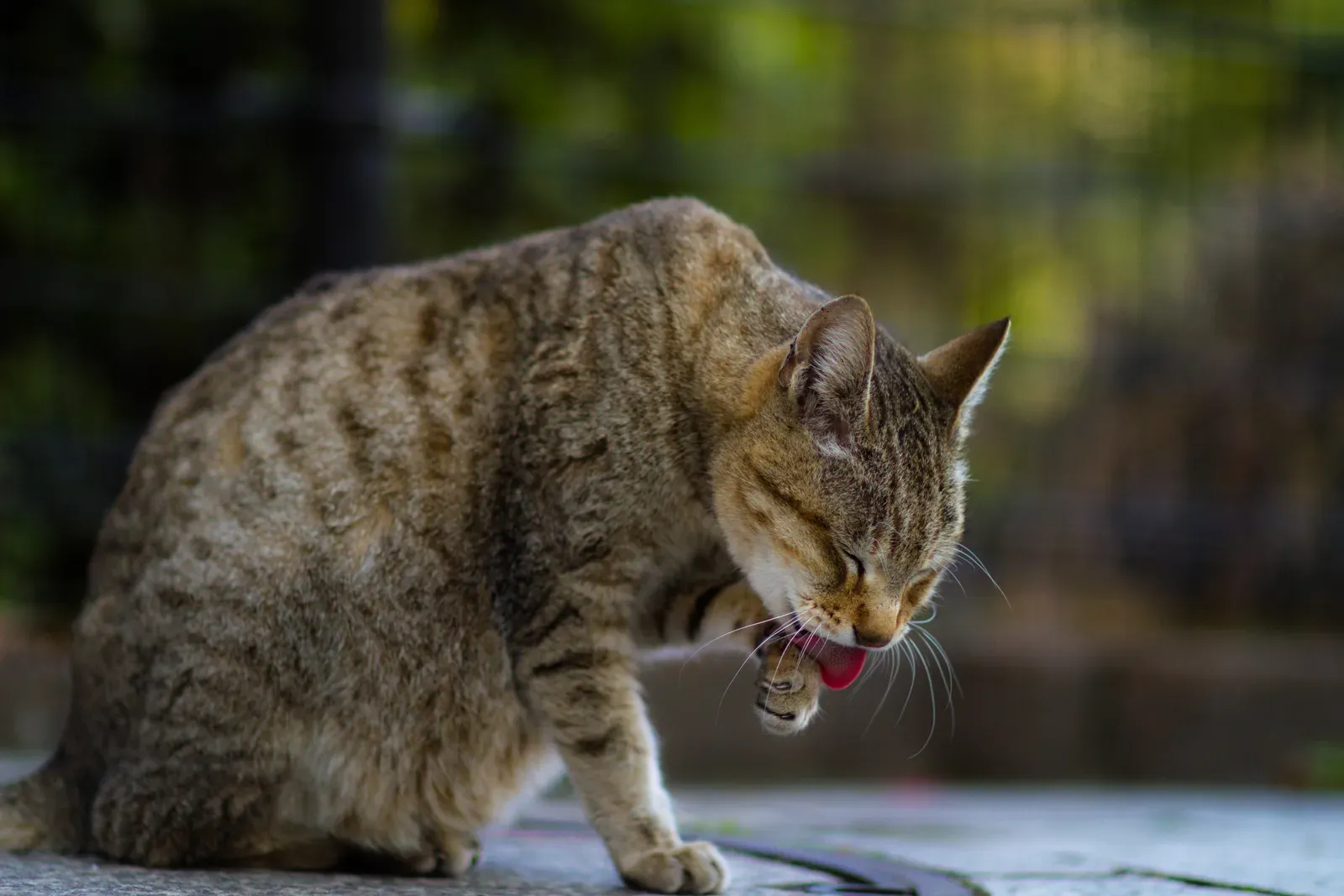
Bored cats may constantly lick and clean themselves to the point of creating bald patches or skin irritation. Cats often resort to this excessive grooming in order to self-soothe when they are understimulated. It’s essentially a coping mechanism, which makes it both sad and telling.
Overgrooming arises from feelings of stress, frustration, and boredom. Cats will lick, chew, and pull at their fur and skin, leading to alopecia (hair loss), and irritation and inflammation of the skin. If you notice thinning patches or reddened skin on your cat, a vet visit is strongly advised, as skin allergies can look similar. The important thing is not to assume it’s harmless without checking.
Unusual Aggression or Sudden Irritability
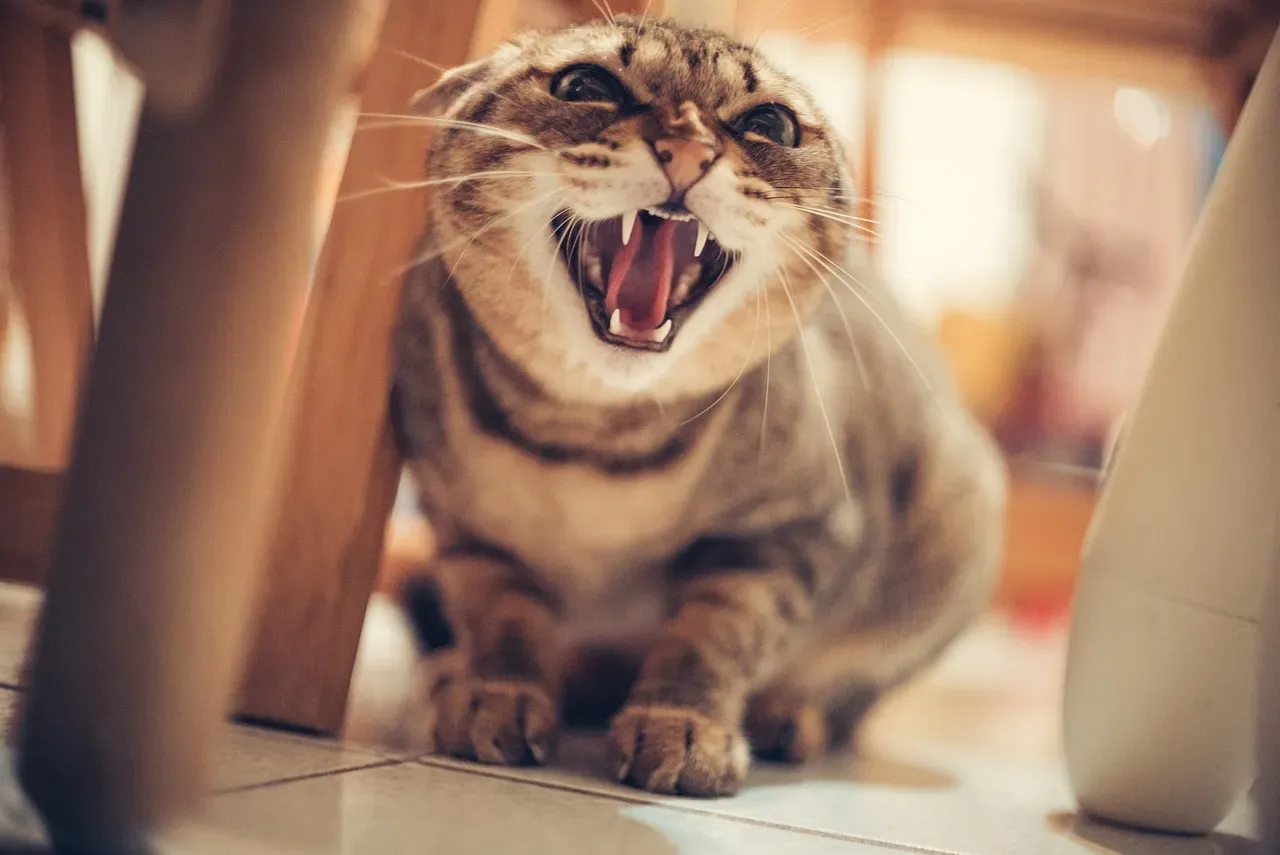
A bored cat likely has pent-up energy that will cause them to become aggressive and lash out at other pets or family members. This can catch you completely off guard, especially if your cat has always been gentle. One moment they’re sitting peacefully next to you, and the next they’re biting your hand for no obvious reason.
A common sign of boredom can be cat aggression towards other animals. This can be in the form of fighting, chasing, or getting into trouble with other animals, whether they are feline, or canine. It may be that your cat is trying to find engagement and stimulation wherever possible. Boredom-fueled aggression isn’t personal. It’s simply a frustrated animal looking for any kind of outlet.
Overeating or a Sudden Change in Appetite
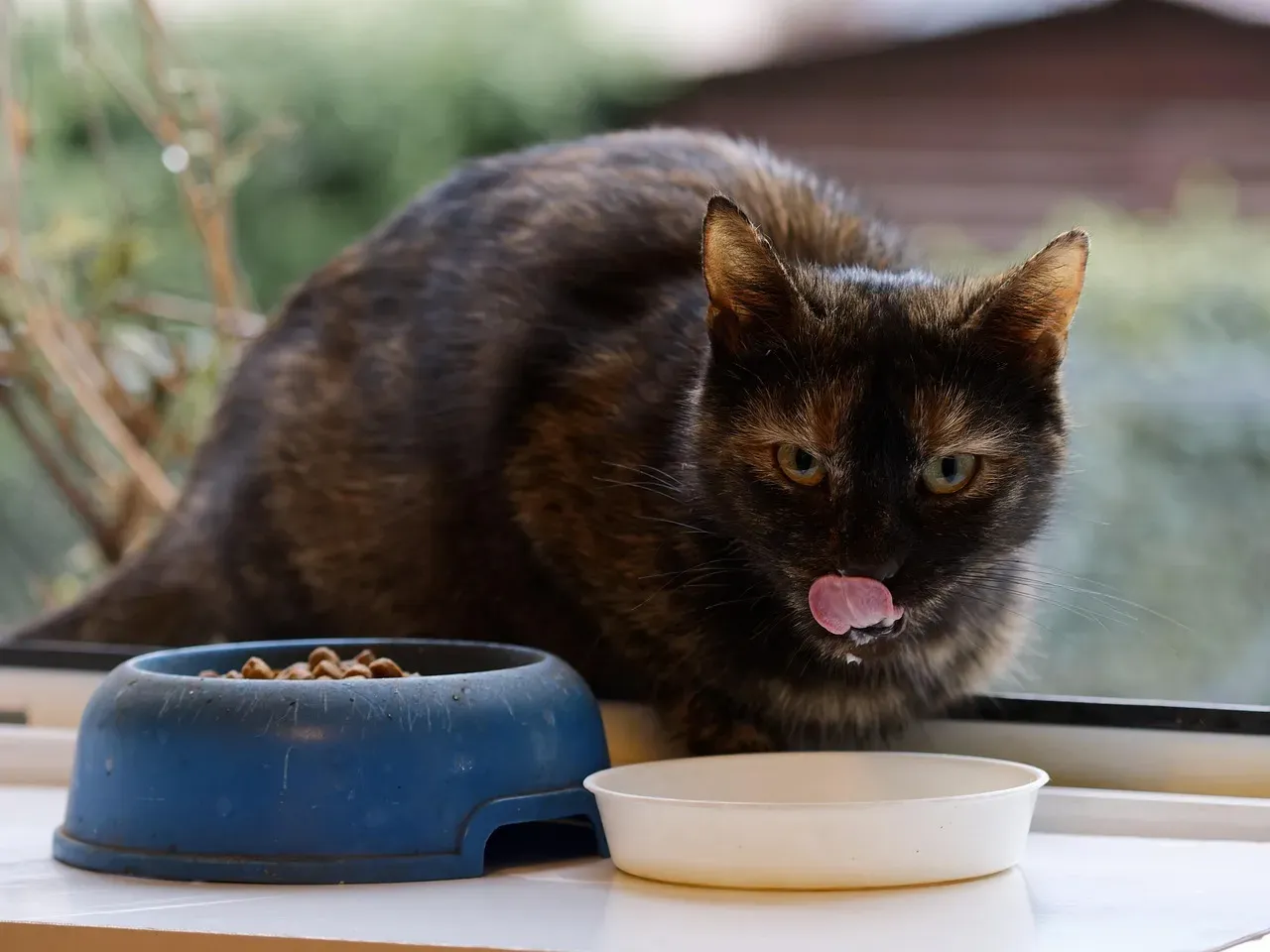
Bored cats will often eat more than usual, as there is not much else to do. This in turn, alongside reduced physical activity, can lead to weight gain and all the health issues associated with it, from joint issues, urinary problems, breathing problems, and many more. Sound familiar? Honestly, stressed-out or bored humans do the exact same thing – reaching for snacks as a substitute for stimulation.
Boredom can also affect a cat’s eating habits. Some cats may eat more than usual as a way to combat boredom, while others may lose interest in food altogether. Changes in appetite can be an indication of their emotional state. Either extreme – eating too much or too little – warrants a conversation with your vet to rule out any medical causes first.
Pacing, Restlessness, and the Infamous “Zoomies”
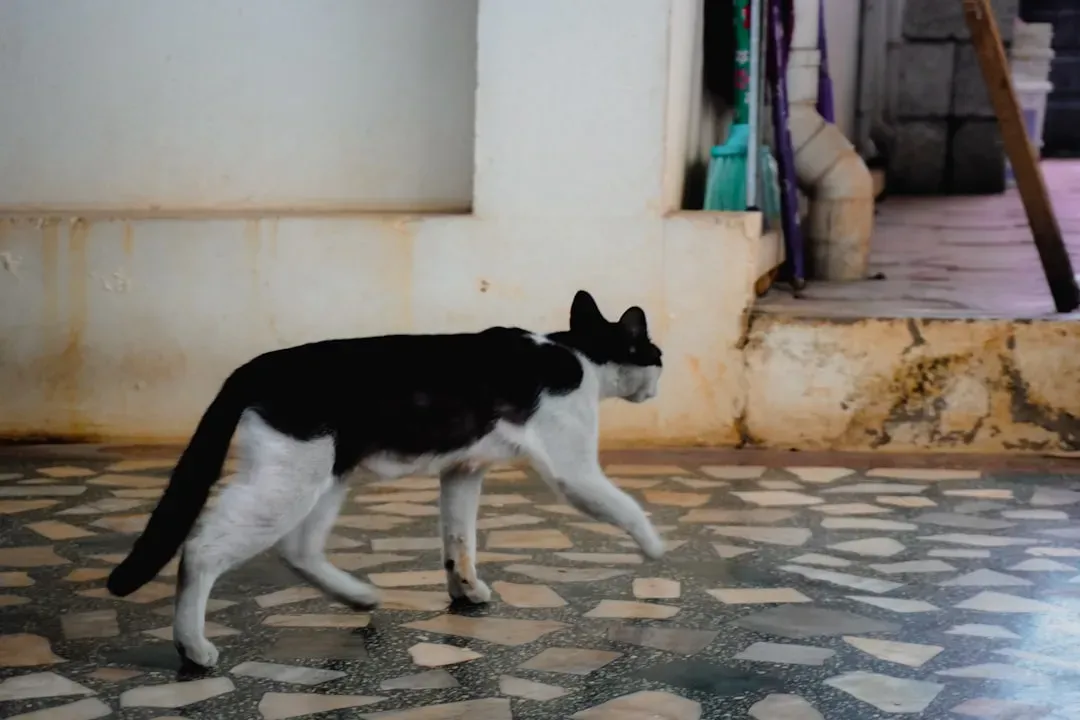
Aimless pacing is not typical cat behavior and could be a sign of boredom. A bored cat that is not provided with enough opportunities to play and exercise might turn to pacing relentlessly back and forth. This kind of repetitive movement signals that your cat’s brain is desperately seeking input – like a browser with too many tabs open and nothing loading.
Zoomies refer to sudden, intense bursts of energy in cats, often marked by sprinting, jumping, and playful antics around the home. These energetic episodes can occur at random and may be triggered by pent-up excitement, stress relief, or physical exercise needs. While they sometimes indicate boredom when a cat lacks mental or physical stimulation, zoomies also appear after meals, naps, or bathroom breaks, so they aren’t always boredom-driven. Context is everything here.
Loss of Curiosity and Disinterest in Play
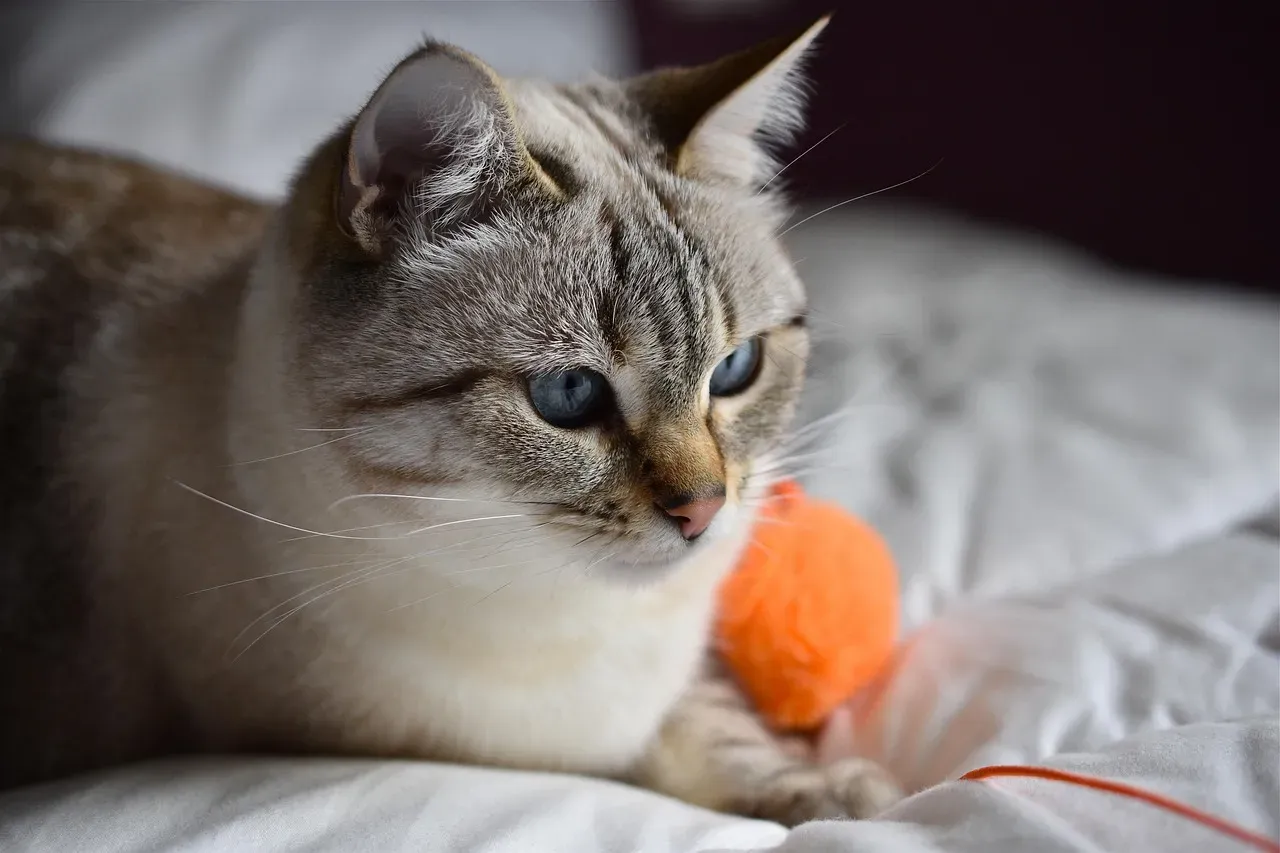
Cats are naturally curious animals. They are constantly monitoring their territory – they look out the window, watch you in the shower, inspect shopping bags, and explore new items. If your cat no longer has this natural curiosity and does nothing but sleep and eat, this should alert you. That spark of inquisitiveness is essentially the hallmark of a healthy, engaged cat.
Cats require a variety of toys to keep them mentally and physically engaged. If your cat shows disinterest or indifference towards their toys, or they lose interest in playtime altogether, it could be a sign of boredom. Try rotating different types of toys regularly or introducing something new entirely. Sometimes all it takes is a crinkly ball or a feather wand to bring a cat back to life.
Attention-Seeking Behavior That Seems Out of Character
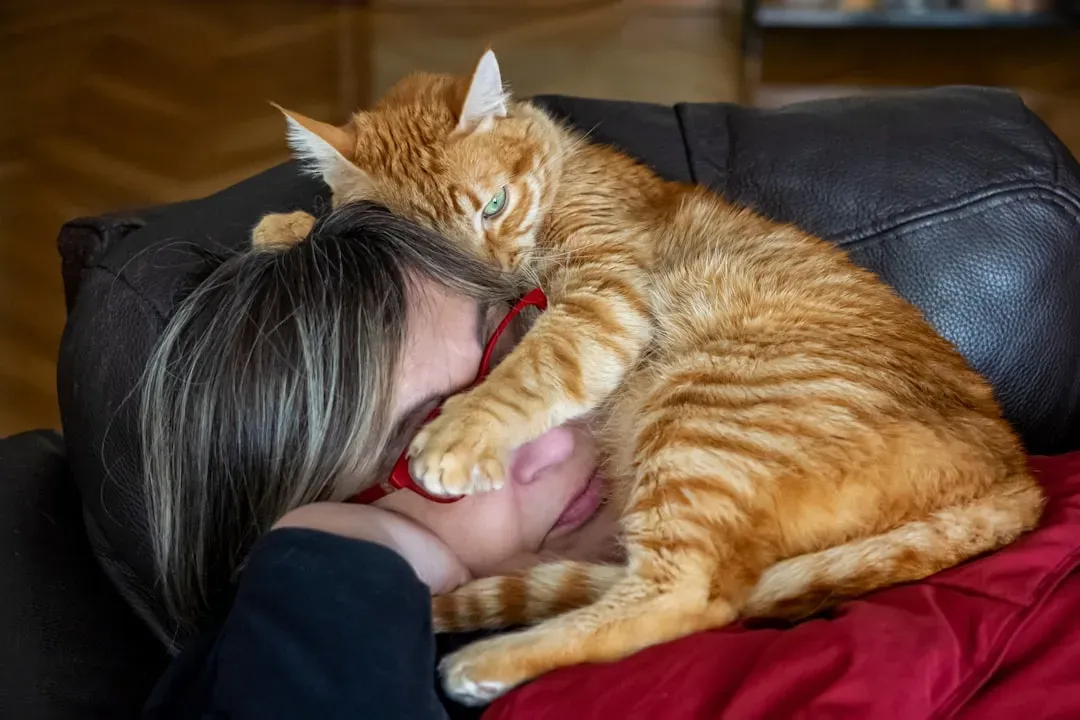
Cats may resort to attention-seeking behaviors like pawing at you, climbing on your lap incessantly, or demanding constant petting when they are bored. They are seeking interaction and stimulation from their human companions. This one actually surprises a lot of people, especially those who think of their cat as fiercely independent.
Studies have shown that cats build very strong bonds with their pet parents. If you notice your cat is becoming extra clingy and wanting more of your attention, they could be trying to tell you they are bored. As you are their favorite person, building a strong social bond with you is important to their well-being and taps into their natural feline desires to be sociable. So the next time your cat won’t leave you alone, instead of being mildly annoyed, consider it an invitation to connect.
A Final Word: Listen to What Your Cat Is Telling You
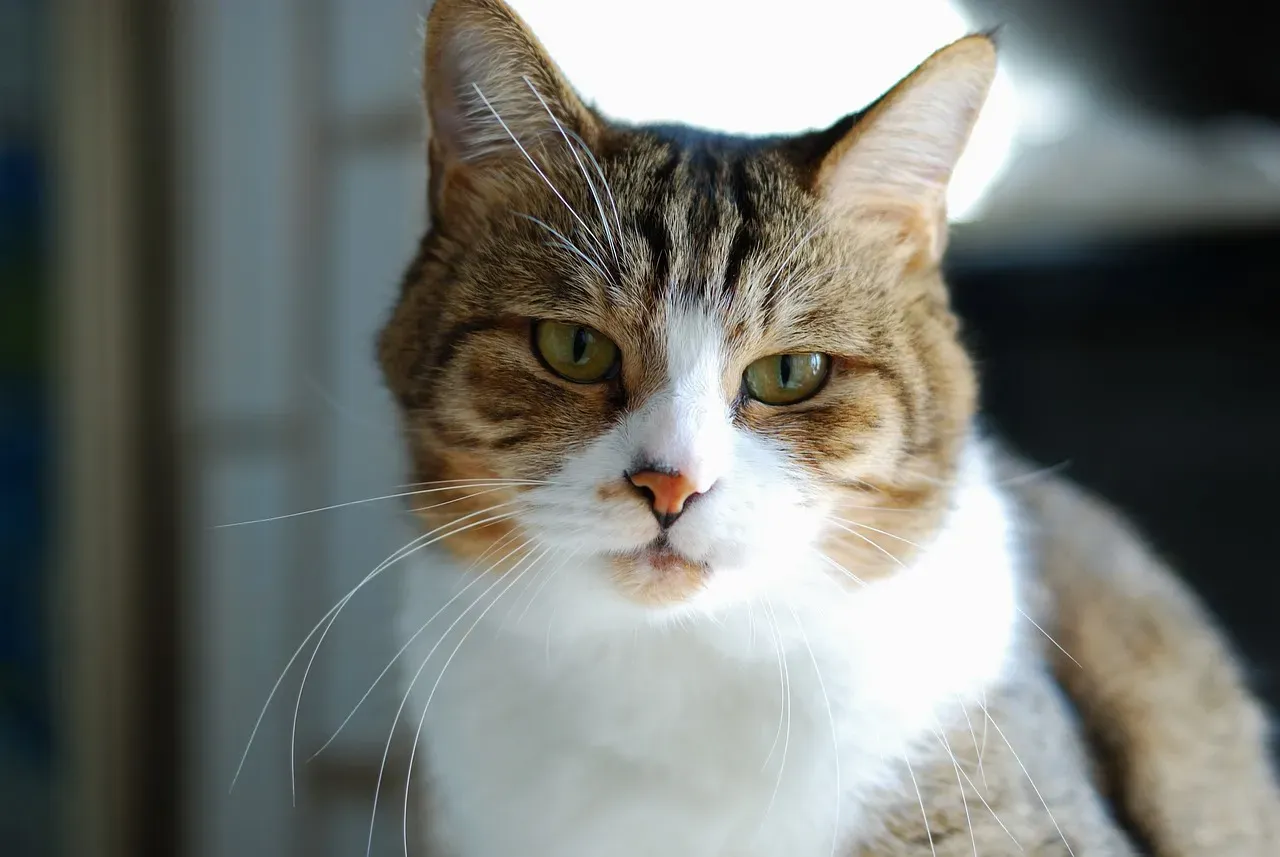
Cats can’t send you a text message saying they’re bored. They can’t tap you on the shoulder and ask for a puzzle. What they can do is show you – through their behaviors, their routines, and their moods – that something is off. The signs are all there once you know what you’re looking for.
Mental enrichment is just as important for cats as physical health. It helps prevent unwanted behaviors, supports emotional well-being, and strengthens your bond with your pet. Small changes can make a world of difference: a new toy rotated in every few days, a cat tree by the window, or even just fifteen minutes of dedicated playtime each day.
While cats do not feel emotions exactly the way humans do, stress, grief, pain, and boredom can all cause noticeable behavior changes that look very similar to depression. If you’ve tried enrichment strategies and nothing seems to shift, always loop in your vet. Your cat is counting on you to be their voice. The question is – are you paying attention?
What changes have you noticed in your cat lately? Drop a comment and share your experience – you might just help another cat owner crack the code on their own furry companion.
Kristina is a young writer from India. An arts graduate and an avid content creator, Kristina is passionate about animals and wildlife. She enjoys exploring topics related to pet care, animal behavior, conservation, and nature, combining thorough research with engaging storytelling.