There’s a persistent idea about cats that’s quietly wrong: that they prefer to be left alone, that they tolerate you rather than need you, and that their independence is the whole point of having one. It’s repeated so casually it starts to feel like fact. The reality, backed by a growing body of research, is considerably more interesting.
Historically, widespread misconceptions portrayed cats as aloof and independent, with emotional needs often overlooked. Recent studies, however, reveal their intricate emotional lives and cognitive abilities, challenging the notion that they are merely solitary animals. Your cat isn’t indifferent to you. The science just took a while to catch up to what many cat owners already suspected.
The “Solitary Hunter” Label Was Never the Full Story
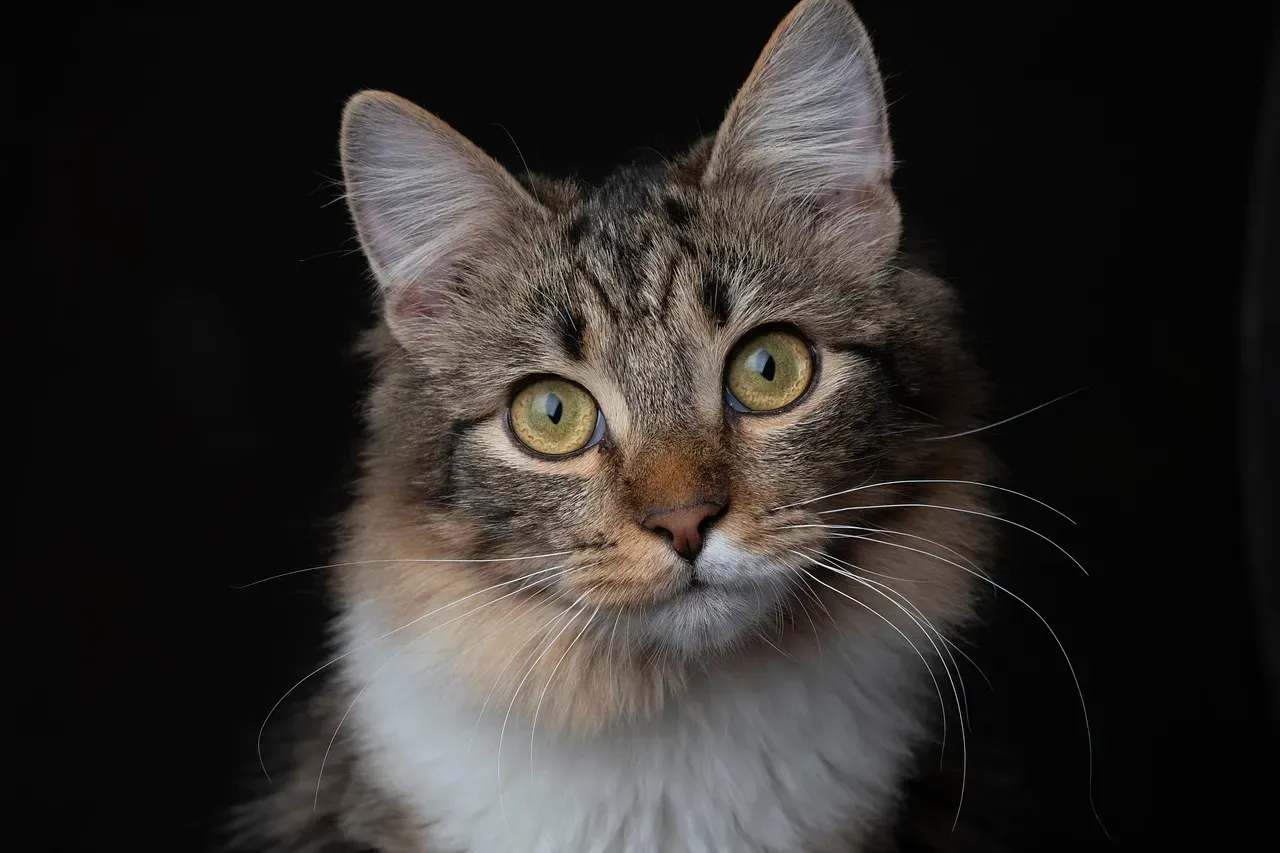
The image of a cat as a lone predator, stalking through tall grass with zero interest in company, comes from its wild ancestry. That ancestry is real, but it only explains part of who your domestic cat is today. The domestic cat is the only species within the Felis genus to have transitioned from a wild, solitary species to one of the most popular human-companion animals globally. In stark contrast to their closest wild ancestors, the domestic cat displays an impressive capacity to cohabit successfully with both humans and other cats.
The flexibility of cat social behavior tends to get overlooked. Although cats are stereotypically thought to be aloof and unsocial, domestic cats display great flexibility in their social behavior. Cats have the ability to live solitarily, to live in extremely gregarious colonies, and to live socially in homes with humans and various other species. So “solitary” is one option on a wide social spectrum, not a fixed trait you can count on.
Your Cat Is Wired to Bond With You
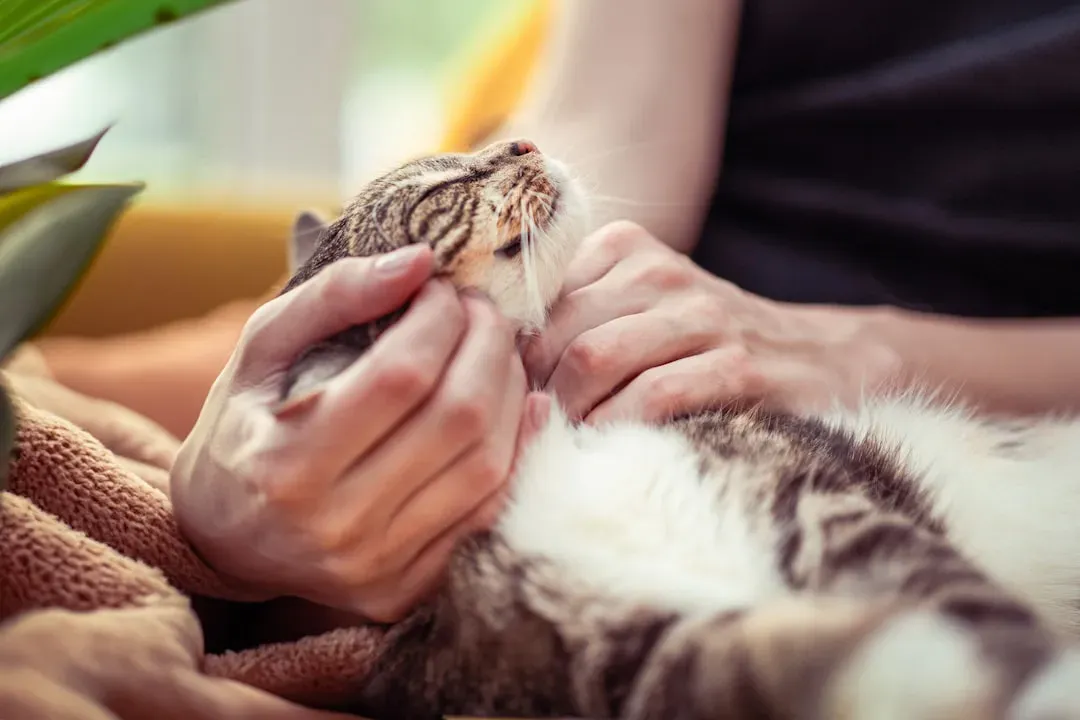
One revealing way to study attachment behavior is to observe an individual’s response to a reunion with their caregiver following a brief absence in a novel environment. When a caregiver returns, secure individuals quickly return to relaxed exploration while insecure individuals engage in excessive clinging or avoidance behavior. Similar tests had previously been run with primates and dogs, and researchers decided to run the same test with cats. What they found surprised many skeptics.
The results show that cats bond in a way that’s surprisingly similar to infants. In humans, roughly two thirds of infants are securely attached to their caregiver. Your cat isn’t just tolerating you. It’s organizing its sense of security around your presence, the same way a young child does with a parent.
You Are Actually Your Cat’s Preferred Stimulus
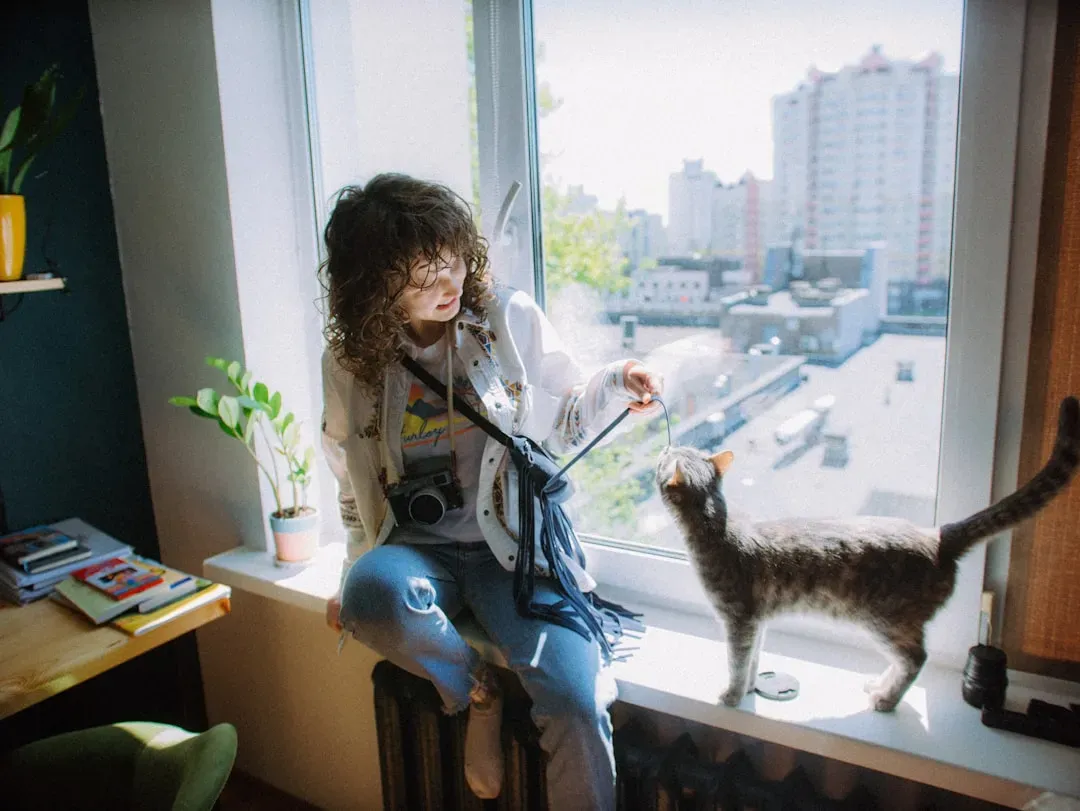
This one tends to genuinely surprise people. When researchers put cats in a room with food, toys, scent, and a person, they wanted to see what the cats would choose. When presented with several categories of stimuli including human social interaction, food, toys, and scent, the majority of cats preferred interaction with humans, followed next by food, then toys and finally scent. Additionally, a large amount of individual variability for preference for these various stimuli was found, indicating that each cat may have its own preference profile for items it most enjoys.
So when your cat ignores the expensive toy you bought and instead plants itself next to you on the sofa, that’s not laziness or coincidence. More frequent human-pet interactions were linked to stronger and more secure human-pet bonds. This finding extends prior research suggesting that longer human-pet interactions are more meaningful than briefer interactions, indicating that interaction frequency could also enhance the perceived strength and security of the human-pet bond.
Your Cat Recognizes You Specifically, Not Just “Any Human”
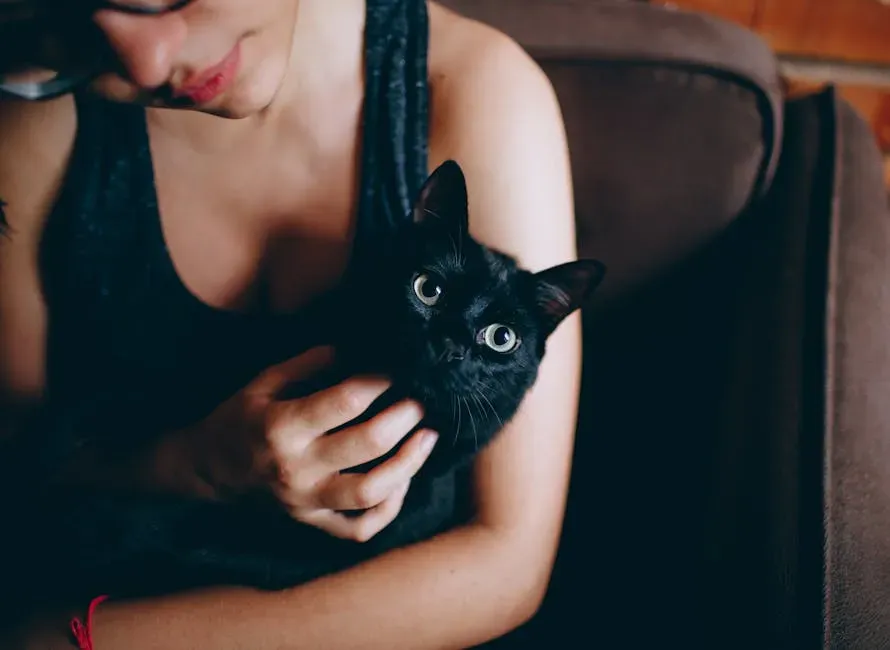
There’s a meaningful difference between a cat that tolerates people and one that has singled you out as its person. Research shows that cats do make this distinction clearly. A study examining vocal recognition found cats display a significantly higher orienting response to their owner than to a stranger. Another study found that cat blood pressure and heart rate increases significantly when presented with a human they are bonded to as compared with a stranger. This physiological response to a bonded caretaker has been said to indicate excitement for interaction with a preferred human.
Humans and cats have a long, shared history that has become increasingly close and complex over the past several decades due to a progressive shift in sentiment towards cats as close companions and family members. That history has left a real imprint on how cats relate to the people who care for them. Your presence registers as something genuinely specific in your cat’s experience, not just background noise.
Your Cat Is Reading Your Emotions Right Now
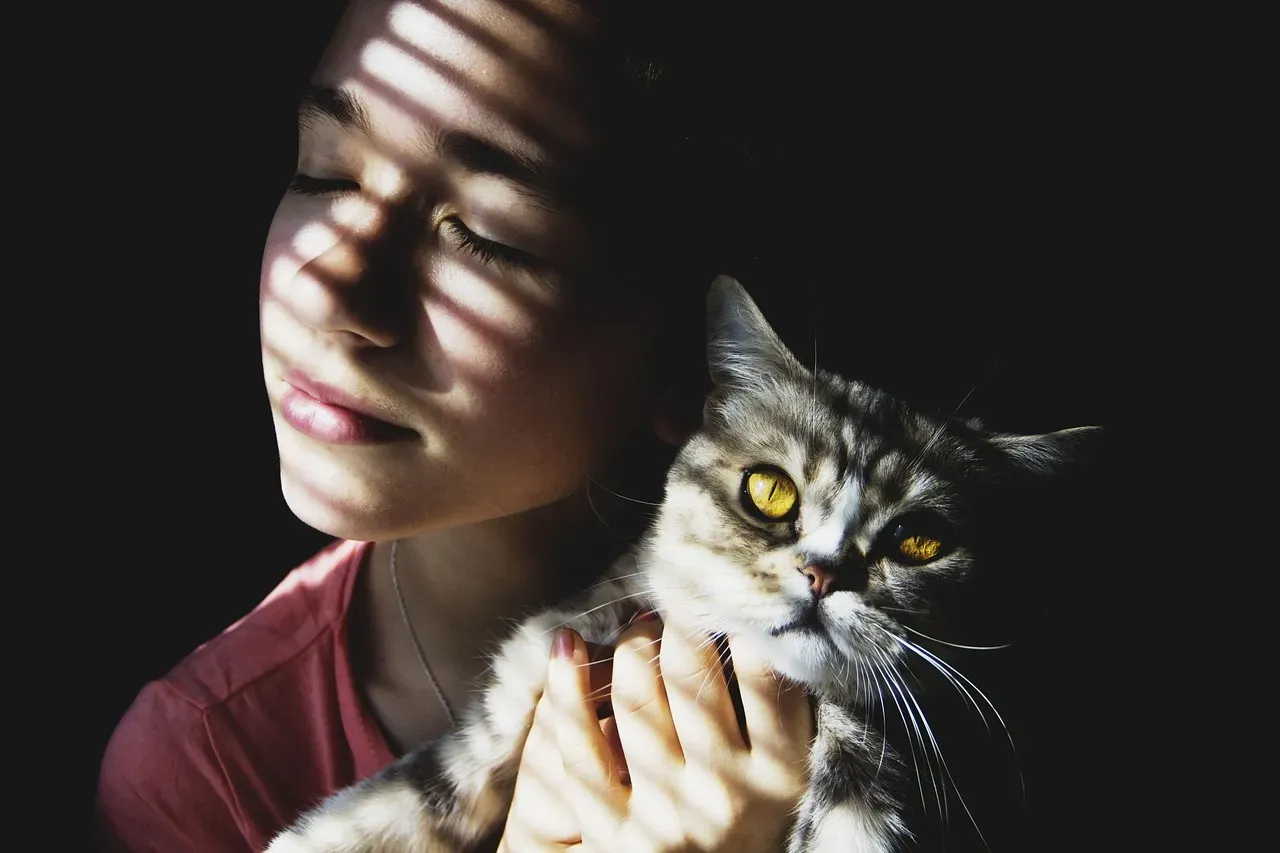
One of the more compelling recent discoveries is just how attuned your cat is to what you’re feeling. Cats correctly match human auditory and visual signals of happiness and anger, suggesting they have a cognitive representation of these emotions which allow them to discriminate between them. Cats are able to recognize and interpret unfamiliar human emotional signals, suggesting that they have a general mental representation of humans and their emotions.
In one study, researchers presented cats with human odors collected in different emotional contexts including fear, happiness, physical stress and neutral, and evaluated the animals’ behavioral responses. They found that “fear” odors elicited higher stress levels than “physical stress” and “neutral,” suggesting that cats perceived the valence of the information conveyed by “fear” olfactory signals and regulate their behavior accordingly. Your cat is picking up signals you may not even know you’re sending.
Early Socialization Shapes Everything
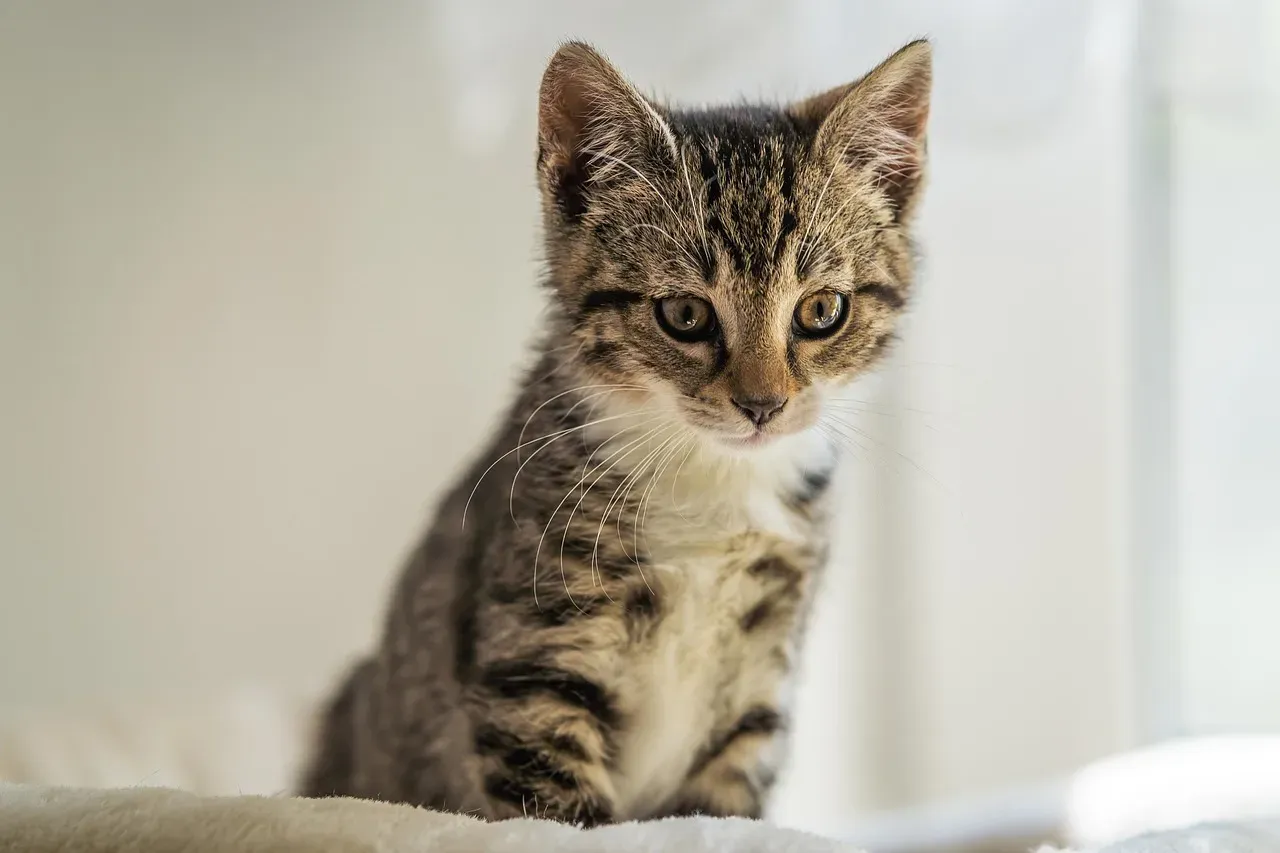
The capacity for bonding isn’t automatic. It depends heavily on what your cat experienced early in life. Whether or not cats are able to form a bond with humans or other species is influenced by early life experience. Proper socialization, the process through which an individual develops appropriate social behaviors toward a member of their own or another species, is an important component to forming bonds. If a cat does not receive social experiences with humans, especially early on in their lives during a sensitive period between 4 and 8 weeks old, it may be extremely difficult for them to bond to a human, or they may never be able to do so.
The first two to fourteen weeks aren’t just important for learning how to behave around other cats. The social interaction the kitten experiences with humans during this time will shape its behavior for the rest of its life. If the kitten has healthy interactions with humans, it will be more sociable as an adult. If you’ve ever adopted a well-socialized cat that immediately warmed to you, early experience is the reason why.
Neglecting the Bond Has Real Consequences
Cats aren’t delicate in an obvious way, which makes it easy to underestimate what happens when they don’t get enough connection. Even if a cat appears more detached than an eager puppy, it still needs love and bonding time. Neglect can lead to loneliness and neurotic behavior. Most cats don’t mind spending a degree of time alone but get upset if they have no company.
For cats, unwanted interactions or lack of appropriate social engagement can cause prolonged stress, which may result in health issues such as feline idiopathic cystitis and problem behaviors such as increased aggression. The cat who starts over-grooming, hiding more than usual, or acting out isn’t being difficult. It may simply be telling you that the social connection it needs has gone missing.
The Benefits Run Both Ways
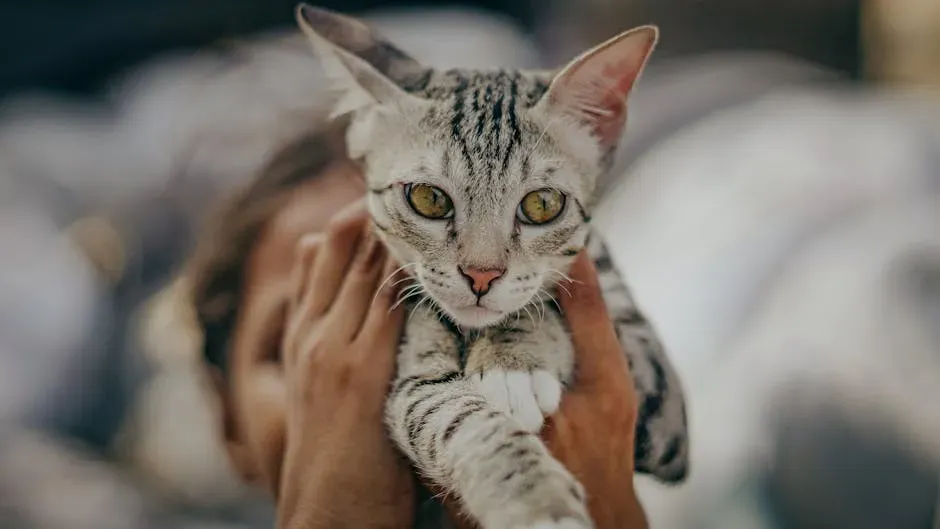
Your cat thrives on your company, and you benefit measurably in return. Interacting with cats triggers the release of hormones in humans such as serotonin, dopamine and oxytocin, which are often associated with good, positive feelings. Oxytocin in particular has been recognized for its role in bonding and stress relief, as well as its physiological effects such as decreased heart rate and slowed breathing. Additionally, cortisol, sometimes referred to as a stress hormone, decreases when people spend time with cats.
Research shows that pet ownership, especially for cats, can reduce anxiety and stress, improve cardiovascular health, and build emotional resilience. The relationship isn’t one-sided. An added benefit to having a cat is the feeling of companionship, and how that friendship positively affects mental health. Having a cat can help people with feelings of loneliness and provide purpose. Having an animal react to you, rely on you, and love you in such a simple and pure way can elevate positive mental health.
How to Actually Strengthen the Bond With Your Cat
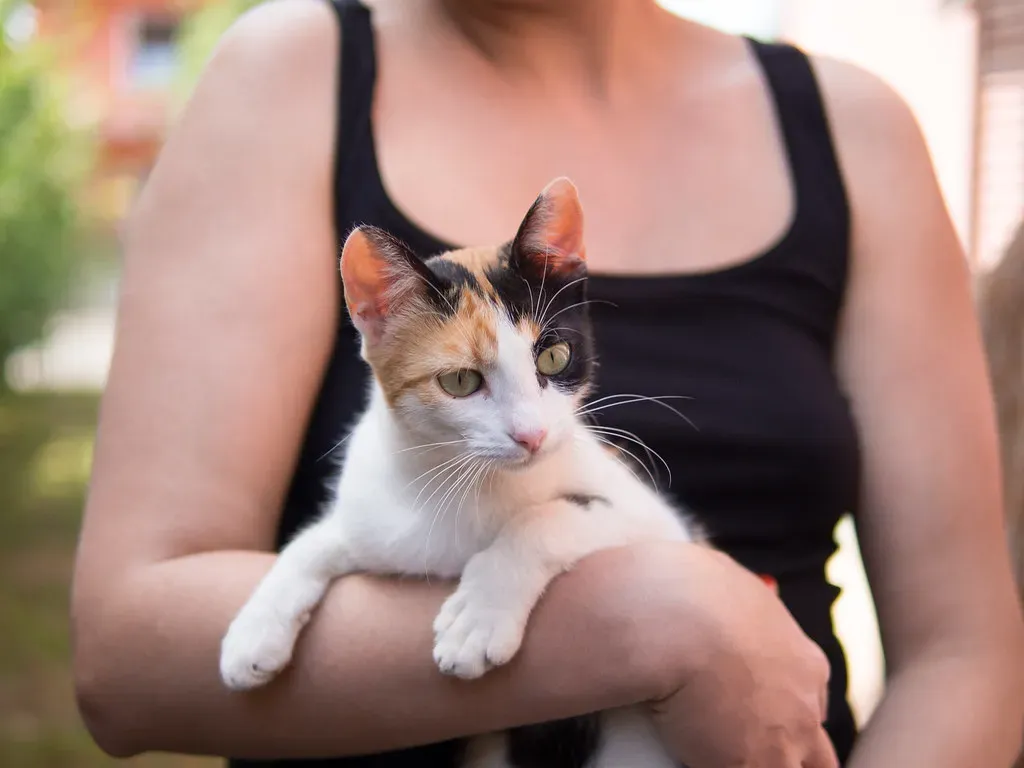
Understanding that your cat is social is only useful if it changes how you interact with them. The good news is that consistency and attentiveness go a long way. Talking to your cat regularly using calm and consistent vocal tones helps build recognition and trust. Maintaining a routine makes it easier for your cat to identify changes in your mood. Positive reinforcement helps your cat feel safe when comforting you.
Human-cat interactions require accurate interpretation of cat behavioral cues to ensure welfare and safety for both species. Learn your cat’s signals. Slow blinks, head bumps, and choosing to sit near you are all forms of communication worth responding to. Cats can learn how to read owner-specific facial expressions over time, which means the relationship is genuinely a two-way conversation that deepens the more you invest in it.
Conclusion
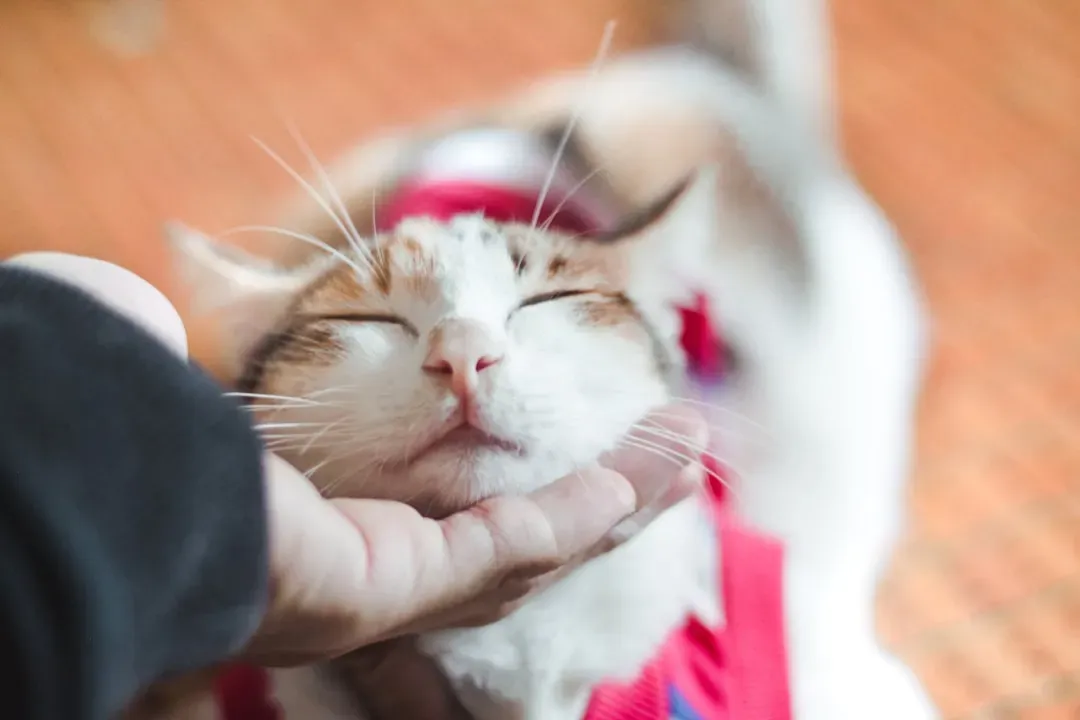
The “aloof loner” narrative about cats has lingered long past the point where evidence supports it. The science is clear: cats are emotionally complex, cognitively advanced, and socially nuanced. They form real attachments, respond to your emotional state, seek your company over food and toys, and register your absence in ways that matter for their wellbeing.
Having and maintaining a social network is in a cat’s nature. Even if cats like their privacy for certain routines, they don’t want to be solitary long-term. The most honest thing you can do as a cat owner is take that seriously. The companionship your cat offers isn’t incidental. It’s the whole point of the relationship, and recognizing that changes everything about how you show up for them.
Kristina is a young writer from India. An arts graduate and an avid content creator, Kristina is passionate about animals and wildlife. She enjoys exploring topics related to pet care, animal behavior, conservation, and nature, combining thorough research with engaging storytelling.