There’s something quietly telling about a cat who meets you at the door with a soft trill, flops over to show you its belly, and eats with steady enthusiasm every single day. That’s not luck. Behind every genuinely contented cat is an owner who’s built a handful of consistent, deliberate habits that most people overlook entirely.
Cats have a reputation for independence, but the truth is they’re highly sensitive to their environment, their schedules, and the quality of care they receive. Getting it right doesn’t require expensive gadgets or endless hours of effort. It mostly requires showing up in the right ways, at the right times, with the right understanding of what your cat actually needs.
You Commit to Daily Interactive Play
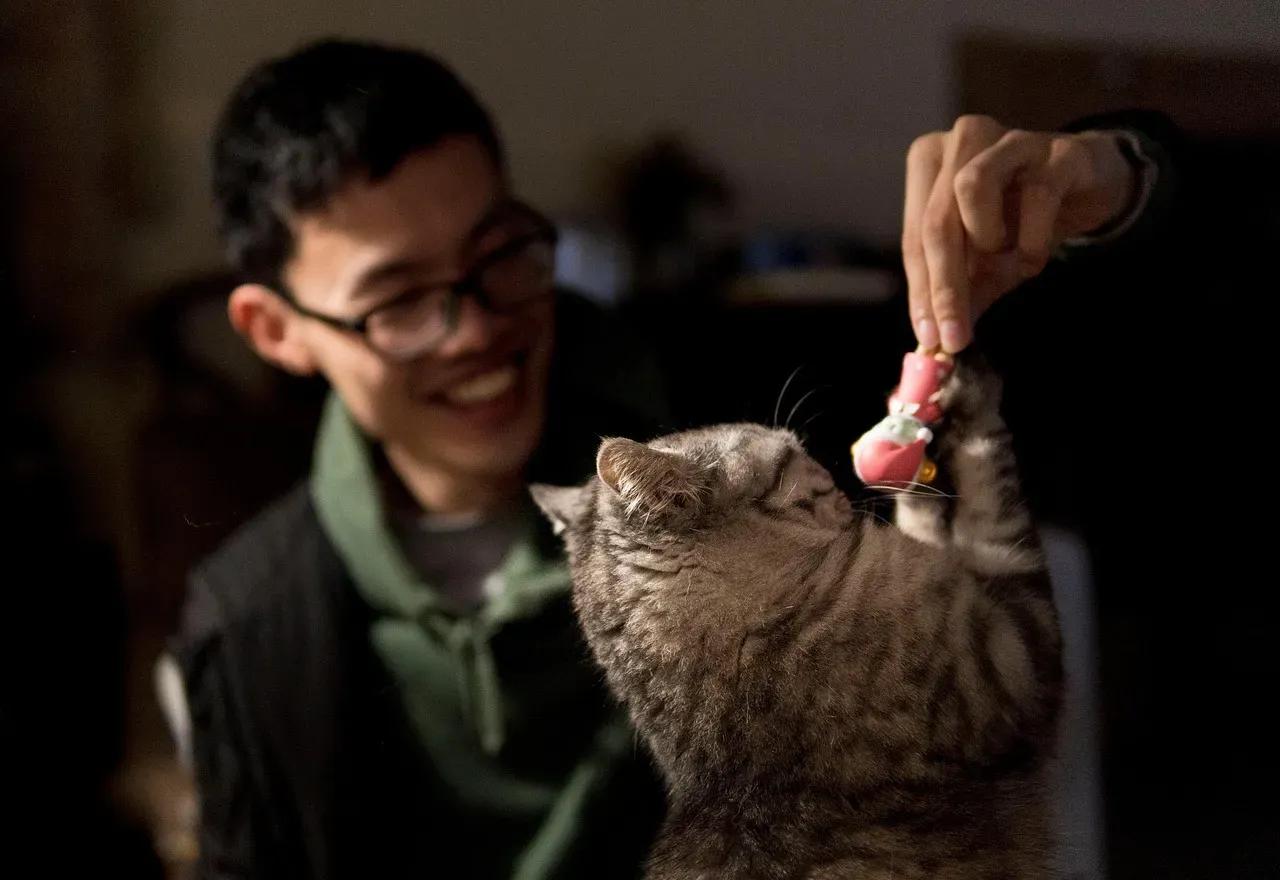
Your cat needs both mental and physical activity to stay happy, and providing daily playtime can help reduce anxiety, combat boredom, and prevent behavioral issues such as scratching or biting. This isn’t optional, especially for indoor cats. Without it, pent-up energy has to go somewhere, and it rarely goes somewhere you’ll appreciate.
Interactive toys such as wand toys are a fantastic way for your cat to hone their natural hunting skills while enjoying playtime with you. By alternating between slow and fast motions, you allow them to mimic the hunting behaviors they would exhibit in the wild, including crouching low, stalking prey, and pouncing. Aim for at least ten to fifteen minutes per session, and vary the toys you use to keep things fresh. Don’t forget to let them “win” occasionally and even reward them with a treat.
You Feed a Nutritious, Well-Balanced Diet
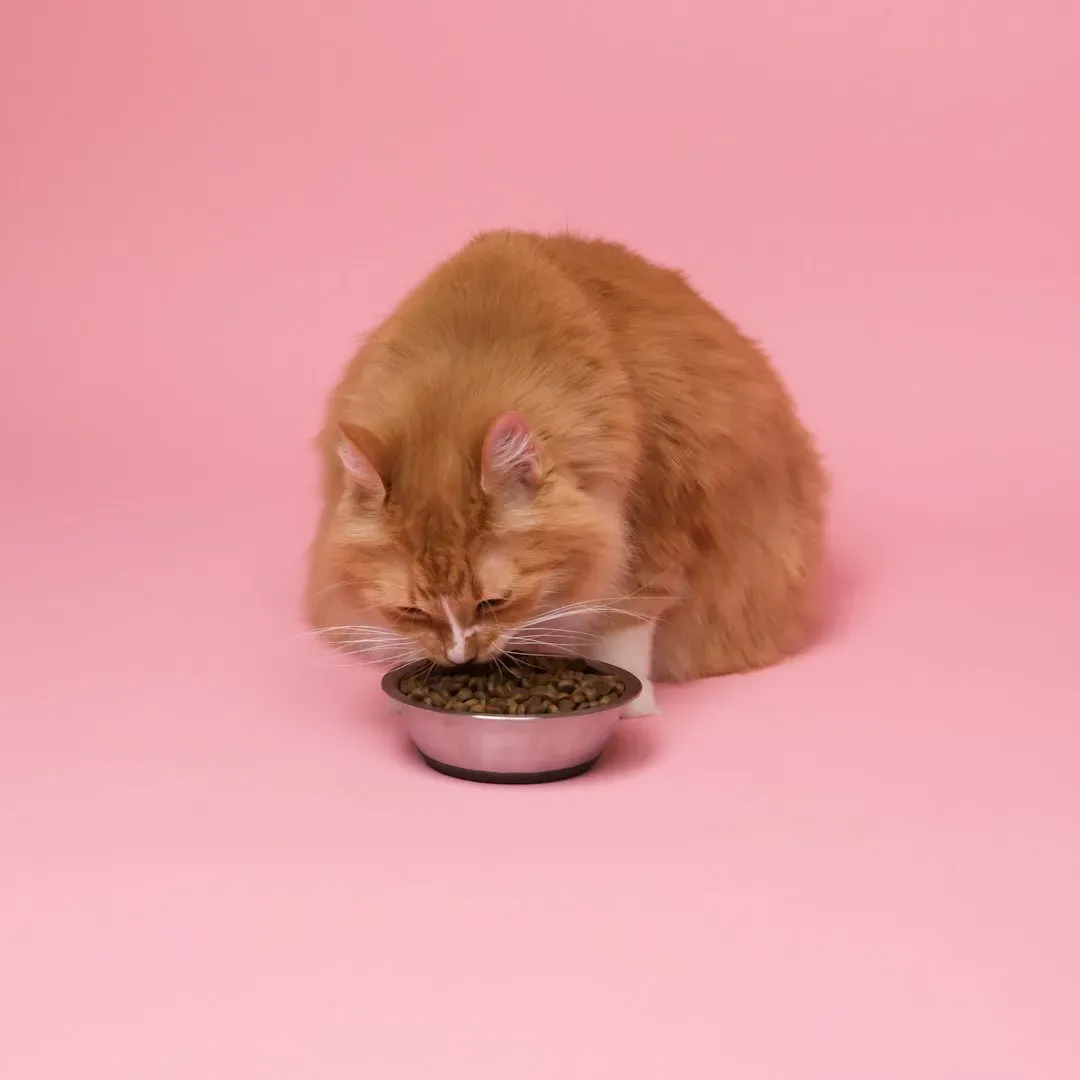
A well-balanced diet is vital for maintaining your cat’s health. Ensure their diet includes high-quality protein, healthy fats, and essential nutrients. It is recommended that cats eat mostly canned food, as this provides a healthier balance of carbohydrates and moisture compared to dry food. That said, the most important thing is choosing food labeled complete and balanced for your cat’s life stage.
Wet food’s high moisture content helps support hydration, kidney health, urinary tract health, and digestion. Wet food is often higher in protein and lower in carbohydrates than dry food, so it can help support lean muscle and a healthy weight. A staggering 60 percent of cats are overweight or obese, so portion control matters just as much as food quality. When in doubt, consult your vet about the right diet for your cat’s specific age, weight, and health history.
You Keep a Clean and Cat-Friendly Litter Box Setup
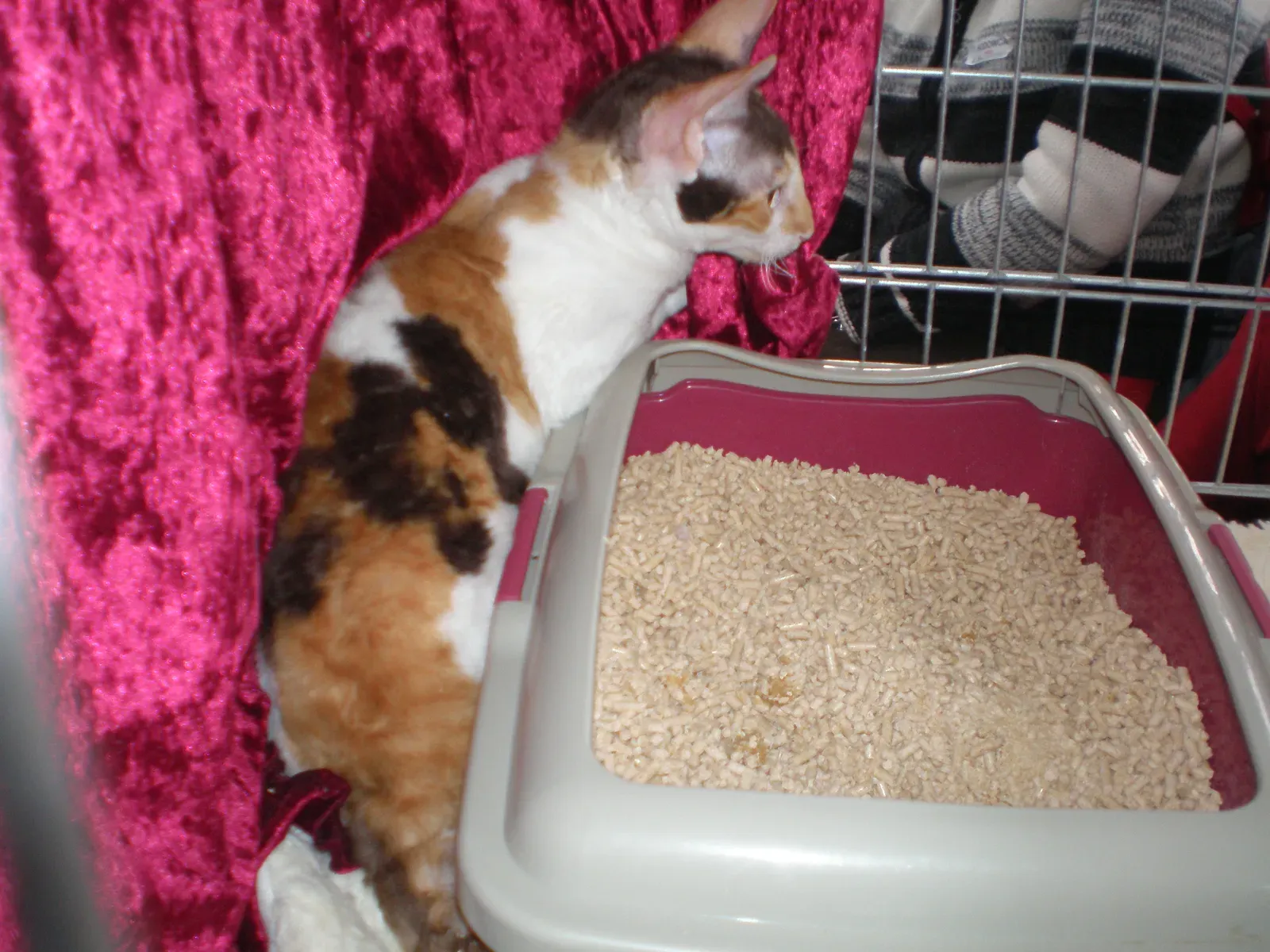
Regularly cleaning the litter box helps prevent urinary tract issues and promotes good hygiene. Scoop the litter one to two times per day and thoroughly scrub the box at least once a month. Your cat can’t advocate for itself when the bathroom situation gets unpleasant, so staying on top of it is entirely your responsibility.
Often, litter boxes are located in places that are convenient for humans and unknowingly cause stress for cats. Instead, your cat’s box should be placed in a quiet, low-traffic area. Cats depend on their sense of smell to interpret their environment, and scented litter can disrupt their normal scent cues, so skip the artificially fragranced varieties. If you have more than one cat, provide multiple litter boxes to prevent territorial disputes and ensure everyone has access when needed.
You Prioritize Consistent Daily Routines
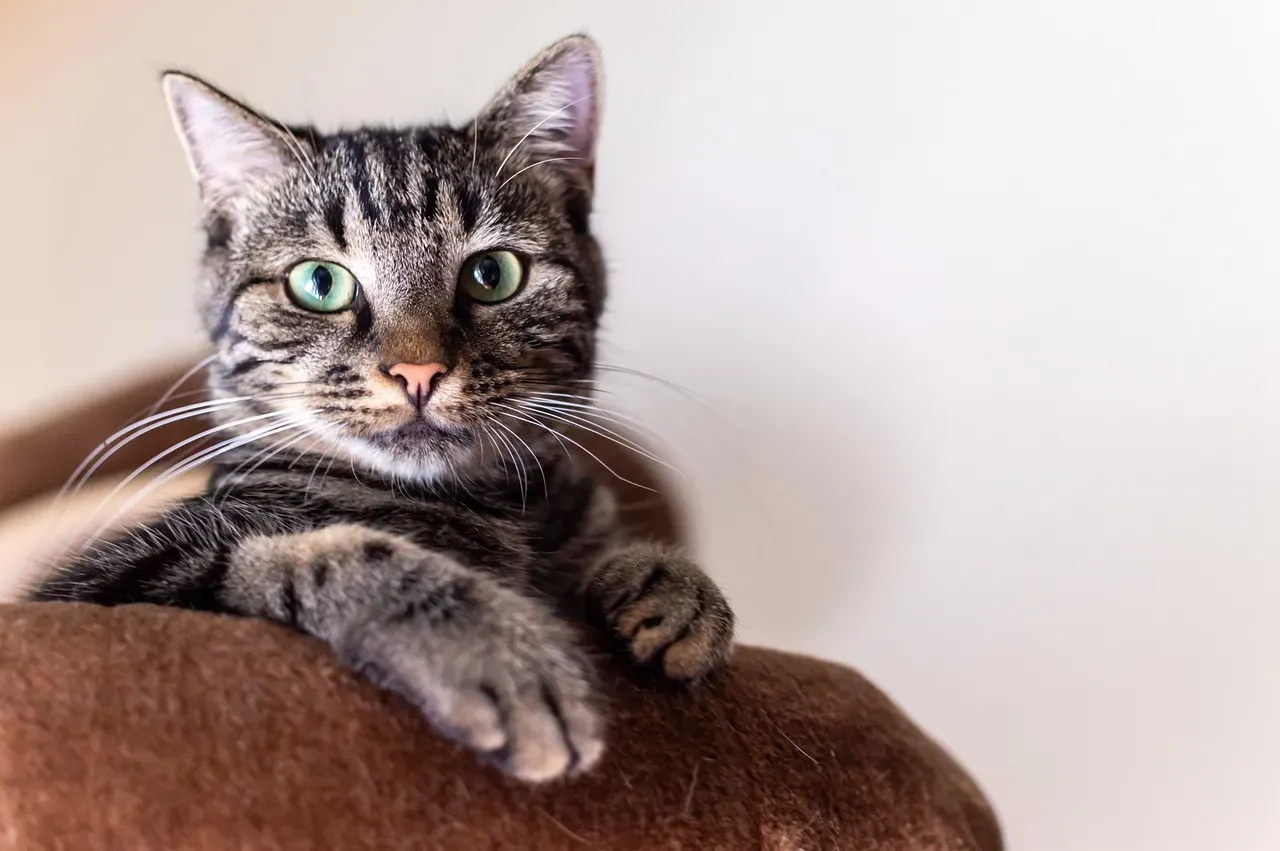
Cats are creatures of habit who find comfort in predictability, and establishing consistent daily patterns can dramatically reduce stress levels while providing the structure your cat craves for optimal mental health. This applies to feeding times, play sessions, and even the moments you spend quietly sitting together. Predictability isn’t boring for cats. It’s genuinely calming.
Studies indicate that a consistent routine is vital for feline well-being. This includes regular feeding schedules and stable interaction patterns with caregivers. Research from Ohio State University has linked changes in routine to sickness behaviors in cats, including decreased food intake, vomiting, and inappropriate elimination. Regular feeding schedules not only promote physical health but also contribute to emotional well-being. Even small disruptions matter to your cat more than you might expect.
You Invest in Real Environmental Enrichment
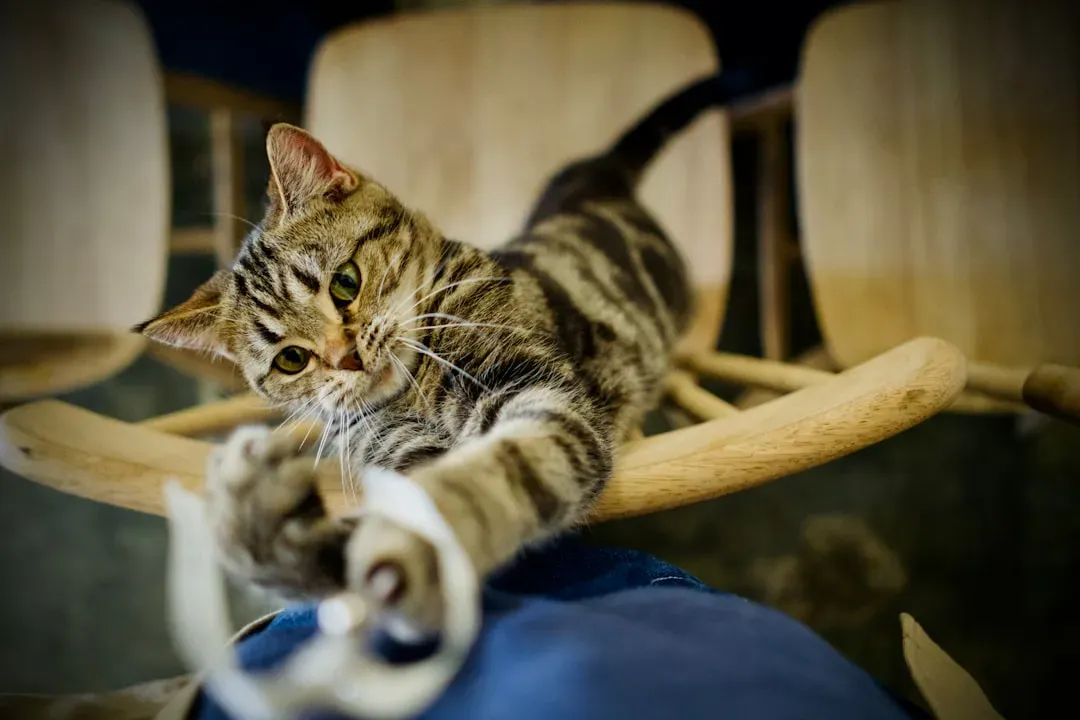
By tapping into your cat’s natural instincts to stalk, hunt, climb, and explore, enrichment helps your feline friend stay physically active and mentally engaged. “Enrichment” is a term used to describe how we can enhance an animal’s environment in ways that encourage natural behaviors like foraging, hunting, climbing, and playing. For cats, enrichment isn’t just a bonus; it’s a vital part of their health and happiness.
Cats love to watch the world from above; this gives them a safer vantage point for hunting in the wild. Providing vertical spaces such as window shelves and perches not only gives them an ideal spot to observe from, but it can encourage them to jump and climb. Cat trees can also provide elevated rest or play areas for your kitty. Rotating toys and items is also a smart move, as a toy that’s been ignored for weeks might suddenly regain appeal in a new location. Try switching up where you leave toys or scratching posts.
You Schedule and Keep Up with Veterinary Visits
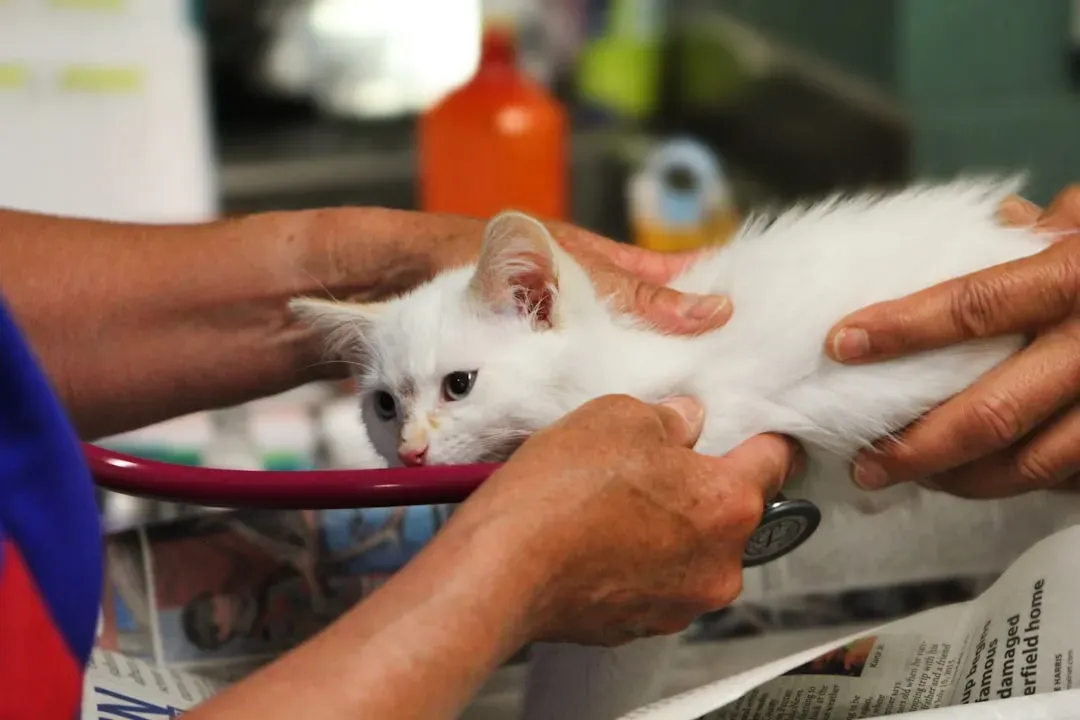
Cats retain many of the instincts of their wild ancestors and are masters at hiding illness, because showing any weakness makes them vulnerable to predators. A cat who is in pain may not growl or whimper, but she may stop jumping up on her favorite chair, eat less, or choose a new place to sleep. You have to look beyond surface behavior to catch what might be going on underneath.
Cats require annual check-ups, and it is recommended that cats over seven years old see a veterinarian twice a year to help catch any health issues early. Cats age much more quickly than people, even though it may not seem like it. Taking your cat to the vet once a year is like going to the doctor once every four years. Building a relationship with a vet you trust is one of the most valuable things you can do for your cat’s long-term wellbeing.
You Provide Scratching Surfaces and Safe Physical Outlets
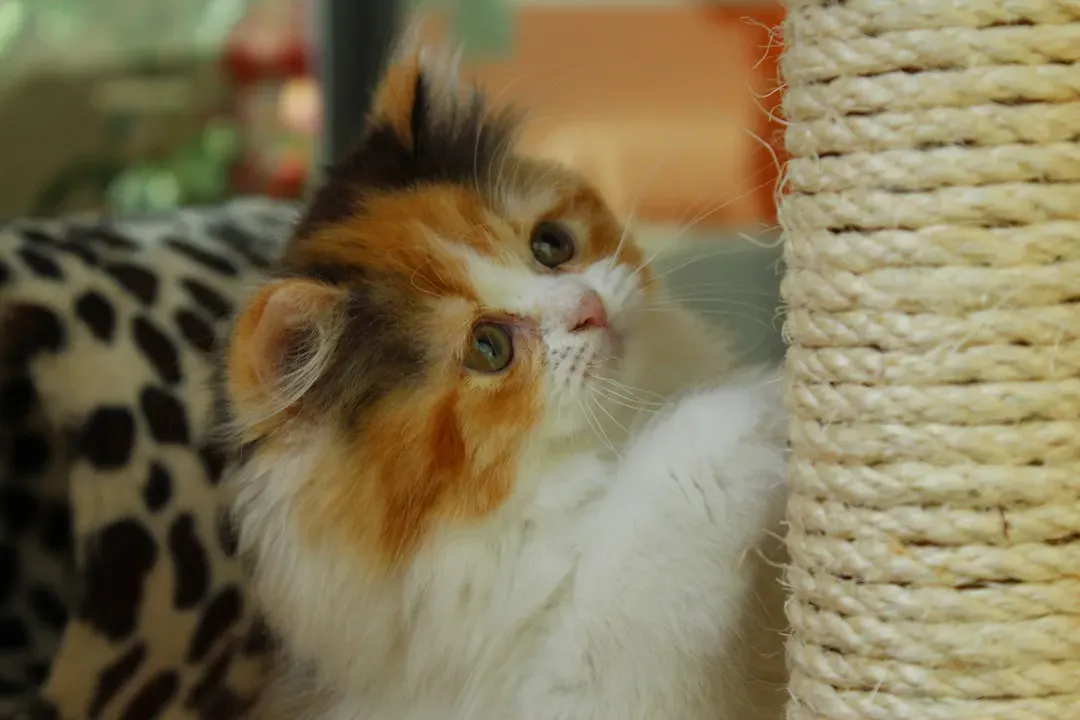
If you have a cat, scratching posts are non-negotiable pieces of furniture in your home. There are multiple benefits to cats being able to scratch healthily; the first benefit relates to grooming, as scratching helps remove the outer layer from your cat’s nails. Without a proper outlet, your cat will find one on its own, and it probably won’t be something you want them using.
Cats need the ability to stretch out when necessary. When cats use a scratching post, they extend their entire bodies by extending their front legs while pulling down and backward. This activity actually releases “feel-good” hormones for cats and releases a scent from their paws to mark their territory, ensuring a happy cat. Provide your cat with both vertical and horizontal scratching surfaces, and make sure there is at least one scratching post or surface for each cat in your home.
You Pay Close Attention to Behavioral Changes
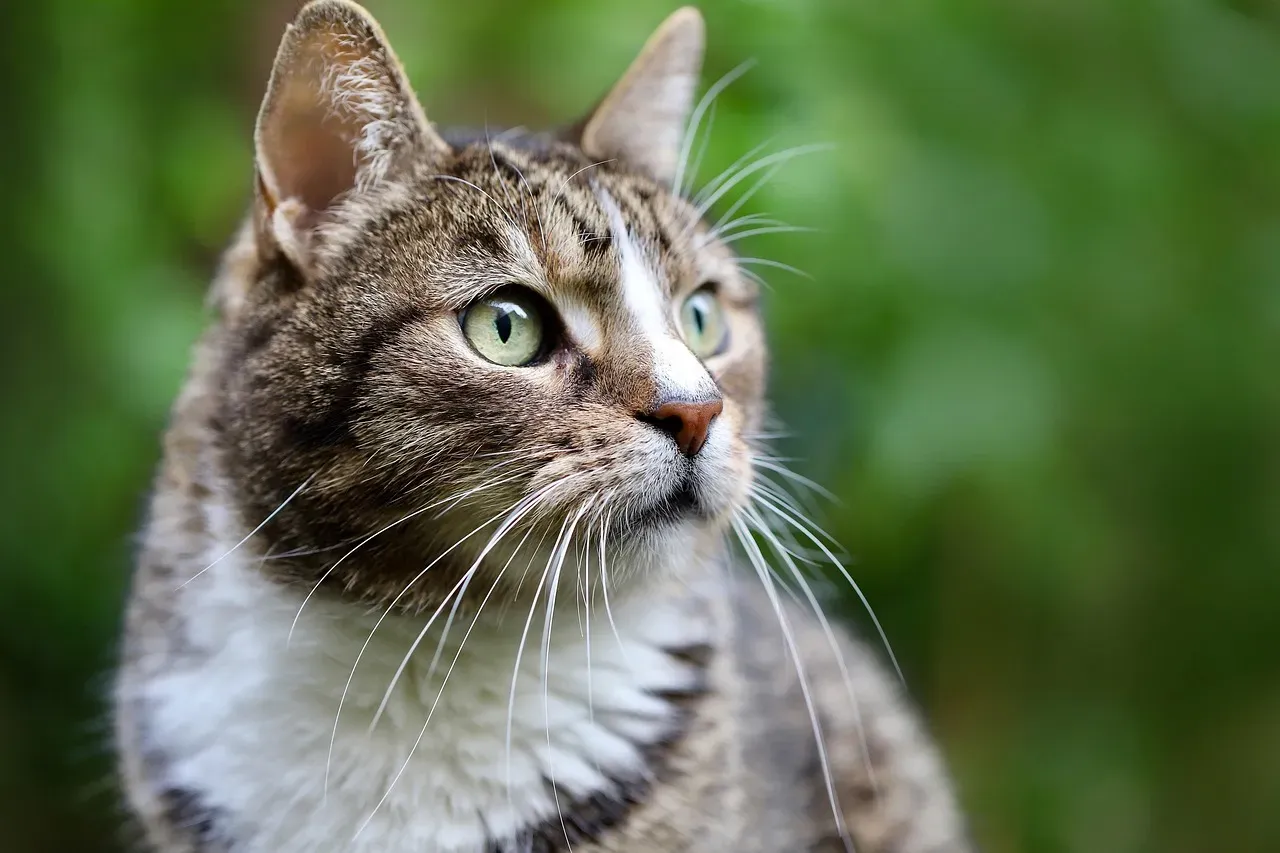
Cats are good at hiding discomfort and illness. It’s important to monitor their behavior and health closely. Changes in appetite or water consumption can indicate health problems. An increase or decrease in urination or defecation can be a sign of health issues. Lethargy, aggression, excessive grooming, or hiding can all be signs that your cat is not feeling well.
Changes in grooming behaviors, such as excessive grooming or neglect, can be indicative of stress or health issues. Cats are masters of disguise, which unfortunately means signs of medical and behavioral issues can easily go unnoticed. Regular exams allow your veterinarian to pick up on subtle clues about your cat’s health that, if detected and treated early, can greatly improve their physical, mental, and emotional wellbeing. Staying attentive is one of the simplest and most powerful ways you can act as a genuinely good guardian.
Conclusion
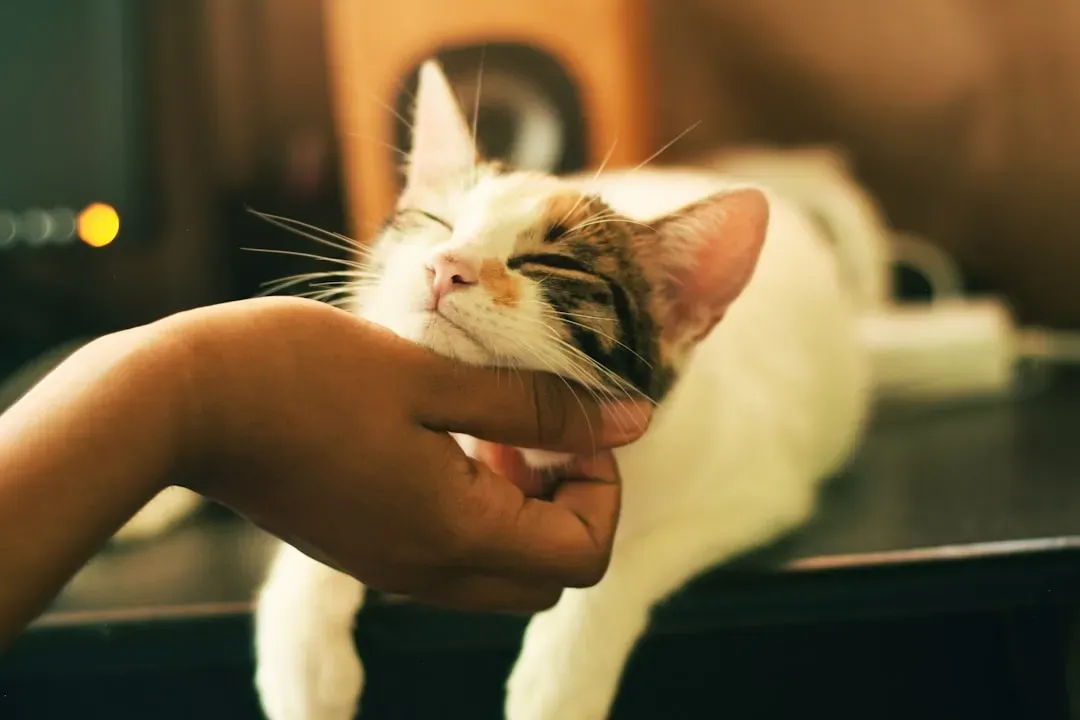
What happy cat owners tend to share isn’t a perfect home or unlimited resources. It’s awareness. They notice when something is off. They’ve built habits that serve their cat’s actual needs rather than assumptions about what cats require. They show up consistently, adjust when needed, and treat enrichment as a non-negotiable rather than an afterthought.
Your cat can’t tell you in words what they need. They communicate through behavior, through appetite, through how they move through their day. The eight habits above are essentially a translation guide, and the owners who follow them tend to have cats who live longer, behave better, and seem genuinely at ease in their own skin. That’s worth a little daily effort.
Kristina is a young writer from India. An arts graduate and an avid content creator, Kristina is passionate about animals and wildlife. She enjoys exploring topics related to pet care, animal behavior, conservation, and nature, combining thorough research with engaging storytelling.