Most people glance at a sleeping cat and see pure contentment. Honestly, it’s hard not to. But if you look a little closer and pay attention to the actual shape your cat takes when they sleep, something more interesting starts to emerge. Every curl, sprawl, and tucked paw carries a layer of meaning that goes well beyond simple comfort.
A cat’s sleeping position often correlates with its emotional state. Whether curled into a ball or resting with their abdomen exposed, each posture serves a specific function, ranging from thermoregulation and protection to signals of emotional comfort or discomfort. Once you understand the language of these positions, you start reading your cat in an entirely new way.
Why Cats Sleep So Differently in the First Place
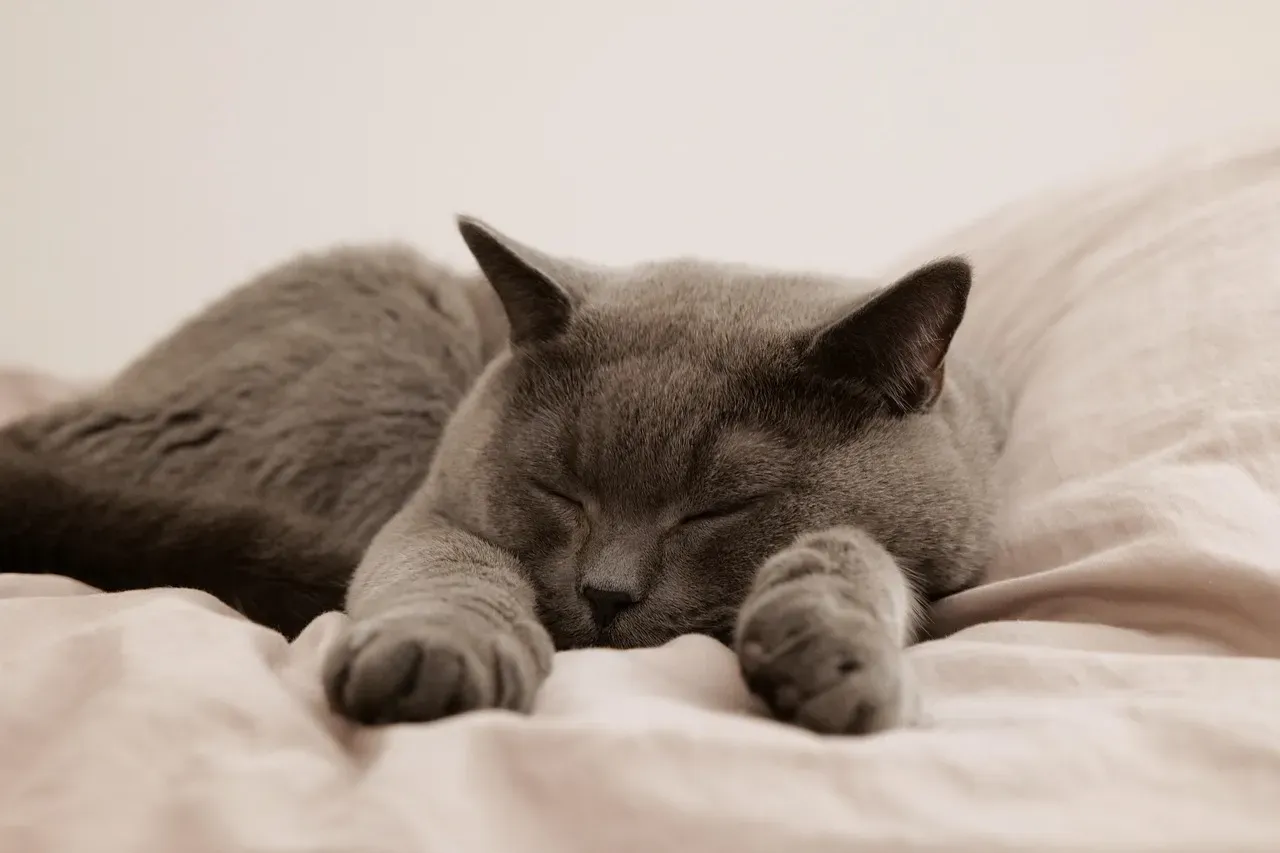
Cats are instinctively inclined to sleep for prolonged periods, typically between 12 to 16 hours daily, and in some cases, even longer. These extended rest periods serve more than just physical rejuvenation. A cat’s sleeping posture can offer valuable insights into its emotional state and overall health.
Other cat sleeping positions go back to their wild roots. Cats are both predators and prey animals, so in the wild or while outdoors, their lives depend on paying attention. Because of this, cats are highly observant of their surroundings and protective of their bodies. That dual instinct, to hunt and to avoid being hunted, quietly shapes how your cat positions its body even during the deepest nap.
The Classic Curl: Cautious Comfort
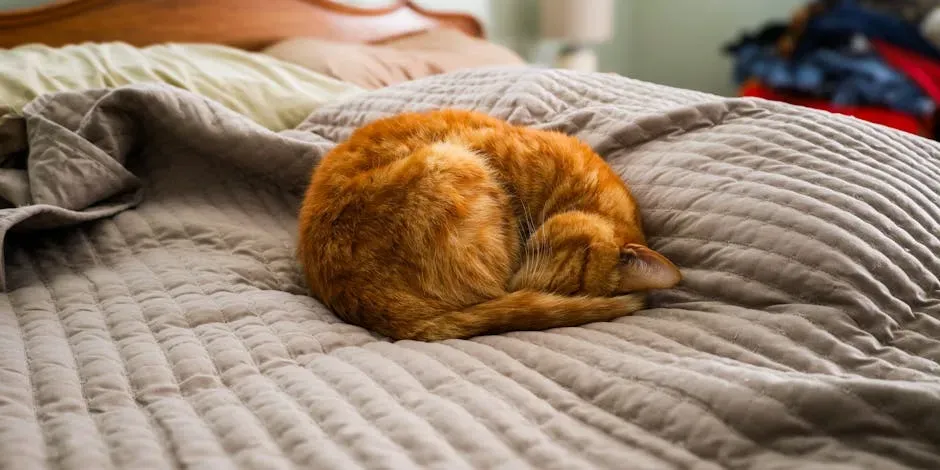
The curled-up position, often resembling a crescent roll or a shrimp, is one of the most typical sleeping postures for cats. This classic “cat curl” is not just for comfort, it serves practical purposes as well. By curling into a tight ball, cats preserve body heat and protect their vital organs.
In this posture, the cat tucks its head under its body and wraps its tail around itself, resembling a tight coil. This position conserves heat and shields vital organs, suggesting the cat feels relatively secure but remains moderately cautious. So if your cat sleeps this way often, they’re comfortable, just not fully off-guard.
The Belly-Up Position: The Ultimate Trust Signal
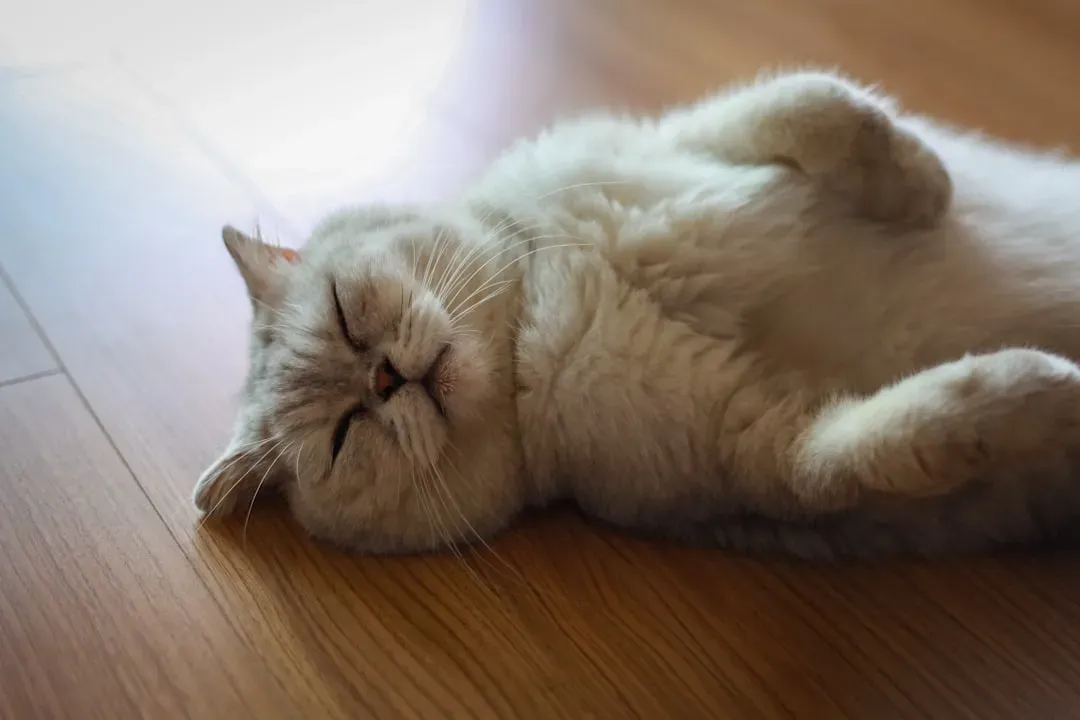
Sleeping on the back with the belly exposed indicates total relaxation and wellbeing. The cat’s stomach is the most vulnerable part of their body, lying flat on the back with the legs extended in the air, unable to quickly escape in case of danger, exhibits total trust. If your cat does this around you, take it as a genuine compliment.
You’ve probably seen your cat sleep on their back, with their front legs either resting on their belly or outstretched over their head, and their belly fully exposed. Cats instinctively protect their vulnerable organs, so if a cat is sleeping with their belly exposed, it means they feel very safe and confident. Worth noting though, trust displayed in sleep doesn’t always translate to enjoying a belly rub when woken.
The Cat Loaf: Relaxed but Ready
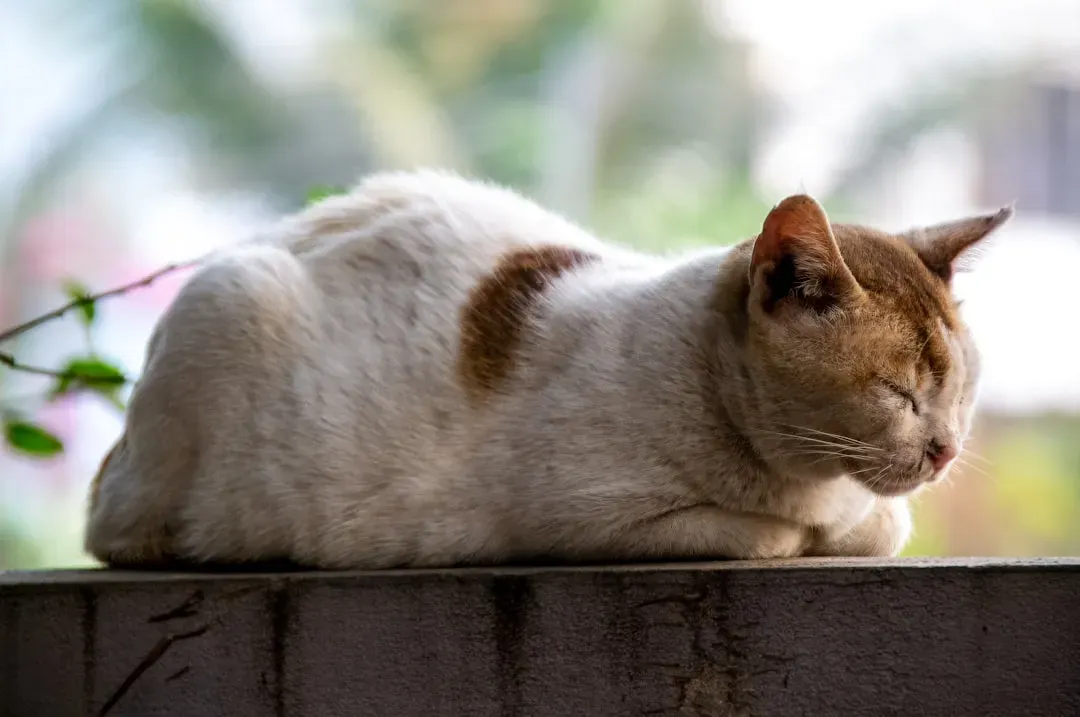
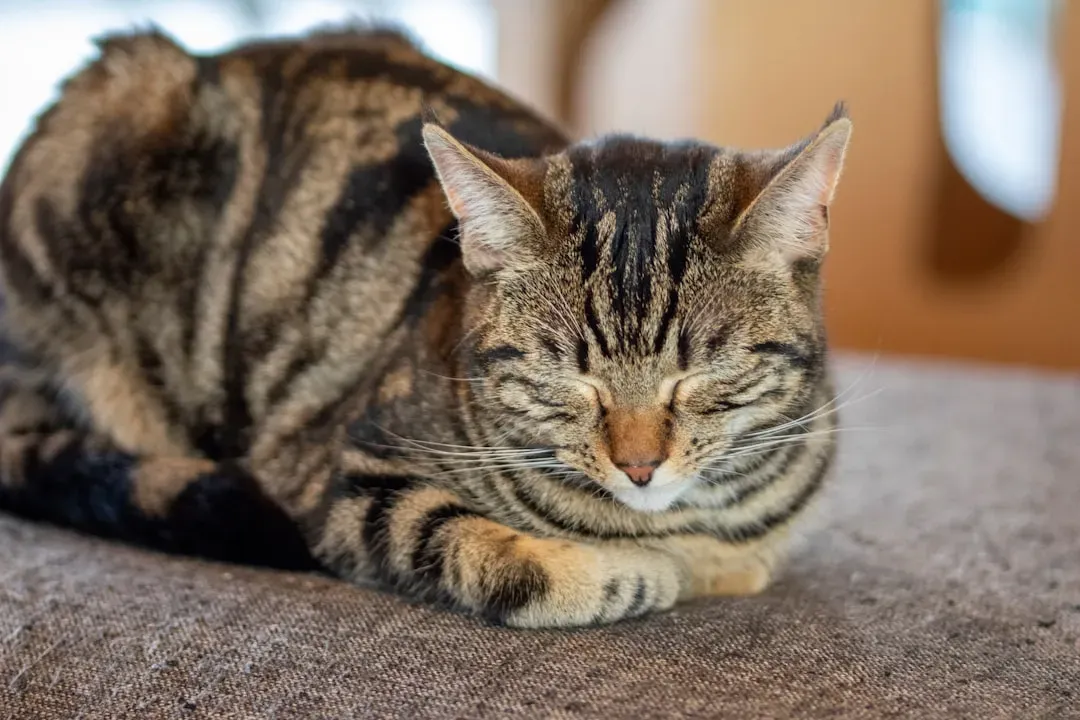
This position resembles the shape of a loaf of bread. Cats sleeping in this position keep their front paws curled underneath their body, with their head up. This position preserves a cat’s body heat and protects their vital organs. Cats sleeping in a loaf position may be relaxed, but they are also poised to spring into action and use their claws if they’re suddenly in danger.
When your cat sits upright with their front paws neatly tucked underneath, resembling a perfect loaf of bread, they’re demonstrating a fascinating balance between relaxation and alertness. This position suggests your cat feels comfortable enough to rest but remains prepared to spring into action if needed. Think of it as a cat’s version of keeping one eye open.
Side Sleeping: A Deep Relaxation Signal
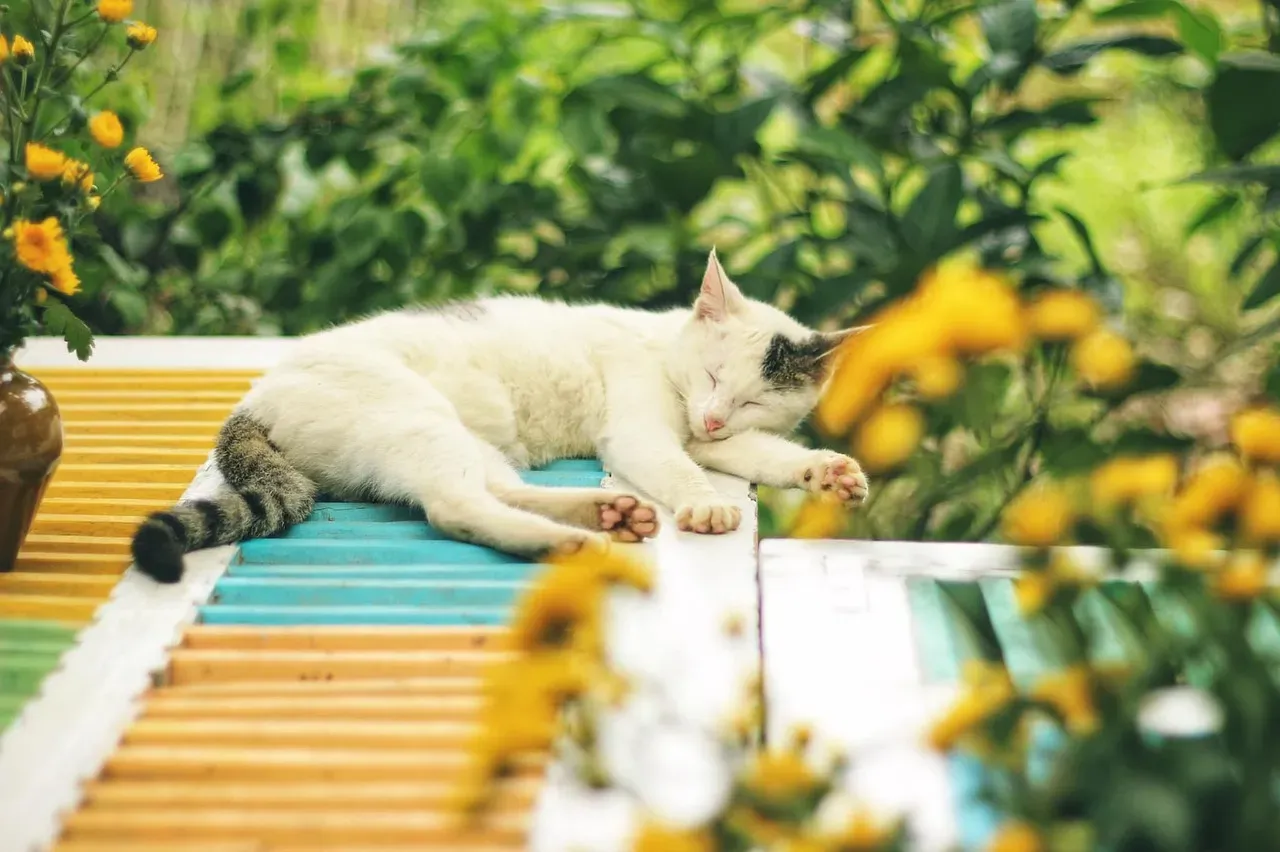
This sleeping position is one of the most comfortable for cats. When your cat is spread out on their side, they are often in a deep sleep. If your cat is an avid side sleeper, then this means that they really do trust and feel comfortable around you, as this is one of the cat sleeping positions that leaves your feline friend most vulnerable.
Cats also like to sleep on their side, with their legs stretched out. Similar to sleeping on their back, your cat’s vital organs are exposed in this position. This means your cat is very comfortable with you. However, sleeping on their side makes it easier for your cat to jump up and run if they need to. As prey animals, having this escape option acts as a bit of insurance, helping your cat to get a restful sleep.
Paws Over the Face: Warmth, Privacy, and a Little Do-Not-Disturb Energy
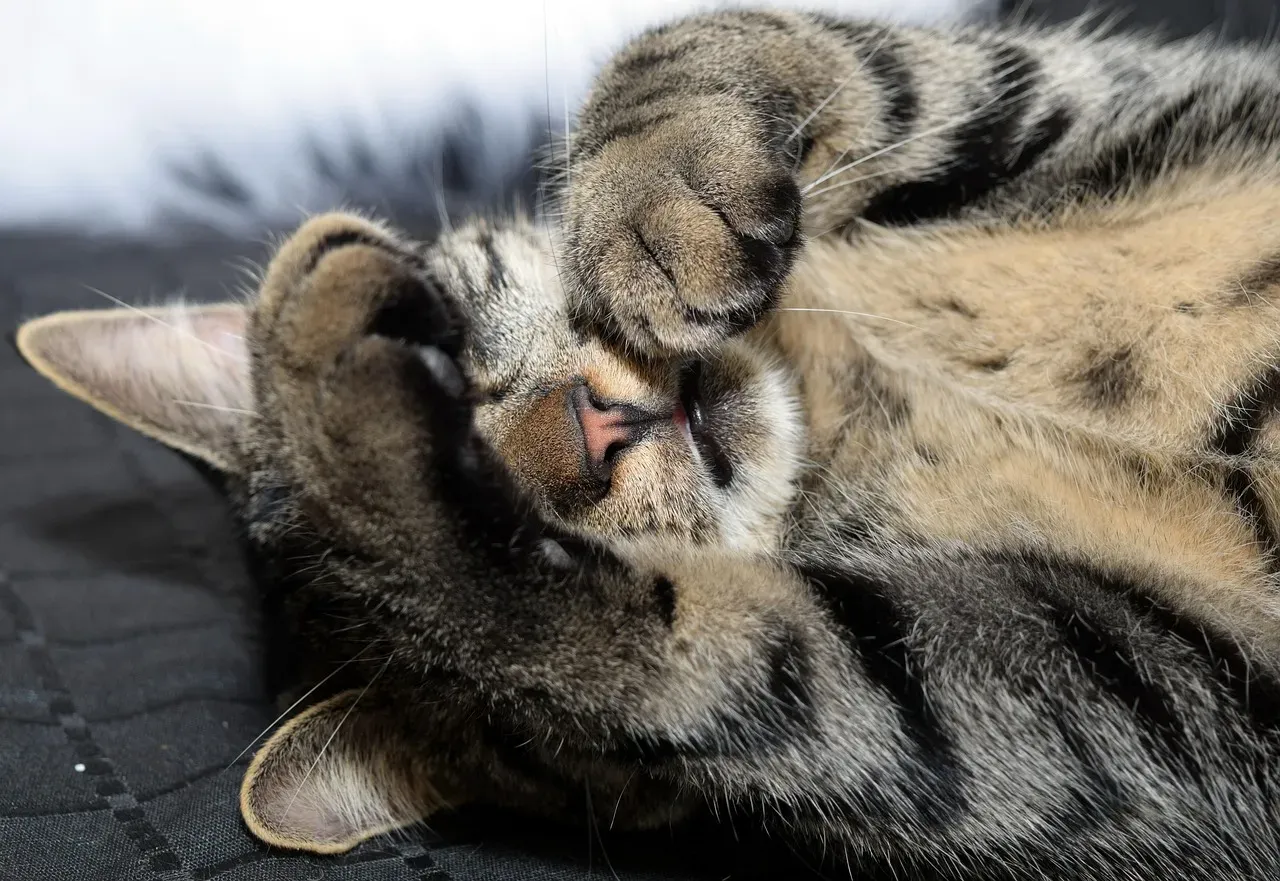
Of course it’s cute when your cat sleeps with their paws covering their eyes, but there is a good reason for this behavior. Putting their paws over their face can provide some insulation and warmth, for both the paws and the face. A cat’s paws can also act like a sleeping mask, blocking out harsh light or even dust or pollen.
If your cat seems to be burying its head deep into its arms, this is a clear signal that your furry friend is seeking solitude. Respect that boundary. When your cat folds inward like that, they’re essentially asking for an undisturbed rest, not a photo opportunity.
Sleeping on You: Attachment and Warmth Combined
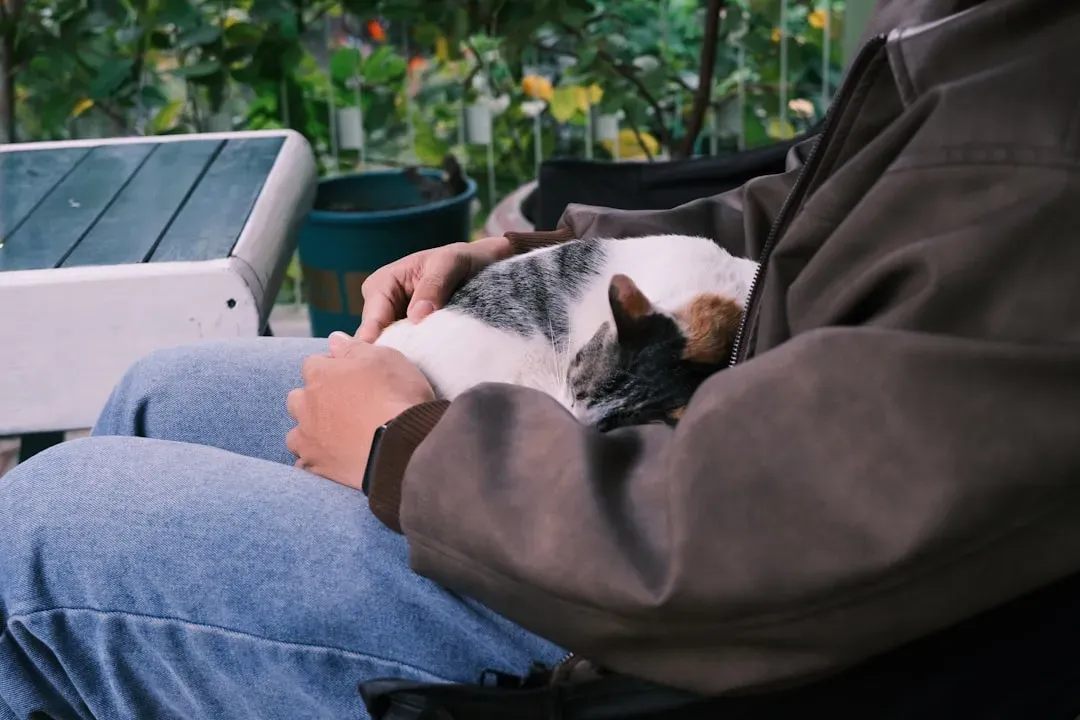
Much of a cat’s sleeping behavior stems from social tendencies. Despite their reputation as aloof, cats can have social connections and form bonds with pet parents and other pets. They also seek out warmth from body heat while sleeping, leading cats to sleep on you or next to you.
Cats are highly sensitive to rhythmic sounds, and few things are as calming as the steady thump-thump of a heartbeat and the gentle rise and fall of breathing. Much like how newborn kittens seek the warmth and heartbeat of their mother, adult cats may find similar comfort in their human. It’s instinctive, and it speaks to a bond that runs deeper than most people realize.
Hiding and Seeking Enclosed Spaces: A Sign Worth Watching
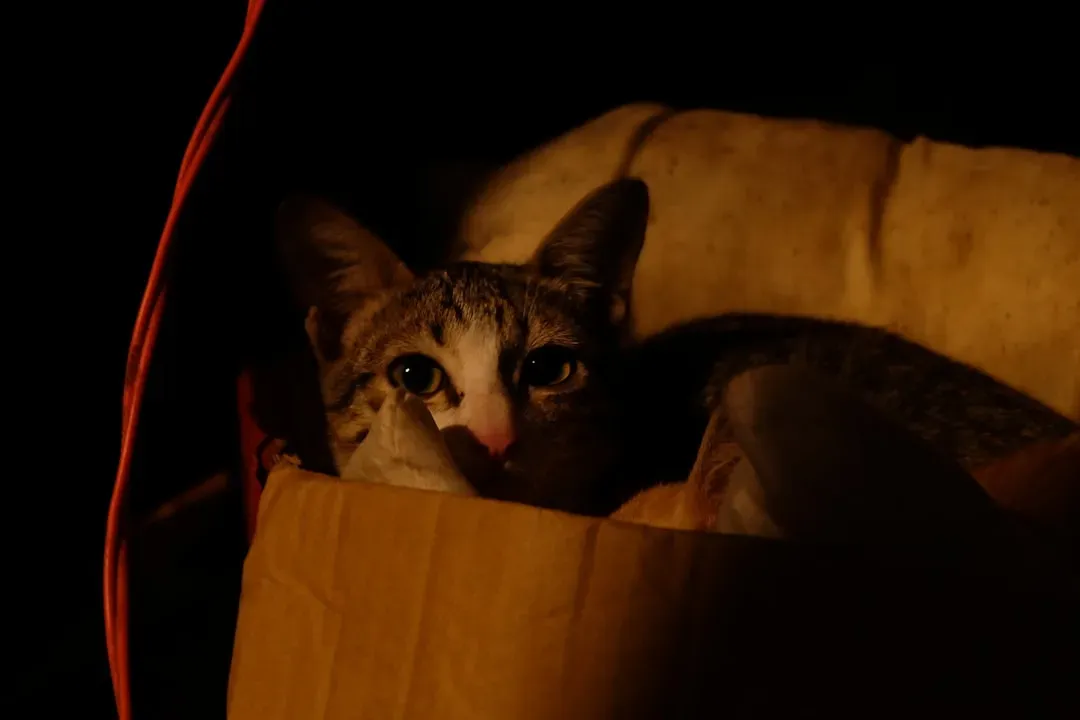
Anxious or skittish cats prefer to hide or conceal themselves in small dark confined spots (wardrobes or under bedding), while confident cats like to shelter themselves for uninterrupted sleep in boxes, tunnels, and bags. So when you see your cat squeeze into a dark corner, consider the full picture before assuming it’s just quirkiness.
A shift to secluded sleeping areas, such as under furniture or in closets, warrants attention. This behavior may signal anxiety, stress, or physical illness and should be monitored closely. If your cat is suddenly sleeping in unusual spots it never used before, it’s worth noting how long the pattern continues and whether anything in the home has changed recently.
When Sleeping Positions Signal a Health Concern
A cat that consistently sleeps in a tight, hunched loaf with eyes partially open may be experiencing pain. Cats who suddenly switch from relaxed, sprawling positions to tense curling in hidden locations could be signaling illness or stress. Excessive hiding, loss of appetite, or lethargy alongside a change in sleep posture warrants a veterinary visit.
A cat’s sleeping position often correlates with its emotional state. Healthy cats typically sleep openly, rotate between various positions, and exhibit frequent stretching. In contrast, those experiencing stress or illness may limit movement, sleep in secluded areas, or maintain stiff postures. Trust what you already know about your cat’s baseline. A shift from their norm is usually the clearest signal of all.
How the Environment Shapes Where and How Your Cat Rests
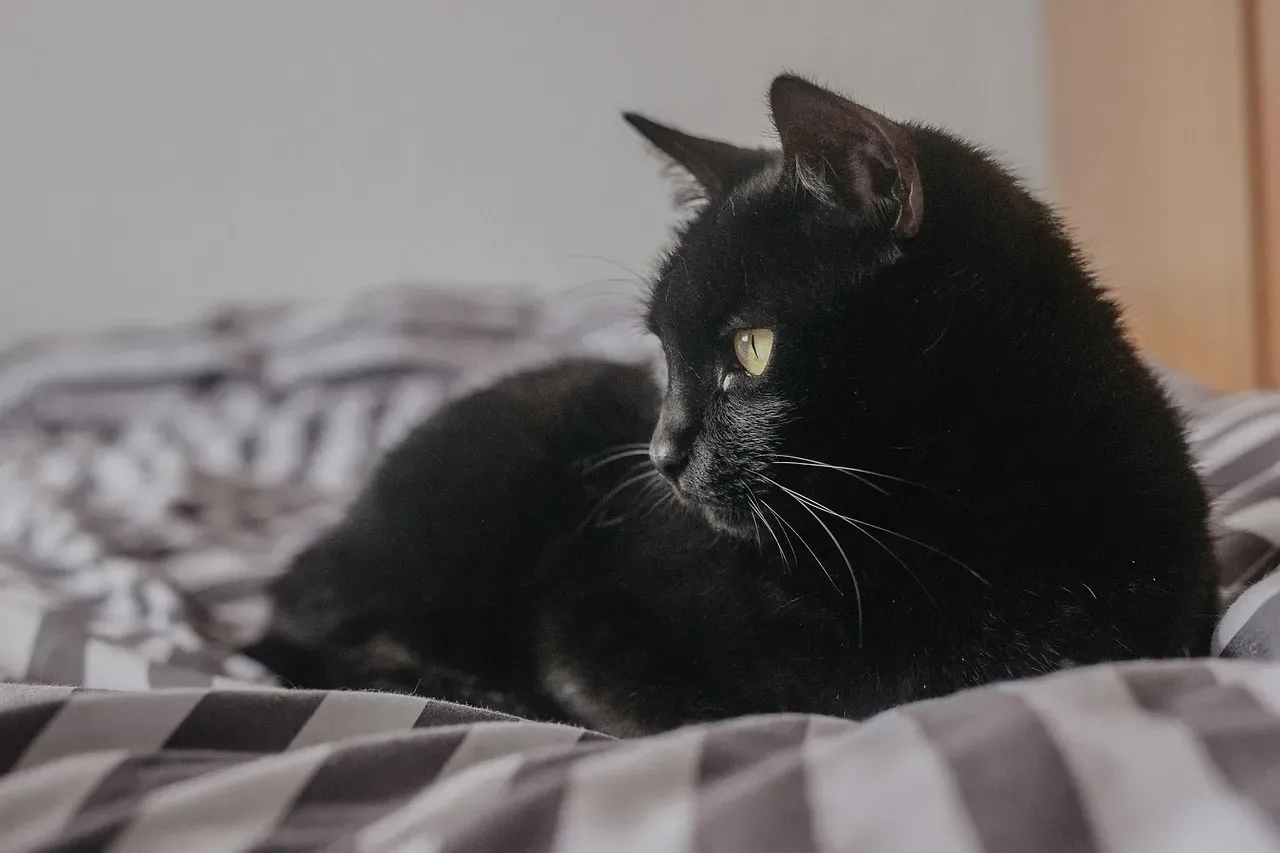
Cats are highly responsive to their surroundings. Cool temperatures lead to increased curling or loafing postures, while warm conditions produce a preference for stretched or sprawled positions. Loud environments create a greater tendency to hide or seek enclosed spaces, while quiet, secure settings allow more relaxed, exposed postures like belly-up or side-sleeping.
Cats naturally sleep more tightly curled in winter and more stretched out in summer, so not every shift is cause for concern. The environment does much of the work here. Giving your cat access to both warm, enclosed spots and open, elevated perches allows them to self-regulate mood and comfort throughout the day on their own terms.
Conclusion
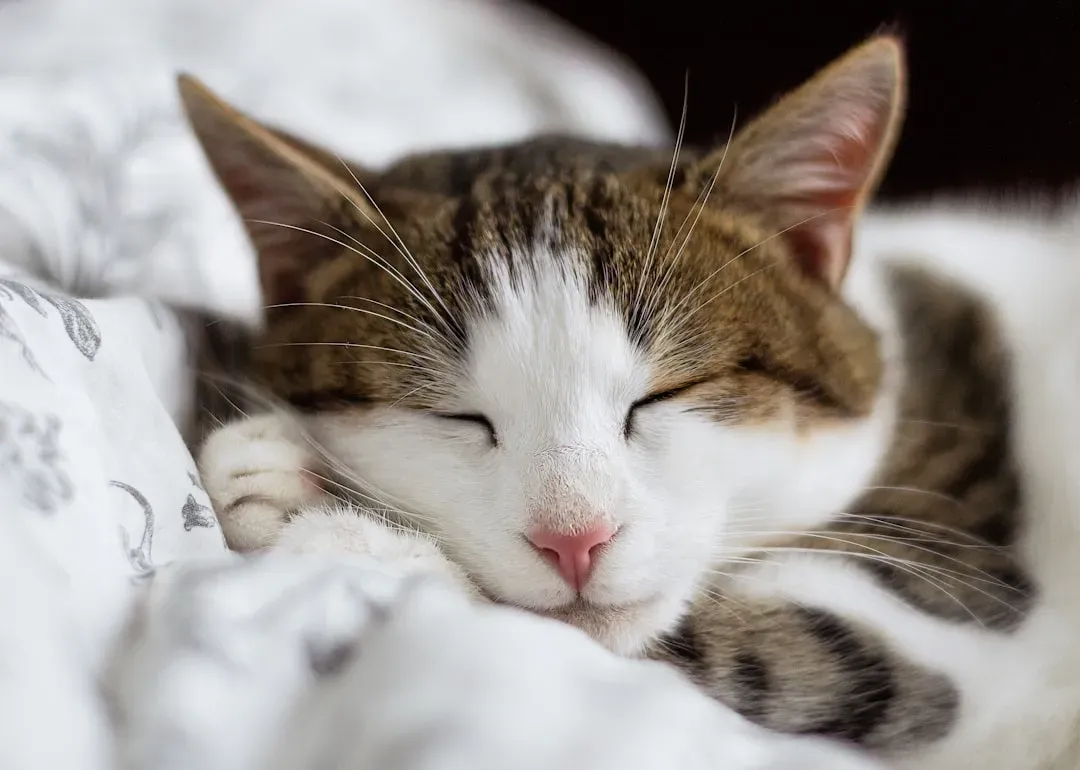
By understanding the meaning behind your cat’s sleeping postures, you gain deeper insight into their physical and emotional well-being. Each position, whether protective, affectionate, or symptomatic, communicates a unique narrative. The beauty of it is that your cat has been saying all of this without making a sound.
Individual cats may have unique preferences, and factors like age, health, and personality can influence their sleeping habits. Consistent observation and understanding will help you build a stronger bond with your feline companion. Pay attention over time, and patterns will emerge. Your cat may not speak your language, but they have never stopped communicating with you.
Kristina is a young writer from India. An arts graduate and an avid content creator, Kristina is passionate about animals and wildlife. She enjoys exploring topics related to pet care, animal behavior, conservation, and nature, combining thorough research with engaging storytelling.