You probably think you know your cat pretty well. You recognize the classic meow when they want food and the steady purr when they’re curled up on your lap. Comfortable, familiar sounds. The reality, though, is that you’re only hearing a fraction of a remarkably layered communication system that researchers have spent decades trying to decode.
Your cat vocalizes to communicate with others and express internal states, and the vocal repertoire is wide – up to 21 different vocalizations have been described in the scientific literature. What’s more, it’s more than probable that the actual repertoire contains even more types than that. The further science looks, the more complexity it finds.
A Research History That Starts Earlier Than You Might Expect
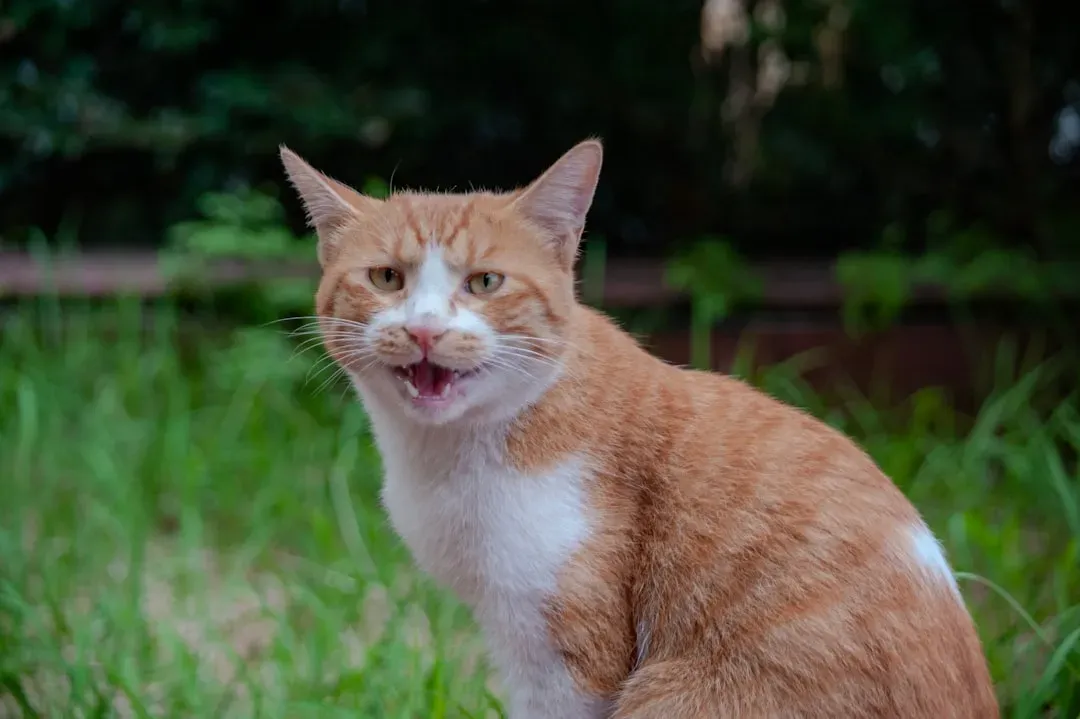
The formal study of cat sounds goes back further than most people realize. Back in 1944, Mildred Moelk published the first phonetic study of cat sounds and classified 16 different vocal patterns into three main classes: sounds produced with the mouth closed, sounds produced when the mouth is first opened and then gradually closed, and sounds produced with the mouth held tensely open. That foundational work set the stage for everything that followed.
Moelk also claimed that cats had six different forms of meows to represent friendliness, confidence, dissatisfaction, anger, fear, and pain. The science has grown considerably since then. Cat vocalizations are produced using the larynx, which contains vocal cords that vibrate when air passes through them – similar to how humans produce sounds, but cats have more control over the muscles in their larynx, allowing them to create a wider variety of sounds.
The Meow Is Essentially Designed Just for You
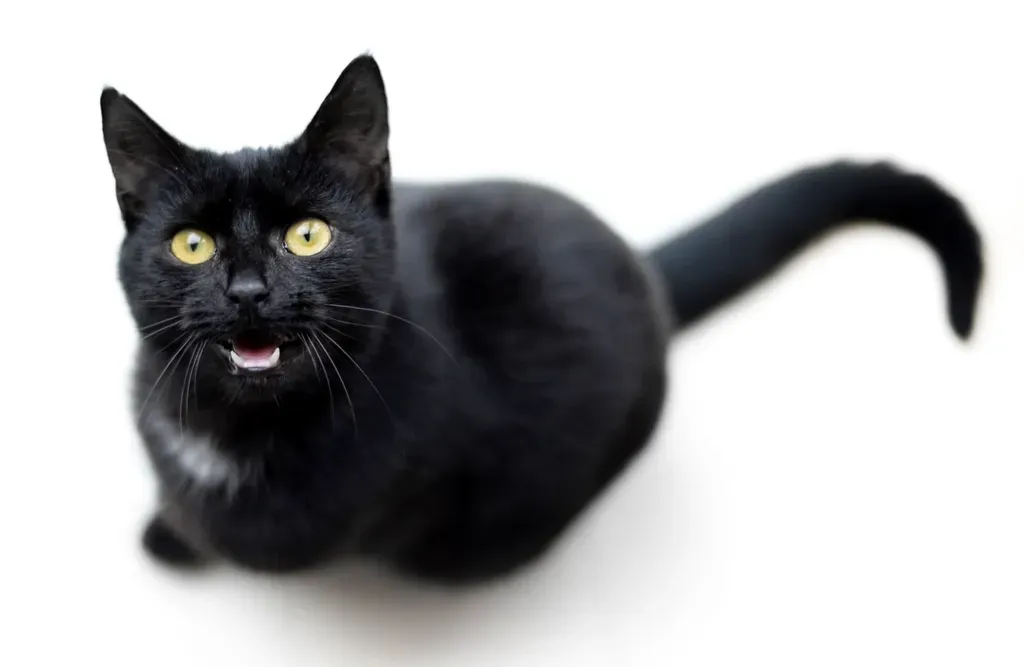
Here’s something that changes how you think about your relationship with your cat: adult cats rarely meow to each other, and so adult meowing directed at human beings is likely to be a post-domestication extension of mewing by kittens. In other words, your cat didn’t bring the meow into your relationship – your presence essentially created it.
Researchers have compared the vocalizations of the domestic cat to those of its closest relative, the African wildcat, and discovered that the vocalizations of the domestic cat have changed to become more pleasant to the human ear. This is likely why felines have evolved to meow almost exclusively to humans, and rarely use it as part of cat-to-cat communication. Your cat has literally adapted its voice to communicate with you more effectively.
Not All Meows Sound the Same – And That’s the Point
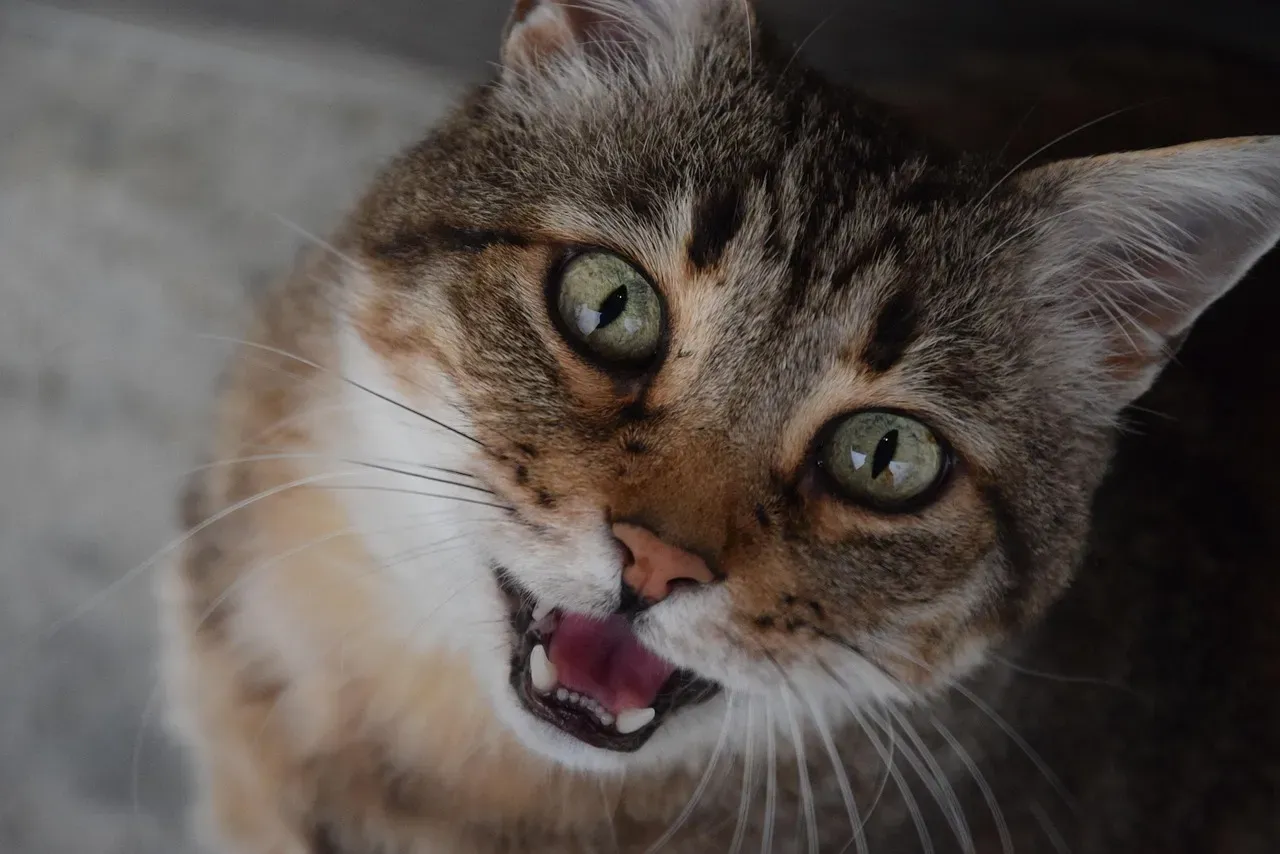
Meows can be assertive, plaintive, friendly, bold, welcoming, attention-soliciting, demanding, complaining, sad, or even silent. When you pay close attention, you start to notice that your cat doesn’t just have one meow. Each cat may have dozens of different meows with different meanings, and pet parents may learn some of their own cat’s individual meows.
A cat meow can indicate anxiety, boredom, frustration, or even illness, particularly if it’s lower-pitched and more drawn out compared to the short, high-pitched meow that often signifies a greeting or a want. The pitch, length, and urgency of the sound all carry information. Most cat owners feel confident they understand their cat’s meows, but research suggests we’re not as fluent as we think. In one study, less than half of participants could correctly match a cat’s meow to the situation it was recorded in. The best-recognized meow was the one cats made while waiting for food, and even that was only correctly identified about 40% of the time.
The Purr Is Far More Complex Than Contentment
Purring is believed to indicate a positive emotional state, but cats sometimes purr when they are ill, tense, or experiencing traumatic or painful moments such as giving birth. So when your cat purrs during a vet visit, it doesn’t necessarily mean they’re relaxed. Context matters enormously. Like all feline communication, purring must be evaluated in context with the cat’s body language. If the cat’s ears are back, pupils are dilated, they’re tense or hunched up, or they’re acting differently than normal, then purring may indicate the cat is uncomfortable or unhappy.
There’s also a “solicitation purr” – a purr produced when the cat wants something such as food or attention, primarily directed at human caregivers. This purr contains a slight high-pitched cry and can sound more insistent than the relaxed, unsolicited purr. It has also been suggested that purring can act as a soothing mechanism and can promote healing. You’re not imagining it when a purring cat seems to make the room feel calmer.
Trilling: The Sound Your Cat Reserves for People They Actually Like
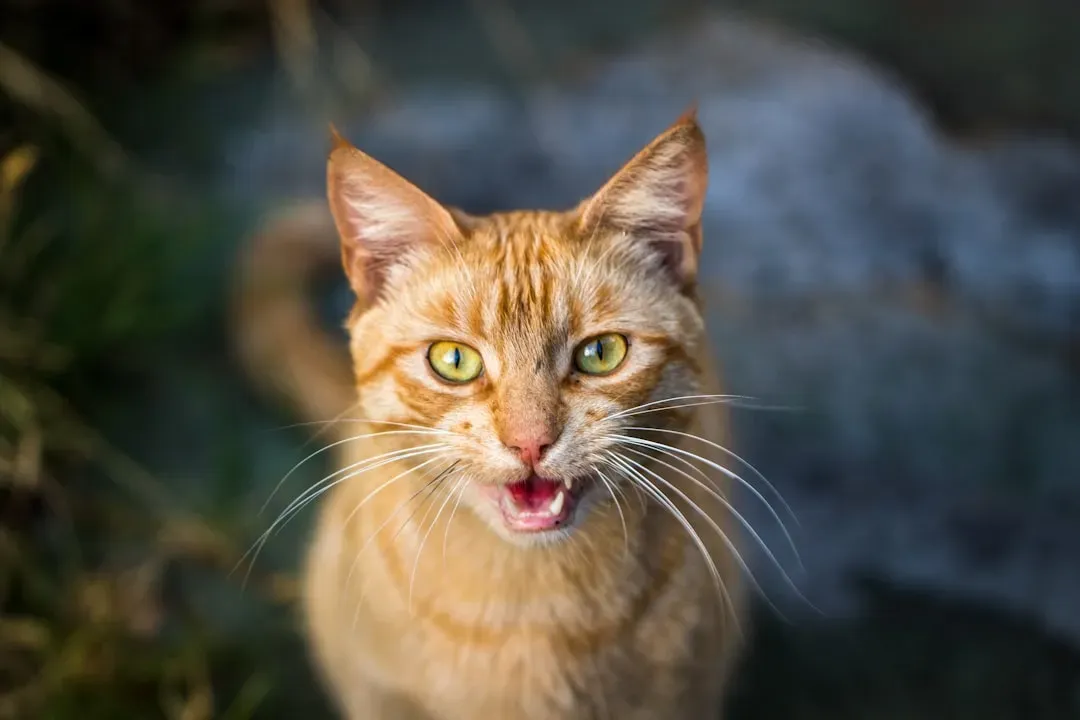
Cat trilling is a vocal form of communication that cats use to talk to other cats, to humans, and even to other animals within their household. It is a high-pitched, repetitive noise that comes out in short bursts. You’ve likely heard it when you walk into a room your cat is already settled in. Cats trill when they see or approach a familiar and well-liked person, cat, or other animal, and studies show it is specifically associated with positive and familiar situations.
When kittens are very young, the mother cat will often trill at them as a cue to encourage the kittens to follow her or capture their attention. As a result, kittens learn this form of communication early on and, due to their tendency to mimic sounds, will use the trilling vocalization when greeting other animals or people, or when they are seeking attention themselves. So when your cat trills at you, they’re drawing on communication patterns that go all the way back to their earliest days.
Chirping and Chattering: Windows Into Your Cat’s Hunting Brain
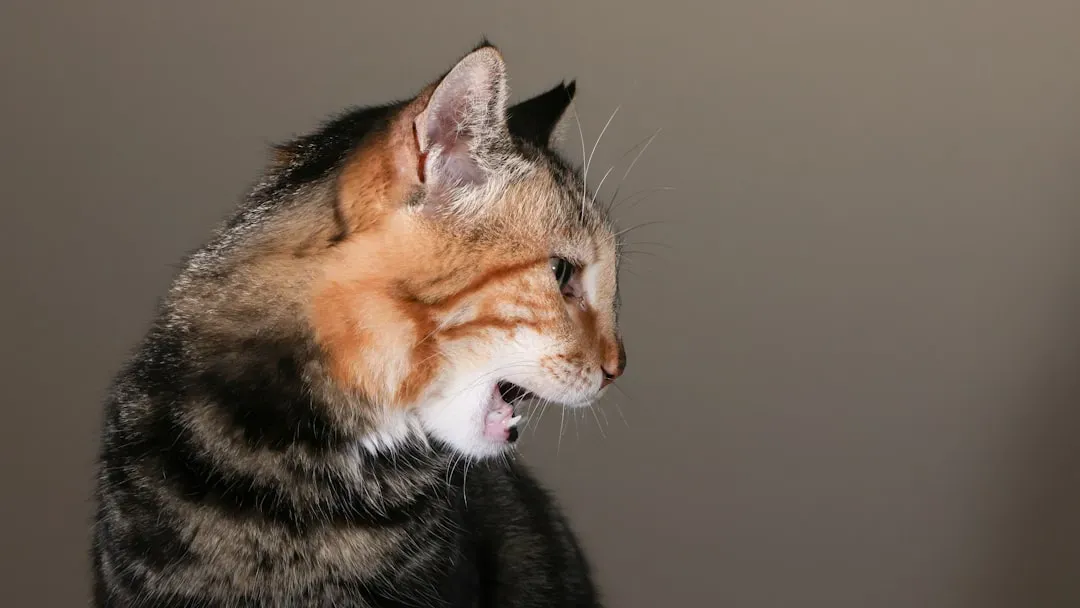
The cat chirp, also known as a chirrup or a trill, is a short, peep-like sound that’s very similar to a songbird’s warble. You’ve almost certainly seen your cat make this sound while staring at a bird through the window – utterly focused, jaw moving, the sound somewhere between frustration and excitement. The instinctive nature of chirping and chattering can be traced back to the hunting behaviors of domestic cats’ wild ancestors, and these vocalizations may serve as an outlet for the pent-up energy and excitement that arises when a cat spots prey.
Chattering, also called twittering, is a low smacking sound produced by a rhythmic clashing of the jaws. It is usually voiceless, produced without using the vocal cords. Along with chirping, chattering may occur when a cat spots prey that’s out of their reach. Several theories have been proposed to explain why cats chirp and chatter at birds. One theory suggests that these vocalizations are a result of frustration or excitement when a cat sees prey it cannot reach. Whichever explanation is closest to the truth, the behavior is unmistakable once you’ve seen it.
Growling, Hissing, and the Language of Threat
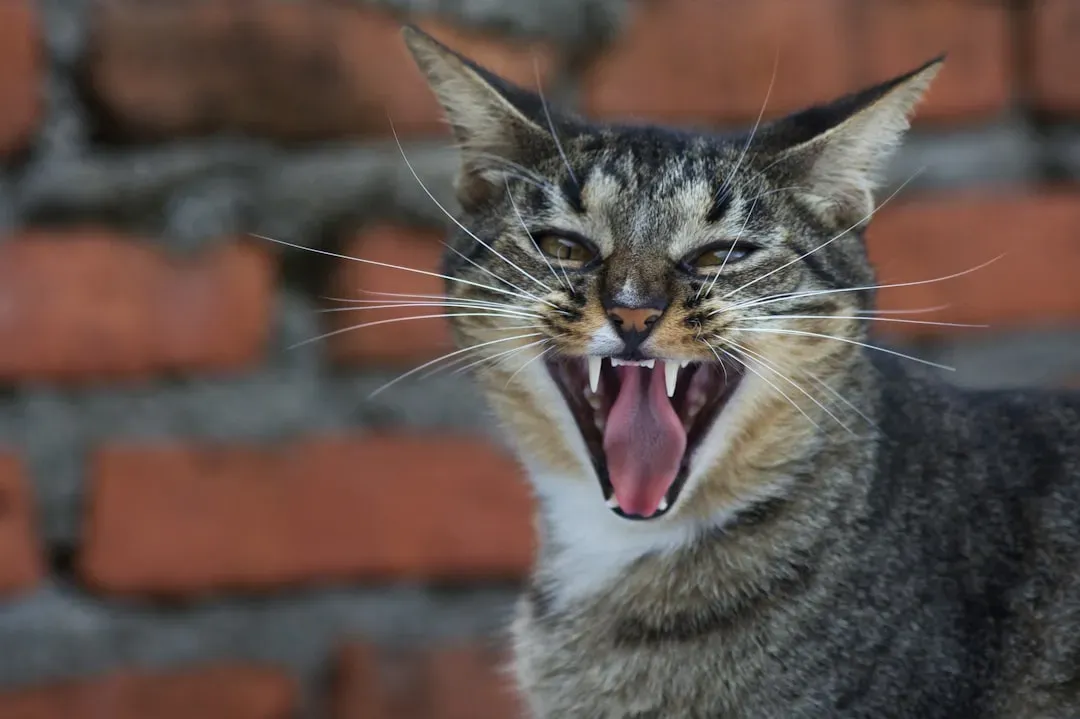
A growl is a low, rumbling sound used to warn or scare off a threat. It can be directed toward humans or other cats or animals. Growling is an indication that a cat feels threatened, frightened, or is about to become aggressive. These aren’t sounds you should try to talk your cat out of – they’re clear messages that deserve your attention and respect. A hissing sound is often made when a cat feels threatened or is in a defensive mode, and this vocalization is accompanied by an open mouth, exposed teeth, and normally a tensed-up body.
The howl, moan, and wail sounds are commonly vocalized during threatening situations. Howls are more tonal, while moans are long and slowly modulated. Anger wails are combined with growls, while yowls are similar to howls but longer. If you’re ever caught between two cats locked in a standoff, you’ll hear this full spectrum escalate in real time. Hissing, growling, and yowling can signal stress, fear, or aggression, and these sounds serve to warn other animals or humans to stay away or to behave cautiously.
Vocalization Changes in Older Cats Are Worth Taking Seriously
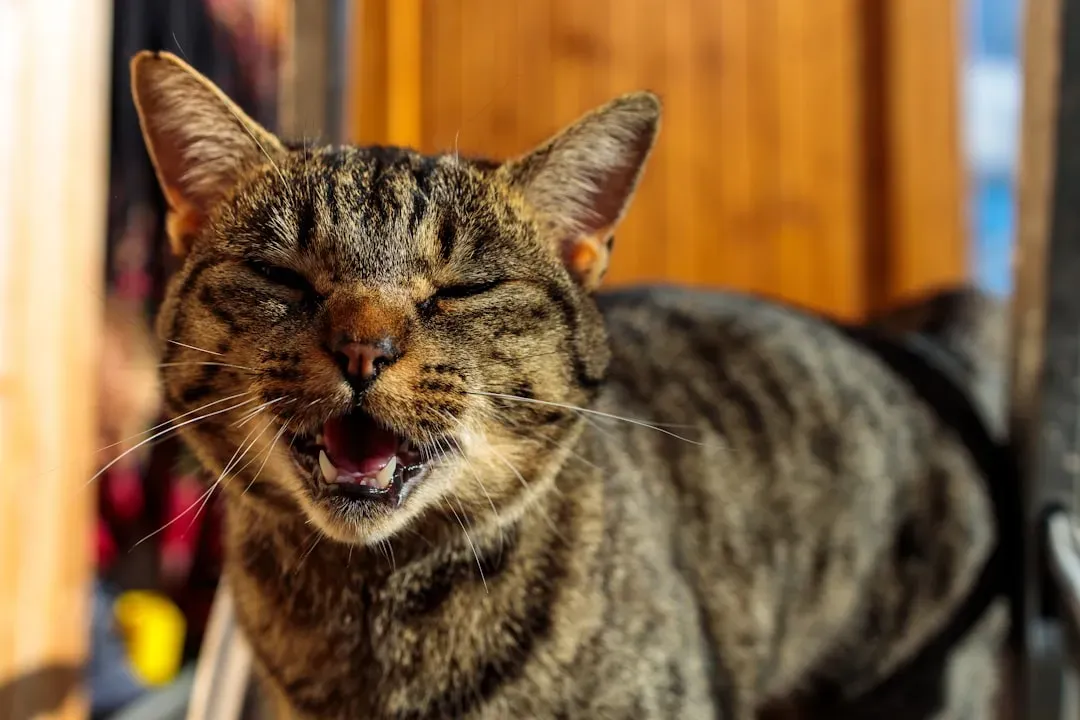
Older cats may vocalize excessively for a number of reasons, including disorientation, loss of hearing, and pain due to one or more medical conditions. If your senior cat has suddenly become much more vocal than before, that shift is a signal worth investigating – not dismissing as normal aging. For an elderly cat, yowling is a common symptom of cat dementia, which can cause a senior cat to yowl constantly.
It’s estimated that cognitive decline – referred to as feline cognitive dysfunction – affects more than 55% of cats aged 11 to 15 years and more than 80% of cats aged 16 to 20 years. Memory, ability to learn, awareness, and sight and hearing perception can all deteriorate. This deterioration can cause disturbances in sleeping patterns, disorientation, or reduced activity. Another possible cause specific to senior cats is hearing loss. If your cat experiences deafness, they might not be able to hear themselves meow like they used to, resulting in louder vocalizations. Paying attention to how your cat’s voice changes over the years is genuinely part of caring for their health.
Every Cat Develops Its Own Vocal Dialect
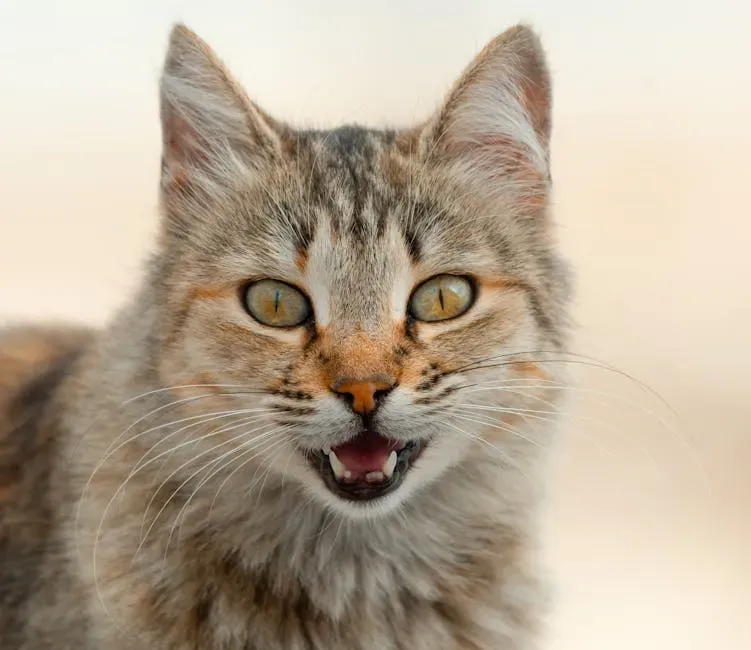
The environment has an important impact on vocal behavior, and feral cats and pet cats vocalize differently. Pet cats are thus able to create an efficient communication with humans thanks to the flexibility of vocalization behaviors. This flexibility means your cat’s voice is partly a product of their relationship with you specifically. Unlike many other animals, cats are highly adept at learning how to communicate with humans, using vocalizations to express their needs, desires, and emotions. Some cats even develop specific vocal patterns tailored to their owners.
Some cats are simply more vocal than others, and genetics plays a real role. Research has identified a gene variant linked to vocalization toward humans. Cats carrying the short version of this gene tend to meow more at people, while those with the long version are quieter. While not all cat breeds are chatty – Maine Coons tend to be much quieter than talkative Siamese cats – knowing about cat sounds, along with reading a cat’s body language, allows pet parents to better understand their cat’s needs, moods, and intentions. You’re not just living with a cat; you’re living with a cat whose voice has been shaped, at least in part, by living with you.
Conclusion
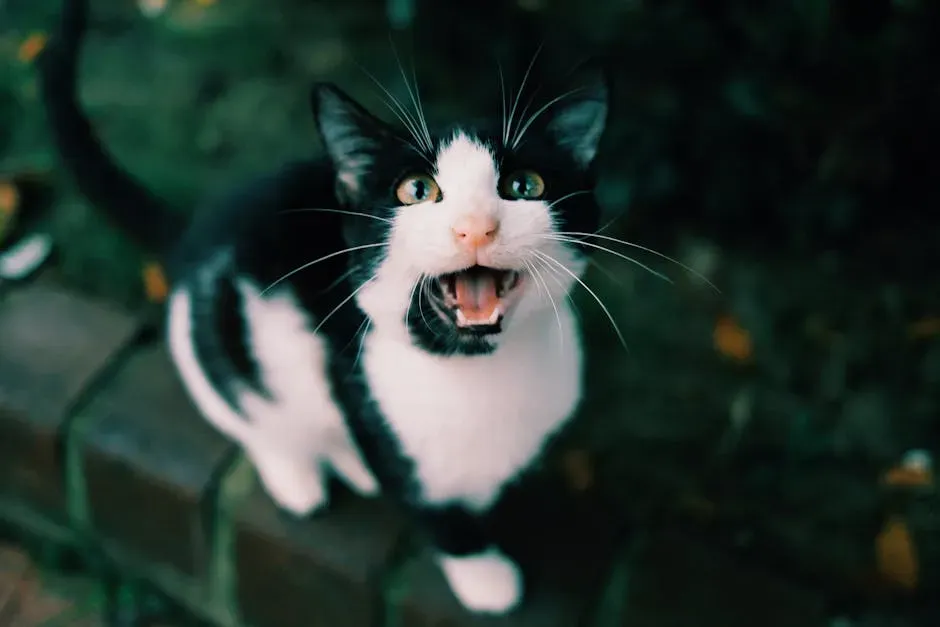
Your cat’s vocal life is richer, more purposeful, and more deeply connected to you than a simple meow-and-purr framework could ever capture. While different types of cat vocalizations have different meanings, a general rule of thumb is that any change in a cat’s vocalization – the frequency, intensity, duration, or pitch – warrants a visit to the veterinarian to evaluate for pain, illness, or anxiety.
The more carefully you listen, the more your cat reveals. There’s a kind of attentiveness that deepens the relationship – not because you’ll ever fully translate every sound, but because paying attention itself is a form of communication. Your cat has been adapting their voice to reach you for years. Listening back is the least you can do.
Kristina is a young writer from India. An arts graduate and an avid content creator, Kristina is passionate about animals and wildlife. She enjoys exploring topics related to pet care, animal behavior, conservation, and nature, combining thorough research with engaging storytelling.