There’s a moment most cat owners know well. You walk through the front door, call your cat’s name, and receive nothing in return – no bounding arrival, no tail wag, not even a glance from the windowsill. Your cat simply continues grooming, or sleeping, or watching birds with that half-lidded indifference that could easily pass for complete disinterest. It stings, just a little.
What science has started to reveal, however, is that this picture-perfect portrait of feline aloofness is frequently misread. The cat sitting quietly across the room isn’t ignoring you because you don’t matter. In many cases, you matter so deeply that your presence has become its definition of safe.
The Myth of the Indifferent Cat
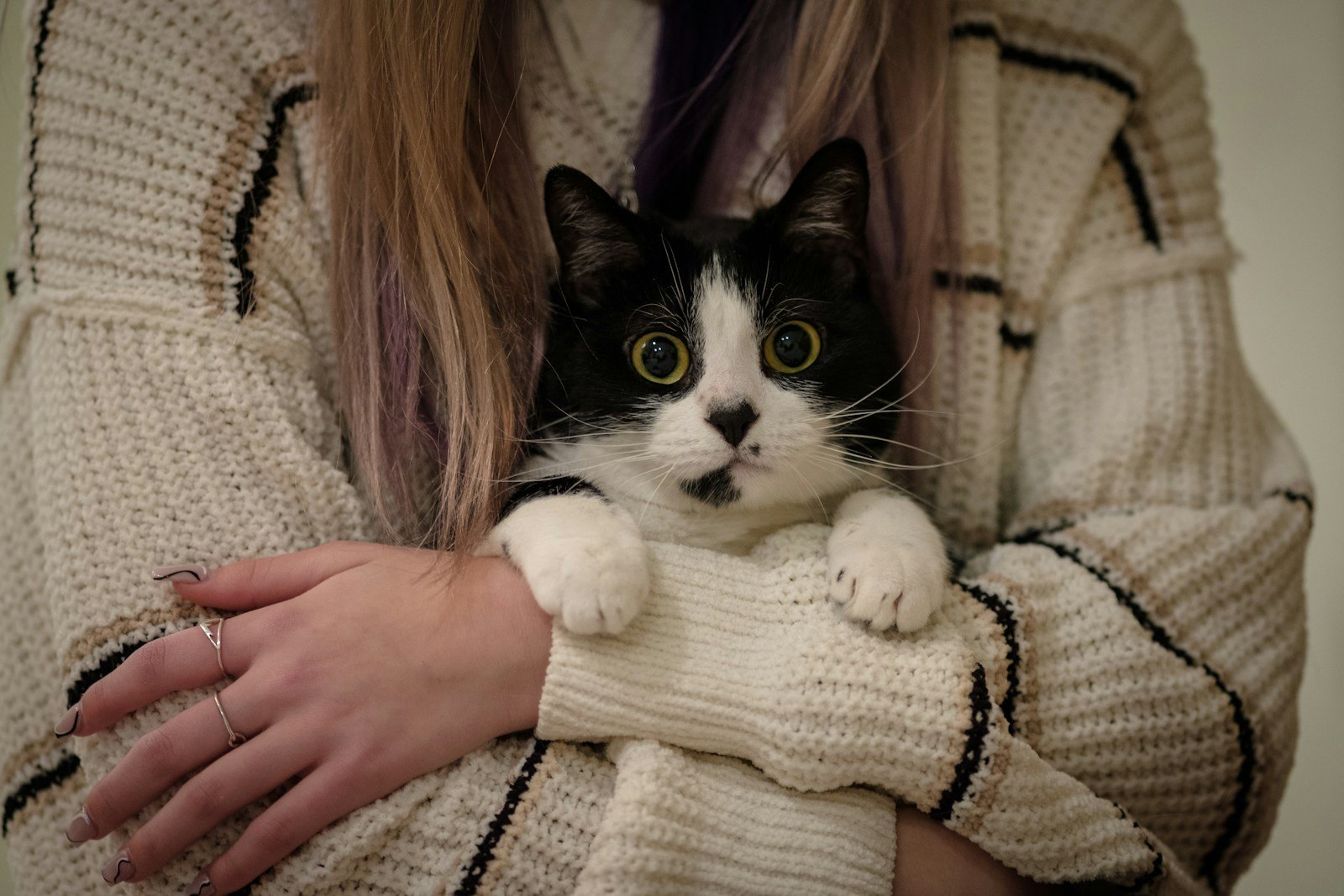
For decades, cats carried a cultural reputation as solitary, self-sufficient creatures that tolerated humans mainly for the food. That narrative was never especially well-supported by evidence, but it was stubborn. Cats have a reputation for being aloof and independent, but a study of the way domestic cats respond to their caregivers suggests that their socio-cognitive abilities and the depth of their human attachments have been significantly underestimated.
The findings indicate that cats have a greater flexibility and depth of social relationships than previously thought, suggesting that some cats are genuinely bonding with humans as caretakers. That’s not a small revision to what most people assume. It fundamentally changes how you should interpret your cat’s quiet presence in the same room as you.
What Secure Attachment Actually Looks Like in Cats
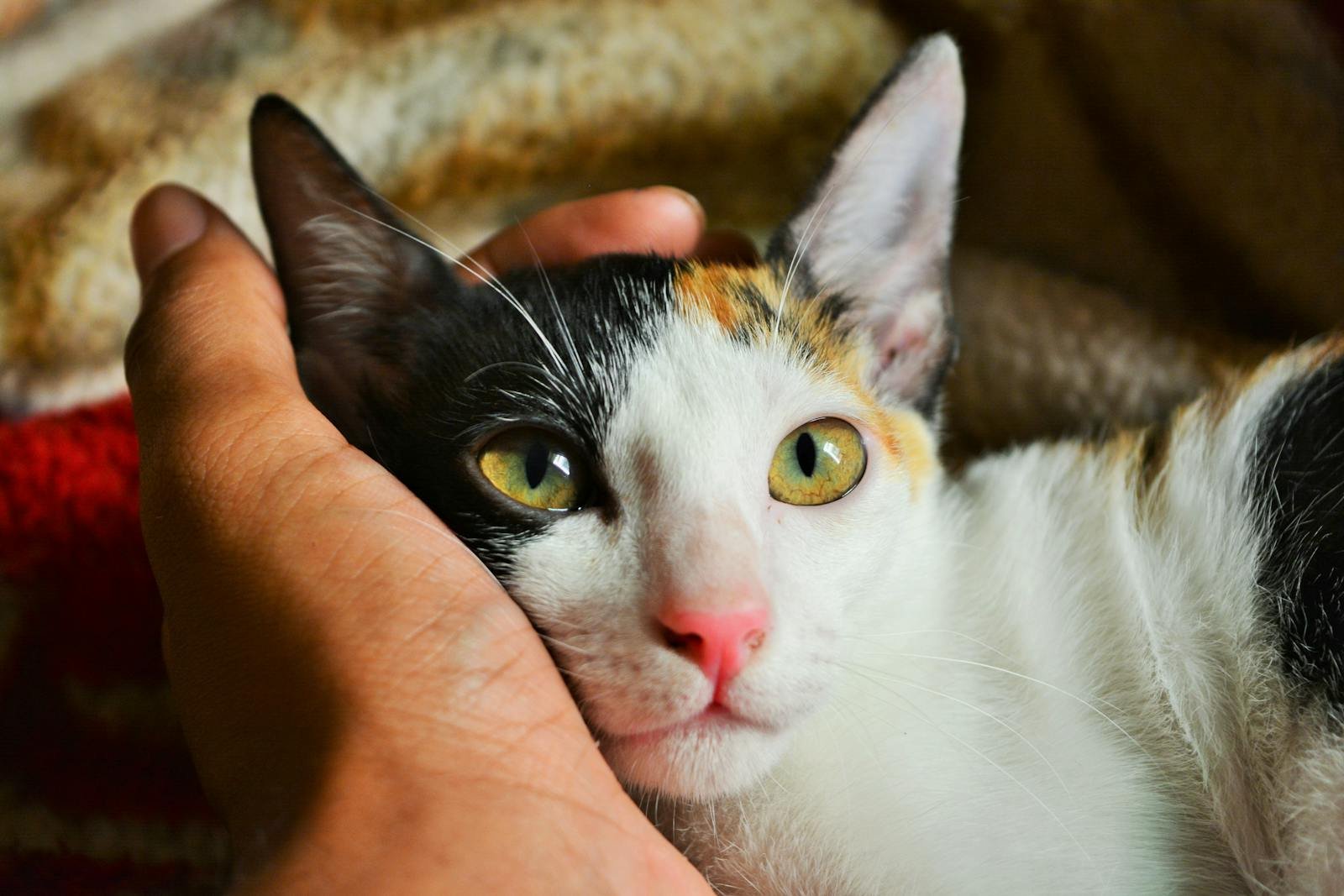
Cats with secure attachment greet their pet parents upon reunion but return to normal behaviors shortly after. That quick return to calm is not a snub. It’s a hallmark of emotional security, the behavioral equivalent of a child checking in with a parent and then running off to play.
Securely attached cats displayed a reduced stress response and curiously explored the room while checking in periodically with their owners for attention. Your cat wandering off to investigate the bookshelf while you sit nearby isn’t ignoring you. It’s using your presence as a launching pad for confident exploration. That’s a meaningful distinction.
The Science Behind Feline Attachment Styles
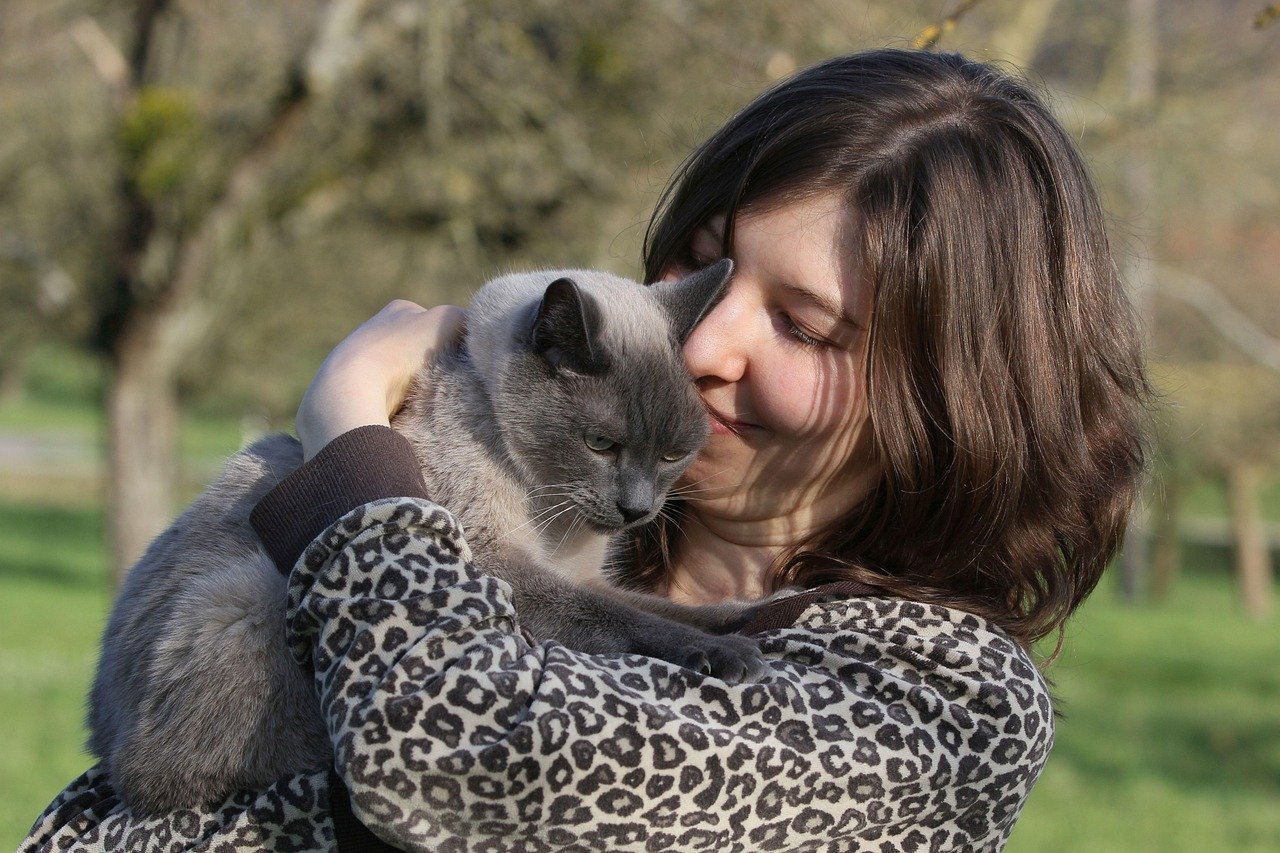
A study published in 2019 in Current Biology found that cats show attachment to their human companions in the same way babies and dogs do. The Oregon State University research team used the same behavioral criteria used to evaluate the attachment styles of human infants. The methodology was rigorous and the results were striking.
Of the 70 kittens that were classifiable, roughly two thirds were categorized as securely attached and just over one third were categorized as insecurely attached. Distinct attachment styles were also evident in adult cats, with a distribution similar to the kitten population. The bond, once formed, doesn’t fade with age.
How Researchers Tested Cat Attachment
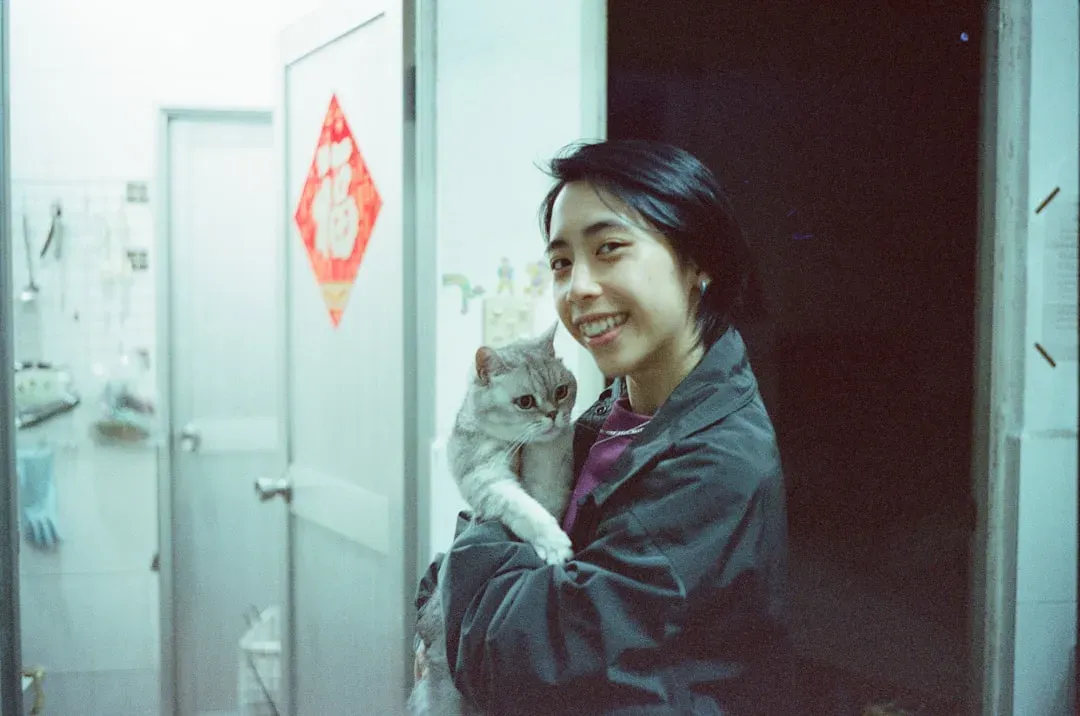
The modified Secure Base Test consists of three phases: first, the cat and their human companion enter a strange room and spend two minutes together; then the cat is left alone for two minutes; finally, the companion returns and they stay together for another two minutes. It’s a deceptively simple experiment with remarkably consistent results across species.
Upon the caregiver’s return from the two-minute absence, cats with secure attachment to the person are less stressed and they balance their attention between the person and their surroundings. Kittens with a secure style greeted their owners warmly, rubbed against the person or allowed physical contact, before going to explore the room or play with a toy. The reunion, brief and casual as it seemed, told researchers everything.
Aloofness Can Signal Insecurity, Not Just Independence

Cats that are insecure can be likely to run and hide or seem to act aloof. There’s long been a biased way of thinking that all cats behave this way. The confusion arises because insecure and secure cats can look similar from the outside – both seem “independent.” The difference lies in what drives the distance.
When felines don’t receive security, they tend to display stereotypical behaviors – hiding, shying away from close contact, appearing distant. While this behavior is often mistaken for aloofness, it can be a sign that the cat is struggling to form a secure bond. Owners can work on building trust by respecting their cat’s space and offering gentle encouragement for interaction. The surface behavior looks the same; the emotional root is entirely different.
How Your Behavior Shapes Your Cat’s Sense of Security
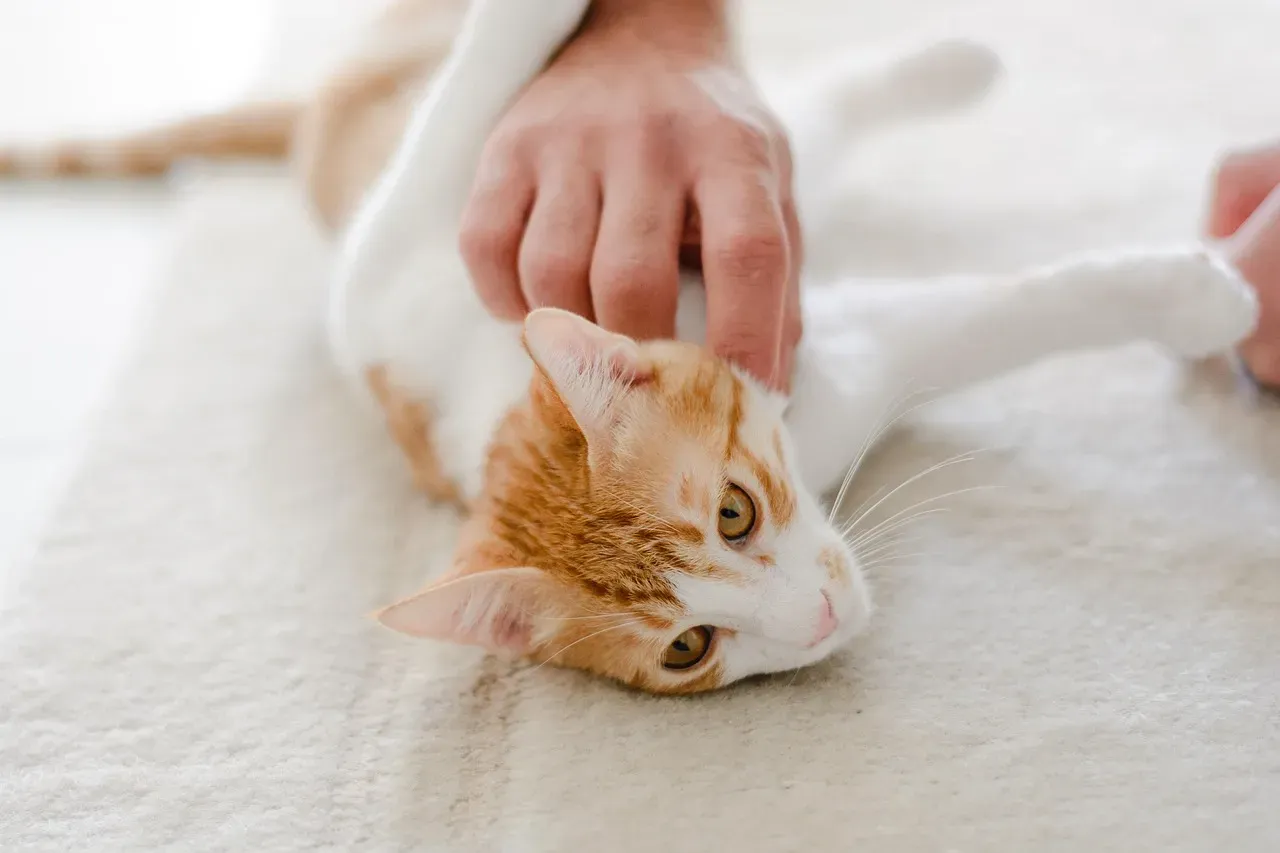
An owner’s behavior can significantly affect their cat’s attachment style. Consistent and positive interactions, such as gentle petting and playtime, can strengthen the bond between cat and owner. On the other hand, erratic or negative behavior may lead to insecurity or fear. The relationship runs both ways, whether you notice it or not.
Common misconceptions that cats need less social interaction, or are more independent, can impact both the amount and quality of social interactions offered. People who think felines don’t need much attention might be less hands-on with their own companion, which in turn results in a more aloof kitty. The stereotype, in other words, can become self-fulfilling.
Reading the Quiet Signs of Trust
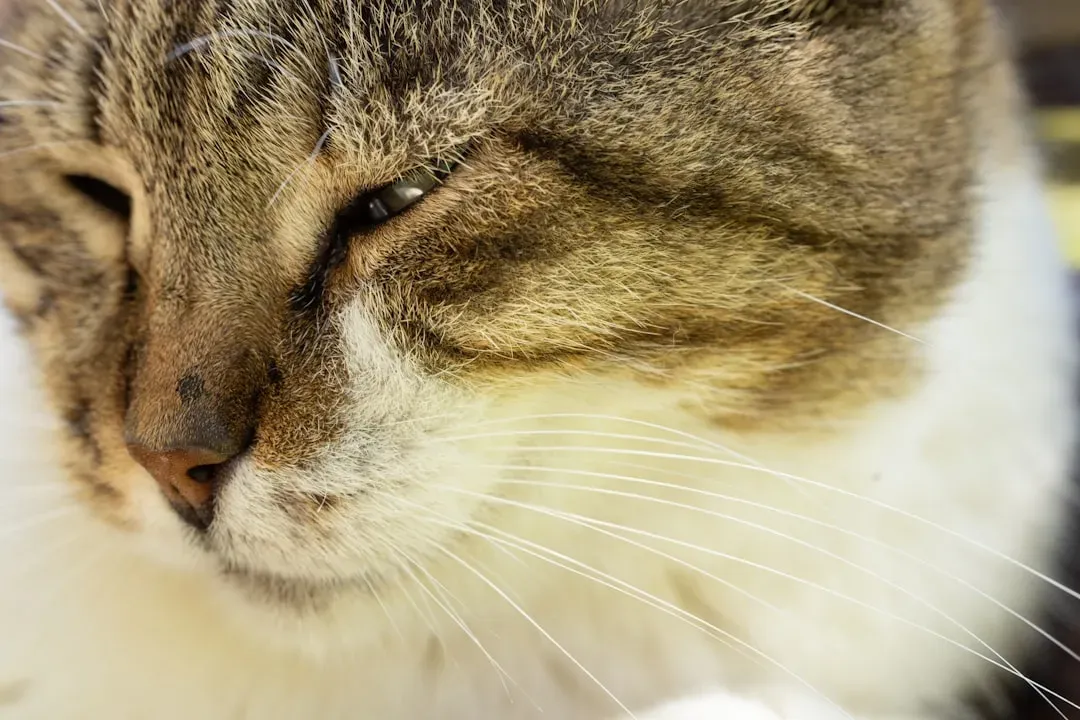
If a cat blinks slowly at you, they are not threatened by you – in fact, they trust you. To bond with a cat that blinks slowly at you, you can return their gesture by blinking slowly back at them. It’s one of the most understated gestures in the animal world, and one of the most sincere.
Head butts and chin rubbing are clear signs that your cat loves you, because cats have scent glands in their faces that allow them to claim friends and objects as their own. When your cat is spending some time cuddling on your lap, you might notice them kneading, another sign of enjoyment because it mimics feeding behavior in nursing kittens. These behaviors aren’t random. They’re a vocabulary, and a warm one at that.
Routine and Predictability as the Foundation of Security
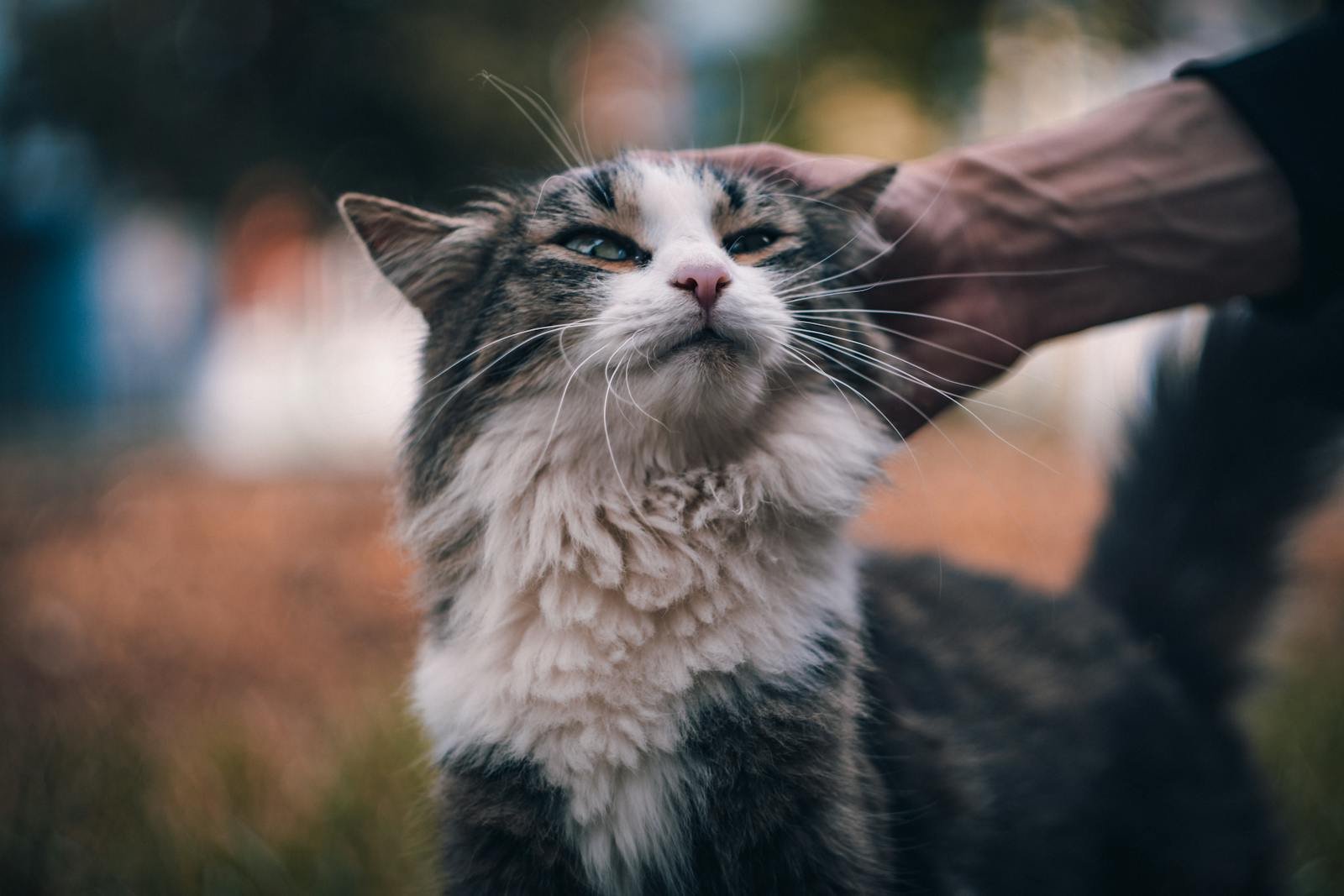
Cats prefer a familiar territory in which they have an awareness of their physical and social environment. This sense of control makes the cat feel comfortable and reduces stress. Predictability, familiarity, and routine enhance the cat’s coping ability. When you keep consistent schedules, you’re not just being organized. You’re actively building your cat’s confidence.
Some of the main causes of stress in cats include environmental changes, a barren environment, a poor human-cat relationship, inter-cat conflict, and lack of control and predictability. Routine acts like an external nervous system for cats. In simple terms, routine reduces the need for constant vigilance. A cat that doesn’t need to be on guard is a cat free to simply be itself.
Oxytocin and the Chemistry of Feline Bonding
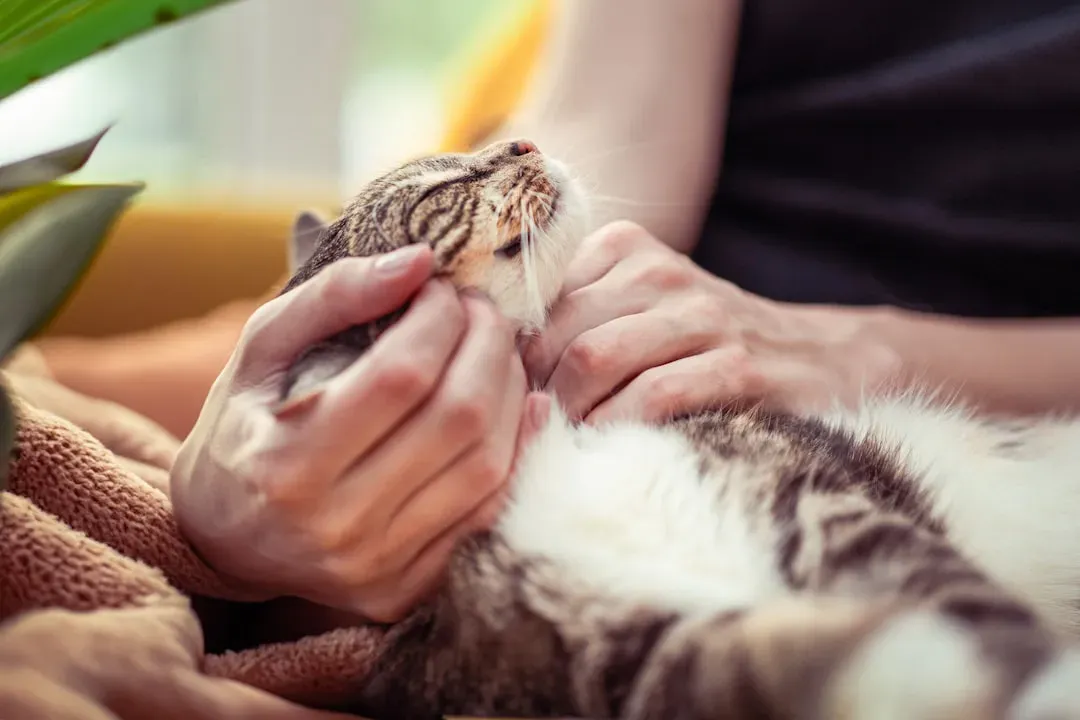
Cats, like dogs and even human babies, can develop different kinds of emotional attachments to their owners, and these attachments have a noticeable impact on their lives. Scientists have discovered that a cat’s attachment style is linked to how they behave around their owners, how likely they are to exhibit problem behaviors, and even fluctuations in their levels of oxytocin, a hormone often associated with social bonding.
The amount of time a cat spent near its owner was positively linked to the rise in oxytocin levels during the interaction. In other words, the more a cat chose to stay close to its owner, the more likely it was to experience a boost in the hormone that supports relaxation and bonding. Your cat choosing to nap within a few feet of you isn’t coincidence. It’s chemistry, quite literally.
What You Can Do to Nurture That Bond
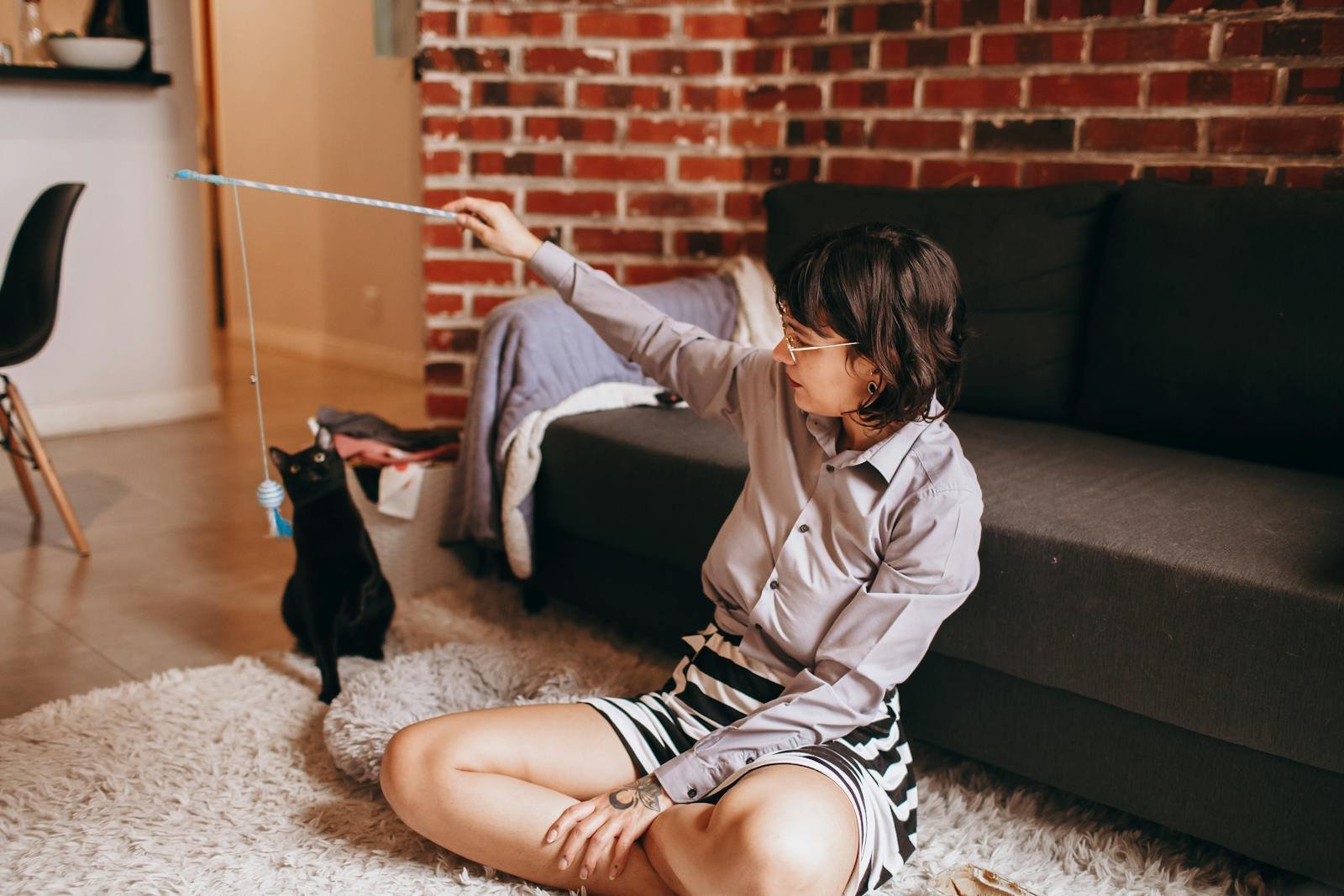
Many cats prefer a high frequency, low intensity level of social contact with humans, a scenario that gives them a good deal of control. In this setting, cats are able to initiate, moderate, and end their interaction with humans. Meeting a cat on those terms is not a compromise. It’s respect, and cats notice it.
Predictable interactions – short, consistent sessions of play, grooming, or petting – are better than random bursts of intense attention. Securely attached cats not only engaged more positively with their owners but also exhibited fewer problematic behaviors such as destructive actions or aggressive responses when meeting strangers. Security, it turns out, is good for everyone in the household.
Conclusion
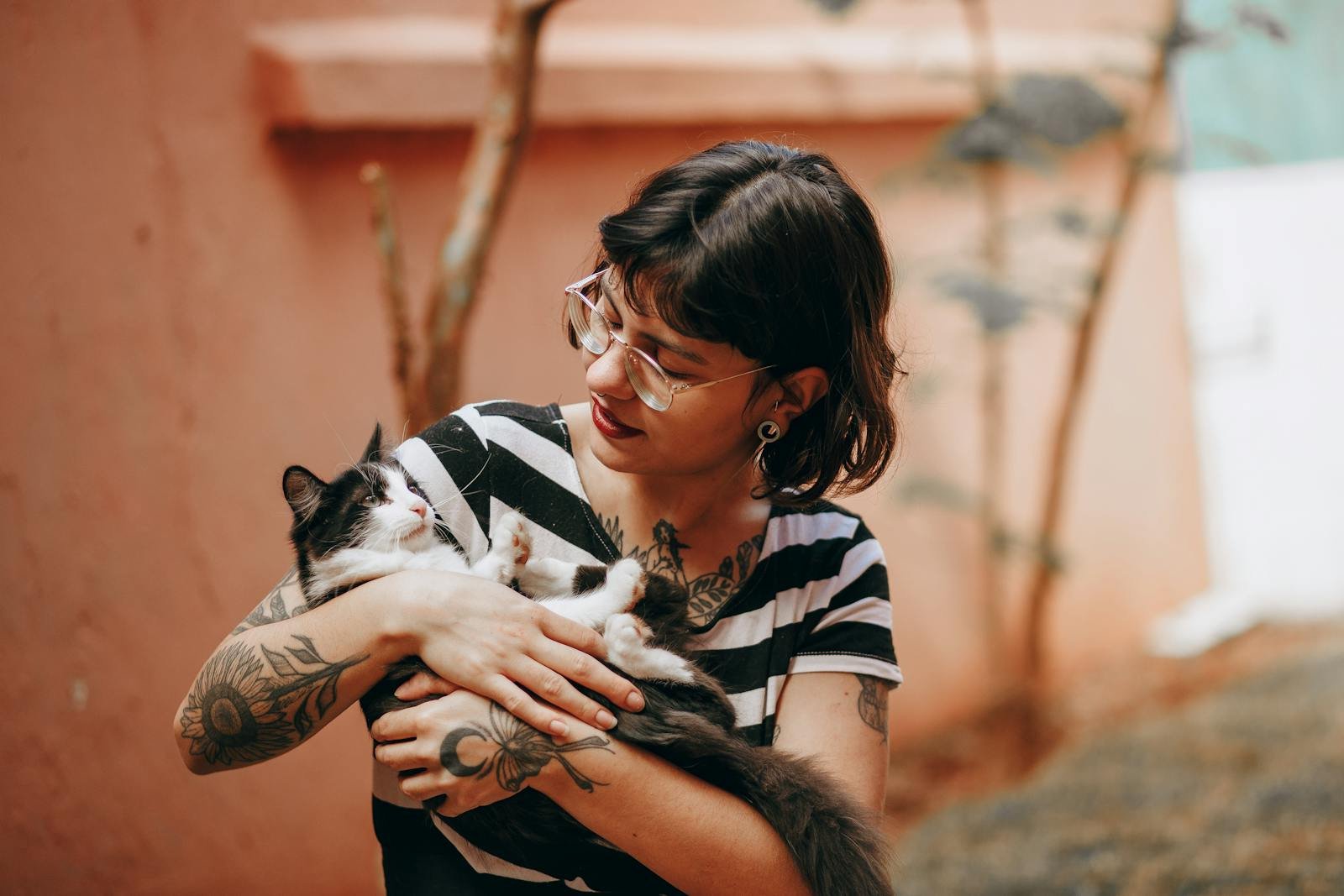
The cat that barely acknowledges your arrival may be giving you the highest compliment in its emotional vocabulary. The majority of cats use their owner as a source of security. Your cat is depending on you to feel secure when they are stressed out. That quiet dependence rarely looks like the eager, demonstrative love you might associate with other animals.
The good news is our cats love us and care for us, regardless of attachment style. Overall, research shows cats experience complex emotional bonds with humans the same way we do with them. So the next time your cat settles into the far end of the sofa and closes its eyes while you’re in the room, take it for what it genuinely is: a creature that feels safe enough to let its guard down completely, right next to you.
Kristina is a young writer from India. An arts graduate and an avid content creator, Kristina is passionate about animals and wildlife. She enjoys exploring topics related to pet care, animal behavior, conservation, and nature, combining thorough research with engaging storytelling.